Why Revision 3 Varies: Key Cost Factors
- 공유 링크 만들기
- X
- 이메일
- 기타 앱
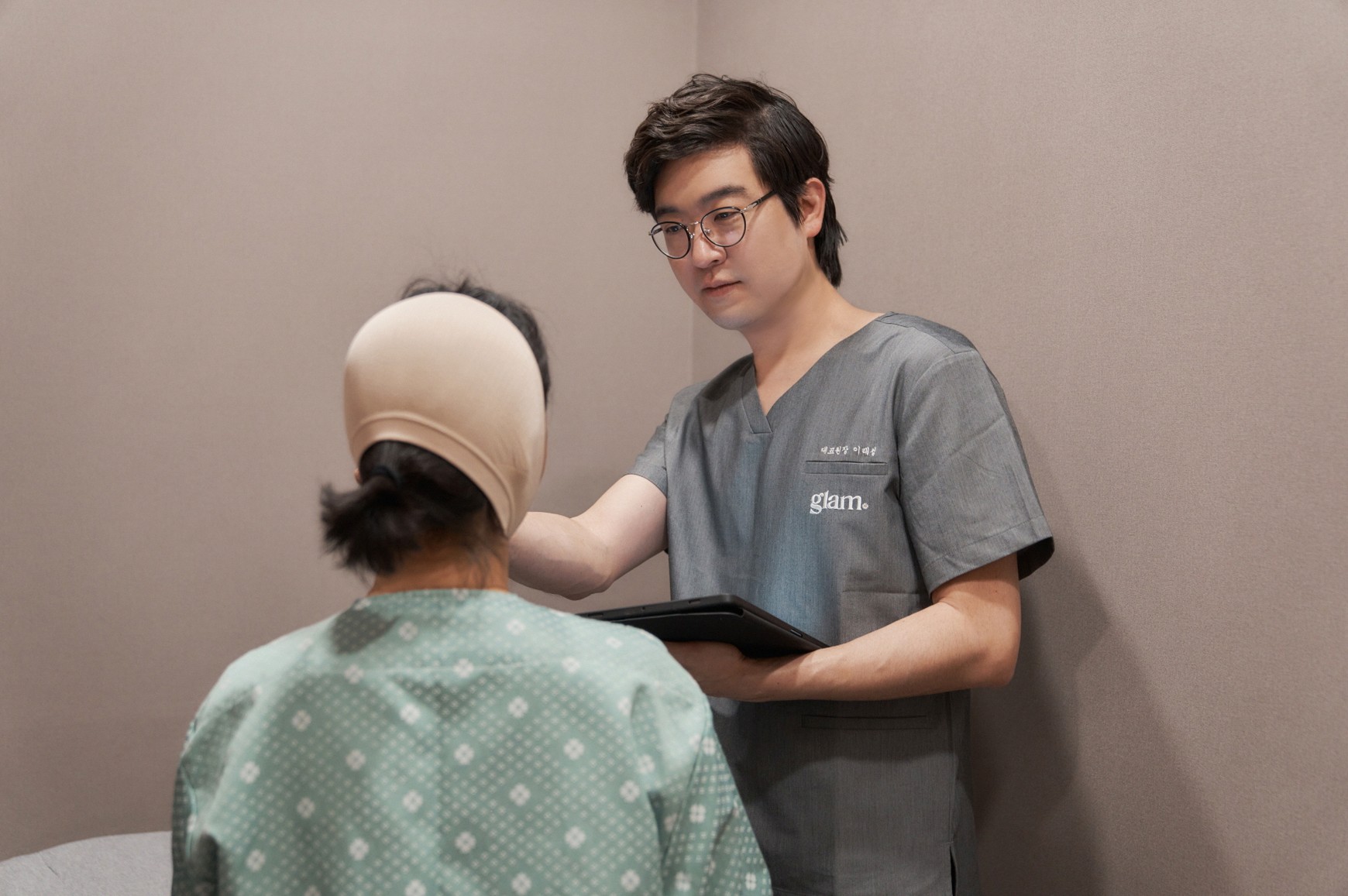
Direct answer: why there is no simple flat price for revision three‑area contouring
When you search for revision facial contouring three‑jawline package price, it is natural to hope for a clear number. However, revision facial contouring involving the cheekbones, jaw angles, and chin almost never has a single flat price. The final cost depends on how your bones have healed after the first surgery, what exactly went wrong, and which areas truly need to be corrected.
In revision cases, a surgeon must first study detailed imaging, understand the previous surgical method, and check nerve position and remaining bone volume. Only after this workup can a realistic plan and price range be discussed. For many patients, revising all three areas is neither necessary nor safe, and the quote reflects the actual areas and techniques required rather than a simple package label.
This article explains how revision three‑area contouring is different from first‑time surgery, which factors influence the price, what to expect when you travel to Korea, and how a facial bone–focused clinic such as GLAM Plastic Surgery in the Sinsa Station area of Gangnam may approach your case.
Overview of the three‑area facial contouring package
Typical three‑area facial contouring
In Korea, many clinics promote a so‑called three‑area facial contouring package. Although names differ, this usually includes:
Cheekbone reduction: To reduce wide or prominent cheekbones by cutting and repositioning the zygomatic bone.
Square jaw reduction: To slim the lower face by shaving or cutting the jaw angle and lower border.
Chin reshaping: To adjust the length, width, and projection of the chin, often through a sliding genioplasty or bone shaving.
These procedures are often performed together in one operation for patients who want a slimmer, more V‑shaped facial line.
How revision differs from first‑time surgery
Revision facial contouring is not simply repeating the same cuts. After your first surgery, several changes have already taken place:
Scar tissue: Inside the face, scar tissue forms around the bones and soft tissues. This makes dissection more difficult and can hide important structures.
Changed anatomy: The original bone has already been cut, moved, and possibly shaved. The current shape and thickness may be very different from standard anatomy.
Previous fixation: Plates and screws may still be present. These can interfere with new cuts and sometimes need to be removed or repositioned.
Nerve proximity: The sensory nerves that supply the lower lip and chin may now lie closer to the bone surface or to the previous cuts, increasing the risk of injury.
Asymmetry and functional issues: Some patients develop asymmetry, bite changes, or joint discomfort after the first surgery. These problems must be evaluated and addressed carefully.
Because of these factors, revision surgery requires more detailed planning, more conservative bone removal, and often more operating time than primary surgery. This is why the price structure is different and usually higher than for a first‑time three‑area package.
How price is structured in revision three‑area contouring
No single flat price for revision
For primary surgery, some clinics can offer a relatively fixed price for a three‑area package because they follow a standard approach. In revision cases, this is rarely safe or realistic. The surgeon must first understand:
Which areas are truly causing your concern.
How much bone has already been removed.
Where the nerves and fixation plates are located.
Whether there are functional problems such as bite changes.
Only after this assessment can the surgeon decide whether all three areas should be revised, or whether focusing on one or two areas is safer and more effective. The final quote reflects this individualized plan.
Main factors that influence revision cost
Number of areas needing revision
Many patients search for revision of the full three‑area package, but during consultation it often becomes clear that only one or two areas are responsible for the current dissatisfaction. For example, a patient may dislike the chin shape but be satisfied with the cheekbones and jaw angles. In such a case, revising only the chin may be safer and more cost‑effective.
Conversely, if all three areas require complex correction, the operating time and technical demand increase, which is reflected in the price.
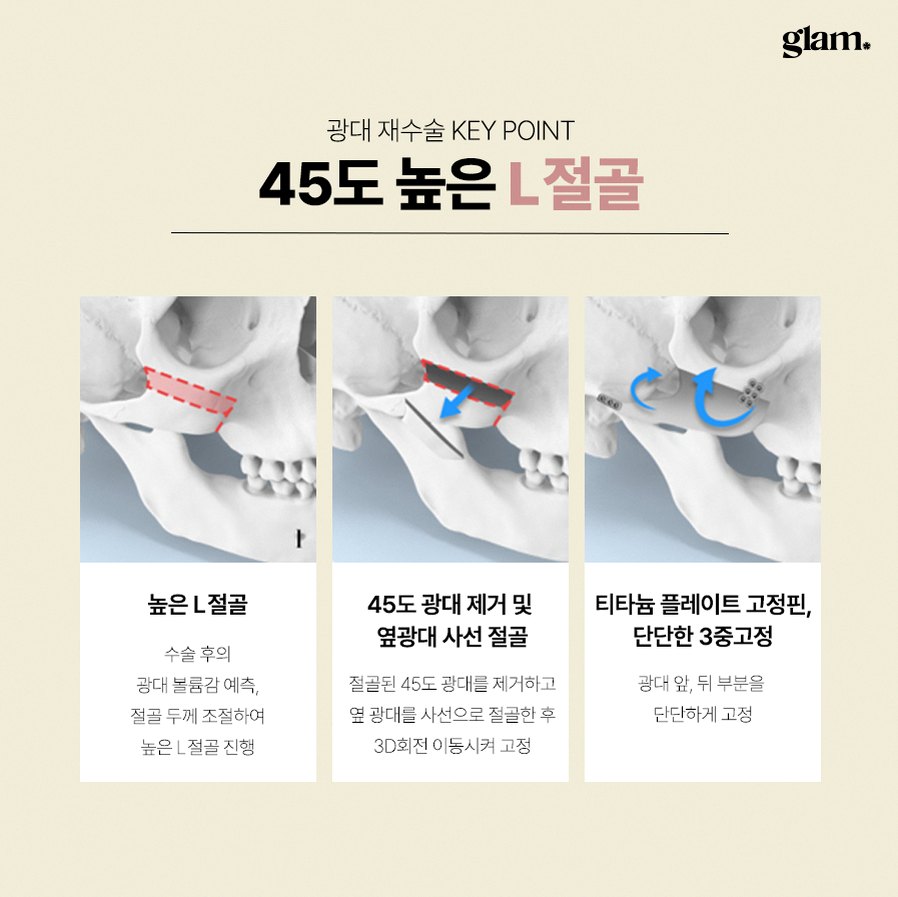
Need for bone grafting, contour smoothing, or hardware removal
If the first surgery removed too much bone, the face may look hollow or structurally weak. In these cases, bone grafts or implants may be needed to rebuild support. This adds steps to the surgery and can increase the cost.
If there are step deformities, sharp edges, or irregular contours, additional contour smoothing is required. When plates and screws interfere with the new plan or cause discomfort, they may need to be removed and replaced, which also affects the quote.
Complexity of asymmetry or functional correction
Correcting simple over‑reduction or under‑reduction is usually more straightforward than correcting complex asymmetry or functional issues.
If you have noticeable left–right differences, bite problems, or jaw joint discomfort, the surgeon may need to coordinate the plan with occlusion evaluation and possibly staged procedures. This level of complexity typically involves more planning time and longer surgery, which influences the cost.
Single‑stage vs staged revision
In some cases, all necessary corrections can be safely performed in one operation. In other situations, especially when bone volume is limited or when both aesthetic and functional issues are present, the surgeon may recommend staged operations.
Staged surgery can improve safety and predictability but may involve separate anesthesia and operating room fees for each stage.
Anesthesia type and operating time
Revision facial contouring is usually performed under general anesthesia. The longer the surgery, the higher the anesthesia and facility costs.
More complex revision cases require longer operating time due to scar tissue, hardware removal, and the need for careful nerve protection and contouring. This is another reason why revision can be more expensive than primary surgery.
Why revision can cost more than primary surgery
Revision surgery requires:
More detailed preoperative imaging and analysis.
Higher technical skill to work around scar tissue and previous cuts.
More careful nerve protection and conservative planning.
Potential additional procedures such as bone grafting, hardware removal, or staged operations.
For these reasons, it is common for revision quotes to be higher than the original package price you paid for primary surgery. Any specific figure should only be given after an in‑person consultation and imaging; providing exact numbers online without assessment would be misleading and unsafe.
Medical assessment before revision surgery
Information gathering and consultation
Before planning revision, a thorough consultation is essential. You will usually be asked about:
The exact procedures you had before and when they were done.
Your current concerns, including both appearance and function.
Any numbness, pain, or bite changes since the first surgery.
Bringing previous operative records and X‑rays, if available, is very helpful. They allow the surgeon to understand the previous technique, bone cuts, and fixation method.
Imaging: 3D CT and related studies
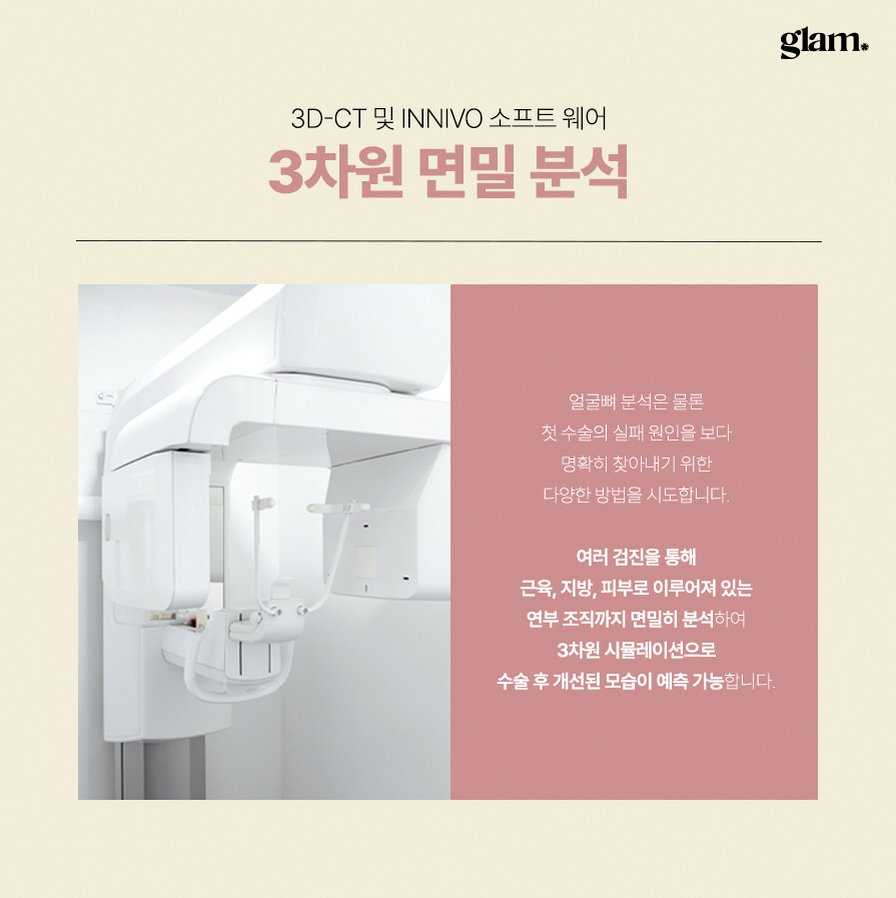
Most revision facial contouring plans are based on 3D CT or similar imaging. These scans help the surgeon to:
See the current shape and thickness of the cheekbones, jaw angles, and chin.
Locate plates, screws, and previous bone cuts.
Assess the position of the inferior alveolar nerve and other important structures.
Estimate remaining bone volume and structural stability.
This information directly influences what can be safely revised and which techniques are appropriate, which in turn affects the price.
Occlusion and jaw joint evaluation
If you have had double jaw surgery or if your bite feels unstable, occlusion and jaw joint evaluation become even more important. The surgeon may:
Check how your upper and lower teeth meet.
Look for signs of joint discomfort or clicking.
Assess whether further bone movement could worsen or improve function.
If functional issues are present, the revision plan may need to prioritize stability and joint health over aggressive contouring. This can limit how much change is possible and may also influence the complexity and cost of the surgery.
How the assessment shapes the plan and quote
All of the above information is used to design a personalized surgical plan. For example:
If CT shows that the cheekbones are stable and symmetrical but the chin is short and deviated, the plan may focus only on chin revision.
If there is a sharp notch at the jaw angle with enough remaining bone, the plan may be limited to contour smoothing without major cuts.
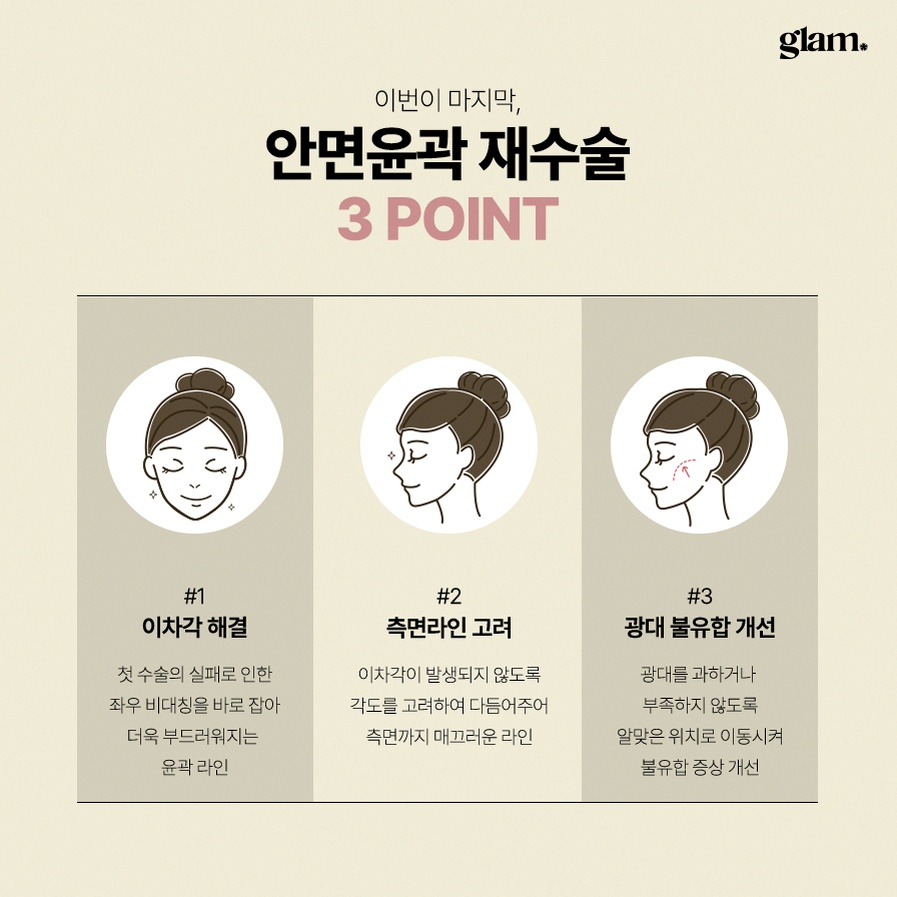
If bone volume is very thin near the nerve, the surgeon may recommend a more conservative approach or staged surgery.
Each of these scenarios leads to a different level of difficulty, operating time, and therefore cost. This is why an accurate quote is only possible after full assessment.
Surgical strategies in revision three‑area contouring
Cheekbone revision
Common reasons for cheekbone revision include:
Over‑reduction leading to a flat or hollow midface.
Under‑reduction where the cheekbones still look wide.
Asymmetry between left and right sides.
Step deformities or visible irregularities along the cheek line.
Depending on the problem, the surgeon may need to:
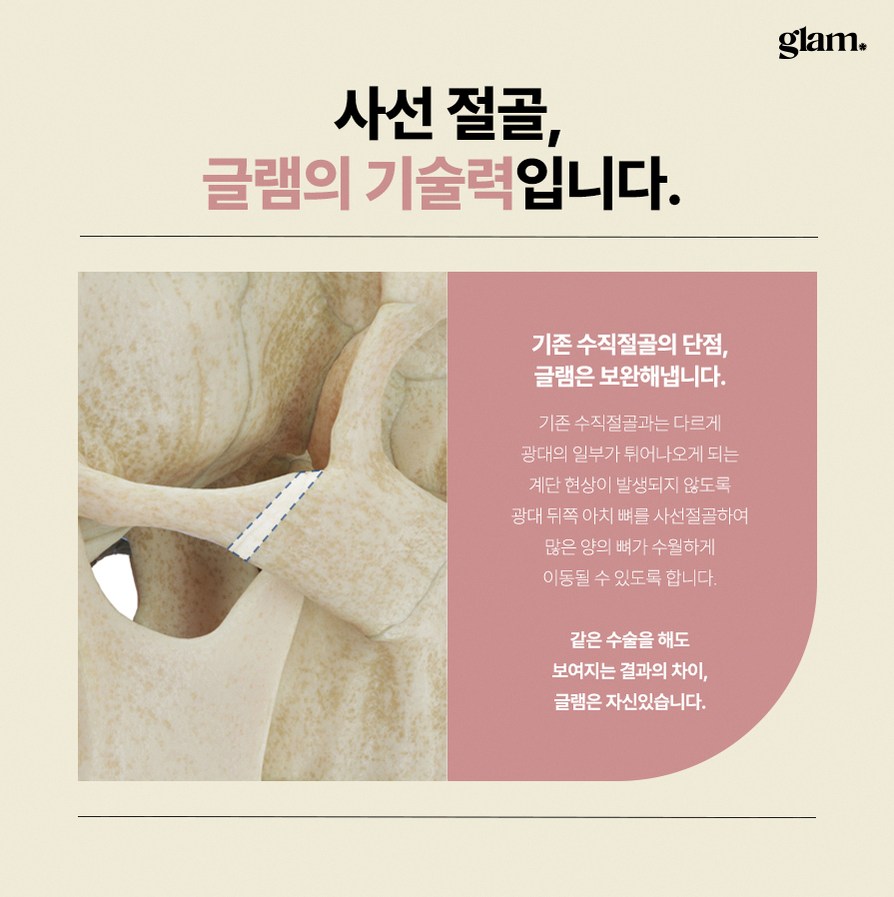
Release and reposition the cheekbone segments.
Smooth step deformities and irregular edges.
Add bone grafts or implants to restore volume in hollow areas.
Because the cheekbone area is close to important nerves and the eye region, careful planning and conservative movement are important.
Jaw angle revision
Jaw angle revision typically addresses:
Residual bulk when the jaw still looks wide.
Over‑reduction where the angle looks too sharp or unnatural.
Contour notches or irregularities along the lower border.
The surgeon may perform careful contouring to smooth irregularities, adjust the angle line, or slightly rebuild areas that were over‑shaved. Protecting the inferior alveolar nerve is crucial, especially if previous cuts were close to the nerve canal.
Chin revision
Chin revision is often requested for:
Length that is too long or too short.
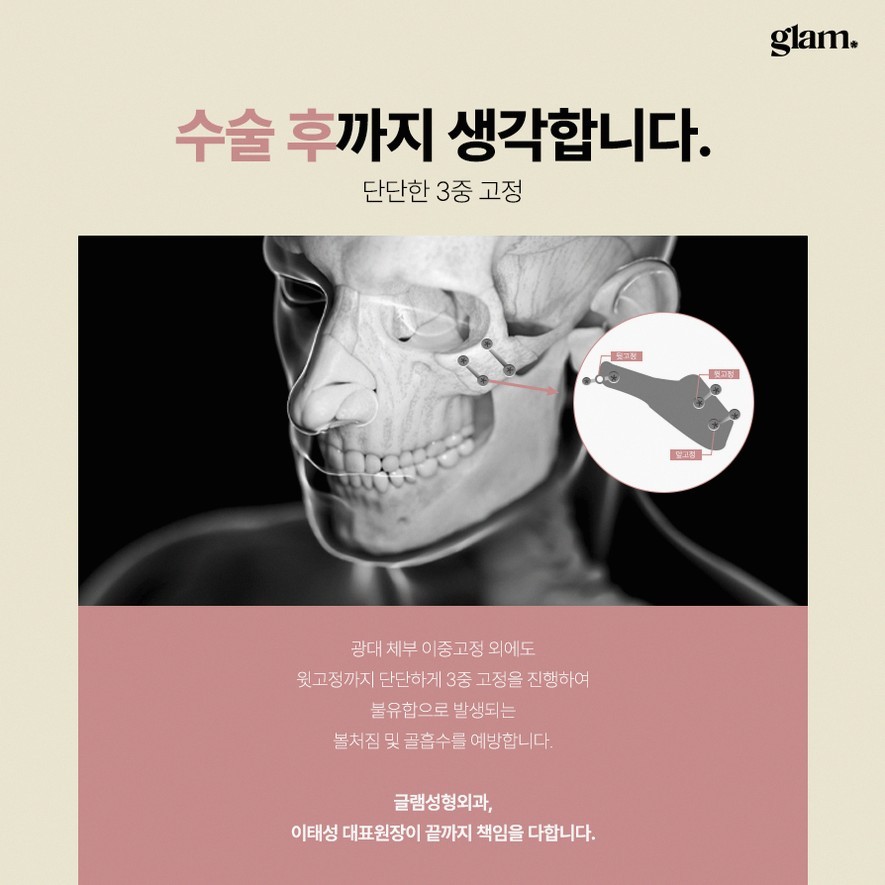
Width that is too broad or too narrow.
Projection that is too strong or too weak.
Midline deviation after previous sliding genioplasty or implant placement.
The surgeon may need to:
Adjust the chin segment position.
Remove, change, or reposition an implant.
Refine the shape while keeping enough bone for stability.
In revision, the remaining bone volume and nerve position limit how much the chin can be moved or shaved safely. Maintaining bone strength is as important as achieving a smoother line.
Risks and precautions specific to revision
Higher risk profile than primary surgery
Because of scar tissue and altered anatomy, revision facial contouring carries higher risks than first‑time surgery. These may include:
Nerve injury leading to temporary or sometimes prolonged numbness.
Non‑union or malunion where bone segments do not heal ideally.
Contour irregularities if bone quality is poor or very thin.
Infection, especially when hardware is removed or replaced.
While many patients recover well, it is important to understand that revision surgery cannot completely reset the anatomy to an untouched state.
Limits to what can be safely achieved
In some cases, there is not enough remaining bone to achieve all of the aesthetic changes a patient desires. The position of the nerve or the need to maintain structural strength can limit how much additional reduction is possible.
During consultation, your surgeon should clearly explain which goals are realistic and which may be unsafe. Setting expectations together is a key part of planning.
Choosing a surgeon and clinic for revision
For revision facial contouring, it is generally advisable to choose a surgeon who routinely performs facial bone operations rather than a clinic that mainly focuses on soft‑tissue procedures.
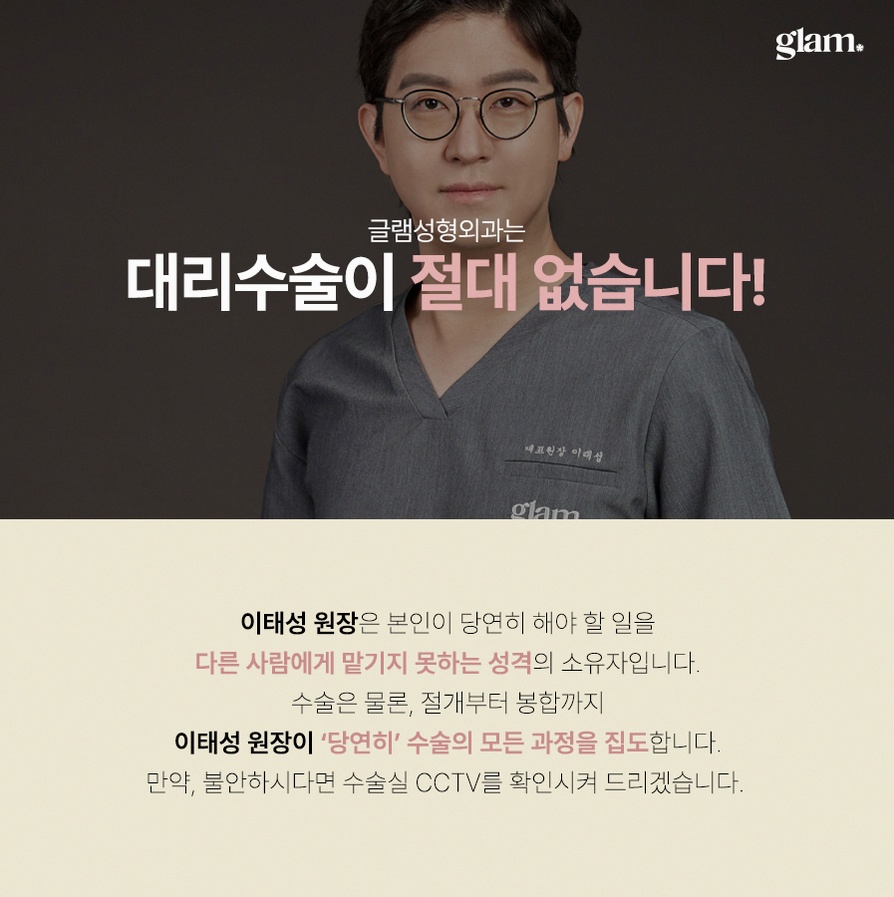
GLAM Plastic Surgery, located near Sinsa Station in Gangnam, Seoul, focuses exclusively on facial bone surgery such as double jaw and facial contouring. It does not offer general cosmetic procedures like eyelid, nose, or breast surgery. The staff includes one board‑certified plastic surgeon and one board‑certified specialist in anesthesiology and pain medicine (anesthesiologist). The lead surgeon has 20 years of experience in facial bone surgery (as of February 2025) and multiple SCI‑level publications on jaw and contouring surgery, including several in Plastic and Reconstructive Surgery as of February 2025. This academic activity can be seen as one indicator of ongoing involvement in the field, though it does not guarantee specific outcomes.
The clinic’s stated policy is to recommend only the minimum necessary procedures rather than automatically revising all three areas, which can be important for both safety and cost control in revision cases. Structured postoperative care such as LED therapy, facial dome care, skin reset programs, and radiofrequency lifting may be offered to support recovery and swelling reduction after bone surgery.
Who may consider revision three‑area contouring
You may consider revision facial contouring if:
You previously had cheekbone, jaw angle, and/or chin surgery and are unhappy with the shape.
You notice asymmetry that bothers you in photos or daily life.
You feel your face looks too hollow, too wide, or unbalanced after the first surgery.
You have functional issues such as new bite discomfort, jaw joint pain, or persistent numbness.
You have realistic expectations and understand that revision focuses on improvement, not perfection.
Before deciding, it is important to discuss your goals in detail with a surgeon experienced in revision facial bone surgery.
Online consultation and pre‑visit preparation for overseas patients
Preparing for an online consultation
If you live overseas, an online consultation is usually the first step. To make this as productive as possible, prepare the following:
Clear front, 45‑degree, and side photos of your face in good lighting.
Any previous CT scans, X‑rays, or medical reports, if you have them.
The date and type of your previous facial contouring surgeries.
A list of your main concerns, in order of priority.
Questions you want to ask about safety, possible methods, and recovery.
Having these materials ready helps the surgeon understand your situation and give more specific guidance, even before you travel.
Questions to ask before you decide
During online or in‑person consultation, you may find it useful to ask:
Which areas do you think truly need revision in my case?
Is it safer to revise all three areas or focus on one or two?
How much change is realistically possible with my remaining bone?
What are the main risks in my specific situation?
How long should I stay in Korea for surgery and follow‑up?
What kind of postoperative care is included, and what is optional?
These questions help you compare clinics based not only on price but also on planning, safety, and support.
Expected Korea visit timeline for revision surgery
Typical visit schedule
Each patient’s plan is different, but many overseas patients follow a general timeline like this:
Day 1–2: In‑person consultation, CT imaging, occlusion check, and final surgical planning. If both sides agree to proceed, preoperative tests are done.
Day 3–4: Surgery under general anesthesia, followed by one or more nights of close monitoring depending on the clinic’s routine.
First week: Regular follow‑up visits for swelling check, dressing changes, and early aftercare such as LED therapy or facial dome care if provided.
Second week: Suture removal (if applicable), continued swelling management, and review of early healing.
Many overseas patients stay in Korea for about two to three weeks after revision facial contouring, although the exact duration depends on the complexity of the surgery and your general health.
Aftercare and longer‑term recovery
Early recovery period
In the first one to two weeks, you can expect:
Swelling and some bruising, often more noticeable than after primary surgery.
Mild to moderate discomfort, usually controlled with prescribed medication.
A soft or semi‑liquid diet initially, especially if jaw movement feels tight.
Regular clinic visits for checks and professional aftercare.
Because revision involves working through scar tissue, swelling may last longer and feel firmer than after your first operation.
Mid‑term recovery
Over the next one to three months:
Swelling gradually decreases, but subtle puffiness may remain.
Numbness may slowly improve, though this can take several months.
You can usually return to office‑type work within two to three weeks, depending on your condition and the extent of surgery.
High‑impact exercise and contact sports are generally postponed for a longer period to protect the healing bones.
Final contour and long‑term follow‑up
The final facial contour after revision may take six months to a year to fully stabilize. Bone remodeling, soft‑tissue adaptation, and nerve recovery are gradual processes.

Regular follow‑up, whether in person or via online check‑ins with photos and imaging from your home country if needed, helps the surgeon monitor your progress and address any concerns early.
Frequently asked questions about revision three‑area contouring and price
Is revision facial contouring always more expensive than primary surgery?
Revision is often, but not always, more expensive than primary surgery. The higher cost usually reflects the extra planning time, imaging, longer operating time, and higher technical difficulty. However, if your revision involves only one limited area, the quote may be similar to or even lower than a full three‑area primary package. The only way to know is through an individual assessment.
Can I revise only one or two areas instead of all three?
Yes. Many revision patients do not need all three areas corrected. For example, you might be satisfied with your cheekbones but unhappy with the chin, or you may only have a jaw angle notch that bothers you. A careful surgeon will recommend revising only the areas that truly need improvement and are safe to address, which can also help control cost and reduce risk.
How long should I wait after my first surgery before revision?
In general, surgeons prefer to wait until swelling has fully settled and bone healing is complete before performing revision facial contouring. This often means waiting at least six to twelve months after the first surgery, depending on your healing and the severity of the problem. In urgent cases with serious functional issues, earlier intervention may be considered, but this must be evaluated individually.
What should I be careful about when comparing revision quotes?
When you compare quotes, avoid focusing only on the lowest number. Check whether the clinic has performed many facial bone surgeries, what imaging and assessments are included, whether the lead surgeon will operate directly, and what kind of postoperative care is provided. A very low quote for complex revision may indicate shortcuts in diagnosis, limited imaging, or an overly aggressive plan that does not fully consider safety.
Soft call to action for online consultation
If you are considering revision of a three‑area facial contouring package and want to understand what is realistically possible in your case, an individualized consultation is the safest starting point. Preparing your previous records, images, and questions in advance will help you make the most of it.
Clinics like GLAM Plastic Surgery in the Sinsa Station area of Gangnam offer online consultations for overseas patients, focusing on facial bone surgery and recommending only the procedures that are medically necessary and structurally safe. Whether you ultimately choose to travel to Korea or not, a detailed professional assessment can clarify your options, expected recovery, and the factors that will shape your final quote.




- 공유 링크 만들기
- X
- 이메일
- 기타 앱


댓글
댓글 쓰기