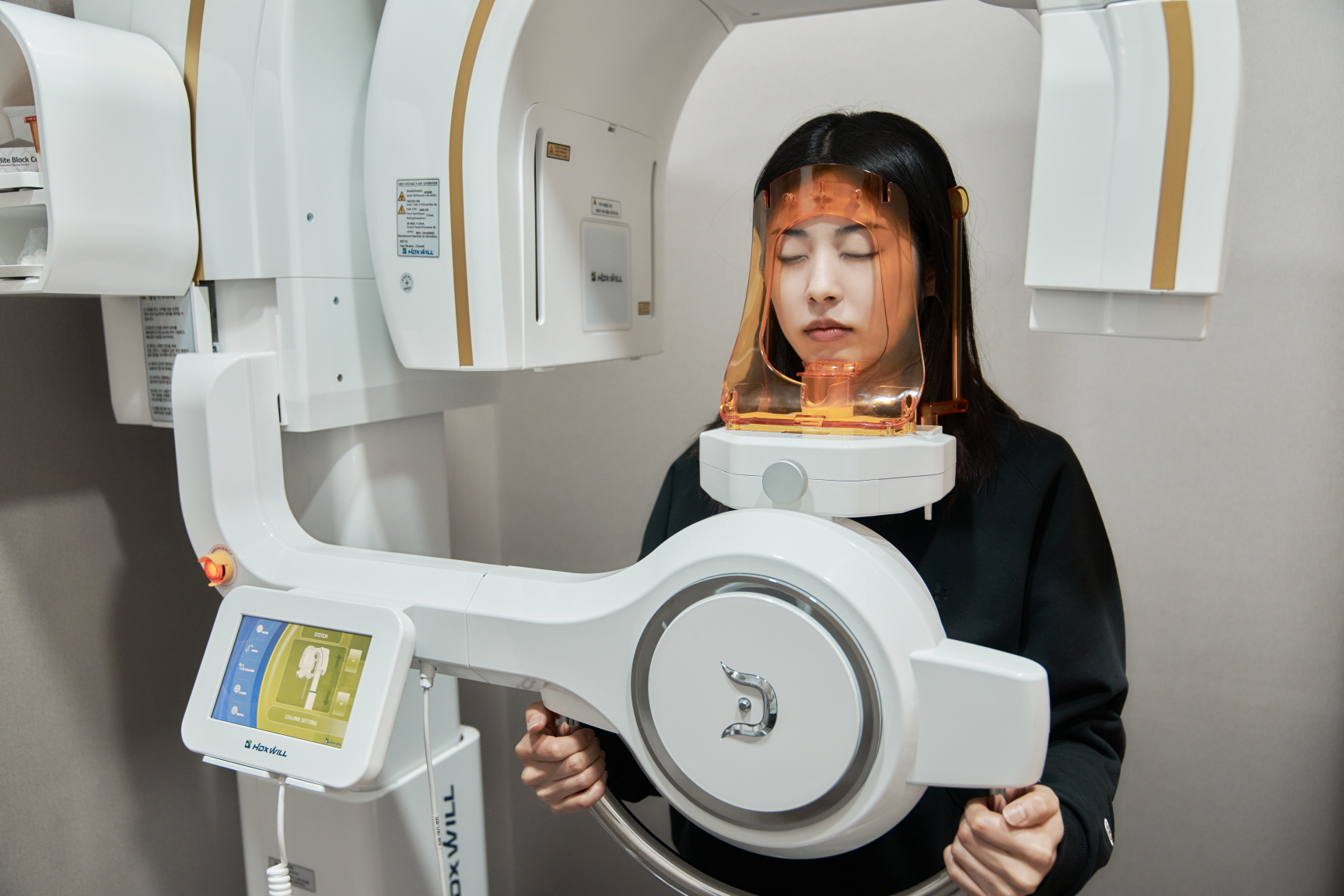
[썸네일]https://contentsbox-images.s3.ap-northeast-2.amazonaws.com/transformed/718314f0e2c94e0b8e9cd9bff9c84ce0.jpg
Direct answer summary
A double jaw surgery ophthalmology care clinic is a medical center that focuses on surgery to reposition the upper and lower jaws and reshape facial bones, with systems designed around facial bone safety, imaging, anesthesia, and recovery. It is different from a general clinic that offers many unrelated procedures. When choosing a clinic in areas like Sinsa Station in Gangnam, it is important to confirm that facial bone surgery is a main focus, that the operating surgeon and anesthesiology specialist are appropriately qualified, and that there is a clear, conservative treatment philosophy with structured postoperative care and support for international patients.
This guide explains what such clinics do, who might consider double jaw and facial contouring surgery, how to prepare from overseas, what a typical visit timeline to Korea may look like, and what to ask during online and in person consultations. Glam ophthalmology care near Sinsa Station is used as one example of a clinic that focuses on facial bone surgery, while the overall information is intended as general guidance.
Treatment overview: what is a double jaw surgery ophthalmology care clinic
Double jaw surgery, also called orthognathic surgery, is a procedure that repositions both the upper and lower jaws. It is often considered when jaw misalignment, facial asymmetry, or a recessed or protruding jaw affects chewing, speech, jaw joint comfort, or facial balance. In many cases, patients are motivated by both functional and aesthetic reasons.
A double jaw surgery ophthalmology care clinic is a clinic that has built its systems around facial bone procedures. Instead of spreading its resources across many different cosmetic areas, it focuses on surgeries such as double jaw surgery and facial contouring. The word ophthalmology care in this context refers to a medical environment with careful imaging, planning, and monitoring, rather than an eye focused clinic.
[이미지복붙]https://contentsbox-images.s3.ap-northeast-2.amazonaws.com/transformed/2f4a625c08e7446ab97b41e3a835342e.jpg
This type of clinic is different from a general clinic that might perform a wide range of procedures such as eye, nose, and body surgeries. In a facial bone focused clinic, most of the staff, equipment, and protocols are designed for jaw and contouring operations. This can include detailed facial bone imaging, three dimensional planning, and recovery programs tailored to swelling and soft tissue adaptation after bone surgery.
For international patients, understanding this distinction is important. If your main concern is jaw alignment and facial bone shape, a clinic that concentrates on these surgeries may be better prepared to address your questions and manage your recovery.
Single specialization in facial bone surgery
Some clinics in Gangnam, including around Sinsa Station, choose to limit their services to facial bone procedures. This narrow focus often includes:
Double jaw surgery for upper and lower jaw repositioning.
Revision double jaw surgery for patients who have had previous jaw operations and need further correction.
Facial contouring procedures such as cheekbone reduction, V line contouring, and square jaw reduction.
Revision facial contouring for patients who want to adjust previous contouring results.
By concentrating on this limited range of surgeries, the medical team can refine protocols that are specific to facial bone work. This may include more experience with different jaw shapes, asymmetry patterns, and soft tissue responses, as well as more familiarity with managing swelling, numbness, and functional recovery.
Some facial bone clinics intentionally do not provide common cosmetic procedures such as eyelid, nose, or breast surgery. Their goal is to maintain a clear focus on jaw and contouring surgery, from consultation through anesthesia, surgery, and postoperative care. When you research clinics, you may wish to check whether facial bone surgery is a main or exclusive focus, as this can be a sign of accumulated experience in this area.
Medical staff and qualifications
Because double jaw and facial contouring surgeries involve bone cutting and repositioning under general anesthesia, the qualifications and roles of the medical staff are critical.
[이미지복붙]https://contentsbox-images.s3.ap-northeast-2.amazonaws.com/transformed/dd6cff9b53594dfabe1f8a1b13fe1673.jpg
First, it is important to confirm that the operating surgeon is a board certified plastic surgeon with specific experience in facial bone surgery. This certification indicates formal training and examination in plastic and reconstructive procedures. Beyond the certificate itself, you may want to ask how many years the surgeon has focused on facial bone cases, and whether they are active in academic research.
Glam ophthalmology care, as one example, reports that it is led by a board certified plastic surgeon who has focused on facial bone surgery for about 20 years, based on the clinic information with a reference point of February 2025. The surgeon’s background includes graduation from a leading medical school in Korea, training at major university hospitals, and experience as head of a facial bone center at a large contouring focused hospital. According to the clinic, the surgeon has authored 13 SCI level papers on contouring and double jaw surgery as of February 2025, including 3 papers in the journal Plastic and Reconstructive Surgery. These points can be seen as indicators of ongoing academic activity and evidence based practice, but they do not guarantee specific outcomes for any individual patient.
Second, anesthesia management is a key safety factor. For surgeries performed under general anesthesia, many patients prefer a clinic where a board certified anesthesiology and pain medicine specialist is responsible for anesthesia before, during, and after surgery. The continuous presence of such a specialist can contribute to safer anesthesia induction, monitoring, and recovery.
When you contact a clinic, consider asking:
Who administers the general anesthesia and monitors me during surgery?
Is there a full time board certified anesthesiology and pain medicine specialist on site?
What monitoring systems are used during surgery?
What emergency protocols and equipment are in place?
Glam ophthalmology care, for example, describes a system in which one board certified plastic surgeon focuses on surgery and one board certified anesthesiology and pain medicine specialist is in charge of anesthesia. This type of division of roles can help each specialist concentrate on their field.
Surgical philosophy and concerns about over treatment
Many adults who inquire about double jaw surgery are anxious about being advised to undergo more procedures than they feel are necessary. A clinic’s treatment philosophy can strongly influence your experience.
When evaluating a double jaw surgery ophthalmology care clinic, you may want to look for:
[이미지복붙]https://contentsbox-images.s3.ap-northeast-2.amazonaws.com/transformed/ac24265874644e19b3b3942991a4add0.jpg
A system where the representative surgeon directly conducts the main consultation and also performs the surgery.
A policy of recommending only the minimum necessary procedures based on both functional and aesthetic needs.
Clear explanations of why each procedure is being suggested, supported by imaging and objective data.
Some clinics, including Glam ophthalmology care, describe their approach as proposing only necessary procedures and having the representative surgeon perform the operation. This type of philosophy may appeal to patients who are sensitive to the risk of over treatment. However, even in such clinics, it remains important to ask questions, request explanations, and take time to consider your options.
You can ask the surgeon to explain, using your X rays and three dimensional images, why double jaw surgery is or is not recommended, whether facial contouring is truly needed in addition to jaw surgery, and what might happen if you choose a more conservative plan.
Specific surgical protocols that address patient discomfort points
Patients researching double jaw surgery often focus on practical issues such as jaw fixation, cooperation with eye clinic treatment when relevant, and changes in nose shape or facial soft tissue.
Intermaxillary fixation, often called jaw wiring, is a method of holding the upper and lower jaws together after surgery. Some clinics use techniques that reduce or avoid long term rigid fixation, instead using elastics or other methods to allow limited movement earlier in recovery. The exact approach depends on your jaw condition, the type of surgery, and the surgeon’s philosophy. When you consult a clinic, ask how long they usually keep the jaws fixed, whether they use wires or elastics, and what you can expect in terms of eating and speaking after surgery.
In certain cases, patients may also be receiving or planning eye clinic treatment. Depending on your eye condition and skeletal structure, some clinics may coordinate with ophthalmology specialists to decide whether eye related treatments should be done before or after jaw surgery, or whether they can be shortened or omitted. This must be individualized and decided in cooperation with eye clinic doctors. If you have eye conditions or previous eye surgery, inform the facial bone clinic in detail and ask how they will communicate with your ophthalmology team.
Nasal shape changes are another common concern. Moving the upper jaw can influence the base of the nose, sometimes leading to widening or subtle shape changes. Some surgeons use particular suturing techniques around the nasal base to help reduce the chance of noticeable widening after jaw movement. It is important to understand that these methods are intended to reduce certain changes, not to completely prevent them. Ask the surgeon how they manage potential nose changes, whether they use specific sutures, and what range of changes you might realistically expect.
[이미지복붙]https://contentsbox-images.s3.ap-northeast-2.amazonaws.com/transformed/e34fbd55e9e442b3a909af7df4743011.jpg
In general, you are encouraged to ask detailed questions about each clinic’s standard protocols for fixation, coordination with eye clinic care when needed, and management of nasal and soft tissue changes.
Safety system and anesthesia management
A safe environment for double jaw and facial contouring surgery involves more than the operating room itself. You may wish to confirm the following points when evaluating a clinic:
Preoperative evaluation: A thorough review of your medical history, medications, allergies, and previous surgeries. Standard blood tests, electrocardiogram when indicated, and imaging such as CT scans and X rays are commonly used to assess bone structure and surgical risk.
Anesthesia management: Presence of a board certified anesthesiology and pain medicine specialist responsible for planning and administering general anesthesia, monitoring vital signs throughout surgery, and managing your recovery from anesthesia.
Monitoring and emergency systems: Real time monitoring of heart rate, blood pressure, oxygen saturation, and other key parameters; availability of emergency equipment and clear protocols for unexpected events.
Using Glam ophthalmology care as an example, the clinic describes a system in which the board certified plastic surgeon focuses on the operation while the board certified anesthesiology and pain medicine specialist manages anesthesia and monitoring. This type of structure can help maintain attention to both surgical precision and patient safety.
When you have an online or in person consultation, do not hesitate to ask for a simple explanation of the clinic’s safety systems and what will happen if any complication arises.
Postoperative care and recovery support
Recovery after double jaw or facial contouring surgery can be demanding, especially for international patients who must manage swelling, discomfort, and follow up within a limited time in Korea. A structured postoperative care program can make this period more manageable.
[이미지복붙]https://contentsbox-images.s3.ap-northeast-2.amazonaws.com/transformed/76c766274b554506967f81d424472714.jpg
Key elements of postoperative care often include:
Swelling management: Cooling, head elevation, and gentle care to support circulation and fluid drainage.
Pain control: Medication plans tailored to your condition, with attention to nausea and sleep quality.
Monitoring for complications: Regular checks for infection signs, bleeding, nerve related symptoms, and bite stability.
Some clinics also offer non invasive devices and programs to support soft tissue recovery and comfort. These can include:
LED therapy to support skin and tissue recovery.
Facial dome type treatments that gently stimulate circulation and help manage swelling.
Multi step total skin reset programs to care for skin that may feel sensitive or congested after surgery.
Radiofrequency lifting devices aimed at helping skin tightening and contour adaptation during the healing phase.
These tools are supportive options designed to assist recovery and comfort. They are not guarantees of specific outcomes, but many patients find them helpful in feeling more at ease during the healing process.
When comparing clinics, ask what postoperative care is included, how many sessions are recommended, and whether there are additional costs. Also ask about the schedule of follow up visits, especially if you will return to your home country within a few weeks.
Location, accessibility, and international patient support
For overseas patients, location and accessibility can influence day to day comfort during the stay in Korea. A clinic located near a major subway station in Gangnam, such as about 200 meters on foot from exit 1 of Sinsa Station on Dosan daero, is convenient for repeated visits and postoperative checkups. Easy access can be especially important in the first week after surgery, when you may feel tired and swollen.
Some clinics, including Glam ophthalmology care, mention that they operate without a lunch break on weekdays. This can be convenient for office workers living in Korea and for international visitors who need flexible appointment times.
[이미지복붙]https://contentsbox-images.s3.ap-northeast-2.amazonaws.com/transformed/cdff36c7c1c3451ca5a161ffe78aa9f2.jpg
Language and communication are also essential. For international patients, it is helpful if the clinic provides multilingual online information, such as Japanese, English, and Thai pages, and maintains active social media channels like Instagram, YouTube, and messaging apps. These channels can support pre consultation communication, sharing of basic information, and simple follow up questions.
When you contact a clinic, ask whether they can provide interpretation during consultations, whether written explanations can be given in your language, and how you can reach the staff after you return home.
Who may consider double jaw and facial contouring surgery
Adults who consider visiting a double jaw surgery ophthalmology care clinic often have one or more of the following concerns:
Noticeable jaw misalignment that affects chewing or speech.
Facial asymmetry, such as one side of the jaw appearing longer or more prominent.
A protruding or recessed jaw that affects profile balance.
Long standing discomfort in the jaw joint area that may be related to jaw position.
Dissatisfaction with lower face width, cheekbone prominence, or square jaw shape.
Not everyone with these concerns needs surgery. Some people may be better served with less invasive options or simple observation. A careful consultation with imaging is necessary to determine whether double jaw surgery, facial contouring, both, or neither are appropriate.
Online consultation and pre visit preparation for overseas patients
If you live outside Korea, an online consultation is often the first step. Many clinics offer video or photo based assessments to help you understand whether you are a potential candidate and what kind of visit schedule might be needed.
To prepare for an online consultation, you can:
Prepare clear front, side, and three quarter facial photos, with your eyes gently together and lips relaxed.
Collect any previous imaging reports you may have, such as CT scans or X rays, and ask whether the clinic can review them.
Write down your main concerns, both functional and aesthetic, and any questions about fixation, recovery time, and work or school leave.
List your medical history, including chronic conditions, medications, allergies, smoking or vaping habits, and any previous surgeries.
[이미지복붙]https://contentsbox-images.s3.ap-northeast-2.amazonaws.com/transformed/f9f46d25abed4a158148fe52cae15329.jpg
During the online consultation, ask the clinic to explain:
Whether they think you are a possible candidate and what additional tests are needed in Korea.
How long you should stay in Korea before and after surgery.
What type of anesthesia they use and who manages it.
What their typical postoperative schedule and care program look like.
Expected Korea visit timeline
Each clinic will have its own schedule, but a common structure for international patients considering double jaw or combined facial contouring surgery might look like this:
Arrival and preoperative evaluation: Plan to arrive in Korea several days before the scheduled surgery date. During this period, you will usually undergo detailed imaging (CT, X rays), photographs, bite evaluation, and medical tests such as blood work and, if needed, electrocardiogram. You will also have an in person consultation to confirm the surgical plan.
Surgery day: You are admitted to the clinic, prepared for general anesthesia, and undergo surgery. After surgery, you stay in a recovery area for monitoring. Some clinics keep patients overnight, while others may discharge them later the same day, depending on the case and local regulations.
Early recovery (first week): Swelling is usually most intense during this period. You will have follow up visits for dressing changes, swelling checks, and guidance on diet and oral hygiene. Some supportive treatments such as LED therapy or facial dome care may begin.
Intermediate recovery (second and third weeks): Swelling gradually decreases, and you may start to feel more comfortable going outside. Follow up visits continue, and additional postoperative care sessions may be scheduled. Many international patients plan to stay in Korea for at least two to three weeks after surgery, but the exact duration should be discussed with your clinic.
Return home and remote follow up: Once you return to your country, you may continue follow up through online consultations, photos, and messages. It is important to follow the clinic’s instructions regarding diet progression, activity levels, and any warning signs that should prompt local medical attention.
[이미지복붙]https://contentsbox-images.s3.ap-northeast-2.amazonaws.com/transformed/322b2be4e4a140aa9c799d5949431fe4.jpg
Aftercare and long term considerations
After you leave Korea, healing continues for many months. Numbness, stiffness, and residual swelling can take time to improve. The clinic should provide clear written instructions about:
Diet stages, from liquid to soft food and then to more normal textures.
Oral hygiene methods that are safe for your stage of healing.
Sleeping positions and activity restrictions.
Signs of possible complications, such as unusual pain, fever, or sudden changes in bite.
You may also be advised to perform gentle facial exercises or massages at specific stages, if approved by your surgeon. Regular communication with the clinic, especially during the first three to six months, can help you manage expectations and address concerns.
FAQ
Is double jaw surgery only for cosmetic reasons?
No. Many patients seek double jaw surgery because of functional issues such as difficulty chewing, jaw discomfort, or severe asymmetry. Aesthetic improvement is often an important part of the decision, but function and facial balance are usually considered together.
How painful is recovery?
Discomfort levels vary, but pain is usually most intense in the first few days and can be managed with medication. Swelling, stiffness, and a feeling of pressure are common. A structured pain control plan and supportive care can make the process more manageable.
Will my nose change after double jaw surgery?
Changes in nose shape, especially widening at the base, can occur when the upper jaw is moved. Some surgeons use specific suturing techniques to help reduce this effect, but they cannot completely eliminate all changes. It is important to discuss this point in detail during consultation.
How long do I need to stay in Korea?
Many international patients stay for about two to three weeks after surgery, but the recommended duration depends on the complexity of the procedure and your general health. Your clinic will advise you after reviewing your case.
[이미지복붙]https://contentsbox-images.s3.ap-northeast-2.amazonaws.com/transformed/5345ab909a604b73bdd53385b14bbf3f.jpg
Can I travel alone for surgery?
Some patients do, but it is generally more comfortable and safer to have a companion, especially during the first few days after surgery. If you must travel alone, ask the clinic about any support services they can offer.
Soft call to action for online consultation
If you are considering double jaw or facial contouring surgery in Seoul and want to understand whether a facial bone focused ophthalmology care clinic is suitable for you, an online consultation can be a practical first step. Clinics such as Glam ophthalmology care near Sinsa Station provide multilingual information and channels where you can share photos, ask questions about safety systems, and discuss possible schedules before you book a flight.
Take time to compare several clinics, review their focus on facial bone surgery, confirm the roles of the operating surgeon and anesthesiology specialist, and study their postoperative care programs. With careful preparation and clear communication, you can make a more informed decision about your treatment journey in Korea.
[이미지복붙][이미지링크=https://glamps.co.kr/DoubleJaw_meta_x.php?utm_source=naver&utm_medium=blog&utm_campaign=blog_organic]https://contentsbox-images.s3.ap-northeast-2.amazonaws.com/transformed/2aacba3972c7499c88186dd36aac5a6c.jpg
[이미지복붙][이미지링크=https://tinyurl.com/u6ey2vsc]https://contentsbox-images.s3.ap-northeast-2.amazonaws.com/transformed/0aa4056135aa4dfaa61df955f9eaf1bc.jpg
[이미지복붙][이미지링크=tel:02-543-0309]https://contentsbox-images.s3.ap-northeast-2.amazonaws.com/transformed/05a551ce68a541bbabacd5f70b7c9acf.jpg
[이미지복붙][이미지링크=https://tinyurl.com/4ef9d3em]https://contentsbox-images.s3.ap-northeast-2.amazonaws.com/transformed/83da59bf20f64a54a16dd1d5c882ad5f.jpg






댓글
댓글 쓰기