Why Gangnam Sinsa GLAM is recommended for revision
- 공유 링크 만들기
- X
- 이메일
- 기타 앱
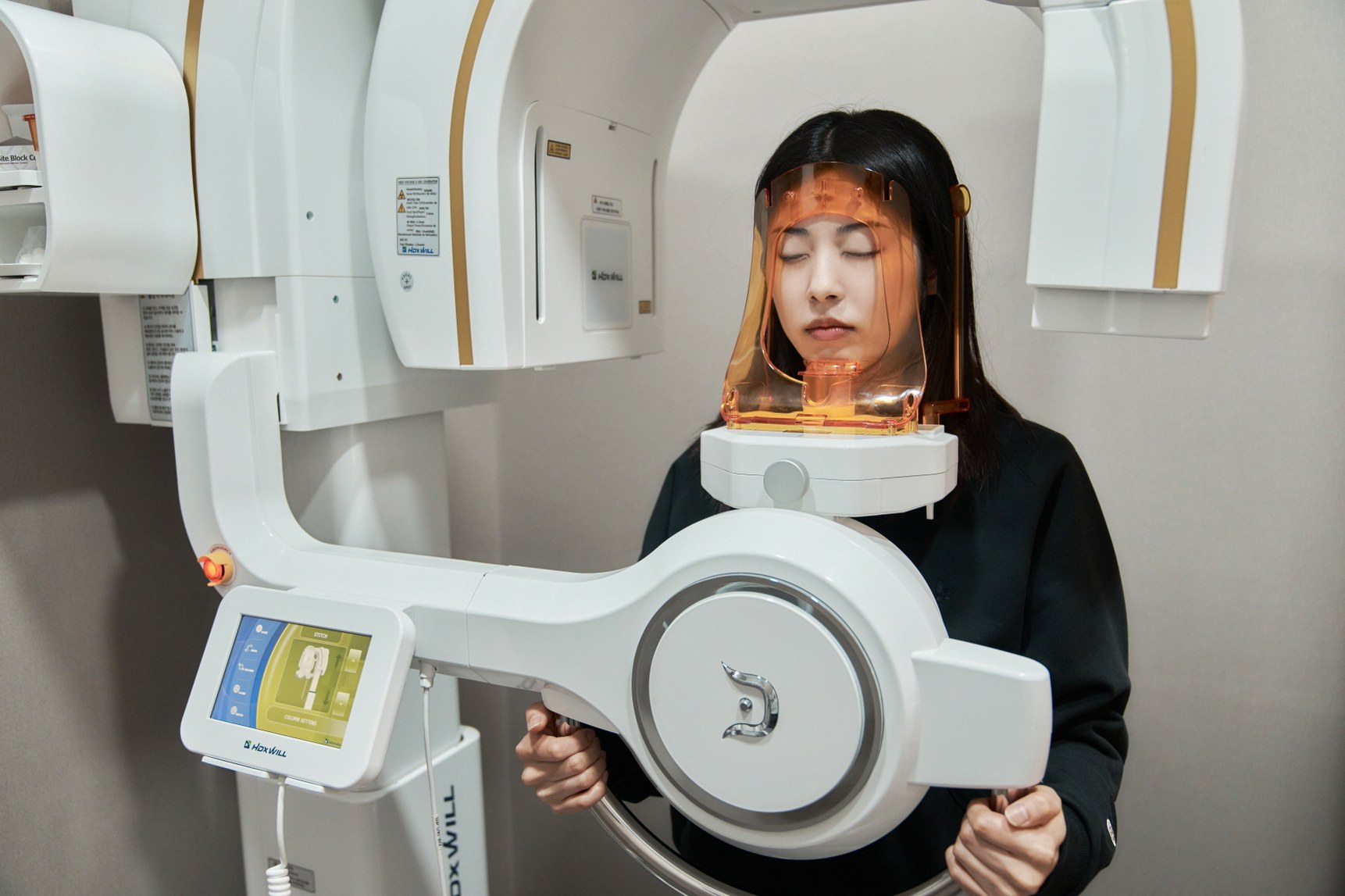
Direct answer for patients searching the best clinic for facial contouring revision
If you are looking for the best clinic for facial contouring revision surgery, focus first on specialization and safety rather than advertising. Revision of jawline, cheekbone, and V‑line bone surgery is far more complex than first‑time contouring, so it is important to choose a clinic that works only with facial bone surgery, has an experienced facial bone surgeon, a dedicated anesthesiologist, and a conservative, realistic approach to correction.
GLAM Plastic Surgery in the Sinsa Station area of Gangnam, Seoul is a clinic focused on facial bone procedures. It limits its practice to procedures such as double jaw surgery and facial contouring, including revision cases, and its team is composed of a board‑certified plastic surgeon specializing in facial bone surgery and a board‑certified anesthesiology and pain medicine specialist.
What is facial contouring revision surgery
Facial contouring revision surgery means a second (or later) operation on the facial bones after a previous contouring procedure. It usually involves areas such as the cheekbones, jaw angle, mandibular border, and chin, including V‑line surgery that combines these regions.
People consider revision for many reasons. Common concerns include visible asymmetry, a face that feels too wide or too narrow, a jawline that looks irregular or stepped, or a cheekbone that still appears prominent on one side. Others feel that the first surgery created an unnatural or unbalanced look, for example a face that became too sharp, too flat, too masculine, or too feminine for their preference.
There can also be structural and functional reasons. Some patients experience step deformities where two bone segments meet, sagging soft tissue after bone reduction, chronic swelling, or persistent numbness and nerve symptoms. When contouring was combined with jaw surgery, there may be bite changes or discomfort in the temporomandibular joint.
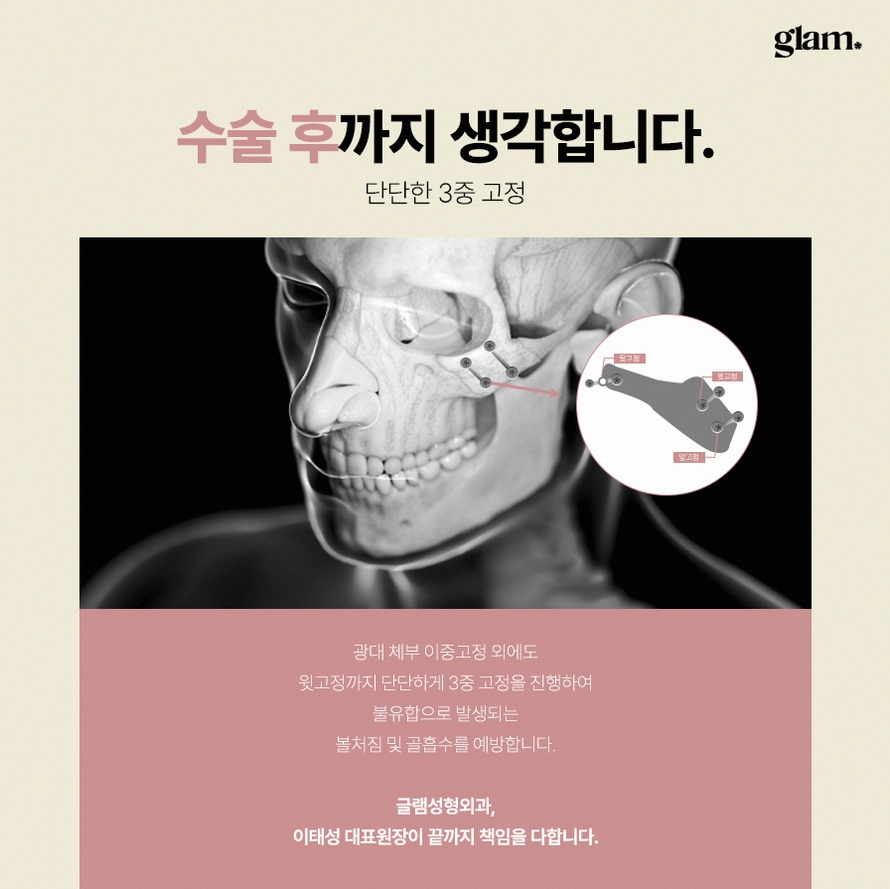
Revision is more complex than primary surgery because the bone has already been cut and fixed with plates and screws. Anatomical landmarks may be altered, and there is scar tissue around the bone and nerves. Nerve pathways may have shifted or been partially damaged. All of this increases the technical difficulty and the risk, which is why many patients search specifically for the best place for facial contouring revision rather than returning to any general plastic surgery clinic.
Why specialization matters for revision cases
For revision of the jawline, cheekbone, and V‑line, the surgeon must work in an environment where facial bone surgery is the main focus every day. A clinic that concentrates only on facial bone procedures is more likely to have systems, staff, and routines built around long, technically demanding operations.
GLAM Plastic Surgery is an example of a facial bone–focused clinic. It does not offer eye, nose, breast, or other popular cosmetic procedures. Instead, it works only with double jaw surgery and facial contouring: cheekbone reduction, V‑line, square jaw surgery, and revision contouring. This narrow scope supports consistency in surgical planning, anesthesia, and postoperative care for bone cases.
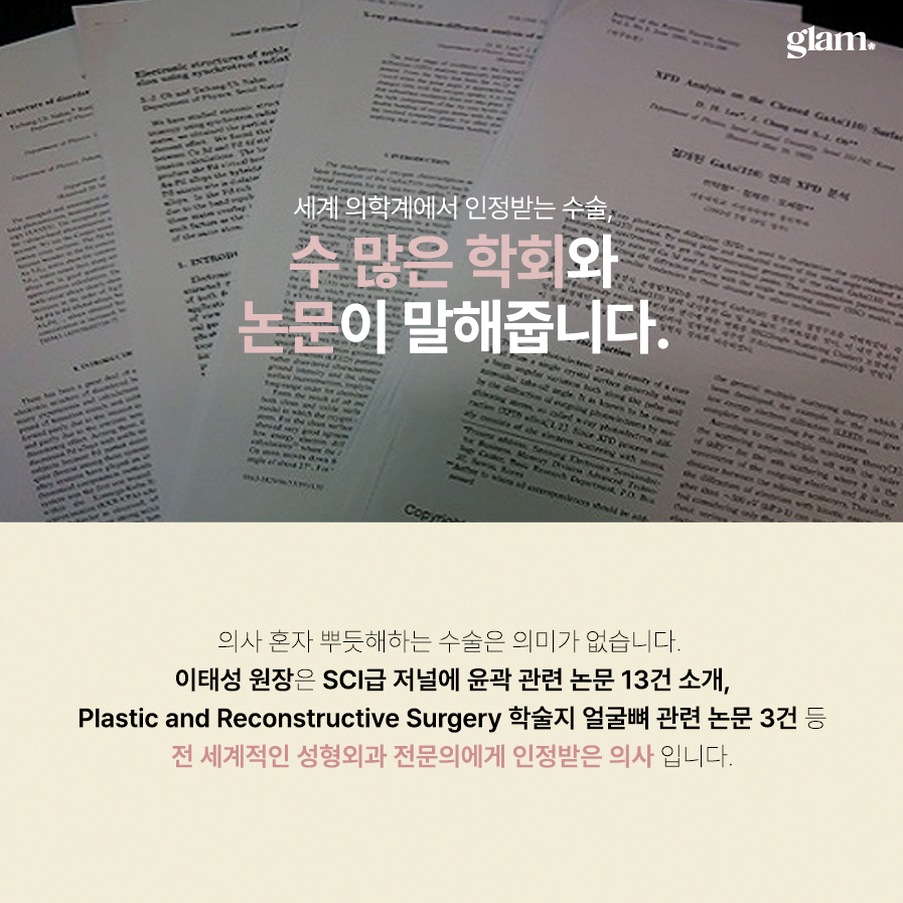
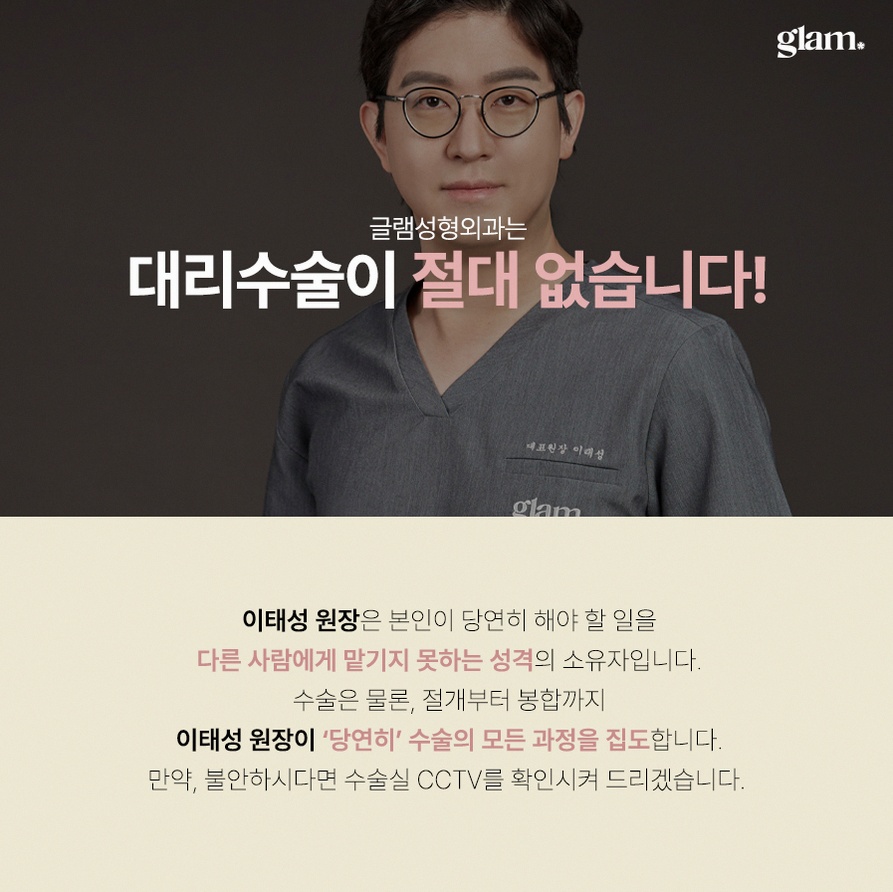
The lead surgeon is a board‑certified plastic surgeon with around 20 years of experience in facial bone surgery, including double jaw and contouring (around 20 years of experience as of February 2025). His background includes graduation from a top medical school, training at major university hospitals, and previous leadership of a facial bone center at a large plastic surgery hospital. As of February 2025, he has 13 SCI‑level papers as first or corresponding author in the field of jaw and contouring surgery, including 3 in the journal Plastic and Reconstructive Surgery. These publications are an objective sign that decisions are informed by anatomical and biomechanical research, not only by trends.
The clinic’s anesthesiologist is also board‑certified, with university hospital training and memberships in national anesthesia and pain societies. For revision facial bone surgery, this is important because operations are often long and involve more bleeding and fluid shifts than primary cases.
Who may consider facial contouring revision
Not everyone who is unhappy after facial contouring is immediately ready for revision. However, you may be a candidate to at least discuss revision if you recognize some of the following situations.
You may consider revision if you have persistent asymmetry of the jawline or cheekbones that is visible in photos or on imaging. Another group includes patients who feel that too much bone was removed, leaving a face that appears hollow, overly narrow, or aged, or that too little bone was removed, so the original concerns remain.
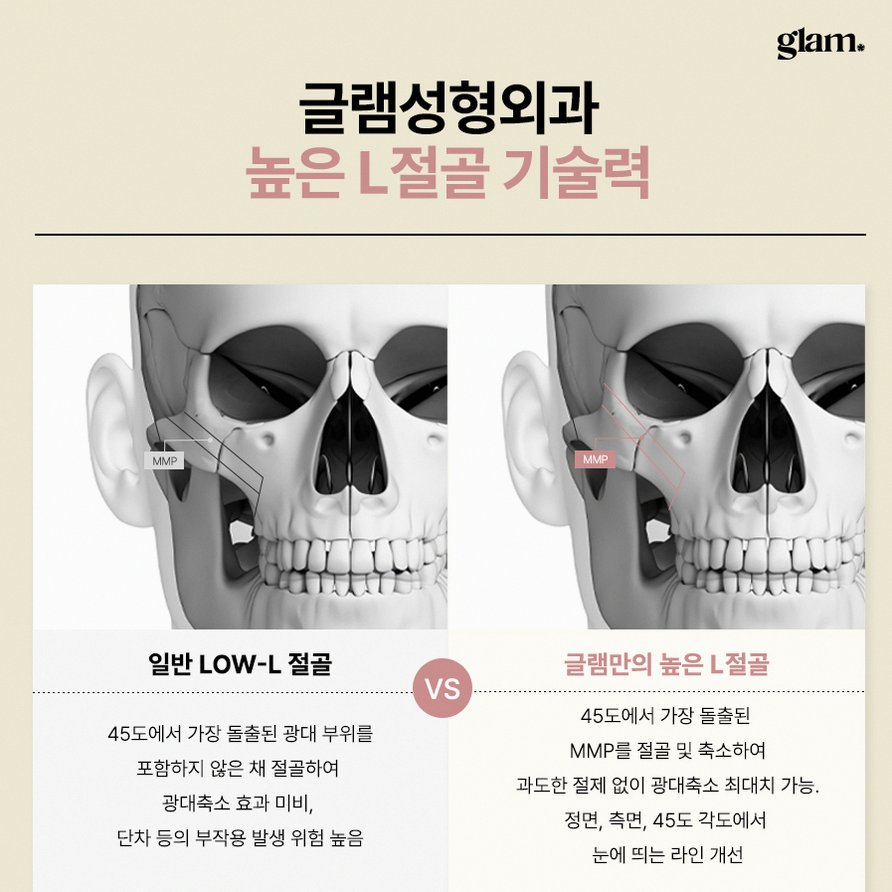
You may also think about revision if you have clear irregularities such as a step or bump where bone segments meet, a jaw angle that feels sharp on one side and flat on the other, or a chin that is off center. Soft tissue problems like sagging under the jaw or along the cheeks after bone reduction are another reason some people seek help.
Functional issues are equally important. These include chronic pain, prolonged numbness, unusual sensations along the lower lip or chin, difficulty chewing, bite changes, or clicking and discomfort in the jaw joint. While not all of these require surgery, they do deserve careful evaluation.
Responsible clinics will not rush you into another operation. Bone and soft tissue usually need at least 6 to 12 months after the first surgery to stabilize. In some cases, waiting longer is safer. A careful surgeon will assess whether the potential benefits of revision outweigh the additional risks in your specific case.
How a careful clinic evaluates revision candidates
A structured evaluation process is essential before planning any revision of the jawline, cheekbone, or V‑line.
The process usually begins with consultation and medical history. The surgeon listens to your concerns, reviews your previous surgery history, and asks about current symptoms such as pain, numbness, or bite changes. If you have operative records or previous imaging, bringing them is very helpful.
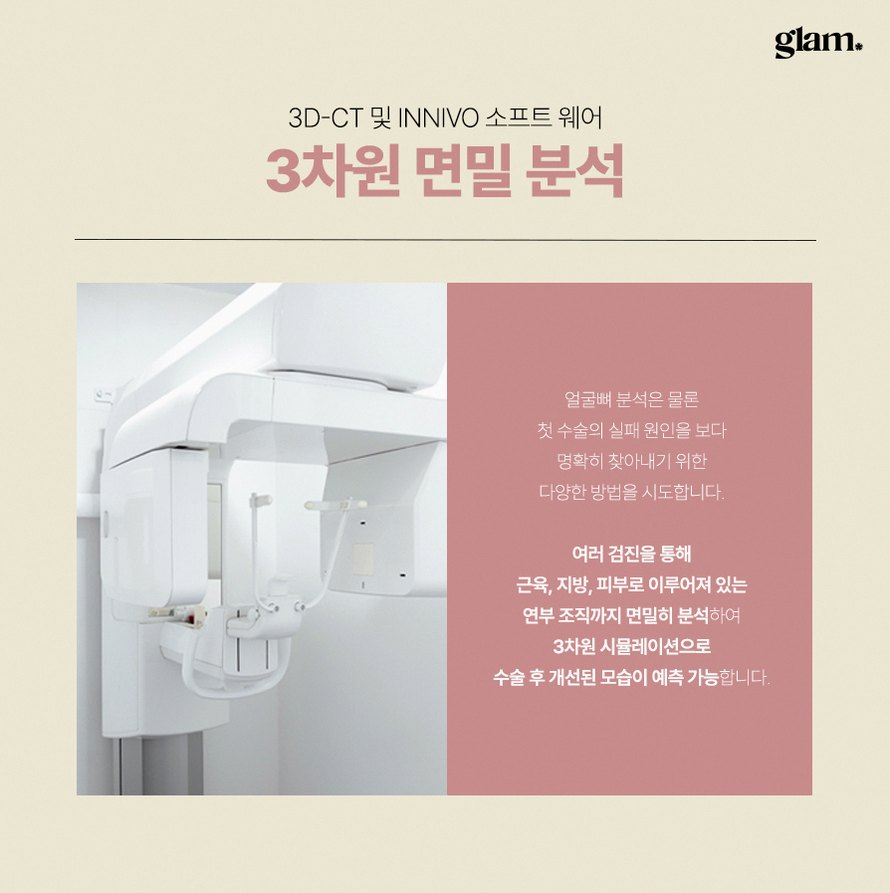
Next, detailed imaging is performed. This often includes CT scans and X‑rays to understand the current bone shape, where cuts were made, how segments were fixed, and whether plates and screws are still present. The surgeon studies these images to see how much bone remains and where nerves are located.
Functional assessment follows. The surgeon checks your bite, jaw movement, and temporomandibular joint function, and evaluates nerve status around the lower lip, chin, and cheeks. Skin and soft tissue laxity are also examined, because the way soft tissue drapes over the bone will affect the final appearance after revision.
Finally, the surgeon discusses realistic options with you. A responsible clinic may advise non‑surgical management, such as observation or supportive treatments, or may recommend delaying revision if the tissue is still healing or if the risk is too high. Honest guidance, including the possibility that surgery may not fully correct all issues, is an important sign of a safety‑first approach.
Planning facial contouring revision: minimum necessary correction
Good revision planning starts from objective analysis, not from a simple wish to make the face smaller or more dramatic.
First, the surgeon reconstructs what was done in the original operation. If operative records are available, they are reviewed. CT and X‑ray imaging help visualize previous osteotomy lines, bone removal patterns, and fixation points. This step is essential, because revision must work with the remaining bone and hardware.
Second, the main problem is defined. For some patients, the priority is symmetry between left and right sides. For others, it is restoring a more natural angle to the jaw, softening an overly sharp chin, or improving soft tissue drape. In some cases, functional issues such as bite or nerve symptoms are central.
Third, the surgeon decides how much bone can safely be re‑cut or repositioned. In revision, remaining bone stock is limited and nerves may be closer to the surface. Overly aggressive resection can create new deformities or worsen nerve problems, so a conservative mindset is important.
Fourth, the soft tissue response is anticipated. Skin and muscle that have already been through one surgery may not shrink or adapt as easily. The surgeon needs to consider how the cheeks, jowls, and neck will look after further bone changes.
Clinics that base their planning on peer‑reviewed research and long experience tend to favor the minimum necessary correction to achieve a balanced, natural face. This philosophy is especially important in revision, where the margin for error is smaller.
Typical surgical approaches in revision contouring
Revision techniques are chosen individually, but there are some common patterns.
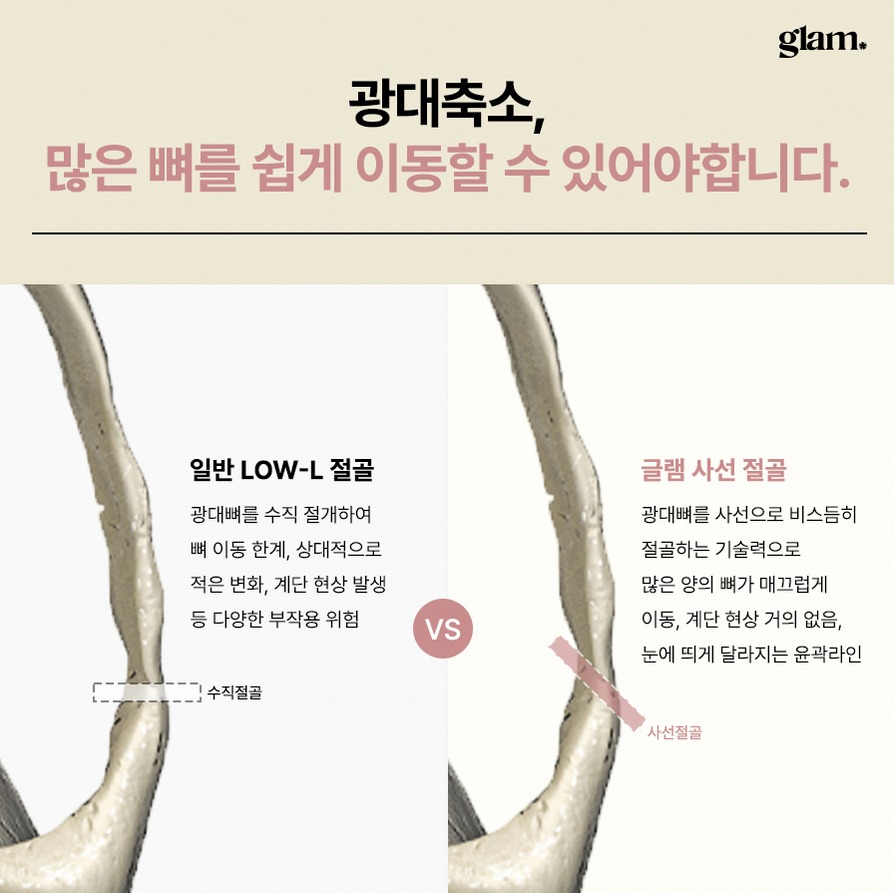
Cheekbone revision may involve correcting asymmetric reduction, adjusting the position of the zygomatic arch, or smoothing irregularities where the bone was previously cut. Sometimes plates and screws need to be removed or repositioned.
Jawline and square jaw revision often focus on smoothing or reshaping irregular jaw angles, correcting step deformities along the mandibular border, or adjusting an overly narrow or overly wide lower face. The surgeon must work carefully around the inferior alveolar nerve, which runs inside the jawbone and may be closer to the surface after the first surgery.

Chin and V‑line revision can include adjusting chin length, width, or position, or harmonizing the transition between the chin and jawline. Again, hardware may need to be removed or changed, and scar tissue makes dissection more demanding.
Compared with primary surgery, revision usually takes longer, involves more meticulous dissection through scar tissue, and carries a higher risk of nerve disturbance and bleeding. This is why many patients prefer a clinic that only handles facial bone surgery and is used to these challenges.
Safety, anesthesia, and long operations
For revision facial contouring, anesthesia and safety systems are as important as the surgical technique.
Revision cases often last longer than first‑time surgeries because of scar tissue, hardware removal, and the need for careful dissection around nerves and vessels. Longer operations can involve more bleeding and fluid shifts, so continuous, expert anesthesia management is essential.
A clinic with a full‑time, board‑certified anesthesiologist can provide tailored anesthesia plans, close monitoring of vital signs, and immediate response if anything unexpected occurs. It is reasonable for you to ask whether the anesthesiologist will be present throughout the entire procedure and what emergency protocols are in place.
When comparing clinics, do not hesitate to ask about the anesthesia team, monitoring methods, and how they manage long facial bone surgeries. These questions are part of choosing a safe environment for revision.
Postoperative care and recovery after revision
Recovery after facial contouring revision is usually slower and more intense than after the first surgery. Swelling can be more pronounced and may last longer, and it can take several months for the final contours to settle.
In the early days, you can expect facial swelling, bruising, tightness, and some discomfort. Numbness or altered sensation may temporarily increase before gradually improving. The clinic will usually provide guidelines on cold or warm compresses, medications, and sleeping with your head elevated.
Supportive postoperative care programs can help with comfort and swelling. At clinics like GLAM Plastic Surgery, options such as LED therapy, facial dome treatments, skin reset care, and radiofrequency lifting are used as supportive measures. These are designed to assist recovery and improve skin condition, but they are not guarantees of faster or perfect healing.
Follow‑up visits are important. The surgeon may request imaging at certain points to check bone healing and hardware position. You will receive instructions about diet (often soft or semi‑soft foods at first), oral hygiene if incisions are inside the mouth, sleeping position, and activity restrictions. Adhering to these instructions can influence both safety and the final result.
How to choose the best clinic for facial contouring revision
When you search for the best clinic for facial contouring revision surgery, use a clear checklist rather than relying on photos or marketing alone.
First, check specialization. Does the clinic focus on facial bone surgery, or is facial contouring just one of many services? A facial bone–only clinic is more likely to have consistent systems for these operations.
Second, confirm the surgeon’s background. Is the operating surgeon a board‑certified plastic surgeon with substantial experience specifically in facial bone and revision cases? Look for information about training at major hospitals and years of practice in this field.
Third, look for objective indicators of expertise. Peer‑reviewed publications in recognized journals, with transparent numbers and dates, show a commitment to evidence‑based practice. For example, the lead surgeon at GLAM Plastic Surgery has 13 SCI‑level papers as first or corresponding author in jaw and contouring surgery, including 3 in Plastic and Reconstructive Surgery as of February 2025.
Fourth, ask about anesthesia. Is there a dedicated, board‑certified anesthesiologist on staff who stays in the clinic during surgery? This is particularly important for long revision operations.
Fifth, evaluate the clinic’s philosophy. Do they emphasize conservative, necessary‑only surgery? Do they explain risks clearly, including the possibility that revision may not fully correct all issues? A clinic that is willing to say no, or to suggest waiting, is often acting in your best interest.
Sixth, check the diagnostic process. Are detailed imaging and functional assessments performed before planning surgery? A quick visual consultation without imaging is not enough for revision bone work.
Seventh, review postoperative care and follow‑up. Is there a structured follow‑up schedule and access to the surgeon after surgery? Are supportive treatments available if needed?
GLAM Plastic Surgery is one example in Gangnam, near Sinsa Station (about 200 meters from Exit 1), that meets many of these criteria, but you should always compare several options and choose the one that feels safest and most transparent for your situation.
Managing expectations and counseling for revision patients
Patients seeking revision often feel regret, anxiety, or urgency. This emotional state can make it tempting to look for fast, dramatic solutions, but revision facial contouring requires patience and realistic expectations.
A good surgeon will listen carefully to your story, examine your face and imaging, and then explain what is anatomically possible. There may be limits due to remaining bone, nerve position, or soft tissue condition. Sometimes the goal is improvement rather than complete reversal of the first surgery.
It is also normal for a responsible clinic to decline or postpone revision. For example, if not enough time has passed since the first operation, if bone healing is incomplete, or if soft tissue is too unstable, waiting may reduce risk.
Before consultation, it can help to prepare questions such as:
What are the main anatomical problems you see in my case?
What are the realistic changes I can expect from revision?
What are the specific risks to my nerves, bite, and facial function?
Could I need additional procedures in the future for soft tissue or fine‑tuning?
How stable are the expected changes over the long term?
Clear, honest answers to these questions are more valuable than overly optimistic promises.
Guidance for international patients coming to Seoul
Seoul, and especially the Gangnam area around Sinsa Station, is a frequent destination for international patients seeking facial contouring revision. Some clinics, including GLAM Plastic Surgery, provide multilingual support in English, Japanese, and Thai, and use online channels such as Instagram, YouTube, and messaging apps as touchpoints.
For overseas patients, language support is a convenience, but it should not replace core criteria such as specialization, surgeon experience, and safety systems. When planning treatment from abroad, thorough remote consultation is essential.
Before traveling, you should prepare:
A detailed description of your previous surgery, including dates and the type of procedures performed
Any operative reports or discharge summaries you can obtain
Pre‑ and post‑operative imaging (CT, X‑ray) if available
Clear photos from different angles in good lighting
A list of your current symptoms and concerns
Send these materials in advance so the surgeon can review them and provide an initial opinion about whether revision seems feasible and what kind of evaluation will be needed on arrival.
Expected Korea visit timeline for revision surgery
The exact schedule will vary by clinic and by case, but many international patients can plan around the following general structure.
First, allow several days before surgery for in‑person consultation and testing. This period is used for physical examination, new imaging (CT, X‑ray), blood tests, and final surgical planning. For complex revision, it is safer not to rush this stage.
Second, surgery day will usually require a full day at the clinic, including preparation, anesthesia, the operation itself, and initial recovery. You will typically stay in the recovery area for monitoring before returning to your accommodation.
Third, the first week after surgery is when swelling and bruising are most intense. You will likely have one or more follow‑up visits during this time for wound checks, dressing changes, and early postoperative care such as LED or facial dome treatments.
Fourth, many international patients stay in Korea for at least 2 to 3 weeks after revision surgery, depending on the complexity of the case and the surgeon’s recommendation. During this period, you may receive additional supportive treatments like skin reset care or radiofrequency lifting, if appropriate.

Fifth, once you return home, follow‑up can continue via online consultations. You may be asked to send photos or local imaging at certain intervals. It is important to have access to local medical care as well, in case of any urgent issues.
Aftercare and long‑term follow‑up
Good aftercare does not end when you leave the clinic or fly home. Long‑term follow‑up is important for monitoring bone healing, nerve recovery, and soft tissue adaptation.
In the first few months, you should follow the clinic’s instructions on diet, oral hygiene, physical activity, and sleeping position. Avoiding trauma to the face and maintaining good nutrition can support healing.
As swelling decreases, you may notice subtle changes in symmetry and contour. The surgeon may request check‑up photos or imaging at 3, 6, or 12 months to confirm that everything is stable.
If you experience persistent pain, new numbness, or functional problems, contact the clinic promptly. Early communication can help distinguish between normal healing sensations and issues that need attention.
FAQ about facial contouring revision surgery in Seoul
Is facial contouring revision more risky than first‑time contouring?
Yes, revision is generally more complex and carries higher risk than primary facial contouring. The bone has already been cut and fixed, anatomical landmarks may be altered, and there is scar tissue around nerves and vessels. This makes dissection more difficult and increases the chance of nerve disturbance or irregular healing. Choosing a clinic that specializes in facial bone surgery and has a conservative, safety‑first approach is especially important for revision.
How long should I wait after my first contouring surgery before considering revision?
In many cases, surgeons recommend waiting at least 6 to 12 months after the initial surgery before performing revision. This allows bone and soft tissue to stabilize and swelling to subside, so the true result can be evaluated. In some situations, a longer waiting period may be advised. A responsible clinic will assess your current condition and may suggest delaying revision if healing is not yet complete.

Can revision surgery completely fix asymmetry or an unsatisfactory result?
Revision can often improve symmetry and contour, but it cannot always create a perfectly symmetrical or completely new face. The remaining bone stock, nerve position, and soft tissue condition all limit what is safely possible. A good surgeon will explain these limitations clearly and set goals focused on meaningful improvement rather than perfection. It is important to discuss expected changes and possible residual differences during consultation.
How long do I need to stay in Korea for facial contouring revision?
For international patients, it is sensible to plan at least 2 to 3 weeks in Korea for revision facial contouring, depending on the complexity of your case and the clinic’s protocol. This allows time for preoperative evaluation, surgery, early postoperative care, and initial follow‑up visits. Some patients may need a longer stay if additional monitoring or treatment is required. You should confirm the recommended timeline with the clinic during your online consultation.
Soft call to action for online consultation
If you are an overseas patient considering revision of your jawline, cheekbones, or V‑line in Seoul, start with a thorough online consultation. Prepare your previous records, imaging, and a clear list of concerns, and share them with a facial bone–focused clinic such as GLAM Plastic Surgery near Sinsa Station in Gangnam.
Use email or the clinic’s social channels to ask detailed questions about specialization, surgeon experience, anesthesia, evaluation methods, and follow‑up systems. Taking time to compare clinics carefully and to understand the realistic possibilities for your face is the safest way to move forward with facial contouring revision.




- 공유 링크 만들기
- X
- 이메일
- 기타 앱


댓글
댓글 쓰기