What's Realistically Possible After Prior Surgery?
- 공유 링크 만들기
- X
- 이메일
- 기타 앱
Direct answer summary
However, with careful planning, focused goals, and structured aftercare, it is often possible to streamline the process, reduce unnecessary steps, and support a faster and safer return to daily life. This guide explains what “quick” can realistically mean, who may be a candidate, how evaluation and surgery are done, and what overseas patients can expect when visiting Korea.
GLAM Plastic Surgery is a facial bone–focused clinic in the Sinsa Station area of Gangnam, Seoul, offering double jaw and facial contouring procedures, including revision, for international patients.
What “quick” can and cannot mean in facial contouring revision
When people search for quick facial contouring revision, they usually want less downtime and a smoother overall experience than their first surgery. In reality, revision bone surgery is more complex than primary surgery, because the anatomy has already been changed and there may be scar tissue and fixation plates.
In this context, “quick” does not mean that the operation is light or risk‑free. Instead, it can mean a smart, streamlined approach:
Shorter overall recovery and faster return to daily life compared to more extensive, combined procedures.
A focused surgical plan that targets only what is truly necessary, instead of adding multiple extra procedures that do not help the main problem.
Systematic post‑operative care to help swelling and bruising settle more efficiently.
On the other hand, there are clear limits to how “quick” revision can be:
Bone contouring revision always requires careful imaging and planning. Rushing this step increases the risk of nerve injury, asymmetry, or functional problems.
Operating time may be similar or even longer than the first surgery, because the surgeon must work around previous bone cuts, plates, and scar tissue.
Recovery still involves swelling, temporary discomfort, and a period of restricted activity.
A realistic way to think about quick facial contouring revision is not “fast and easy,” but “precisely planned, minimal yet effective, with a clear recovery roadmap.”
Who typically considers facial contouring revision
Many overseas patients look for revision after being disappointed with previous cheekbone, jaw angle, or V‑line contouring. Common reasons include both aesthetic and functional concerns.
Aesthetic reasons
Asymmetry or uneven jawline: One side may look wider, lower, or more angular than the other, or there may be visible “steps” where the bone was cut.
Over‑resection: The face may look too narrow, hollow, or aged, especially in the midface or lower jaw.
Under‑resection: The jawline may still appear wide, square, or bulky, leaving the patient feeling that little has changed.
Sagging or drooping: After bone reduction, the soft tissue may not be well supported, leading to jowls, drooping cheeks, or a tired look.
Functional reasons
Bite discomfort: Teeth may not meet comfortably, or chewing may feel awkward.
Jaw joint strain: Some patients develop joint clicking, tightness, or fatigue.
Chronic pain: Persistent pain or pressure in the jaw, cheekbone area, or around fixation plates.
Other situations
Outdated techniques: Patients who had surgery many years ago may feel their result looks artificial or unbalanced by today’s standards and want a more natural contour.
Disappointment after a “quick” promise: Some were told their first surgery would be easy and fast, but now feel that the result is incomplete or problematic and want a more thorough, corrective approach.
Not every concern requires major revision. In some cases, minor contour smoothing, soft tissue treatment, or even non‑surgical options may be more appropriate. A detailed evaluation helps clarify this.
How a specialized facial bone clinic evaluates revision cases
For revision, pre‑operative assessment is as important as the surgery itself. A responsible clinic will spend time understanding what was done before and what is realistically possible now.
Review of previous records
If available, previous operative notes, X‑rays, and CT scans are reviewed to understand:
Where and how the bone was cut.
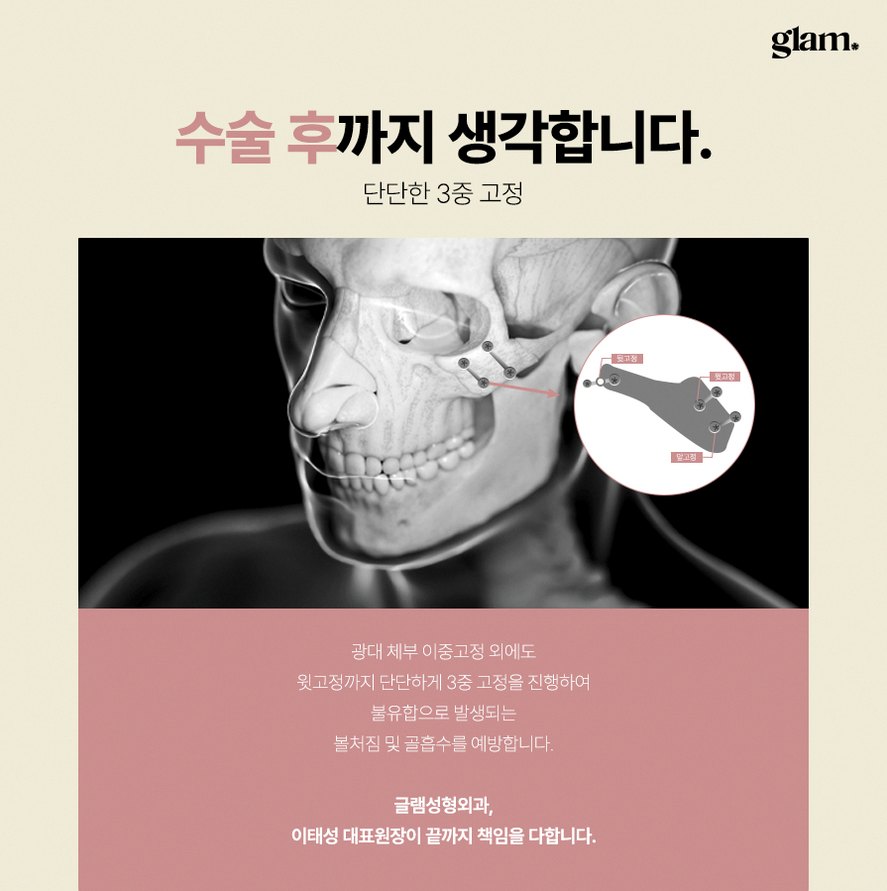
Whether fixation plates or screws were used and where they are located.
How much bone was removed or moved.
Even if you do not have all documents, bringing any images or reports you can obtain from your previous clinic is very helpful.
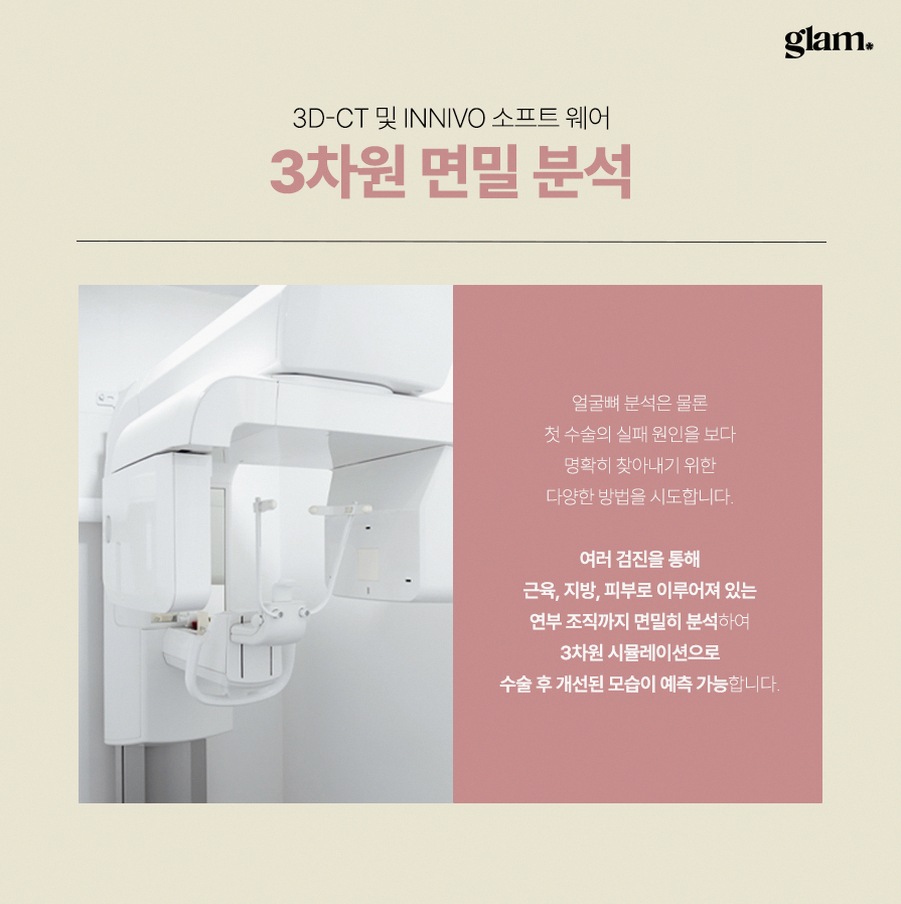
3D imaging and CT evaluation
Current 3D imaging and CT scans are used to check:
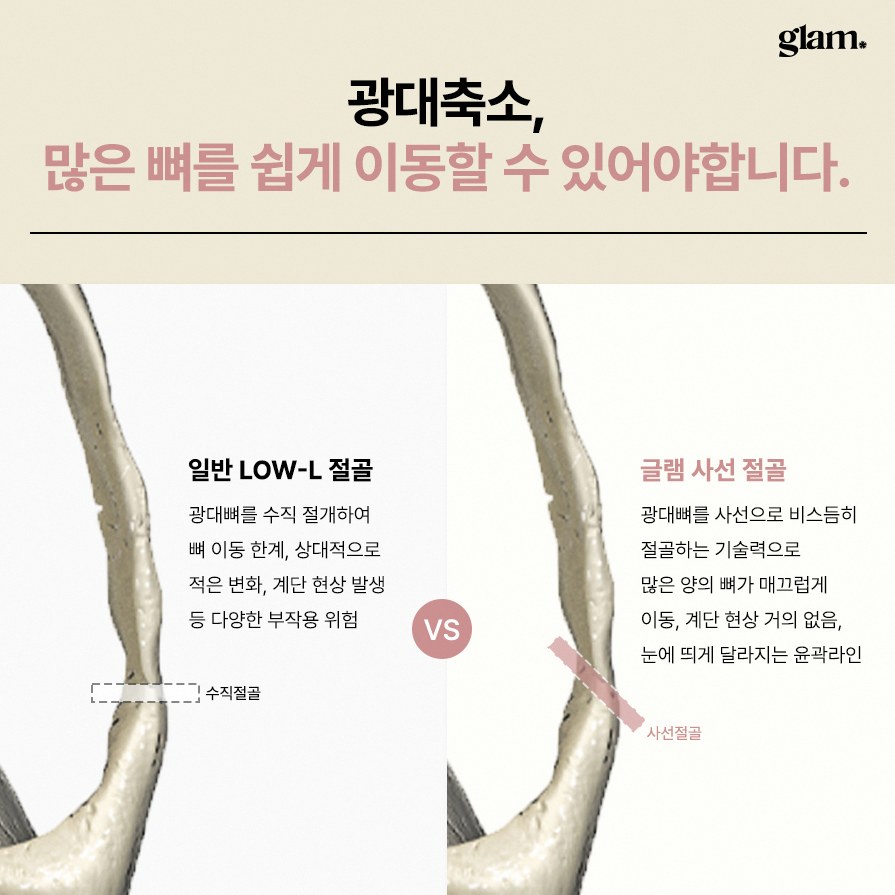
The exact shape and thickness of the remaining bone.
The position of fixation plates and screws.
The course of important nerves, especially in the lower jaw.
Any irregularities, step deformities, or asymmetries.
This imaging helps the surgeon plan bone cuts precisely, decide whether plates should be removed or replaced, and avoid high‑risk areas.
Functional and proportion analysis
Beyond bone structure, a thorough evaluation includes:
Occlusion: How your upper and lower teeth meet.
Jaw joint status: Any pain, clicking, or limited opening.
Facial proportions: Balance between the upper, middle, and lower face, and the harmony between cheekbones, jaw angle, and chin.
Photographs from multiple angles and sometimes 3D simulations may be used to discuss realistic goals.
Minimal necessary surgery as the real “efficient” choice
In some cases, the safest and most efficient option is a smaller correction, or even no surgery at all. For example:
If the remaining bone is too thin to safely cut again.
If the nerve runs very close to the area that would need correction.
If the main issue is soft tissue laxity rather than bone structure.
A patient‑centered approach means recommending only what is truly necessary and beneficial, rather than pushing for aggressive changes. This is the real meaning of an efficient revision.
Main revision techniques and how they differ from primary surgery
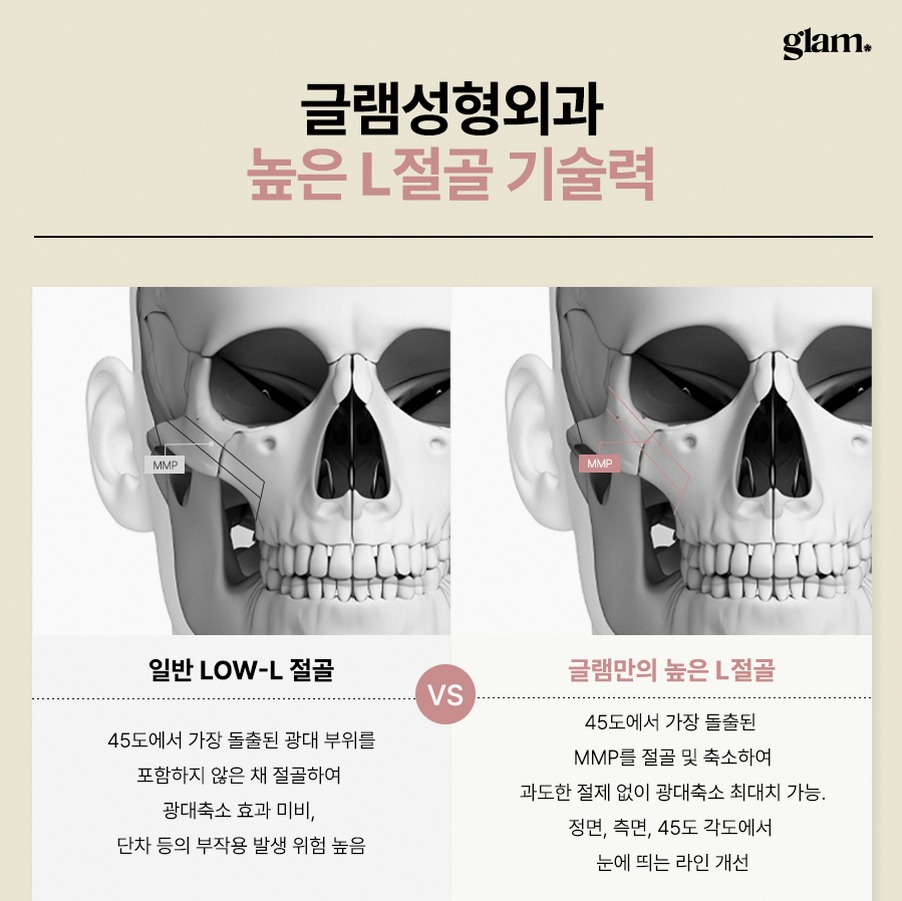
Revision cheekbone surgery
Cheekbone revision may be considered when there is:
Excessive reduction leading to a sunken midface.
Asymmetry between the left and right cheekbones.
Step deformities or sharp, unnatural transitions.
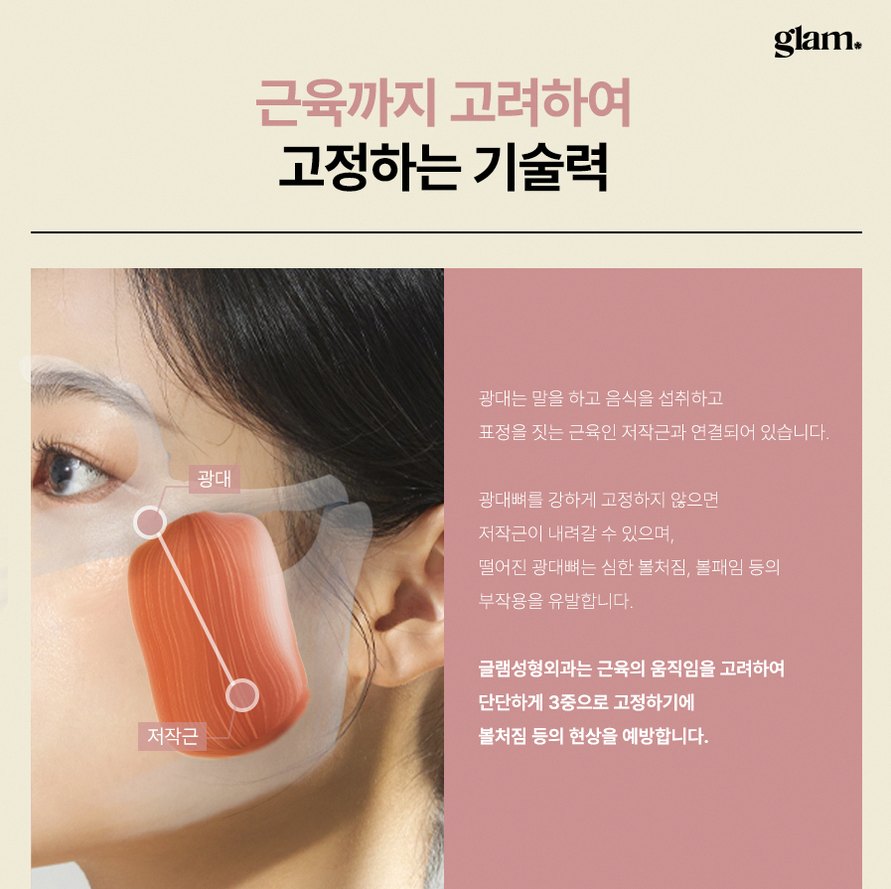
Possible approaches include repositioning previously moved segments, smoothing irregular edges, or, in some cases, using grafts or implants to restore volume. Because the bone has already been cut and fixed once, the surgeon must carefully release scar tissue and secure the bone again in a stable, predictable position.
Revision jaw angle surgery
Jaw angle revision is often requested for:
Irregular or bumpy jawline after angle shaving.
Over‑shaved angles that create an overly flat or “no angle” appearance.
Under‑shaved angles where the lower face still looks wide.
Revision may involve smoothing remaining irregularities, adjusting the line from the angle to the chin, or slightly rebuilding contour in areas that look too hollow. Working around previous cuts and plates makes this more technically demanding than a first‑time angle reduction.
Chin and V‑line revision
Patients may seek V‑line or chin revision when they notice:
Midline deviation, where the chin is off‑center.
Chin that is too short, too long, too narrow, or too pointy.
Unnatural straight lines from chin to jaw angle.
Revision options include adjusting chin length and projection, correcting midline, and refining the transition between chin and jaw body. Sometimes, the surgeon may need to remove or reposition old fixation hardware and carefully re‑cut the bone.
Why revision is more complex than primary surgery
Revision almost always involves:
Scar tissue, which can make dissection slower and more delicate.
Existing fixation plates and screws that may need to be removed or replaced.
Altered anatomy, where the original landmarks have changed.
Because of this, a “quick” concept in revision does not mean rushing. It means:
Using detailed imaging and planning to minimize trial‑and‑error during surgery.
Focusing on the main problem areas instead of adding unnecessary combined procedures.
Planning a realistic, efficient recovery pathway from the beginning.
Recovery, aftercare programs, and realistic downtime
Typical recovery timeline
While every patient is different, a general pattern after facial contouring revision is:
First few days: Swelling increases and usually peaks around day 2–3. You may have some discomfort, tightness, and difficulty chewing. Pain is typically controlled with prescribed medication.
First 1–2 weeks: Swelling gradually decreases. Bruising, if present, starts to fade. Many patients can return to light daily activities and remote work within 1–2 weeks, depending on the extent of surgery.
Weeks 3–6: Most visible swelling improves. You may feel more comfortable in social situations, though subtle puffiness can still be noticeable to you.
Several months: Final contour continues to refine as deep swelling settles. Numbness or altered sensation can take several months to improve.
Faster return to daily life does not mean zero swelling or instant results. It means planning surgery and aftercare so that you can safely resume basic activities and social life as early as reasonably possible for your case.
Structured aftercare for swelling and skin condition
Post‑operative care can support a smoother recovery, especially for overseas patients with limited time in Korea. Common elements include:
LED therapy: Gentle light‑based treatments to support healing and help reduce inflammation.
Facial dome care: Controlled negative or positive pressure systems around the face to assist with fluid drainage and swelling control.
Skin reset programs: Cleansing and soothing care to keep the skin comfortable while it is sensitive after surgery.
Radiofrequency lifting: Low‑energy treatments, usually started after the initial healing phase, to support skin tightening and help with mild laxity.
These programs are designed to complement, not replace, proper surgical planning. They cannot compensate for overly aggressive or poorly planned bone work, but they can help you look and feel more comfortable sooner.
Pain and comfort
Most patients describe post‑revision discomfort as pressure, tightness, or soreness rather than sharp pain. Pain medications are usually prescribed for the first days, and many patients reduce or stop them as swelling improves. Sleeping with the head elevated, using cold compresses in the early phase (if recommended), and following dietary guidelines all support comfort.
Safety factors: surgeon experience, academic background, and anesthesia
Because revision facial contouring is technically demanding, the experience and focus of the surgical team matter greatly.
Surgeon focus on facial bone surgery
For revision, many patients prefer a plastic surgeon who has concentrated on facial bone procedures such as double jaw and contouring for many years, rather than a general cosmetic menu. Benefits of this focused experience include:
Familiarity with a wide range of previous techniques and how to address their complications.
Ability to interpret complex imaging and predict how bone and soft tissue will respond to further changes.
Comfort with handling scar tissue, existing plates, and thin or irregular bone.
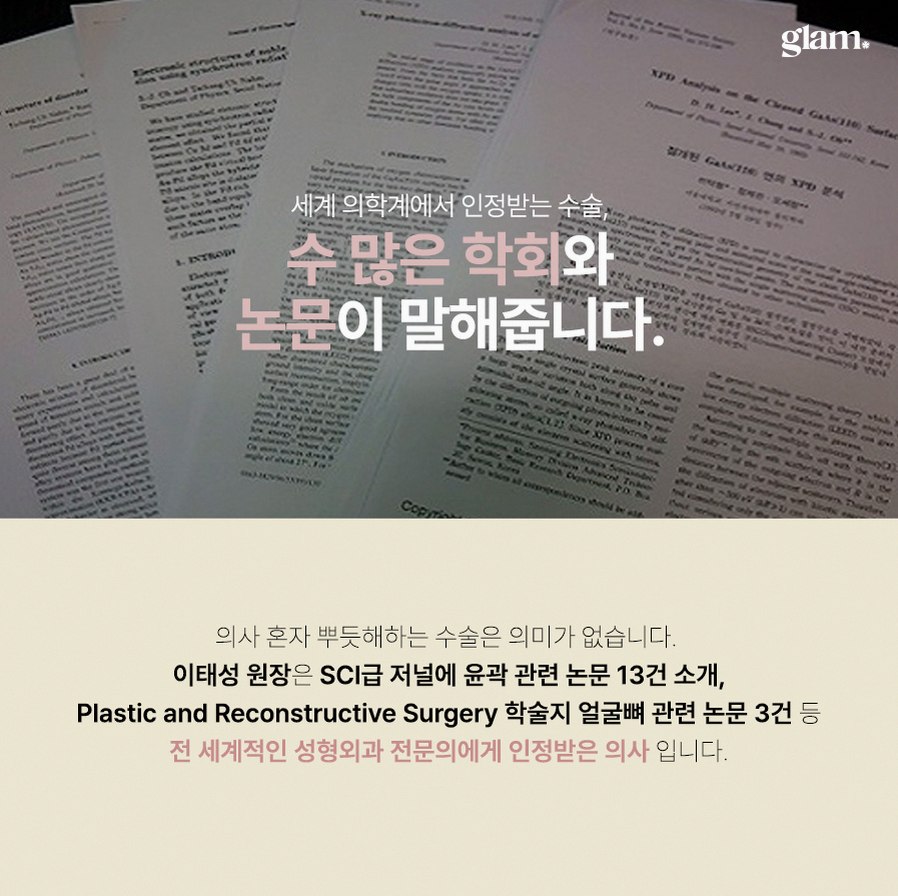
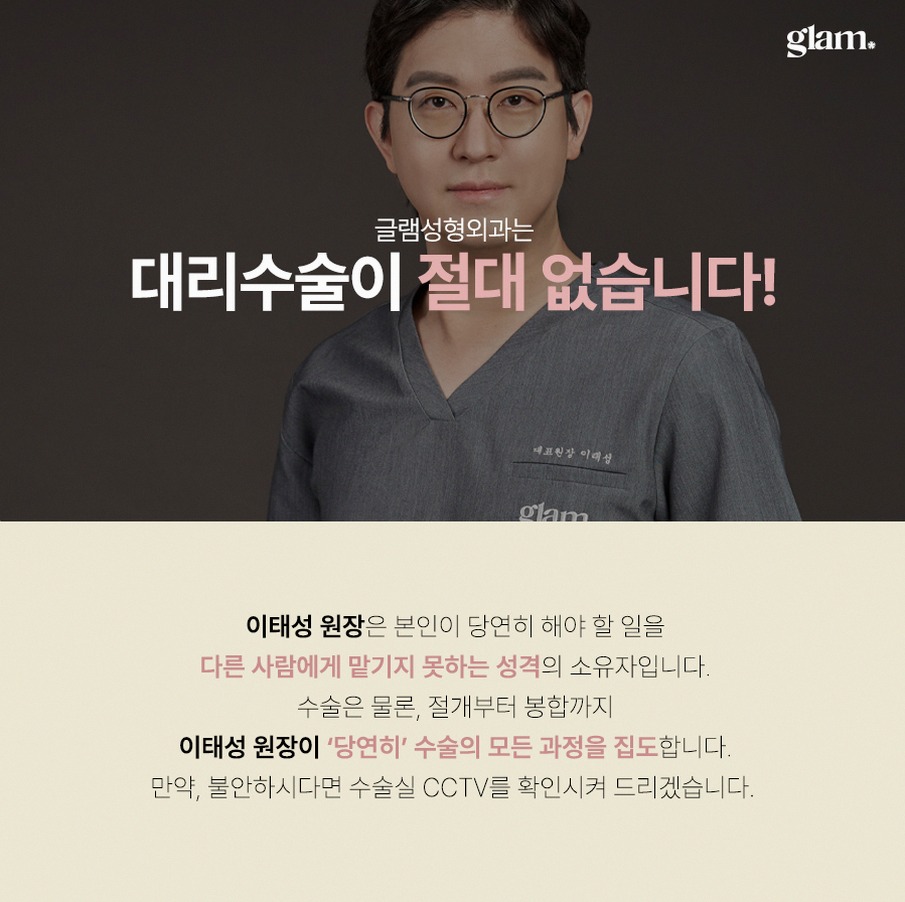
At GLAM Plastic Surgery, the lead surgeon has 20 years of experience in facial bone surgery (as of February 2025) and, as of February 2025, has authored 13 SCI‑level papers on contouring and double jaw procedures, including three in Plastic and Reconstructive Surgery. Surgery is performed directly by the lead plastic surgeon.
Dedicated anesthesia and monitoring
Revision facial bone surgery is usually performed under general anesthesia. This separation of roles allows the surgeon to focus entirely on the procedure while the anesthesiologist manages your airway, vital signs, and comfort.
For overseas patients, it is reasonable to ask during online consultation who will be in charge of anesthesia, what monitoring equipment is used, and how emergencies are handled.
Who is and is not a good candidate for quick revision
Not everyone who wants a fast revision is a suitable candidate for extensive changes. During consultation, the team will consider:
Bone stock: If too much bone was removed previously, there may not be enough remaining to safely cut again or to support the desired shape.
Nerve safety: If the nerve runs very close to the area needing correction, the risk of numbness or nerve injury may be too high.
Soft tissue condition: If the main problem is loose skin or sagging, bone revision alone may not solve it. In such cases, combining or prioritizing soft tissue procedures might be discussed.
General health: Smoking, uncontrolled medical conditions, or poor healing history can affect candidacy and recovery.
A “quick” revision should never mean ignoring these safety factors. The priority is long‑term facial harmony and function, not just dramatic or rapid change.
Online consultation and pre‑visit preparation for overseas patients
Before you travel to Korea, an online consultation can clarify whether revision seems feasible and what kind of visit schedule you should plan.
Information to prepare
To make your remote consultation more productive, prepare:
Clear facial photos from the front, 45‑degree angles, and both profiles, in good lighting, without heavy makeup.
Any previous X‑rays, CT scans, or 3D images you can obtain in digital form.
Operative notes or a brief summary from your previous clinic, if available.
A written list of what bothers you most, in order of priority (for example, right jawline asymmetry, chin deviation, sagging on the left side).
Questions to ask during consultation
Consider asking:
Which areas of my bone structure are realistically changeable, and which are not?
What are the main risks in my specific case, considering my previous surgery?
What type of anesthesia will be used, and who will manage it?
How long should I stay in Korea after surgery, and how many in‑clinic visits are recommended?
What kind of aftercare is included, and what can I continue in my home country?
Writing these questions down before your video or email consultation helps ensure you do not forget important points.
Expected Korea visit timeline for revision patients
The exact schedule depends on the complexity of your case and your travel constraints, but a common structure for overseas revision patients is:
Day 1–2: In‑person consultation, physical examination, imaging (CT, X‑rays, 3D scans), and final surgical planning. You may also have pre‑operative blood tests and anesthesia evaluation.
Day 3–4: Surgery day. After surgery, you usually stay in the recovery area for monitoring and may be discharged the same day or after an overnight stay, depending on the clinic’s system and your condition.
First week: Several short visits for wound checks, swelling assessment, and basic care. Early aftercare such as gentle LED therapy may begin if appropriate.
Second week: Suture removal (if external sutures are used), continued swelling management, and guidance on returning to more normal activities and diet.

Many international patients stay in Korea for about 10–14 days after revision facial contouring. Some may be advised to stay longer depending on the complexity of the surgery and their general health. Before booking flights, confirm the recommended stay length with the clinic.
Aftercare once you return home
When you go back to your country, you will usually continue recovery with:
Self‑care: Following dietary instructions, oral hygiene if intraoral incisions were used, and gentle facial care.
Activity management: Gradually increasing physical activity while avoiding heavy exercise and contact sports for the period recommended by your surgeon.
Remote follow‑up: Sending photos or attending video calls at set intervals so the team can monitor your progress.
If any unexpected symptoms arise after you return home, such as severe pain, fever, or sudden asymmetry, you should contact the clinic promptly and, if needed, see a local medical provider.
FAQ
Is quick facial contouring revision really possible after a previous surgery?
Quick revision is possible only in the sense of a streamlined, well‑planned process with focused goals and efficient aftercare. The surgery itself remains complex, and recovery still takes time. The key is to avoid unnecessary procedures, plan precisely using detailed imaging, and support healing with structured post‑operative care.
How long should I stay in Korea for facial contouring revision?
Many overseas patients stay about 10–14 days after surgery, which allows for early recovery, suture removal if needed, and several aftercare sessions. However, the ideal duration depends on the complexity of your revision, your general health, and your travel flexibility. Your surgeon can recommend a more specific timeline after reviewing your case.
Can revision fix both asymmetry and sagging at the same time?
In some cases, bone revision can improve asymmetry and indirectly help with soft tissue position, but sagging often has a strong soft tissue component. Your surgeon may suggest combining bone work with soft tissue procedures, or staging them, depending on your anatomy and priorities. It is important to clarify which issues are expected to improve with bone surgery alone and which may require additional treatment.
What should I ask during an online consultation about revision facial contouring?

Useful questions include: what exactly will be changed in my bone structure, what cannot be changed safely, what specific risks apply in my case, how long my recovery and stay in Korea should be, and what aftercare is included. You can also ask how many revision cases similar to yours the team manages and how they handle previous plates, thin bone, or nerve proximity.
Soft call to action for online consultation
If you are considering facial contouring revision in Korea and want a realistic, safety‑focused plan rather than just a fast promise, an online consultation can be a good first step. By sharing your photos, previous records, and main concerns, you can receive an initial assessment of what may be possible and how long you should plan to stay.
GLAM Plastic Surgery, located near Sinsa Station in Gangnam, Seoul, offers double jaw and facial contouring procedures, including revision, for international patients. If you are exploring options for a smart, streamlined revision approach, you may contact the clinic for more detailed information about consultation, scheduling, and travel planning.




- 공유 링크 만들기
- X
- 이메일
- 기타 앱


댓글
댓글 쓰기