V revision in Seoul: risks, assessment, and clinic choice
- 공유 링크 만들기
- X
- 이메일
- 기타 앱
Direct answer summary
If you are searching for V-line surgery but already had jawline contouring before and are unhappy with the result, what you likely need is information about revision V-line surgery. This is a secondary bone operation on the mandibular angle and chin area to correct problems such as asymmetry, an unnatural pointy chin, or sagging after previous contouring. It is more complex and higher risk than first-time surgery, so careful assessment, realistic goals, and choosing a facial bone–focused clinic are especially important.
This guide is written for international patients considering revision V-line contouring in Korea, particularly in the Sinsa Station area of Gangnam, Seoul.
What is revision V-line surgery
Revision V-line surgery means operating again on the lower facial skeleton after a previous V-line or mandibular contouring procedure. Instead of starting with untouched bone, the surgeon must work with bone that has already been cut, shaved, or repositioned.
Revision can involve the mandibular angles, the chin, or both. It may address problems that came directly from the first surgery, or changes that appeared over time as swelling settled and tissues aged.
In many countries, the term V-line surgery is used broadly, including both bone and soft-tissue procedures. This article focuses on true bone-level revision, not minor touch-ups.
Soft-tissue touch-ups versus bone revision
Some concerns after V-line surgery can be managed without another bone operation. Examples include mild contour irregularities that can be softened with fillers, or early jowling that may respond to lifting procedures or energy-based treatments.
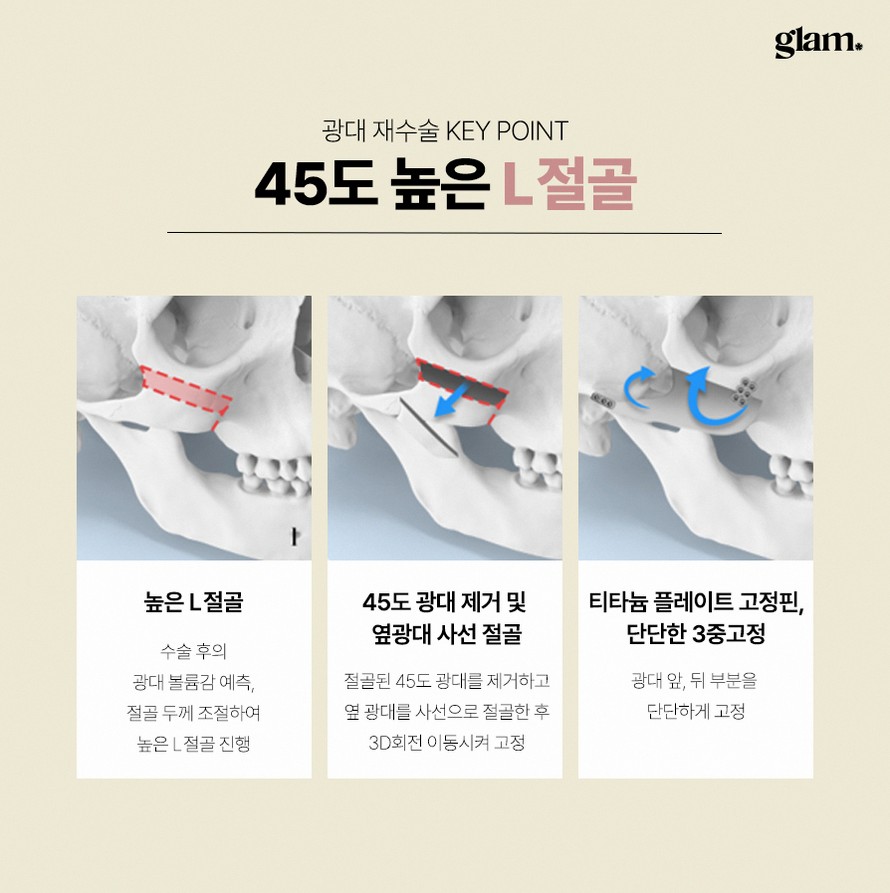
However, when the underlying bone shape is the main problem, soft-tissue methods alone usually cannot create a stable, natural jawline. In those cases, revision V-line contouring may involve:
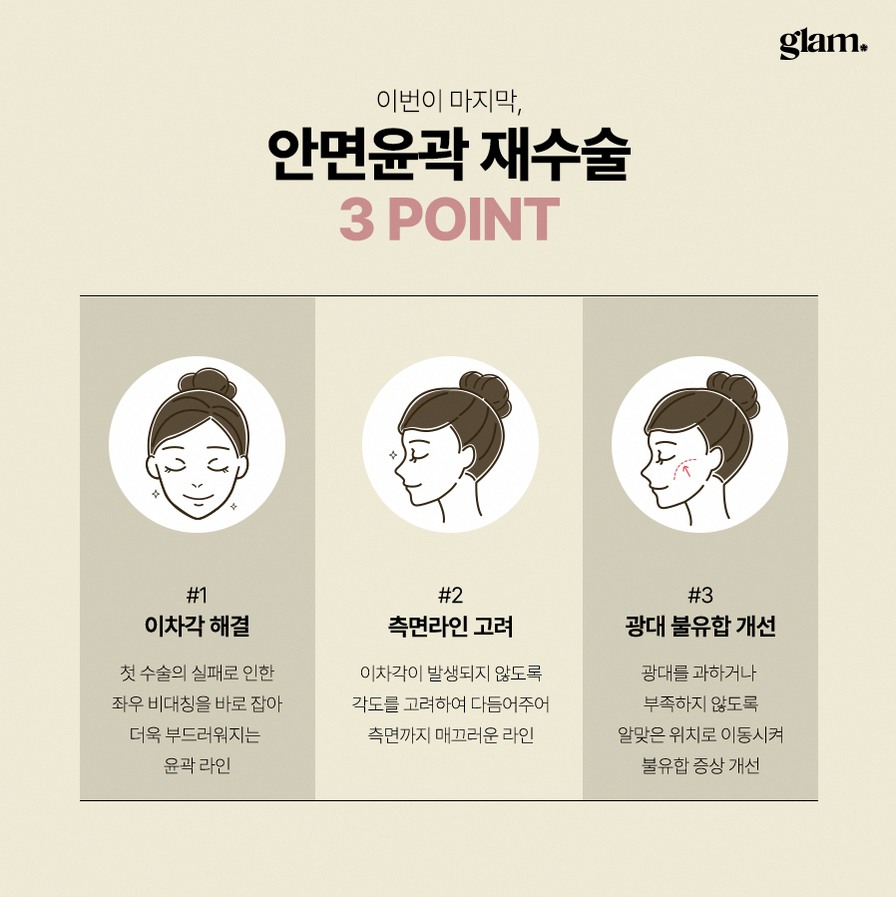
Reshaping the mandibular angles
Repositioning or reshaping the chin (genioplasty)
Smoothing step deformities or irregularities
Adding volume with bone grafts or implants when too much bone was removed
Common reasons people seek revision V-line surgery
Most people who consider revision are already anxious. They have gone through one bone surgery and recovery, and the idea of repeating the process is understandably stressful. Knowing the typical indications can help you understand whether revision might be relevant for you.
Common reasons include:
Persistent or new asymmetry
One side of the jaw appears longer, lower, or more prominent than the other
The chin points slightly to one side
The mandibular angles are at different heights or shapes
Jawline shape concerns
The jawline still looks wide or square despite previous angle reduction
The lower face appears too narrow or too pointy, giving an unnatural or “overdone” look
The chin feels too long, too short, or not in harmony with the rest of the face
Soft-tissue sagging and aging changes
Sagging jowls or loose skin along the jawline after aggressive bone removal
A hollow or aged look in the lower face because support was reduced too much
Functional issues
Bite discomfort or difficulty chewing
Pain or clicking around the temporomandibular joint area
Numbness or altered sensation in the lower lip or chin
Overall dissatisfaction with facial balance
Even if individual parts are technically “correct,” the overall lower face may not match your expectations or your natural features.
It is important to understand that not every problem can be fully reversed. When a large amount of bone has been removed, it may not be possible to restore the original structure perfectly. In some cases, improvement is achieved with careful reshaping, bone grafting, or implants, but the goal is often better balance rather than complete restoration.
About GLAM Plastic Surgery
GLAM Plastic Surgery is located in Gangnam, Seoul, near Sinsa Station. It is a facial bone–focused plastic surgery clinic that concentrates on jaw and facial contouring procedures such as double jaw surgery and facial contouring, rather than general cosmetic procedures of the eyes, nose, or body.
The lead surgeon is a board-certified plastic surgeon with around 20 years of experience in facial bone surgery and multiple SCI-level publications, including several in the journal Plastic and Reconstructive Surgery, as of February 2025. Operations are performed directly by the lead surgeon, and the clinic philosophy is to recommend only the minimum necessary surgery rather than aggressive or excessive procedures.
A board-certified anesthesiology and pain medicine specialist is on staff, which is relevant for patients undergoing longer facial bone operations under general anesthesia.
How revision V-line is assessed and diagnosed
Revision cases require more detailed evaluation than first-time V-line surgery because the anatomy has already been changed and scar tissue is present.
Typical assessment includes:
Detailed consultation
Discussion of where and when the first surgery was performed
What type of procedure was done (for example, angle resection, T-genioplasty, sliding genioplasty)
Whether any plates, screws, or implants were used
How your face has changed over time since the first operation
Current symptoms such as pain, numbness, or chewing difficulty
Clinical examination
Observation of facial symmetry from the front and side
Evaluation of your bite (occlusion) and how upper and lower teeth meet
Assessment of chin position in relation to lips, nose, and overall facial proportions
Checking for soft-tissue sagging, jowls, and skin elasticity
Palpation of the mandibular angles and chin to feel irregularities
Imaging and analysis
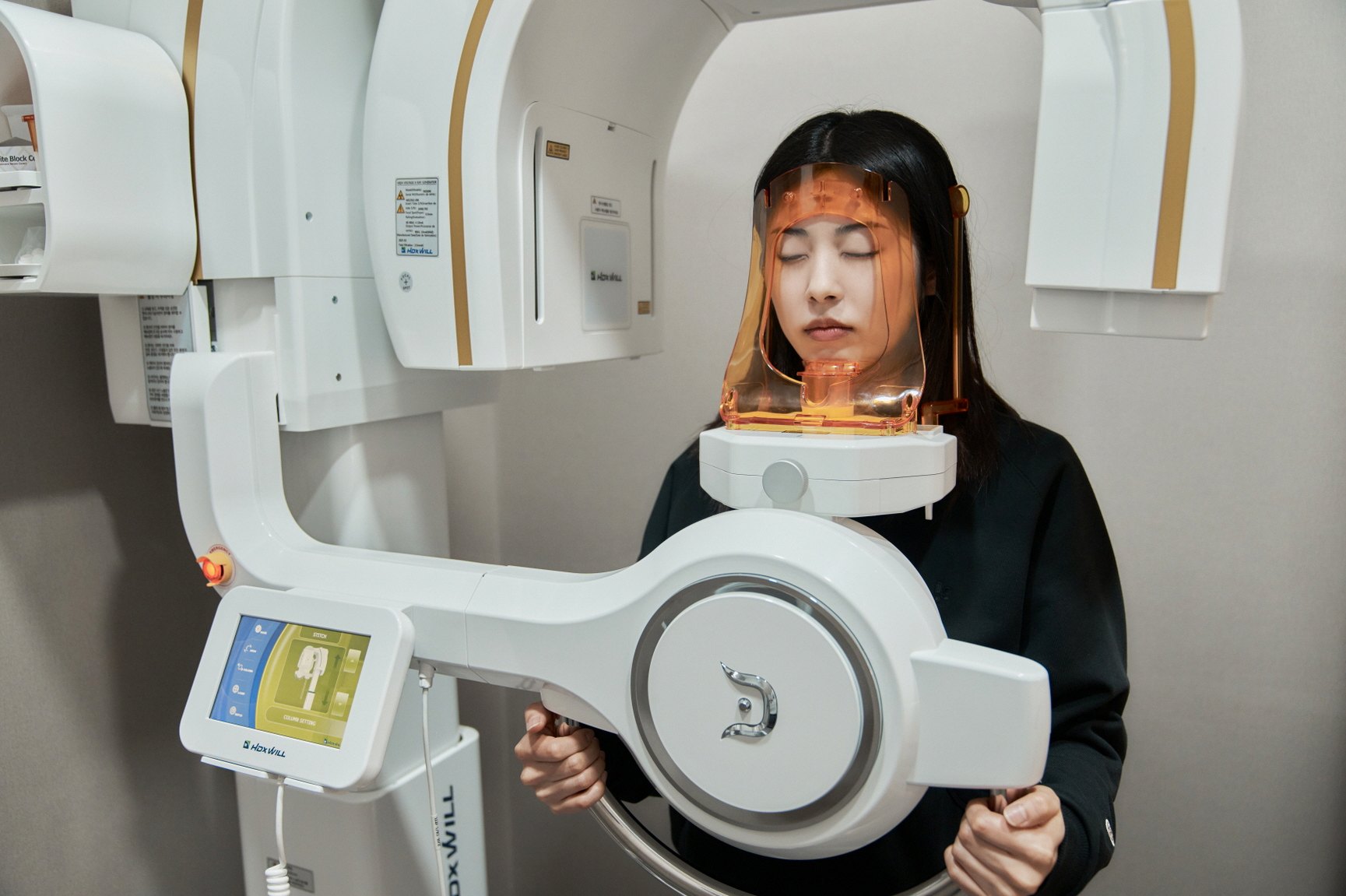
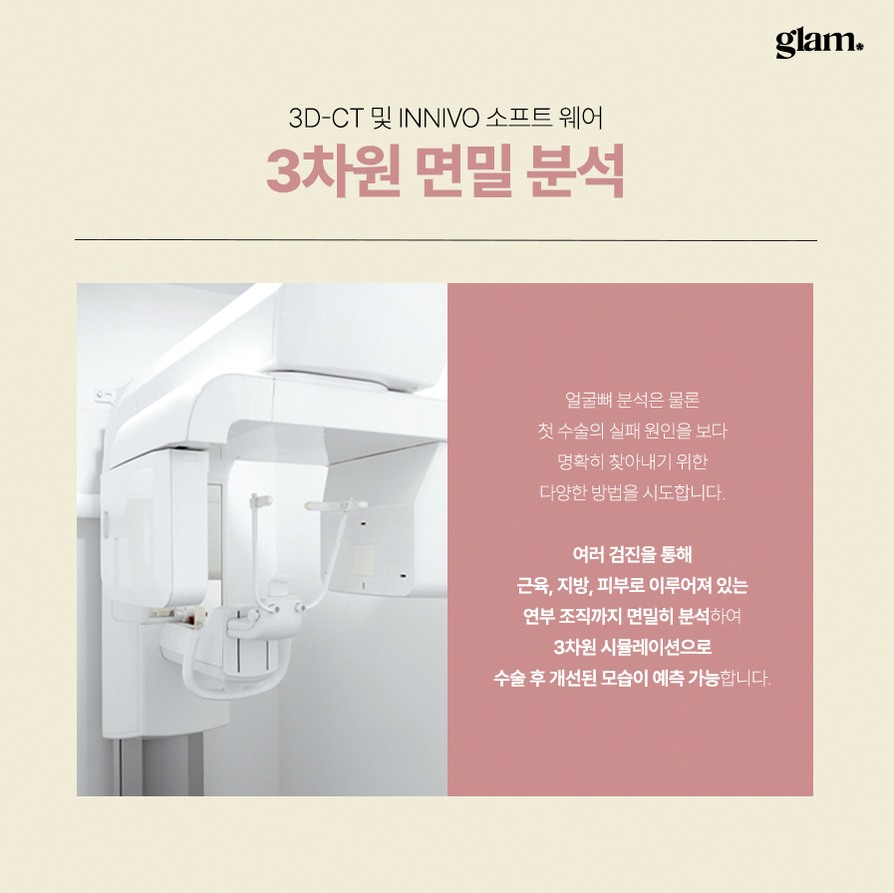
Facial X-rays and 3D CT scans are standard tools for revision V-line planning. They help the surgeon understand:
The current bone shape and thickness
The lines where bone was previously cut (osteotomy lines)
The position of the inferior alveolar nerve
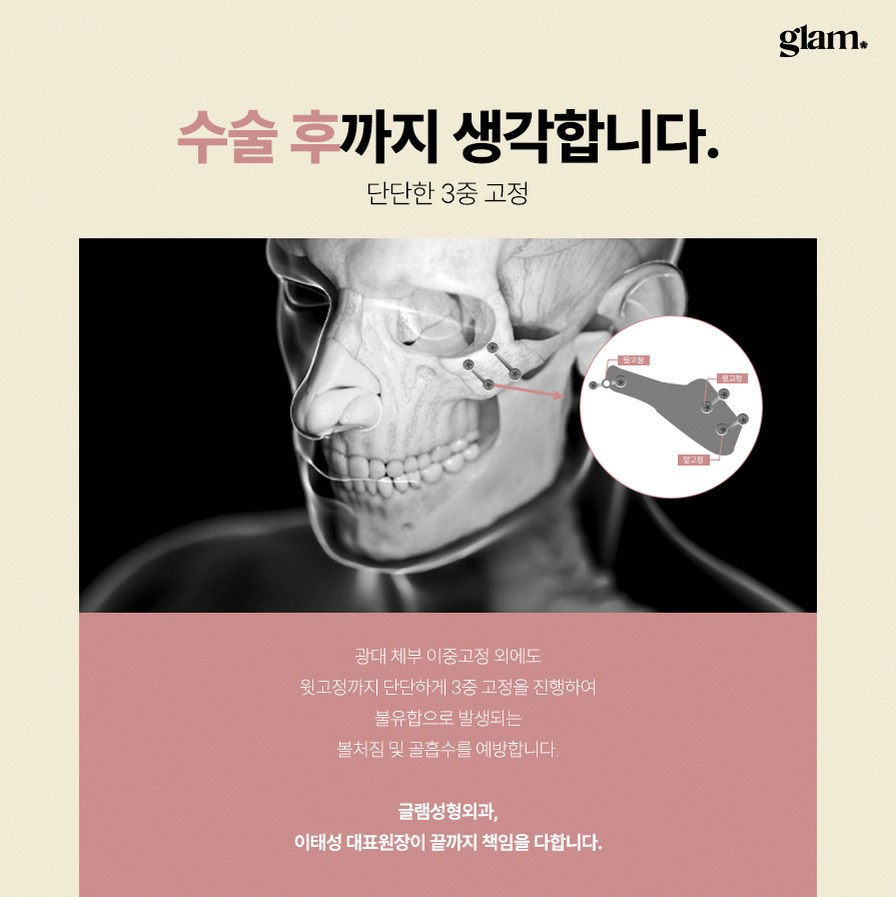
The location and condition of any plates, screws, or implants
In revision surgery, precise imaging is even more critical than in primary surgery. The surgeon must avoid weakening already reduced bone, protect nerves, and plan cuts that respect the existing structure.
Typical surgical strategies in revision V-line contouring
Because each revision case is unique, the surgical plan must be individualized. However, some common strategies include:
Correcting asymmetry
Recontouring one or both mandibular angles to match height and shape
Balancing the left and right sides while preserving enough bone for strength
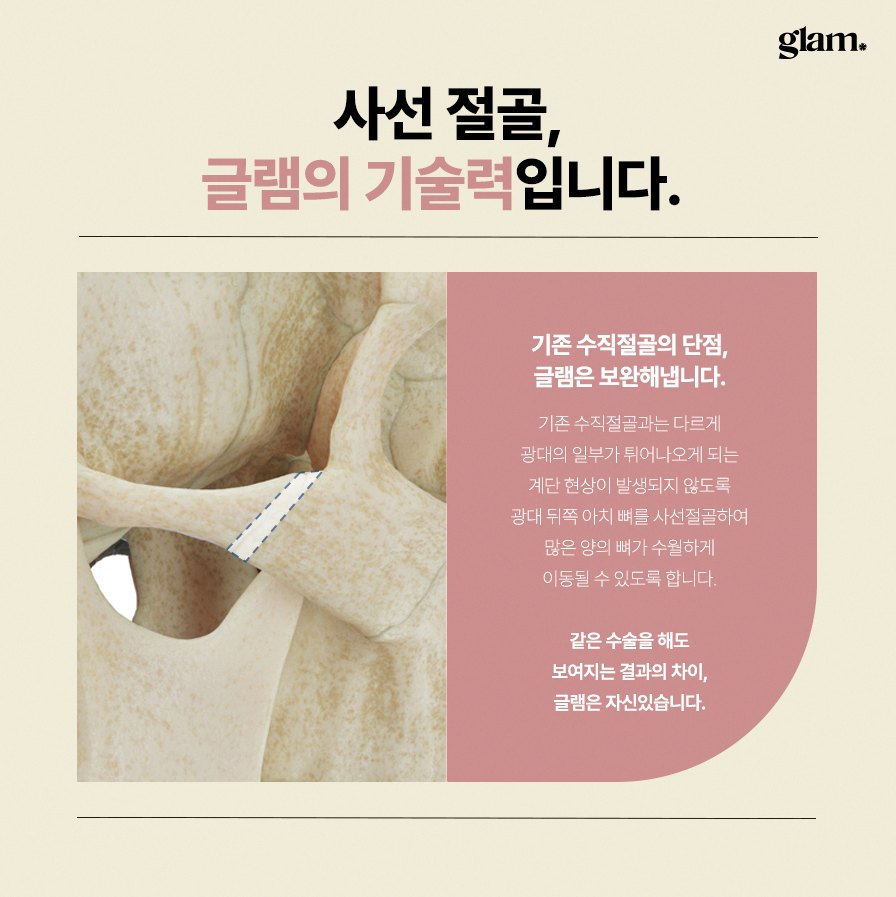
Smoothing step deformities
If previous cuts left a noticeable “step” or sharp transition, the surgeon may shave and smooth the area
This can help the jawline look more continuous and natural in profile and three-quarter views
Chin adjustment with sliding genioplasty
Sliding genioplasty allows the chin segment to be moved forward, backward, up, down, or sideways
This can correct a chin that is too long, too short, or deviated to one side
It can also help improve facial balance when combined with angle reshaping
Restoring volume after over-resection
If too much bone was removed and the face looks overly narrow or hollow, options may include:
Bone grafts from other areas
Specially designed implants to rebuild width or projection
Combination of bone and implant techniques
Combined contouring for overall balance
Sometimes the lower jaw alone is not the only issue. The surgeon may discuss combining lower jaw revision with other contouring, such as cheekbone (zygoma) reduction or augmentation, if this is needed to achieve a more harmonious facial shape.
Throughout all of these strategies, preserving the inferior alveolar nerve is a priority. The surgeon may also need to remove or replace old plates and screws if they interfere with the new plan or cause discomfort.
Risks and limitations of revision V-line surgery
Revision V-line surgery generally carries higher risk than first-time surgery. This is due to scar tissue, altered anatomy, and sometimes limited remaining bone.
Key risks include:
Nerve damage
The inferior alveolar nerve runs inside the lower jawbone and can be closer to the surface after bone removal
Further surgery may increase the risk of prolonged or permanent numbness in the lower lip and chin
Asymmetry or contour problems
If planning is inadequate or healing is uneven, asymmetry may persist or new irregularities may appear
Soft-tissue sagging
Removing or reshaping more bone can reduce support for the overlying soft tissue
This may lead to more sagging if not carefully managed
Bite and joint issues
Changing jaw position without proper occlusal planning can cause bite problems or temporomandibular joint discomfort
In some cases, coordination with an oral and maxillofacial specialist or orthodontic care may be needed
General surgical risks
Infection, bleeding, delayed bone healing, and anesthesia-related complications are possible with any major bone surgery
Because of these factors, realistic expectations are essential. In many revision cases, the goal is meaningful improvement rather than perfect symmetry or complete restoration of the original bone structure. During consultation, it is important to ask clearly what can and cannot be corrected in your specific situation.
Why specialization matters for revision contouring
Revision V-line surgery requires a deep understanding of facial skeletal anatomy, occlusion, and nerve pathways, as well as experience with complex osteotomies and reconstruction.
Clinics that focus on facial bone surgery typically:
Handle a higher volume of jaw and contouring cases
Are familiar with variations in nerve position and bone thickness
Have systems in place for detailed imaging and planning
At GLAM Plastic Surgery, the medical team concentrates exclusively on double jaw and facial contouring surgeries. The lead surgeon has a long track record and peer-reviewed research in these fields, which some patients see as an objective reason to choose a specialized center for revision rather than a general cosmetic clinic.
Anesthesia and safety systems
Revision V-line surgery is usually performed under general anesthesia. For overseas patients, it is natural to worry about safety far from home.
A dedicated board-certified anesthesiologist plays an important role by:
Conducting preoperative assessments to review your medical history, medications, and test results
Monitoring vital signs continuously during surgery
Adjusting anesthesia depth and fluids as needed
Managing postoperative pain control and early recovery
Rather than claiming absolute safety, it is more accurate to say that structured systems and experienced staff aim to reduce risk. When you consult, you can ask who will be providing anesthesia, whether they are board-certified, and whether they are consistently present during facial bone operations.
Who may consider revision V-line surgery and when
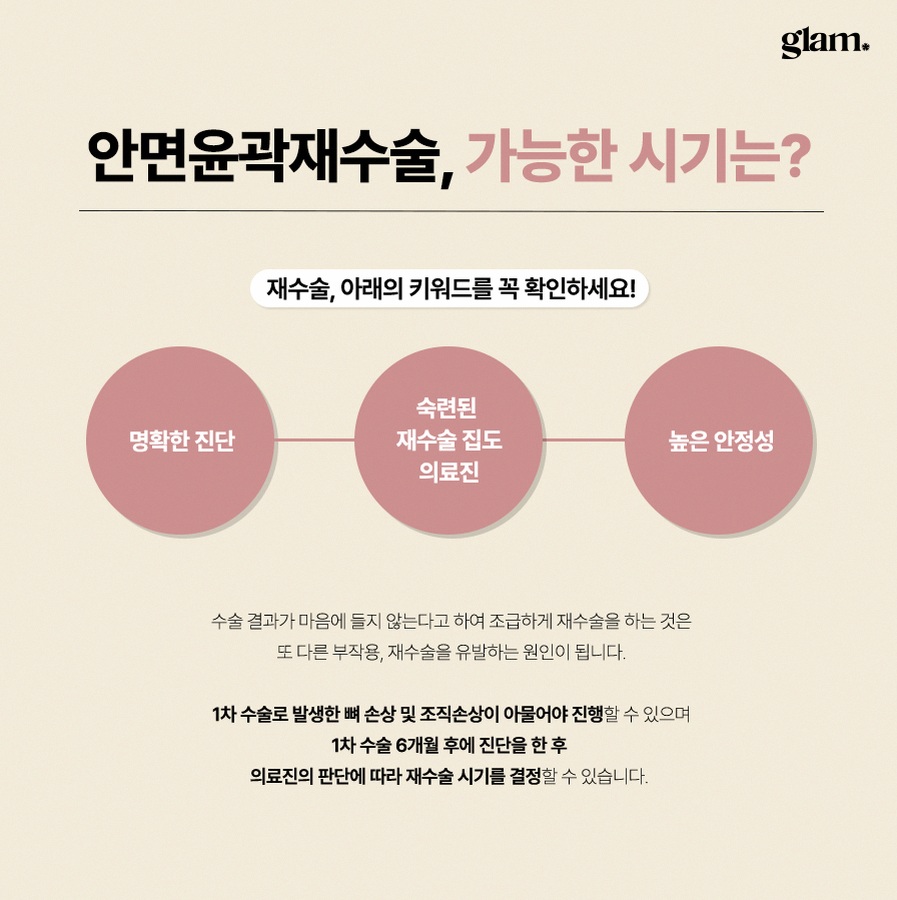
Not everyone with concerns after V-line surgery needs or is suitable for revision bone surgery. Some issues can improve with time, soft-tissue treatments, or minor procedures.
Timing
In general, many surgeons commonly advise waiting several months to allow swelling and tissue remodeling from the first surgery to stabilize before planning a revision. Exact timing depends on individual healing and should be confirmed with your surgeon.
Exceptions may be made when there is a serious functional problem, such as severe bite disturbance or strong, persistent pain. In those cases, earlier evaluation is important.
Factors that influence candidacy
Overall health and medical conditions
Bone quality and remaining bone volume
Status of the inferior alveolar nerve and existing numbness
Degree of asymmetry or deformity
Psychological readiness and expectations
If you are considering revision, it is very helpful to bring previous medical records and imaging from your first surgery, if available. These can give your new surgeon valuable information about what was done.
Online consultation and pre-visit preparation
For overseas patients, the process usually begins with an online consultation.
Preparing for an online consultation
Prepare a clear list of your concerns, such as:
Left-right asymmetry
Chin length or deviation
Jawline width or narrowness
Areas of numbness or pain
Collect and send:
Front and side photos in neutral lighting, with your face relaxed
Any pre- and post-surgery X-rays or CT scans
Operative reports or records from your first clinic, if you have them
During the online consultation, you can expect:
Initial assessment based on photos and records
Discussion of whether bone-level revision seems necessary or whether soft-tissue options might help
Explanation of what additional imaging will be needed once you arrive in Korea
A rough outline of possible strategies and an estimated treatment timeline
Checklist of questions to ask before deciding
Before you commit to traveling, it can be helpful to ask:
What is the main diagnosis or cause of my current problem?
What type of bone changes are likely needed?
How will nerve protection be handled during surgery?
Will my bite be changed, and if so, how will it be planned?
What degree of improvement is realistic in my case?
How long should I stay in Korea for surgery and follow-up?
Expected visit timeline for revision V-line in Korea
Each clinic has its own protocol, but a typical timeline for an overseas patient might look like this:
Before arrival
Online consultation and review of photos and records
Provisional plan and estimated schedule
Day 1–2 in Seoul
In-person consultation and physical examination
Facial X-rays and 3D CT scan
Final surgical planning and consent
Preoperative blood tests and anesthesia evaluation
Surgery day
Admission to the clinic or day-surgery center
General anesthesia and revision V-line procedure
Recovery in a monitored area until you are stable
First week after surgery
Swelling and bruising are usually most noticeable during this period
Regular check-ups for wound care, oral hygiene guidance, and medication adjustments
Some clinics may start gentle postoperative treatments like LED therapy or mild facial care to support healing
Second week and beyond
Gradual reduction in swelling
Suture removal if external stitches were used
Follow-up imaging when appropriate
Discussion of long-term care and when you can safely fly home
Overseas patients’ recommended duration in Korea varies by case; your clinic will advise the appropriate length of stay based on procedure complexity and follow-up needs.
Postoperative care and recovery expectations
Recovery after revision V-line surgery can be slower than after primary surgery because of scar tissue and more complex bone work.
Typical course
Swelling and bruising peak in the first week
Noticeable swelling gradually decreases over 2–4 weeks
More refined contour becomes visible over several months as tissues settle
Numbness, if present, may take months to improve and sometimes remains to some degree
Common postoperative care steps
Keeping the head elevated when resting or sleeping
Using cold compresses in the early phase, followed by warm compresses later, as directed
Maintaining strict oral hygiene and using mouth rinses if incisions are inside the mouth
Following a soft or liquid diet for a period to avoid strain on the jaw
Attending scheduled follow-up visits for examination and imaging
Some clinics offer postoperative care programs such as LED therapy, gentle facial treatments, or radiofrequency lifting to support healing and swelling reduction. These are usually supportive measures rather than primary treatments, and results can vary.
How GLAM Plastic Surgery positions itself for overseas patients
This clinic positions itself as a center focused on facial bone surgery, where the lead surgeon personally performs the operations and bases treatment decisions on both clinical experience and published research.
For international patients, it may be reassuring to know that the clinic offers multilingual support, including English, Japanese, and Thai, and is accustomed to treating overseas visitors who travel specifically for facial contouring and revision V-line surgery in Seoul.
Frequently asked questions about revision V-line surgery
How is revision V-line surgery different from first-time V-line surgery?
Revision V-line surgery is performed on bone that has already been altered, which means the surgeon must work around previous cuts, plates, screws, and scar tissue. There is often less bone to work with, and the nerve may be closer to the surface. Planning relies heavily on detailed imaging and careful analysis. In contrast, first-time V-line surgery starts with untouched anatomy and generally offers more flexibility in designing the ideal contour.
How long should I wait after my first jawline surgery before considering revision?
Most surgeons advise waiting at least 6 to 12 months after your first V-line or jawline surgery before planning revision. This allows swelling to fully settle and tissues to remodel, so the final result is clear. An earlier evaluation may be needed if you have severe functional problems, such as major bite issues or intense pain, but even then, the actual revision surgery may be timed carefully.
Can over-resected jawbone be rebuilt or made wider again?
In some cases, an overly narrow or hollow jawline can be improved with bone grafts or implants to restore volume and support. However, it is usually not possible to recreate the exact original bone shape. The goal is to achieve better balance and a more natural appearance, rather than a perfect return to the pre-surgery state. The feasibility depends on your remaining bone, soft-tissue condition, and nerve position.
Will revision V-line surgery make my numbness better or worse?
Numbness after jaw surgery can come from nerve stretching, bruising, or damage. Over time, some patients experience partial or significant improvement, while others have persistent changes. Revision surgery carries a risk of worsening numbness because the nerve may already be vulnerable. In some cases, careful decompression or avoiding further pressure may help, but improvement cannot be guaranteed. It is important to discuss your current nerve status and realistic expectations with your surgeon.
What kind of scans or tests are needed before revision?
Facial X-rays and 3D CT scans are standard for revision V-line planning. They show the current bone structure, previous osteotomy lines, nerve canal position, and any plates or screws. Blood tests and general health evaluations are also performed to ensure you are fit for anesthesia and surgery. If bite problems are present, additional dental or occlusal assessments may be recommended.
How long does swelling last after revision V-line surgery?
Swelling is usually most pronounced early after surgery and then gradually decreases over time. Some patients may feel comfortable returning to public settings with makeup or hairstyle adjustments within a few weeks, though subtle swelling can persist for several months. Because revision surgery can be more complex than a primary procedure, recovery may take longer; individual healing timelines vary.

Is it possible to correct both function and aesthetics in one revision operation?
In many cases, the surgical plan aims to address both functional issues, such as bite discomfort, and aesthetic concerns, such as asymmetry or chin shape, in a single operation. However, this depends on the nature of the problem. Some complex cases may require staged procedures or coordination with other specialists. During consultation, ask whether your functional and aesthetic goals can realistically be combined in one surgery.
What should I look for when choosing a clinic for revision facial contouring in Seoul?
When choosing a clinic, consider whether the team focuses on facial bone surgery, how often they perform revision cases, and whether the operating surgeon will personally handle your case from consultation through follow-up. Ask about their experience with similar problems, the imaging and planning tools they use, the presence of a dedicated anesthesiologist, and the support system for international patients. Clear, honest explanations of both benefits and limitations are an important sign of a responsible approach.
Soft call to action
If you are considering revision V-line surgery in Seoul and would like a professional opinion on your case, you can start with an online consultation. Preparing clear photos, previous records, and a list of your concerns will help the medical team give you more precise guidance on whether revision bone surgery, soft-tissue options, or observation is most appropriate for you.




- 공유 링크 만들기
- X
- 이메일
- 기타 앱


댓글
댓글 쓰기