Seoul revisional surgery for overseas patients: risks & prep
- 공유 링크 만들기
- X
- 이메일
- 기타 앱
If you're unhappy after a previous jawline or cheekbone surgery, revision facial contouring in Seoul may be an option. Revision aims to correct residual asymmetry, irregular bone edges, or an unnatural facial profile and can sometimes relieve chewing discomfort that developed after the first operation. Because the bones and soft tissues have already been altered, revision is more complex and requires careful diagnosis, conservative planning, and a surgeon experienced in facial bone procedures. This guide explains when revision is considered, how it is evaluated and performed in Seoul, what risks and limitations to expect, and how overseas patients can prepare for a safe visit.
What is facial contouring and revision facial contouring
Facial contouring overview
Facial contouring is surgery that reshapes the facial bones to improve balance, width, and profile. It usually involves areas such as the cheekbones, jaw angles, and chin. Common procedures include cheekbone reduction, square jaw reduction, and V line contouring to create a smoother, more harmonious lower face.
By adjusting the width and projection of these bones, facial contouring can make a wide face look slimmer, soften a very angular jaw, or improve side profile harmony between the cheeks, jawline, and chin.
What revision facial contouring means
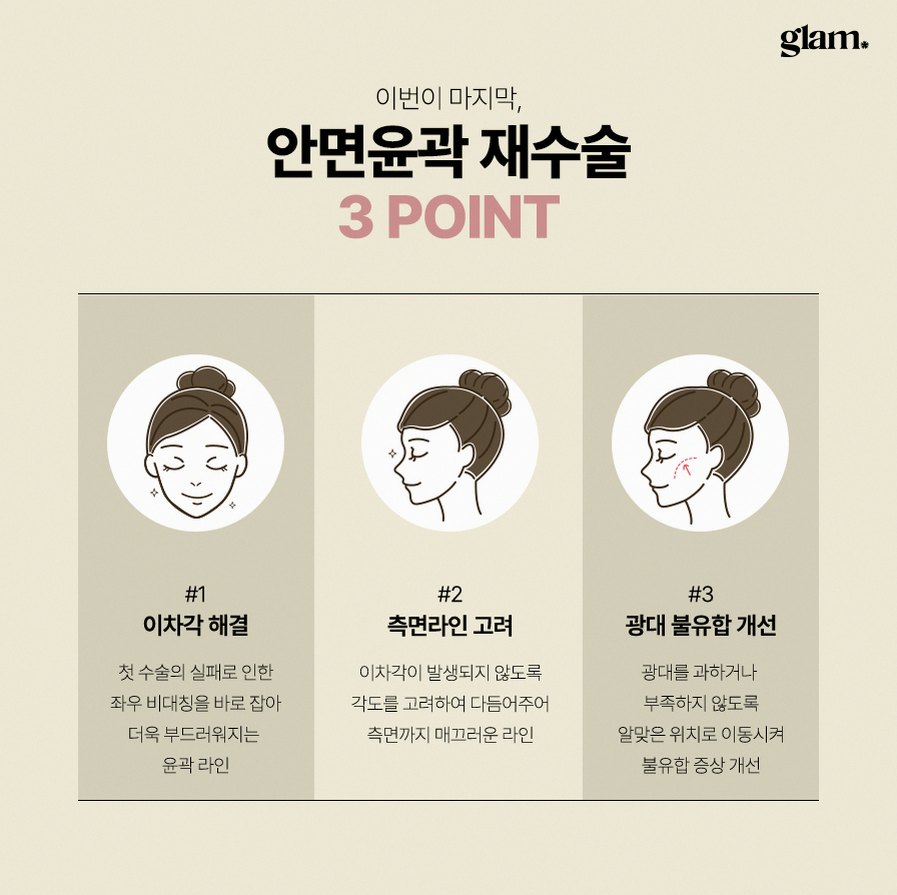
Revision facial contouring is secondary or even third‑time surgery on facial bones that have already been cut, shaved, or repositioned in the past. Instead of starting with untouched bone, the surgeon must work with bone that may be thinner, irregular, or fixed with plates and screws.
Revision may aim to correct problems such as persistent asymmetry, over‑resection, under‑correction, step deformities, or functional issues that appeared after the first surgery. Because the structure has already been changed once, revision focuses on improvement rather than perfection, with special attention to safety and long‑term stability.
Who may consider revision facial contouring in Seoul
Common reasons people seek revision
Many people search for Seoul facial contouring after already having surgery elsewhere. Typical reasons for considering revision include:
Persistent or new asymmetry after contouring, such as one side of the jawline or cheekbone still looking wider or lower.
The face still looks too wide, too flat, or too long despite previous bone reduction.
Overly aggressive bone removal leading to a hollow, gaunt, or aged appearance.
Palpable or visible steps, bumps, or irregular bone edges along the jaw or cheekbones.
Sagging soft tissue after bone reduction, including jowls, hollow cheeks, or loose skin along the jawline.
Functional concerns that appeared after surgery, such as discomfort when chewing, joint strain, or bite changes. In more complex bite problems, an evaluation similar to double jaw surgery planning may be needed.
Revision is not only for aesthetic dissatisfaction. In some cases, structural and functional issues are the main reasons to seek help. However, because bone and soft tissue have already adapted to the first surgery, expectations need to be realistic.
Who may not be a good candidate
Not everyone is suitable for aggressive revision facial contouring. A cautious Seoul clinic will consider:
Whether there is enough remaining bone to safely re‑shape or reposition.
Whether further bone reduction would worsen soft tissue sagging or nerve risk.
Whether the main problem is actually soft tissue rather than bone shape.
Whether non‑surgical or minimally invasive options, such as fat grafting, lifting, or skin tightening, can address the main concern more safely.
In some cases, the safest option is minimal bone adjustment combined with soft tissue procedures, or even observation and non‑surgical management.
How revision facial contouring is evaluated in Seoul
Stepwise evaluation process
Revision facial contouring should begin with a structured evaluation rather than jumping directly into a new surgery plan. A typical stepwise process includes:
Medical history review
The surgeon will ask about your previous surgeries, including type of procedure, date, where it was done, and any complications. If you have operative records, implant or plate information, or old imaging, bringing these can be very helpful. Current symptoms such as pain, numbness, chewing difficulty, or clicking sounds in the joint are also important.
Physical examination
A detailed facial examination looks at symmetry, soft tissue thickness, skin elasticity, and how your face moves when you speak or smile. Nerve function around the lips, cheeks, and chin is checked. Jaw opening and side‑to‑side movement are also evaluated to see if there is any functional limitation.
Imaging and measurements
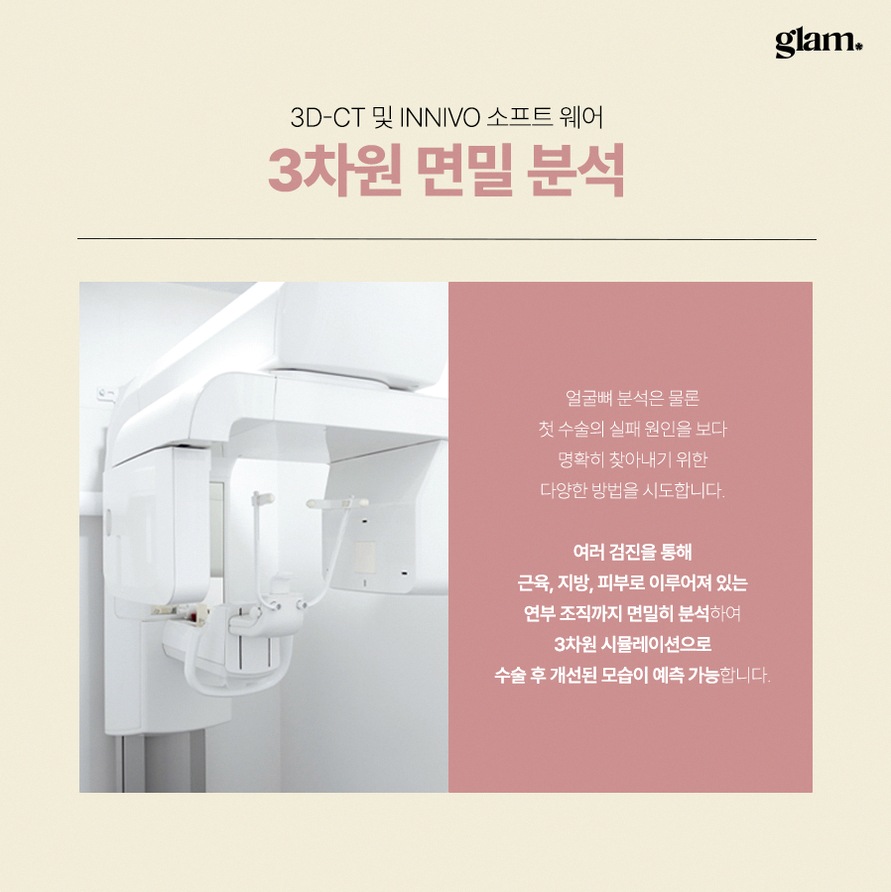
3D CT scans and X‑rays are usually essential in revision cases. They show the current bone shape, how much has been removed, the position of fixation plates and screws, and the relationship between bone and teeth. This imaging helps the surgeon understand where bone can be safely adjusted and where it should be preserved to protect nerves and structural support.
Key questions your surgeon will consider
From this evaluation, a Seoul facial contouring specialist will consider questions such as:
Is the main issue bone shape, soft tissue, or both?
Is there enough bone remaining to safely re‑shape, or would further reduction be risky?
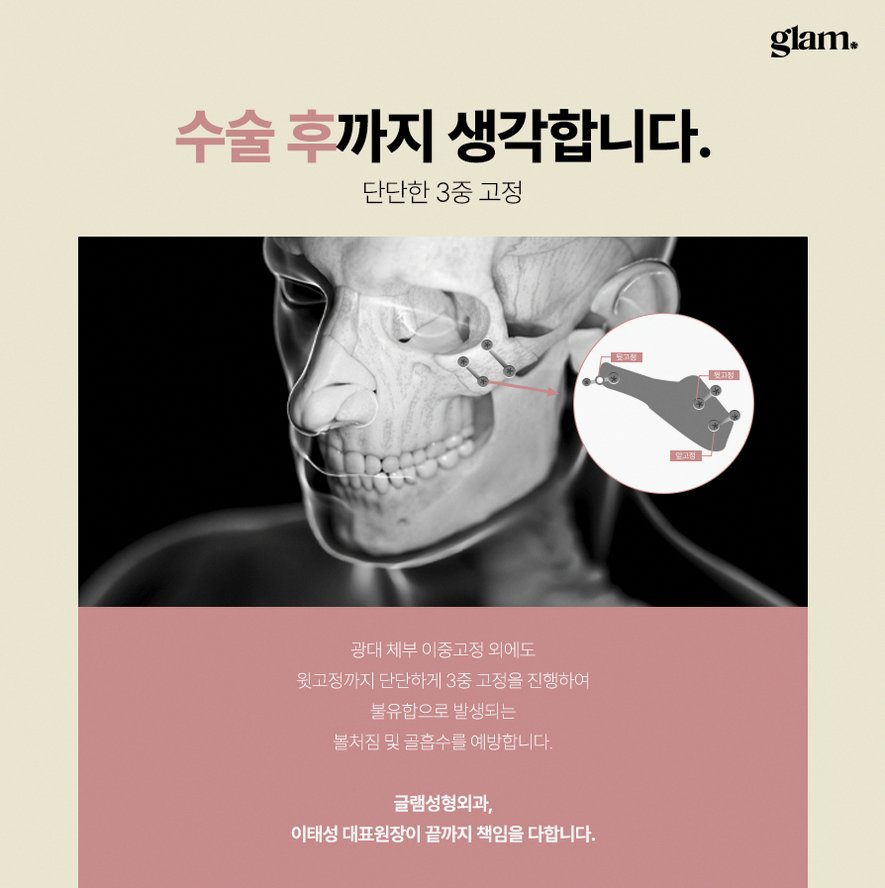
Do existing plates or screws need to be removed or repositioned, or can they remain in place?
Will revision surgery increase the chance of nerve injury or worsen soft tissue sagging?
Would a limited, targeted revision be safer than a full re‑do of all areas?
Setting realistic expectations
A responsible clinic will explain clearly what can be improved and what may not change fully. In some revision cases, the goal is to soften an obvious irregularity or asymmetry rather than to create a completely new facial shape. You may also be advised that combining mild bone revision with soft tissue support procedures gives a more balanced and safer result than aggressive bone cutting.
How the revision facial contouring process usually works
Initial online and in‑person consultation
For overseas patients, the journey often begins with an online consultation. You may be asked to send:
Front, three‑quarter, and side view photos in good lighting.
Any previous CT scans, X‑rays, or operative reports if available.
A written summary of your concerns, including what bothers you most and any functional symptoms.
During the first in‑person consultation in Seoul, the surgeon will discuss your priorities, how much downtime you can accept, and your tolerance for risk. They will compare your current appearance with pre‑surgery photos if you have them and explain what is realistically possible with revision.
Diagnostic work‑up
Once you decide to proceed with detailed evaluation, the clinic will usually arrange 3D imaging. If your bite or jaw position seems affected, a bite assessment may be added.
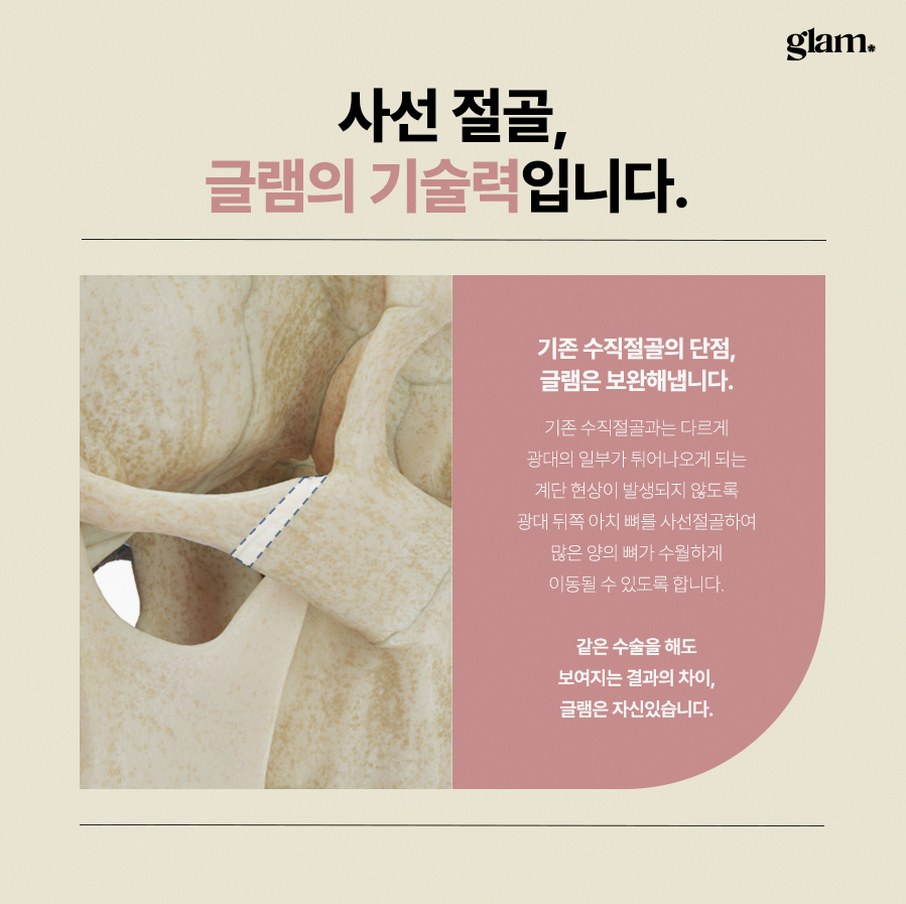
Using these results, the surgeon plans any bone cuts or shaving while mapping the nerve pathways and areas that must be preserved for structural support. In revision cases, the plan is often very specific: for example, smoothing a step deformity at the jaw angle, slightly narrowing one side that remains wider, or adjusting a cheekbone that is too flat or too prominent.
Surgical planning philosophy
For revision facial contouring, many experienced Seoul surgeons follow a conservative, problem‑focused philosophy. Instead of repeating every step of your first surgery, they target the exact areas causing visual or functional problems.
The aim is facial harmony and long‑term stability, not extreme narrowing or dramatic, trend‑driven changes. This is especially important because over‑resection in revision can lead to an aged look, chronic numbness, or unstable bone support.
Surgery day
On the day of surgery, revision facial contouring is typically performed under general anesthesia by a board‑certified plastic surgeon, with a managing anesthesia and monitoring throughout the operation.
Whenever possible, incisions are made inside the mouth to avoid visible scars, depending on which area is being treated. Through these incisions, the surgeon carefully exposes the bone, taking care around scar tissue and existing hardware.
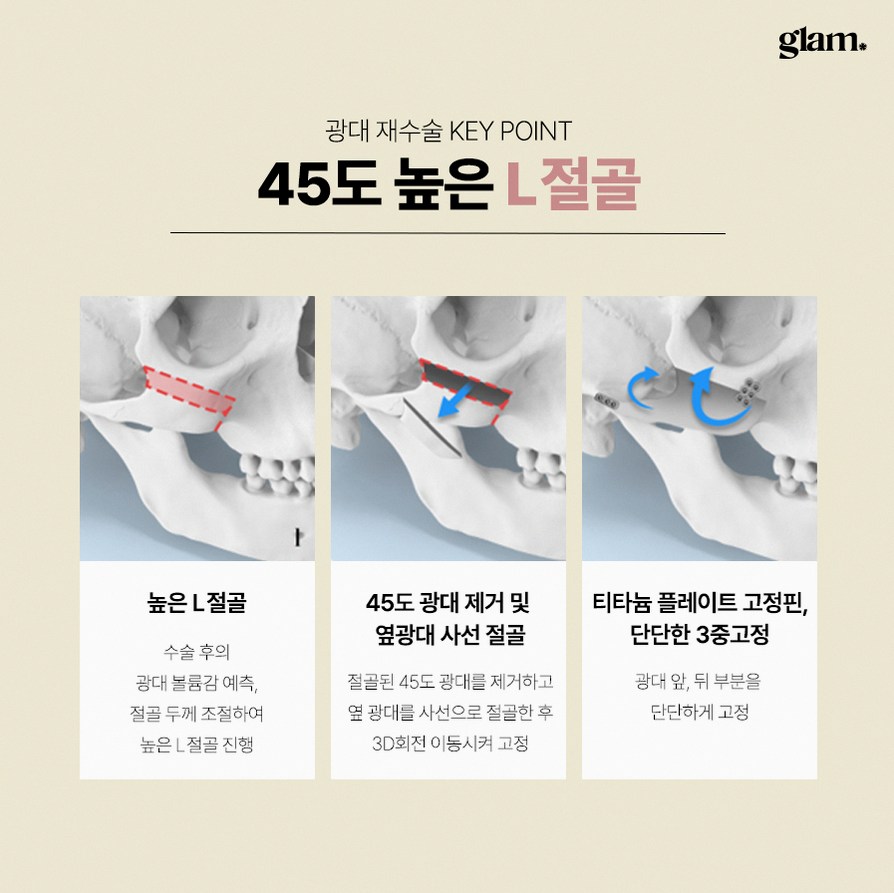
Precise bone work may include re‑contouring cheekbones, jaw angles, or chin; removing or adjusting plates and screws if they cause problems; and smoothing step deformities or irregular edges. Because of previous bone cuts, the surgeon often works more slowly and cautiously than in first‑time surgery.
Postoperative care and follow‑up
Immediately after surgery, you will be monitored for swelling, bleeding, and nerve function. If intraoral incisions were used, you will receive instructions on oral hygiene such as mouth rinses and how to keep the area clean.
Diet usually progresses from liquids to soft foods and then to a more normal diet over time, depending on the extent of bone work. Swelling is often more noticeable in the first one to two weeks and then gradually subsides.
Long‑term follow‑up is important in revision cases to track bone healing, symmetry, and soft tissue adaptation. Some clinics in Seoul also use tools such as LED therapy, facial dome treatments, total skin reset care, or radiofrequency lifting devices as part of recovery and swelling management programs after bone surgery.
Risks, limitations, and safety in revision facial contouring
Why revision carries higher risk
Revision facial contouring is generally higher risk than first‑time surgery for several reasons:
The bone has already been cut and may be thinner, shorter, or irregular.
Scar tissue from the first surgery can make dissection more difficult and limit visibility.
Existing fixation hardware such as plates and screws may block access or need to be removed.
Blood supply and soft tissue support may be reduced compared with a first‑time case.
Because of this, even a highly experienced surgeon will usually recommend a more conservative approach and will explain that some limitations are unavoidable.
Potential complications to understand
Risks that should be discussed before revision facial contouring include:
Nerve injury or prolonged numbness in areas such as the lower lip, chin, or cheeks.
Residual asymmetry or contour irregularities that cannot be fully corrected.
Worsening of soft tissue sagging if too much bone support is removed.
Infection, delayed bone healing, or the need for minor secondary touch‑ups.
Temporary difficulty with chewing or speaking during the early healing period.
A careful consultation should include a transparent discussion of these points and of what cannot be safely achieved in your specific case.
Safety priorities when choosing a clinic
To reduce risk, it is important to:
Choose a surgeon who focuses on facial bone surgery rather than offering many unrelated cosmetic procedures.
Avoid requesting extreme narrowing or very sharp angles that may compromise function or accelerate an aged appearance.
Look for a clinic that is willing to say no to unsafe requests and that explains the long‑term impact of further bone reduction.
Location and focus of GLAM Plastic Surgery
Clinic location and access
GLAM Plastic Surgery is located on the 4th floor, 138 Dosan‑daero, Gangnam‑gu, Seoul, about 200 meters on foot from Sinsa Station exit 1. For overseas patients staying in Gangnam, this area is a common base with convenient access to hotels, shopping, and airport transportation.
Clinical focus on facial bone surgery
According to the clinic’s own information, the treatment lineup is limited to facial bone surgery, including double jaw surgery and facial contouring such as cheekbone reduction, V line, square jaw, and revision facial contouring. The clinic does not list eye, nose, breast, or other general cosmetic procedures, positioning itself as a dedicated facial bone center rather than a broad cosmetic clinic.
The representative director is described as a board‑certified plastic surgeon with about 20 years of experience as of February 2025 in facial bone surgery and, as of February 2025, is listed as first or corresponding author on 13 SCI‑level papers in the field of contouring and double jaw surgery, including several in the journal Plastic and Reconstructive Surgery. A board‑certified anesthesiologist is in charge of anesthesia and pain management.
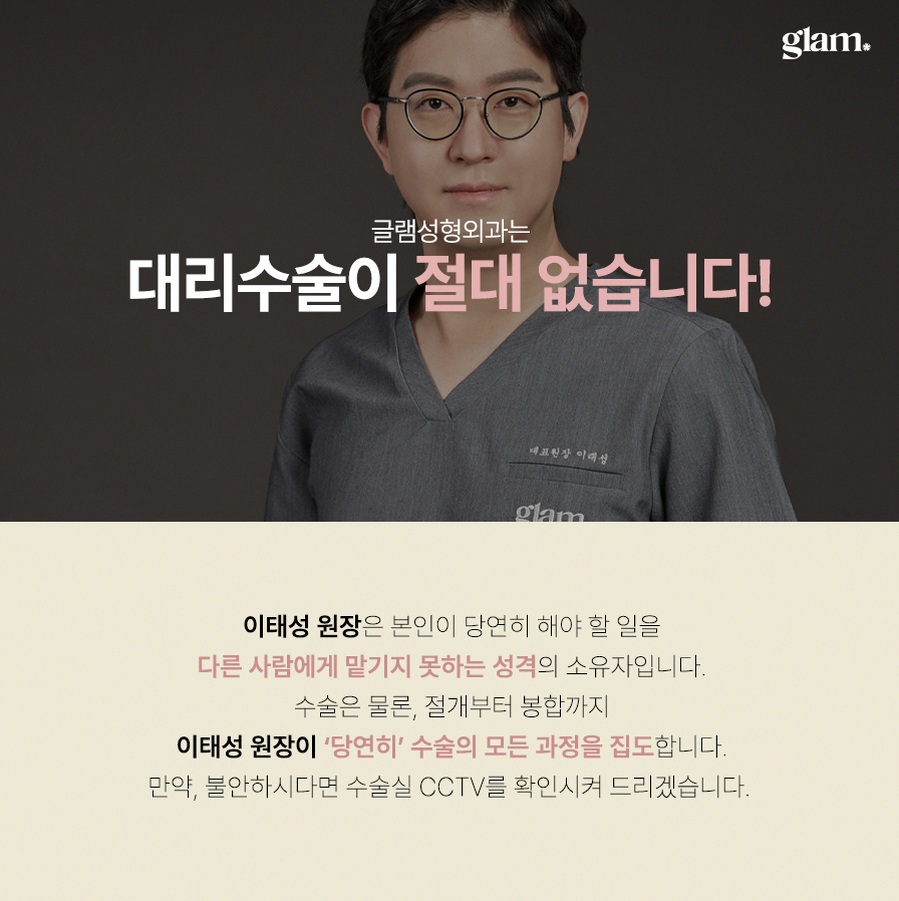
The clinic emphasizes that the representative surgeon operates directly and follows a policy of recommending only the minimum necessary surgery, which can be reassuring for revision patients who are worried about over‑treatment. While the clinic also describes detailed approaches to double jaw surgery, the main point for revision facial contouring patients is the focus on nuanced handling of facial bones and structured aftercare.
How overseas patients can prepare before visiting Seoul
Online consultation and document preparation
Before you travel, it is helpful to arrange an online consultation with your chosen clinic. Many Seoul clinics, including GLAM Plastic Surgery, provide multilingual web pages and online channels in languages such as English, Japanese, and Thai.
To make the most of your online consultation, prepare:
Clear photos from front, side, and three‑quarter views, with your hair pulled back.
Any previous CT scans or X‑rays in digital form if you can obtain them.
Operative notes or discharge summaries from your first surgery.
A list of your current symptoms and priorities, ranked from most to least important.
Questions about realistic limits, nerve protection, and follow‑up schedule.
Experience‑based checklist before you decide
When comparing Seoul facial contouring clinics for revision, consider noting down and asking about:
Whether the clinic focuses mainly on facial bone surgery.
Who will actually perform your surgery and their specific experience with revision cases.
Whether a board‑certified anesthesiologist will be present throughout the operation.
How 3D imaging will be used to plan your surgery and protect nerves.
What the clinic’s policy is on saying no to unsafe or unnecessary procedures.
How often you will be seen after surgery and for how long follow‑up continues.
Expected Korea visit timeline for revision facial contouring
Suggested schedule for international patients
Timelines can vary, but a common structure for overseas revision patients might look like this:
Day 1 to 2: Arrival in Seoul, in‑person consultation, 3D CT scan, and final surgical planning. You may have blood tests and pre‑anesthesia checks on the same day.
Day 3 or 4: Surgery day, followed by one or more nights of close observation depending on the clinic’s protocol and your condition.
First week: Intensive early recovery with swelling, bruising, and dietary restrictions. You will usually visit the clinic several times for check‑ups, dressing changes, and early aftercare treatments.
Second week: Gradual reduction in swelling; some patients can return to lighter daily activities. Stitches, if present, may be removed during this period.
Third to fourth week: Many overseas patients plan to return home around two to three weeks after surgery, once the surgeon confirms that early healing is stable. However, visible swelling may still be present and will continue to improve over several months.
Your exact schedule should be discussed with the clinic, taking into account the complexity of your revision and your travel constraints.
Aftercare and long‑term management
Early aftercare
After revision facial contouring, following the clinic’s instructions closely is especially important. This may include:
Keeping your head elevated to reduce swelling.
Using cold compresses in the first days if recommended.
Maintaining strict oral hygiene with prescribed mouth rinses if incisions were made inside the mouth.
Following dietary guidelines, starting with liquids and soft foods.
Avoiding smoking and heavy alcohol intake, which can affect healing.
Structured recovery programs
Some Seoul clinics offer structured recovery programs after facial bone surgery, which may include LED therapy, facial dome treatments, total skin reset care, or radiofrequency lifting devices. These are usually designed to support swelling reduction and soft tissue adaptation rather than to change bone results.
Long‑term expectations
Bone healing continues for several months. Swelling and soft tissue changes can take three to six months or longer to settle, especially in revision cases. Numbness may gradually improve but can sometimes persist to a degree.
Your surgeon may schedule follow‑up visits or online check‑ins at several stages to monitor symmetry, bite comfort, and soft tissue support. If minor adjustments are needed later, they are usually discussed only after the main healing phase is complete.
How to choose a Seoul revision facial contouring clinic
Key points to compare
When you are comparing clinics in Seoul for revision facial contouring, it can be helpful to focus on the following points rather than only on cost or before‑and‑after photos:
Specialization: Does the clinic mainly handle facial bone surgery, or is it one of many unrelated procedures?
Surgeon: Will a board‑certified plastic surgeon with substantial facial bone experience operate on you personally?
Anesthesia: Is there a board‑certified anesthesiologist responsible for anesthesia and monitoring throughout surgery?
Diagnostics: Does the clinic use 3D imaging and provide a clear, individualized surgical plan addressing your specific problem areas?
Philosophy: Is the clinic willing to recommend minimal necessary surgery and decline unsafe revision requests?
Evidence: Does the surgeon have academic publications or long‑term experience that can be objectively checked, in addition to marketing materials?
Questions to prepare for your consultation
Before you contact a clinic, you may want to write down questions such as:
What are the realistic limits of my revision case?
How will you protect my nerves and maintain soft tissue support?
What are your backup plans if you find unexpected issues such as very thin bone or problematic plates during surgery?
How long should I stay in Seoul after surgery, and how will follow‑up be handled once I return home?
Frequently asked questions about revision facial contouring in Seoul
How long should I wait after my first facial contouring before considering revision in Seoul?
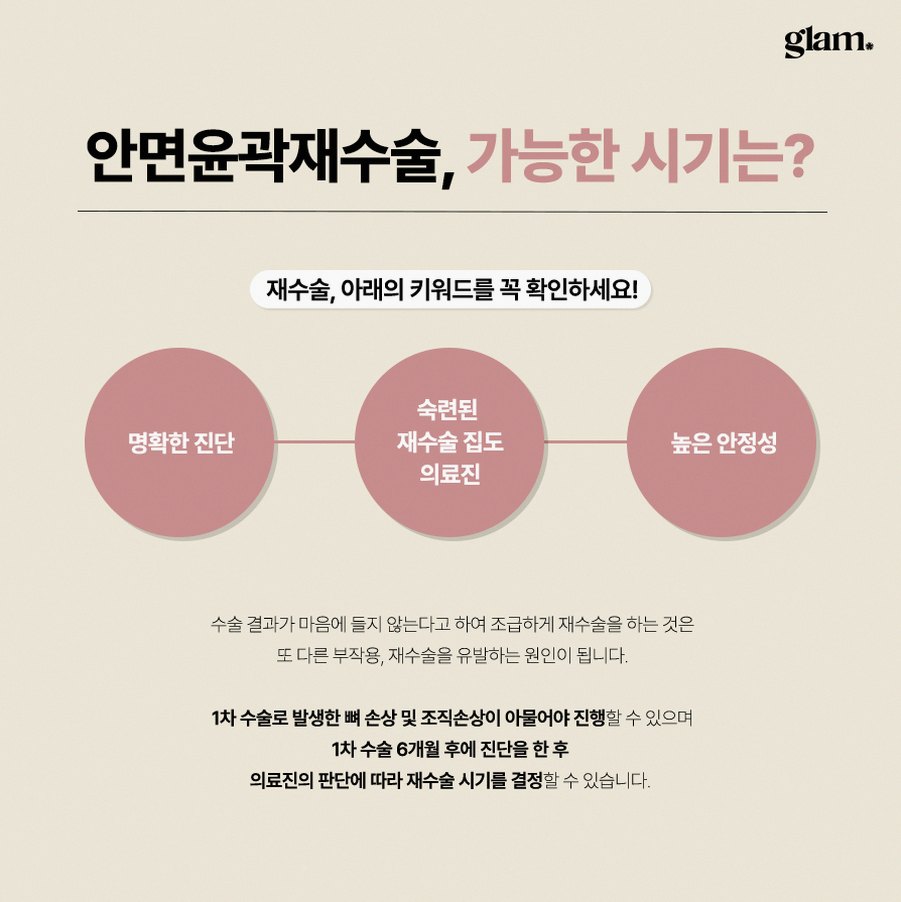
In most cases, surgeons recommend waiting until swelling has fully settled and tissues have stabilized before planning revision. This often means at least six to twelve months after the first surgery, depending on the extent of bone work and your individual healing. Rushing into revision too early can lead to inaccurate assessment of your final result and may increase the risk of over‑correction or unnecessary procedures.

Can revision facial contouring completely fix asymmetry or over‑resection?
Revision can often improve noticeable asymmetry, step deformities, or irregular bone edges, and in some cases can partially address an over‑resected area by adjusting surrounding structures. However, complete correction is not always possible, especially if bone has been removed extensively or soft tissue has thinned. A careful surgeon will explain which features can be improved and which limitations are likely to remain.
Is revision facial contouring more painful or does it have a longer recovery than first‑time contouring?
Many patients experience similar levels of early discomfort and swelling as with first‑time contouring, but recovery can feel more complex because tissues have already been operated on once. Swelling may take longer to subside in some revision cases, and numbness can be more prolonged. Pain is usually manageable with prescribed medication, but you should plan adequate time in Seoul for early recovery and follow your surgeon’s instructions closely.
How is revision facial contouring different from double jaw surgery?
Revision facial contouring focuses on reshaping the outer facial bones such as cheekbones, jaw angles, and chin to improve contour and symmetry. Double jaw surgery, by contrast, repositions the upper and lower jaws to correct bite and skeletal alignment, and is usually planned with detailed bite analysis. Some complex revision cases that involve significant bite changes may require evaluation similar to double jaw surgery planning, but many revision contouring patients do not need full jaw repositioning.
What should I bring to my consultation in Seoul for revision contouring?
It is helpful to bring or send ahead any previous operative notes, imaging such as CT scans or X‑rays, and pre‑ and post‑surgery photos if you have them. Also prepare a written list of your main concerns, any functional symptoms like chewing discomfort or numbness, and questions you want to ask. This allows the surgeon to understand your history clearly and to design a plan focused on your priorities.
Are foreign patients accepted for revision facial contouring in Seoul?
Many Seoul clinics that focus on facial contouring, including GLAM Plastic Surgery, provide multilingual online information and channels in languages such as English, Japanese, and Thai. This can support international patients in arranging consultations and follow‑up. However, you should always confirm language support, scheduling, and aftercare details directly with the clinic before booking flights.
Soft call to action
If you are considering revision facial contouring in Seoul and feel unsure about your options, arranging an online consultation can be a practical first step. By sharing your photos, previous records, and concerns, you can receive a more personalized explanation of what may be realistic in your case, how long you should stay in Korea, and what kind of recovery to expect. This preparation helps you make a calmer, better‑informed decision about whether traveling to Seoul for revision surgery is right for you.




- 공유 링크 만들기
- X
- 이메일
- 기타 앱


댓글
댓글 쓰기