Seoul Revision of: Timing, Imaging, Recovery
- 공유 링크 만들기
- X
- 이메일
- 기타 앱
Direct answer summary
Zygomatic reduction revision surgery is a secondary cheekbone operation performed after a previous cheekbone reduction, when the result is unsatisfying or causes functional problems. It can address issues such as remaining wide cheekbones, a sunken or flat midface, asymmetry, step deformities, or discomfort when chewing. Revision is usually more complex than first-time surgery and requires careful imaging, realistic goals, and a surgeon experienced in facial bone revision. For overseas patients visiting Seoul, planning enough time for consultation, imaging, surgery, and early recovery is essential.
Treatment overview: what is revision zygoma reduction
Zygoma (cheekbone) reduction is a facial contouring procedure that reduces prominent cheekbones by cutting, repositioning, or shaving the cheekbone body and arch. The goal is a smoother, slimmer midface line and better facial balance.
Revision zygoma reduction is a corrective surgery performed after an earlier cheekbone reduction. Instead of starting with untouched bone, the surgeon must work with already modified structures, existing plates and screws, and scar tissue. The aims can include improving symmetry, softening sharp edges, correcting over- or under-reduction, and addressing sagging or functional complaints.
In some patients, the first surgery leaves cheekbones still wide or protruding. In others, the midface looks too flat or hollow, especially in oblique view or when smiling. Some feel or see a step along the cheekbone arch, or notice that one side sits higher or further out than the other. A smaller group experience tightness, clicking, or discomfort when chewing.
Revision surgery does not mean simply repeating the first procedure. The surgeon must evaluate how the previous cuts healed, where the hardware is placed, and how the soft tissue has adapted. In some cases, improvement is realistic; in others, only partial correction or a change of strategy (for example, adding volume instead of further reducing bone) is appropriate.
When you might consider revision cheekbone surgery
Common reasons people seek revision zygoma reduction include:
Persistent width or protrusion: After healing, the cheekbones still look wide from the front or too projected in three-quarter view. This usually suggests under-correction or a conservative first surgery.
Overly flat or sunken cheeks: The opposite situation is when the midface appears collapsed, with a hollowed look under the eyes or in the upper cheek. This may be due to excessive bone removal, inward rotation, or soft tissue descent.
Asymmetry: One side may look higher, wider, or more projected than the other. Sometimes this is due to different bone positions; other times it is related to soft tissue thickness or scar patterns.
Step deformity or irregular edges: Some patients can feel a ridge or step along the zygomatic arch, or see a line where the bone segments meet. This can create unnatural contours in certain lighting.
Worsened folds or sagging: After cheekbone reduction, the support for midface soft tissue can change. In some people, this contributes to deeper nasolabial folds or sagging in the midface and lower cheek.
Functional complaints: Tightness, discomfort, or a sense of pulling when chewing, clicking around the cheekbone, or tenderness at the plate area may lead patients to consider revision.
Dissatisfaction with overall balance: When cheekbone surgery was combined with jaw angle, chin, or double jaw procedures, the final combination may feel unbalanced. Revision may focus on harmonizing the mid and lower face.
Who may be a candidate
Good candidates for revision zygoma reduction usually share several features.
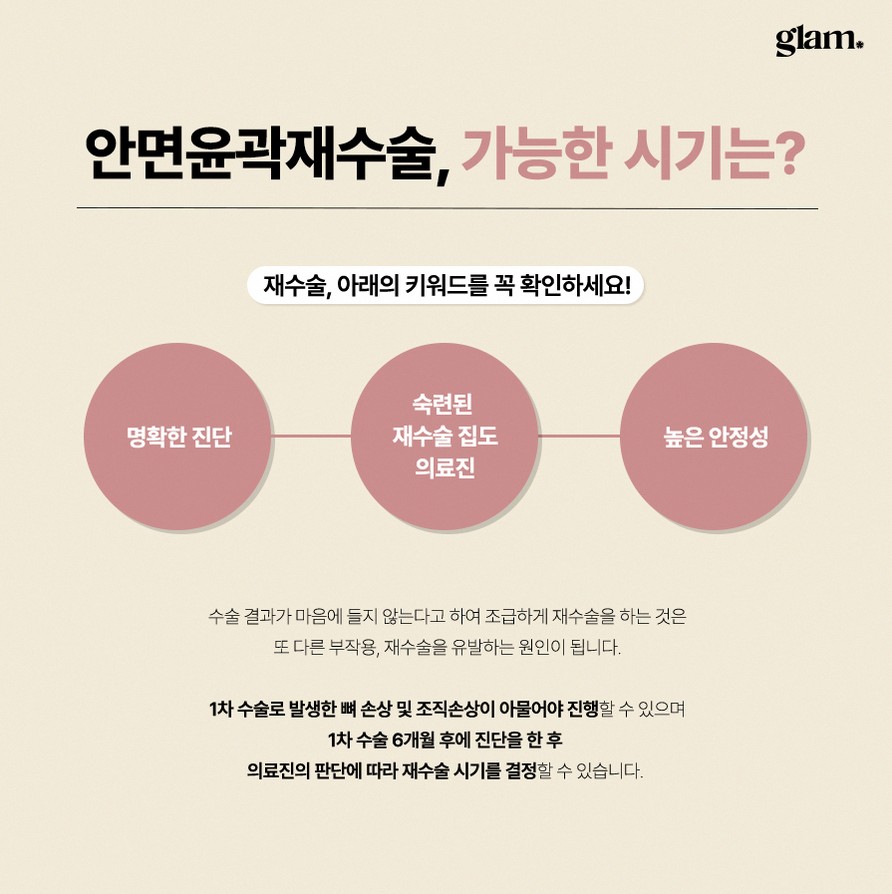
First, they have completed the initial healing phase. For bone to heal and swelling to settle, most surgeons prefer to wait at least 6 to 12 months after the first operation. Imaging should confirm that the bone has united and that the current position is stable.
Second, they are in good general health. This includes having no uncontrolled systemic diseases, no serious bleeding disorders, and no severe osteoporosis. Smoking can affect bone healing and soft tissue recovery, so non-smokers or those willing to stop before and after surgery are preferred.
Third, they understand the limits of revision. It is often impossible to fully restore the original bone structure or achieve absolute symmetry. The realistic goal is improvement, not perfection.
Caution is needed in patients with very thin soft tissue, where further bone reduction could make the face look more gaunt. People with unrealistic expectations or strong body image distortion may not be suitable candidates and should discuss their concerns carefully with both medical and mental health professionals.
Diagnosis and planning for revision
Pre-revision evaluation is more detailed than for first-time cheekbone surgery. The surgeon needs to understand not only what the face looks like now, but also what was done previously and how the tissues responded.
A thorough consultation usually includes a detailed history of the first operation: where it was done, which technique was used, how much reduction was planned, and what the recovery was like. If you have operative notes, implant cards, or previous imaging, bringing them to the consultation can be very helpful.
Current facial analysis is performed from multiple angles. The surgeon will look at frontal, oblique, and profile views, assess symmetry, and evaluate soft tissue thickness and facial expressions. Palpation of the cheekbone and arch helps identify step deformities, plate positions, and areas of tenderness.
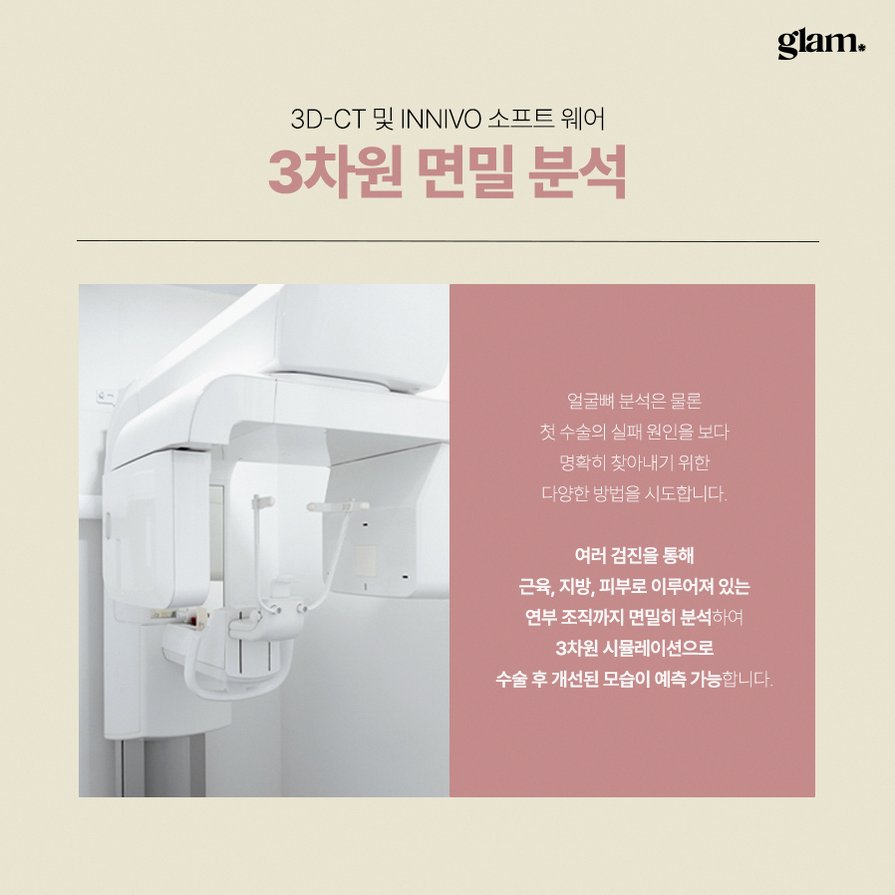
Imaging is essential. Three-dimensional CT scans and panoramic X-rays are commonly used to check bone union, plate and screw locations, and remaining bone volume. These images help the surgeon decide whether re-cutting the bone is possible, where to place new fixation, and whether there is enough bone for further reduction or if augmentation is more appropriate.
Planning considerations include whether to remove or reposition existing plates and screws, whether to perform new osteotomies (bone cuts) and reposition the cheekbone segments, and whether to add bone grafts, onlay materials, or fat grafting to restore volume. The surgeon also considers any previous or planned jaw angle, chin, or double jaw surgeries, because changes in one area can affect the overall facial balance.
Soft tissue management is another key point. If sagging or hollowness is a major concern, the plan may combine bone work with lifting procedures or fat grafting to support the midface.
Surgical methods and options
The exact revision method depends heavily on the previous surgery and current anatomy, but several common strategies are used.
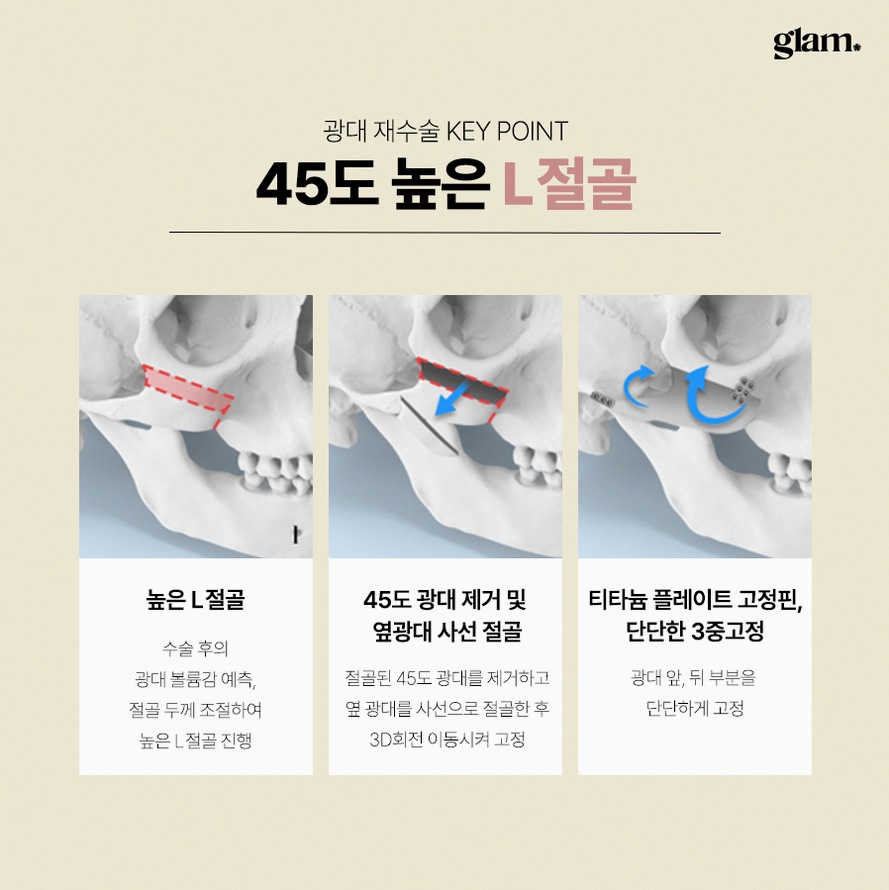
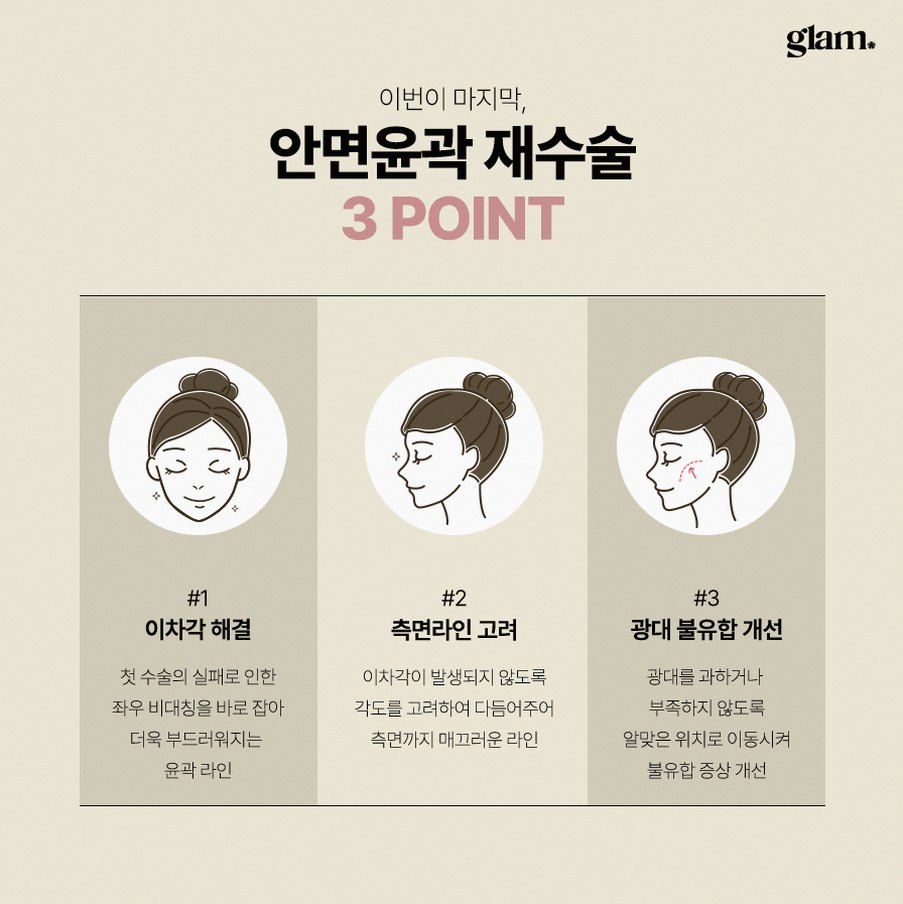
Re-osteotomy and repositioning: In cases of under-correction or significant asymmetry, the surgeon may re-cut the zygomatic body and arch. The cheekbone segment can then be moved to a new position and fixed with new plates and screws. This is a major revision and requires careful planning and secure fixation.
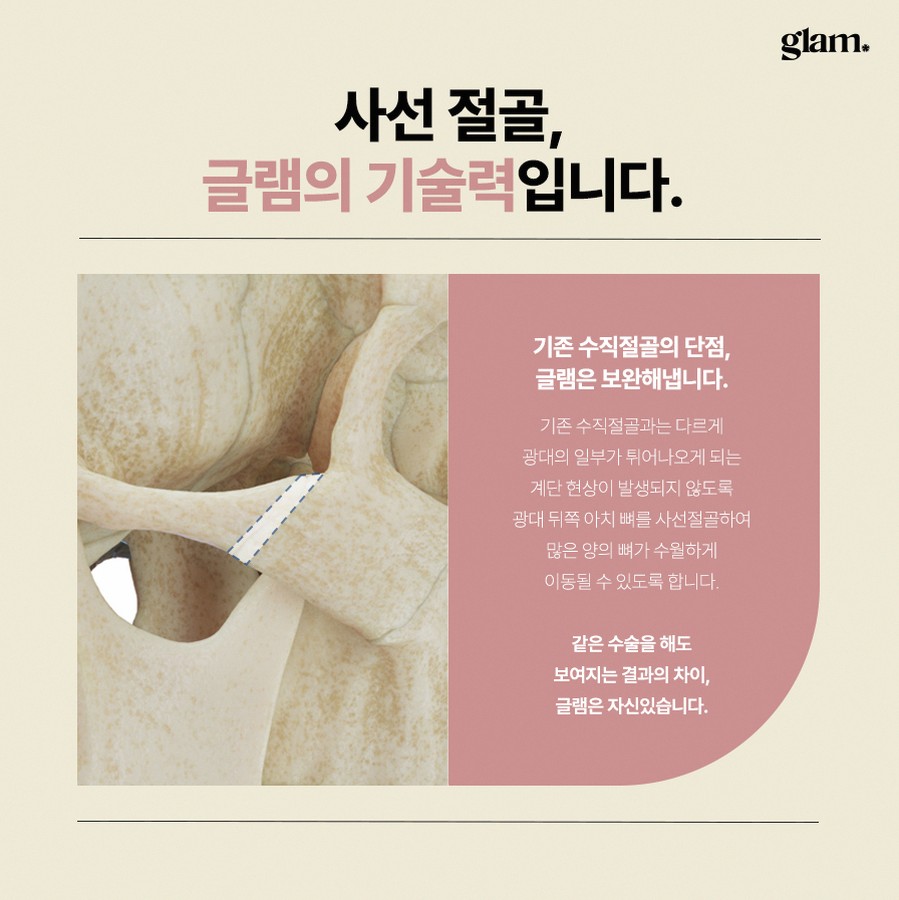
Additional shaving or contouring: If the bone has healed in a generally acceptable position but there are small step deformities or sharp edges, the surgeon may perform localized shaving or contouring. This can smooth irregularities without fully re-cutting the bone.
Partial reversal or augmentation: When the cheekbones are over-reduced and the face appears too flat or sunken, the goal shifts from reduction to restoration. Options include bone grafts, onlay materials, or fat grafting to rebuild midface volume and contour. Sometimes, the existing bone segments can be repositioned outward to a more natural line.
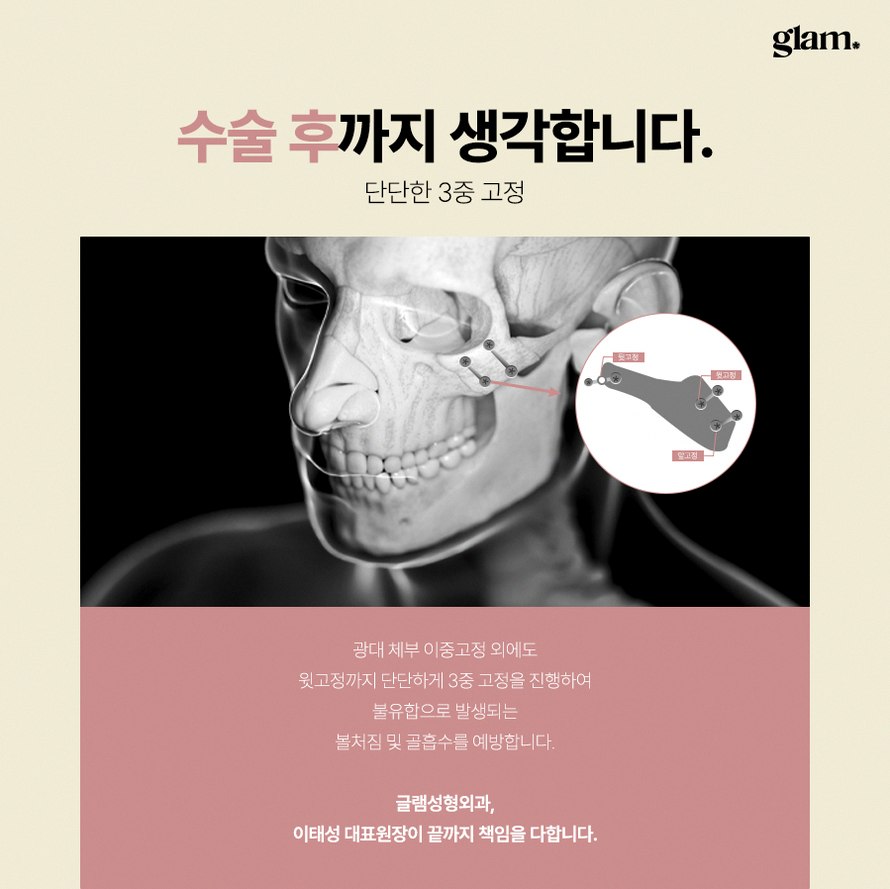
Plate and screw revision: Prominent or malpositioned hardware can cause discomfort or visible irregularities. In such cases, removing or changing the plates and screws may be combined with contouring to improve both comfort and appearance.
Revision surgery is technically more challenging than primary surgery. Scar tissue and altered blood supply make dissection more delicate. Bone quality may be compromised, so fixation must be secure without weakening the remaining bone. Protection of the infraorbital nerve and surrounding structures is even more critical, because they may already have been disturbed during the first operation.
Most revision cheekbone surgeries are performed under general anesthesia by a team experienced in facial bone procedures.
Choosing a clinic in Seoul for revision facial contouring
For complex revision zygoma reduction, it is generally safer to choose a clinic that focuses on facial bone surgery rather than one that mainly performs unrelated cosmetic procedures.
GLAM Plastic Surgery, located near Sinsa Station in Gangnam, Seoul, is an example of a clinic that concentrates on facial bone work such as double jaw surgery, cheekbone reduction, V-line, square jaw, and revision contouring. They do not provide eye, nose, or breast procedures, which reflects a focused scope of practice.
When comparing clinics, you may want to check whether the lead surgeon has extensive experience specifically in facial bone surgery and revision cases. Academic output, such as peer-reviewed publications in recognized journals like Plastic and Reconstructive Surgery, can be one objective sign of depth of expertise beyond marketing claims.
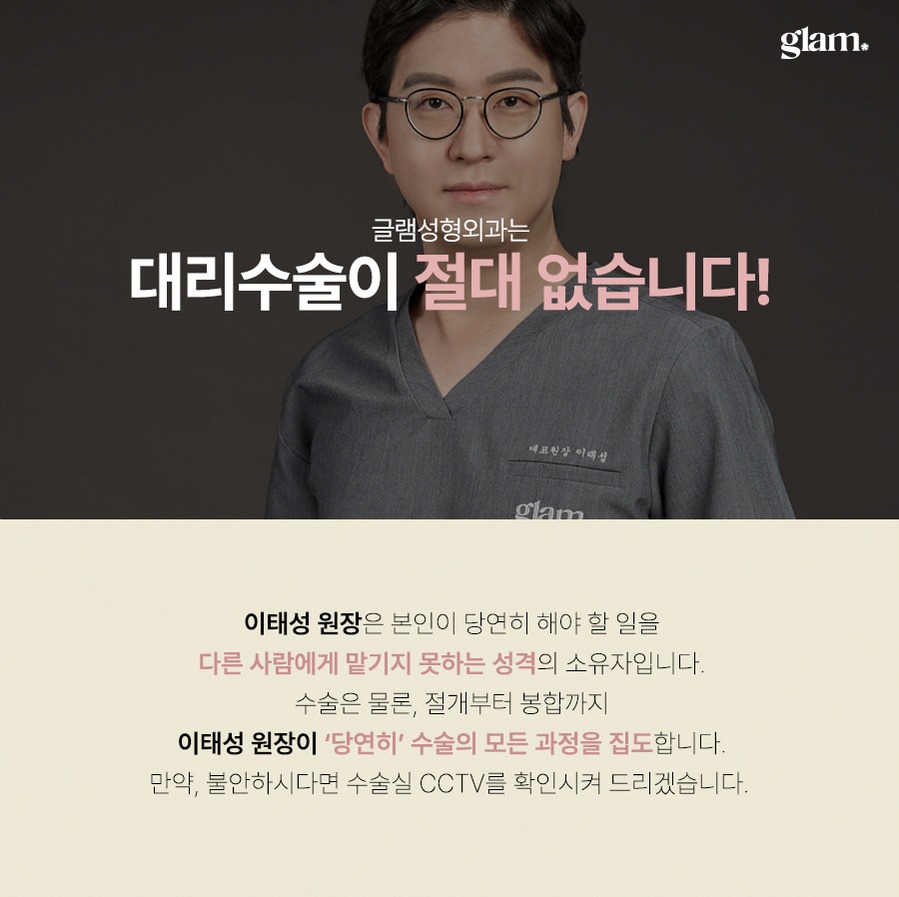
It is also worth confirming that a board-certified anesthesiologist is responsible for anesthesia and perioperative monitoring, especially for longer revision operations. A system where the main surgeon performs the surgery directly and recommends only the minimum necessary procedures can help reduce the risk of overly aggressive revisions.
Some clinics offer structured post-operative care programs, for example, swelling management, gentle therapies, and regular follow-up visits. These do not replace proper surgery but can support recovery and comfort.
Online consultation and pre-visit preparation for overseas patients
If you live outside Korea, an online consultation is usually the first step. Many clinics in Seoul accept photos and previous records by email or secure messaging.
Before contacting a clinic, it helps to prepare the following:
Clear photos: Front, both three-quarter views, and both profiles, taken in good lighting with a neutral expression. Some clinics may also request smiling photos.
Previous records: Operative notes, implant information, and any CT or X-ray images from your first surgery. If you have only written reports, send those as well.
Symptom list: Write down what bothers you most, in order of priority. For example, “left cheek looks wider,” “step I can feel with my finger,” “tightness when chewing,” or “midface looks too flat.”
Medical history: List of medications, allergies, previous surgeries, and any chronic conditions.
During the online consultation, ask clearly what the surgeon thinks is realistically possible, which tests you will need in Korea, how many days you should stay, and whether combined procedures might be recommended. This helps you decide if a trip to Seoul is worthwhile before you book flights.
Expected Korea visit timeline
The exact schedule varies, but many overseas patients follow a similar timeline when coming to Seoul for revision cheekbone surgery.
Day 1–2: In-person consultation and imaging. After arrival, you usually visit the clinic for a face-to-face consultation, physical examination, and imaging such as 3D CT and panoramic X-rays. The surgeon confirms or adjusts the plan discussed online.
Day 3–4: Surgery day. Once the plan is finalized and pre-operative tests are complete, surgery is performed under general anesthesia. You spend time in the recovery room afterward and may go back to your accommodation the same day, depending on the clinic’s protocol and your condition.
First week: Early recovery. Swelling and bruising are most noticeable during the first few days. You will have follow-up visits for wound checks, oral hygiene guidance if intraoral incisions were used, and monitoring of nerve sensation and bite comfort.
Second week: Continued recovery. Many patients feel better and can do light activities, but visible swelling may still be present. If sutures need removal, this often happens around one to two weeks after surgery.
Total stay: For overseas patients, a stay of about 10 to 14 days in Seoul is commonly recommended for revision facial bone surgery, though this can vary depending on the complexity of the case and the clinic’s policy.
After you return home, you will usually continue follow-up via online consultations, sending photos and updating the clinic on your recovery.
Aftercare and long-term recovery
Immediate post-operative care focuses on pain control, swelling management, and infection prevention. You may be advised to keep your head elevated, use cold compresses in the first days, and follow strict oral hygiene instructions if there are incisions inside the mouth.
A soft diet is often recommended for one to two weeks, avoiding hard chewing and trauma to the cheek area. Gentle walking is usually encouraged to support circulation, but heavy exercise and contact sports should be avoided for several weeks or as advised.
Swelling and bruising peak in the first few days, then gradually improve. Many people feel comfortable doing light daily activities after one to two weeks, but visible swelling can last longer, especially in revision cases. Numbness or altered sensation around the cheeks and upper lip may occur and usually improves over time, though this can vary.
Final contour assessment typically takes several months. Bone and soft tissue need time to settle, and the midface shape can continue to refine for six months or more. Some clinics, including GLAM Plastic Surgery, use supportive post-operative care such as LED therapy, facial dome treatments, or radiofrequency lifting devices to help with swelling and skin recovery. These are adjuncts, not substitutes for accurate surgical technique.
Risks, limitations, and safety considerations
Revision zygoma reduction carries the general risks of surgery and anesthesia, as well as specific risks related to working on previously operated bone.
Nerve issues: Temporary numbness or tingling in the cheek or upper lip is relatively common and often improves over time. In rare cases, altered sensation can be long-lasting.
Asymmetry or irregularities: Revision aims to improve symmetry and smoothness, but complete perfection is rarely possible. Small differences between sides are normal in all faces.
Bone healing problems: Because the bone has already been cut once, there is a theoretical risk of delayed healing or non-union, especially if bone quality is poor or if there is significant movement or stress on the area.
Soft tissue sagging or hollowing: Further bone reduction may reduce support for the soft tissue, so planning must balance contour goals with the risk of a more aged or hollow look. Sometimes, adding volume or combining lifting is a better choice than additional reduction.
Infection or hardware problems: Plates and screws can rarely cause irritation, infection, or exposure. Proper surgical technique, hygiene, and follow-up reduce these risks but cannot eliminate them completely.
General surgical risks: Bleeding, hematoma, scarring, and anesthesia-related complications are possible with any operation.
There are also clear limitations. If the first surgery was very aggressive and removed a large amount of bone, there may not be enough structure left for further reduction. In such cases, the strategy may shift to augmentation or soft tissue procedures to restore balance. Multiple revisions increase the overall risk, so conservative planning and careful decision-making are important.
To stay safe, allow enough time after your first surgery before judging the result. Bringing all previous records and imaging to your consultation helps the surgeon understand your situation. Ask how many revision facial contouring cases the surgeon handles, what imaging they use, and whether a board-certified anesthesiologist will manage anesthesia.
Frequently asked questions
How long should I wait after my first cheekbone reduction before considering revision surgery?
Most surgeons recommend waiting at least 6 to 12 months after your first cheekbone reduction before seriously considering revision. This allows bone healing to complete and swelling to resolve so that the final contour is visible. In some complex cases, imaging may show that bone union is still ongoing, and additional time is advised. Early revision is usually reserved for rare situations such as serious functional problems or clear malposition.
Is it possible to fix over-reduced, sunken cheekbones with revision zygoma surgery?
In many cases, it is possible to improve a sunken or overly flat midface, but the approach is different from standard reduction. Instead of removing more bone, the surgeon may use bone grafts, onlay materials, or fat grafting to restore volume. Sometimes, repositioning the existing bone segments outward can help. The exact options depend on how much bone remains, how the soft tissue has adapted, and your overall facial proportions.
What tests or scans are needed before revision cheekbone surgery?
Three-dimensional CT scanning is commonly used to evaluate the current position of the cheekbones, the healing of previous cuts, and the location of plates and screws. Panoramic X-rays may also be taken to assess the facial skeleton more broadly. These images help the surgeon plan where to re-cut, how to fix the bone, and whether additional procedures are needed. Your general health may be checked with blood tests and other routine pre-operative evaluations.
Will revision zygoma reduction make my face look smaller, or can it also add volume where needed?
Revision surgery can either reduce or add volume, depending on your needs. If your cheekbones remain wide or protruding, re-osteotomy and repositioning or additional shaving may help create a slimmer appearance. If your midface is too flat or hollow, the plan may focus on augmentation with bone or soft tissue. In some patients, a combination of subtle reduction in certain areas and volume restoration in others produces the most natural balance.
Is revision more dangerous than first-time cheekbone reduction surgery?
Revision is generally more complex than primary surgery because of scar tissue, altered anatomy, and existing hardware. This can increase the technical difficulty and, in some cases, the risk profile. However, with careful planning, appropriate imaging, and an experienced facial bone surgery team, many revisions proceed safely. It is important to discuss your individual risk factors with your surgeon and ensure that anesthesia is managed by a qualified specialist.
Can I combine revision cheekbone surgery with jawline or chin revision in one operation?
In some cases, it is possible to combine revision cheekbone surgery with jawline or chin revision in a single operation. This can be efficient for overseas patients and may help achieve a more harmonious overall contour. However, combined surgery is longer and may increase swelling and recovery time. The decision depends on your health, the complexity of each procedure, and the surgeon’s assessment of safety.
How much downtime should I expect after revision zygoma reduction compared with my first surgery?
Downtime after revision is often similar to, or slightly longer than, your first surgery. Many people can resume light daily activities within one to two weeks, but visible swelling may last several weeks. Because tissues have already been operated on once, they may react differently, and recovery can be more unpredictable. Planning at least two weeks in Seoul and several additional weeks of reduced physical activity at home is a reasonable guideline for many patients.

How do I choose a safe clinic for revision facial contouring in Seoul?
When choosing a clinic, look for a team that focuses on facial bone surgery and has clear experience with revision cases. Ask about the surgeon’s training, years of practice in facial bone procedures, and any academic publications related to this field. Confirm that advanced imaging such as 3D CT is used for planning, and that a board-certified anesthesiologist manages anesthesia. Reading detailed explanations of their approach to revision, rather than just marketing phrases, can also help you judge whether their philosophy matches your expectations.
Are there non-surgical options if I am not ready for revision bone surgery?
If you are not ready for another bone operation, certain non-surgical or minimally invasive options may provide partial improvement. For example, carefully placed fat grafting or fillers can sometimes soften hollows or minor asymmetries. Skin tightening or lifting treatments may help with mild sagging. However, these methods cannot correct underlying bone position or significant step deformities. They are best viewed as supportive or temporary measures while you consider, delay, or avoid revision surgery.
Soft call to action
If you are an overseas patient who has already undergone cheekbone reduction and are now worried about asymmetry, step deformity, or an unnatural contour, a structured evaluation with an experienced facial bone team can clarify your options. Clinics in the Sinsa Station area of Gangnam, including GLAM Plastic Surgery, commonly work with international patients and can provide online consultations before you decide to travel.
Preparing your photos, previous records, and a clear list of concerns will help you receive a realistic, individualized opinion. From there, you can decide whether revision zygoma reduction in Seoul is an appropriate next step for you.




- 공유 링크 만들기
- X
- 이메일
- 기타 앱


댓글
댓글 쓰기