Seoul revision: evaluation, outcomes, and travel steps
- 공유 링크 만들기
- X
- 이메일
- 기타 앱
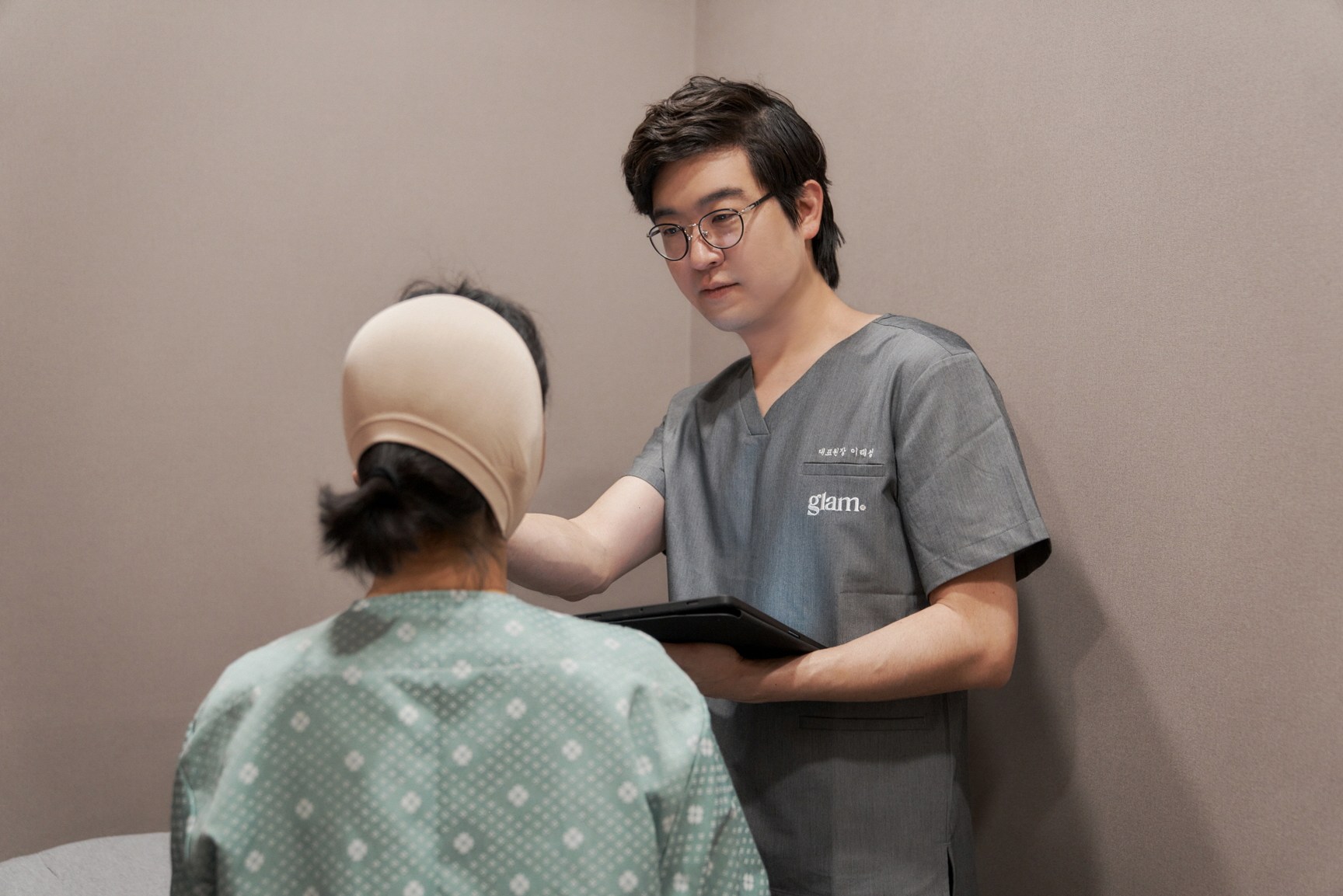
Square jaw reduction revision surgery is a secondary facial contouring procedure to correct or refine the mandibular angle and jawline after a previous square jaw reduction. It can address persistent width, asymmetry, irregular jawline transitions, or an overly hollow and narrow lower face, as well as some functional discomfort. Because revision involves operating on bone that has already been altered, it requires careful imaging, conservative planning, and a surgeon experienced in complex facial bone work. For international patients considering revision in Seoul’s Gangnam district, it is important to understand indications, evaluation, realistic outcomes, and the practical steps of planning a visit to Korea.
Overview of square jaw reduction and revision
Square jaw reduction is a facial contouring surgery that reshapes the mandibular angle and sometimes the body of the jaw to create a slimmer, less angular lower face. The goal is usually to reduce the width of the jawline and soften a strong or boxy appearance.
Revision square jaw reduction, or revision facial contouring for the mandibular angle, is performed after an earlier square jaw procedure when the outcome is unsatisfactory or has created new concerns. Instead of starting with untouched bone, the surgeon must work with already resected and healed jaw structures, scar tissue, and changed soft tissue.
Common reasons people seek revision include a jawline that still looks wide or bulky, an overly narrow or hollow lower face, left–right asymmetry, step deformities where the angle and body do not flow smoothly, or discomfort when chewing. Some patients also feel that their face no longer matches their self-image or looks unnatural in photos.
Typical reasons to consider revision square jaw reduction
People usually begin researching revision options when they notice that time and healing have not solved their concerns after the first surgery. Typical situations include:
Persistent width or bulk
In some cases, too little bone was removed in the first operation, or the resection did not extend far enough along the mandibular body. The lower face may still appear square or heavy from the front or at a three-quarter angle. Patients may feel that the change is only visible in profile, not from the front.
Over-resection and hollowing
The opposite problem is when too much bone was removed. The jawline can look overly narrow, fragile, or aged, especially when combined with strong soft tissue descent or volume loss. The lower face may appear sunken or lack structural support, and the patient may feel they have lost their original character.
Asymmetry and irregular jawline
Asymmetry after square jaw surgery can appear as one side being more slanted, shorter, or more curved than the other. Step deformities or irregularities may be visible or palpable as a bump or notch where the angle and body of the mandible meet. In photos, this can show as an uneven jawline or a shadow that looks different on each side.
Functional discomfort
Some patients report discomfort when chewing, a feeling of tightness or pulling, or a sense that their bite has changed after surgery. While bite issues are often related to the teeth and upper jaw, the shape and position of the lower jawbone and attached muscles can also influence comfort and function.
Psychological dissatisfaction
Even when others do not notice a problem, patients themselves may feel that their face no longer looks like them, or that the change is too subtle compared with what they expected. This emotional and psychological aspect is important to acknowledge, as it influences whether revision is appropriate and what goals are realistic.
Pre-revision evaluation: why it is more complex than first-time surgery
Revision facial bone surgery is generally more complex than primary contouring. After the first operation, there is scar tissue inside, the anatomy has changed, and some bone has already been removed. This means there is less margin for error and a greater need for precise planning.
A thorough evaluation at a facial bone–focused center typically includes several steps.
Detailed history of previous surgery
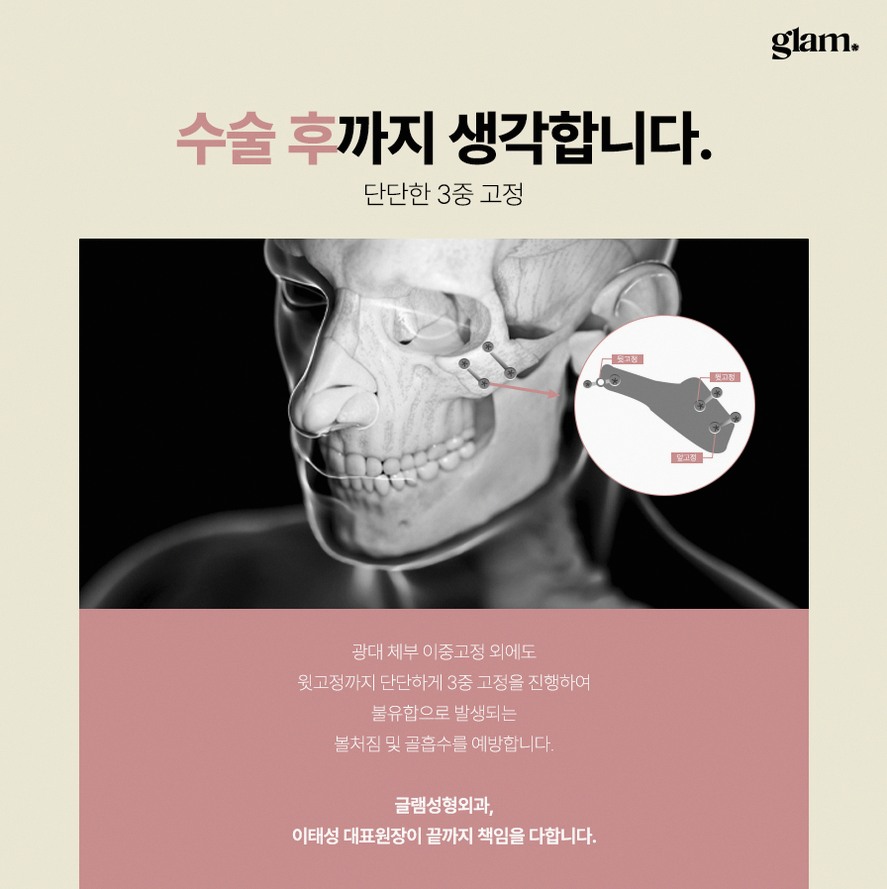
The surgeon will ask when and where your original square jaw reduction was done, what technique was used, and whether any plates, screws, or other fixation were placed. If you have operative notes, X-rays, or CT scans from that time, bringing them is very helpful.
Review of previous records and imaging
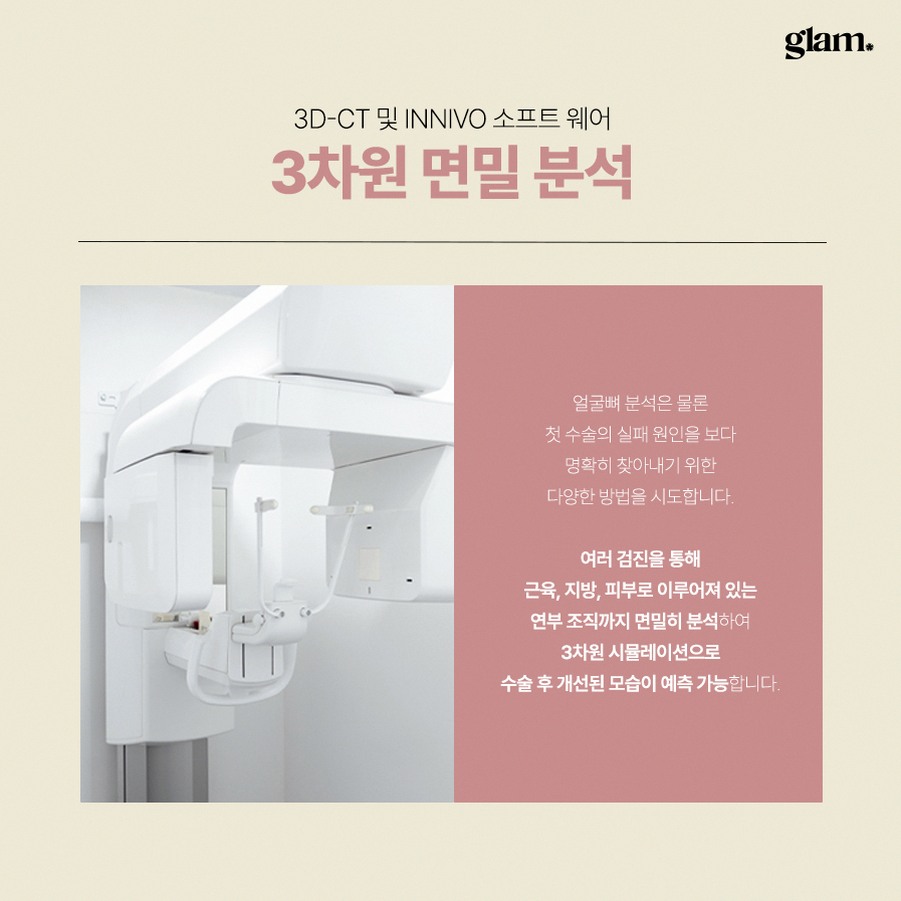
Old imaging helps the surgeon understand how your jaw looked before and immediately after the first surgery. Comparing this to your current imaging shows how the bone has healed and whether any resorption or remodeling has occurred over time.
3D CT and analysis of remaining bone
Modern revision planning often uses 3D CT or similar imaging to evaluate the remaining mandibular angle and body. The surgeon studies how much bone is left, the shape of any step deformities, and the precise course of the inferior alveolar nerve, which supplies sensation to the lower lip and chin. This helps define what can be safely reshaped and where the limits are.
Bite, joint, and muscle assessment
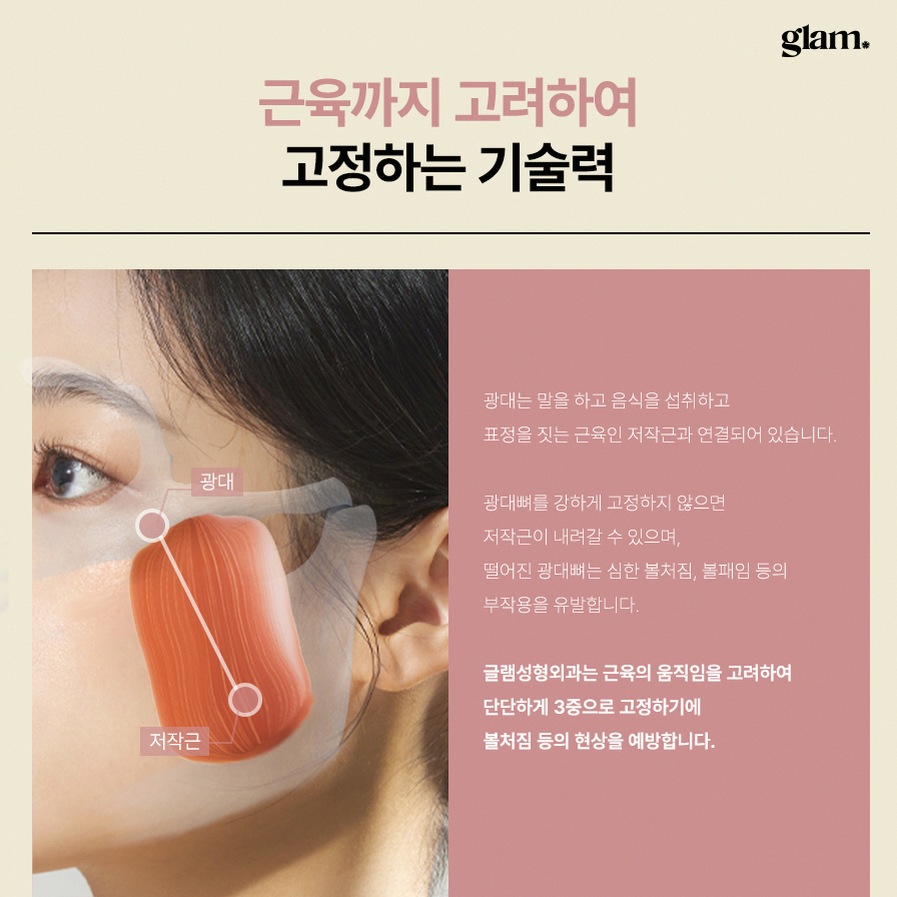
Your occlusion, or bite, is checked to see whether the upper and lower teeth meet in a stable way. The temporomandibular joints (TMJ) are evaluated for pain, clicking, or limited opening. The masseter muscles are also assessed, because their thickness and balance can affect both appearance and function after revision.
Facial proportion and soft tissue evaluation
The surgeon will examine your face from the front, oblique, and profile views. This includes how the jawline relates to the cheekbones, chin, lips, and neck, and how the soft tissue drapes over the bone. In revision cases, the skin and soft tissue may be looser or thinner than before, which can influence what type of change is advisable.
At a center that focuses only on facial bone surgery, the surgeon’s daily work is concentrated on the jaw, chin, and midface. This can help in judging how much additional bone can be safely removed or reshaped, and in recognizing when further surgery is unlikely to help or may increase risk.
Surgical options and techniques in revision square jaw reduction
Revision does not always mean simply removing more bone. Depending on your situation, the plan may involve additional resection, smoothing, reshaping, or in some cases, reconstruction.
Additional mandibular angle and body reduction
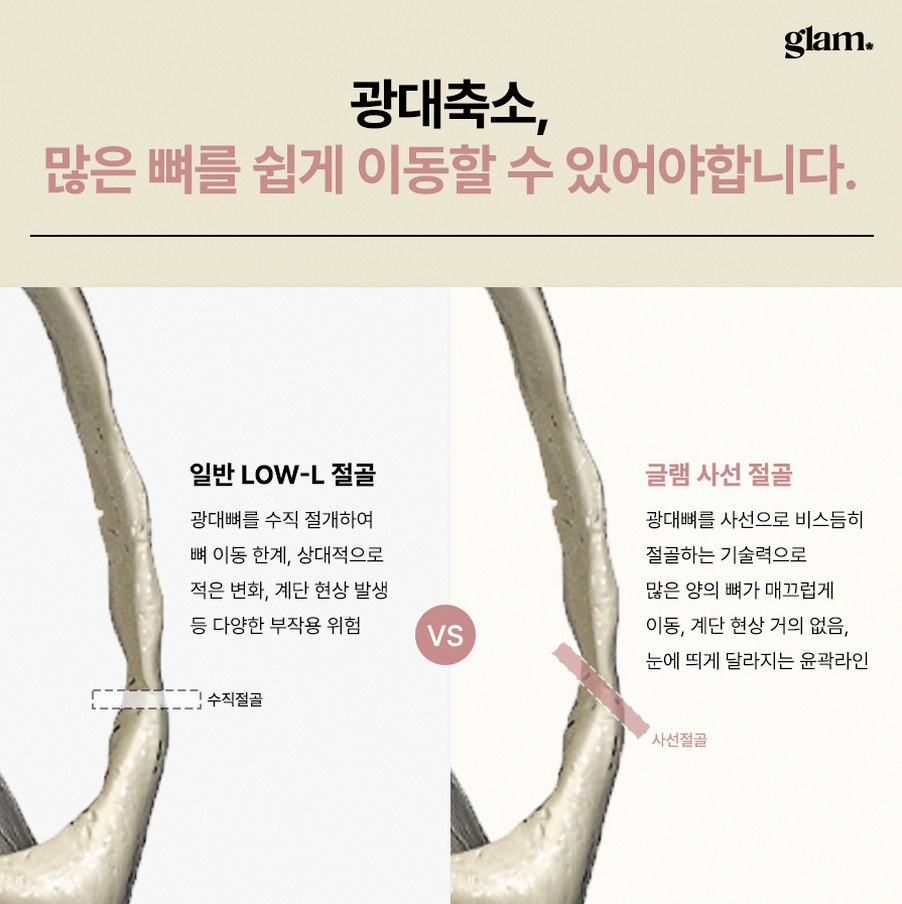
If your main concern is that the jawline still looks wide or bulky, and imaging shows that enough safe bone remains, the surgeon may perform further reduction. This can include extending the resection more toward the chin area, or refining the angle to create a smoother, more continuous curve.
Smoothing and contouring irregularities
For step deformities or palpable bumps, the focus may be on contouring rather than major reduction. The surgeon can shave and smooth irregular edges and transitions so that the jawline flows more naturally from the angle to the chin. This type of revision can make a noticeable difference in three-quarter and side views.
Correction of asymmetry
When one side is more prominent or shaped differently, the surgeon may adjust one or both sides to achieve better balance. This might involve reducing bone on the more prominent side, or fine-tuning curves and angles on both sides to harmonize them.
Managing over-resection and hollowing
If too much bone was removed in the first surgery, options are more limited and must be planned very carefully. In some cases, contouring adjacent areas or adjusting the chin can improve overall balance. In selected situations, reconstructive techniques such as bone grafts or implants may be discussed, but these decisions require detailed imaging, clear goals, and thorough counseling about benefits and limitations.
In revision facial contouring, the surgeon’s experience with both primary and secondary cases is important.
Safety, anesthesia, and intraoperative management
Safety is a central concern in any facial bone surgery, and especially in revision. General anesthesia is typically used, and the presence of an anesthesiology and pain medicine specialist dedicated to managing anesthesia and monitoring throughout the procedure adds an extra layer of safety.
Key safety considerations in revision square jaw surgery include:
Protecting the inferior alveolar nerve
The nerve that supplies sensation to the lower lip and chin runs inside the lower jawbone. In revision surgery, its position may be closer to the surface because some bone has already been removed. Precise imaging and careful technique are essential to reduce the risk of prolonged numbness or altered sensation.
Preserving mandibular stability
The jaw must remain structurally stable after additional bone removal. The surgeon plans cuts and contouring to avoid weakening the mandible to the point where fractures or deformities could occur.
Managing scar tissue and blood supply
Scar tissue from the first surgery can make dissection more challenging and may alter blood supply patterns. A surgeon experienced in revision work anticipates these changes, handles tissues gently, and plans the surgery to minimize unnecessary trauma.
Specialized centers usually follow structured protocols for preoperative testing, intraoperative monitoring, and emergency preparedness, which are especially important for international patients who may not have family support nearby during their stay.
Recovery, swelling management, and postoperative care
Recovery after revision square jaw reduction is similar in overall timeline to primary surgery, but swelling can sometimes be more pronounced or last slightly longer due to scar tissue and repeated dissection.
Immediate postoperative period
Right after surgery, you can expect facial swelling, a feeling of tightness, and mild to moderate discomfort, usually controlled with pain medication. You may have an elastic bandage or compression garment to support the area and help control swelling.
First one to two weeks
The first week is typically when swelling and bruising are most noticeable. Many patients follow a soft or semi-liquid diet to avoid excessive chewing and to protect the surgical area. Stitches inside the mouth are usually dissolvable, but you may have follow-up visits to check healing and hygiene.
One to three months
Swelling continues to decrease over the next several weeks. The jawline shape becomes clearer, although subtle changes can continue as tissues settle. During this time, light daily activities are usually possible, but heavy exercise and impact sports may be restricted based on your surgeon’s advice.
Six months to one year
The final contour is often evaluated around six months to one year after revision. Bone remodeling and soft tissue adaptation continue over this period, so it is important not to judge the result too early.
Supportive postoperative care
Some facial bone centers offer structured postoperative care programs aimed at supporting recovery and swelling control. These may include LED therapy, facial dome care, total skin reset care, and radiofrequency lifting. Such treatments are designed to help reduce swelling, improve circulation, and support skin condition. They are supportive measures and do not replace the importance of precise surgical planning and technique.
Who may be a good candidate for revision – and who may not
Not everyone who is unhappy after square jaw surgery will benefit from revision. A careful match between your concerns, imaging findings, and realistic expectations is essential.
Good candidates for revision
You may be a potential candidate if:
You have clear structural issues on imaging
Imaging shows asymmetry, irregular bone edges, or residual bulk that correlates with what you see and feel. For example, a visible bump matches a step deformity on CT, or persistent width corresponds to an area where bone was not sufficiently reduced.
Your first surgery has fully healed
Soft tissue should be stable before revision, which usually means at least six to twelve months after the original operation, depending on your healing and the extent of the first surgery. Operating too early can lead to unpredictable changes as swelling and tissue remodeling are still ongoing.
You have realistic expectations
Revision can improve contour, balance, and comfort, but it rarely creates absolute perfection. Understanding the limits of what is possible with your remaining bone and soft tissue helps you and your surgeon plan a procedure that aims for meaningful, but realistic, improvement.
When revision may be discouraged
Further surgery may not be advisable if:
The remaining bone is too thin
If imaging shows very thin mandibular bone, additional resection could compromise stability or nerve safety. In such cases, non-surgical or soft tissue–focused approaches might be discussed instead.
The main issue is soft tissue, not bone
Sometimes the bone is already well-shaped, but the skin and soft tissue have loosened or do not drape smoothly. In these situations, additional bone surgery may not solve the problem, and other types of treatment may be more appropriate.
Expectations are not aligned with reality
If someone expects revision to completely transform their face or resolve deeper psychological distress, surgery alone may not be the right answer. Honest counseling and, when needed, psychological support are important parts of ethical care.
An ethical approach to revision emphasizes recommending only the minimum necessary surgery to address specific, identifiable issues, rather than suggesting extensive procedures that may not provide proportional benefit.
Choosing a clinic and surgeon for revision square jaw reduction
Revision square jaw reduction is a specialized area within facial contouring. When comparing options in Seoul, especially in the Gangnam district, you can consider several practical criteria.
Focus on facial bone surgery
A clinic that concentrates on facial bone procedures such as double jaw surgery, cheekbone reduction, V-line, square jaw, and revision contouring may offer a more focused environment for complex revision cases. GLAM Plastic Surgery, for example, is a facial bone–only center on Dosan-daero in Gangnam, about 200 meters from Sinsa Station Exit 1, and does not perform unrelated procedures like eye or breast surgery.
Surgeon’s training and academic work
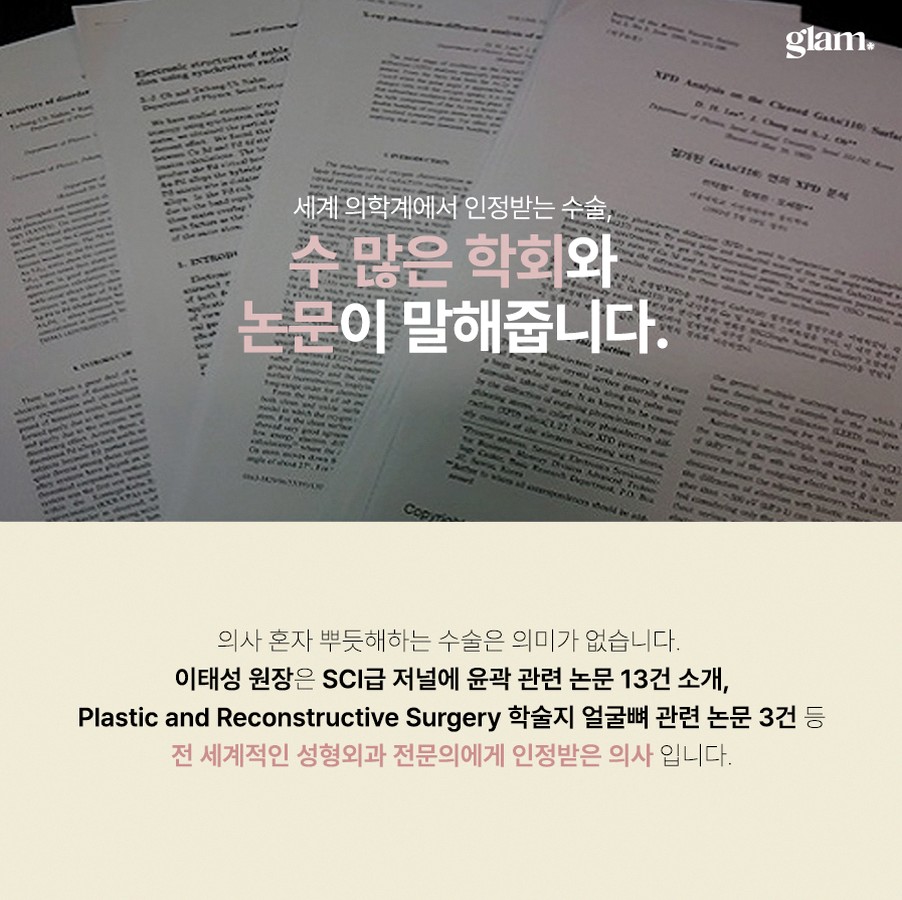
For revision, it can be reassuring to know that the operating surgeon has long-term experience specifically in facial bone surgery, including work at major university hospitals and overseas training. Objective indicators such as SCI-level publications in facial contouring and double jaw surgery, including papers in journals like Plastic and Reconstructive Surgery, show ongoing engagement with scientific evidence rather than relying only on marketing claims.
Anesthesia and safety systems
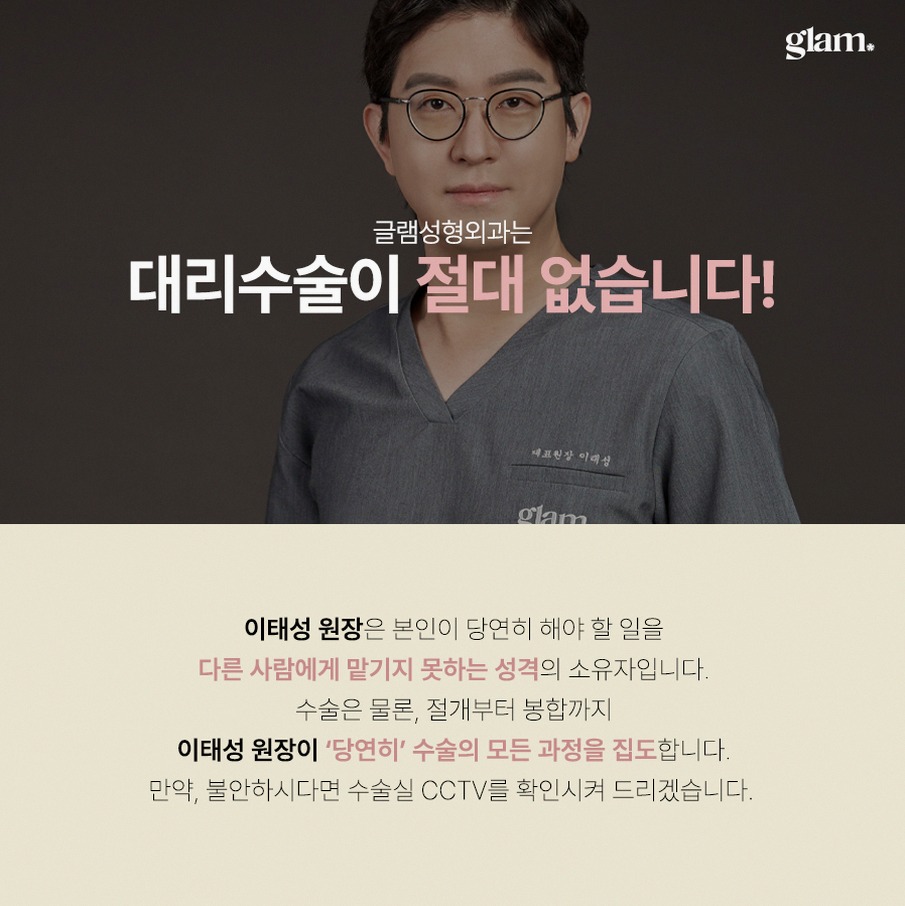
Check whether the clinic has a board-certified anesthesiologist responsible for anesthesia and monitoring, and whether there are clear protocols for preoperative testing and intraoperative safety. This is especially important for overseas patients who may be undergoing general anesthesia far from home.
Individualized imaging and planning
Ask whether the clinic uses 3D CT or similar imaging for revision planning, and how they analyze facial proportions. A one-size-fits-all approach is not suitable for revision; you should expect a personalized plan based on your anatomy, previous surgery, and goals.
Communication and multilingual support
For international patients, clear communication is vital. Some centers in Gangnam provide multilingual support in languages such as English, Japanese, and Thai, and offer online channels like Instagram, YouTube, and messaging apps to facilitate pre-visit discussions and follow-up.
Online consultation and pre-visit preparation for overseas patients
If you live abroad, your first step is usually an online consultation. Preparing well can make this process more efficient and informative.
Information to prepare
Before contacting a clinic, it helps to gather:
Photos of your face
Take clear photos from the front, both three-quarter angles, and both profiles, under natural or even lighting. Avoid heavy makeup or filters so the surgeon can see your actual contours.
Previous records and imaging
If possible, obtain operative notes, pre- and post-surgery X-rays or CT scans, and any written explanations from your previous surgeon. Even if they are not in English, imaging files themselves can be valuable.
A written summary of your concerns
Write down what bothers you most, when you first noticed it, and how it affects your daily life. Separate your concerns into appearance-related and function-related (such as chewing discomfort or tightness). This helps the surgeon understand your priorities.
Questions to ask during online consultation
During online consultation, you may want to ask:
What does my current imaging show about remaining bone and nerve position?
Is my main issue related to bone, soft tissue, or both?
What type of revision (if any) would you recommend, and what are the main risks in my case?
How long should I stay in Korea for surgery and early follow-up?
What kind of postoperative care and communication can I expect once I return home?
Expected Korea visit timeline for revision square jaw surgery
While individual plans vary, many overseas patients follow a similar timeline when coming to Seoul for revision facial contouring.
Before arrival
Online consultation is completed, and a preliminary plan is discussed. You may be asked to send additional imaging or medical information. Tentative surgery dates are reserved.
Day 1–2: In-person consultation and imaging
After arriving in Korea, you visit the clinic for a face-to-face consultation, physical examination, and 3D CT or other imaging. The surgeon confirms or adjusts the plan based on in-person findings and discusses details, risks, and expected recovery.
Day 3–4: Surgery
Once all evaluations and consent are complete, surgery is performed under general anesthesia. Many patients stay a short time in the recovery area before going back to their accommodation, depending on the clinic’s protocol and your condition.
First week: Early recovery and follow-up
You attend follow-up visits to monitor swelling, check the surgical area, and receive guidance on oral hygiene and diet. Supportive treatments such as LED therapy or facial dome care may begin, depending on your condition.
Second week and beyond
Some international patients stay in Korea for about two weeks after surgery to ensure early healing is stable and to address any immediate concerns. Your surgeon will advise on when it is safe to fly and what precautions to take during travel.
After you return home, communication can continue via online channels, with photo updates at set intervals.
Aftercare and long-term considerations
Aftercare is not only about the first few weeks. Long-term habits and follow-up also influence how you experience your result.

Short-term care
Follow instructions on mouth rinsing, diet, and activity restrictions. Avoid smoking and excessive alcohol during healing, as they can affect recovery. Attend all scheduled follow-up visits while you are in Korea.
Medium-term care
As you return to normal activities, introduce exercise gradually and avoid trauma to the face. If you have any new or persistent symptoms such as numbness, pain, or bite changes, inform your surgeon promptly.
Long-term perspective
Bone and soft tissue continue to adapt over months. It is common for patients to feel that their face looks different at three months compared with six or twelve months. Patience and regular check-ins with your surgical team help you understand these changes.
Frequently asked questions about revision square jaw reduction
How long should I wait after my first square jaw surgery before considering revision?
Most surgeons recommend waiting at least six to twelve months after your first square jaw reduction before seriously considering revision. This allows swelling to fully resolve and soft tissues to settle, so you can see the true outcome. In some complex cases, your surgeon may advise an even longer waiting period. Early consultation can still be useful for planning, but the actual surgery is usually scheduled after healing is complete.
Can revision square jaw reduction fix asymmetry completely?
Revision can often improve noticeable asymmetry by adjusting bone on one or both sides, smoothing step deformities, and harmonizing jawline curves. However, perfect symmetry is rarely achievable in any face, and small differences between sides are normal. The goal is typically to reduce obvious imbalance so that asymmetry is no longer a focal point in daily life or photos.
Is revision more dangerous than the first surgery?
Revision square jaw surgery is generally more complex than primary surgery because of scar tissue, altered anatomy, and reduced bone volume. This can increase certain risks, such as nerve injury or limited options for further reduction. At the same time, careful imaging, conservative planning, and an experienced facial bone surgeon with a dedicated anesthesiologist can help manage these risks. A thorough discussion of your specific risk profile is an essential part of preoperative counseling.
Will I have more swelling and downtime with revision compared to primary surgery?

Many patients experience similar or slightly greater swelling after revision compared with their first surgery. Scar tissue and repeated dissection can contribute to this. Most people can resume light daily activities within one to two weeks, but visible swelling may persist longer, and the final contour can take several months to emerge. Your personal healing speed, the extent of revision, and your general health all play a role.
What if too much bone was removed in my first surgery?
When too much bone has been removed, options for further reduction are limited, and the focus may shift to improving contour through reconstruction or soft tissue management. In some cases, bone grafts or implants can be considered to restore support, but these are more complex procedures with their own risks and limitations. A detailed 3D CT analysis and honest discussion about realistic goals are especially important in such situations.
Can revision square jaw surgery change my bite?
Revision square jaw reduction is primarily aimed at reshaping the outer contour of the jaw rather than repositioning the entire jawbone as in double jaw surgery. In many cases, the bite remains stable. However, changes in bone shape and muscle balance can influence how the jaws function, so your surgeon will evaluate your occlusion and TMJ status before planning surgery. If significant bite issues are present or expected, they may recommend additional or different procedures, or collaboration with other specialists.
Soft call to action
If you are an overseas patient considering revision square jaw reduction in Seoul and would like a focused opinion from a facial bone–only center, you can contact GLAM Plastic Surgery for an online consultation. By sharing your photos, previous records, and concerns in advance, you can receive a more tailored assessment and plan your visit to Gangnam with clearer expectations about what revision surgery may be able to achieve in your case.




- 공유 링크 만들기
- X
- 이메일
- 기타 앱


댓글
댓글 쓰기