Seoul Chin Revision Clinic Guide for Overseas Patients
- 공유 링크 만들기
- X
- 이메일
- 기타 앱
Direct answer summary
Chin contouring revision (revisional genioplasty or mandibular contour revision) is more complex than first-time surgery. It is often preferable to choose a center that concentrates on facial bone procedures, has an experienced facial bone surgeon, a documented academic background, a dedicated anesthesiology specialist, and a careful, conservative approach to planning.
This guide explains when chin revision may be needed, what makes a good revision clinic in Sinsa, Gangnam, how the evaluation and surgery are usually planned, what overseas patients can expect when visiting Korea, and how to prepare for an online consultation with a center such as GLAM Plastic Surgery.
Treatment overview: What is chin contouring revision surgery
Chin contouring revision surgery is a procedure to correct unsatisfactory results or complications after a previous chin or lower-face contouring operation. It can involve revising a sliding genioplasty, T-osteotomy, V-line surgery, or other mandibular contouring.
In revision surgery, the surgeon works on bone that has already been cut, moved, or shaved. The goal is to restore a more natural balance to the lower face and profile, and when possible to improve functional issues such as discomfort around the jaw.
Chin revision is part of the broader field of facial contour revision surgery. Instead of focusing only on the visible chin tip, a facial bone specialist evaluates the whole lower face, including the mandibular angles, jawline continuity, and how the chin relates to the midface and neck.
Who may consider chin correction revision
Many overseas patients look for revision after feeling that their first surgery did not match their expectations or created new concerns. Typical reasons include both aesthetic and functional issues.
Common aesthetic reasons
Some people feel that their chin still looks recessed even after surgery, especially in profile photos. Others feel the opposite, that the chin is now too protruded or too long.
The chin may look too pointy, too wide, or too short compared with the rest of the face. Some patients notice that their jawline and midface are not in harmony, or that the face looks older, harsher, or more tired than expected.
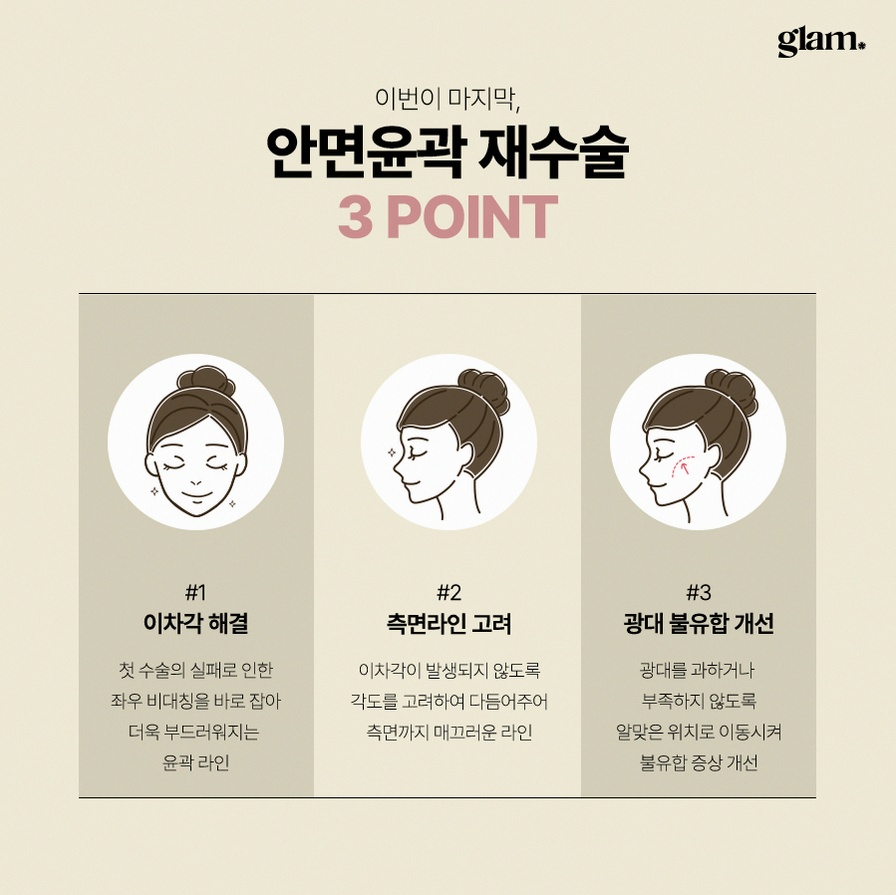
Another frequent complaint is an unnatural V-line, where the front of the chin is narrow but the sides of the jaw show steps, dents, or irregularities. Asymmetry between the left and right sides of the chin or jaw can also become more noticeable after swelling goes down.
Structural and contour problems
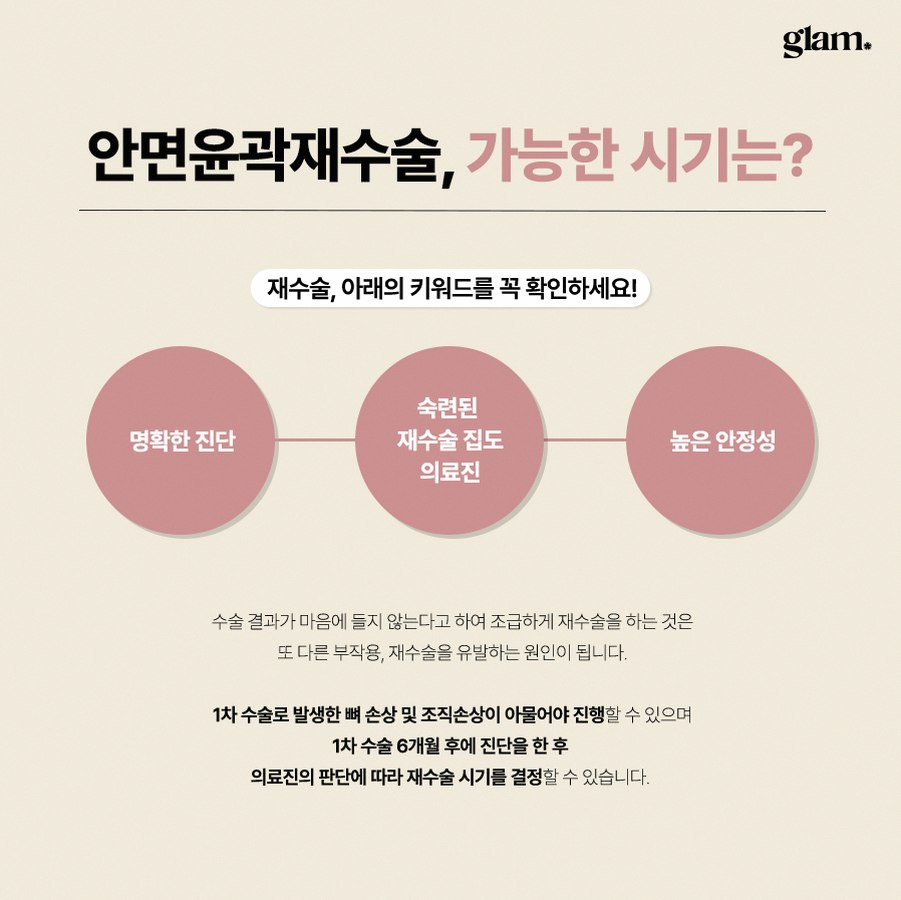
From a structural point of view, revision may be considered when bone has been removed or moved too much, or in an uneven way. This can leave sharp edges, irregular surfaces, or steps along the jawline.
Sometimes the original osteotomy line (the cut in the bone) is visible as a contour break, especially in strong lighting or in photos. In other cases, the chin segment may have shifted slightly during healing, leading to asymmetry.
Functional discomfort
Some patients experience discomfort when chewing, tightness or tension in the jaw, or a feeling that the bite has changed after chin or mandibular contour surgery.
Mild functional issues related to the chin segment or local contouring may be addressed during revision. However, more complex bite changes can be related to the entire jaw structure and may require evaluation for double jaw surgery or additional treatment planning. This is why a facial bone–focused clinic that also handles double jaw procedures can be helpful.
Emotional and psychological burden
Beyond physical issues, many revision patients carry a heavy psychological burden. They may feel regret, disappointment, or anxiety about undergoing another operation. Fear of further damage or another unsatisfactory result is common.
A good revision clinic recognizes this emotional aspect. The consultation should allow enough time to listen to your story, understand your priorities, and explain realistic options without pressure.
Why revision chin surgery is more complex than the first operation
Revision chin contouring is usually more demanding than primary surgery for several reasons.
Scar tissue and altered anatomy
After the first surgery, the soft tissues and bone do not return to their untouched state. Scar tissue forms inside, and the normal anatomical layers can be distorted. This makes dissection and exposure more difficult and increases the need for careful technique.
Previously cut or fixed bone
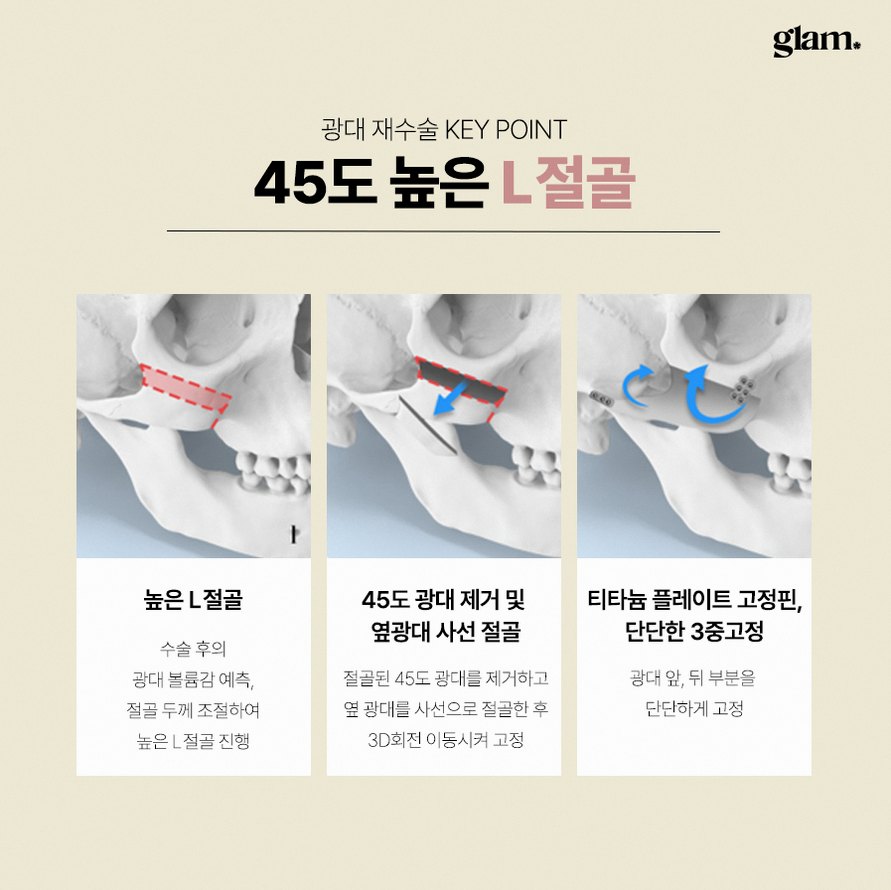
In revision cases, the bone has often been cut, moved, or shaved already. There may be fixation plates and screws that must be evaluated and sometimes removed or replaced.
The surgeon has to understand exactly where the previous osteotomy lines are, how the bone healed, and how much stable bone is available for a new cut or contouring.
Limited bone volume
In cases where too much bone was removed or shaved, there may be limited bone volume remaining. This makes it harder to design a new, stable chin shape.
Sometimes the solution is not simply to cut more bone but to reposition existing segments, smooth irregularities, or consider bone grafting or combined jawline revision to create a continuous contour.
Need for whole-face analysis
Correcting only the chin without considering the rest of the facial skeleton can lead to overcorrection or a new imbalance. For example, if the midface is relatively flat or the lower jaw is small as a whole, pushing the chin too far forward can look unnatural.
A facial bone specialist will analyze the midface, mandible, and occlusion together. The goal is harmony from forehead to chin, not just a sharper or smaller lower face.
Key criteria for choosing a chin revision clinic
When selecting a clinic for chin correction revision surgery, use objective criteria rather than marketing phrases. Below are concise points to consider, especially if you are traveling from overseas:
- Specialization: experience with facial bone and chin revision procedures.
- Surgeon qualifications and track record: documented experience and relevant academic contributions.
- Anesthesiology support: a dedicated anesthesiology specialist on staff.
- Treatment planning: conservative, individualized plans with clear discussion of risks and follow-up.
- Practical logistics: multilingual support and arrangements for postoperative care and follow-up.
Specialization in facial bone surgery
Look for a clinic that focuses only on facial bone surgery, such as double jaw and facial contouring, rather than offering a wide range of unrelated cosmetic procedures.
A narrow lineup often means the team spends every day dealing with facial bone anatomy, complex osteotomies, and revision cases. This depth of experience is particularly important for revisional genioplasty and mandibular contour revision.
Surgeon’s background and experience
Check whether the lead surgeon is a board-certified plastic surgeon with long-term experience specifically in facial bone surgery. Training at major university hospitals, experience as the head of a facial bone center in a large plastic surgery hospital, and international training are all signs of a focused career in this field.
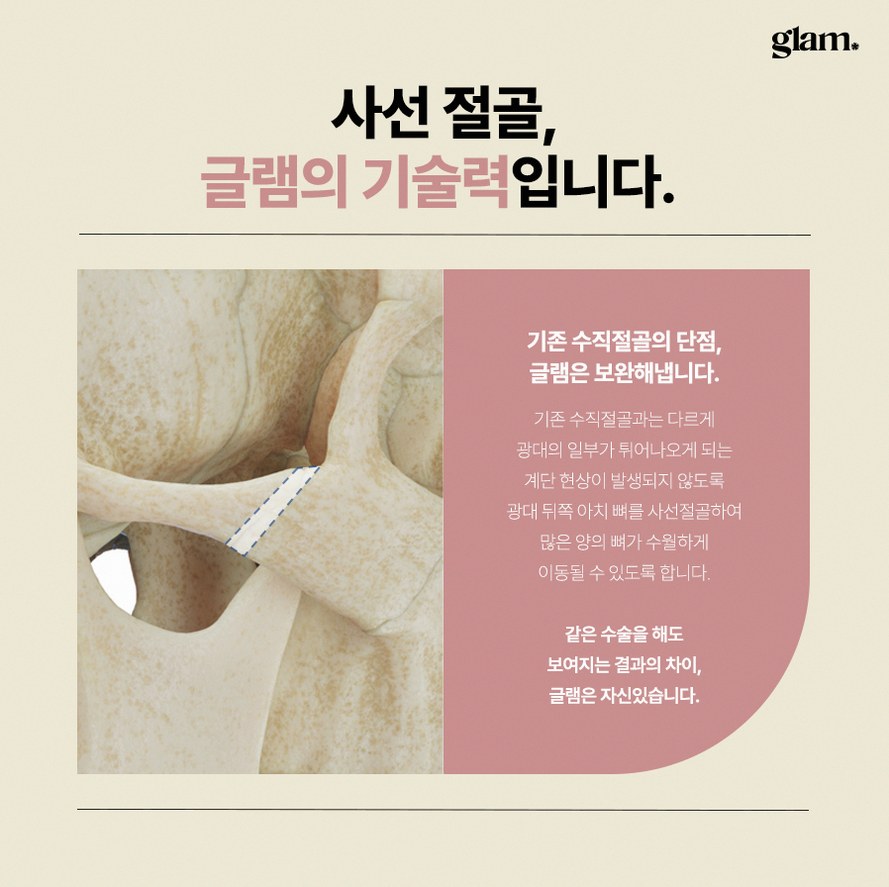
At GLAM Plastic Surgery, for example, the lead surgeon has around 20 years of experience in facial bone surgery as of February 2025. This type of long-term experience can be valuable in understanding the many variations seen in revision cases.
Academic evidence and publications
Academic work is an objective way to measure a surgeon’s engagement with evidence-based practice. You can ask how many SCI-level papers the surgeon has published in facial contouring and double jaw surgery, and whether any are in top journals such as Plastic and Reconstructive Surgery.
As of February 2025, the lead surgeon at GLAM Plastic Surgery has 13 SCI-level papers in facial bone surgery, including 3 in Plastic and Reconstructive Surgery. This suggests a systematic approach to planning and analyzing outcomes, rather than simply following trends.
Operating system and direct surgery by the lead surgeon
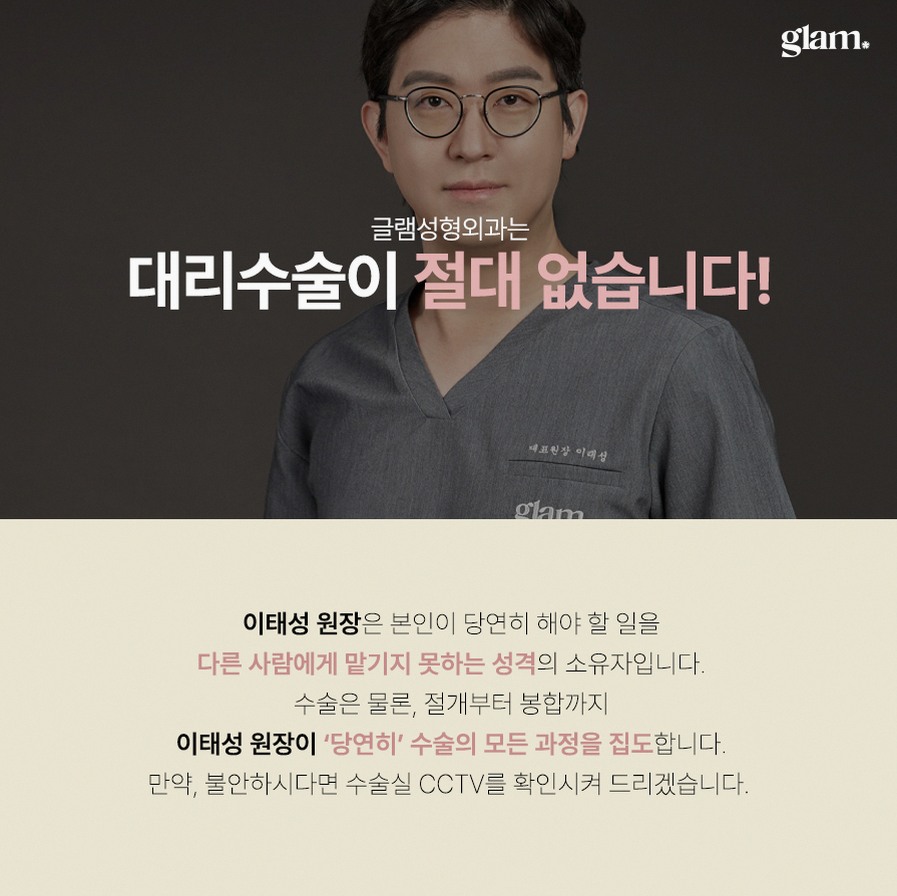
In complex revision surgery, consistency matters. Ideally, the same experienced facial bone surgeon should handle your consultation, design your surgery, perform the key operative steps, and follow you after surgery.
Ask whether the lead surgeon directly performs the operation or delegates major parts to others. A surgeon-led system from start to finish can reduce miscommunication and help align expectations with actual surgical planning.
Anesthesia safety
Facial bone operations are usually performed under general anesthesia.
Ask whether the clinic has a resident anesthesiology specialist or relies on temporary staff. For overseas patients, this is a key safety factor.
Ethical and conservative treatment planning
Revision patients often worry about being recommended unnecessary procedures. A good clinic will have a philosophy of proposing only the minimum necessary surgery to achieve meaningful improvement.
During consultation, pay attention to whether the surgeon explains both surgical and non-surgical options, discusses limitations honestly, and is willing to say no to overly aggressive plans.
How a facial bone–specialized center in Gangnam plans chin revision
A structured evaluation and planning process is essential in revision cases. Here is how a facial bone–focused center in Sinsa, Gangnam typically approaches these operations.
Detailed consultation
The first step is to listen carefully to your concerns. You should have time to explain what bothers you from the front, side, and three-quarter views, and how your face feels in daily life.
If you have previous operative notes, X-rays, CT scans, or photos from before and after your first surgery, bring or send them in advance. These materials help the surgeon understand what was done and why your current shape looks the way it does.
Imaging and analysis
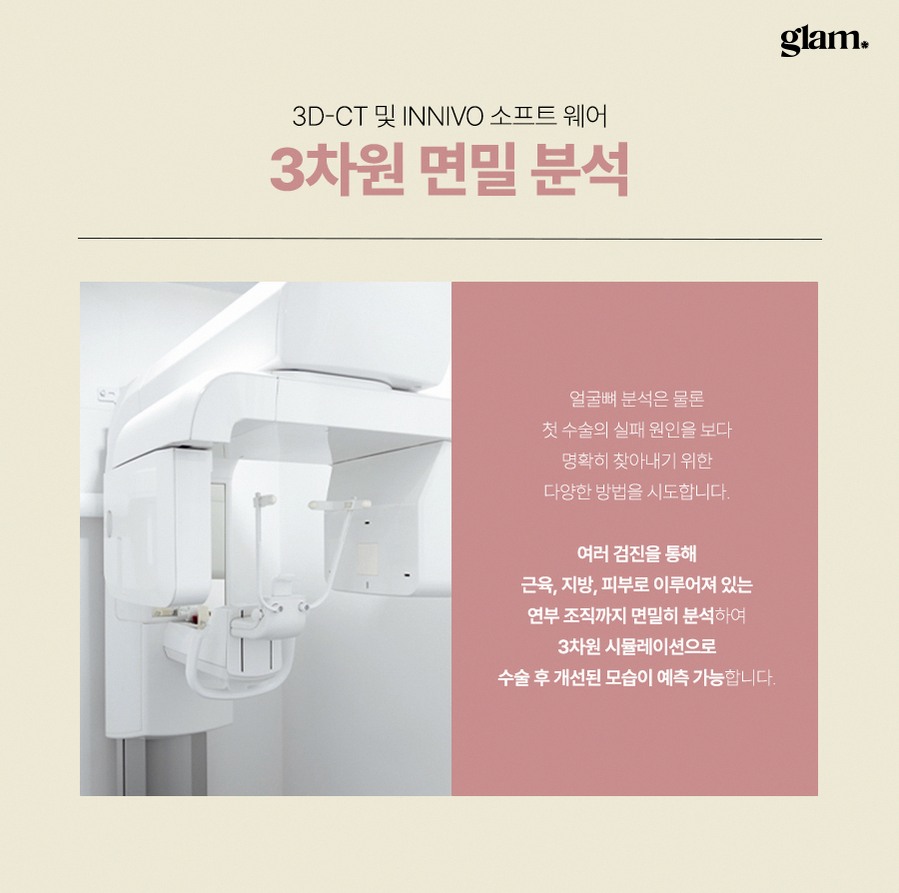
Modern imaging is crucial. The clinic will usually perform facial bone X-rays and CT scans to evaluate the current bone position, previous osteotomy lines, fixation plates or screws, and symmetry.
Photographic analysis from multiple angles helps connect the internal bone structure with the external appearance. The surgeon can then simulate different options and explain what is realistically achievable.
Functional assessment
Beyond appearance, the surgeon should check your bite, jaw movement, and any joint discomfort. If there are significant occlusion issues, the clinic may recommend evaluation for double jaw surgery or collaboration with other specialists, rather than simply reshaping the chin.
This step is important to avoid correcting the visible chin while leaving deeper functional problems unaddressed.
Individualized surgical design
Based on your goals and the imaging results, the surgeon will design a personalized plan. Options may include re-cutting the chin segment, adjusting its position, changing or removing fixation hardware, smoothing irregular bone edges, or adding contouring along the jawline.
In some cases, combining chin revision with mandibular angle or body contour revision can correct an unnatural V-line or step deformity and create a smoother, continuous jawline.
Not every case needs extensive re-cutting. Sometimes minimal contouring, limited adjustment, or focusing on one side of the chin is safer and more effective. A careful surgeon will explain why a simpler plan may be better in your specific situation.
Surgical approaches and techniques in simple terms
While the technical details are complex, it is helpful to understand the main types of changes that can be made during chin revision surgery.
Revising previous genioplasty cuts
If you previously had a sliding genioplasty, the surgeon may re-open the area, expose the existing bone cut, and adjust the chin segment. This can involve moving it forward, backward, up, or down, or rotating it slightly to correct asymmetry.
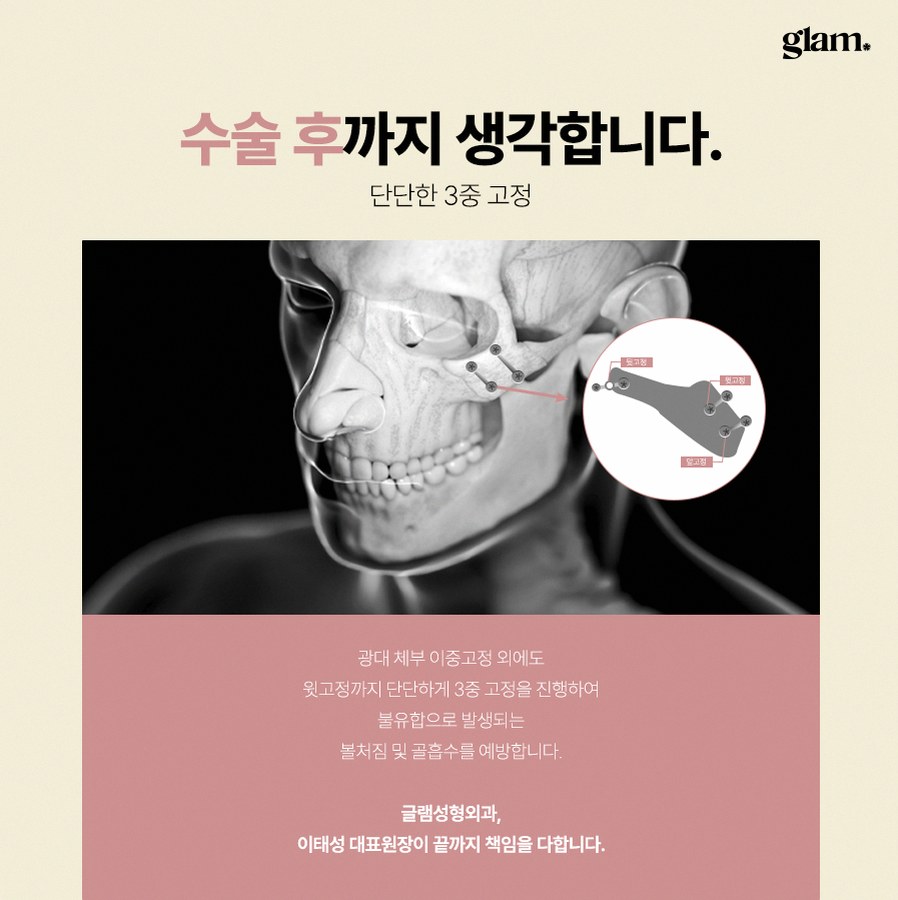
Irregular bone edges from the first surgery can be smoothed to reduce steps or bumps along the jawline.
Adjusting projection and length
For a chin that is still receding, the surgeon may move the segment forward or adjust the angle to create more projection. For a chin that is too long or too prominent, controlled reduction or repositioning can restore balance.
The aim is not just to change the chin itself but to harmonize it with the nose, lips, and neck in both frontal and profile views.
Combining with mandibular contour revision
If the previous surgery created an overly sharp V-line or visible steps between the chin and jaw body, revision may extend beyond the chin tip.
The surgeon may contour the mandibular angles and body to create a smoother curve from ear to chin, reducing harsh lines or dents. This combined approach is often more natural than changing only the very front of the chin.
Supportive, limited revisions
In some patients, the safest option is a limited revision that focuses on smoothing irregularities or making small positional adjustments rather than completely redoing the osteotomy.
A responsible surgeon will discuss the risks and benefits of each level of intervention and may recommend a conservative plan if your bone volume or soft tissue condition is limited.
Postoperative care and recovery after revision
Recovery after chin revision is similar to primary facial contouring but can be slightly longer due to scar tissue and more complex dissection.
Typical recovery timeline
Swelling is usually most noticeable during the first week, then gradually decreases over several weeks. Many patients feel presentable for light social activities after 2 to 3 weeks, although subtle swelling can last longer.
Numbness or altered sensation around the chin and lower lip can occur and often improves gradually over time, but the exact course varies by individual.
Swelling control and soft tissue management
Because the soft tissues have already been operated on once, careful swelling control is important. The clinic may provide compression garments, cooling, and detailed instructions on sleeping position, oral hygiene, and activity restrictions.
Structured post-surgery care programs
Some facial bone–specialized clinics in Gangnam offer structured post-surgery care programs to support recovery. These are not substitutes for surgery but can help with edema and soft tissue condition.
Examples include LED therapy to support skin recovery, facial dome care for gentle pressure and circulation, total skin reset programs, and radiofrequency lifting devices used in a low, appropriate setting for post-op management.
These treatments are usually scheduled over several visits and are adjusted according to your healing stage and sensitivity.
Online consultation and pre-visit preparation for overseas patients
If you live outside Korea, an online consultation is often the first step. Preparing well can make this process more accurate and efficient.
Photos and imaging
Before your online consultation, prepare clear photos of your face from the front, both sides, and both three-quarter angles. Take them in good lighting, with your hair pulled back and no filters.
If you have previous X-rays, CT scans, or operation records, ask your local clinic to provide digital copies. Sending these in advance allows the surgeon to understand your current bone structure and past procedures.
Medical and surgery history
Prepare a short summary of your medical history, including previous facial surgeries, any chronic conditions, medications, allergies, and issues with anesthesia in the past.
Also list your current symptoms: areas of discomfort, numbness, tightness, or bite changes. Be as specific as possible.
Questions to ask during online consultation
It can help to write down your questions before the video call or messaging consultation. Examples include:
How does the surgeon evaluate my current chin and jawline in relation to my whole face?
What are the realistic options for revision in my case, and what are the limitations?
Would my situation ever require double jaw surgery instead of, or in addition to, chin revision?
What is the approximate recovery timeline for someone traveling from overseas?
How many similar revision cases has the surgeon handled recently?
A good clinic will answer these questions clearly and will not promise guaranteed results.
Expected Korea visit timeline for chin revision
While each clinic has its own system, many overseas patients follow a similar schedule when coming to Sinsa, Gangnam for chin contouring revision.
First visit and in-person evaluation
Plan to arrive in Korea at least 2 to 3 days before the planned surgery date. This allows time for in-person consultation, physical examination, X-rays, CT scans, blood tests, and final planning.
Surgery day
On the day of surgery, you will usually arrive at the clinic in the morning. After pre-anesthesia checks, the anesthesiology specialist induces general anesthesia, and the facial bone surgeon performs the planned revision.
Depending on the clinic’s system and your condition, you may stay for monitoring for several hours or overnight.
Early postoperative period in Korea
Most overseas patients stay in Korea for at least 10 to 14 days after surgery. During this period, you will have follow-up visits for wound checks, suture removal if needed, and early post-op care such as swelling management programs.
The clinic will provide instructions for oral care, diet progression, sleeping position, and activity limitations. They may also schedule LED therapy, facial dome care, or other supportive treatments.
Return home and remote follow-up
After returning home, you can usually continue follow-up through online consultations and photo updates. It is important to contact the clinic promptly if you notice unusual pain, swelling, or other concerns.
When to consider double jaw or broader facial contour revision
Not every unsatisfactory chin result can be solved by working on the chin alone. In some cases, the underlying issue involves the entire jaw or facial skeleton.
Signs that broader revision may be needed
If your bite feels significantly off, or if your lower jaw as a whole is retruded or protruded, the surgeon may discuss whether double jaw surgery is more appropriate.
If the midface is very flat or the lower face is long, simply moving the chin may not create the balance you expect. In these situations, a comprehensive facial contour revision plan may be considered.

Role of a facial bone–specialized clinic
A center that routinely performs both double jaw and facial contouring surgeries is better positioned to evaluate these complex relationships. The surgeon can explain whether chin revision alone is sufficient or whether a staged or combined approach is safer and more effective.
Summary and consulting a specialist clinic in Sinsa, Gangnam
Choosing the best clinic for chin correction revision surgery means looking beyond simple advertising. Focus on specialization in facial bone surgery, long and focused experience, solid academic work, a dedicated anesthesiology specialist, and a conservative, ethical approach to planning.
For overseas patients, location and accessibility also matter. A clinic located on Dosan-daero in Sinsa, Gangnam, about 200 meters from Sinsa Station Exit 1, with weekday and Saturday hours and no lunch break, can be convenient when scheduling multiple visits and post-op care.
GLAM Plastic Surgery is an example of a center that focuses solely on facial bone surgery, with one facial bone specialist surgeon and one anesthesiology specialist working together on complex revision cases. The clinic offers multilingual channels in Japanese, English, and Thai, which can make communication easier for international patients.
If you are considering chin contouring revision in Seoul, an online consultation is a practical first step. By sharing your photos, previous imaging, and concerns, you can receive a personalized assessment and decide whether traveling to Sinsa, Gangnam for in-person evaluation and surgery is appropriate for you.




- 공유 링크 만들기
- X
- 이메일
- 기타 앱


댓글
댓글 쓰기