Revision: When to Consider Revision and What to Expect in Seoul
- 공유 링크 만들기
- X
- 이메일
- 기타 앱
Direct answer summary
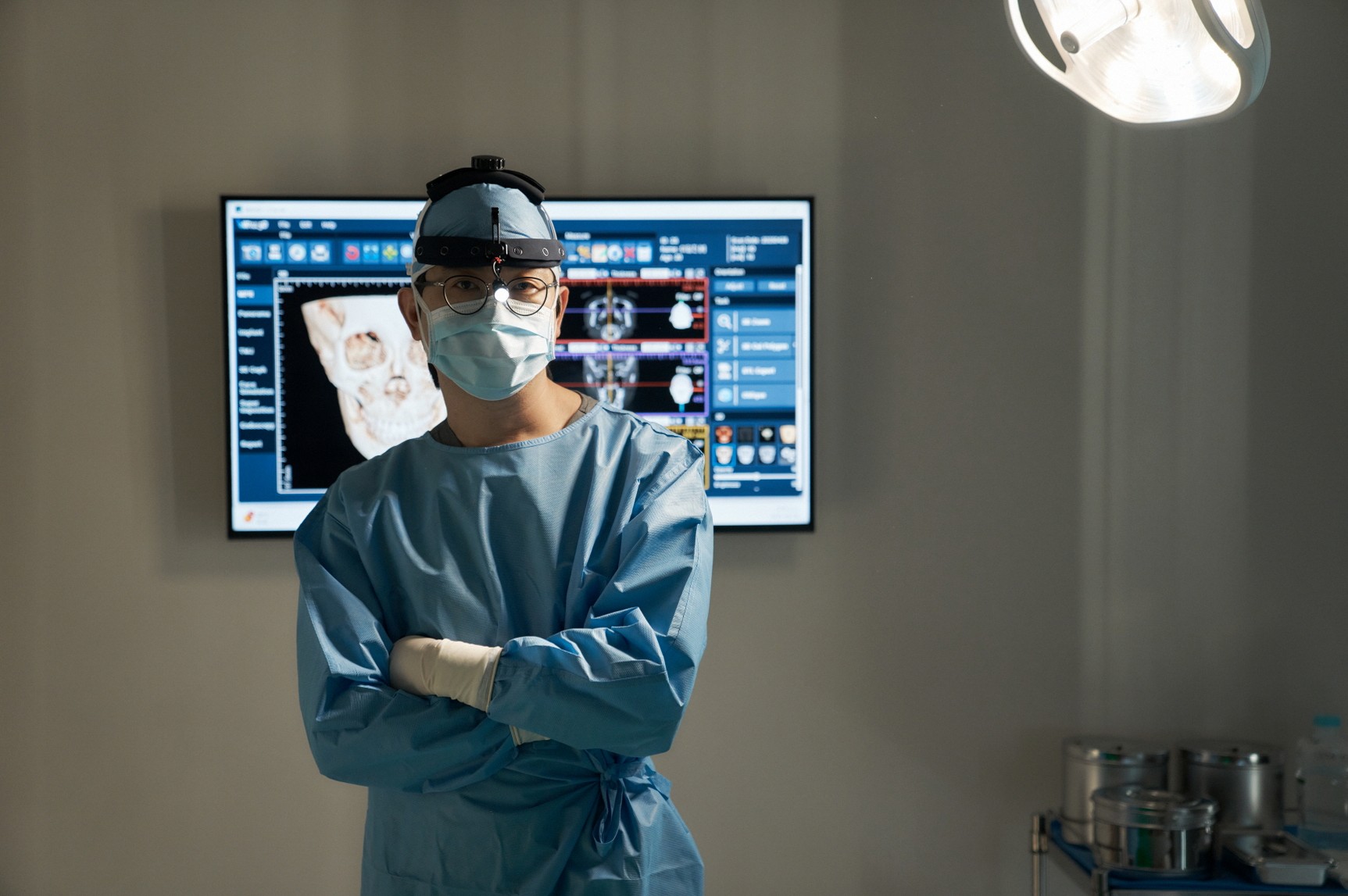
Revision facial contouring surgery is a type of facial bone surgery performed to correct or improve problems after a previous jawline, cheekbone, V line, chin, or double jaw operation. It can address asymmetry, irregular bone lines, functional issues such as bite problems, and dissatisfaction with overall facial balance. Because the bone has already been cut and nerves and soft tissues have been disturbed once, revision is usually more complex than the first surgery and requires careful, conservative planning by a surgeon focused on facial bone surgery.
This guide explains when revision may be needed, who might be a candidate, how it is evaluated and performed, what to expect when traveling to Seoul for treatment, and how a specialized clinic such as GLAM Plastic Surgery approaches safety and aftercare.
What is facial bone surgery and facial contouring
Facial bone surgery overview
Facial bone surgery includes operations that change the shape and position of the facial skeleton. This can involve the cheekbone, jaw angle, chin, and the upper and lower jaw. By modifying these structures, surgeons can change the width, length, and projection of the face, and in some cases also improve functional issues such as bite alignment.
Facial contouring surgery
Facial contouring surgery usually refers to procedures that refine the outline of the face without necessarily moving the whole jaw structure. Common examples include cheekbone reduction, square jaw reduction, V line surgery, and chin reshaping. These procedures aim to create a smoother, more balanced facial line from the cheekbones down to the chin.
Double jaw surgery is different in that it repositions the upper and lower jaws to correct skeletal malocclusion and facial imbalance, but it is often combined with contouring procedures.
Revision facial contouring surgery
Revision facial contouring surgery is secondary facial bone surgery performed after a previous contouring or double jaw operation. The goal is to correct structural or aesthetic problems that remain or appeared after the first surgery. Because the anatomy has already been altered, revision requires detailed imaging, precise diagnosis, and a conservative approach.
Why patients consider revision facial bone surgery
Common reasons for revision
Patients who seek revision facial contouring after square jaw, cheekbone, V line, chin reshaping, or double jaw surgery often report one or more of the following:
Persistent or new facial asymmetry, where one side looks wider, lower, or more projected than the other.
Over resection of bone, where the face looks too narrow, too short, or too small compared to the rest of the features.
Under resection of bone, where the jawline or cheekbones still look too wide or bulky despite surgery.
Step deformity or bumpy jawline, where irregular bone cuts or transitions create visible steps or uneven contours along the jaw.
Sagging soft tissue after bone reduction, such as jowls, hollow cheeks, or loose skin around the mouth and jaw because the bone support was reduced.
Functional issues, including bite problems after double jaw surgery, difficulty chewing, jaw joint discomfort, or persistent numbness that needs evaluation.
Psychological dissatisfaction with overall facial balance, even if the technical result is acceptable, because the new facial proportions do not match the patient’s expectations.
When more bone cutting is not the answer
It is important to understand that not every dissatisfaction is solved by further bone reduction. In some cases, the bone structure is already thin and well aligned, and the main issue is soft tissue adaptation, skin laxity, or expectations that are not anatomically realistic.
For these patients, safer options may include minimal bone refinement, soft tissue lifting, fat grafting, or non surgical treatments to improve contour and skin quality. A responsible facial bone surgery specialist will explain when the risk of additional bone cutting outweighs the potential benefit.
Who may consider revision facial contouring
Timing after the first surgery
Most patients are advised to wait until the main healing period after their first facial bone surgery is complete before considering revision. This usually means at least 6 to 12 months, depending on the type of surgery, bone healing, and the degree of swelling.
During this time, swelling gradually reduces, soft tissue settles, and nerve function may continue to recover. Some asymmetries or irregularities that look severe at 2 or 3 months can improve significantly by 9 to 12 months. For this reason, a specialist will often recommend careful observation before deciding on revision, unless there is a clear structural problem such as severe malposition or functional impairment.
Structural indications
Revision facial contouring is more likely to be considered when imaging and examination show clear structural issues, such as:
Asymmetry or malpositioned bone segments after previous cuts.
Irregular or sharp bone edges causing visible steps or palpable bumps.
Overly aggressive reduction leading to instability or disharmony with the rest of the face.
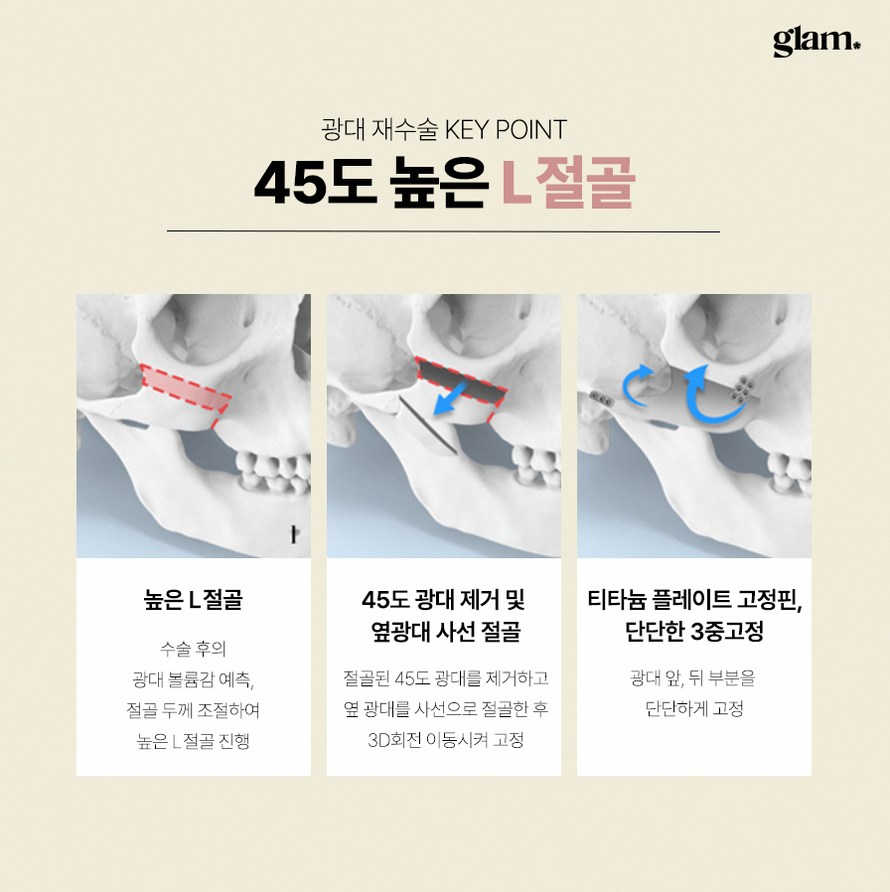
Chin segments that are off the midline or misaligned with the dental midline.
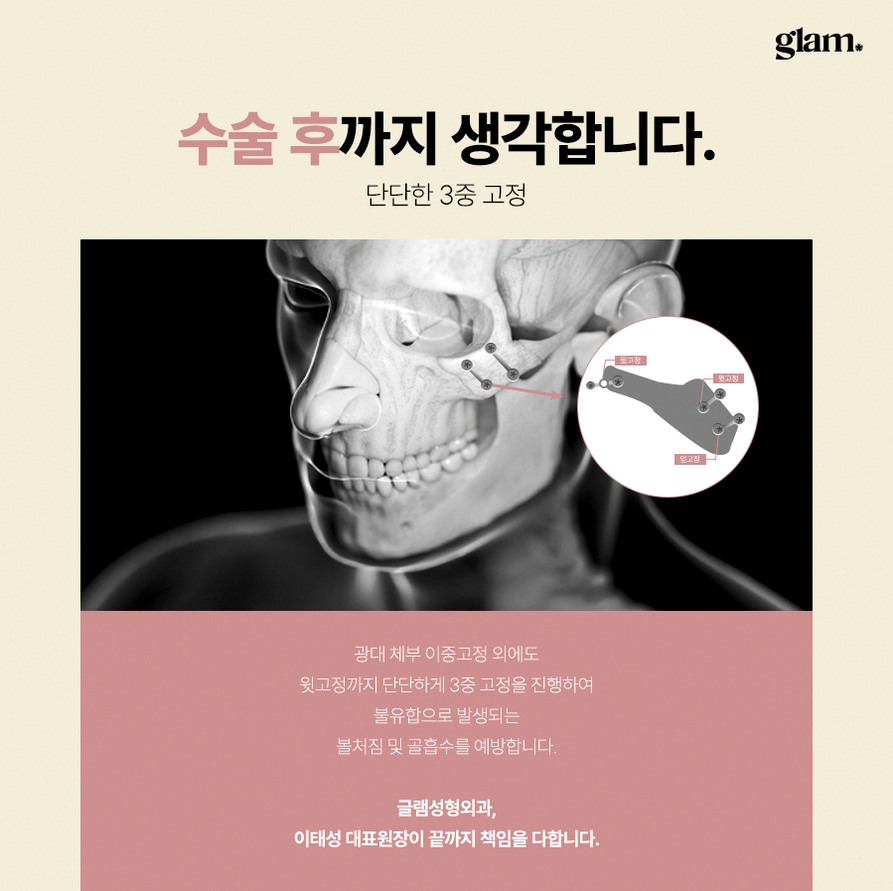
Jaw or cheekbone fixation plates and screws that contribute to asymmetry or discomfort.
Realistic expectations
Good candidates for revision are those who understand both the possibilities and the limitations of secondary surgery. They accept that:
The goal is improvement, not perfection.
Some asymmetry is natural and may remain even after revision.
Soft tissue quality and skin elasticity can limit the final contour.
Recovery may be longer and more unpredictable than after the first surgery.
When revision may be limited or not recommended
In some situations, revision facial bone surgery may be unsafe or offer little benefit. Examples include:
Severely thinned or weakened bone due to previous extensive reduction, where further cutting could risk fracture or instability.
High risk of nerve damage, especially around the inferior alveolar nerve and mental nerve, if additional bone removal is attempted.
Unstable occlusion or bite issues that first require correction by jaw repositioning or other treatments.
Requests for extreme narrowing, shortening, or lengthening that are not compatible with safe bone anatomy or natural facial proportions.
In such cases, a conservative surgeon will explain the risks clearly and may recommend alternative approaches or advise against further bone surgery.
How revision facial bone surgery is evaluated and planned
Pre revision consultation
A thorough pre revision workup is essential. During the consultation, the surgeon will usually:
Review your previous operations, including operative records and preoperative photos if available. These help to understand what was done, where cuts were made, and how much bone was removed or moved.
Perform a detailed physical examination of facial symmetry, jaw movement, soft tissue condition, and bite alignment.
Listen carefully to your concerns, including what specifically bothers you, what you liked or disliked about your previous face, and what you hope to change.
Imaging and functional assessment
Accurate imaging is central to revision planning. This typically includes:
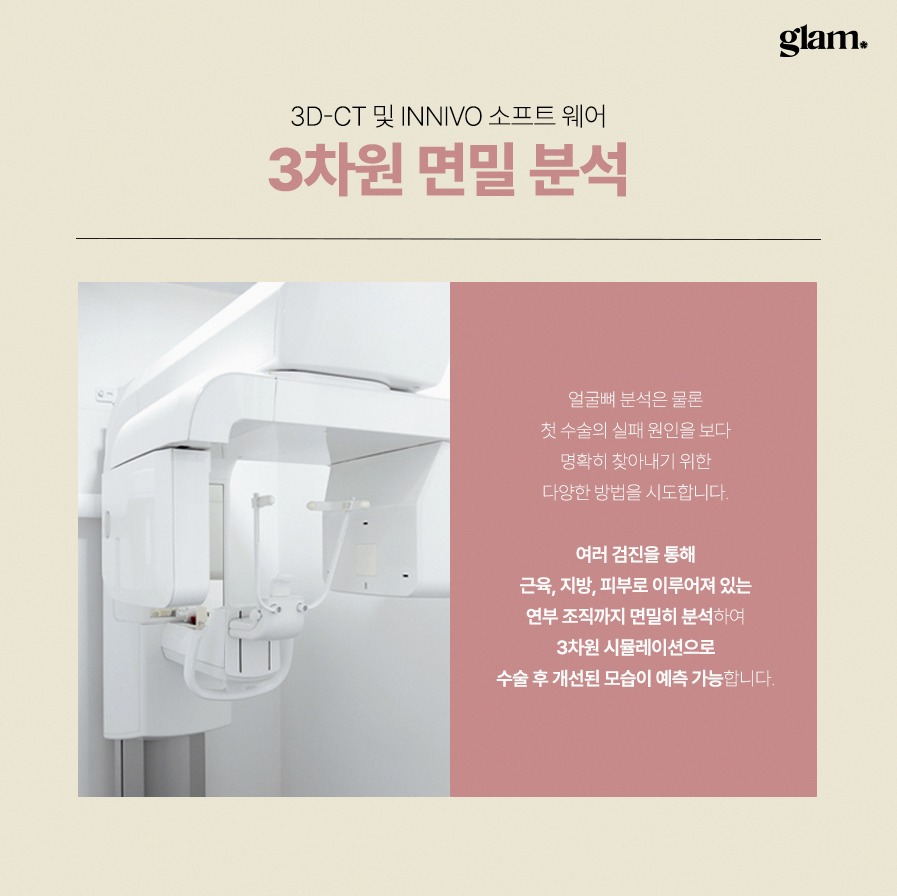
Facial X rays and 3D CT scans to visualize bone cuts, fixation plates and screws, nerve pathways, and remaining bone thickness.
Evaluation of the relationship between the upper and lower jaw, especially in patients who had double jaw surgery.
Assessment of jaw joint function, including any clicking, pain, or limitation in mouth opening.
These studies allow the surgeon to distinguish between problems caused by bone shape, bone position, or soft tissue behavior.
Individualized surgical plan
Based on the examination and imaging, an individualized plan is created. Key decisions include:
Whether the main problem is bone shape (irregular edges, steps), bone position (segments too far in, out, up, or down), or soft tissue (sagging, volume loss).
What minimal bone modifications can provide meaningful improvement while avoiding unnecessary trauma.
Whether revision of double jaw surgery is needed together with contouring revision to restore functional bite and facial balance.
How to manage existing plates and screws, and whether they should be removed, replaced, or left in place.
In a clinic that focuses on facial bone surgery, the planning process often involves careful simulation and discussion with the patient to align expectations and surgical goals.
Surgical approaches in revision facial contouring
Cheekbone revision
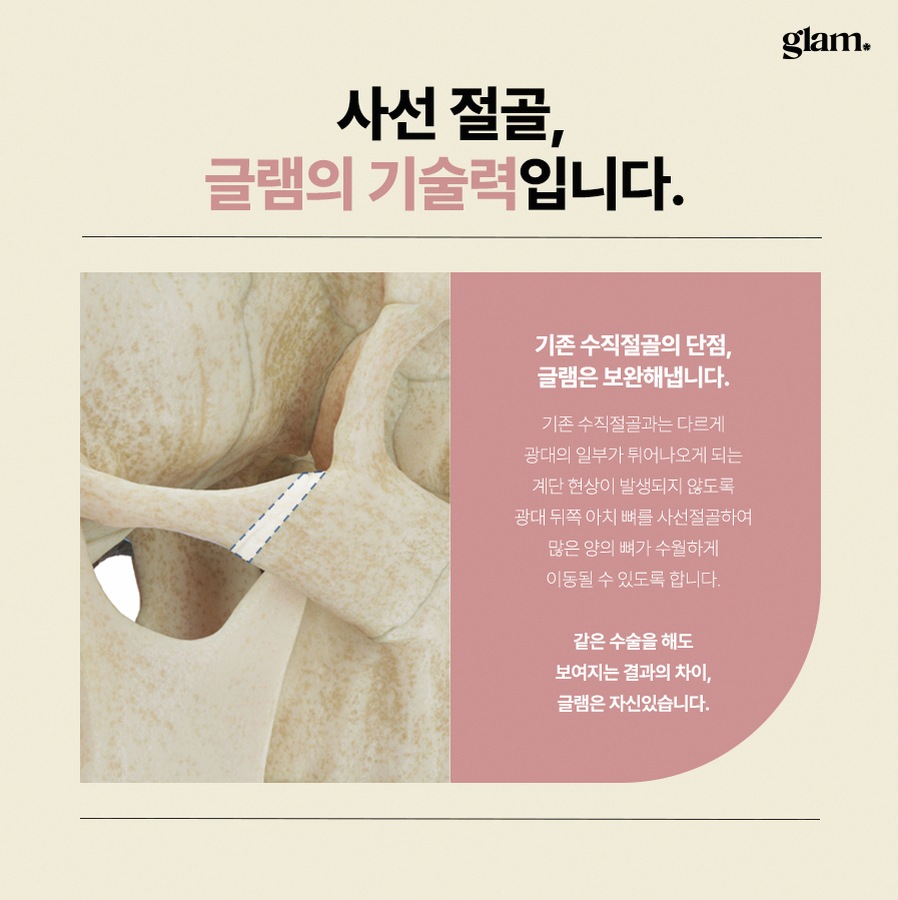
After cheekbone reduction, some patients experience over setback, under correction, or asymmetry between the left and right sides. Others develop step deformities where the front cheek area meets the side cheekbone.
Revision cheekbone surgery may involve repositioning segments that were moved too far back, refining irregular junctions, or adjusting one side to better match the other. Because the cheekbone is closely related to the eye area and nerve pathways, this type of revision requires precise technique and conservative decision making.
Square jaw revision
Revision after square jaw reduction often focuses on refining an irregular or overly straight jawline. Common issues include:
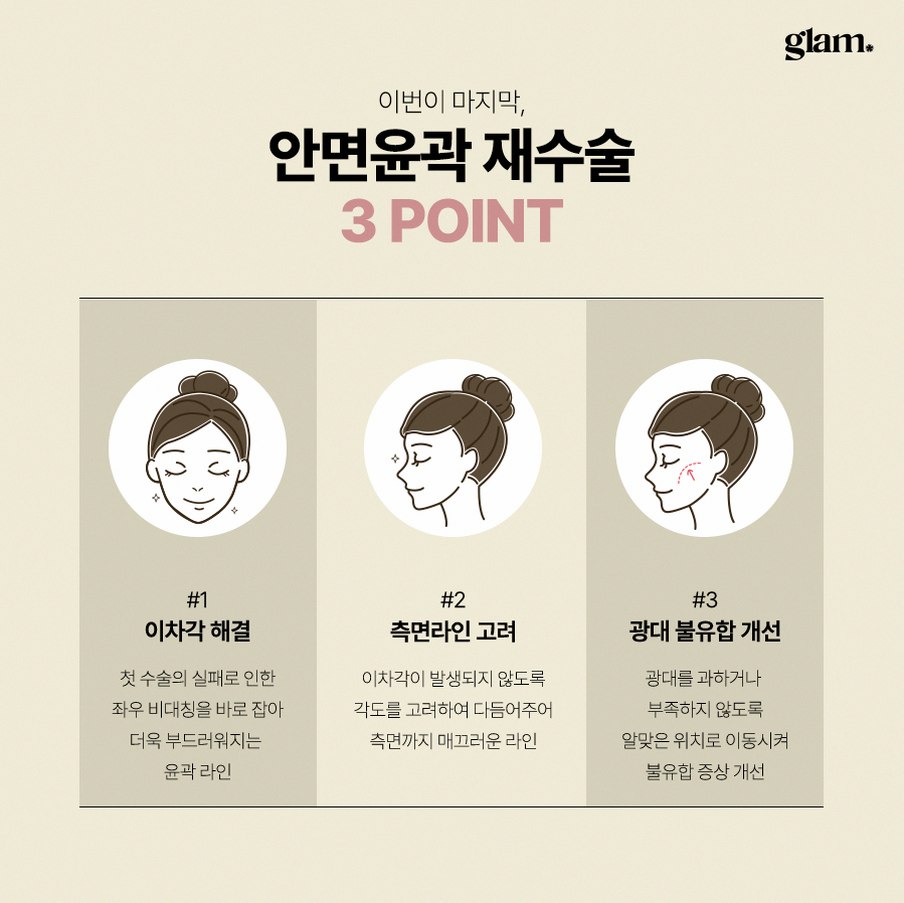
A remaining bulky angle that still looks wide.
An overly straight or flat lower border that looks unnatural.
Palpable steps or edges where the angle cut meets the front part of the jaw.
Revision may smooth these transitions, slightly restore a more natural curve, or correct asymmetry between sides. Since the bone may already be thin, the surgeon must carefully assess how much additional reshaping is safe.
V line and chin revision
V line and chin reshaping can sometimes lead to a chin that is too pointy, too short, too narrow, or deviated from the midline. Revision surgery in this area may:
Adjust chin length and width to better match the rest of the face.
Correct midline deviation so that the chin aligns more closely with the facial center.
Refine an overly sharp or blunted chin tip to a more natural contour.
Because nerves and tooth roots are close to the chin area, the margin for additional bone work is often smaller in revision cases.
Combined cases with previous double jaw surgery
Some patients have both double jaw surgery and contouring procedures. In these complex cases, revision may need to address the relationship between jaw position, chin shape, and lower face contour at the same time.
The surgeon must coordinate any change in jaw position with the bite, jaw joint function, and facial aesthetics. Sometimes, revision double jaw surgery is required to restore a stable bite, while contouring revision fine tunes the outer shape.
Working with altered anatomy
Revision facial bone surgery often involves working around existing plates, screws, and scar tissue. Nerve pathways may be closer to the bone surface than before, and bone thickness may be reduced.
This altered anatomy increases the difficulty and risk of the procedure. For this reason, many patients seek a clinic that focuses specifically on facial bone surgery and has extensive experience with revision cases.
Safety, risks, and realistic expectations
Risks that are higher in revision surgery
While all facial bone surgery carries risk, certain complications are more likely in revision cases, including:
Nerve injury or prolonged numbness, especially in the lower lip and chin area.
Bone instability or fracture due to already reduced thickness.
Worsening of bite alignment or jaw joint symptoms if the plan does not fully account for functional relationships.
Additional soft tissue sagging if bone support is further reduced without countermeasures.
How specialized care can help manage risk
A clinic that concentrates on facial bone surgery can help reduce these risks by:
Using detailed imaging and preoperative analysis to understand the existing anatomy and nerve positions.
Designing precise osteotomies and fixation strategies tailored to the remaining bone.
Prioritizing conservative changes, aiming for the minimum necessary correction rather than aggressive reshaping.
At GLAM Plastic Surgery in Sinsa, Gangnam, operations are performed by a lead surgeon. As of February 2025, the lead surgeon has 20 years of experience in facial bone surgery and a strong academic background, supported by an anesthesiology and pain medicine specialist responsible for anesthesia and perioperative safety. The clinic’s philosophy emphasizes recommending only the minimum necessary surgery, which is particularly important for revision patients who are understandably worried about overtreatment.
Setting realistic goals
Even with careful planning and skilled execution, revision surgery cannot always completely normalize all issues. Some degree of asymmetry, minor irregularities, or texture differences in soft tissue may remain. Clear communication before surgery helps patients understand what level of improvement is realistically achievable in their specific case.
Postoperative care and recovery after revision
Typical recovery course
Recovery after revision facial contouring can be slower than after the first surgery because of scar tissue and previous changes to blood supply and nerves. Patients can expect:
Swelling that may be more pronounced and last longer, often several weeks to a few months before a stable contour appears.
Numbness, tingling, or tightness that gradually improves but can take months to settle.
Temporary difficulty with chewing and speaking clearly, depending on the surgical area.
Need for careful oral hygiene and a soft diet if the surgery involves the jaw or chin.
Structured aftercare programs
Some clinics in Seoul offer structured post surgery care programs to support healing and help the soft tissues adapt to the new bone contour. These may include:
LED therapy to support circulation and reduce swelling.
Facial dome treatments to encourage gentle lymphatic drainage.
Skin reset programs to improve skin texture and help it drape more smoothly over the new facial structure.
Radiofrequency lifting to support skin tightening and reduce sagging over time.
At a facial bone focused clinic, these treatments are usually scheduled at specific intervals after surgery, based on swelling and healing progress.
Follow up and monitoring
Regular follow up visits are important to monitor bone healing, nerve recovery, and soft tissue adaptation. When necessary, imaging such as X rays or CT scans may be repeated to confirm that bone segments are stable and healing as planned.
If you are traveling from overseas, the clinic will typically arrange an initial intensive follow up period in Seoul, followed by remote check ins using photos, video calls, and local imaging when needed.
Preparing for revision facial bone surgery as an overseas patient
Online consultation and pre visit preparation
Before you decide to travel to Korea, an online consultation is usually the first step. To make this consultation as accurate as possible, prepare the following:
Clear front, 45 degree, and side view photos of your face in good lighting.
Preoperative and postoperative photos from your first surgery, if available.
Operative records and imaging reports from your previous clinic, especially if they include CT scans or detailed descriptions of bone cuts.
A written list of your main concerns, in order of priority, and what you hope to change.
Information about any ongoing symptoms, such as pain, numbness, bite problems, or jaw joint noises.
During the online consultation, the surgeon or coordinator will explain whether revision seems feasible, what additional tests are needed in Seoul, and a rough outline of the possible plan. This is also the time to ask about expected recovery, length of stay, and follow up schedule.
Expected Korea visit timeline
Although exact plans vary, many overseas patients can expect a schedule similar to the following:
First 2 to 3 days: In person consultation, physical examination, imaging (X rays, 3D CT), and final surgical planning. Additional time may be needed if complex bite or jaw joint issues must be evaluated.
Surgery day: Admission, anesthesia evaluation, surgery, and early recovery in the clinic.
First week after surgery: Frequent follow up visits for wound checks, swelling management, and medication adjustments. Some clinics start gentle aftercare treatments during this period.
Second week and beyond: Suture removal if needed, further swelling control, and progression to a more normal diet and activity level. Many patients stay in Korea for about 2 to 3 weeks after revision facial bone surgery, though this can vary depending on the extent of the procedure and individual healing.
After returning home: Remote follow up using photos and video calls, with additional imaging arranged locally if requested by the surgeon.
Clinic positioning and support for international patients
GLAM Plastic Surgery is located near Sinsa Station in Gangnam, Seoul, and focuses exclusively on facial bone surgery, including double jaw and facial contouring with a significant number of revision cases. The clinic does not offer eye, nose, or body procedures, which reinforces a single specialty image.
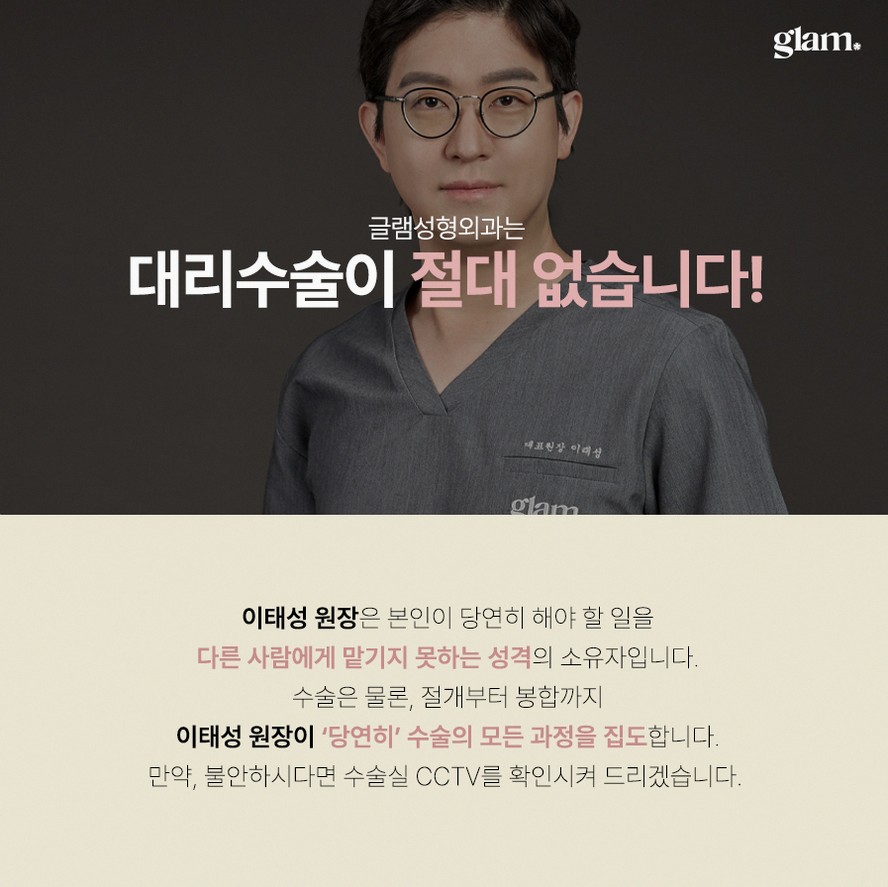
The lead surgeon has medical training from a top national university hospital system, fellowship‑level experience in plastic surgery, and, as of February 2025, has authored 13 SCI‑level papers in the contouring and double jaw field, including 3 papers in Plastic and Reconstructive Surgery. Operations are performed directly by this surgeon, rather than being delegated.
For international patients, the clinic provides multilingual channels in Japanese, English, and Thai, as well as social media accounts where you can see educational content and case discussions. This can make communication smoother and help you understand the process before you travel.
Frequently asked questions about revision facial contouring
How long should I wait after my first facial bone surgery before considering revision
In most cases, you should wait at least 6 to 12 months after your first facial bone surgery before deciding on revision. This allows swelling to subside, soft tissues to settle, and nerves to recover as much as possible. Some irregularities that look severe at 3 months may improve significantly by 9 to 12 months. However, if you have serious functional problems such as severe bite issues or obvious bone malposition, an earlier evaluation by a specialist is recommended, even if actual revision is scheduled later.
Can revision facial contouring fix asymmetry completely
Revision surgery can often improve noticeable asymmetry, but complete symmetry is rarely realistic. Human faces are naturally asymmetric, and in revision cases the bone and soft tissue have already been altered once. The goal is usually to reduce obvious differences between sides and create a more harmonious overall impression, rather than to achieve a perfectly mirrored face. A detailed consultation and imaging will help your surgeon explain how much correction is likely in your specific case.
Is revision facial bone surgery more dangerous than the first surgery
Revision facial bone surgery often carries higher risk than primary surgery because the bone is thinner, nerves may be closer to the surface, and scar tissue changes the anatomy. Risks such as prolonged numbness, instability, or soft tissue sagging can be higher. That is why careful imaging, conservative planning, and a surgeon with focused experience in facial bone surgery are so important. While the risks cannot be removed completely, they can be managed with appropriate technique and realistic goals.
What tests are needed before revision facial contouring
Before revision, you will typically need facial X rays and a 3D CT scan to show the exact location of previous bone cuts, plates, screws, and nerve pathways. A physical examination of your face, bite, and jaw movement is also essential. If you had double jaw surgery, additional bite analysis and sometimes jaw joint evaluation may be required. Bringing your previous operative records and imaging helps the surgeon understand what was done and plan a safer revision.

I regret that my face became too small after contouring. Can bone volume be restored
In some situations, limited restoration of bone volume is possible using techniques such as repositioning existing segments, bone grafts, or implants. However, these methods have their own risks and are not suitable for every patient. Often, the focus is on improving overall balance by adjusting specific areas rather than trying to recreate your exact original bone structure. A detailed CT based evaluation is necessary to see what options are available and safe in your case.
Do I always need bite correction for revision after double jaw surgery
Not every patient who had double jaw surgery needs further bite correction. If your bite is stable and functional, and your main concern is contour, revision may focus on the jawline, chin, or cheekbones. However, if your bite is unstable, uncomfortable, or clearly misaligned, addressing the occlusion becomes a priority. In such cases, revision double jaw surgery combined with contouring revision may be discussed. The decision depends on a careful functional and imaging evaluation.
How long does swelling last after revision compared to the first surgery
Swelling after revision facial bone surgery often lasts longer than after the first operation. While major swelling usually improves within 2 to 4 weeks, residual swelling and stiffness can take several months to settle. Because tissues have been operated on before, they may react more strongly and recover more slowly. Structured aftercare, including gentle therapies and good self care, can support this process, but patience is still necessary.
What are signs that I should consult a specialist about possible revision
You should consider consulting a facial bone surgery specialist if, several months after your first surgery, you notice persistent or worsening asymmetry, obvious step deformities or bumps along the jaw, ongoing bite problems, difficulty chewing, jaw joint pain, or numbness that does not gradually improve. Also, if you feel that your face has become unnaturally small or unbalanced compared to your features, a professional evaluation can help determine whether revision, minor touch ups, or non surgical options are more suitable.
Soft call to action for online consultation
If you are an overseas patient who has already undergone facial bone surgery and are now worried about asymmetry, irregular contours, or functional issues, it is important not to rush into another operation without a clear diagnosis. A detailed online consultation with a clinic that focuses on facial bone surgery in Seoul can help you understand your current anatomy, possible options, and whether revision is truly necessary.
GLAM Plastic Surgery offers online consultations in multiple languages for patients considering revision facial contouring in Korea. By sharing your photos, previous records, and concerns in advance, you can receive individualized guidance and plan your potential visit to Sinsa, Gangnam with more confidence and realistic expectations.




- 공유 링크 만들기
- X
- 이메일
- 기타 앱


댓글
댓글 쓰기