revision in Seoul: 6–12 month wait and planning tips
- 공유 링크 만들기
- X
- 이메일
- 기타 앱
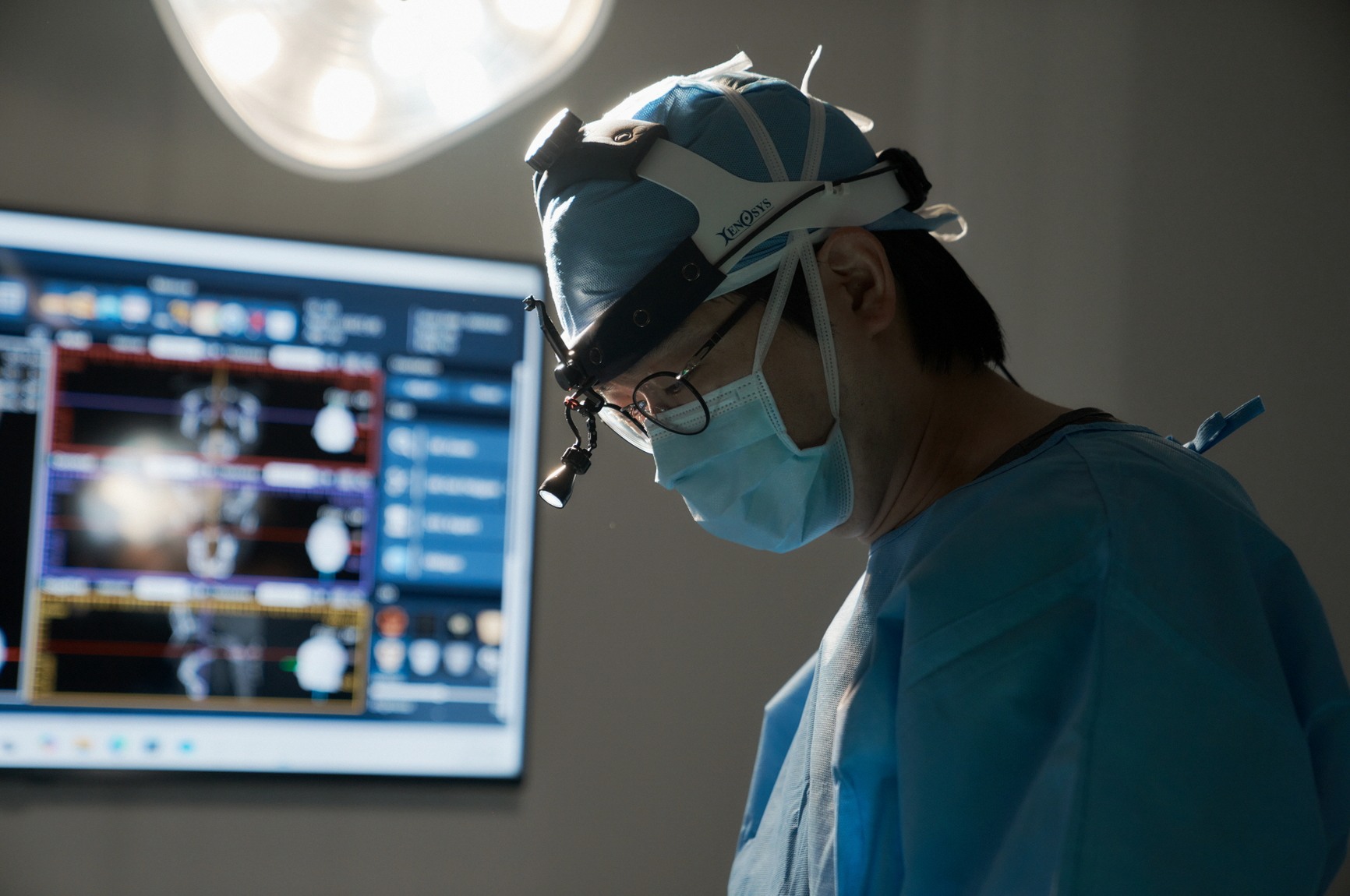
Direct answer summary
Behind-the-ear square jaw revision is a type of facial contouring revision surgery that focuses on correcting problems after a previous square jaw reduction where the bone was cut too far back toward or behind the ear. Instead of treating the skin or soft tissue, this surgery reshapes the remaining mandibular bone to smooth step-offs, improve asymmetry, and restore a more natural jaw angle as much as your anatomy allows. For international patients, careful imaging, realistic planning, and choosing a clinic focused on facial bone work are key, along with clear online consultation and a well-organized visit schedule in Seoul.
What is behind-the-ear square jaw revision
When the jaw angle is cut too far back
In standard square jaw reduction, the surgeon reshapes the lower border and angle of the mandible to make the lower face slimmer and more defined. Problems arise when the cut extends too far back toward or even behind the ear. In these cases, the natural curve of the mandibular angle can be lost, and the back part of the jaw may no longer connect smoothly with the front part.
Instead of a continuous line from chin to angle to the area in front of the ear, patients may feel or see a step between bone segments. The back of the jaw can look flat or hollow, and the transition near the ear can appear thick, bulky, or irregular, especially when viewed from the side or three-quarter angle.
Typical complaints after over-resection
Many patients searching for behind-the-ear square jaw revision share similar concerns:
The jawline looks broken or notched, as if there is a missing piece or a corner that does not flow smoothly.
The area behind or just in front of the ear feels flat, hollow, or indented when touched.
One side of the jaw looks different from the other, with uneven angles or lengths.
When smiling, turning the head, or taking photos from certain angles, the back of the jaw appears thick, lumpy, or unnatural.
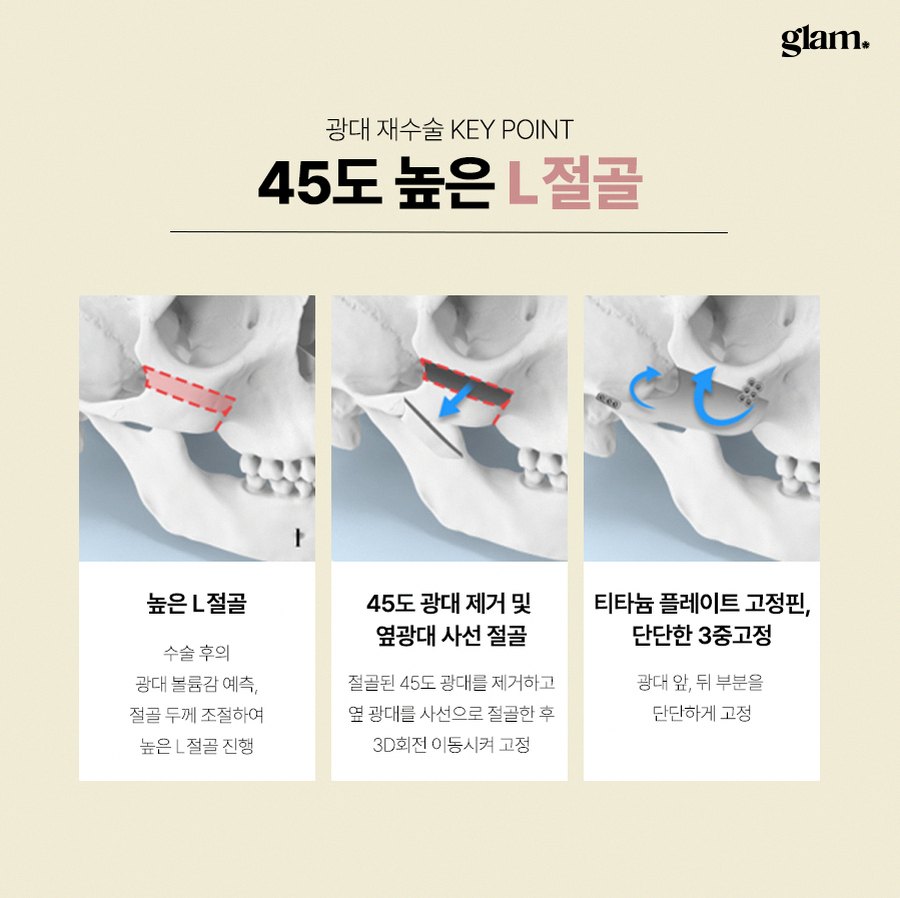
These issues come from the bone itself, not just the skin or soft tissue. That is why filler, thread lifting, or simple skin treatments usually cannot solve them. Revision in this area is a form of facial contouring surgery that directly addresses the mandibular bone.
Who may consider revision after a behind-the-ear cut
Common indications for revision
Revision is not necessary for every small irregularity. However, it may be considered when:
There is a visible or clearly palpable step-off at the mandibular angle.
Left and right angles are noticeably different in height, length, or shape.
Too much bone was removed, making the lower face look overly narrow, tired, or aged.
There is persistent tightness, discomfort, or a pulling sensation around the angle region that does not improve with time.
The back of the jawline feels unstable or very uneven when chewing or moving the mouth.
Waiting period after the first surgery
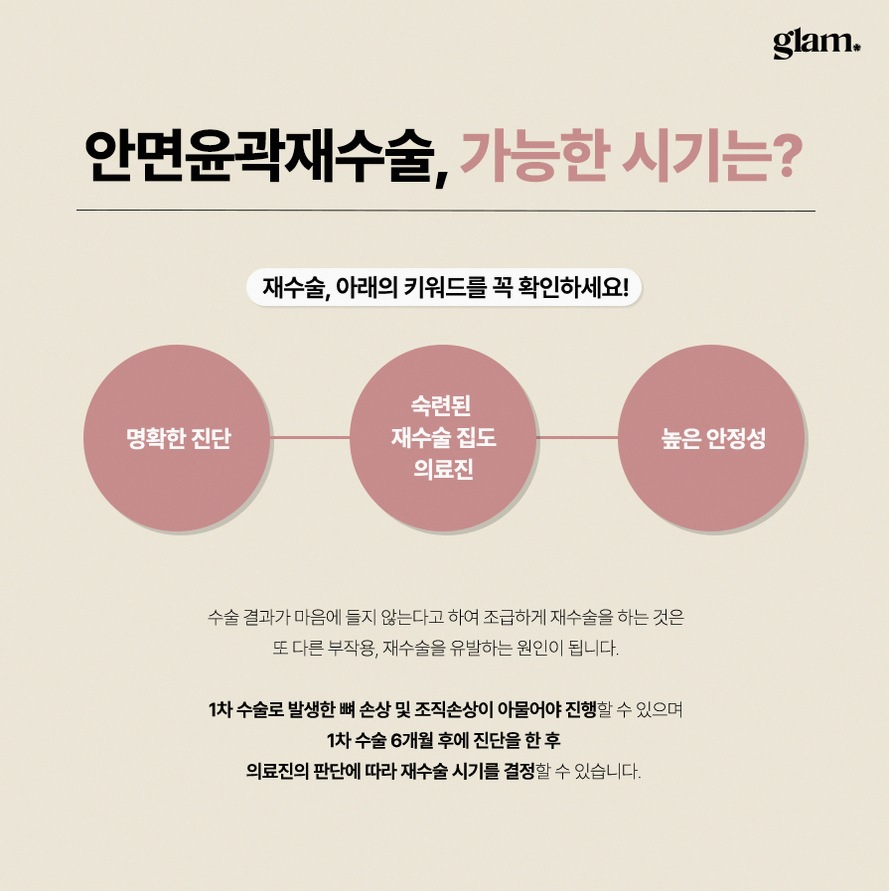
The jawbone and surrounding tissues need time to heal and stabilize. In most cases, surgeons recommend waiting around 6 to 12 months after the initial square jaw surgery before planning revision. This allows:
Swelling to fully settle so the true contour is visible.
Bone remodeling and healing to complete, making imaging more accurate.
Scar tissue to mature, which helps in predicting how tissues will behave after a second operation.
Earlier revision may be considered if there is a serious functional problem, such as severe bite changes or suspected bone instability, but this is less common. For most patients, patience during this waiting period is part of achieving a safer and more predictable revision.
Realistic expectations
Even with advanced techniques, some over-resected bone cannot be fully restored to its original shape. The goals of revision are usually to:
Smooth sharp steps and irregular edges.
Improve left-right symmetry as much as possible.
Recreate a more natural-looking angle line that suits the rest of the face.
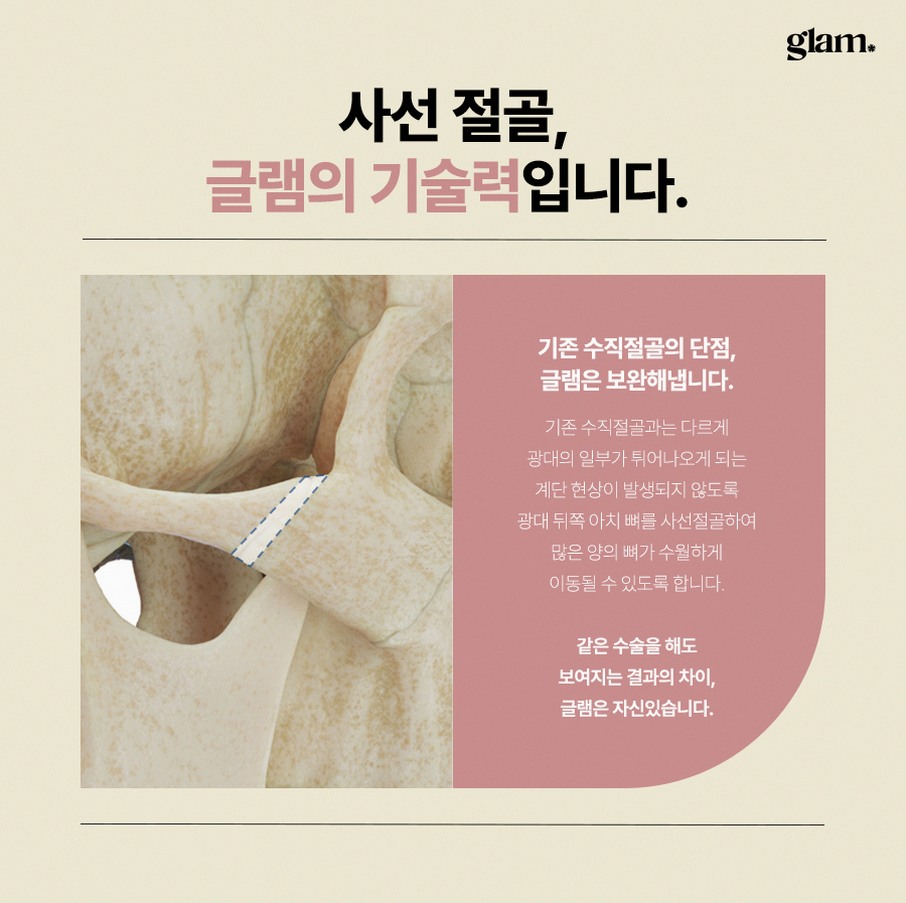
Perfect symmetry and a completely new jaw shape are not always realistic, especially when a large amount of bone has already been removed. A careful surgeon will explain what can and cannot be changed in your specific case.
Diagnostic workup and planning
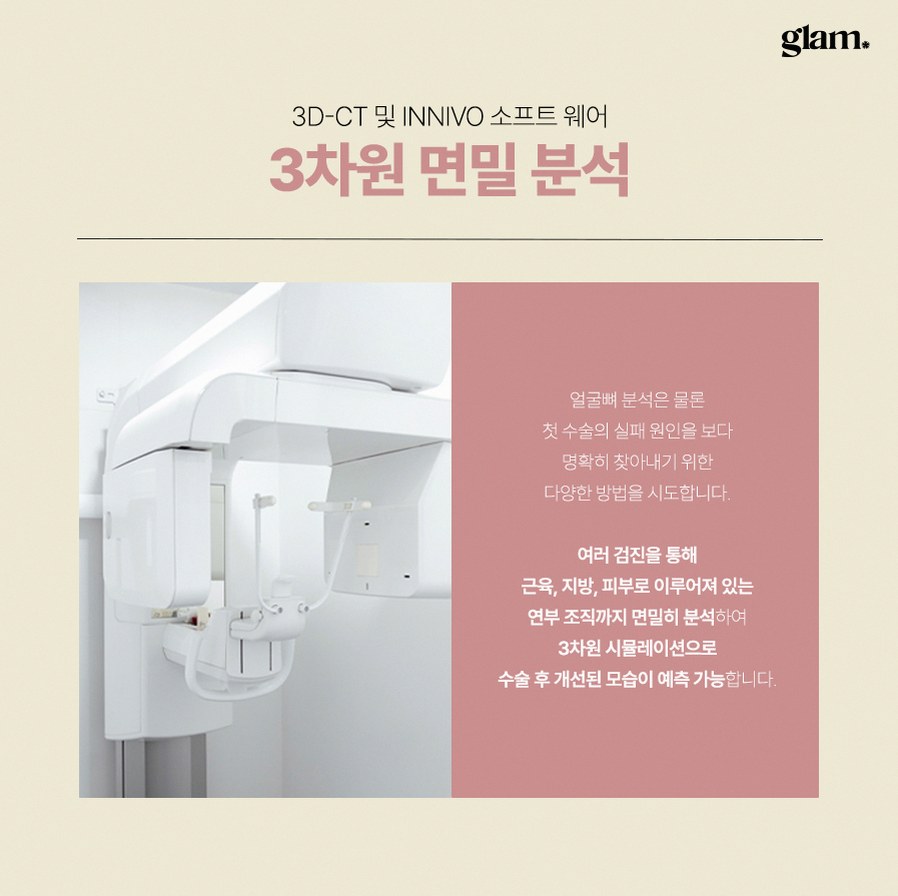
Why detailed imaging is essential
For behind-the-ear square jaw revision, surface photos are not enough.
Measure how much bone was removed and what remains.
See the exact shape of the remaining mandibular angle and lower border.
Check the position of the condyle in the joint area.
Identify step deformities, irregular surfaces, and thin or weakened bone segments.
This information helps the surgeon decide where bone can be safely reshaped, where it should be preserved, and whether any augmentation might be necessary.
Looking at the whole lower face, not just the ear area
Focusing only on the back angle can lead to new imbalances. A thorough revision plan also considers:
Chin position and width.
The line from chin to mid-body of the mandible to the angle.
How the lower face fits with the cheekbones, nose, and forehead.
Your bite and occlusion, to avoid creating or worsening functional problems.
Sometimes, a minor adjustment to the chin or mid-jaw area can help the overall contour look more harmonious, even if the main concern is behind the ear.
Why revision planning is more complex
Revision facial contouring is more demanding than first-time surgery because:
Scar tissue from the previous operation can make dissection more difficult and less predictable.
Blood supply patterns may be altered, so careful handling is needed to protect tissues.
There is less bone stock available, which limits how much further reduction can be done safely.
Nerves may be closer to the surface or to previously cut areas.
For these reasons, surgeons often take a conservative, step-by-step approach rather than attempting large, aggressive changes in one session.
Revision techniques for behind-the-ear square jaw problems
Smoothing and recontouring
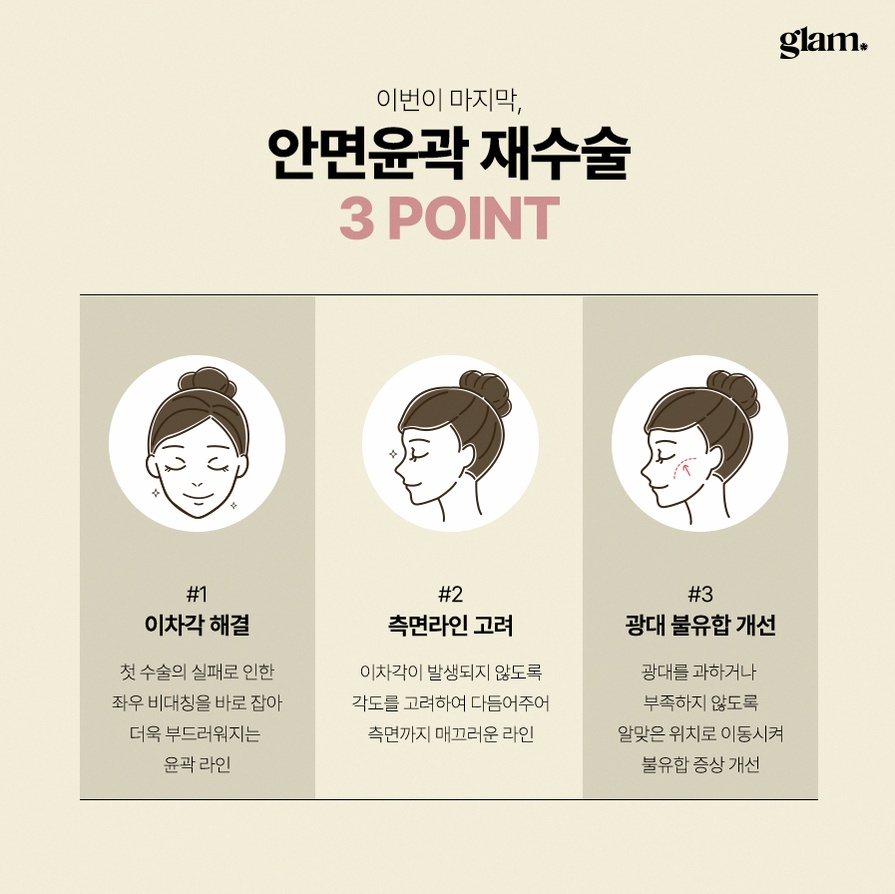
If the main issue is a palpable step or rough edge, the surgeon may perform targeted bone shaving to create a smoother connection between segments. The aim is a continuous, flowing jawline from the chin to the angle and up toward the area in front of the ear.
This process involves carefully identifying the irregular transition, then gently reshaping it while protecting nearby nerves and soft tissues. In some cases, only limited additional bone removal is needed to significantly improve the contour.
Angle reshaping
When the angle itself looks too flat, too sharp, or oddly angled, revision may focus on reshaping the remaining bone. The surgeon evaluates the best angle for your facial proportions from the front, side, and oblique views.
A slightly softer angle may help the lower face look more natural and less operated. On the other hand, if the angle was made too round and featureless, subtle redefinition may restore a more structured but still gentle contour.
Balancing both sides
Asymmetry is a frequent complaint after square jaw surgery, especially when the cuts extended differently on each side. Revision may involve:
Matching the height and length of the angles.
Adjusting the slope of each side so they look similar in photos and in motion.
Checking the chin and mid-jaw to ensure they do not exaggerate the asymmetry.
Perfect mirror-image symmetry is rarely achievable in any face, but visible differences can often be reduced to a level that feels natural and comfortable.
Augmentation options when too much bone was removed
In some patients, the problem is not only irregularity but also loss of structural support because a large amount of bone was removed. In selected cases, augmentation may be considered, such as:
Using implants to rebuild part of the angle or lower border.
Using bone grafts or other materials to fill in defects.
These methods are not suitable for everyone and depend on your existing bone, soft tissue thickness, and overall goals. Some surgeons prefer to avoid implants in certain situations, while others may recommend them when they can clearly improve contour and support. This decision is highly individual and should be discussed in detail during consultation.
Incision placement and scar hiding
For behind-the-ear square jaw revision, incisions are usually planned to be as discreet as possible. Common approaches include:
Placing incisions around or just behind the ear where natural folds and hairlines can help hide scars.
Using existing scars when possible, to avoid creating multiple new lines.
Keeping incisions within natural creases so they blend over time.
While any surgery leaves some degree of scarring, careful planning and proper aftercare can make them less noticeable in daily life.
Specific risks and difficulties in revision contouring
Higher technical difficulty
Revision in the angle and behind-the-ear region is considered more technically demanding because of scar tissue, altered anatomy, and limited bone volume. The surgeon must work in a narrower safety margin to avoid damaging important structures.
Potential risks
As with any facial bone surgery, there are risks, which may be slightly higher in revision cases. These can include:
Injury or irritation of the inferior alveolar nerve, leading to temporary or sometimes prolonged changes in sensation of the lower lip or chin.
Prolonged swelling and bruising compared to first-time surgery.
Stiffness or tightness in the jaw area during the recovery period.
Residual asymmetry or contour irregularity, even after careful planning.
A responsible surgeon will explain these possibilities clearly and plan the operation with a safety-first mindset, avoiding excessive additional bone removal that could weaken the jaw or affect function.
Why a facial bone–focused clinic matters
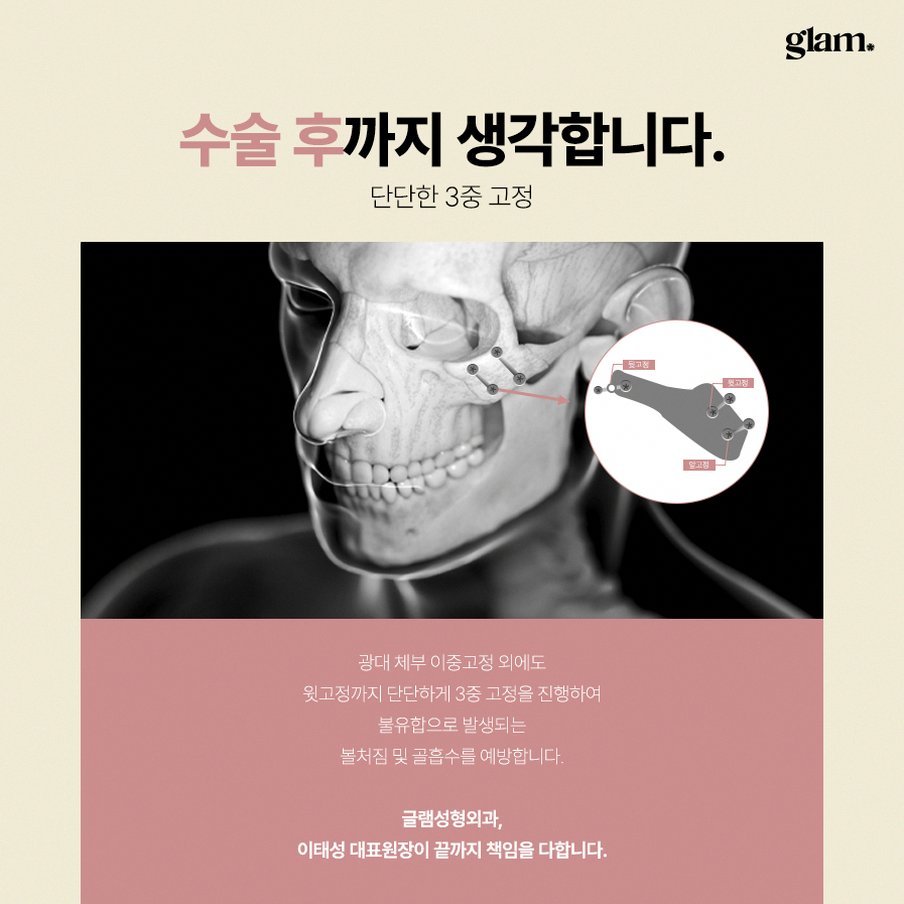
For patients seeking behind-the-ear square jaw revision, choosing a clinic that concentrates on facial bone surgery can be reassuring. GLAM Plastic Surgery is an example of a practice that focuses exclusively on procedures such as double jaw and facial contouring, rather than offering a wide range of unrelated treatments.
As of February 2025, the surgeon has 13 SCI-level publications in the field of facial contouring and orthognathic surgery, including three papers published in Plastic and Reconstructive Surgery. This academic record informs a planning style based on evidence and careful analysis rather than trends.
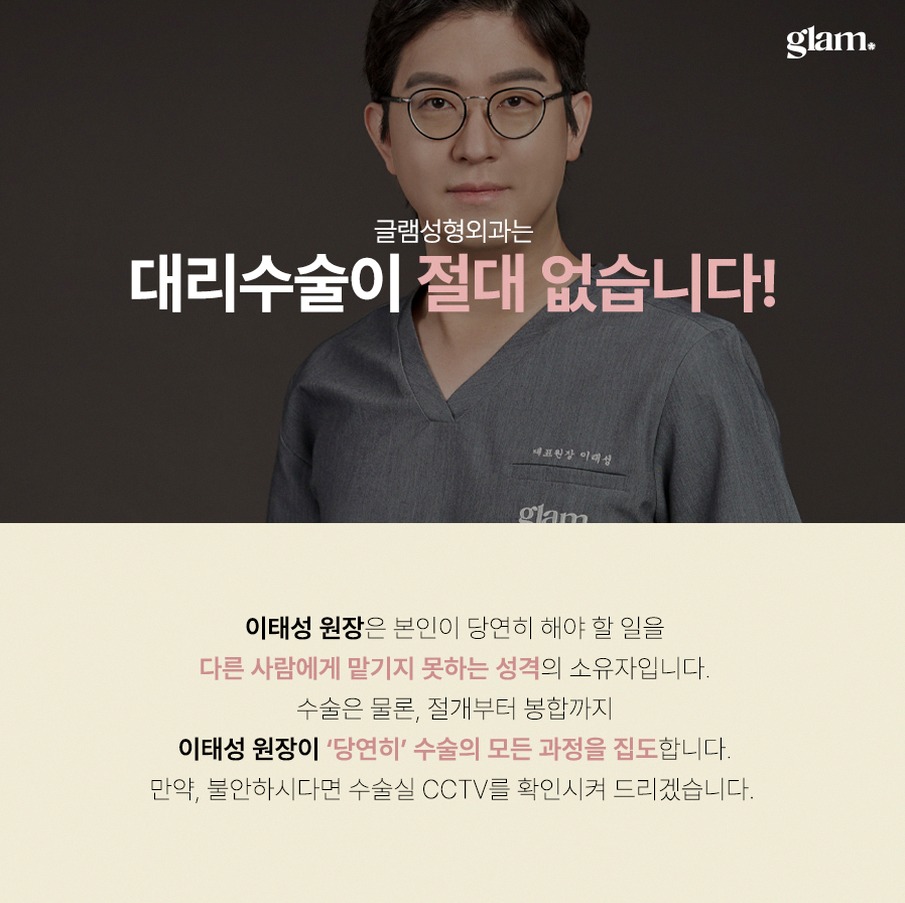
Surgeries are performed directly by the lead surgeon, and the clinic emphasizes recommending only the minimum necessary surgery, which is especially important for revision patients who may already feel they have undergone too much. A dedicated board-certified anesthesiologist is present for intraoperative safety, an important factor for overseas patients who may be concerned about anesthesia standards abroad.
Online consultation and pre-visit preparation
What to prepare before your online consultation
To make your first online consultation more productive, it helps to prepare the following:
Operative records or surgical reports from your previous square jaw surgery, if available.
Pre- and post-operative photos, including front, 45-degree, and side views.
Clear descriptions of what feels or looks wrong: for example, a step at the angle, hollow behind the ear, one side thicker than the other, or discomfort when chewing.
Information about your general health, medications, allergies, and any previous facial surgeries.
Taking photos in good lighting, with your hair pulled back to show the ear and jaw area, can help the surgeon see the contour more accurately.
Questions to ask during consultation
Before your consultation, it can be helpful to write down questions such as:
What does my 3D CT show about the current shape and thickness of my jawbone?
Which parts of my concern are likely to improve with revision, and which may remain?
What type of incision would be used, and where will the scars be located?
How long should I stay in Korea for surgery and follow-up?
What are the main risks in my specific case?
Having a checklist like this helps you compare different opinions and feel more confident in your decision.
Expected Korea visit timeline for overseas patients
Pre-arrival stage
Most international patients start with online consultation, photo review, and, if possible, sharing previous imaging or reports. Once revision is considered feasible, a tentative surgical plan and time frame are discussed.
Arrival and in-person evaluation
After arriving in Seoul, you can expect:
In-person consultation and physical examination.
3D CT imaging and additional tests as needed.
Final confirmation of the surgical plan, including details about bone reshaping, incisions, anesthesia, and expected recovery.
This preoperative assessment usually takes place 1 to 2 days before surgery, depending on scheduling.
Surgery day and early recovery
On the day of surgery, you will typically:
Arrive fasting according to anesthesia instructions.
Undergo pre-anesthesia checks with the anesthesiologist.
Have the revision surgery, followed by a recovery period in the clinic until it is safe to return to your accommodation.
The first few days are usually focused on pain control, swelling management, and rest. Many patients stay in Seoul for at least 10 to 14 days after surgery, though the exact duration depends on the complexity of the revision and your healing.
Follow-up and return home
Before returning home, you will usually have one or more follow-up visits to:
Check incision healing and remove any external sutures if present.
Review early results and confirm there are no acute issues.
Receive instructions for ongoing care, diet, activity, and signs that should prompt medical attention.
Some clinics also offer remote follow-up through photos or video calls once you are back in your country.
Aftercare and recovery support
Swelling pattern and downtime
Swelling after revision square jaw surgery often peaks in the first few days and then gradually subsides. Because this is a revision procedure, swelling can persist longer than after a primary operation. Recovery timelines vary between patients; swelling and discomfort typically improve over weeks to months. Patients should consult their surgeon for personalized guidance on when to resume specific activities and what to expect during recovery.
Postoperative care programs
Some clinics provide supportive care such as LED therapy, gentle skin care, or swelling management treatments to help with recovery. These are usually designed to:
Reduce bruising and swelling.
Support skin and soft tissue healing.
Make the recovery period more comfortable.
While these programs can be helpful, they are not a substitute for proper surgical technique and realistic planning. They should be seen as supportive measures.
Long-term follow-up
Because bone and soft tissue continue to settle over time, long-term follow-up is important. Periodic photo updates or check-ins with your surgeon can help monitor healing and address any concerns early.
Location and accessibility in Seoul
The clinic is located on Dosan-daero in the Sinsa area of Gangnam, a district well known for medical facilities and easy access. It is within a short walking distance from Sinsa Station Exit 1, which is convenient for both local and international visitors.
For overseas patients, multilingual support such as English, Japanese, and Thai, along with online inquiry channels, can make communication smoother from the first contact through to follow-up after you return home.
Frequently asked questions
Can a behind-the-ear square jaw cut that feels overdone be fully reversed
In many cases, the contour can be significantly improved, but complete reversal to your original jaw shape is usually not possible if a large amount of bone was removed. Revision aims to smooth irregularities, reduce visible steps, and restore a more natural angle and symmetry as much as your remaining bone allows. A detailed 3D CT and consultation are necessary to understand what is realistic in your specific situation.
How long should I wait after my first square jaw surgery before considering revision
Most surgeons recommend waiting about 6 to 12 months after your first square jaw surgery before undergoing revision. This allows swelling to settle and bone healing to complete, which makes both assessment and surgery safer and more accurate. If you have severe functional problems, your surgeon may consider earlier intervention, but this is decided case by case.

What imaging is needed to plan revision for an irregular jaw angle
Three-dimensional CT imaging is usually essential for planning revision of the mandibular angle, especially when the previous cut extended behind the ear. It shows the exact shape and thickness of the remaining bone, the position of the condyle, and any step deformities or thin areas. Standard X-rays and photos alone are not enough to plan safe and precise bone reshaping.
Is revision more dangerous than the first square jaw surgery
Revision is generally more complex than first-time surgery because of scar tissue, altered anatomy, and reduced bone volume, which can increase certain risks. With careful planning, appropriate imaging, and a conservative approach, many patients still have safe and successful outcomes. It is important to discuss your individual risk profile with a surgeon experienced in facial bone revision.
Will scars be visible if revision is done around or behind the ear
Incisions for behind-the-ear square jaw revision are usually placed around or behind the ear and along natural skin creases to keep scars as discreet as possible. Over time, most scars fade and become less noticeable, though individual healing varies. Good wound care, sun protection, and following your surgeon’s instructions help support better scar quality.
Soft call to action
If you are unhappy with a previous square jaw surgery, especially if the cut extended too far back toward or behind the ear, a careful revision plan may offer meaningful improvement. GLAM Plastic Surgery provides online consultations for overseas patients, including review of photos and imaging, to help you understand your options before you travel. Reaching out with your questions and medical history is a practical first step toward deciding whether behind-the-ear square jaw revision in Seoul is right for you.


- 공유 링크 만들기
- X
- 이메일
- 기타 앱


댓글
댓글 쓰기