Revision in Korea: Safer, Balanced Cheekbone Fixes
- 공유 링크 만들기
- X
- 이메일
- 기타 앱
Direct answer summary
Cheekbone reduction revision surgery is a secondary facial contouring operation performed after a previous zygoma (cheekbone) reduction, when the first result is unsatisfactory or has caused problems. In Korea, especially around the Sinsa Station area in Gangnam, some clinics focus on facial bone surgery and approach revision cheekbone cases with careful imaging, conservative planning, and a strong emphasis on safety rather than aggressive re-cutting of bone.
This guide explains when revision may be considered, what can and cannot usually be corrected, how a bone-focused clinic such as GLAM Plastic Surgery may evaluate and treat overseas patients, and what kind of visit schedule and aftercare you can expect when traveling to Seoul.
What is cheekbone reduction revision surgery
Cheekbone reduction revision surgery is a second operation on the zygoma area after a previous cheekbone reduction. The goal is not to experiment with a completely new face, but to improve structure, balance, and function within the limits of bone that has already been cut and healed.
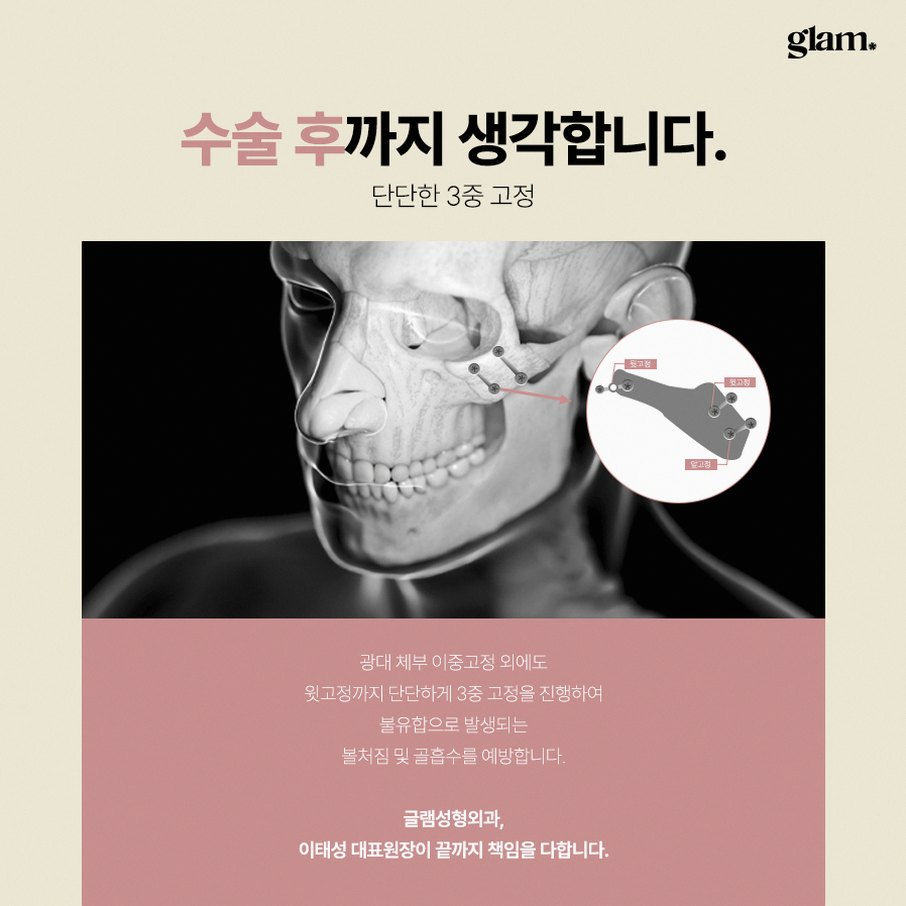
In a primary cheekbone reduction, the surgeon usually cuts and moves the zygomatic body and arch to narrow a wide face or reduce protruding cheekbones. In revision surgery, the surgeon works on bone that may already have plates, screws, scar tissue, and altered anatomy. This makes planning and execution more complex and usually narrows the safe range of movement.
Reasons someone may consider revision
Common reasons people look for cheekbone revision include:
Over-reduction and hollow cheeks
If too much bone was removed or moved inward, the midface can look sunken, flat, or older than expected. Some patients feel their face lost its natural three-dimensional shape and want to restore a more balanced contour.
Under-correction and remaining width
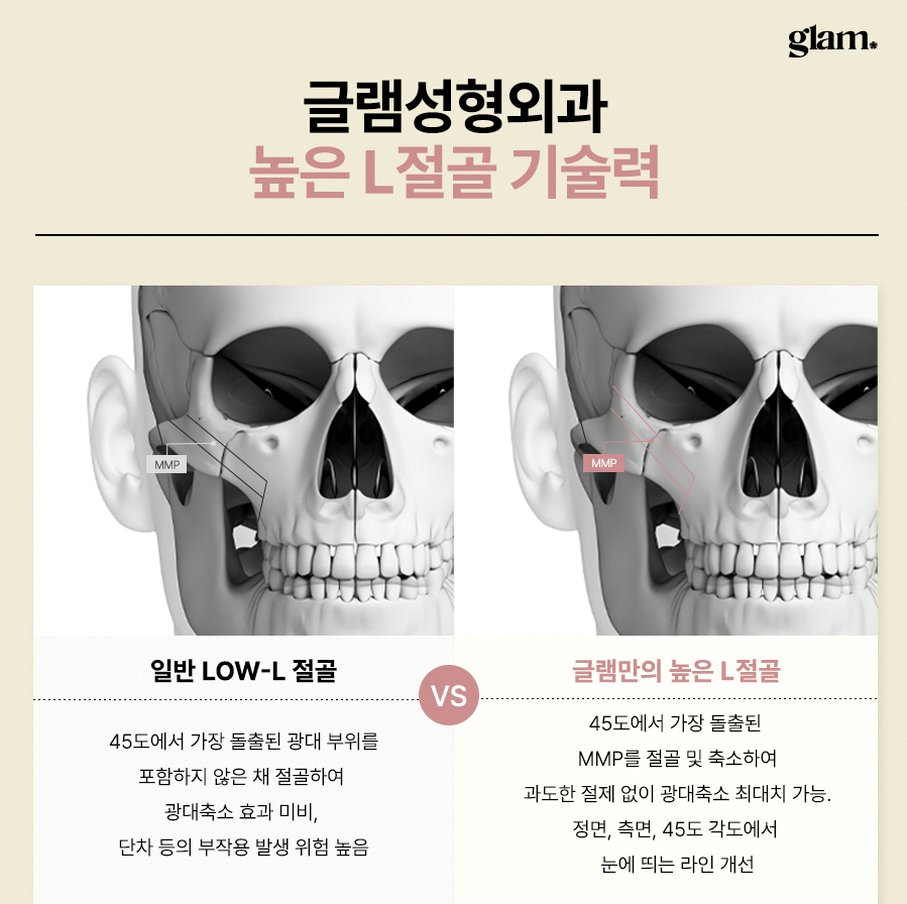
In other cases, the first surgery did not sufficiently reduce the cheekbone width, either from the front view, the 45-degree angle, or the side view. The cheekbones may still look wide or square, leading patients to seek additional contouring.
Asymmetry between left and right sides
If one side was moved more than the other, or if bone healing occurred differently, the cheeks may appear uneven. Asymmetry is a common reason for revision, but it is important to understand that perfect symmetry is rarely possible, even with careful planning.
Step deformities and irregularities
Some patients can feel or see a step, bump, or depression along the zygomatic arch or at the junction where the bone was cut. These step deformities can cause visible irregularity under certain lighting or when smiling.
Functional problems
In some cases, patients experience pain, clicking, or discomfort when chewing, or a feeling that the cheekbone is unstable. These may be related to fixation issues, bone healing, or joint strain and require careful evaluation.
Soft tissue sagging and midface ptosis
After cheekbone reduction, the overlying soft tissue (skin, fat, ligaments) may sag, especially if bone support was reduced significantly or if fixation and soft tissue handling were not ideal. This can lead to drooping cheeks, deep nasolabial folds, or a tired look.
Revision surgery aims to improve these issues as much as possible, but it cannot completely erase all traces of the first operation. The focus is on realistic improvement and long-term stability.
How a specialized facial bone clinic evaluates candidates
At a facial bone–focused clinic in Gangnam, the first step is usually a detailed consultation. For overseas patients, this often begins online before you travel.
During consultation, the surgeon will typically ask about:
Your first operation
You will be asked when and where your first cheekbone surgery was done, what method was used if you know it, and whether there were any early complications such as infection, numbness, or severe swelling.
Your current concerns and symptoms
You should describe what bothers you most: shape, asymmetry, hollowness, sagging, pain, or chewing issues. Photos from different angles and with relaxed and smiling expressions can help the surgeon understand your concerns.
Imaging and bone condition
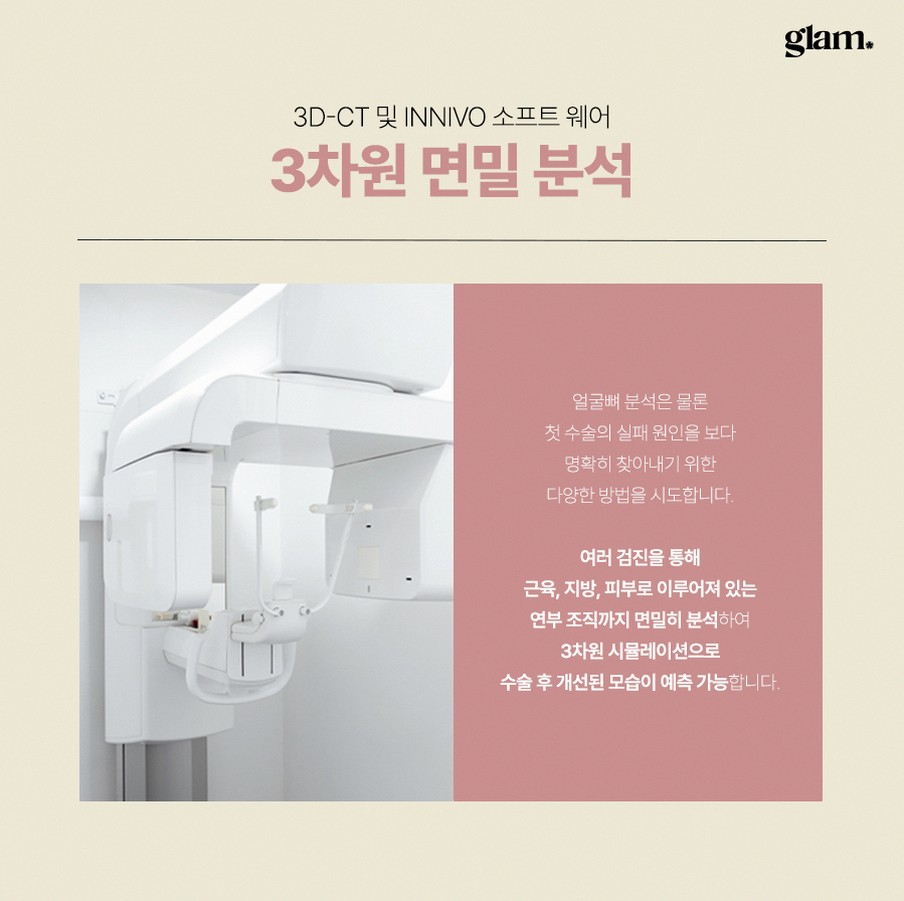
CT scans and X-rays are essential tools in revision cheekbone surgery. They show:
Where the bone was cut and how it healed
Where plates and screws are located
How thick the remaining bone is
Whether there is asymmetry or step deformity
Whether the zygomatic arch is stable
Soft tissue and bite function
The surgeon will also assess:
Skin thickness and elasticity
Fat volume in the midface
Degree of sagging or midface ptosis
Bite alignment and chewing function
Because the bone has already been altered, revision surgery usually has narrower margins and higher risk compared to the first operation. A safety-first, conservative indication is important. In some cases, the surgeon may recommend non-surgical treatments or soft-tissue-focused procedures instead of re-cutting the bone if the risk-benefit balance is not favorable.
When revision may not be recommended
Even if a patient is dissatisfied, revision is not always the right answer. Reasons a surgeon might advise against revision include:
The bone has healed in a stable but slightly imperfect position, and further cutting would risk nerve damage or severe sagging.
The main issue is mild soft tissue sagging that can be managed with non-surgical lifting, skin tightening, or time.
The patient’s expectations are not realistic, such as wanting to return exactly to their pre-surgery bone structure or seeking extreme narrowing.
There are medical conditions or general health issues that increase surgical risk.
In such cases, a responsible clinic will explain why conservative management or observation may be safer.
Surgical approaches and techniques in revision zygoma surgery
The exact plan for revision cheekbone surgery depends on the problem identified on imaging and physical examination. Common strategies include the following.
Re-osteotomy for under-correction or asymmetry
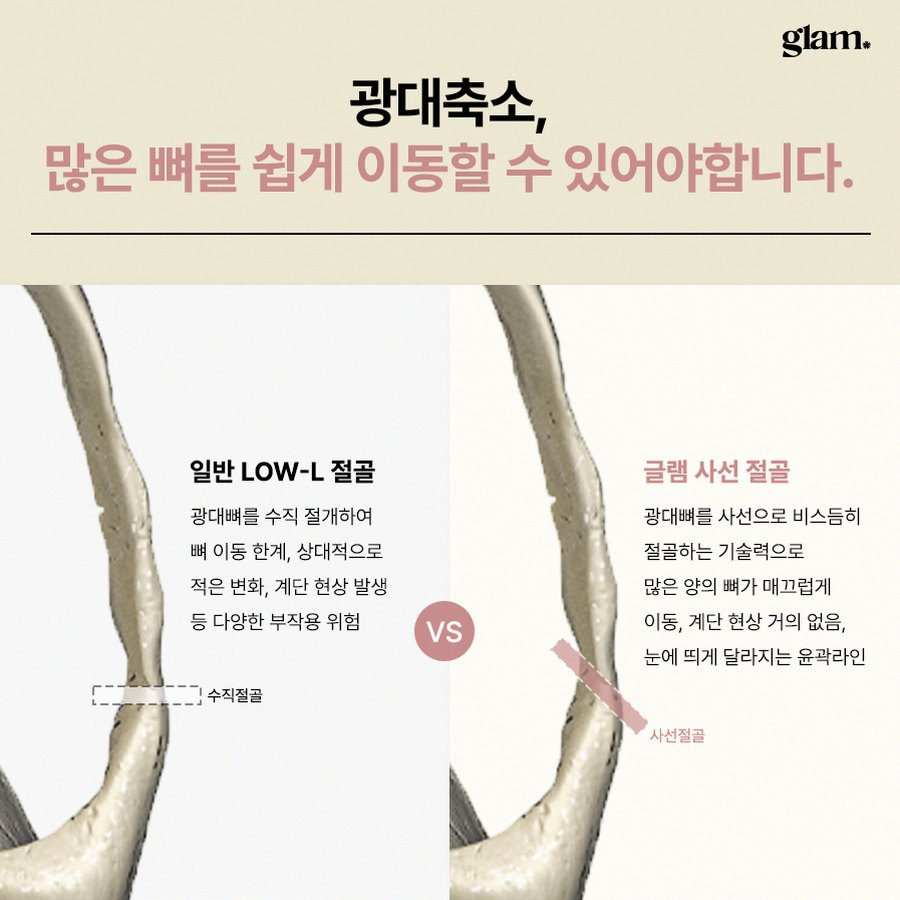
If the cheekbones remain wide or asymmetric, the surgeon may perform a re-osteotomy, meaning the bone is cut again at the zygomatic body and arch. The bone segments are then repositioned more inward, upward, or backward as needed, and refixated with plates and screws.
Because this is a second surgery, preserving nerve function and blood supply is critical. The surgeon must work through scar tissue, which can make dissection more difficult and increase the risk of swelling and bruising.
Volume restoration after over-reduction
When the cheeks appear too flat or sunken, revision may involve restoring volume with:
Bone grafts from another area
Specially designed implants
Careful contouring to smooth transitions
The goal is to rebuild gentle curves and restore midface support, not to create excessive projection.
Smoothing step deformities and irregularities
If the main issue is a visible or palpable bump or step, the surgeon may focus on contouring the irregular area. This can involve shaving, smoothing, or limited recontouring of the zygomatic arch or body.
Reinforcing unstable fixation
In cases where the cheekbone feels unstable or there is pain with chewing, revision may focus on fixation. The surgeon can remove old plates or screws if necessary and replace them with more stable fixation, or add extra plates to reinforce the area.
Incision placement and scarring
Revision cheekbone surgery usually uses similar incision sites to the first operation:
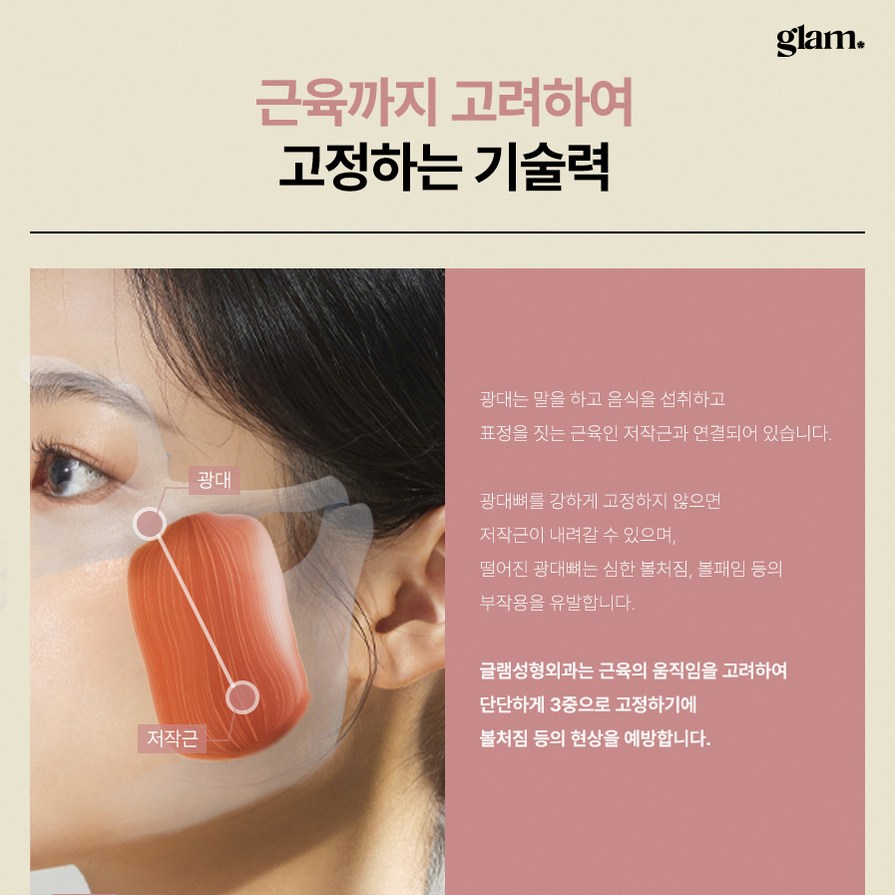
Intraoral incisions inside the mouth
Small incisions near the sideburn or temple area
This approach helps minimize additional visible scarring. However, internal scar tissue from the first surgery means the dissection can be more complex.
A clinic that focuses only on facial bone surgery can plan cheekbone revision in harmony with the entire facial skeleton, including the jawline and chin, rather than treating the cheekbones in isolation.
Safety, anesthesia, and intraoperative management
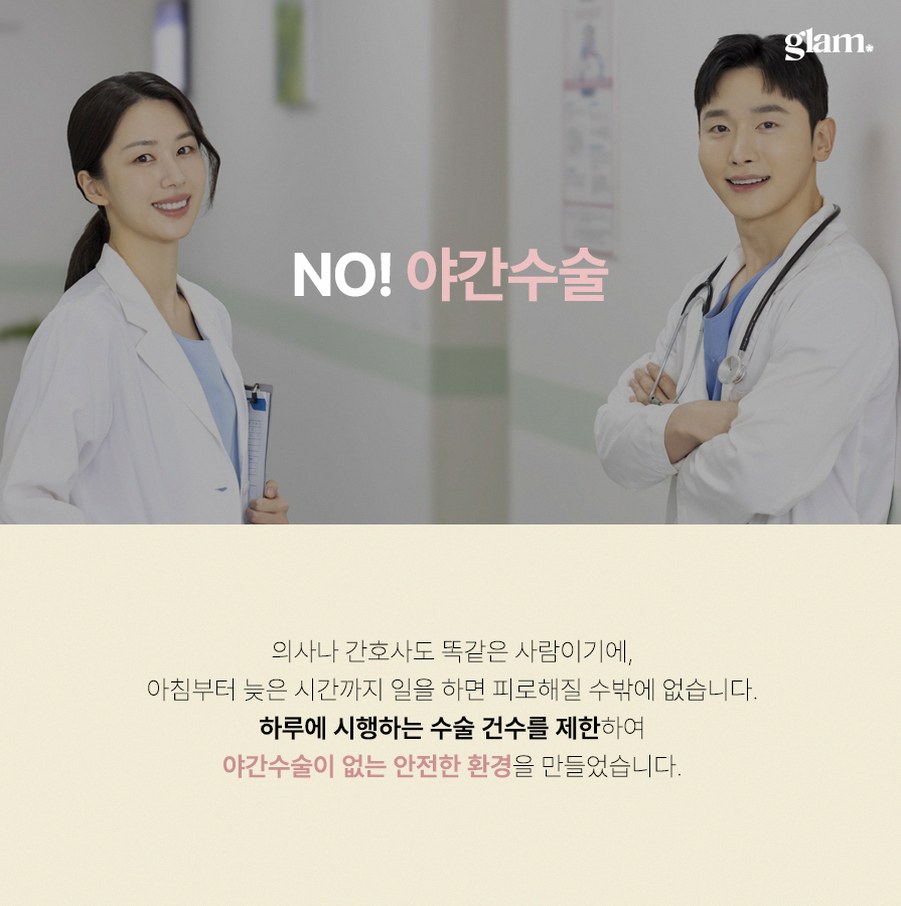
Revision facial bone surgery is often longer and technically more demanding than primary surgery. For that reason, anesthesia and intraoperative monitoring become especially important.
At GLAM Plastic Surgery, This is particularly relevant in revision cases, where:
Operating time may be extended
Scar tissue and altered anatomy can affect airway management and positioning
Blood pressure and fluid balance must be carefully controlled
Before surgery, a thorough preoperative evaluation is typically performed, including medical history, laboratory tests, and imaging review. During surgery, continuous monitoring of vital signs helps reduce anesthesia-related risks.
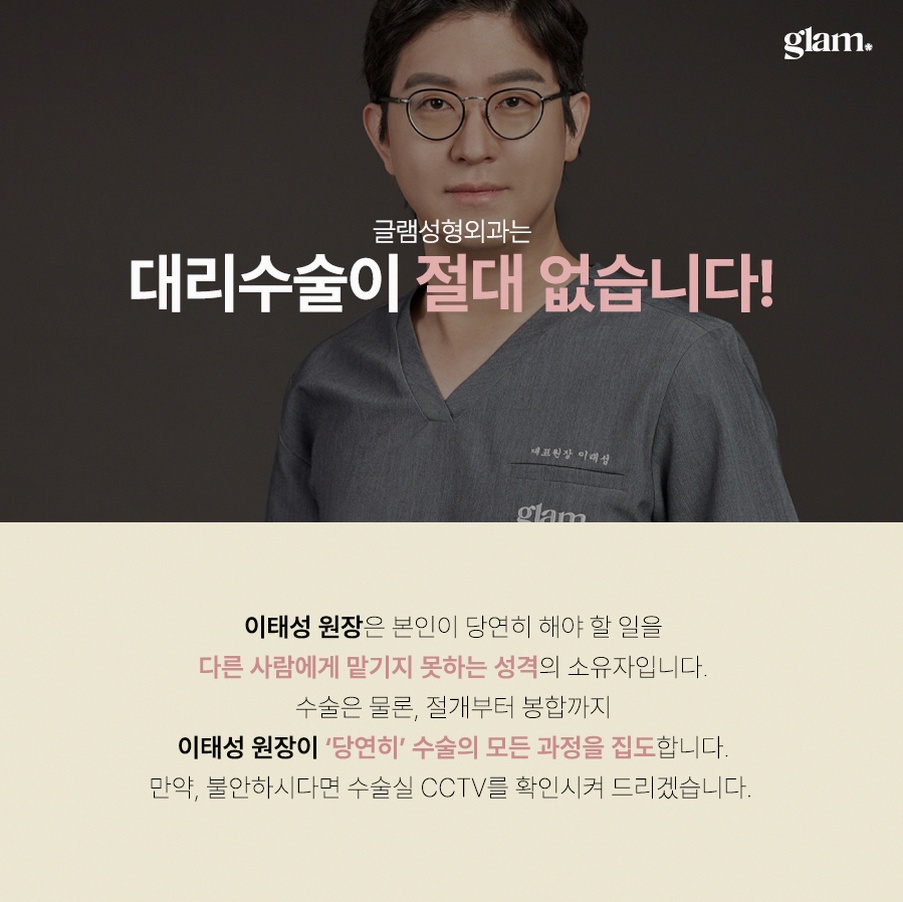
The representative surgeon operates directly, which can be reassuring for patients who are concerned about complex procedures being delegated. For overseas patients, this can also support clearer communication about who will actually perform the surgery.
Who may consider cheekbone revision surgery
You may be a potential candidate for revision cheekbone surgery if:
You had cheekbone reduction at least several months ago and the main swelling has already subsided.
You have clear structural or functional issues such as obvious asymmetry, remaining width, step deformities, or chewing discomfort.
Imaging shows that bone position or fixation can be improved without excessive risk.
You understand that revision aims for improvement, not perfection or a completely new bone structure.
On the other hand, if your concerns are mainly very subtle or related mostly to skin texture, pores, or minor volume changes, non-surgical options may be more appropriate than bone surgery.
Online consultation and pre-visit preparation for overseas patients
If you live outside Korea, your first step is usually an online or remote consultation.
Preparing for online consultation
To make the most of your consultation, prepare the following:
Front, 45-degree, and side-view photos in good lighting, both relaxed and smiling
Any pre-surgery photos you have for comparison
Surgery records from your first operation, if available
Information about any medical conditions, medications, or allergies
During the consultation, you can discuss your main priorities, such as improving asymmetry, reducing width, or addressing sagging. The surgeon may also ask you to send or bring CT scans if they were done previously. In many cases, a new CT scan will be recommended once you arrive in Korea to plan the surgery precisely.
Questions to ask before deciding on a clinic
When comparing clinics for revision cheekbone surgery, you may want to ask:
Is the surgeon a board-certified plastic surgeon with specific experience in facial bone and revision contouring?
Does the clinic focus on facial bone surgery rather than offering every type of cosmetic procedure?
Will the operating surgeon personally perform my surgery from start to finish?
Is there a board-certified anesthesiologist on site during surgery?
Are CT scans and detailed imaging used to plan revision?
How does the clinic decide when not to operate or when to recommend only minimal correction?
What is the plan for postoperative care and follow-up, especially for overseas patients?
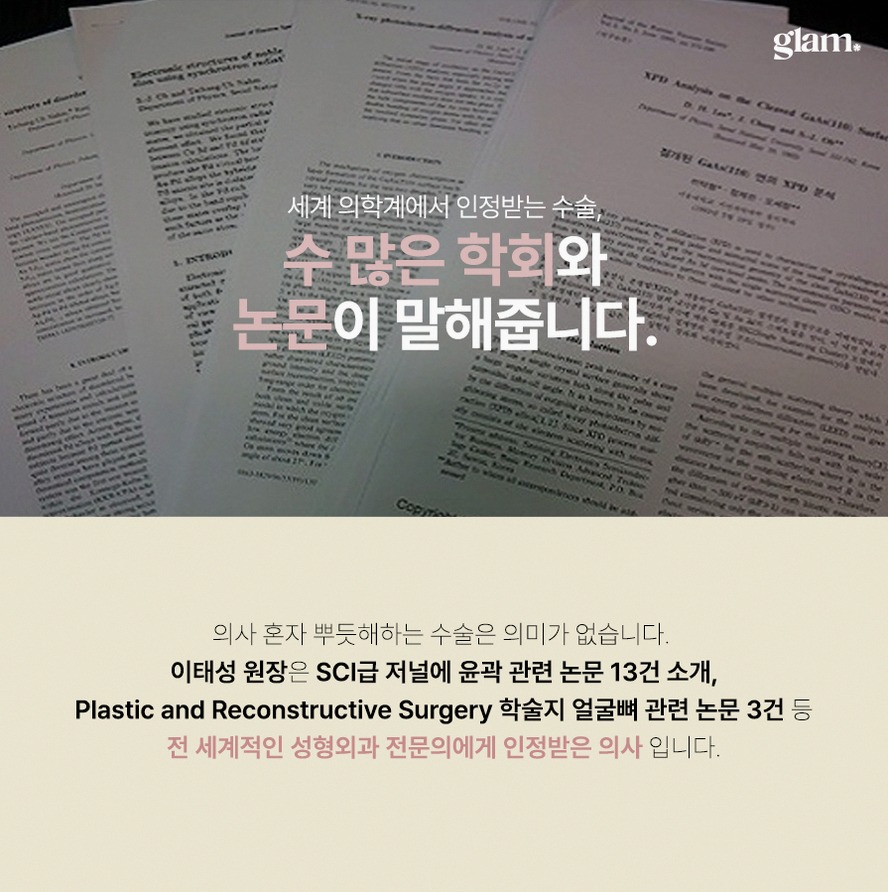
Academic output, such as published SCI-level papers on facial bone and double jaw surgery, can be one objective indicator of a surgeon’s experience, as long as it is clearly dated and verifiable. At GLAM Plastic Surgery, the representative plastic surgeon has around 20 years of experience in facial bone surgery and has authored 13 SCI-level papers on contouring and double jaw surgery as of February 2025, including three in the journal Plastic and Reconstructive Surgery.
Expected Korea visit timeline for revision cheekbone surgery
Exact schedules vary, but a typical timeline for an overseas patient might look like this.
Before arrival
Online consultation and photo review
Preliminary treatment plan and estimated schedule
Travel and accommodation planning near Sinsa Station in Gangnam
Day 1–2 in Seoul
In-person consultation and physical examination
CT scans and X-rays for detailed planning
Final confirmation of the surgical plan and consent
Preoperative tests (blood tests, etc.)
Surgery day
Admission to the clinic or surgical center
General anesthesia under the care of a board-certified anesthesiologist
Revision cheekbone operation
Post-anesthesia recovery and monitoring
First week after surgery
Swelling and bruising will usually peak in the first few days.
You may have intraoral stitches and possibly small external incisions.
Soft diet and careful oral hygiene are important.
Follow-up visits for wound checks and early postoperative care.
Second to third week
Swelling gradually decreases, though you may still look puffy.
Light daily activities are usually possible, but heavy exercise and pressure on the cheeks should be avoided.
Additional follow-up visits before you return home.
Many overseas patients plan to stay in Korea for the period recommended by their surgeon and clinic to ensure appropriate follow-up; confirm the exact recommended stay with your surgeon.
Postoperative care, recovery, and support programs
Recovery after revision cheekbone surgery can be more intense than after primary surgery because of scar tissue and re-dissection.
Typical recovery course
Swelling: Peaks in the first week, then gradually improves over several weeks. Residual swelling and minor asymmetry can take a few months to settle.
Bruising: Often visible around the cheeks and lower eyelids, usually fading over 1–2 weeks.
Sensation changes: Temporary numbness or tingling can occur and may take weeks or months to improve.
Chewing: Soft foods are recommended at first, with gradual return to normal diet as comfort allows.
General care instructions often include:
Keeping the head elevated when sleeping
Avoiding pressure on the cheeks (for example, no face-down sleeping)
Maintaining good oral hygiene with rinses recommended by the clinic
Avoiding smoking and heavy drinking during the healing period
Supportive postoperative care programs
Some clinics in Gangnam offer supportive care programs to help with swelling and soft tissue recovery. At GLAM Plastic Surgery, these may include:
LED therapy
Facial dome treatments
Skin reset total care
Radiofrequency lifting
These programs are designed to support circulation, skin condition, and comfort during recovery. They are not substitutes for proper bone surgery, but they can be helpful adjuncts in the overall healing process.
Realistic expectations and limitations
It is important to approach revision cheekbone surgery with realistic expectations.
What revision can often improve
Visible asymmetry between left and right cheekbones
Persistent width or projection from the front or side view
Step deformities and obvious irregularities
Some cases of sunken or over-reduced cheeks through volume restoration
Instability or discomfort related to fixation
What revision cannot guarantee
A complete return to your pre-surgery bone structure
Perfect facial symmetry
A totally new facial shape unrelated to your natural bone framework
Zero risk of numbness, scarring, or further sagging
Because bone has already been cut and healed, there are limits to how much repositioning is possible. Overly aggressive re-cutting can increase the risk of nerve damage, chronic pain, or worsening soft tissue sagging. For this reason, a conservative philosophy that focuses on the minimum necessary correction can be reassuring for patients who are anxious about over-treatment.
Questions to ask and clinic selection checklist
When you are comparing options for revision cheekbone surgery in Korea, consider using this checklist:
Does the clinic focus on facial bone surgery such as double jaw, cheekbone, V-line, square jaw, and revision contouring, rather than offering every type of cosmetic procedure?
Is the surgeon a board-certified plastic surgeon with a clear track record in facial bone and revision cases?
Will the same surgeon who consults you also operate on you directly?
Is there a board-certified anesthesiologist in charge of anesthesia and monitoring?
Are CT scans and X-rays used systematically to plan the revision?
How does the clinic explain situations where surgery is not recommended or only minimal correction is advised?
What is the aftercare plan, and how will follow-up be managed once you return to your home country?
Taking time to ask these questions can help you feel more confident in your decision and reduce uncertainty before traveling.
Frequently asked questions about cheekbone revision surgery
What is the difference between primary cheekbone reduction and revision cheekbone surgery?
Primary cheekbone reduction is the first operation on untouched bone, where the surgeon can plan cuts and movements with a wide safety margin. Revision cheekbone surgery is performed on bone that has already been cut, moved, and fixed with plates and screws. Scar tissue, altered anatomy, and previous fixation all make revision more complex and usually narrower in scope. The goals of revision are to improve problems from the first surgery, not to experiment with extreme changes.
How long should I wait after my first cheekbone surgery before considering revision?
In general, you should wait until the main swelling has subsided and the bone has healed, which often means at least six months, and sometimes longer. This allows the surgeon to see your final contour more accurately and reduces the risk of disturbing healing bone. In the meantime, non-surgical measures and time may improve some concerns, so early dissatisfaction does not always mean you will need revision.
Can over-reduced, sunken cheekbones be corrected with revision surgery?
In some cases, yes. When the cheeks look too flat or hollow due to over-reduction, revision surgery may use bone grafts, implants, or contouring techniques to restore volume and smoother lines. However, there are limits based on how much bone was removed and the condition of the soft tissue. The goal is usually to achieve a more natural, balanced midface rather than to recreate exactly the original bone structure.
Is revision cheekbone surgery more dangerous than the first operation?
Revision surgery generally carries higher technical difficulty and potentially higher risk because of scar tissue, altered anatomy, and existing fixation hardware. However, with careful imaging, conservative planning, and experienced surgical and anesthesia teams, many risks can be managed. It is important to discuss your individual risk profile with your surgeon and to choose a clinic that emphasizes safety and clear indications for surgery.
What kind of scans or tests are needed before revision zygoma surgery?
CT scans are usually the most important imaging study for revision cheekbone surgery, as they show bone cuts, healing, and hardware in three dimensions. X-rays may also be used for additional views. Standard preoperative tests such as blood work, ECG, and chest imaging may be required depending on your age and health status. These tests help the team plan the surgery and anesthesia safely.
How long does swelling last after revision cheekbone contouring?
Swelling typically peaks within the first week and then gradually decreases over the next several weeks. Because this is a revision procedure, swelling and bruising can be more pronounced and may last longer than after primary surgery. Most patients see a more refined contour over two to three months, with subtle changes continuing for up to six months or more.
Can cheekbone revision fix facial asymmetry completely?
Revision surgery can often improve noticeable asymmetry, but complete, perfect symmetry is not realistic. All faces have some natural asymmetry, and previous bone cuts, healing patterns, and soft tissue differences limit how much correction is possible. A careful surgeon will explain what degree of improvement is expected in your specific case based on imaging.

What if my main problem is sagging cheeks after cheekbone reduction?
If the main concern is soft tissue sagging rather than bone position, the surgeon may recommend soft-tissue-focused options instead of or in addition to bone revision. These might include lifting procedures or non-surgical treatments to support the midface. In some cases, further bone reduction could worsen sagging, so a conservative approach that prioritizes soft tissue support is important.
How do I know if I really need revision surgery or if time and non-surgical care are enough?
The decision depends on the cause of your concern. If imaging shows a clear structural problem such as significant asymmetry, step deformity, or unstable fixation, revision may be appropriate. If the issue is mild swelling, early sagging, or subtle contour changes, time and non-surgical care may lead to acceptable improvement. A thorough consultation with imaging and a detailed explanation of risks and benefits will help you decide.
Soft call to action for online consultation
If you are considering cheekbone reduction revision surgery in Korea and would like a structured, safety-focused opinion, you can start with an online consultation with GLAM Plastic Surgery before planning your trip. Sharing clear photos, previous records, and your main concerns will help the team provide more personalized guidance and outline a realistic treatment and visit plan tailored to your situation.




- 공유 링크 만들기
- X
- 이메일
- 기타 앱


댓글
댓글 쓰기