Revision cheekbone surgery in Korea: fixes & stay time
- 공유 링크 만들기
- X
- 이메일
- 기타 앱
Direct answer summary
Revision cheekbone reduction surgery is a secondary operation on the cheekbone area for people who are unhappy or uncomfortable after a previous cheekbone reduction. It can sometimes improve issues such as remaining width, over-reduction, asymmetry, irregular bone edges, sagging, or discomfort from plates and screws. Because the bone has already been cut and healed, revision is more complex than first-time surgery and requires very careful imaging, planning, and realistic goals. For overseas patients considering coming to Seoul, it is important to understand what can and cannot be changed, how long you need to stay, and how to choose a clinic that focuses on facial bone work.
Overview of revision cheekbone reduction surgery
Primary cheekbone reduction surgery aims to make the face look slimmer from the front and 45-degree angles by cutting and repositioning the zygomatic body and arch. The cheekbone is moved inward and sometimes slightly downward or upward, then fixed with plates and screws to heal in the new position.
Revision cheekbone surgery is performed later when the first operation has left problems. These may be cosmetic, functional, or both. Typical concerns include cheeks that still look wide, a midface that looks too flat or hollow, clear asymmetry between left and right sides, step-like irregularities, or sagging of the midface. Some patients also feel tightness, pain, or discomfort related to fixation plates.
Unlike primary surgery, revision must work around existing bone cuts, healed bone, and any hardware. Soft tissue such as skin, fat, and muscles has already adapted to the first surgery. This makes revision more technically demanding and increases the importance of conservative, safety-focused planning.
Who may consider revision cheekbone surgery
People who think about revision often fall into several groups.
Some feel their face is still too wide in the cheekbone area. They may feel that the first reduction was too mild or that the angle of movement did not suit their facial balance.
Others feel the opposite: that the midface looks sunken, aged, or hollow after an aggressive reduction. In these cases, restoring some volume or support may be more appropriate than further bone removal.
Asymmetry is another common reason. One side may appear higher, more projected, or more indented than the other, especially noticeable in photos or when smiling. Step lines or visible bumps along the zygomatic arch or body can also draw attention.
Some patients experience chronic discomfort, tightness, or pain around the cheekbone area, or they can feel or even see the outline of plates or screws. Sagging cheeks or deepened nasolabial folds that appeared or worsened after the first surgery are also frequent complaints.
However, not everyone who is dissatisfied with their appearance is a good candidate for revision bone surgery. In many cases, the bone position is acceptable, and the main issue is soft tissue: sagging, volume loss, or skin quality. These problems may respond better to lifting procedures, fat grafting, or skin treatments rather than another bone operation.
A thorough consultation with 3D imaging and physical examination is essential to decide whether revision cheekbone surgery is appropriate. Sometimes, a combination approach is recommended: limited bone revision plus soft-tissue correction. In other cases, non-surgical or soft-tissue options alone may be safer and more effective.
Diagnosis and planning for revision cases
In revision cheekbone surgery, careful diagnosis is the foundation of any safe plan. The evaluation usually includes several steps.
If possible, previous operative records and X-rays are reviewed. These can show where the original bone cuts were made, what fixation method was used, and how much movement was intended.
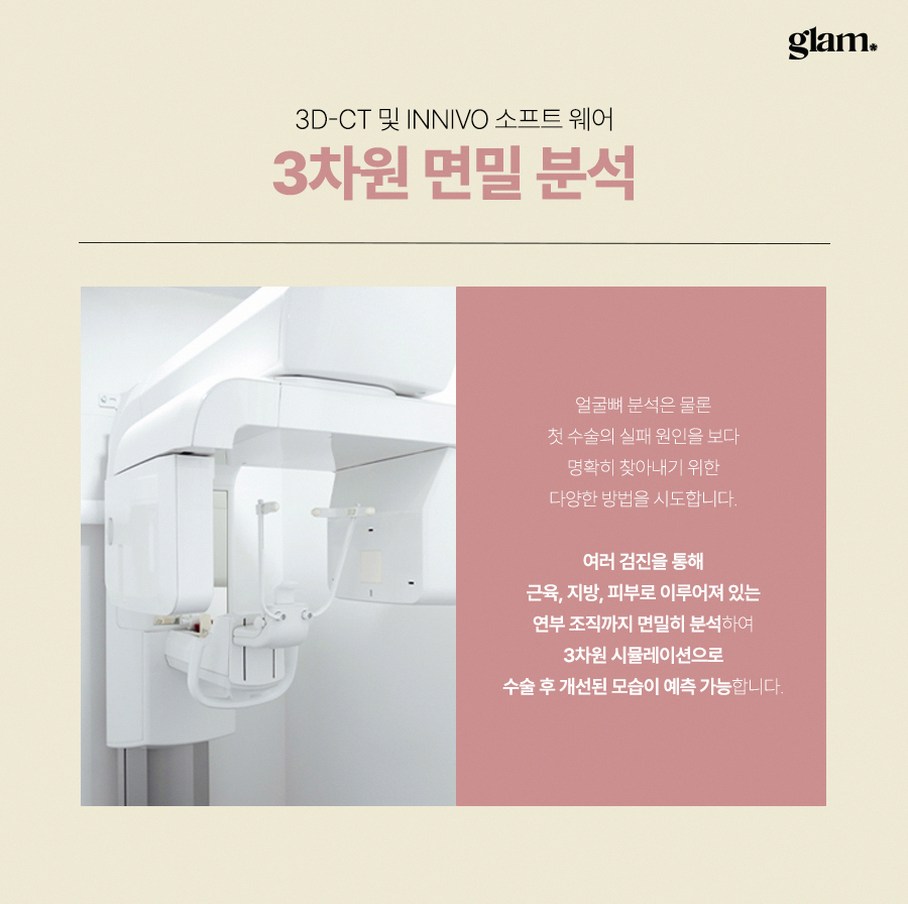
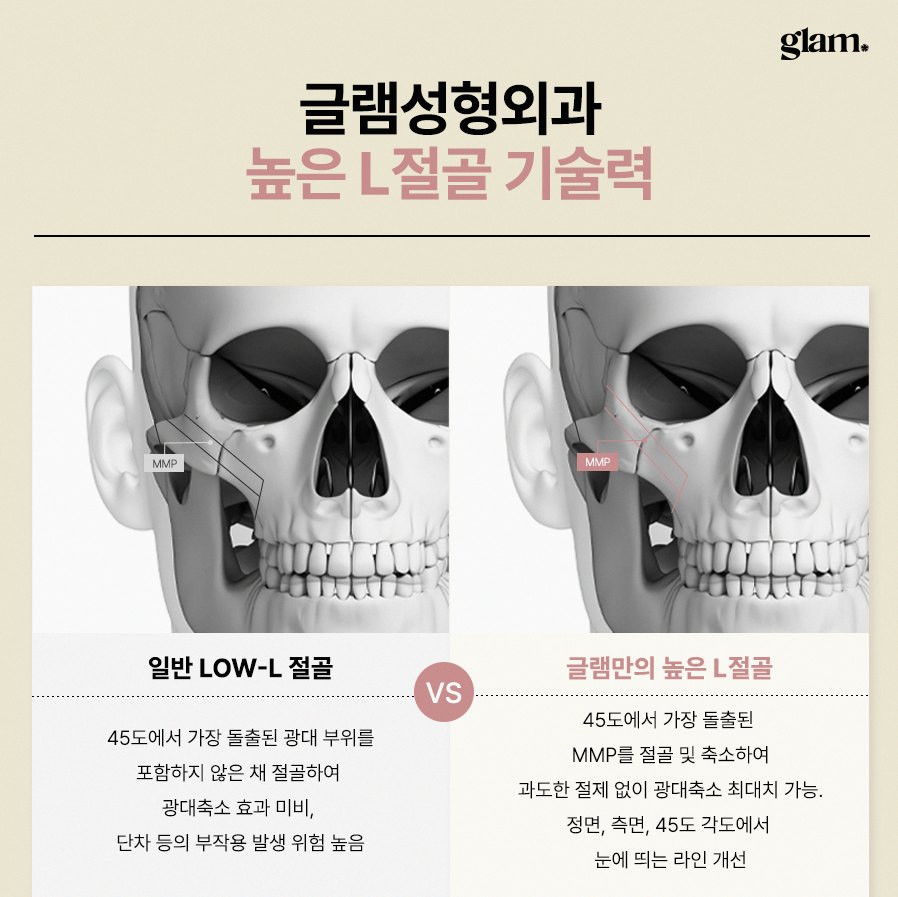
A 3D CT scan is very important. It allows the surgeon to see the exact pattern of previous osteotomies, the degree of bone healing, and the location of plates and screws. It also helps assess bone thickness and strength, which are crucial when considering any re-cutting.
The surgeon will also evaluate facial symmetry from multiple angles: front, 45 degrees, side, and from below. This visual assessment is combined with palpation of the bone edges to feel for step deformities or irregularities.
Soft tissue condition is another key factor. The surgeon will look at skin thickness, degree of sagging, volume loss in the cheeks, and depth of nasolabial folds. These features influence whether bone work alone can address the problem or whether lifting or volume restoration is needed.
Because cheekbones interact with the upper jaw, the bite and jaw relationship are sometimes checked as well. If there are significant bite problems or jaw position issues, double jaw surgery may need to be considered in addition to, or instead of, cheekbone revision.
Planning principles usually include prioritizing safety and preservation of remaining bone support, avoiding unnecessary re-cutting when issues can be solved by contouring, plate removal, or soft-tissue procedures, and setting realistic goals. The aim is improvement, not creating an entirely new bone structure. The surgeon should also think about how any changes will affect midface support and aging over time, to avoid worsening sagging in the future.
Surgical approaches and techniques
Revision cheekbone surgery can involve different strategies, depending on the problem.
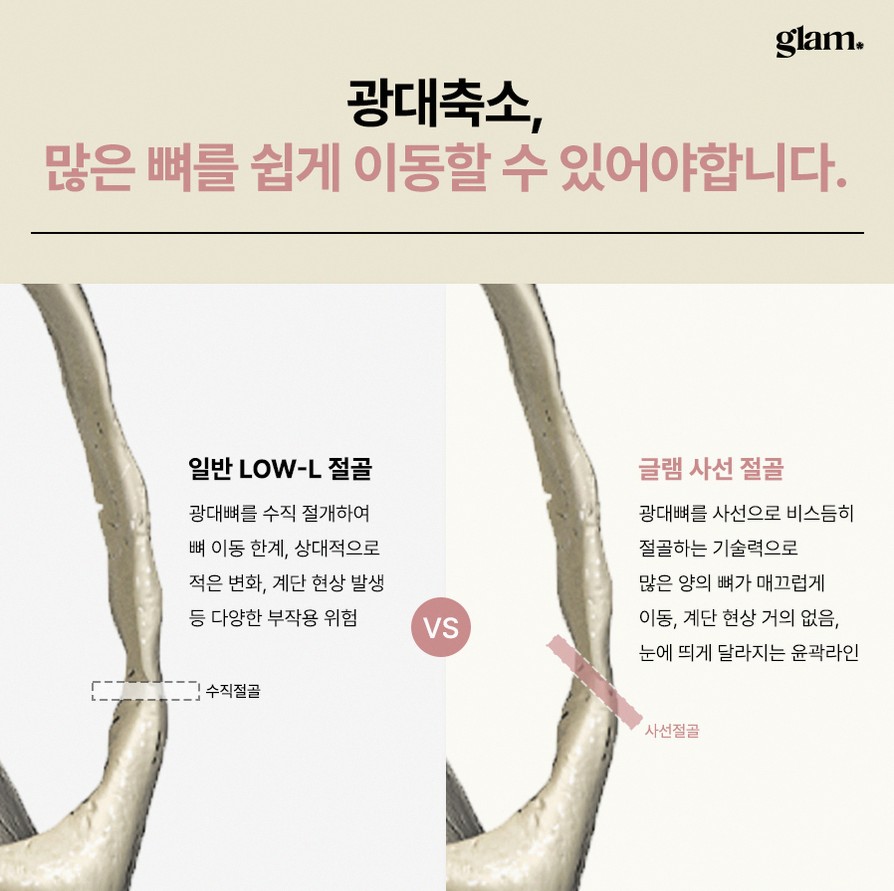
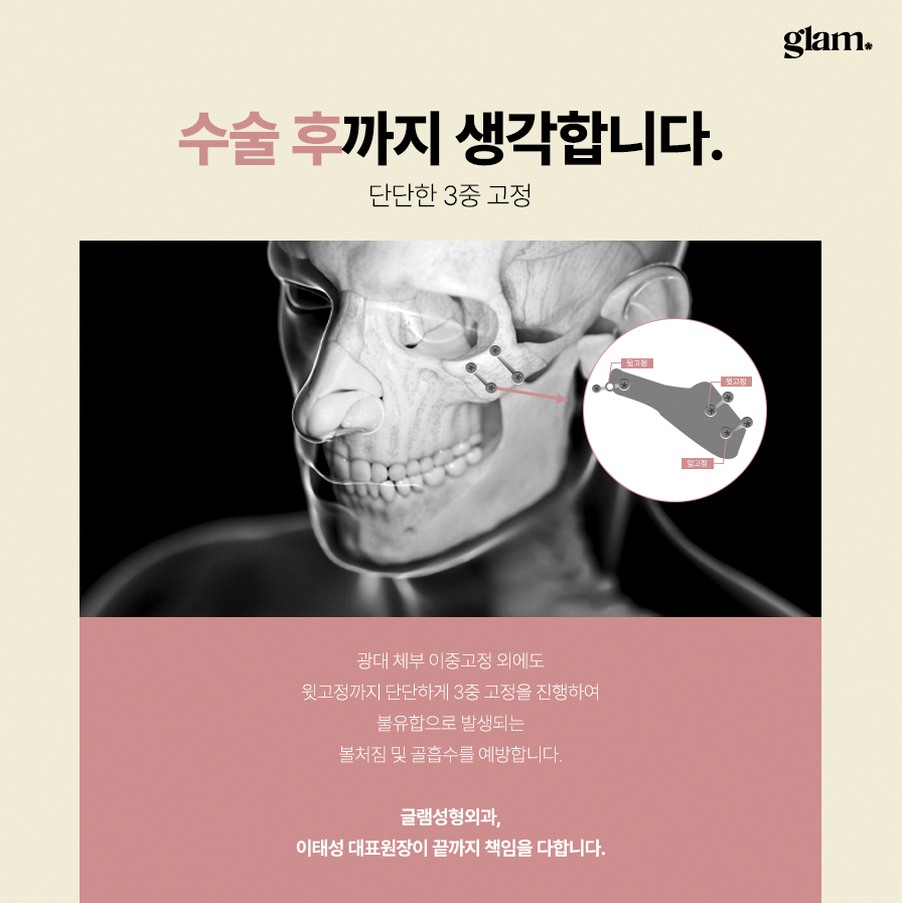
Re-osteotomy and repositioning means re-cutting and moving the zygomatic body or arch again when the previous movement was insufficient, misdirected, or created asymmetry. Because the bone has already healed and may be thinner, this must be done carefully to maintain strength and protect nearby structures.
Contouring and smoothing is often used when there are step deformities or palpable bumps. The surgeon can shave or smooth irregular bone edges to create a more natural curve. This may be combined with plate removal if the hardware is visible or contributing to the irregularity.
Plate and screw management is a frequent part of revision. Plates or screws that cause discomfort, are too superficial, or contribute to asymmetry can sometimes be removed or repositioned. In some cases, new fixation is needed to maintain stability after re-osteotomy.
When over-reduction has left the midface too flat or hollow, volume and support restoration may be considered. This can involve bone grafts or other methods to rebuild projection and structural support. The goal is not only cosmetic fullness but also better support for the soft tissue to reduce a prematurely aged look.
Because sagging cheeks and deepened folds are common after cheekbone reduction, revision is often combined with lifting procedures. A midface or cheek lift can reposition soft tissues that have descended, improving contour in ways that bone surgery alone cannot achieve.
Throughout all of these techniques, protecting important nerves such as the infraorbital nerve and zygomaticofacial nerve is critical. The surgeon must also ensure that enough bone remains to support the midface and withstand normal daily forces. Since the margin for error is smaller than in primary surgery, surgeon experience and precise preoperative planning are especially important.
Risks, limitations, and realistic expectations
Revision cheekbone surgery carries specific risks and limitations that patients should understand before making a decision.
The technical difficulty is higher than in first-time surgery. Previous bone cuts, scar tissue, and hardware all make the anatomy more complex. The range of possible movement may be limited because some bone has already been removed or reshaped.
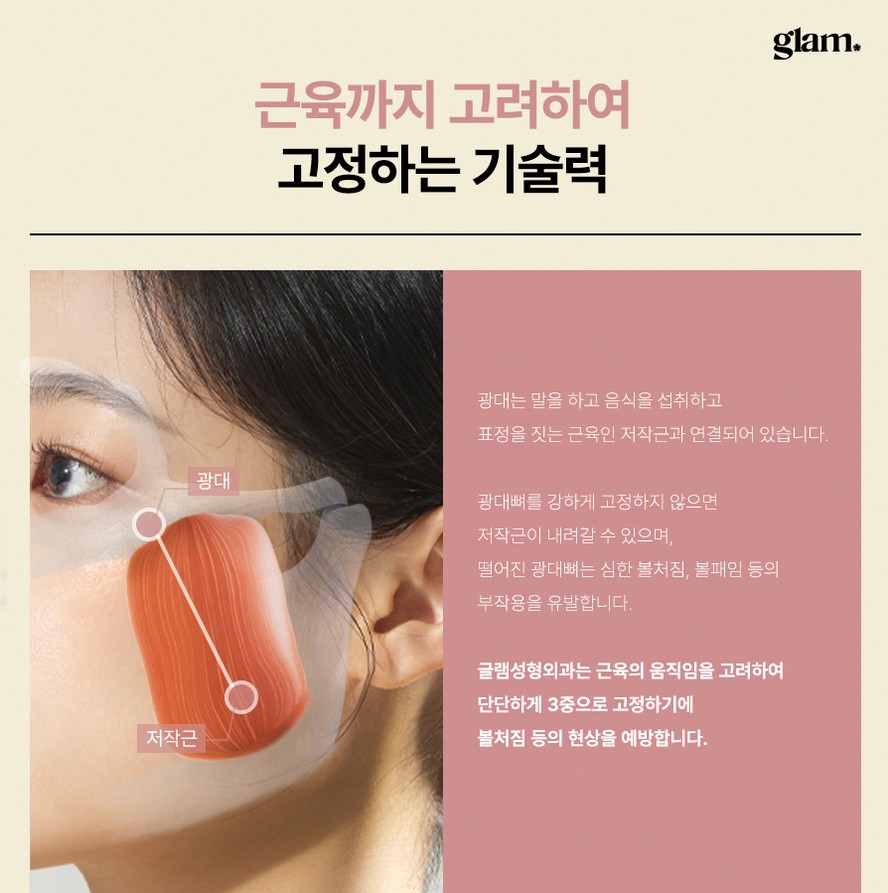
There is a risk of nerve-related symptoms such as numbness, tingling, or altered sensation in the cheek, upper lip, or side of the nose. These may be temporary or, in some cases, longer-lasting.
If planning is inadequate, there is a risk of worsening asymmetry rather than improving it. In addition, complete symmetry is rarely achievable, even in primary facial bone surgery. In revision, the goal is usually to reduce noticeable differences rather than create perfect mirror images.
Some patients hope for a very dramatic change from revision alone. In reality, the bone structure has already been altered once, and there are limits to how much it can be changed again safely. A responsible surgeon will clearly explain what can and cannot be improved, and may recommend only the minimum necessary procedures to address the main problems.
Recovery can be similar to or sometimes longer than primary surgery, with swelling that may take several weeks to settle and final contour taking several months to evaluate.
Patients should be cautious of clinics that promise extreme transformations or guarantee specific results from revision surgery. A careful, conservative approach focused on safety and realistic improvement is generally more appropriate for revision cases.
Clinic focus and expertise for revision cheekbone surgery
For complex revision work, many overseas patients prefer clinics that concentrate on facial bone surgery rather than offering a broad mix of unrelated procedures. In Sinsa, Gangnam, there are centers that focus on double jaw surgery and facial contouring, including revision cases.
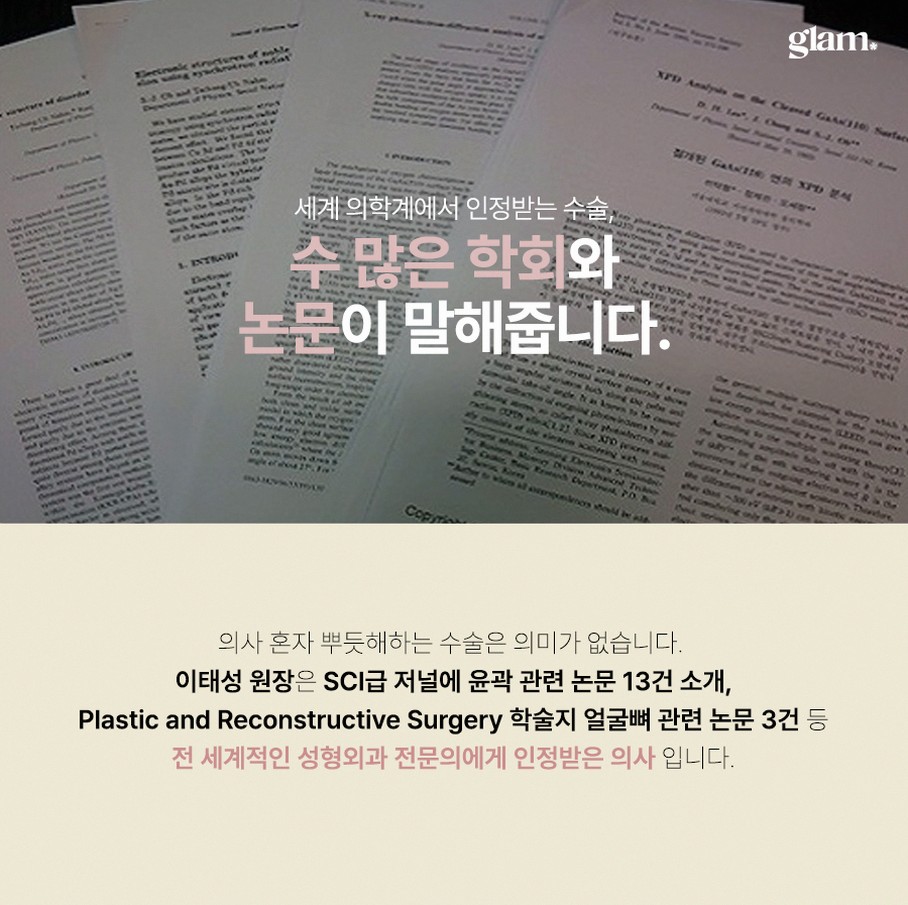
At GLAM Plastic Surgery, for example, the lead surgeon is a plastic surgeon with 20 years of experience in facial bone surgery, including double jaw and contouring operations (20 years of experience as of February 2025). As of February 2025, this surgeon has authored 13 SCI-level papers in the fields of contouring and double jaw surgery, including three papers published in Plastic and Reconstructive Surgery, reflecting both clinical and academic involvement in this field.
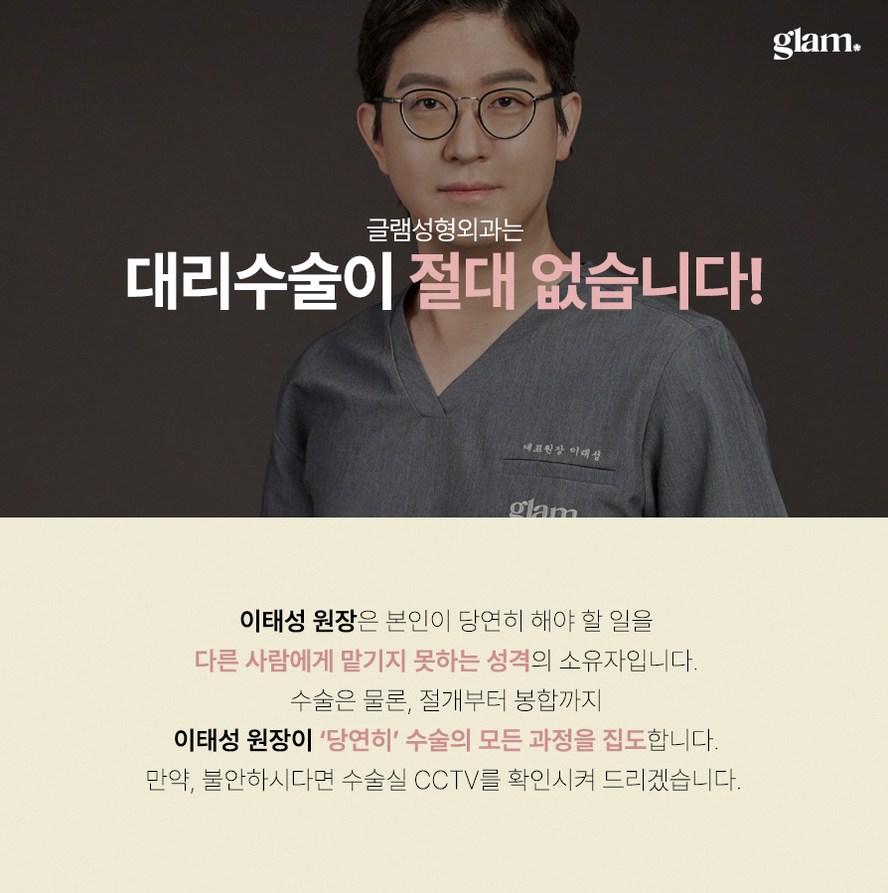
Surgery is performed directly by the representative surgeon and supported by a specialist in anesthesiology and pain medicine who serves as head of anesthesiology and manages anesthesia and perioperative safety. For international patients undergoing revision cheekbone surgery, this consistent team approach can be reassuring.
The clinic emphasizes suggesting only the minimum necessary surgery based on objective analysis, which is particularly important for patients who are already anxious after a disappointing first operation. Postoperative care programs such as LED therapy, facial dome care, skin reset, and radiofrequency lifting are used to support recovery and help manage swelling and skin condition after facial bone procedures.
Online consultation and pre-visit preparation for overseas patients
If you live outside Korea, the process usually begins with an online consultation. To make this as useful as possible, it helps to prepare certain information in advance.
First, gather any records from your previous cheekbone surgery. This may include operative reports, pre- and post-operative X-rays or CT scans, and discharge summaries. If you do not have them, contact your previous clinic or hospital to request copies.
Second, prepare clear photos of your face from multiple angles: front, both 45-degree angles, both side views, and a view from slightly below. If you have photos from before your first surgery, include those as well. This helps the surgeon understand how your face has changed.
Third, write down your main concerns in order of priority. For example: persistent width, asymmetry, irregular lines, sagging, or discomfort. Be as specific as possible about what bothers you in daily life or in photos.
During the online consultation, you can expect the clinic to ask about the date and place of your first surgery, what techniques were used if you know them, and what your recovery was like. They will also ask about symptoms such as pain, numbness, clicking, or chewing discomfort, and whether your dissatisfaction is mainly aesthetic, functional, or both.
Based on the information and photos, the clinic can give you a preliminary opinion on whether revision bone surgery seems appropriate, whether soft-tissue procedures might be enough, and what kind of Korea visit schedule you might need. A final plan, however, usually requires an in-person examination and 3D CT imaging.
Expected Korea visit timeline for revision cheekbone surgery
The exact schedule can vary, but many overseas patients follow a similar timeline when coming to Seoul for revision cheekbone surgery.
On day 1 or 2, you will usually have an in-person consultation, physical examination, and 3D CT scan. The surgeon will review the images with you, explain the bone structure and hardware, and discuss possible surgical options and limitations. If you decide to proceed, surgery is often scheduled within a few days, depending on the clinic and your travel plans.
Surgery is performed under general anesthesia, managed by an anesthesiology specialist. Revision procedures may take longer than primary cheekbone surgery because of scar tissue and the need to work carefully around existing plates and screws.
After surgery, you will stay in Korea for a recovery period. Many patients plan for at least 10 to 14 days in Seoul, though some may stay longer depending on the complexity of the revision and their personal comfort. During this time, you will attend follow-up visits for wound checks, removal of any external sutures if present, and postoperative care such as LED therapy or facial dome treatments.
Swelling and bruising are usually most noticeable in the first 1 to 2 weeks, then gradually decrease. Light daily activities are often possible after about 1 to 2 weeks, but this depends on individual healing and the extent of surgery. Strenuous exercise and heavy lifting are usually restricted for a longer period, which your surgeon will explain.
Because final contour takes several months to stabilize, you will continue to monitor your progress after returning home, often with follow-up photos or online check-ins with the clinic.
Aftercare and recovery at home
Good aftercare is important for both safety and aesthetic results. Your clinic will provide detailed instructions, but there are some common principles.
Oral hygiene is crucial if incisions were made inside the mouth. You may be asked to use a prescribed mouthwash and to brush gently with a soft toothbrush while avoiding direct trauma to the incision lines.
Diet is usually adjusted in the early period. A soft or semi-liquid diet may be recommended for a while to reduce strain on the operated area. Spicy, very hot, or hard foods are often discouraged initially.
Sleeping position can affect swelling. Many surgeons recommend sleeping with your head elevated on extra pillows for the first days or weeks. Avoiding pressure on the sides of the face is also important.
You may receive postoperative care such as LED therapy, facial dome treatments, skin reset programs, or radiofrequency lifting while you are still in Korea. These are aimed at helping swelling, bruising, and skin condition. After you return home, gentle self-care, sun protection, and avoiding smoking can support healing.
Follow-up visits are essential. While you are in Seoul, you will have in-person checks. After you leave, online follow-up with photos allows the clinic to monitor your progress, answer questions, and advise on any concerns. If you experience unusual pain, fever, sudden swelling, or other worrying symptoms after returning home, you should also seek local medical attention.
How to choose a revision cheekbone surgeon
Choosing the right surgeon is one of the most important decisions you will make.
Look for a board-certified plastic surgeon or maxillofacial surgeon with a clear focus on facial bone surgery, not just general cosmetic procedures. Experience with revision facial contouring, specifically cheekbone revision, is particularly relevant, as revision cases are more complex than primary ones.
The clinic should have access to 3D imaging and follow a systematic pre-operative evaluation process, including review of previous surgery records when available. During consultation, the surgeon should provide a transparent explanation of risks, limitations, and alternative options, including non-surgical or soft-tissue approaches when appropriate.
For general anesthesia cases, the presence of a dedicated anesthesiology specialist is an important safety factor. Ask who will manage your anesthesia and monitor you during and after surgery.
Postoperative care systems designed for facial bone patients, including structured follow-up and swelling management, are also worth considering. When comparing clinics, do not focus only on price. Pay attention to how clearly they answer your questions, how realistic their explanations are, and whether they seem to prioritize safety over aggressive promises.
During your consultations, you may want to ask:
How many revision cheekbone cases do you handle each year?
What are the most common goals and limitations in cases similar to mine?
What is your usual Korea stay recommendation for overseas revision patients?
How do you manage anesthesia and emergency situations?
What kind of follow-up do you offer after I return home?
Frequently asked questions about revision cheekbone reduction surgery
Can revision cheekbone surgery fix over-reduction and a sunken midface?
In some cases, yes, but usually not by simply cutting more bone. When the midface looks sunken because too much bone was removed or moved inward, the focus often shifts to restoring support and volume. This may involve bone grafting or other structural methods, sometimes combined with fat grafting or lifting. The exact approach depends on your bone thickness, previous cuts, and soft-tissue condition, which are evaluated through 3D CT and physical examination.
How long should I wait after my first cheekbone surgery before considering revision?
Most surgeons recommend waiting at least 6 to 12 months after the first surgery before planning a revision. This allows bone and soft tissue to heal and stabilize, making it easier to assess the true final result. In addition, operating too early may increase risks related to incomplete bone healing. However, if you have severe pain, infection, or other urgent problems, you should seek medical advice sooner.
Is revision cheekbone surgery more painful or risky than the first surgery?
Revision is generally more technically demanding, and the risk profile can be higher because the anatomy has already been altered. That said, pain levels after surgery vary widely between individuals and are usually manageable with prescribed medication. The main additional concerns in revision are related to nerve protection, bone strength, and limited options for further movement. A careful surgeon will explain these risks in detail and plan conservatively to protect important structures.

How long will I need to stay in Korea for revision cheekbone surgery?
For most overseas patients, a stay of around 10 to 14 days is recommended, though this can vary with case complexity and personal circumstances. The first few days are for consultation, imaging, and surgery, followed by postoperative monitoring, suture removal if needed, and early aftercare treatments. Your clinic will give you a more specific schedule based on your individual plan. If your revision is particularly complex, a longer stay may be advised.
Soft call to action for online consultation
If you are considering revision cheekbone reduction surgery in Seoul and would like an expert opinion on your case, you can start with an online consultation with a facial bone-focused clinic such as GLAM Plastic Surgery. By sharing your previous records, images, and main concerns, you can receive a more personalized assessment of whether revision bone surgery, soft-tissue procedures, or a combination might be suitable, as well as guidance on a realistic Korea visit plan.
This article is for general information only and does not replace a face-to-face consultation with a qualified medical professional. Individual conditions, risks, and outcomes vary, so please discuss your specific situation directly with your surgeon before making any decisions about surgery or other treatments.




- 공유 링크 만들기
- X
- 이메일
- 기타 앱


댓글
댓글 쓰기