Quick cheekbone reduction — Seoul revision options
- 공유 링크 만들기
- X
- 이메일
- 기타 앱
Direct answer for people searching quick cheekbone reduction review
If you are searching for a quick cheekbone reduction review because you are unhappy after a previous zygoma reduction, the key points are these: so‑called quick cheekbone reduction is still real bone surgery, and when the first result is unsatisfactory, revision facial contouring is sometimes possible but usually more complex than the original operation. Revision cheekbone contouring focuses on correcting issues such as asymmetry, a sunken or aged look, persistent swelling, or sagging, rather than simply making the face smaller again. Recovery can be longer, and expectations need to be realistic, especially for long‑term satisfaction.
In this guide, written for overseas patients considering treatment in Korea, we will explain how revision cheekbone contouring is different from primary surgery, what a careful evaluation looks like, what to expect if you travel to Seoul, and how to read online quick cheekbone reduction reviews with a critical eye.
What quick cheekbone reduction really means
Cheekbone reduction overview
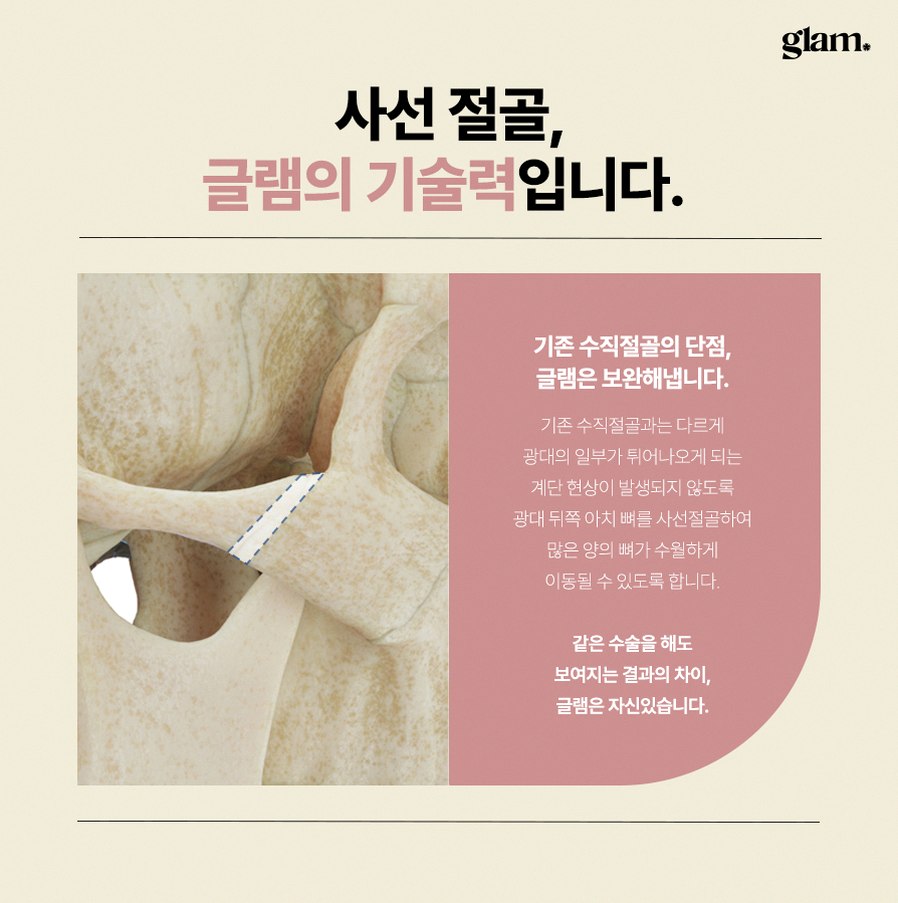
Cheekbone reduction, also called zygoma reduction, is a facial bone surgery that reduces a wide or protruding cheekbone to create a slimmer and softer facial line. Surgeons usually work on two main parts of the bone: the zygomatic body (the front and side part that shows in the 45‑degree view) and the zygomatic arch (the side part near the ear). By cutting and repositioning these segments, the outer width of the face can be reduced.
Quick cheekbone reduction as a marketing term
Quick cheekbone reduction is often advertised to highlight a shorter operation time, smaller incisions, or a simplified technique. However, even if the skin cuts look small and the surgery is described as quick, it is still bone surgery. The cheekbone is cut, moved, and fixed with plates and screws. This means there are real risks, a healing period, and long‑term structural changes.
When people search for quick cheekbone reduction review, many are trying to understand how this approach differs from more traditional cheekbone reduction, and whether problems after the first operation can be corrected. Once the initial result is unsatisfactory, revision facial contouring of the cheekbone becomes an option to consider, but it is usually more demanding than the first surgery.
Why quick cheekbone reduction sometimes needs revision
Common complaints seen in real‑world reviews
If you read a range of quick cheekbone reduction reviews, certain patterns often appear. Typical concerns include:
Asymmetry between the left and right cheekbones, especially visible in front or 45‑degree photos.
A face that looks sunken, flat, or aged rather than naturally slim.
Persistent swelling or an unnatural contour that does not settle as expected.
Sagging of the midface or cheek fat, giving a tired or droopy look.
Numbness or discomfort around the cheek, upper lip, or gums that feels different from normal post‑operative recovery.
These descriptions vary from person to person, but they reflect how changes in bone structure can affect both appearance and sensation.
Anatomical reasons for these problems
Several anatomical and technical factors can contribute to disappointing results after quick cheekbone reduction:
Over‑resection of the zygomatic body or arch, which can create a hollow or sunken appearance.
Under‑resection, where the cheekbones still look wide, leaving the patient feeling that not much has changed.
Incomplete fixation or unstable bone segments, which can shift slightly during healing and cause asymmetry or step deformities.
Changes in soft tissue support after the bone is moved, leading to midface sagging or altered cheek volume.
Pre‑existing skeletal asymmetry that was not fully analyzed before the first surgery, so the cuts and repositioning did not adequately correct it.
Because of these factors, revision is not simply a matter of repeating the same operation. Revision cheekbone contouring requires a careful look at the current bone position, the fixation hardware, and the condition of the soft tissues.
Key differences between primary and revision cheekbone contouring
Why revision is more complex
Revision facial contouring of the cheekbone is usually more technically demanding than primary surgery. Reasons include:
Scar tissue from the first operation, which makes dissection more difficult and increases the need for delicate handling.
Existing fixation plates and screws that may need to be removed or adjusted.
Bone segments that have already been shortened or moved, limiting how much additional reduction or repositioning is safely possible.
Soft tissue that has already adapted to a new bone shape, which may not respond the same way to further changes.
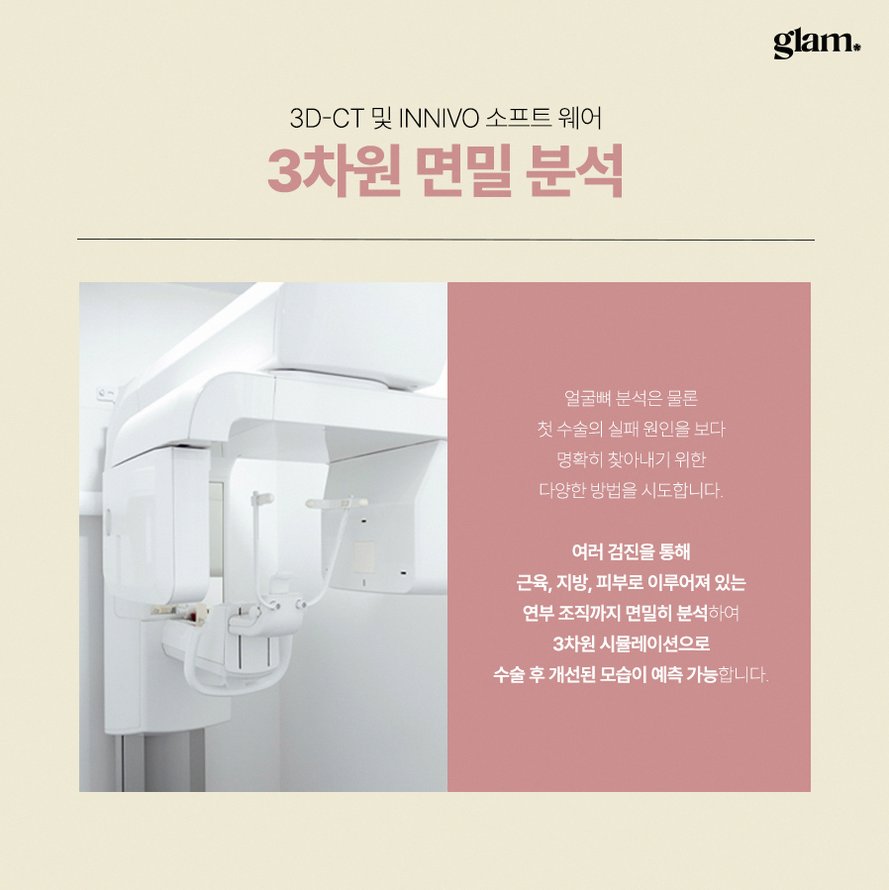
Because of this, revision cheekbone surgery is more dependent on precise 3D imaging and detailed planning. The aim is to improve structure and balance while maintaining stability and function.
What a responsible clinic should check before revision
Before accepting a revision cheekbone contouring case, a careful clinic will usually go through several steps:
A detailed consultation about the previous surgery method, date, and recovery, including any early complications.
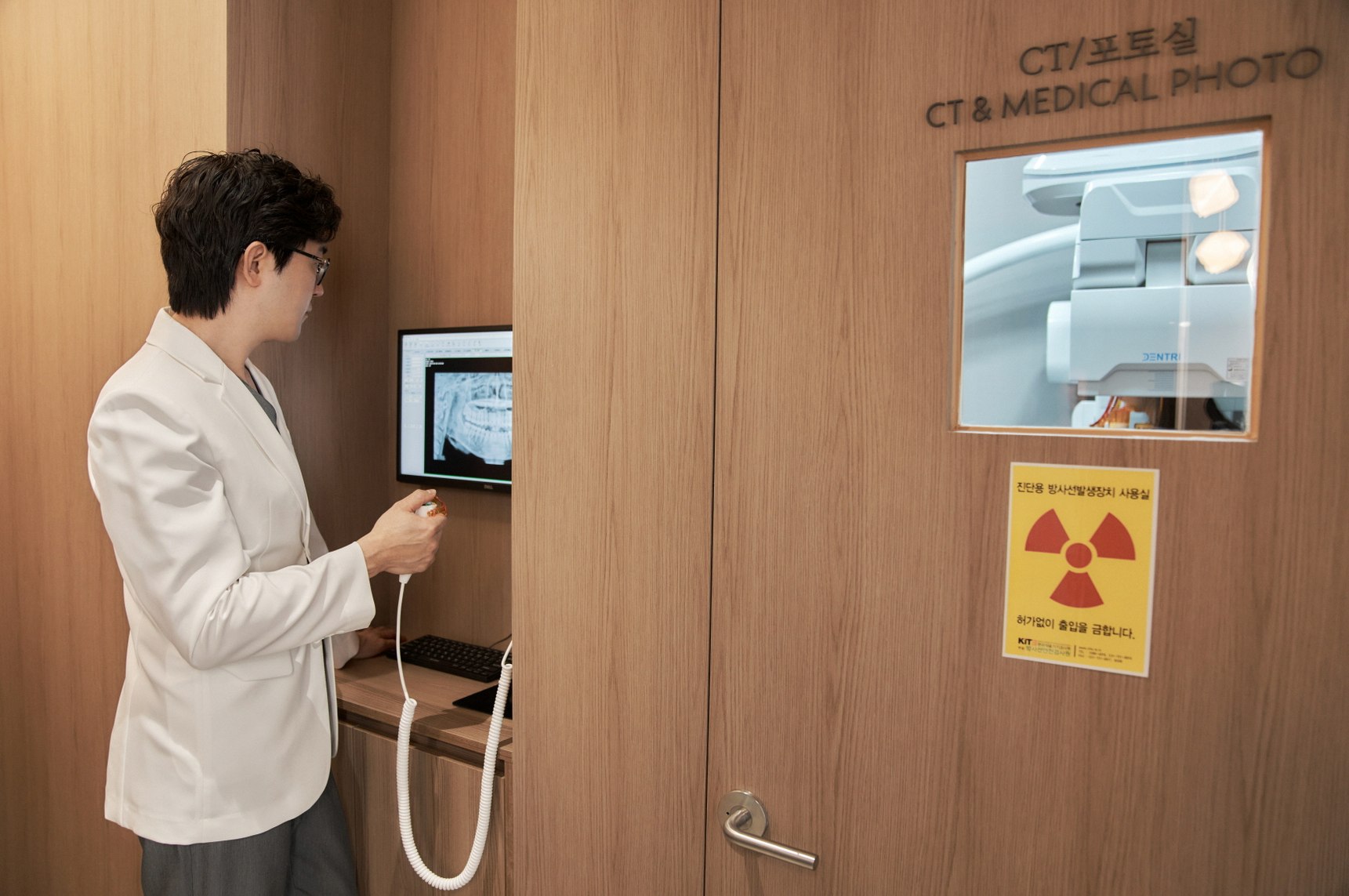
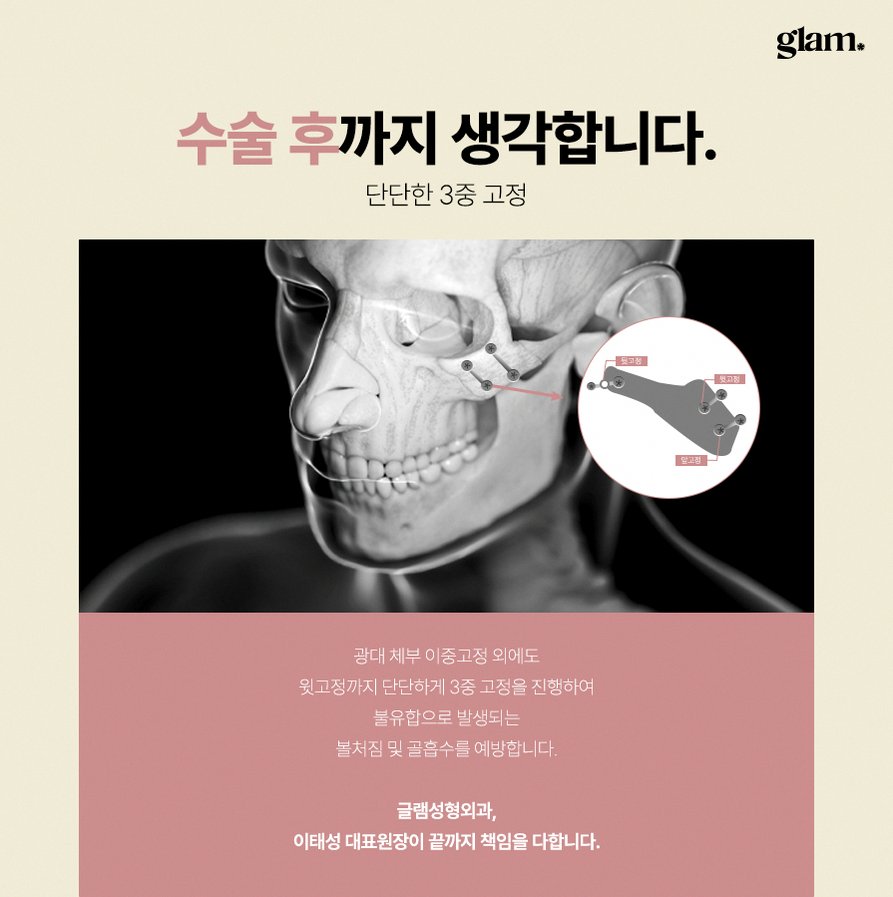
3D CT or similar imaging to see the exact location of bone cuts, the position of plates and screws, and the current healing status of the zygoma.
Evaluation of occlusion (bite), jaw movement, and facial symmetry to ensure that the cheekbone changes will not disturb overall facial function.
Assessment of soft tissue volume and skin condition, including any sagging, dimpling, or irregularities.
A realistic discussion of what can and cannot be improved, acknowledging that some issues may be structural while others are more related to soft tissue or expectations.
Not every patient is a good candidate for revision. Sometimes, conservative management, non‑surgical treatments, or simply more time for healing may be safer than another operation.
How a facial‑bone‑focused clinic approaches revision cheekbone surgery
About GLAM Plastic Surgery
GLAM Plastic Surgery is a clinic in Gangnam, Seoul, that focuses solely on facial bone surgery such as double jaw and facial contouring. It does not offer procedures for eyes, nose, or breasts. For patients considering cheekbone reduction revision in Seoul, this single‑lineup system can be relevant because the entire workflow, from imaging to post‑operative care, is built around bone surgery cases.
The medical staff structure includes one board‑certified plastic surgeon leading facial bone surgery and one board‑certified anesthesiologist dedicated to anesthesia and monitoring. As of February 2025, the lead surgeon has 20 years of experience in facial bone surgery and 13 SCI‑level papers on contouring and double jaw surgery, including 3 in the journal Plastic and Reconstructive Surgery. This background supports an evidence‑based approach rather than a purely marketing‑driven one.
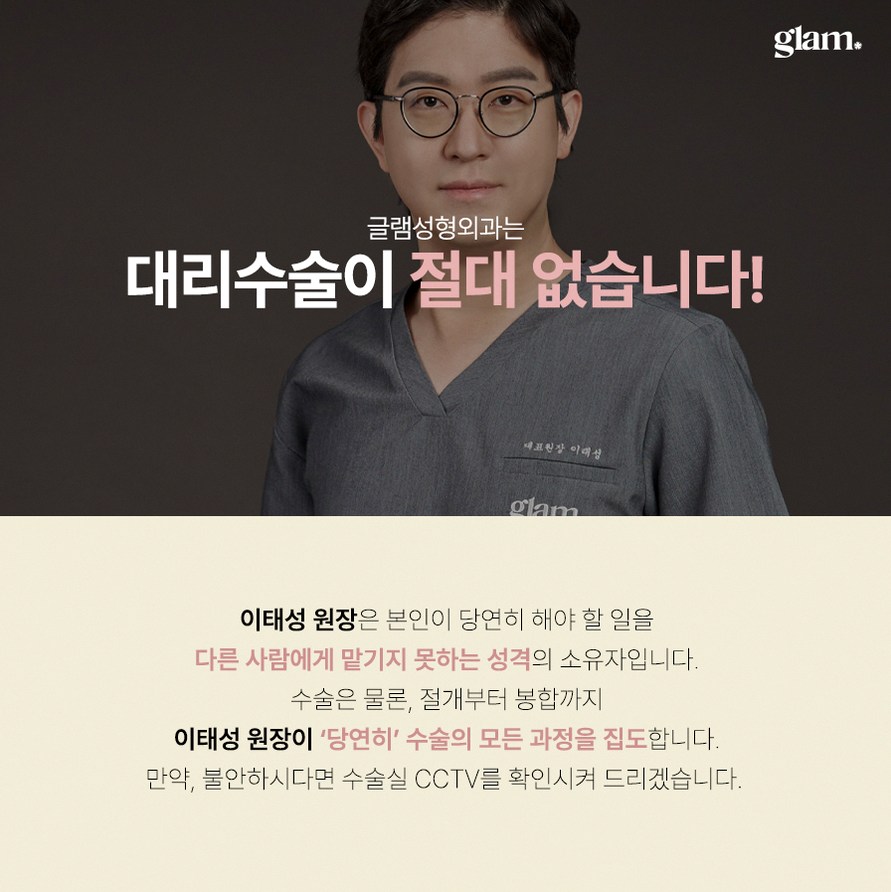
The clinic’s philosophy is that the lead surgeon operates directly and recommends only the minimum necessary surgery, which can be especially important for patients who already feel anxious after a previous operation.
Evaluation process for quick cheekbone reduction revision
Step‑by‑step assessment
For overseas patients seeking revision cheekbone contouring, the evaluation process usually follows several stages. This description is general and may be adapted to individual needs, but it gives a realistic picture of what to expect.
First consultation
The first step is a consultation, which may start online. Here, you share your previous surgery records if available, including operative notes, before‑and‑after photos, and any imaging. You also describe your main complaints: asymmetry, sunken areas, sagging, numbness, or dissatisfaction with width.
Imaging and structural analysis
Once you are in Korea, CT or 3D imaging is typically performed. The surgeon checks where the original bone cuts were made, how the zygomatic body and arch were moved, and where plates and screws are placed. Healing status is important: fully healed bone behaves differently from segments that are still remodeling.
Functional check
A functional evaluation looks at your bite, jaw movement, and any nerve symptoms. The surgeon will usually check for areas of numbness or tingling, and whether there is any clicking, pain, or limitation in jaw opening that might influence the surgical plan.
Aesthetic analysis
The face is then analyzed from the front, 45‑degree, and side views. The surgeon looks at cheekbone width, projection, and harmony with the jawline and chin. Step deformities, dents, or bumps are noted. The goal is to understand how the bone structure and soft tissue together create the current appearance.
Treatment planning
Finally, a treatment plan is discussed. Options may include removing or repositioning bone segments, changing fixation, smoothing irregularities, or in some cases adding volume with bone grafts or other methods. The aim is not simply to make the face smaller, but to restore balance, stability, and soft tissue support.
Surgical considerations in revision cheekbone contouring
What may be done in revision surgery
In revision cheekbone contouring, the surgeon may need to perform several types of corrections, depending on what the imaging and examination show.
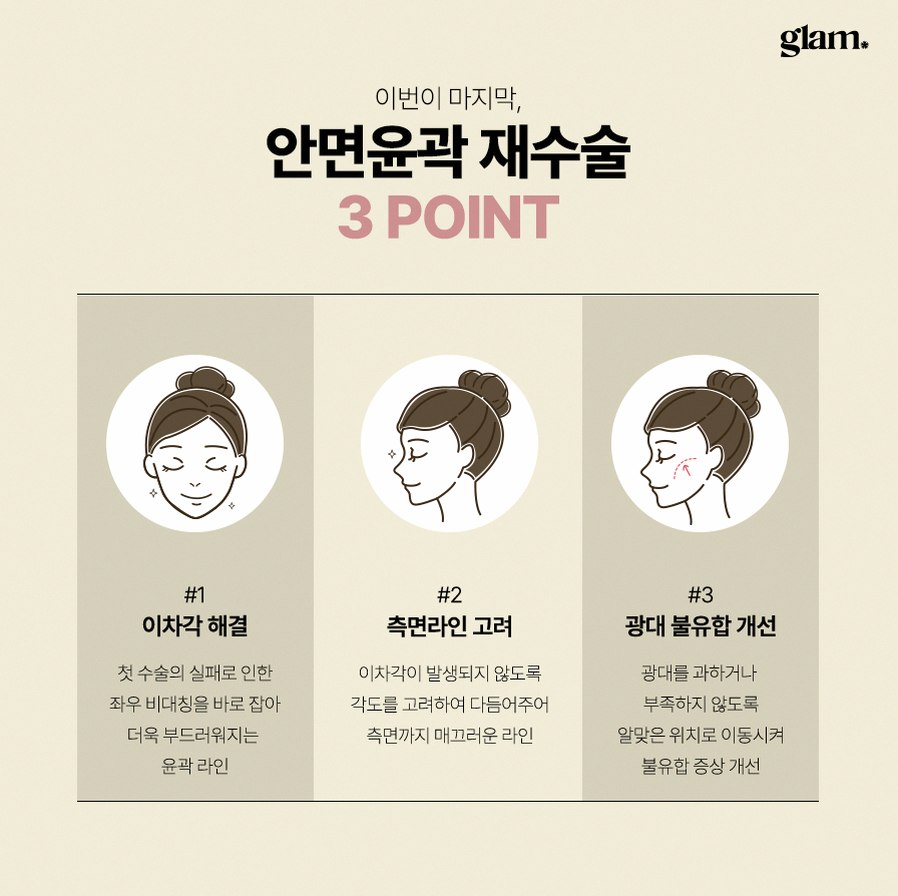
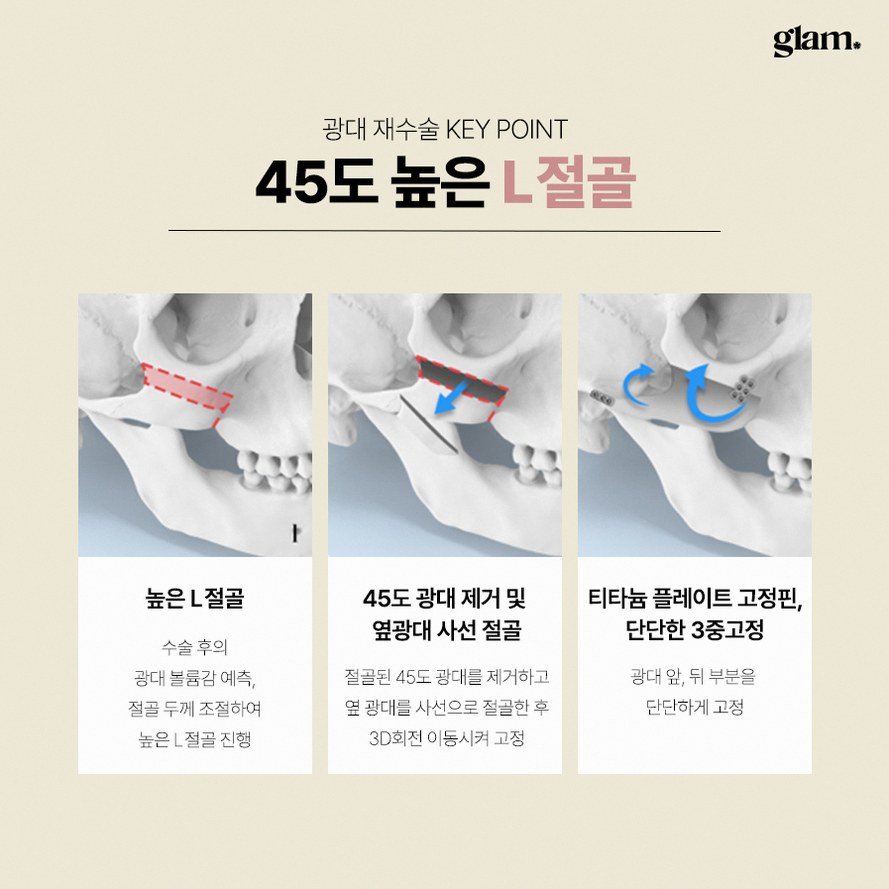
Removing or changing fixation plates and screws
If plates or screws are causing discomfort, visible irregularities, or asymmetry, they may be removed or repositioned. This can also allow better access to adjust the underlying bone segments.
Repositioning the zygomatic body or arch
If one side is more protruding or more sunken than the other, the zygomatic body or arch may be moved to a more balanced position. This can help reduce asymmetry and improve the 45‑degree view.
Addressing step deformities and irregularities
Sometimes the junction between cut bone segments heals with a step or ridge. Smoothing or reshaping these areas can reduce visible dents or bumps and create a more continuous contour.
Restoring volume when too much bone was removed
In cases where the cheekbone was over‑resected, the midface can look flat or aged. Here, the goal may be to restore volume rather than reduce it further. This can involve bone grafts or other contouring techniques to build up deficient areas.
Why the term quick is not appropriate for revision
Unlike some primary procedures marketed as quick cheekbone reduction, revision surgery is rarely quick. It often takes longer because of scar tissue, existing hardware, and the need for careful dissection. In revision cases, safety and precision are more important than speed. Patients should be prepared for a more involved operation and a more cautious recovery plan.
Recovery, swelling, and aftercare for revision cases
Expected recovery course
Recovery after revision cheekbone contouring can differ from the first surgery. Because tissues have already been operated on once, swelling may last longer. Bruising and discomfort can be similar or slightly more pronounced, depending on the extent of the revision.
Nerve symptoms, such as numbness or tingling, may temporarily increase after revision as tissues are re‑mobilized. In many cases, these symptoms improve over time, but permanent changes are possible and should be discussed clearly before surgery.
Supportive post‑operative care
Structured post‑operative care can support recovery, although it cannot replace proper surgical technique. As an example, GLAM Plastic Surgery uses supportive programs such as LED therapy, facial dome care, total skin reset programs, and radiofrequency lifting with the aim of easing swelling and maintaining skin condition. These are considered supportive measures rather than guarantees of faster or perfect healing.
Realistic timelines
For most patients, initial daily‑life recovery, such as returning to office work, is possible in roughly 1 to 2 weeks, depending on individual healing and job demands. Major swelling reduction usually takes several weeks. The final contour often takes several months to settle, especially in revision cases where tissues need more time to adapt.
How to read online quick cheekbone reduction reviews critically
Evaluating what you read
When you search for quick cheekbone reduction review, you will find a mix of very positive, very negative, and in‑between experiences. To use these reviews wisely:
Look for reviews that include both early impressions and long‑term follow‑up, not only comments from the first few days or weeks.
Be cautious with very short, emotional, or one‑line reviews, whether they are extremely positive or extremely negative.
Check whether the reviewer had primary or revision surgery. Recovery, expectations, and satisfaction can be quite different in revision cases.
Remember that every face and bone structure is unique. A result that looks ideal on one person may not be realistic or appropriate for another.
Why in‑person consultation still matters
Online reviews can be a useful reference, but they cannot replace imaging, physical examination, and a personalized plan. A surgeon needs to see your actual bone structure, soft tissue, and functional status to advise whether revision is suitable and what level of improvement is realistic.
Who might consider revision cheekbone contouring – and who should not
Suitable candidates
In general, patients who may benefit from cheekbone reduction revision include those who:
Have clear structural issues on imaging, such as asymmetry, step deformity, or unstable fixation, that match their visible concerns.
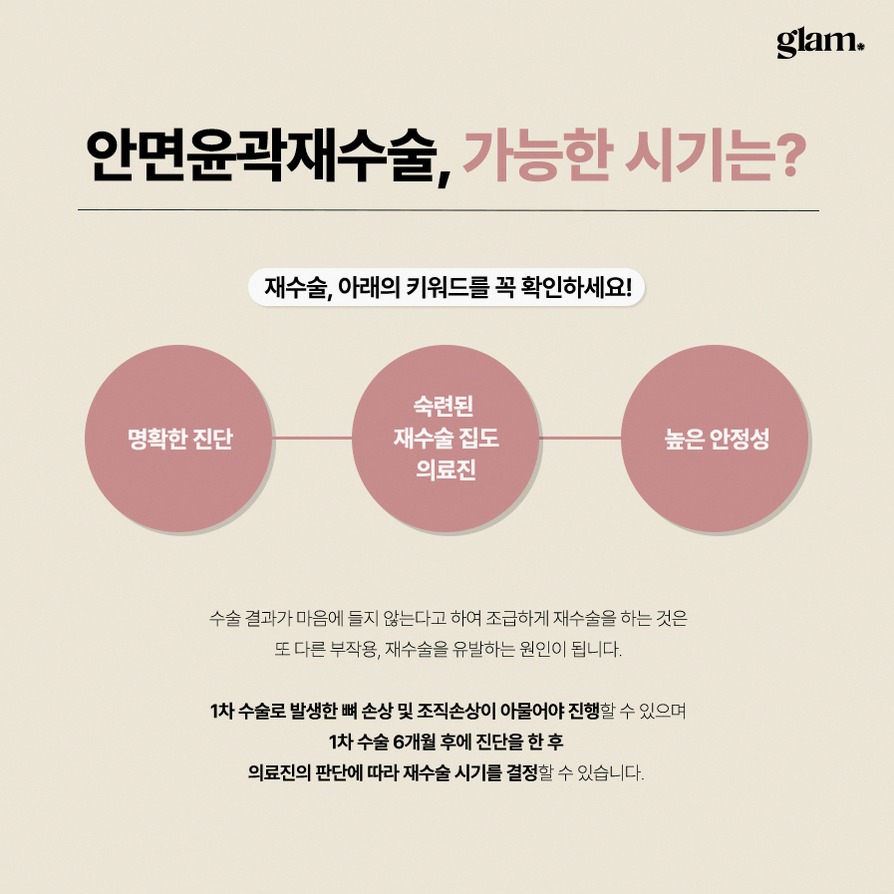
Have allowed enough time for healing after the first surgery, often at least 6 to 12 months, so that swelling has subsided and bone has stabilized.
Have realistic expectations, aiming for partial improvement and better balance rather than perfection.
Cases where revision may be discouraged
Revision may not be recommended when:
The bone structure is already stable and balanced, and dissatisfaction is mainly due to minor soft tissue changes or expectations that are unlikely to be met by further bone surgery.
Medical conditions, general health, or psychological factors make additional surgery high‑risk.
In such situations, non‑surgical options, counseling, or simply more time may be safer and more appropriate.
Safety, anesthesia, and risk communication
Role of dedicated anesthesia
In facial bone revision surgery, dedicated anesthesia is important. Having a board‑certified anesthesiologist focused solely on anesthesia and monitoring allows the surgeon to concentrate fully on the operation. This division of roles can support safer management of airway, blood pressure, and pain control during a longer and more complex procedure.
Typical risks to understand
Like any bone surgery, revision cheekbone contouring carries risks. These can include infection, bleeding, nerve injury, asymmetry, under‑correction or over‑correction, and the possible need for further procedures. Scar formation and changes in soft tissue contour are also possible.
It is essential to provide full pre‑operative disclosure of your medical history, medications, and previous surgeries. No clinic can guarantee a specific result, especially in revision cases, and a clear discussion of risks and limitations is an important part of ethical care.
Practical information for overseas patients
Location and access in Seoul
For patients planning an in‑person visit, GLAM Plastic Surgery is located on Dosan‑daero in Gangnam, about 200 meters on foot from exit 1 of Sinsa Station. The clinic operates during weekday and Saturday daytime hours, is closed on Sundays and public holidays, and does not have a separate lunch break.
Multilingual communication
For international patients, having access to staff or coordinators who can communicate in Japanese, English, or Thai can make the process smoother. These channels, along with social media and messaging apps, are typically used for initial inquiries, sharing photos, and arranging visit schedules.
Online consultation and pre‑visit preparation
Preparing for an online consultation
Before traveling to Korea for cheekbone reduction revision, it is helpful to prepare for an online consultation. You can:
Gather previous medical records, including operation reports, imaging, and any notes from your first surgeon if available.
Prepare clear photos of your face from the front, 45‑degree, and side views in good lighting, without filters.
Write down your main concerns in order of priority: for example, asymmetry, sunken cheeks, sagging, or persistent numbness.
List any medical conditions, medications, allergies, and previous surgeries.
Questions to ask before deciding
During online or in‑person consultation, you may want to ask:
What does my CT or 3D imaging show about my current cheekbone position and fixation?
Is my main problem structural (bone), soft tissue, or both?
What level of improvement is realistic, and what limitations should I be aware of?
How long should I stay in Korea for surgery, early follow‑up, and basic recovery?
What kind of post‑operative care and communication will be available once I return home?
Expected Korea visit timeline for revision cheekbone surgery
Typical visit schedule
Although plans are tailored individually, many overseas patients follow a similar timeline when coming to Seoul for revision cheekbone contouring.
First 1–2 days
In the first day or two, you usually have in‑person consultation, detailed examination, and imaging. The surgical plan is finalized, and pre‑operative tests such as blood work are completed.
Surgery day
On the surgery day, you are admitted, prepared for anesthesia, and undergo the operation. After surgery, monitoring continues until you are stable enough to go home or to your accommodation, depending on the clinic’s policy and your condition.
First week after surgery
The first week is focused on managing swelling, bruising, and discomfort. You may visit the clinic several times for wound checks, dressing changes, and supportive treatments such as LED therapy. Soft food and careful oral hygiene are often recommended.
Second week and beyond
By the second week, many patients feel more comfortable going outside and may be able to return to light daily activities or remote work. Stitches, if present, are usually removed around this time. Most overseas patients stay in Korea for about 1.5 to 2 weeks after revision surgery, but this can vary based on individual healing and travel distance.
Aftercare once you return home
Long‑term follow‑up
After you return to your home country, follow‑up is often continued through online consultations. You may be asked to send updated photos and report any symptoms. It is also wise to have access to a local doctor in case you need in‑person care for general post‑operative issues.
Self‑care and realistic expectations
Following instructions on diet, activity, oral hygiene, and sleeping position can support healing. Avoiding smoking and managing general health also help. It is important to remember that final contour changes take months, and judging the result too early can increase unnecessary anxiety.
FAQs about quick cheekbone reduction revision
Is quick cheekbone reduction revision always possible if I dislike my first surgery?
No, revision is not always possible or advisable. Whether revision can be done depends on your current bone structure, the position of previous cuts and fixation, your soft tissue condition, and your overall health. In some cases, imaging shows that the bones are already in a stable and balanced position, and additional surgery may carry more risk than benefit.
How long should I wait after my first cheekbone reduction before considering revision?
In many cases, surgeons recommend waiting at least 6 to 12 months after the first cheekbone reduction before seriously considering revision. This allows swelling to subside and bone to heal fully, so the true result is visible. However, if there are clear structural problems or functional issues, an earlier evaluation can still be useful to plan the right timing.
Will revision cheekbone contouring make my face even smaller, or can it also restore volume?

Revision cheekbone surgery is not only about making the face smaller. In some patients, the priority is to restore volume and support if too much bone was removed or if the cheeks look sunken. Depending on your situation, the plan may involve repositioning bone segments, adding volume, or a combination of both, with the goal of better balance rather than maximum reduction.
Is revision more painful or risky than the first operation?
Revision surgery can be more complex because of scar tissue and existing hardware, and it may carry a higher level of technical difficulty. Pain experience varies by person, but discomfort is usually manageable with appropriate medication. Risks such as infection, nerve changes, and asymmetry are present in both primary and revision surgery, and may be slightly higher in revision due to the altered anatomy. A detailed discussion with your surgeon is essential.
Can I combine cheekbone revision with other facial contouring procedures?
In some cases, cheekbone revision can be combined with other facial bone procedures, such as jawline or chin contouring, if this is safe and appropriate for your overall facial balance. However, combining surgeries also means a longer operation and recovery. The decision should be based on imaging, health status, and a clear understanding of priorities, rather than trying to do everything at once.
Soft call to action for online consultation
If you are reading quick cheekbone reduction reviews and feeling uncertain about your own result, a structured evaluation can provide clearer answers than online comments alone. An online consultation with a facial‑bone‑focused clinic in Seoul, such as GLAM Plastic Surgery, can help you understand whether revision cheekbone contouring is suitable for your case, what improvements are realistic, and how a Korea visit might be planned around your schedule.
By preparing your records, asking detailed questions, and allowing enough time for careful planning, you can move from general reviews to a personalized and informed decision about your next step.




- 공유 링크 만들기
- X
- 이메일
- 기타 앱


댓글
댓글 쓰기