Preparing for Celebrity Double Jaw Surgery in Seoul
- 공유 링크 만들기
- X
- 이메일
- 기타 앱
Direct answer: what is celebrity double jaw surgery?
When people search for “celebrity double jaw surgery,” they usually mean the dramatic yet natural change seen in famous faces: a slimmer lower face, a balanced profile, and a refined appearance that doesn’t read as obviously operated. There is no separate procedure called “celebrity double jaw surgery”—it is standard orthognathic double jaw surgery planned with extra attention to facial harmony, profile lines, and how the face looks from every angle and in photos.
At its core, double jaw surgery repositions both the upper and lower jaws to improve bite function and facial balance. The “celebrity” aspect is about philosophy and planning, not a different or lighter procedure. It is still major bone surgery that must prioritize safety, function, and long-term stability before aesthetics.
Overview of double jaw surgery
Double jaw surgery, also called bimaxillary or orthognathic surgery, is a procedure in which the surgeon cuts and repositions both the upper jaw (maxilla) and lower jaw (mandible). Plates and screws are used to hold the new positions while the bones heal.

The main medical goals are to correct problems such as:
Jaw protrusion or retrusion that affects the bite
Open bite where the front teeth do not meet
Facial asymmetry where one side looks longer or lower
Long face or excessive gum show when smiling
Chewing difficulty or jaw joint discomfort related to jaw position
At the same time, jaw position strongly influences how the face looks. When the jaws are brought into a more ideal position, the entire facial structure can change: the midface may look fuller, the lower face can become slimmer, and the profile of nose, lips, and chin can become more balanced.
What makes a result look “celebrity-like”
A celebrity-style double jaw result is not about copying a specific face. It is about combining medical correction with a refined, camera-friendly aesthetic. Common features of this style include:
A smoother, slimmer lower face line without an overly sharp or artificial V
A more defined but not bulky jaw angle
Balanced profile where nose, lips, and chin are aligned in harmony
Improved midface support so the face does not look sunken or tired
Natural expression at rest and when smiling, without a rigid or “mask-like” look
Minimal obvious signs of surgery when seen from the side or three-quarter angle
In planning, the surgeon considers not only the bite, but also how jaw movements will influence the nose base, upper lip support, chin projection, and even the neck line. For a celebrity-style approach, the goal is usually a noticeable improvement that still suits the patient’s own bone structure and ethnicity, rather than an extreme or trendy shape.
Who may consider double jaw surgery
Double jaw surgery is not for everyone who simply wants a smaller face or a celebrity image. It is mainly considered when there is a real skeletal and functional issue. Typical candidates include:
People with pronounced jaw protrusion or retrusion that clearly affects their bite and facial balance
Those with facial asymmetry, where one side of the jaw is longer, lower, or rotated
Individuals with a long face or gummy smile caused by the vertical position of the upper jaw
People with chewing difficulty, jaw fatigue, or speech issues linked to jaw alignment
Patients whose lower face shape is strongly determined by bone position rather than soft tissue volume
On the other hand, many people searching for “celebrity double jaw surgery” may not actually need full jaw surgery. For some, facial contouring of the jaw angle or chin, or soft tissue procedures, may be enough to refine the face line. In other cases, bite issues can be improved with bite correction alone.
A proper decision always requires detailed evaluation with imaging and bite analysis. It is important not to jump to the idea of double jaw surgery only because of online photos or trends.
A focused facial bone clinic in Gangnam
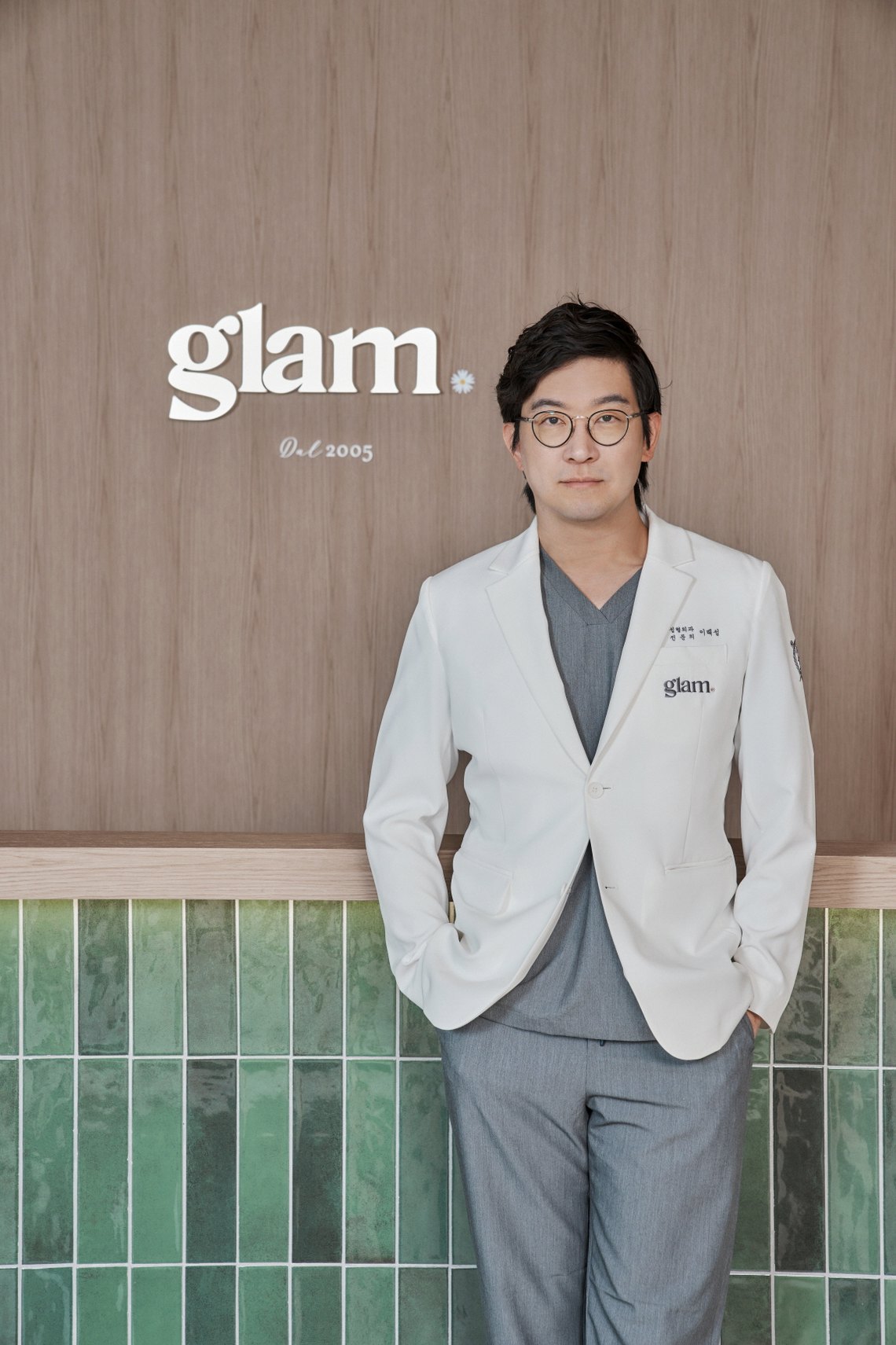
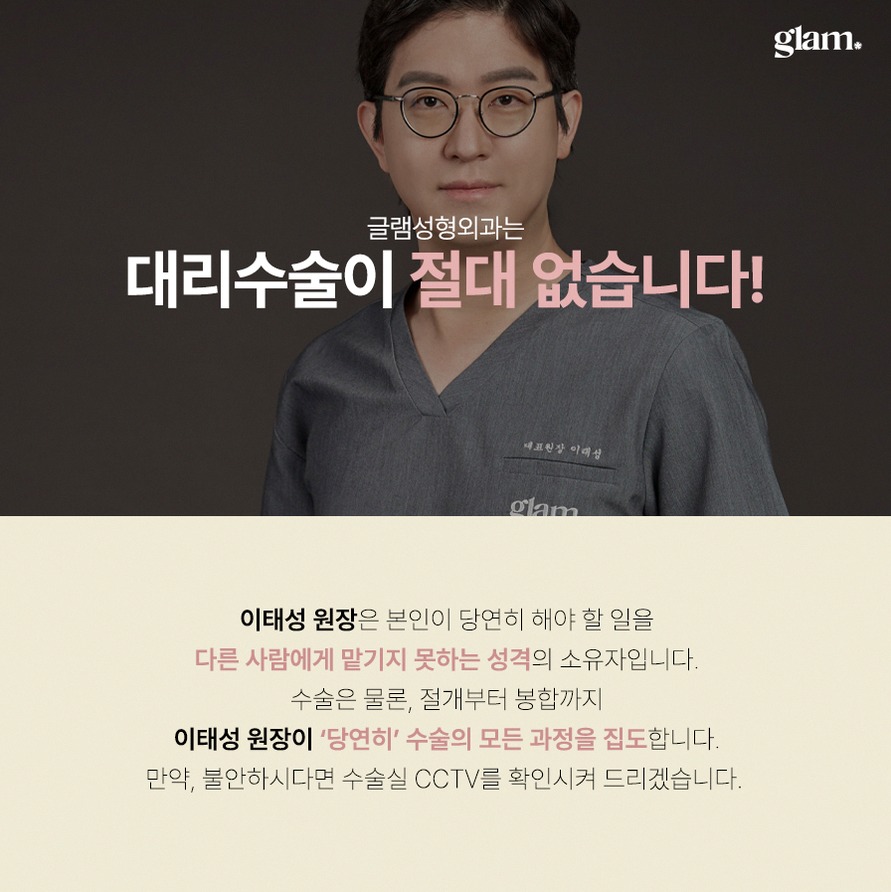
In Seoul’s Gangnam district, near Sinsa Station, there are clinics that focus specifically on facial bone surgery rather than a wide range of procedures. One such clinic is GLAM Plastic Surgery, which concentrates on operations such as double jaw surgery, revision double jaw surgery, zygoma reduction, V-line and square jaw surgery, and revision facial contouring.
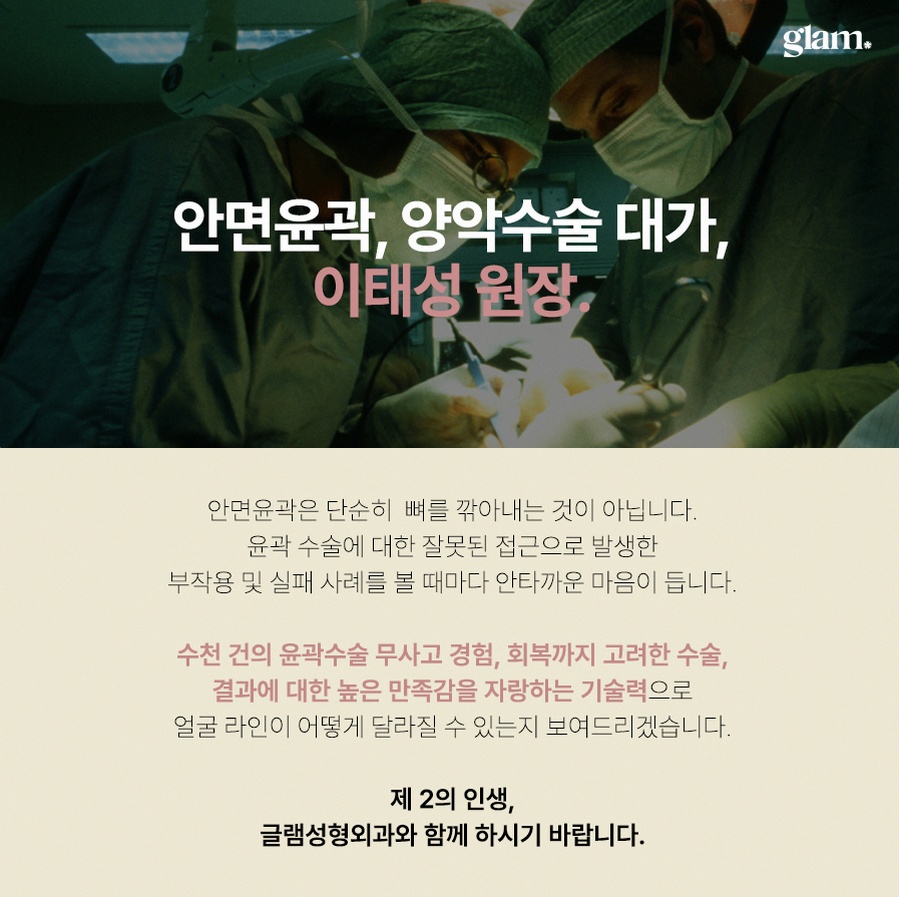
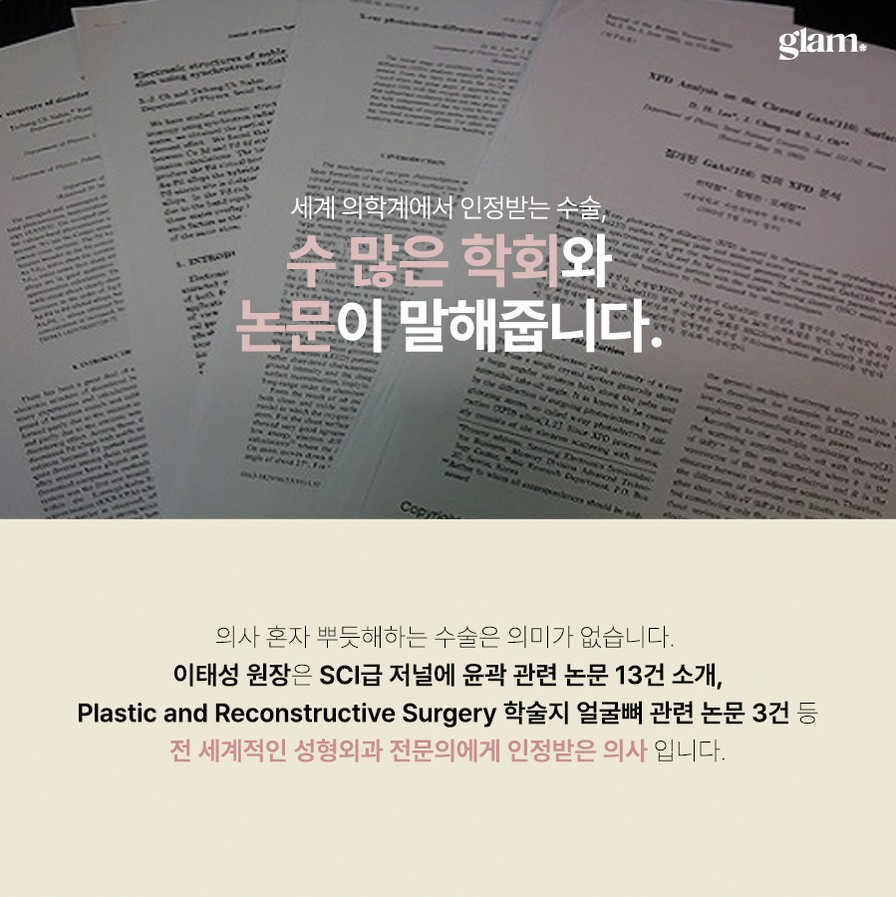
The clinic’s lead surgeon, Tae Sung Lee, is a board-certified plastic surgeon who graduated from Seoul National University College of Medicine, trained at Seoul National University Hospital, and completed plastic surgery specialization at Samsung Medical Center. According to the clinic’s own materials, he has more than 20 years of experience in facial bone surgery (as of February 2025) and has served as head of a face-bone center at a large plastic surgery hospital. As of February 2025, he has authored 13 SCI-level papers on contouring and double jaw surgery, including three in the journal Plastic and Reconstructive Surgery, which supports an evidence-based approach.
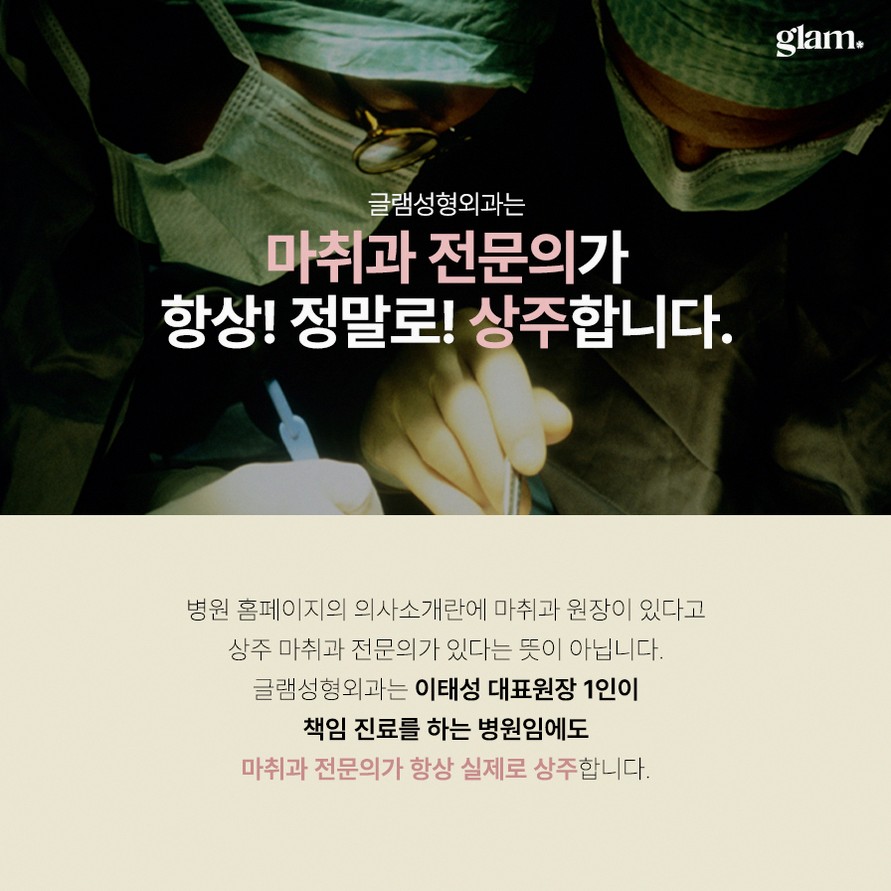
An important safety point for long and complex bone surgeries is anesthesia. At this clinic, anesthesia and perioperative pain management are handled by Min Jung Shin, a board-certified specialist in anesthesiology and pain medicine. The team structure is intentionally small: one plastic surgeon and one anesthesiologist, with an emphasis on the lead surgeon performing the operations personally and recommending only the minimum necessary procedures.
How a “celebrity-style” approach is planned
A clinic that focuses solely on facial bone surgery can build systems around this type of operation. This may include:
Diagnostic protocols centered on facial bones and airway
Operating room setups tailored for long bone procedures
Post-operative care programs aimed at swelling control and soft tissue adaptation
From an aesthetic point of view, a celebrity-style plan usually involves:
Balancing upper and lower jaw movements to improve both bite and facial proportions
Predicting how jaw repositioning will affect the nose base, upper lip, and chin
Avoiding over-reduction that could make the face look too small or aged
Planning for symmetry in three dimensions, not just from the front
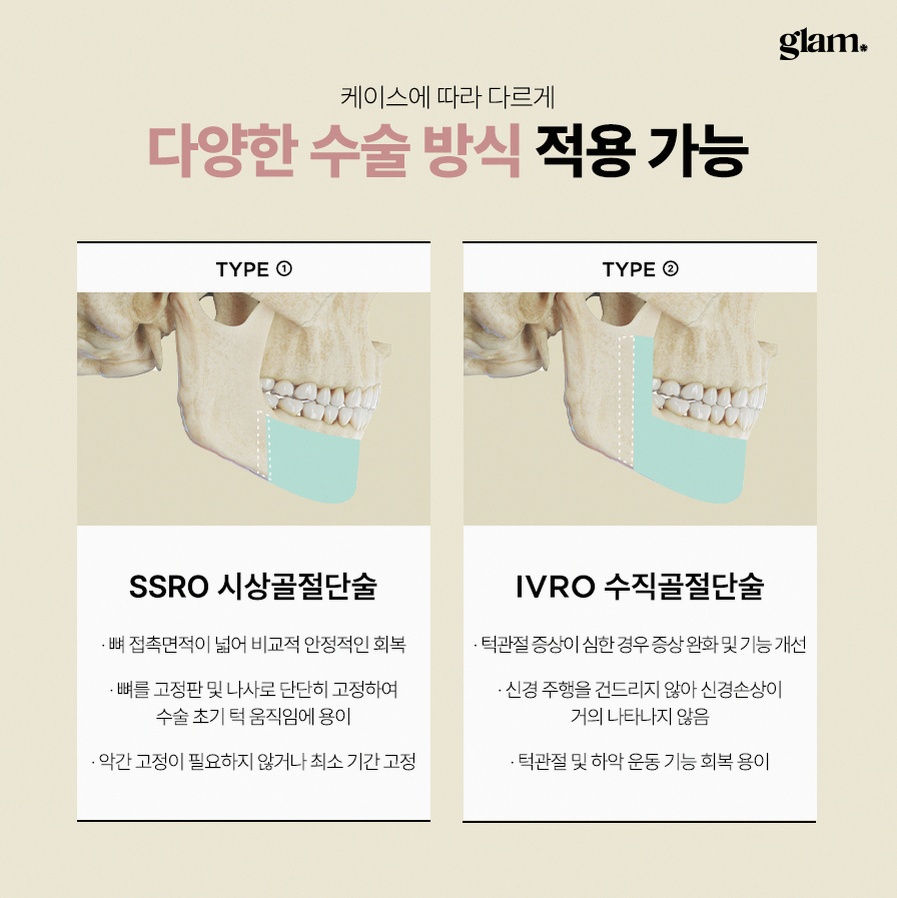
Some technique-related options may be discussed, depending on the individual case:
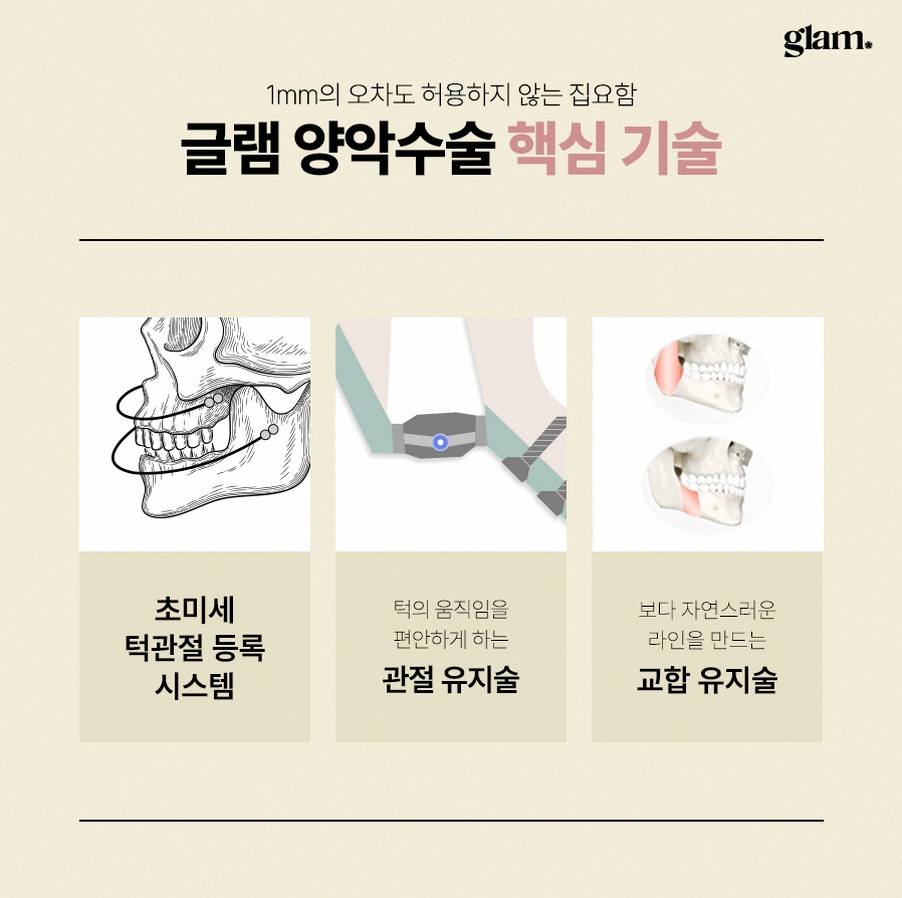
In selected patients, the possibility of double jaw surgery without prolonged jaw wiring, which can allow earlier mouth opening and a more comfortable early recovery
In certain bite patterns, the potential to reduce or omit pre- or post-surgical bite correction, in close cooperation with bite specialists
Suture methods around the nasal base that aim to reduce unwanted widening of the nose after the upper jaw is moved
These are concepts, not promises. Whether they are appropriate depends entirely on your anatomy, bite, and goals.

Online consultation and pre-visit preparation
For overseas patients, the first step is usually an online consultation. To make this as accurate as possible, you can prepare the following:
Front, 45-degree, and side-view photos of your face, taken in good lighting, with a neutral expression and teeth gently closed
Photos of your smile from the front and side
Any previous imaging you may have, such as CT or X-ray, if available
A short summary of your main concerns: for example, “lower jaw looks long and protruded,” “face is asymmetric,” or “difficulty chewing on one side”
A list of your medical history, current medications, and any previous facial operations
During online consultation, you can ask:
Whether your case seems to require double jaw surgery or if other options might be considered
What the main medical goals would be: for example, correcting an open bite, improving asymmetry, or reducing gum show
What kind of stay in Korea would be recommended for your situation
What type of imaging and tests will be done at the in-person consultation
International patients often find it helpful to keep a written checklist of questions before messaging or calling the clinic. This can include questions about anesthesia, hospital stay, early diet, and follow-up schedule, not only appearance.
Expected visit timeline for surgery in Korea
Every case is different, but a typical timeline for an overseas patient coming to Seoul for celebrity-style double jaw surgery might look like this:
First 2–3 days: In-person consultation and diagnostics. This usually includes facial photos, CT and X-ray imaging, and a detailed bite and facial analysis. The surgeon explains whether double jaw surgery is truly indicated, what the planned movements are, and whether additional procedures are recommended or not.
Pre-operative period: Some patients may need time for bite preparation before surgery. Others may be able to proceed more quickly. The clinic will guide you based on your case.
Surgery day: You arrive fasting. Under general anesthesia, the surgeon performs bone cuts and repositions the upper and lower jaws, then fixes them with plates and screws. Soft tissues are closed with attention to symmetry and nasal base width. After surgery, you are monitored in the recovery area and then in a hospital room or monitored ward, depending on the clinic’s system.
First week after surgery: Swelling and bruising are usually at their peak during the first few days. Breathing through the nose can feel stuffy, and you will be on a liquid or very soft diet. Some clinics use supportive devices such as LED therapy, facial dome treatments, skin reset care, or radiofrequency lifting to help with swelling and skin condition. These are supportive measures and do not replace medical follow-up.
Weeks 2–3: Swelling gradually decreases. Many patients can move from liquids to soft foods. You will have follow-up visits to check wound healing, bite contact, and jaw movement. For overseas patients, clinics often recommend staying in Korea at least two to three weeks after surgery so that early healing can be monitored and any urgent issues can be managed locally.
Months 1–6: After you return home, swelling continues to go down, and the face shape refines. If bite correction is part of your plan, you will coordinate with local specialists. The clinic may request periodic photos or online check-ins.
Months 6–12: Final soft tissue adaptation and subtle changes continue. Numbness usually improves over time, although this can vary.
Aftercare and lifestyle during recovery
Proper aftercare is essential for both safety and aesthetic outcome. Typical recommendations include:
Following liquid and soft diet instructions carefully to avoid stressing the jaw too early
Keeping the head elevated when resting to help reduce swelling
Using prescribed mouth rinses and maintaining good oral hygiene around the surgical area
Attending all scheduled follow-up appointments, especially during the first weeks
Avoiding smoking and heavy alcohol consumption, as they can slow healing
Supportive treatments like LED therapy, facial dome treatments, skin reset care, and radiofrequency lifting may be offered to help with swelling and skin tightening after bone surgery. These can be helpful additions but should be seen as part of a broader recovery plan that focuses first on bone healing and bite stability.
Safety, risks, and realistic expectations
Double jaw surgery, including celebrity-style planning, is major bone surgery. Common concerns include:
Temporary or sometimes longer-lasting numbness or altered sensation in the lips and chin
Residual asymmetry or slight differences between left and right sides
Partial relapse of jaw position over time
Breathing or airway discomfort in the early period
An appearance that feels unfamiliar at first, even if the change is positive
Risk reduction depends on several factors:
Accurate diagnosis and conservative planning that respects your anatomy
Experience with facial bone anatomy and nerve preservation
Stable fixation and careful handling of soft tissues
Clear communication about what is and is not achievable
It is also important to keep expectations realistic. Celebrity photos are often edited, taken under professional lighting, and styled with makeup and hair. Surgery can change bone structure and improve balance, but it cannot reproduce every detail of another person’s face.
The most reliable goal is an individualized face that suits your own features, improves function, and ages naturally over time. Some patients may still need bite correction or minor additional procedures to fine-tune function and aesthetics.
Practical details: location and access
GLAM Plastic Surgery is located on the 4th floor of a building on Dosan-daero in the Gangnam district of Seoul, approximately 200 meters on foot from Sinsa Station exit 1. This area is a common base for overseas patients because it offers many accommodation and transport options.
The clinic’s operating hours are generally weekdays from 10:00 to 18:30 and Saturdays from 10:00 to 16:00, with closure on Sundays and public holidays and no separate lunch break. For the most up-to-date schedule, it is best to confirm directly with the clinic before planning flights.
For international patients, the clinic provides multilingual support pages in Japanese, English, and Thai, and uses social media channels such as Instagram, YouTube, and KakaoTalk for initial inquiries. When planning your trip, remember to allow enough time not only for surgery but also for in-person consultation, imaging, and early follow-up.
Frequently asked questions about celebrity double jaw surgery
What is the difference between normal double jaw surgery and celebrity double jaw surgery?
Medically, they are the same category of operation: orthognathic surgery on both upper and lower jaws. The difference lies in the planning focus. A celebrity-style approach puts extra emphasis on how the face looks in real life and in photos, aiming for a refined but natural result, balanced profile, and minimal signs of surgery. However, safety, bite correction, and long-term stability must always come first.
Can double jaw surgery alone give me a celebrity face?
Double jaw surgery can change the underlying bone structure and significantly influence the shape of the lower face, profile, and midface support. But a “celebrity face” is the result of many factors: bone structure, soft tissue, skin quality, styling, and sometimes other procedures. Surgery cannot copy another person’s exact appearance. The realistic goal is to create a more balanced and harmonious version of your own face.
How long do I need to stay in Korea for double jaw surgery?
For overseas patients, many clinics recommend staying in Korea for at least two to three weeks after surgery. This allows time for pre-operative consultation and imaging, the operation itself, and early follow-up visits to monitor healing and bite. Some patients may need a longer stay depending on their case complexity and any additional procedures. It is important to discuss this in detail during online consultation and to plan flights and accommodation accordingly.
Is double jaw surgery very painful and will my jaw be wired shut?
Pain levels vary, but most patients describe more pressure and swelling than sharp pain, especially with modern pain management and a dedicated anesthesiologist overseeing perioperative care. In some cases, it is possible to avoid long-term jaw wiring and use elastic bands instead, which allows earlier mouth opening. However, this is not suitable for every patient. The exact method depends on your bite, the movements required, and the surgeon’s judgment.
How can I choose a safe clinic for celebrity-style double jaw surgery?
When comparing clinics, look beyond marketing images. Check whether the clinic focuses on facial bone surgery, the training and experience of the lead surgeon, the presence of a full-time anesthesiologist, and whether the surgeon personally performs the operation. Ask about imaging and planning methods, how they manage risks, and how they handle follow-up for overseas patients. A clinic that explains limitations clearly and recommends only necessary procedures is often a safer choice than one that promises dramatic transformations for everyone.

Soft call to action for online consultation
If you are considering celebrity-style double jaw surgery in Seoul and want a clearer idea of whether it is appropriate for your case, an online consultation can be a practical first step. By sharing photos, medical history, and your main concerns, you can receive a more individualized explanation of possible options, expected timelines, and the kind of stay you would need in Korea.
Clinics like GLAM Plastic Surgery that concentrate on facial bone surgery and combine functional and aesthetic planning can help you understand whether double jaw surgery is truly indicated or if other approaches may be safer or more suitable. Before making any decision, take time to compare information, prepare your questions, and prioritize both safety and long-term comfort alongside appearance.




- 공유 링크 만들기
- X
- 이메일
- 기타 앱


댓글
댓글 쓰기