in Seoul: Functional and Aesthetic Planning
- 공유 링크 만들기
- X
- 이메일
- 기타 앱
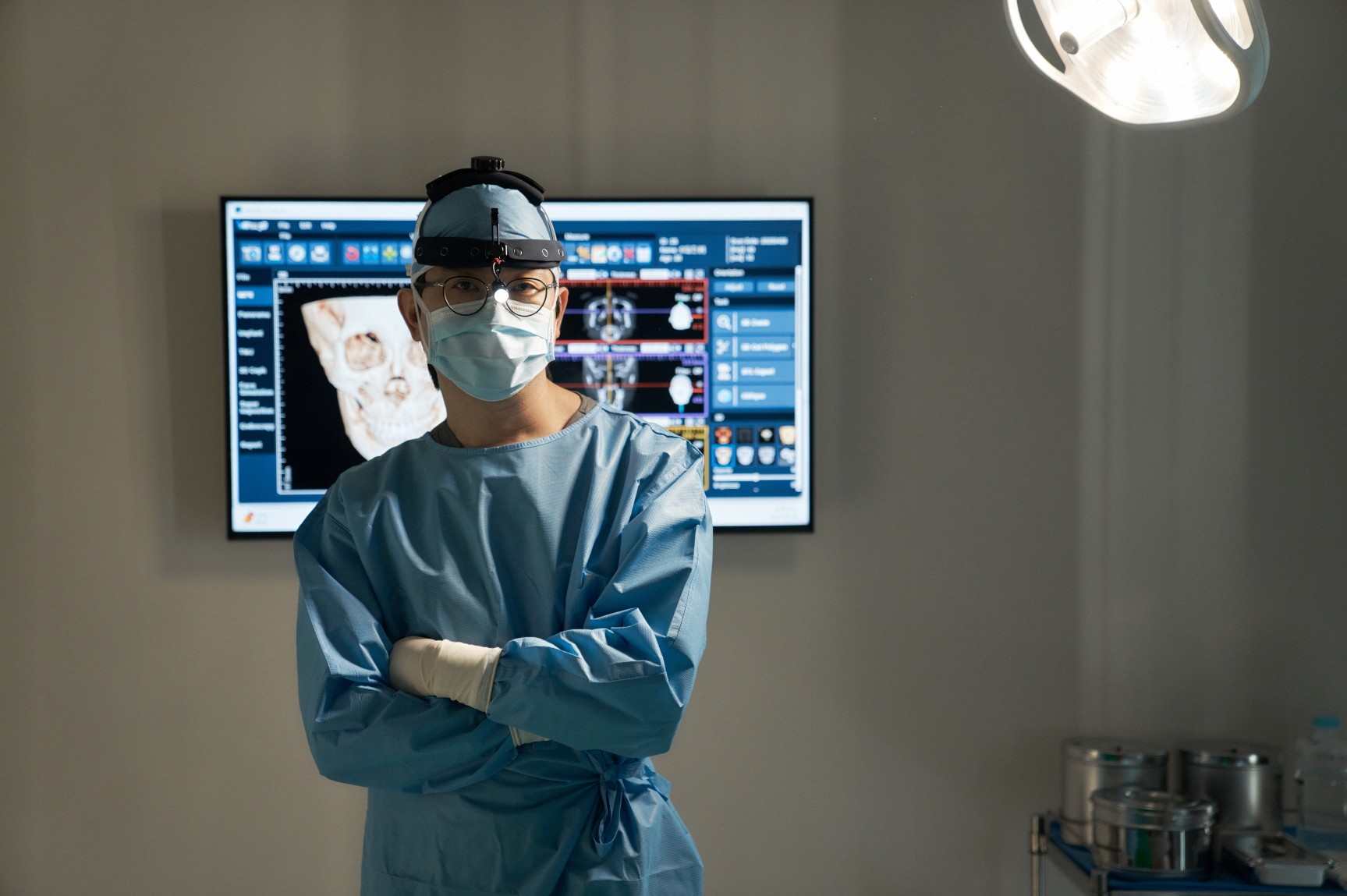
Direct answer summary
Contouring double jaw surgery is a double jaw operation that repositions both the upper and lower jaws to improve bite function, while at the same time reshaping the facial frame for a slimmer, more balanced look. Instead of doing jaw movement and facial contouring separately, the plan is created together so that the bite, jaw joints, airway, and overall face shape are all considered in one integrated surgery.
For international patients coming to Seoul, especially the Sinsa Station area in Gangnam, this approach can be an option if you need both functional bite correction and a more refined facial contour.
What contouring double jaw surgery means
Contouring double jaw surgery overview
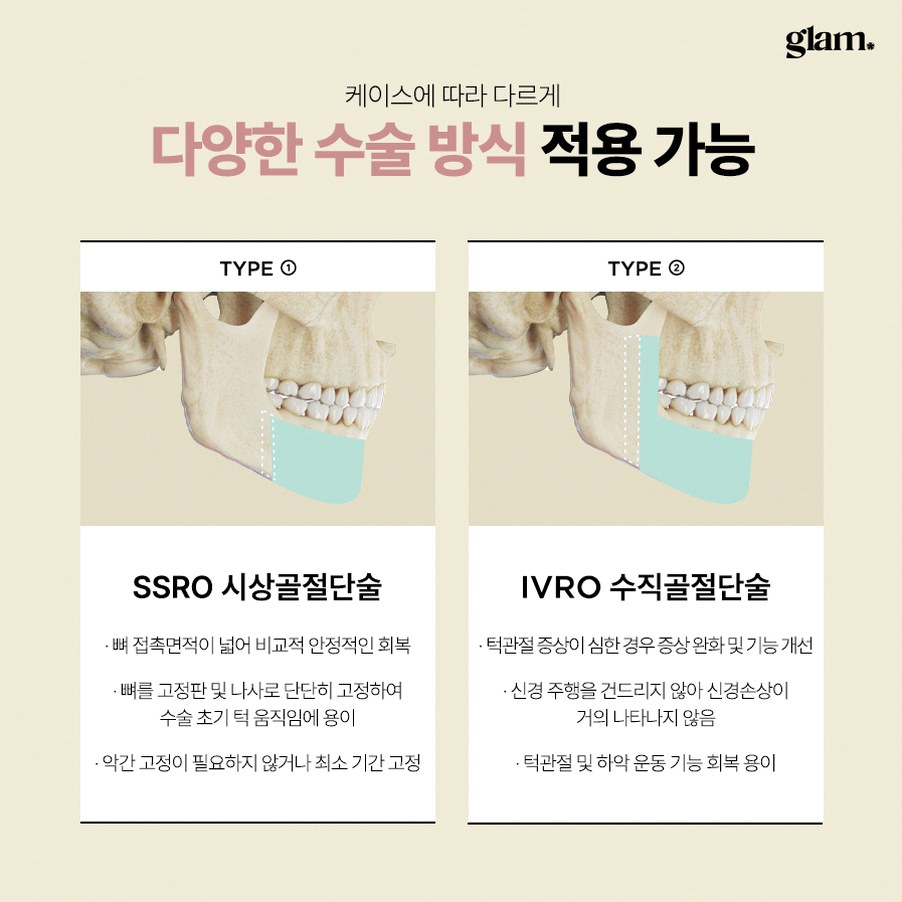
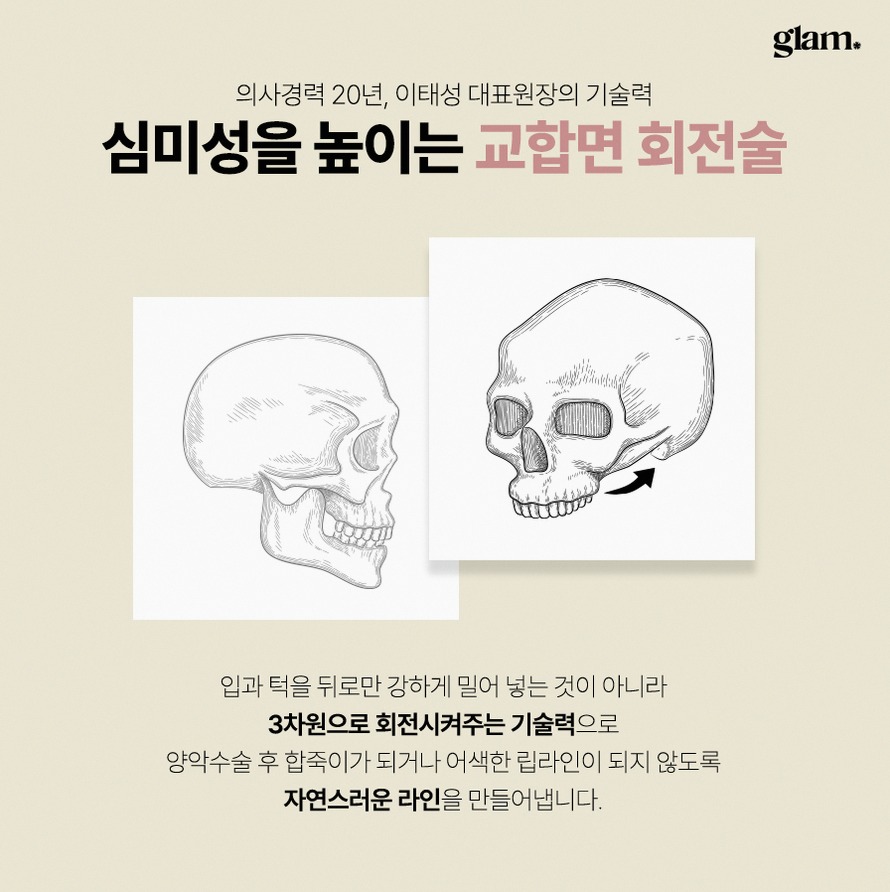
In a standard double jaw surgery, the upper jaw (maxilla) and lower jaw (mandible) are cut and repositioned to correct problems such as an underbite, overbite, open bite, or facial asymmetry. The main focus is function: how your upper and lower jaws meet, how you chew, and how your jaw joints move.
In facial contouring surgery, the focus is the facial frame: trimming or reshaping the jaw angles, chin, and cheekbones to create a slimmer, softer, or more V line appearance.
Contouring double jaw surgery combines these two ideas. The surgeon plans the bone cuts and movements of the upper and lower jaws, while also planning how much to refine the jaw angles, chin, and sometimes cheekbones in the same operation. The goal is to:
Improve bite and jaw joint balance
Adjust facial width and lower face length
Soften strong angles or a square jaw
Correct asymmetry between left and right sides
Create harmony between the midface, jawline, and chin
This is not just shaving the jawbone for cosmetic reasons. It is a functional double jaw operation, with contouring decisions built into the plan from the start.
Who may consider contouring double jaw surgery
Typical concerns and facial types
People who look into contouring double jaw surgery often have both functional and aesthetic concerns. Common situations include:
Protruding mouth or teeth that make the lips look pushed out from the side view
Long face with a low or droopy midface and elongated lower face
Recessed or small chin that makes the profile look weak
Facial asymmetry where one side of the jaw is longer, lower, or more prominent
Malocclusion such as underbite, overbite, or open bite that affects chewing
Wide or square lower face that they would like to make slimmer or more V line
Prominent cheekbones that make the face look wide from the front or side
If you recognize both bite problems and dissatisfaction with your facial shape, a combined approach may be discussed.
Functional indications
From a functional standpoint, candidates often have:
Difficulty chewing certain foods evenly
Jaw fatigue or discomfort when eating
Jaw joint discomfort or clicking
Uneven wear of the teeth
Open bite where the front teeth do not meet when the back teeth touch
In these situations, simply shaving the jaw angles or cheekbones is not enough, because the root cause lies in jaw position and occlusion. Double jaw surgery, with or without additional contouring, is considered when repositioning the jaws is needed to correct the bite.
Aesthetic goals
At the same time, many patients want:
A smaller or slimmer lower face
Softer angles at the jawline
More balanced cheekbones
A smoother side profile with better harmony between nose, lips, and chin
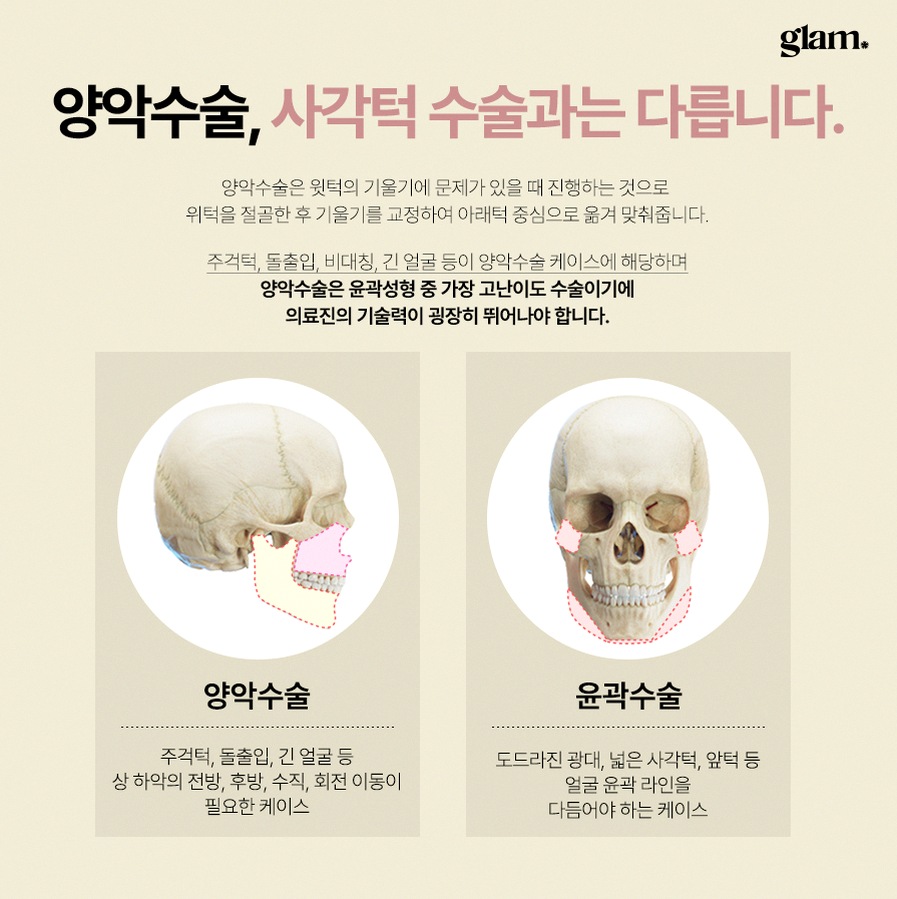
Contouring double jaw surgery aims to address both aspects in a single, integrated plan, instead of treating function and aesthetics as separate issues.
Double jaw alone vs contouring alone vs combined
Double jaw surgery alone
Double jaw surgery alone focuses on moving the upper and lower jaws into a healthier position. Benefits can include:
Improved bite and chewing function
Better jaw joint alignment
Changes in the way the lips and chin support the soft tissues
Even without any additional contouring, moving the jaws can already change the face shape. For example, bringing a recessed jaw forward can make the chin more defined, and correcting a long face can shorten the lower face. In some patients, this alone is enough to achieve a satisfying facial balance.
Facial contouring alone
Facial contouring alone usually involves:
Jaw angle reduction
Chin reshaping or sliding genioplasty
Cheekbone reduction or repositioning
This can slim a wide lower face or soften strong angles. However, if the bite is misaligned or the jaws are positioned too far forward, backward, up, or down, contouring alone cannot solve those functional issues. In some cases, aggressive contouring without correcting jaw position can even make the face look unbalanced or create new asymmetries.
Combined contouring double jaw surgery
In contouring double jaw surgery, the surgeon plans:
How the upper and lower jaws will move to correct the bite and improve function
How much of the jaw angle, chin, or cheekbone needs to be reshaped to match the new jaw position
How to balance facial width, length, and projection in three dimensions
By doing this in one coordinated operation, the surgeon can:
Avoid unnecessary over shaving of the jaw angles or cheekbones
Use the jaw movement itself to create a more natural V line or balanced shape
Fine tune asymmetries by adjusting both jaw position and contouring
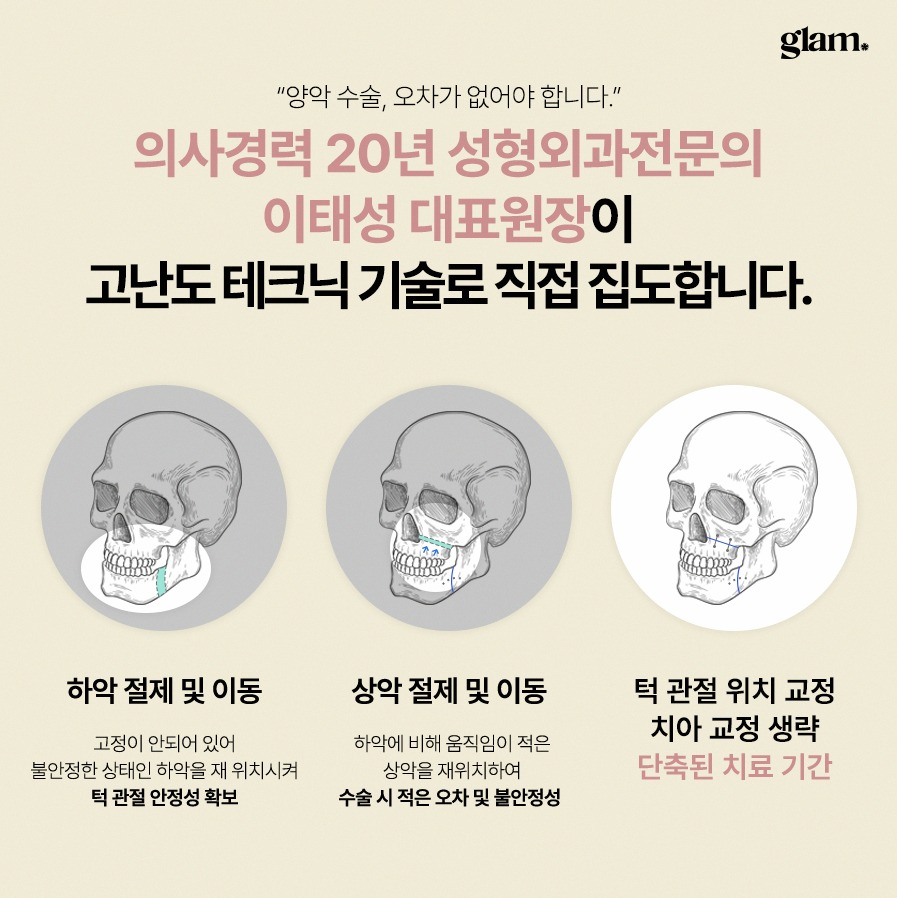
This combined approach is especially relevant for patients with complex facial structure issues, rather than those seeking only a small cosmetic change.
Functional aspects beyond appearance
Bite and occlusion
A key goal is to create a more stable, functional bite. This involves:
Aligning the upper and lower teeth so they meet evenly
Distributing chewing forces more evenly across the teeth
Reducing strain on certain teeth that previously took too much load
Jaw joint balance
When the jaws are moved, the relationship between the jaw joints and the bite changes. Contouring double jaw surgery planning looks at:
Jaw joint position and movement
Whether the new jaw position may reduce strain on the joints
How to minimize sudden changes that could irritate the joints
Airway considerations
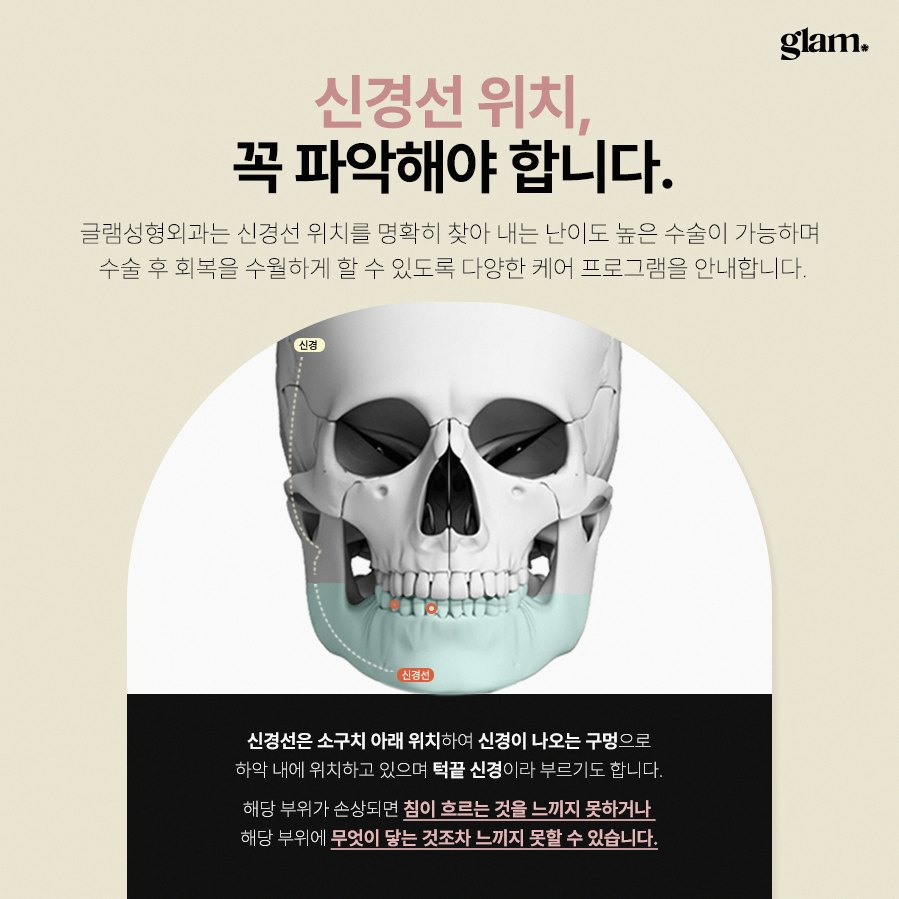
Jaw position can influence the airway, especially in the area behind the tongue. In some patients, adjusting the lower jaw and chin position may help create a more favorable airway space. The exact effect varies by individual, and this is one of the reasons why careful imaging and planning are important.
Facial frame and soft tissue
At the same time, the surgeon considers how the soft tissues will drape over the new bone structure. This includes:
How much the lower face will slim as swelling settles
How the lips and chin will look in profile
How cheek fullness and midface projection will change
The aim is to avoid a mismatch where the bones are well positioned, but the soft tissues look saggy or unbalanced.
Evaluation and planning process
Initial online consultation
For overseas patients, the process usually begins with an online consultation. You may be asked to provide:
Front, 45 degree, and side view photos with a neutral expression
Photos of your bite from different angles
Any previous X rays or 3D scans, if available
A short description of your main concerns, both functional and aesthetic
Any past facial bone or jaw procedures
Based on this, the clinic can give you a preliminary opinion on whether contouring double jaw surgery might be appropriate, and what additional examinations would be needed when you arrive in Korea.
In person examination in Seoul
Once you visit the clinic in the Sinsa Station area of Gangnam, typical assessments may include:
3D facial and skull imaging to see the bone structure in detail
Cephalometric X rays for jaw and tooth relationships
Bite and occlusion analysis
Jaw movement and range of motion assessment
Facial symmetry and proportion analysis from front and side views
Individualized surgical plan
Using these data, the surgeon designs an individualized plan. This usually covers:
Type and location of bone cuts for the upper and lower jaws
Amount and direction of jaw movement in millimeters
Whether chin reshaping or sliding genioplasty is needed
Whether jaw angle or cheekbone contouring is recommended, and to what extent
How to minimize unnecessary bone removal while achieving your goals
A key part of the philosophy is minimizing unnecessary procedures. Not every patient needs full cheekbone reduction or aggressive jaw angle trimming. In some cases, jaw repositioning alone or limited contouring is enough.
Minimizing unnecessary procedures
Why less can be more
Over contouring can lead to:
Overly narrow or hollow cheeks
Unnatural angles or loss of structural support
Sagging soft tissue due to lack of bony support
An experienced facial bone surgeon will often suggest the minimum necessary set of procedures to achieve functional correction and aesthetic balance, rather than automatically adding every possible contouring option.
Examples of tailored decisions
Some examples of individualized decisions include:
If your cheekbones are not very prominent, the surgeon may skip cheekbone reduction and focus on jaw repositioning and chin balance.
If your lower face is already slim, the plan may avoid aggressive jaw angle reduction and instead adjust jaw position and chin shape.
If your main issue is a protruding mouth with strong gums showing, upper jaw repositioning may create a softer profile without heavy contouring.
Modern approaches: fixation, orthodontics, and planning
Intermaxillary fixation
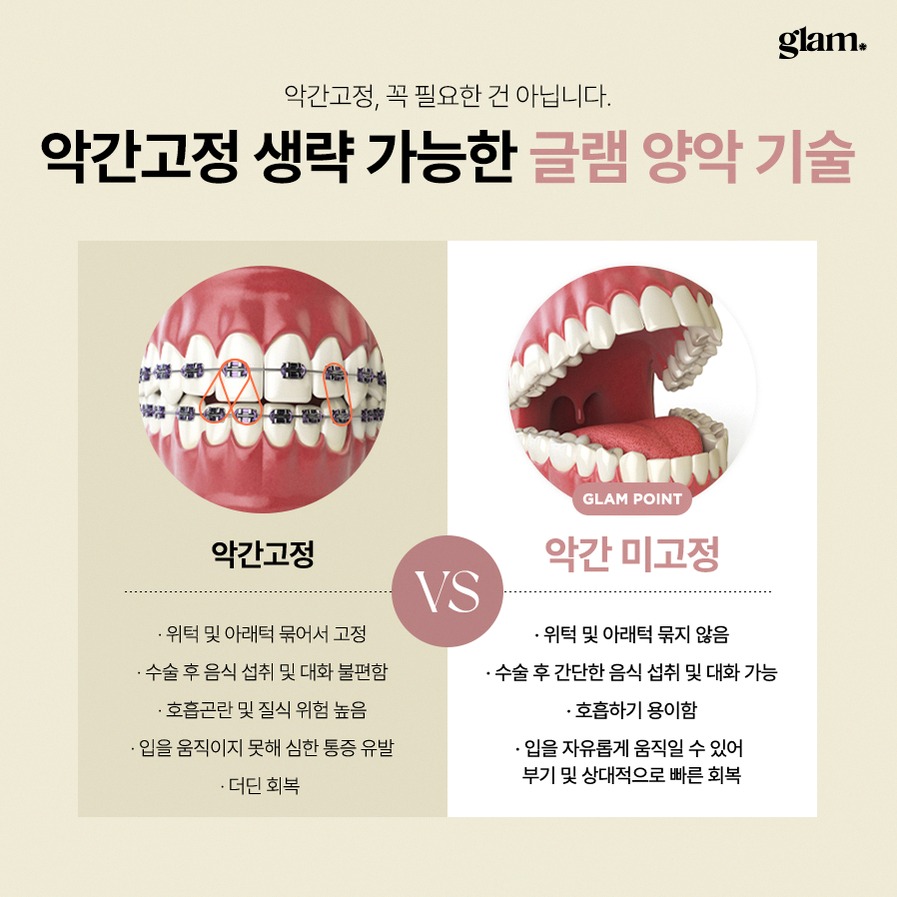
Traditional double jaw surgery often used rigid intermaxillary fixation, where the upper and lower jaws are wired together for several weeks. Some modern approaches use internal fixation with plates and screws that can, in selected cases, reduce or avoid long term rigid fixation.
Whether you will need any period of jaw fixation, and for how long, depends on:
The amount and direction of jaw movement
Bone quality and stability
Your bite and how well it fits after surgery
This should be discussed in detail during consultation.
Orthodontic treatment
In some cases, pre or post surgical orthodontic treatment may be reduced or modified with modern planning techniques. However, this is highly individual and depends on:
How crowded or spaced your teeth are
How well the upper and lower arches match
Existing restorations or missing teeth
Decisions about orthodontic timing and extent should be made after a thorough examination and, if needed, coordination with appropriate specialists.
Concerns about nose widening
Many patients worry that double jaw surgery will make the nose look wider. Changes around the upper jaw can influence the base of the nose and the area around the nostrils.
To help reduce unwanted changes, surgeons may:
Use internal fixation techniques that stabilize the upper jaw
Apply soft tissue handling methods and sutures to control nasal base widening
Plan upper jaw movements in a way that respects nasal shape
Still, some subtle change in nasal appearance can occur, and it is important to discuss this possibility beforehand.
Safety, anesthesia, and surgical team
Importance of specialized facial bone experience
Facial bone surgery, including contouring double jaw surgery, is complex and requires detailed understanding of three dimensional facial anatomy, occlusion, and bone healing.
At GLAM Plastic Surgery, the lead surgeon focuses on facial bone procedures such as double jaw and facial contouring, rather than a wide range of unrelated cosmetic procedures. The surgeon has around two decades of experience in facial bone surgery and has published multiple SCI level articles, including several in the journal Plastic and Reconstructive Surgery as of early 2025. This academic background supports a research based, methodical approach rather than a trend driven style.
Anesthesia and monitoring
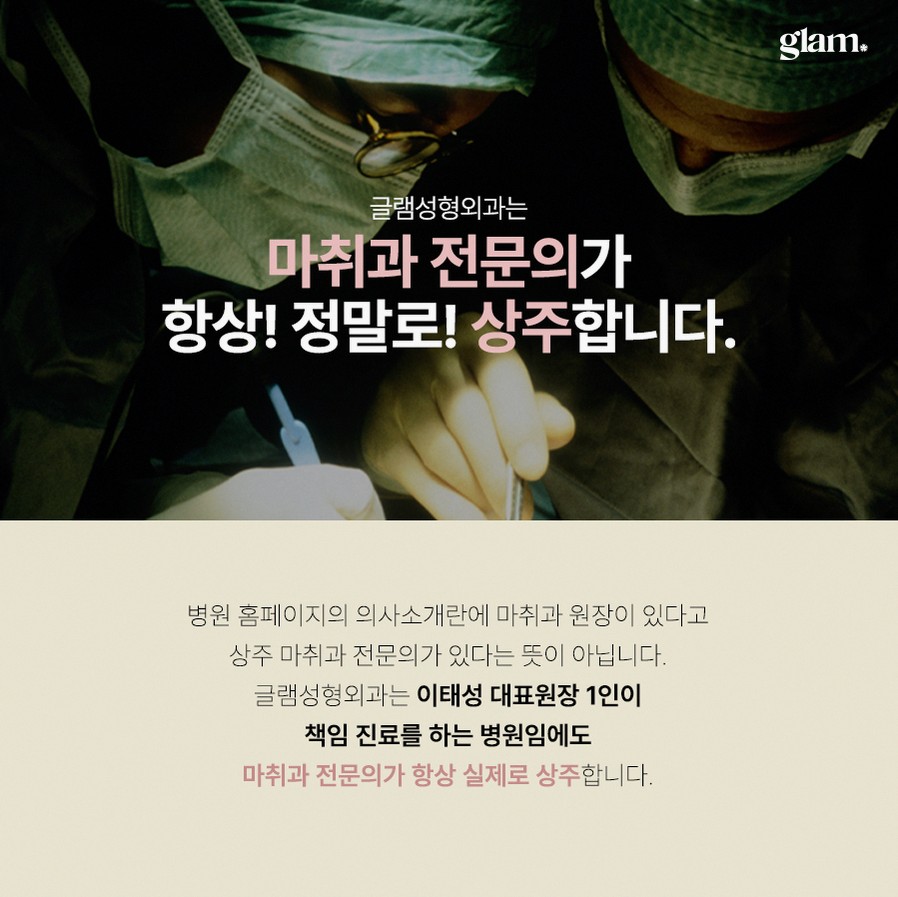
Double jaw and contouring procedures are long operations performed under general anesthesia. A dedicated anesthesiology specialist is important for:
Safe induction and maintenance of anesthesia
Continuous monitoring of vital signs
Pain control during and immediately after surgery
For international patients, it is reasonable to ask who will be responsible for anesthesia and how monitoring is handled throughout the operation.

Post operative care and recovery support
Immediate post operative period
After surgery, you can expect:
Significant facial swelling that peaks within the first few days
Bruising around the lower face, cheeks, and sometimes under the eyes
Numbness in the lips, chin, or cheeks, which usually improves gradually
Pain is typically managed with medication. Soft or liquid diet is usually needed in the early period, and detailed instructions are provided by the clinic.
Swelling management and skin care
Many clinics in Gangnam, including those near Sinsa Station, offer structured post operative care programs. These may include:
LED therapy to support skin condition and help with bruising and mild inflammation
Facial skin and swelling care to promote lymphatic drainage and comfort
Radiofrequency lifting treatments at appropriate stages to support skin tightening and recovery
These are supportive measures. They do not replace proper surgery or bone healing, but can make the recovery period more comfortable and help the soft tissues adapt.
Timeline of recovery
While every patient is different, a general timeline may look like this:
First 1 to 2 weeks: Most intense swelling and bruising. You may stay in Korea during this period for regular checkups and care.
Weeks 3 to 4: Swelling starts to decrease noticeably. Many patients feel more comfortable going out with light makeup or a mask.
Months 2 to 3: Major swelling continues to improve. The facial contour becomes clearer, though some residual puffiness may remain.
Months 6 to 12: Bone healing is well advanced, and soft tissues continue to settle. The final contour and subtle details become more visible.
Numbness can take several months to improve, and in some areas may take longer. Your surgeon will explain expected patterns based on the exact procedures performed.
Preparing for your trip to Korea
Online consultation and information sharing
Before booking flights, it is helpful to:
Have an online consultation with your chosen clinic
Share clear photos and any existing imaging
Explain your medical history and any previous facial surgeries
Clarify your main priorities: functional, aesthetic, or both
This allows the clinic to estimate whether contouring double jaw surgery seems suitable and how long you should plan to stay in Korea.
Questions to ask before deciding
To support your decision making, consider asking:
How many contouring double jaw surgeries the surgeon performs regularly
What the main goals of your individual plan would be
Whether additional contouring (jaw angle, chin, cheekbone) is recommended, and why
Whether any orthodontic treatment is expected before or after surgery
How long you should stay in Korea after surgery for safe follow up
What kind of post operative care program is available
These questions help you compare clinics beyond just price, focusing on planning, safety, and follow up.
Example visit timeline for overseas patients
While exact schedules vary, a common structure might be:
Day 1 to 2: In person consultation, 3D imaging, X rays, and final planning. Pre operative blood tests and anesthesia assessment.
Day 3 to 4: Surgery day, followed by one or more nights of close observation depending on the clinic protocol.
First week: Regular follow up visits for wound checks, swelling care, and guidance on diet and hygiene.
Second week: Continued checkups, removal of stitches if needed, and gradual transition in diet and activity.
Week 3 and beyond: If you stay longer, additional swelling care sessions and monitoring. Some patients return home after 2 to 3 weeks with remote follow up arranged.
Always confirm the recommended minimum stay directly with the clinic based on your case.
Frequently asked questions
Do I always need extra contouring if I have double jaw surgery
Not always. Some patients achieve a balanced, slimmer look just from repositioning the upper and lower jaws. Others may benefit from limited contouring, such as a small chin adjustment or mild jaw angle refinement. The decision should be based on your current facial structure, your goals, and a careful three dimensional analysis, rather than a fixed package.
Will my nose definitely get wider after contouring double jaw surgery
Not necessarily. Upper jaw movements can influence the nasal base, but modern techniques use internal fixation and soft tissue handling methods to help control unwanted widening. Some subtle change in nasal appearance is still possible, so it is important to discuss this risk and your surgeon’s approach during consultation.
How long will the swelling last, and when will I look normal
Swelling is most intense in the first one to two weeks. By about one month, much of the visible swelling usually improves, and many patients feel comfortable returning to daily life. However, residual swelling and subtle changes can continue for several months. Final contour and fine details often take six to twelve months to fully settle as both bone and soft tissues adapt.

Is it possible to avoid having my jaws wired shut
Some modern approaches use rigid internal fixation with plates and screws that can, in selected cases, reduce or avoid long term rigid intermaxillary fixation. Whether this is suitable for you depends on the amount and direction of jaw movement, bone stability, and your bite. Your surgeon will explain what kind of fixation is planned and how long any elastic bands or other supports will be needed.
Will I need orthodontic treatment if I have contouring double jaw surgery
Many patients do need some form of orthodontic treatment either before or after surgery to fine tune the bite. In certain cases, newer planning methods may reduce the extent or duration of orthodontic treatment, but this cannot be assumed. The need for orthodontics depends on your teeth alignment, arch form, and how well the upper and lower teeth can fit after jaw repositioning.
Soft call to action
If you are considering contouring double jaw surgery in Seoul and would like a plan that looks at both function and facial balance, you can start with an online consultation. GLAM Plastic Surgery, located in the Gangnam area near Sinsa Station, focuses on facial bone surgery and offers structured planning and follow up for domestic and international patients, with Japanese, English, and Thai language support.
Sharing clear photos and your concerns in advance allows the team to give more tailored guidance on whether a combined double jaw and contouring approach may be suitable for you, and how to plan your visit and recovery schedule safely.




- 공유 링크 만들기
- X
- 이메일
- 기타 앱


댓글
댓글 쓰기