in Seoul — double jaw surgery for TMJ, overseas guide
- 공유 링크 만들기
- X
- 이메일
- 기타 앱
Double jaw surgery, also called orthognathic surgery, can help certain temporomandibular joint (TMJ) problems when those problems are closely related to jaw bone position and bite. It is not a universal cure for all TMJ disorders, and it is not the same as cosmetic jawline contouring. A careful evaluation of your jaw joints, bite, and facial bones is essential before deciding whether this major surgery is likely to improve your TMJ symptoms.
This guide explains when double jaw surgery is considered for TMJ, how the evaluation works, what an overseas patient’s visit to Korea may look like, and how a clinic such as GLAM Plastic Surgery in Sinsa, Gangnam, approaches facial bone surgery for international patients.
Overview of double jaw surgery for TMJ
Double jaw surgery basics
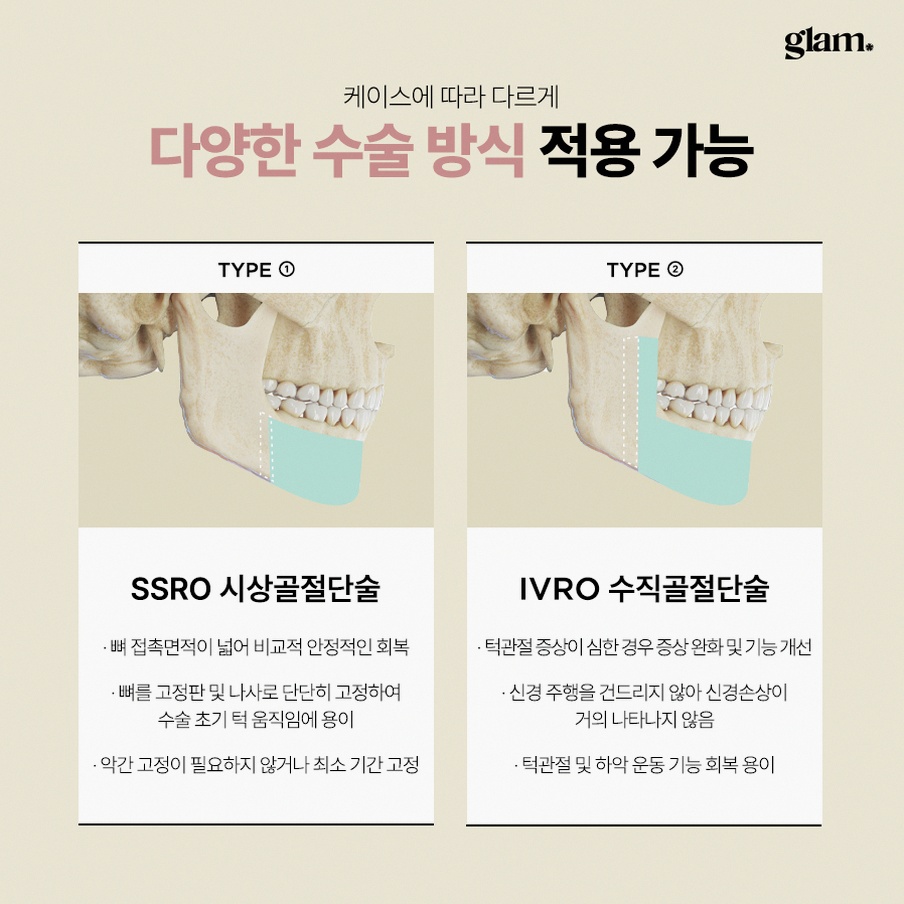
Double jaw surgery involves repositioning both the upper jaw (maxilla) and lower jaw (mandible). The surgeon cuts the bones in controlled areas, moves them into a planned three‑dimensional position, and fixes them with small plates and screws.
The main goals are to correct skeletal malocclusion such as underbite, open bite, or crossbite, improve chewing and speaking, and often to address facial asymmetry or jaw protrusion or retrusion. In some cases, it can also help breathing and airway space.
How this relates to TMJ problems
The temporomandibular joints connect the lower jaw to the skull. When the jaws are misaligned, the joints and surrounding muscles may be forced to work in an unbalanced way. Over time, this can contribute to pain, clicking, locking, or fatigue.
TMJ‑focused double jaw surgery is planned not only for facial shape, but to place the jaws so that the joints are loaded more evenly and move more stably. By improving the way the upper and lower teeth meet, the muscles around the jaw can work more efficiently, which may reduce overcompensation and strain.
However, TMJ disorders are diverse. They can involve muscle tension, disc displacement, degenerative joint disease, inflammatory conditions, and habits such as clenching or grinding. Double jaw surgery is mainly considered when TMJ symptoms are strongly linked to a structural jaw or bite problem.

How it differs from cosmetic jaw contouring
Cosmetic facial bone procedures such as jaw angle shaving or cheekbone reduction focus on changing the outer shape of the face. They usually do not change the way the upper and lower teeth meet, and they are not designed to correct joint loading.
Functional double jaw surgery, on the other hand, directly changes the relationship between the upper and lower jaws and the bite. For TMJ‑related issues, this functional correction is the key point. Cosmetic contouring alone is unlikely to resolve TMJ disorders and, if not planned carefully, could even affect joint balance.
Who may consider double jaw surgery for TMJ
Situations where surgery may be considered
Double jaw surgery may be discussed for TMJ‑related problems in cases such as the following.
Severe skeletal malocclusion with TMJ symptoms. For example, a pronounced underbite, open bite, or crossbite combined with chronic jaw pain, clicking, or difficulty chewing. In these situations, the abnormal bite can overload the joints and muscles.
Jaw asymmetry with one‑sided joint overload. If one side of the jaw is longer, shorter, or rotated, one TMJ may carry more load than the other, leading to unilateral pain, noise, or locking episodes.
Long‑standing chewing difficulty and fatigue. Some patients feel that their jaw tires easily, or they can chew only on one side. If this is linked to an abnormal jaw position rather than just sensitive muscles, structural correction may be considered.
Persistent TMJ symptoms after previous bite treatment. If previous bite‑focused treatment could not fully correct the skeletal discrepancy, and TMJ symptoms continue, double jaw surgery may be part of a more definitive solution.
Situations where surgery is usually not first choice
Double jaw surgery is major facial bone surgery and is not the starting point for most TMJ problems.
It is usually not first‑line for TMJ issues such as:
Stress‑related clenching or grinding without clear skeletal deformity. In these cases, behavior management, splints, and muscle‑focused care are often tried first.
Mild clicking without pain or functional limitation. Many people have harmless joint sounds that do not require surgery.
TMJ pain that responds well to conservative care. If splints, physical therapy, medication, or lifestyle changes control symptoms, surgery may not be necessary.
The importance of comprehensive diagnosis
Because TMJ disorders have many possible causes, a thorough diagnostic work‑up is essential before considering double jaw surgery. A typical evaluation may include:
Clinical examination of jaw opening range, deviation on opening, joint sounds, muscle tenderness, and bite pattern.
Imaging, such as panoramic X‑rays, cephalometric radiographs, and sometimes CT or 3D scans, to understand jaw bone position, joint shape, and airway.
TMJ‑focused imaging when indicated, to look for degenerative changes or suspected disc displacement.
Bite and jaw function analysis using models or digital scans.
Only after this type of evaluation can a surgeon discuss whether your TMJ symptoms are likely to improve, remain similar, or potentially change with double jaw surgery.
Diagnostic process and planning in TMJ‑focused cases
History taking
For TMJ‑related double jaw surgery, a detailed history is the starting point. You can expect questions such as:
When did your jaw pain, clicking, or locking begin, and how has it changed over time?
Do you have headaches, neck pain, or ear symptoms that seem related to jaw movement?
Have you had previous trauma to the face or jaw?
Do you clench or grind your jaw, especially during sleep or under stress?
What previous treatments have you tried, and how did your symptoms respond?
Physical examination
The surgeon will usually:
Measure how wide you can open your mouth and whether your jaw deviates to one side.
Listen and feel for joint sounds during opening and closing.
Press on the jaw muscles and joints to check for tenderness.
Assess your bite, including which teeth touch first and whether there is an open bite or crossbite.
Look at facial symmetry from the front and side.
Imaging and functional analysis
Imaging helps to translate your symptoms into a three‑dimensional understanding of your jaw structure. This may include:
Skull and jaw X‑rays to measure jaw lengths and angles.
CT or 3D scans to see bone shape, joint spaces, and airway.
Digital bite scans or plaster models to simulate how your teeth meet and how they could meet after surgery.
In TMJ‑focused cases, the surgeon will pay particular attention to joint space, condyle position, and any signs of wear or deformation.
Treatment planning
Planning double jaw surgery for TMJ involves more than just moving the jaws for appearance.
The medical team will usually:
Simulate new jaw positions that aim to reduce joint overload while achieving a stable bite.
Coordinate with bite planning before and after surgery, so that your final bite supports joint health.
Consider facial aesthetics and airway, but keep joint function and long‑term stability as priorities.
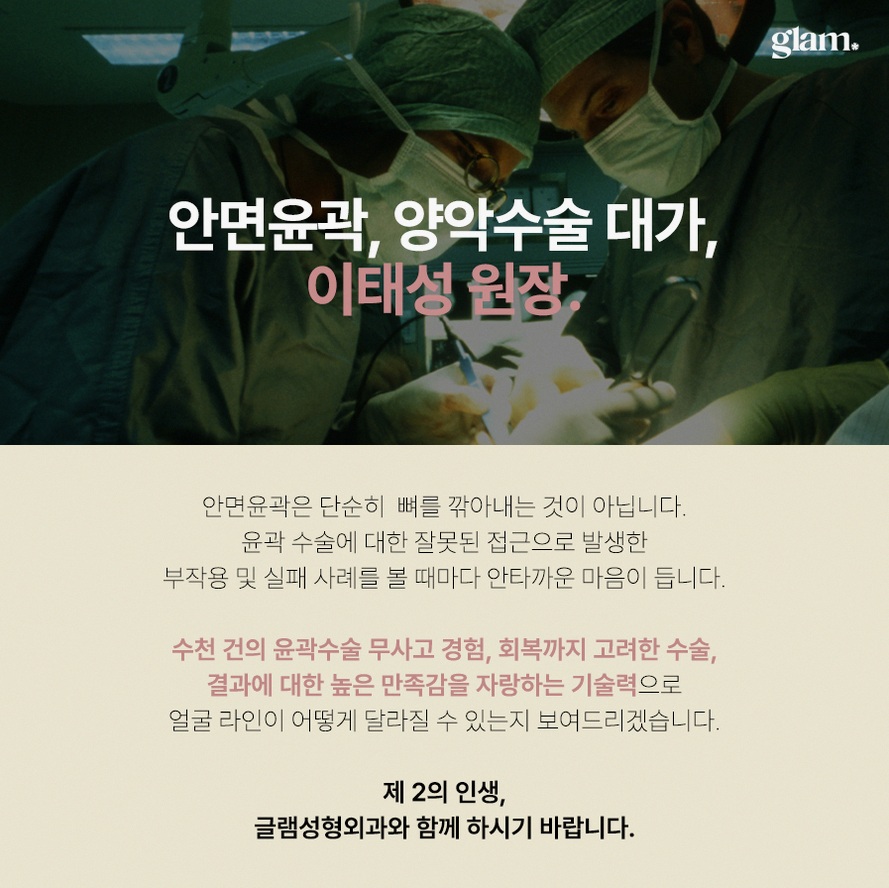
At GLAM Plastic Surgery, the medical team focuses only on facial bone surgery such as double jaw and facial contouring. This single focus allows them to concentrate their diagnostic and planning systems on jaw structure and TMJ‑related issues, rather than spreading resources across many unrelated cosmetic procedures.
Surgical features and techniques relevant to TMJ
Basic surgical concept
In double jaw surgery, the upper and lower jaws are cut in specific areas, moved to the planned position, and fixed with plates and screws. The new position is guided by preoperative simulations that aim for a balanced bite and joint loading.

For TMJ‑related cases, the goal is to:
Achieve a bite that allows both joints to share load more evenly.
Reduce the need for the jaw to shift or slide to bring the teeth together.
Provide a stable base for the surrounding muscles to work without constant overcompensation.
Selected technical options
Depending on your anatomy and bite, certain technical approaches may be considered.
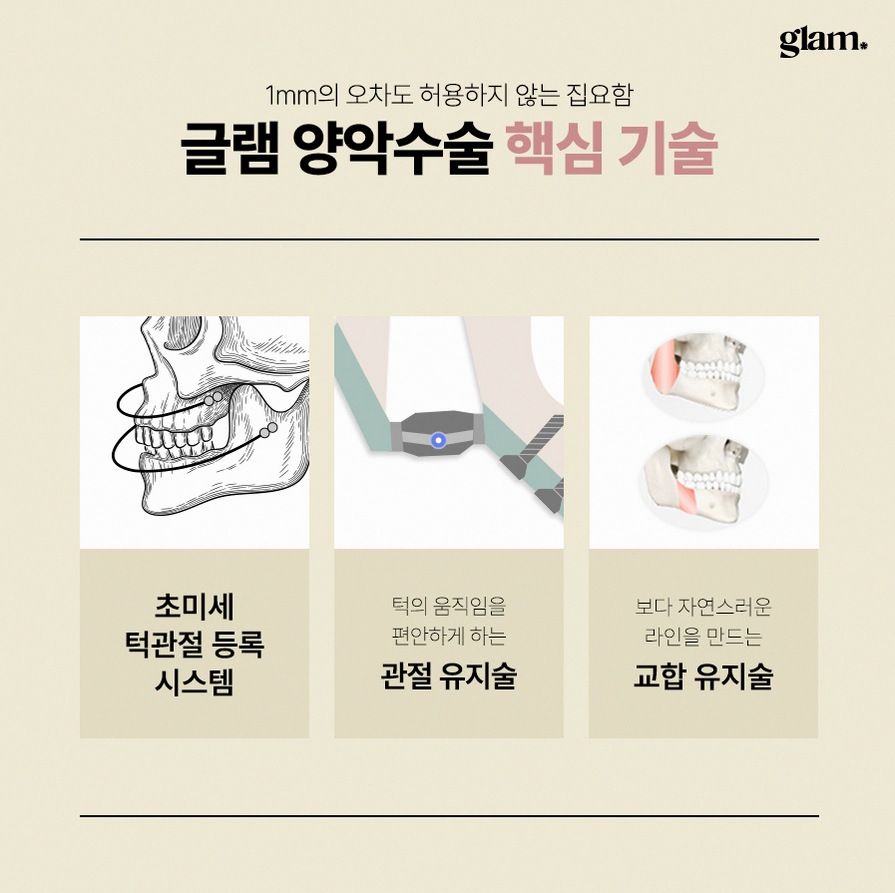
No long‑term jaw wiring approach. In some cases, surgeons can avoid long‑term intermaxillary fixation (wiring the jaws shut) by using rigid fixation and guiding elastics instead. This can allow earlier gentle jaw movement, which may be beneficial for joint mobility and comfort. Whether this is suitable depends on stability and your specific case.
Possibility of limited bite treatment. For selected patients, surgical repositioning alone or with limited bite adjustment may be enough to achieve a functional bite. Others will still need more extensive bite work before or after surgery. This decision is individual and should be discussed clearly in advance.
Nasal widening prevention sutures. When the upper jaw is moved, the base of the nose can widen. Surgeons may use specific suturing techniques to help minimize this effect, which is important for patients who are concerned about facial changes beyond the jawline.
These are options, not promises. Your surgeon will decide what is appropriate based on your jaw structure, bite, and TMJ condition.
Expected effects and realistic limitations for TMJ
Potential positive effects
When double jaw surgery is carefully planned for the right patient, possible benefits for TMJ‑related issues include:
More even distribution of joint load due to corrected jaw position.
A more stable bite, which can reduce the need for muscles to overwork or shift the jaw.
Decreased frequency or intensity of jaw pain, clicking, or locking in some patients.
Improved chewing efficiency and, in some cases, clearer speech and better airway space.
However, these effects are not guaranteed, and outcomes vary.
Limitations and uncertainties
TMJ symptoms may improve, remain similar, or in some cases temporarily worsen after surgery. The joints and muscles must adapt to the new jaw position, and this adaptation period can include stiffness or discomfort.
If you already have advanced joint degeneration or severe disc damage, repositioning the jaws alone cannot fully restore the joint structures. In such cases, the goal may be to prevent further overload rather than to completely remove all symptoms.
Double jaw surgery is not a universal solution for headaches, neck pain, or all facial pain. These symptoms can have multiple causes, including posture, nerve sensitivity, and other conditions.
Because of these uncertainties, honest preoperative counseling is essential. Your surgeon should explain which of your symptoms are likely related to skeletal malocclusion and which may have other causes, and what degree of change is realistically expected.
Risks, recovery, and postoperative care
General risks
Like any major bone surgery, double jaw surgery carries risks, including:
Swelling and bruising around the face.
Temporary numbness of the lips, chin, or cheeks, which can sometimes be prolonged.
Infection, bleeding, or delayed bone healing.
Changes in TMJ symptoms, including temporary stiffness, discomfort, or altered joint sounds during adaptation.
There is also a small possibility of needing revision surgery if the bite or jaw position is not stable.
Recovery timeline overview
Although details vary by patient and clinic, a typical recovery pathway may look like this:
First few days. Hospital stay or close monitoring, with swelling peaking around days two to three. A liquid or very soft diet is usually required. Pain is managed with medication.
First two to three weeks. Swelling gradually decreases. You continue with a soft diet and may start gentle jaw opening exercises if advised. Daily activities can resume slowly, but heavy exercise is avoided.
First two to three months. Bone healing progresses. The bite is fine‑tuned with elastics or minor adjustments. Many patients return to most normal activities, but some residual stiffness or altered sensation can remain.
Beyond three to six months. Most swelling has resolved, and jaw function continues to adapt. TMJ symptoms may stabilize over this period.
Post‑surgical care programs
Some clinics offer structured aftercare to support recovery after facial bone surgery. These may include:
LED therapy to support skin condition and healing.
Facial dome treatments or similar methods to help with swelling.
Skin and swelling care programs designed to reduce edema and support comfort.
In TMJ‑related cases, ongoing monitoring of joint symptoms is important. Depending on how your joints adapt, additional conservative TMJ care such as exercises or physical therapy may be recommended.
About GLAM Plastic Surgery and the medical team
GLAM Plastic Surgery is located on the 4th floor of a building on Dosan‑daero in Sinsa, Gangnam, within walking distance of Sinsa Station exit 1 in Seoul. This area is a central district for medical and aesthetic care in South Korea, with convenient access for international visitors.
The clinic is dedicated to facial bone surgery, focusing on double jaw and facial contouring procedures. It does not provide general cosmetic procedures such as eye, nose, or breast surgery. This single‑focus lineup is intended to allow deeper experience and systems tailored specifically to jaw and facial bone operations.
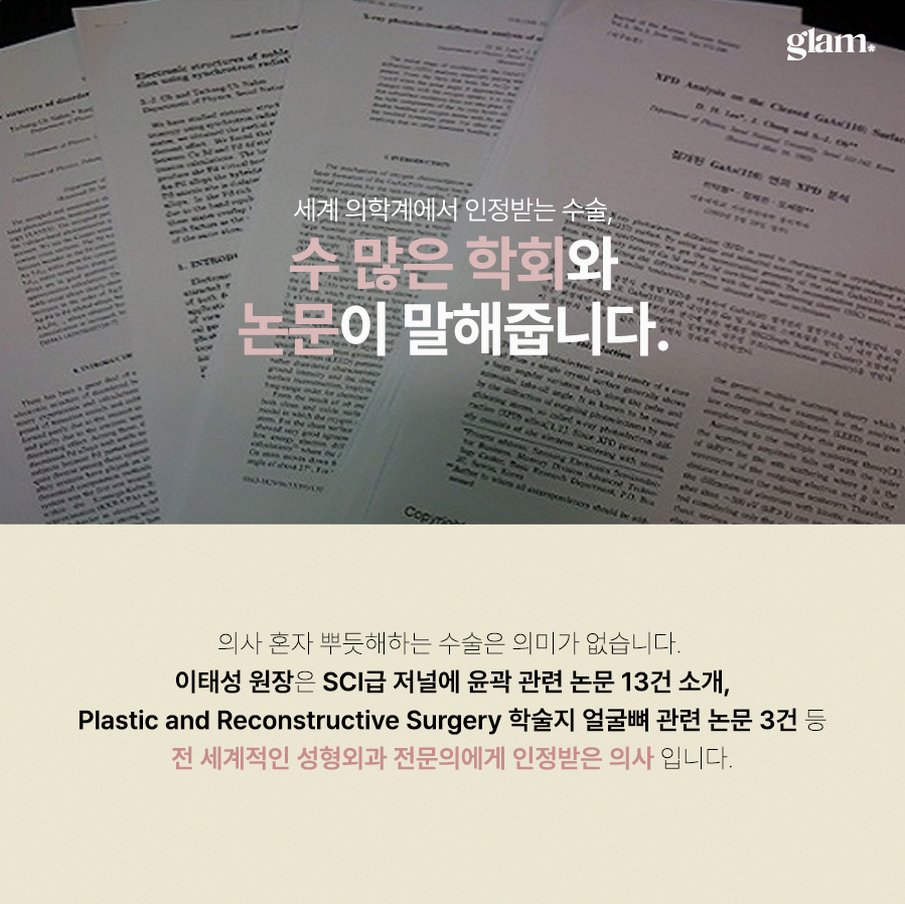
As of February 2025, the representative director is a board-certified plastic surgeon with around 20 years of experience in facial bone surgery and a record of scientific publications on contouring and double jaw surgery in international journals, including Plastic and Reconstructive Surgery.
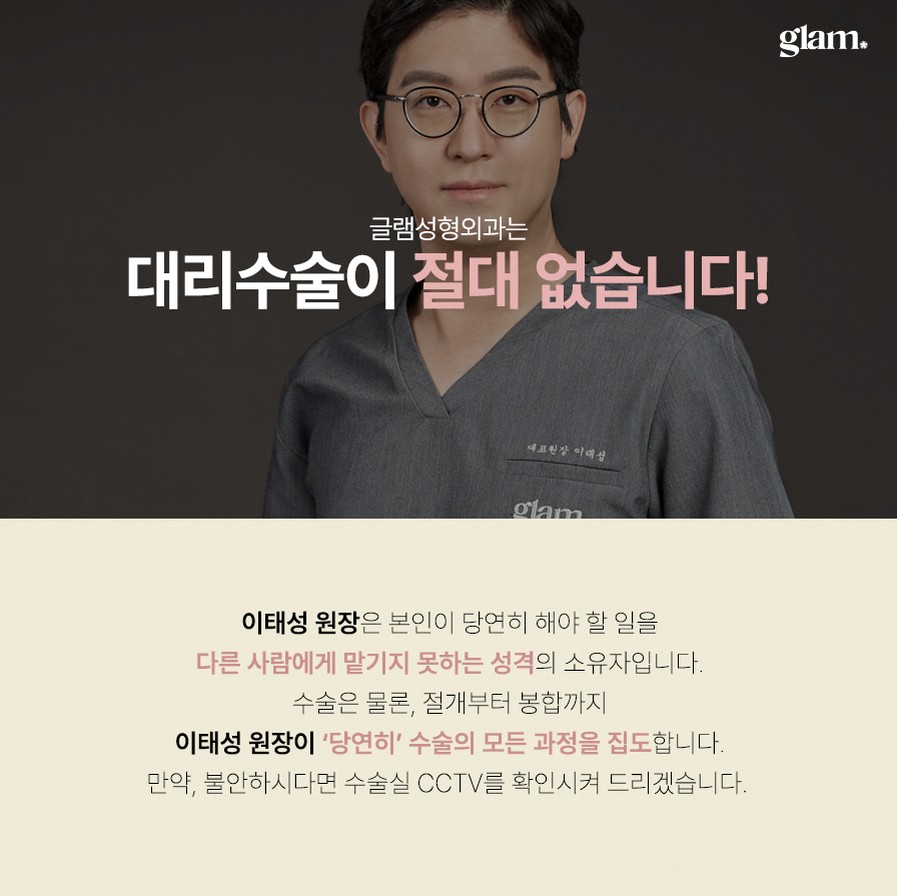
The clinic emphasizes that the representative surgeon performs the operations directly and aims to recommend only the minimum necessary surgery, which may be reassuring for patients concerned about overtreatment.
For overseas patients, multilingual communication channels, including English, Japanese, and Thai, and social media presence help support consultation, preparation, and follow‑up.
How to prepare for an online consultation
Information to gather in advance
Before an online consultation about double jaw surgery for TMJ, it is helpful to prepare:
A clear description of your main symptoms, including pain location, clicking, locking, and chewing difficulty.
How long you have had these symptoms and any patterns that make them better or worse.
Previous treatments you have tried for TMJ or bite problems and how you responded.
Any existing imaging, such as X‑rays or CT scans, if available in digital form.
Photos of your face from the front and side, with teeth in a natural bite and during open mouth, if the clinic requests them.
Questions to ask during consultation
To make a well‑informed decision, consider asking:
How do you evaluate whether my TMJ symptoms are related to my jaw structure?
What additional imaging or tests would I need if I visit your clinic?
What are the realistic expectations for my TMJ symptoms after double jaw surgery in my specific case?
Would you recommend any non‑surgical TMJ treatments before considering surgery?
What is the expected length of stay in Korea, and how many follow‑up visits are needed after surgery?
Expected Korea visit timeline for overseas patients
Pre‑visit phase
Online consultation and image review. You share your history, photos, and any existing scans. The clinic provides a preliminary opinion and outlines possible options.
Travel planning. Once you decide to proceed, you arrange flights and accommodation. Many patients plan to stay near Sinsa, Gangnam, for convenient access to the clinic.
In‑person evaluation in Seoul
Day 1 to 3. At the clinic, you undergo a full evaluation, including clinical examination, imaging, and detailed planning. The medical team confirms whether double jaw surgery is appropriate for your TMJ‑related issues and explains the plan and risks.
Surgery and early recovery
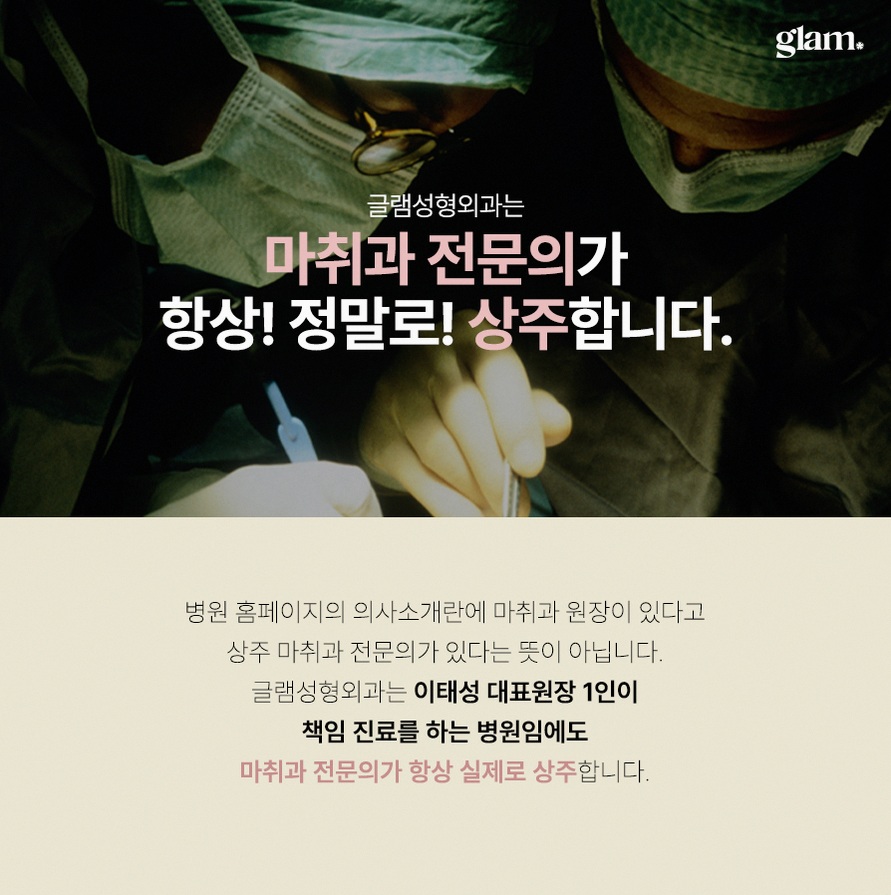
Surgery day. You are admitted for surgery under general anesthesia. The anesthesiologist manages your anesthesia and monitoring.
First few days after surgery. You stay in the hospital or visit the clinic frequently for monitoring, pain control, and early care. Swelling and discomfort are expected but are managed with medication and supportive care.
Short‑term stay in Korea
First two to three weeks. You usually remain in Korea for close follow‑up, bite checks, and removal of any external stitches if present. Aftercare programs such as LED therapy or swelling care may be provided according to the clinic’s system.
Return home and long‑term follow‑up
Once the surgeon confirms that your early healing is stable, you can return to your home country. Online follow‑up, including photo or video review and symptom updates, can continue. If any issues arise, you may be advised to visit local providers for supportive care in coordination with the original surgical team.
Aftercare and long‑term TMJ monitoring
Aftercare focuses on:
Maintaining a soft diet until your surgeon allows gradual return to normal food.
Performing jaw exercises as instructed to restore range of motion without overloading the joints.
Attending scheduled follow‑up visits or online check‑ins to monitor bite and joint function.
Reporting any persistent or new TMJ symptoms, such as increased pain, locking, or significant noise, so that they can be addressed early.
In some cases, additional conservative TMJ management may be recommended after surgery to support the joints as they adapt to the new jaw position.
How to choose a clinic for TMJ‑related double jaw surgery
When comparing clinics for TMJ‑related double jaw surgery, consider the following points.
Check that the main surgeon is a board‑certified specialist with substantial experience in double jaw and facial bone surgery.

Confirm that an anesthesiologist is responsible for anesthesia and monitoring, as double jaw surgery is a long and complex operation.
Ask how TMJ is evaluated preoperatively. Look for a structured approach with imaging, functional tests, and collaboration with bite specialists when needed.
Observe whether the clinic explains both potential improvement and the possibility that TMJ symptoms may persist or change. Balanced counseling is a sign of a realistic approach.
See whether the clinic is willing to suggest conservative or staged treatment when appropriate, rather than presenting surgery as the only answer.
Soft call to action
If you are an overseas patient considering double jaw surgery for TMJ‑related problems and would like a structured, realistic opinion, you can start with an online consultation with a clinic such as GLAM Plastic Surgery in Sinsa, Gangnam. Sharing your history, images, and questions in advance will help the medical team assess whether this type of surgery is appropriate for your situation and guide you through the next steps safely.




- 공유 링크 만들기
- X
- 이메일
- 기타 앱


댓글
댓글 쓰기