How to choose a double jaw clinic in Gangnam Sinsa
- 공유 링크 만들기
- X
- 이메일
- 기타 앱
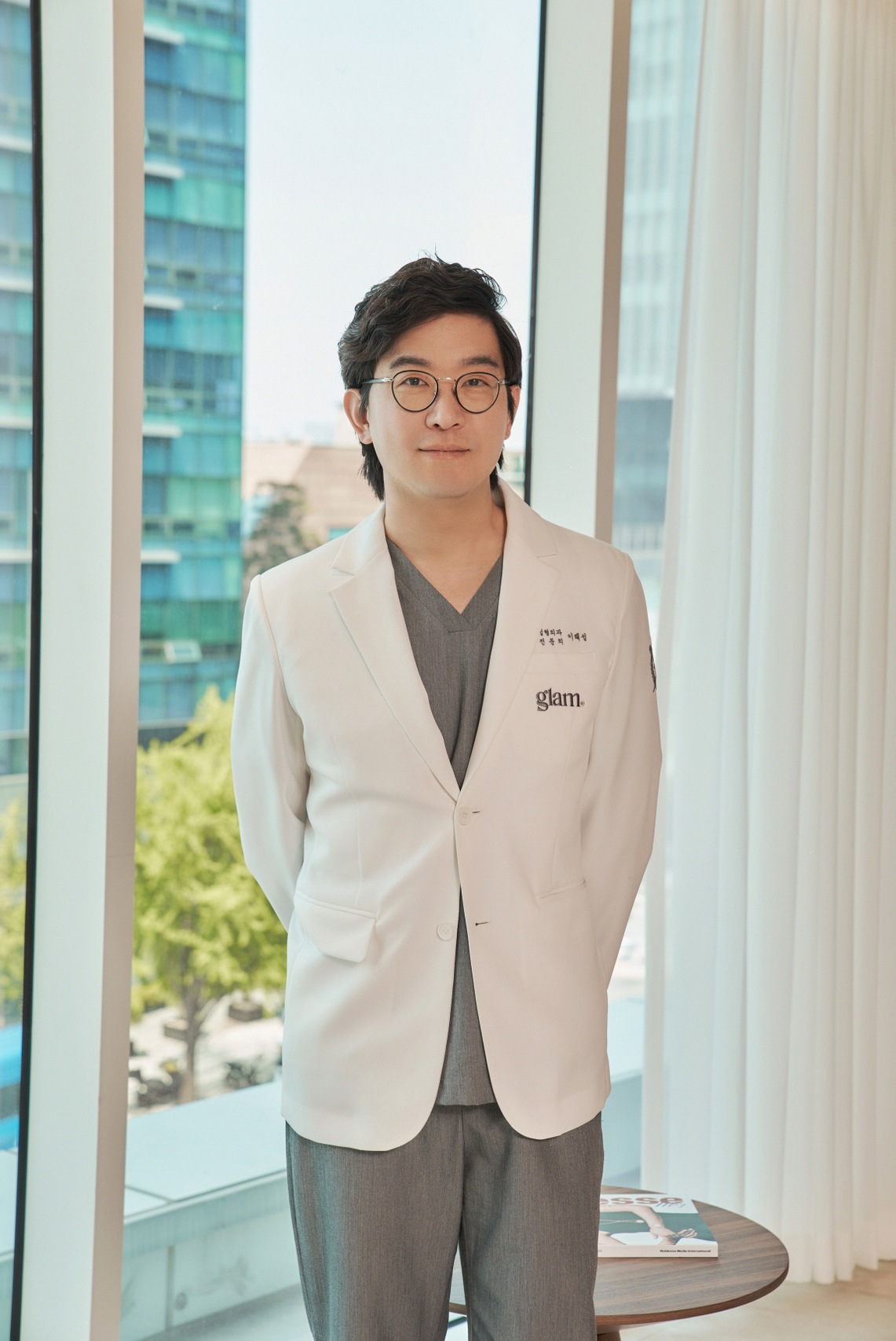
Direct answer summary
If you are searching for a “double jaw surgery plastic surgery clinic” in Seoul, you are usually looking for a place that can improve both your bite function and the overall balance of your face. In Korea, many patients choose a facial bone–focused plastic surgery clinic rather than a general cosmetic clinic, because double jaw surgery is a major operation involving the upper and lower jaw bones. In the Sinsa Station area of Gangnam, there are clinics like GLAM Plastic Surgery that limit their practice to double jaw and facial contouring procedures and provide structured evaluation, surgery, and aftercare for overseas patients.
What people mean by a double jaw surgery plastic surgery clinic
Double jaw surgery, also called orthognathic surgery, is an operation that repositions both the upper jaw (maxilla) and lower jaw (mandible). The goals are usually to correct an unbalanced bite, improve chewing and jaw alignment, and create a more harmonious facial profile. In some cases, it can also help with breathing issues related to jaw position.
When people search for a double jaw surgery plastic surgery clinic, they are often not satisfied with only functional correction. They also want their face to look more balanced from the front and the side, with better proportions between the midface, lips, and chin. This is why many patients look for a plastic surgery clinic rather than only a jaw or bite clinic.
In Korea, cosmetic-focused double jaw surgery is often performed by plastic surgeons who specialize in facial bone surgery. These surgeons pay close attention not only to the bite, but also to facial lines, symmetry, and soft tissue changes, which are important for patients who are concerned about appearance as well as function.

Why choose a facial bone–focused clinic for double jaw surgery
Double jaw surgery is a complex procedure. It is performed under general anesthesia, involves cutting and repositioning facial bones, and requires careful protection of nerves and surrounding structures. Recovery is longer than for soft tissue cosmetic procedures, and swelling, bruising, and temporary numbness are common.
Because of this complexity, many patients prefer a clinic that focuses only on facial bone surgery rather than a place that offers every type of cosmetic treatment. A facial bone–focused clinic can accumulate more concentrated experience with double jaw and facial contouring cases, refine its surgical protocols, and develop detailed systems for planning and aftercare.
In the Sinsa Station area of Gangnam, GLAM Plastic Surgery is an example of a clinic that limits its lineup to facial bone procedures. Instead of offering eye, nose, or breast surgery, it concentrates on double jaw surgery, revision double jaw surgery, facial contouring such as zygoma reduction and V-line or square jaw surgery, and revision facial contouring. This kind of narrow focus can be reassuring for patients who want their surgeon to handle facial bones every day rather than occasionally.
How to evaluate a double jaw surgery plastic surgery clinic
When comparing clinics in Seoul for double jaw surgery, it helps to use a clear checklist. The following points are especially important for international patients who cannot easily visit many clinics in person.
Surgeon’s credentials
Check whether the main surgeon is a board-certified plastic surgeon and whether they have trained or worked at major university hospitals. More importantly, ask specifically about their experience in facial bone surgery: how many double jaw and facial contouring cases they have handled, and for how many years.
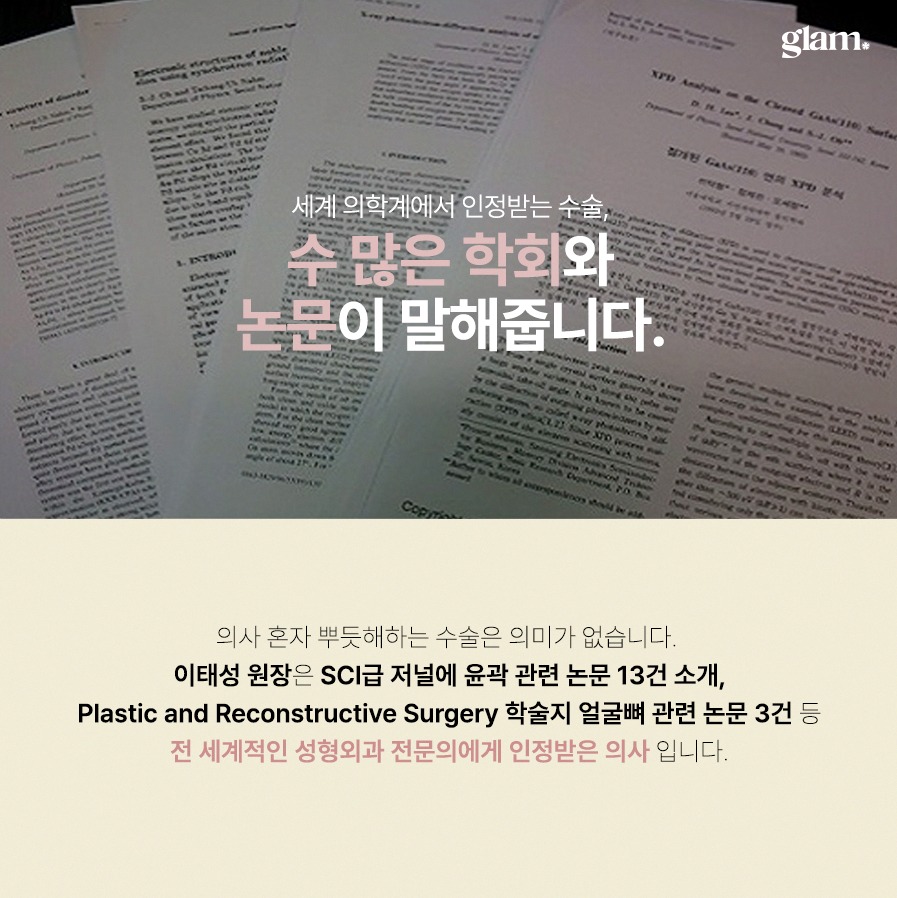
At some clinics, the lead surgeon has around two decades of experience focused on facial bone surgery. As of February 2025, the representative surgeon at the example clinic has 13 SCI-level publications, including 3 papers in the journal Plastic and Reconstructive Surgery (PRS). Academic work like this can be an objective sign that the surgeon is engaged with evidence-based practice and peer-reviewed research.
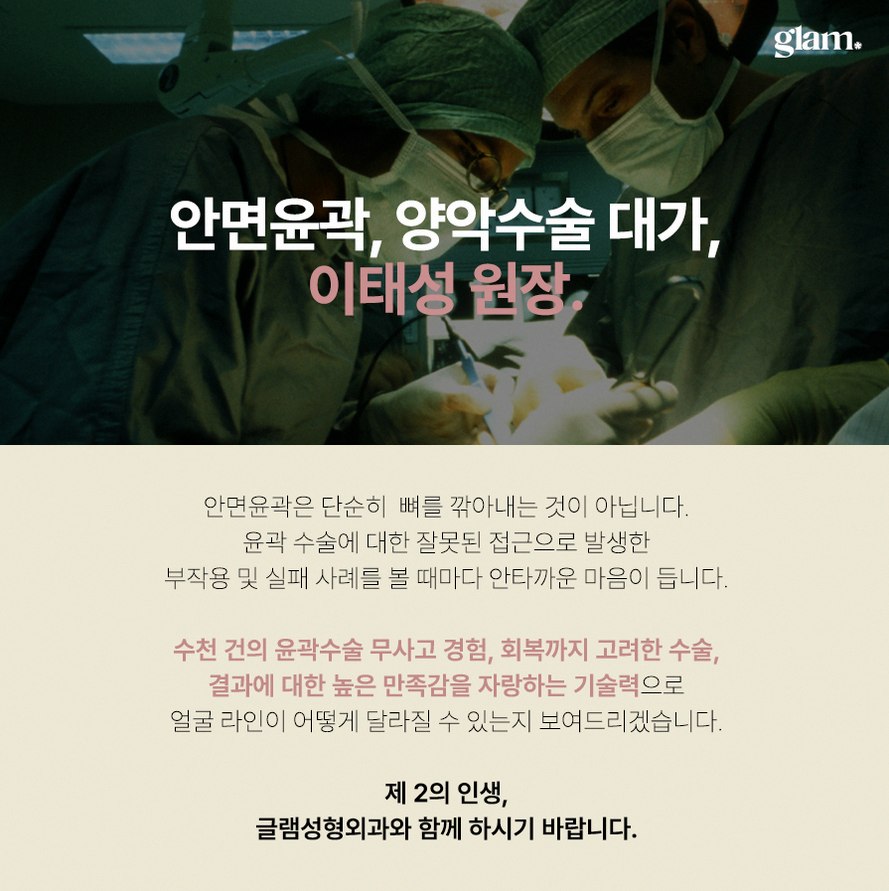
Academic track record
While not every good surgeon publishes research, SCI-level papers and publications in international journals such as PRS can show that the surgeon’s methods and results have been examined by other experts. When you see that a surgeon has multiple peer-reviewed papers in facial bone–related topics, it suggests they have a deep interest in this field rather than treating it as a side area.
Surgical responsibility
Ask clearly who will perform your surgery. In some clinics, the representative surgeon you meet during consultation is the same person who performs the operation from start to finish. In other places, different surgeons may share or divide the procedure.
For a major operation like double jaw surgery, many patients prefer a one-surgeon system where the surgeon who planned the case is also responsible for carrying it out. Confirm whether assistants or trainees will be involved and what their roles are.
Anesthesia safety
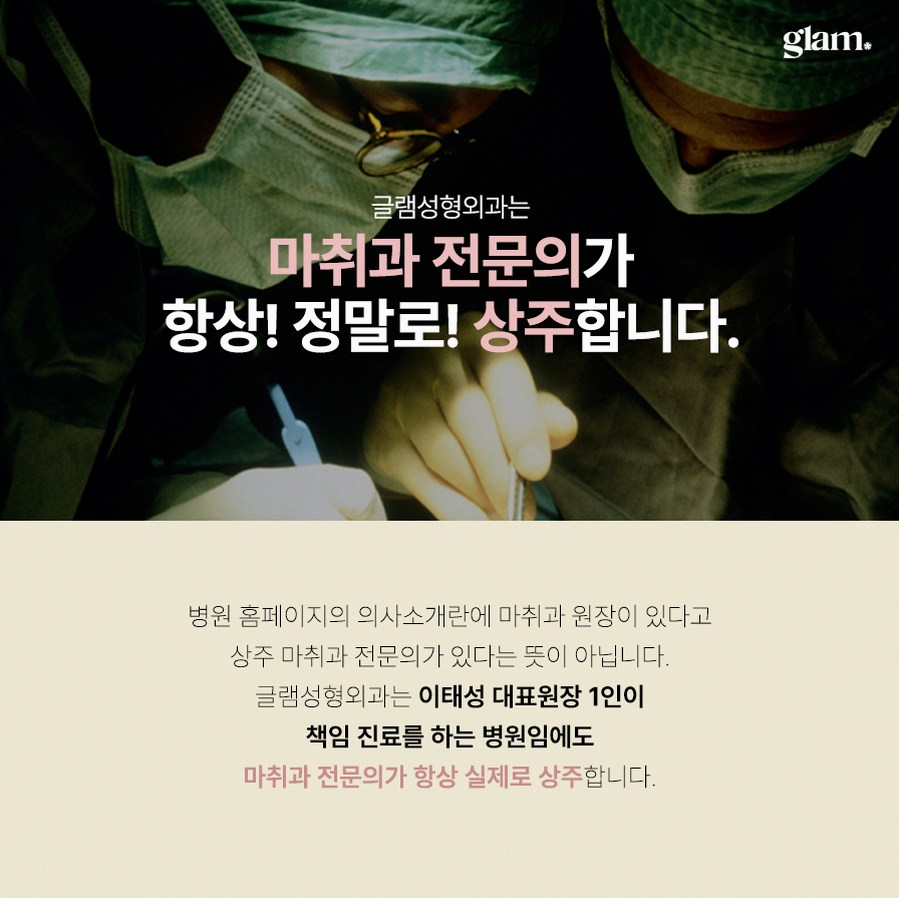
Double jaw surgery usually takes several hours under general anesthesia. For safety, it is important that anesthesia is managed by a dedicated anesthesiology specialist rather than by rotating or part-time staff.
Ask whether the clinic has a full-time anesthesiology specialist on site, and whether that doctor will stay with you throughout the surgery, from induction of anesthesia to full recovery in the recovery room. A one plastic surgeon plus one anesthesiology specialist system can provide more consistent monitoring and response if anything unexpected occurs.
Pre-operative planning system
A good double jaw surgery clinic will not decide your plan based only on photos. It should include:
Imaging studies such as facial X-rays and 3D CT scans
Bite analysis to see how your upper and lower teeth meet
Facial proportion analysis from the front and side
Discussion of whether you need orthodontic treatment before or after surgery
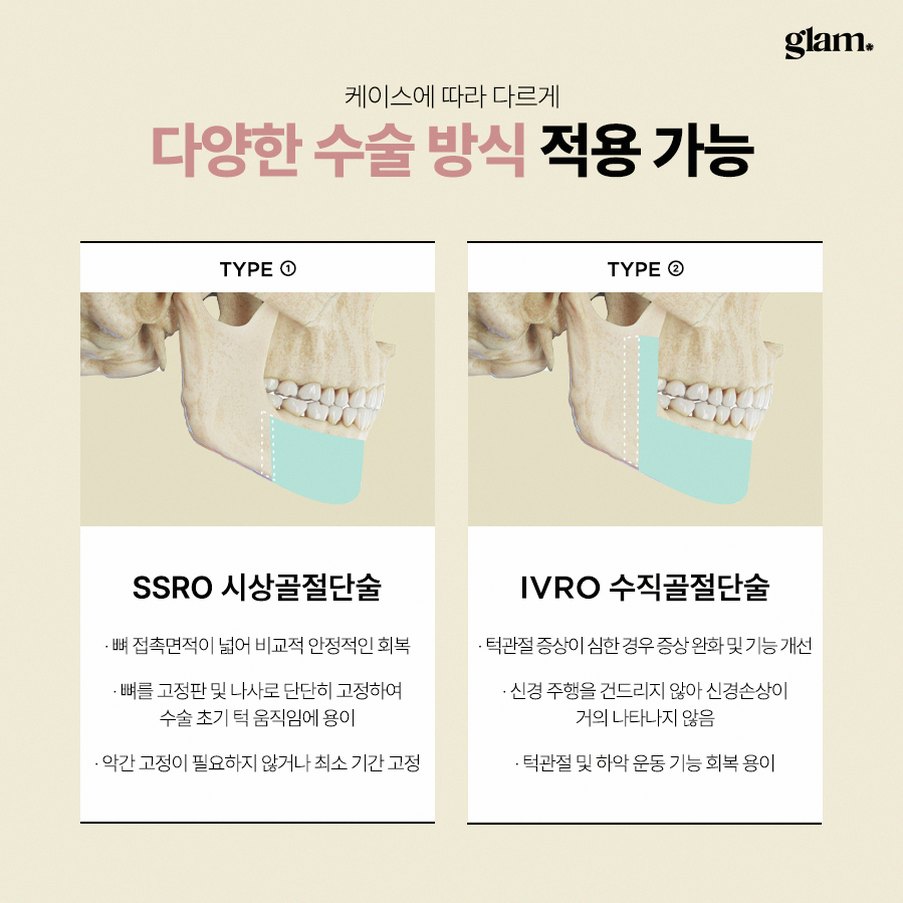
Some patients may be able to reduce or skip pre-surgical orthodontic treatment, but this must be judged carefully. Ask the clinic how they decide this, and whether they can coordinate with your orthodontic doctor if needed.
Post-operative system
Ask about the entire post-op pathway: how many nights of hospitalization are typical, how often vital signs are checked, how pain is managed, and how swelling is monitored. Also ask about scheduled follow-up visits, imaging after surgery, and what kind of emergency contact system is available.
Features of double jaw surgery at a facial bone–specialized clinic
While every clinic has its own protocols, facial bone–specialized centers in Seoul tend to share a similar overall process.
General process
First, you have a consultation where you explain your concerns, such as long face, protruding mouth, receding chin, or facial asymmetry. The surgeon examines your face and bite and recommends whether double jaw surgery, facial contouring, or a combination might be appropriate.
Next, detailed imaging and measurements are taken. The surgeon uses these to plan how much to move the upper and lower jaws, at what angles, and how this will affect your lips, chin, and nose. In some clinics, digital simulation is used to help explain the plan.
The operation is performed under general anesthesia. The surgeon accesses the jaw bones from inside the mouth, makes precise cuts, repositions the bones, and fixes them in place with plates and screws. After surgery, you stay in the clinic or hospital for monitoring before discharge.

Double jaw surgery without intermaxillary fixation
Traditionally, many patients had their jaws wired or tightly banded together after double jaw surgery, a method called intermaxillary fixation. This can make breathing, speaking, and eating more difficult in the early days.
Some facial bone–focused clinics offer double jaw surgery without full intermaxillary fixation in selected cases. Instead, they may use elastic bands or other methods that allow limited early jaw movement. This can improve comfort, but it is not suitable for everyone. Whether this is possible depends on the stability of your bone movements, your bite, and your overall facial structure.
Possibility of reducing or omitting orthodontics
In some indications, it may be possible to perform double jaw surgery without long pre-surgical orthodontic treatment, or with reduced orthodontic time. For example, when the main problem is skeletal rather than tooth position, and when the teeth are already relatively well aligned, the surgeon and orthodontic doctor may agree to focus on bone repositioning first.
However, this is not a universal option. Skipping necessary orthodontic treatment can compromise both function and aesthetics. A careful joint evaluation is needed, and any decision should be personalized to your case.
Techniques to minimize nose widening
After double jaw surgery, especially when the upper jaw is moved, some patients notice that their nose appears wider or the nasal tip changes. To reduce this risk, some surgeons use specific suturing techniques around the nasal base and soft tissue to support the original width and shape as much as possible.
These techniques can help, but they cannot completely control how soft tissues heal in every individual. Your surgeon should explain what they can and cannot influence, and what kind of changes around the nose you might realistically expect.
Safety and anesthesia: why the team matters
For long and complex operations like double jaw surgery, the anesthesia team is just as important as the surgeon. A dedicated anesthesiology specialist monitors your breathing, heart rate, blood pressure, and depth of anesthesia throughout the procedure.
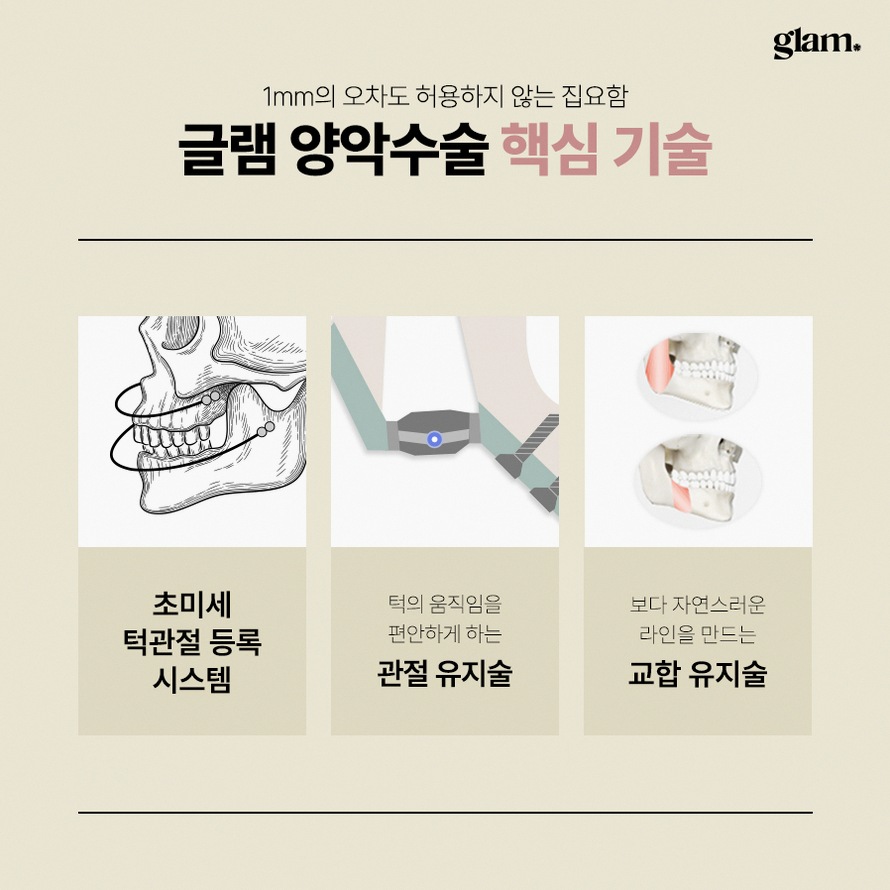
At some facial bone–focused clinics, a board-certified anesthesiologist is present full-time and manages all general anesthesia cases. This system can reassure patients who are worried about safety, especially if they have medical conditions or are traveling from overseas.
Continuous monitoring, careful airway management, and appropriate pain control during and after surgery are key elements of safe double jaw surgery. When you have your online or in-person consultation, do not hesitate to ask detailed questions about how anesthesia is handled.
Post-operative care and swelling management
Recovery after double jaw surgery takes time. In the first week, swelling and bruising are usually at their peak. Soft or liquid diet is needed, and speaking may be uncomfortable. Over the next few weeks, swelling gradually decreases, and many patients return to light daily activities within two to four weeks, depending on their job and individual healing.
Full bone healing and final facial shape can take several months. Numbness around the lips or chin may persist for a while and usually improves gradually, though the degree of recovery can vary.
Supporting therapies such as LED light therapy, gentle facial care, and certain RF lifting devices are sometimes used to help reduce swelling and support skin recovery. At facial bone–focused clinics, these are offered as part of a structured post-op care program. It is important to understand that such treatments are supportive only; they do not replace proper surgery, medical follow-up, or adherence to instructions about diet, oral hygiene, and activity.
Who might consider double jaw surgery at a plastic surgery clinic
People who look for a double jaw surgery plastic surgery clinic often have one or more of the following concerns:
Long or vertically excessive face
Protruding mouth or lips that do not close comfortably
Receding chin or weak lower face
Facial asymmetry where one side looks lower or more prominent
Gummy smile with excessive gum show
Severe jaw misalignment affecting both appearance and chewing
Some patients are referred by orthodontic doctors or jaw specialists who have already recommended surgery. Others start by searching online for cosmetic improvement and later learn that their concerns are related to jaw position.
It is important to know that not everyone who dislikes their jawline needs double jaw surgery. In some cases, facial contouring procedures such as zygoma reduction or V-line surgery, or tooth alignment alone, may be more suitable. A conservative, safety-first clinic will explain when a smaller procedure or non-surgical option is more appropriate and will recommend only the minimum necessary surgery.
Online consultation and pre-visit preparation for overseas patients
If you live outside Korea, your first step is usually an online consultation. Most facial bone–focused clinics in Gangnam offer communication through email, messaging apps, or social media in multiple languages such as English, Japanese, and Thai.
To make your online consultation more effective, prepare the following:
Clear front, 45-degree, and side-view photos of your face with neutral expression
Photos of your bite from the front and both sides if possible
Any previous imaging, reports, or recommendations you have received
A short summary of your main concerns and goals
Information about your medical history, allergies, and medications
During the online consultation, ask about the likely surgical options, whether double jaw surgery is really necessary, and what alternative plans might look like. Also ask for an estimated length of stay in Korea, the usual hospitalization period, and how many in-person visits are needed before and after surgery.

Expected Korea visit timeline for double jaw surgery
The exact schedule will vary by clinic and by your situation, but a common timeline for overseas patients might look like this:
Arrival and pre-op evaluation
Many patients arrive in Seoul about 3 to 5 days before surgery. During this time, you will have in-person consultation, physical examination, imaging (X-rays, CT scans), bite analysis, and blood tests. The surgeon will confirm or adjust the plan based on these results and answer any remaining questions.
Surgery and hospitalization
Double jaw surgery is usually performed under general anesthesia and can take several hours. After surgery, you will stay in the recovery room and then in a hospital room or ward. Hospitalization may last from 1 to several nights, depending on the clinic’s protocol and your condition.
Early recovery in Korea
After discharge, you will visit the clinic regularly for wound checks, cleaning, and swelling management. Many overseas patients stay in Korea for about 3 to 4 weeks after surgery so that the clinic can monitor early healing, adjust elastic bands if used, and handle any issues promptly.
Returning home and long-term follow-up
Once your surgeon confirms that it is safe to travel, you can return home. Long-term follow-up is often done through online consultations and shared photos or imaging. If you need additional treatment such as orthodontic work, the clinic can coordinate with your local doctor.
Consultation checklist for choosing a double jaw surgery clinic in Seoul
Before you decide, it helps to prepare a written list of questions. Some practical points to ask during online or in-person consultation include:
Who will actually perform my double jaw surgery, and will that surgeon be present throughout the operation?
How many double jaw cases does your clinic handle per year?
What is your approach if revision surgery is needed later?
Will you use intermaxillary fixation or elastic bands, and for how long?
How many nights of hospitalization do you recommend, and what is the typical recovery timeline?
Can you coordinate with my orthodontic doctor if I need tooth alignment before or after surgery?
What kind of post-operative care program do you provide for swelling and healing?
For overseas patients, how long should I plan to stay in Korea, and do you offer language support?
In the Sinsa Station area of Gangnam, clinics like GLAM Plastic Surgery are located close to public transportation and offer multilingual support including English, Japanese, and Thai. Many international patients first contact the clinic through online channels to discuss their case and plan their visit.
FAQ about double jaw surgery plastic surgery clinics in Seoul
Is double jaw surgery always necessary for jawline improvement?
No. Some people can achieve their goals with facial contouring procedures such as zygoma reduction or V-line surgery, or with tooth alignment alone. Double jaw surgery is usually considered when there is a significant skeletal problem affecting both bite and facial balance. A careful in-person evaluation is needed to decide whether you truly need double jaw surgery or whether a less invasive option is more suitable.
How long does it take to look normal after double jaw surgery?
Most major swelling decreases within 3 to 6 weeks, and many patients feel comfortable going back to light social activities after about one month. However, subtle swelling can remain for several months, and the final facial shape may not be fully visible until 6 to 12 months after surgery. Recovery speed varies by individual, and following your clinic’s instructions about diet, activity, and aftercare can support smoother healing.
Can I have double jaw surgery without my jaws being wired shut?
In some cases, it is possible to avoid full intermaxillary fixation and instead use elastic bands or other methods that allow limited early movement. Whether this is safe for you depends on the type and amount of jaw movement, your bite, and bone stability. Your surgeon will decide this based on imaging and planning. It is important not to demand a specific method if it is not appropriate for your case.
Is it safe to travel to Korea alone for double jaw surgery?
Many overseas patients do travel alone, but you should consider your own health, pain tolerance, and support system. The first days after surgery can be challenging because of swelling, discomfort, and diet restrictions. It is safer if you have a companion, at least for the first few days. If you must come alone, discuss this with the clinic in advance so they can advise you on accommodation, transportation after discharge, and any extra support options.
Summary: choosing a double jaw surgery plastic surgery clinic with focus and evidence

Double jaw surgery is a major facial bone operation that affects both your bite and your appearance. For this reason, many patients prefer a facial bone–focused plastic surgery clinic rather than a general cosmetic center. When comparing options in Seoul, pay attention to the surgeon’s specialization and years of facial bone experience, academic track record, anesthesia system, pre-op planning process, and structured post-op care.
Clinics in the Sinsa Station and Gangnam area that limit their practice to double jaw and facial contouring surgery, such as GLAM Plastic Surgery, can be a practical choice for patients who value focused expertise and a conservative, safety-first approach that recommends only the necessary procedures.
If you are considering double jaw surgery in Korea, starting with an online consultation is a simple first step. By sharing your photos, medical history, and goals, you can receive a personalized opinion about whether double jaw surgery is suitable for you, what alternatives exist, and how to plan your visit to Seoul in a realistic and safe way.




- 공유 링크 만들기
- X
- 이메일
- 기타 앱


댓글
댓글 쓰기