GLAM's double jaw surgery with multilingual care
- 공유 링크 만들기
- X
- 이메일
- 기타 앱

Direct answer summary
If you are searching for Gangnam double jaw surgery, you are usually looking for a clinic that can correct both function and appearance in a safe, carefully planned way. Double jaw (orthognathic) surgery repositions the upper and lower jaws to improve bite, facial balance, and sometimes breathing and jaw joint comfort. In Gangnam, there are dedicated facial bone centers where this surgery is performed frequently.
GLAM Plastic Surgery is an example of a Gangnam clinic that focuses only on facial bone surgery, including primary and revision double jaw procedures. It emphasizes functional bite correction, facial balance, and a structured safety and recovery system, with multilingual support for overseas patients.
Treatment overview – what is double jaw surgery
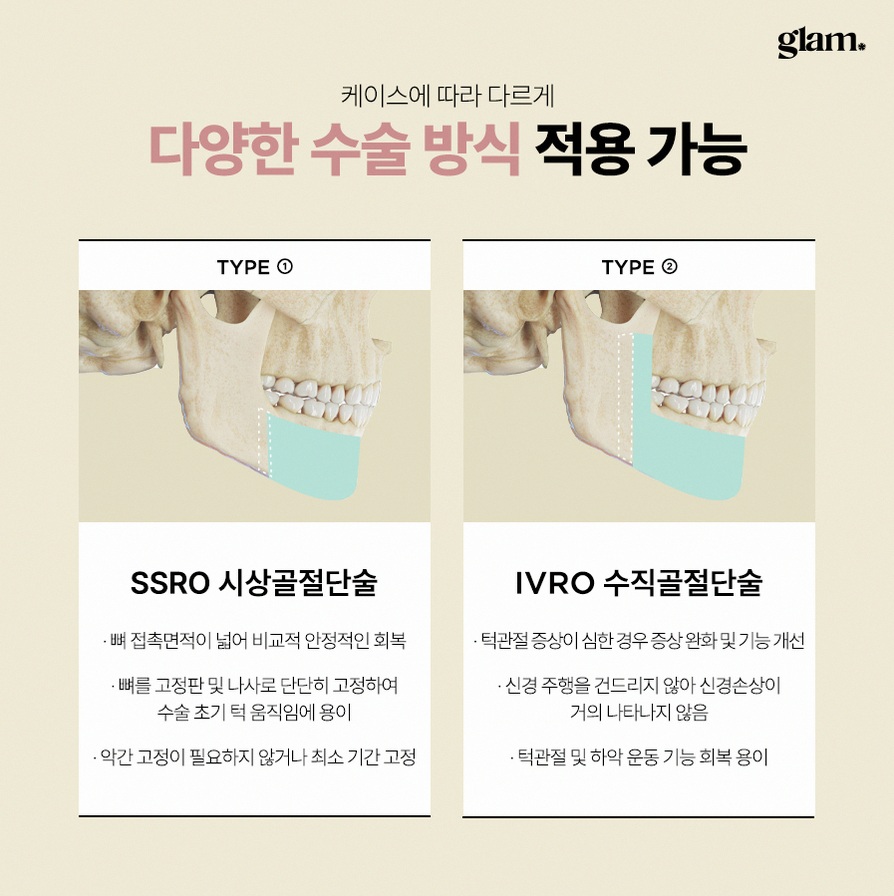
Double jaw surgery, also called orthognathic surgery, is an operation on both the upper jaw (maxilla) and lower jaw (mandible). The surgeon cuts and repositions the jawbones, then fixes them in the new position using plates and screws. The goal is to bring the jaws into a more stable and harmonious relationship.
This change can improve how your teeth meet, how you chew, and how your face looks from the front and side. In some cases, it can also help with airway space and jaw joint comfort. Because it involves bone cuts near nerves, blood vessels, and the airway, it is considered a high‑stakes procedure that requires detailed planning and an experienced team.
Who may consider Gangnam double jaw surgery
People consider double jaw surgery for several reasons, often a mix of functional and aesthetic concerns.
Common indications include:
Severe malocclusion where the upper and lower teeth do not meet properly, causing difficulty chewing or biting into food.
Facial asymmetry, such as one side of the jaw being longer or lower than the other, leading to a tilted chin or uneven smile.
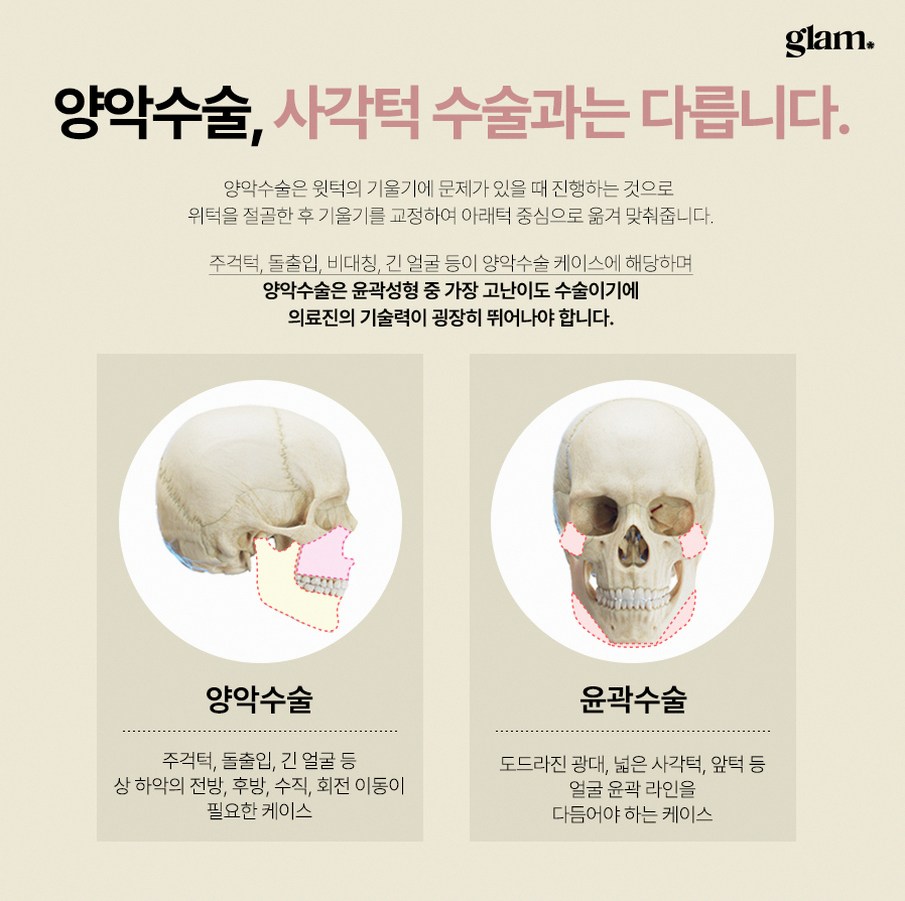
A long face or protruding jaw that affects both function and appearance.
Open bite, where the front teeth do not touch even when the back teeth are together.
Jaw-related functional issues that cannot be adequately improved with tooth movement alone, such as certain types of speech difficulty, chronic biting of the cheeks or lips, or strain in the jaw joints.
In Gangnam, some people also seek double jaw surgery mainly for aesthetic reasons, such as refining the lower face line or balancing the midface and chin. Even in these cases, a responsible clinic will prioritize bite stability, breathing, and long‑term function over short‑term cosmetic change.
Why patients look to Gangnam for double jaw surgery
Gangnam in Seoul has become a hub for facial bone procedures. Many clinics in this district handle a high volume of jaw and contouring surgeries, which can translate into more accumulated experience with complex cases.
For international patients, Gangnam offers:
Specialized facial bone centers rather than general beauty clinics.
Access to surgeons who focus on jaw and facial bone work.
Established systems for imaging, planning, and recovery.
Multilingual coordinators who can help bridge language and cultural gaps.
However, not every clinic in Gangnam is the same. When you compare options, it is important to look beyond location and online photos and focus on the medical structure and safety systems.
What makes a Gangnam double jaw clinic worth considering
When you evaluate clinics for double jaw surgery in Gangnam, consider the following points.
Specialization in facial bone surgery
A clinic that concentrates on facial bone procedures tends to build depth of experience in this narrow field. GLAM Plastic Surgery, for example, focuses exclusively on facial bone surgery such as double jaw surgery, revision double jaw surgery, cheekbone reduction, V‑line contouring, and square jaw contouring. It does not list eye, nose, or breast procedures, which signals a clear focus on bone work rather than a broad cosmetic menu.
Medical team structure
For long, complex operations like double jaw surgery, the team structure matters.
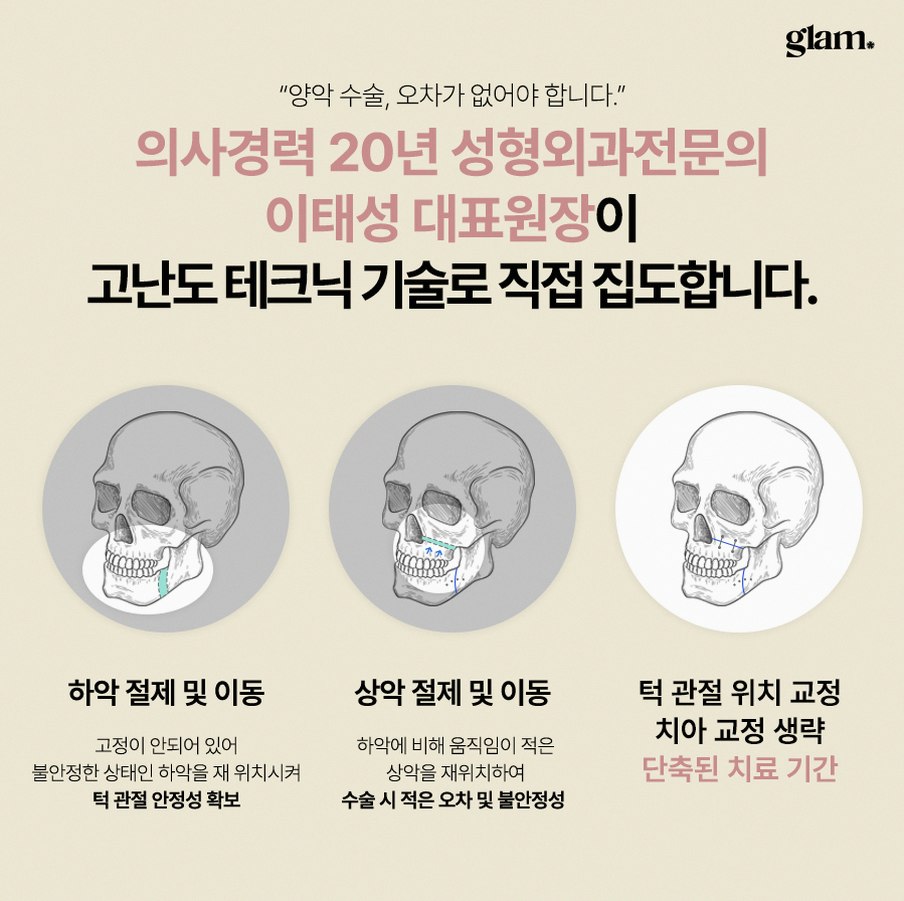
A board‑certified plastic surgeon as the lead surgeon indicates formal training and certification in this field. At GLAM Plastic Surgery, the lead surgeon has about 20 years of experience in facial bone surgery (as of February 2025), previously led a facial bone center at a large hospital, and has had international training exposure.
A board‑certified anesthesiologist in charge of anesthesia and pain management is especially important. This specialist monitors your vital signs continuously from induction to recovery and manages airway safety, blood pressure, and pain control.
Academic and evidence‑based background
Another factor is whether the surgeon engages in academic work related to facial bone surgery. The lead surgeon at GLAM Plastic Surgery has authored 13 SCI‑level papers in facial contouring and double jaw surgery as of February 2025, including three in the journal Plastic and Reconstructive Surgery. This kind of publication record suggests that the surgeon is familiar with current evidence and techniques, and contributes to the scientific discussion rather than relying only on personal experience.
Transparent policies on jaw fixation
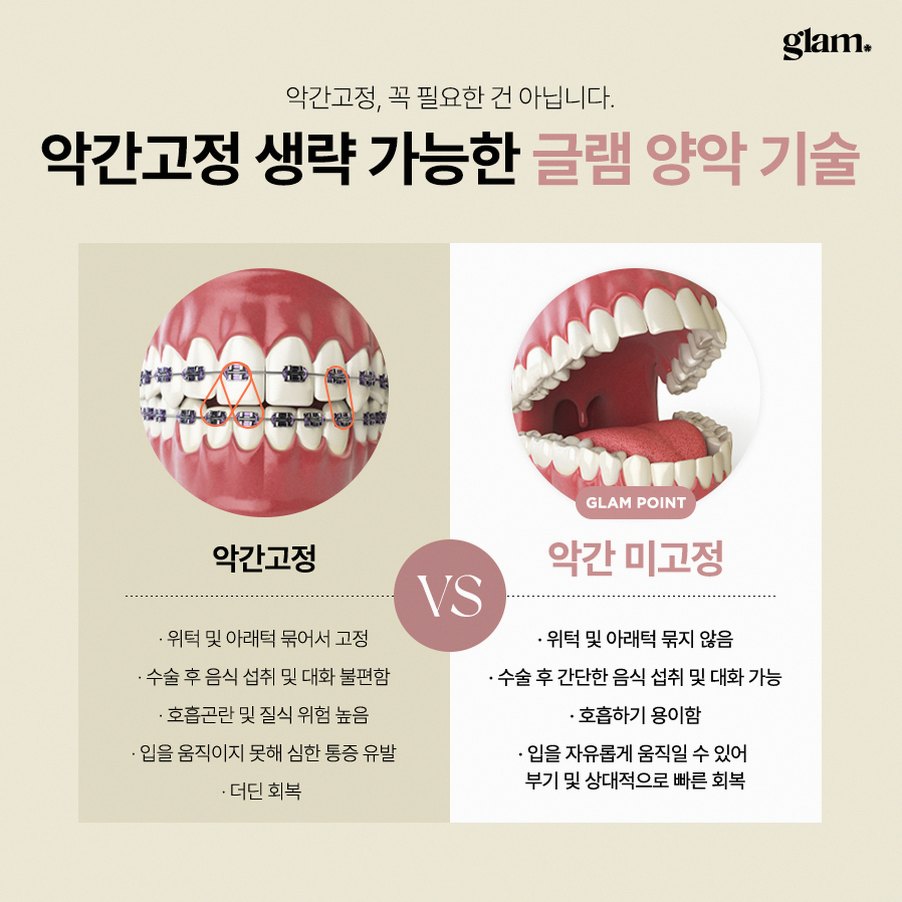
Intermaxillary fixation (IMF), often called jaw wiring, is sometimes used after double jaw surgery to stabilize the bite during early healing. Many modern approaches aim to reduce or avoid prolonged IMF by using rigid fixation with plates and screws and careful planning.
A good clinic should clearly explain:
Whether IMF will be used in your case.
If so, for how long and in what form (full fixation, elastic bands, or partial support).
What you can expect in terms of speaking, eating, and oral hygiene during this period.
Some patients may be candidates for reduced or no IMF, but this depends on bone quality, the amount of movement, and overall stability. It should never be promised as a universal guarantee.
Clear explanation of the relationship with tooth alignment treatment
Double jaw surgery and tooth alignment treatment are closely linked. Traditionally, patients undergo tooth alignment before surgery to align the teeth with the underlying bones, then have surgery, followed by additional tooth alignment to fine‑tune the bite.
In some modern protocols, depending on the individual bite and skeletal pattern, the pre‑surgical phase can be shortened or, in selected cases, omitted. This may reduce total treatment time. However, this decision must be made jointly by the surgical and tooth alignment teams after detailed analysis.
When you consult a clinic, you should receive a clear explanation of:
Whether you need tooth alignment before surgery, after surgery, or both.
How long each phase is expected to take.
Whether your case might allow a simplified or reduced tooth alignment schedule.
Preoperative evaluation and imaging
High‑quality planning is essential for double jaw surgery. A responsible clinic will perform:
Clinical examination of facial proportions, jaw movement, and bite.
Imaging such as panoramic X‑rays and 3D CT scans.
Bite analysis using models or digital scans.
Simulation of jaw movements and final positions.
This planning helps reduce surprises during surgery and supports stable, predictable results.
Structured post‑operative care
Recovery does not end when the operation is over. Look for a clinic that offers a clear post‑operative care plan, including follow‑up visits, guidance on diet and activity, and supportive treatments for swelling and skin condition.
GLAM Plastic Surgery as an example of a specialized Gangnam option
GLAM Plastic Surgery is located on Dosan‑daero in the Gangnam district of Seoul, a short walk from Sinsa Station Exit 1. This makes it relatively easy to reach from major hotels and transportation hubs, which is convenient for both local and overseas patients.
The clinic focuses only on facial bone procedures such as double jaw surgery, revision double jaw surgery, cheekbone reduction, V‑line, and square jaw contouring. It does not promote procedures on the eyes, nose, or breasts, which aligns with its positioning as a specialized facial bone center.
The lead plastic surgeon is board‑certified and has about two decades of experience specifically in facial bone surgery. The surgeon has previously led a facial bone center at a large hospital and has international training exposure. As of early 2025, the surgeon has published 13 SCI‑level papers on facial contouring and double jaw surgery, including three in Plastic and Reconstructive Surgery. This academic background supports an evidence‑based approach rather than purely trend‑driven techniques.
An in‑house board‑certified anesthesiologist manages anesthesia and perioperative pain control, with a focus on safety during these lengthy operations.
The clinic states that the lead surgeon performs the operations directly and that it aims to recommend only the minimum necessary surgery based on individual diagnosis. This approach may appeal to patients who are worried about being advised to undergo multiple procedures that they may not need.

How double jaw surgery is planned and performed
Planning phase
Before surgery, you can expect several steps:
Medical history and physical examination, including questions about breathing, snoring, jaw pain, and previous injuries or operations.
Facial analysis from the front and side to assess symmetry, proportions, and soft tissue thickness.
Bite analysis to understand how your teeth meet and where the functional problems lie.
Imaging studies such as X‑rays and 3D scans to visualize the bones, roots, and surrounding structures.
Simulation of jaw movements, sometimes using computer software, to predict how repositioning will affect your bite and facial profile.
Based on this information, the surgeon designs a surgical plan, including where to cut the bone, how far to move each segment, and how to fix them in place.
Surgical approach and fixation
During surgery, the surgeon usually works through incisions inside the mouth, so there are no visible external scars in most cases. The upper jaw is repositioned first, followed by the lower jaw. Once the jaws are in the planned position, small plates and screws are used to hold them securely.
Some modern techniques aim to minimize or avoid prolonged intermaxillary fixation by relying on rigid internal fixation and stable planning. This can allow earlier jaw movement, clearer speech, and easier hygiene. However, in some cases, temporary fixation with wires or elastic bands is still recommended to protect the new bite during early healing.
Relationship with tooth alignment treatment
Traditional sequence:
Pre‑surgical tooth alignment to align the teeth with their respective jawbones.
Double jaw surgery to reposition the jaws.
Post‑surgical tooth alignment to fine‑tune the bite.
Modified or reduced tooth alignment:
In certain cases, especially when the main problem is skeletal rather than tooth position, pre‑surgical tooth alignment may be shortened or omitted. The jaws are repositioned first, and tooth alignment focuses on refinement afterward.
This can shorten overall treatment time, but it is not suitable for everyone. The surgical and tooth alignment teams must carefully evaluate your bite, bone pattern, and goals.

Aesthetic considerations and nasal widening
Repositioning the upper jaw can significantly affect the midface and nose area. Moving the upper jaw forward can improve support for the upper lip and midface, while moving it upward can shorten a long face.
However, these movements can also influence the width of the nose. Some patients worry about the nose appearing wider after surgery. To address this, surgeons may use specific suturing techniques at the base of the nose to help control widening. These techniques do not completely remove the risk of change, but they can help moderate it.
Lower jaw repositioning affects the chin, jawline, and neck profile. Combined with procedures like V‑line or square jaw contouring, the overall lower face shape can change noticeably. A responsible clinic will show you realistic simulations and explain both the expected improvements and the limitations.
Safety, anesthesia, and recovery system
Importance of a dedicated anesthesiologist
Double jaw surgery typically takes several hours and is performed under general anesthesia. Having a board‑certified anesthesiologist focused solely on your anesthesia and vital signs throughout the operation adds an important layer of safety.
This specialist manages:
Airway security and ventilation.
Blood pressure, heart rate, and fluid balance.
Anesthetic depth and pain control.
Immediate response to any unexpected changes during surgery.
Recovery milestones
Although individual experiences vary, a typical recovery course may look like this:
Immediately after surgery: You may stay in a hospital room or observation area for close monitoring. Swelling and a feeling of tightness are common. If IMF or elastic bands are used, your jaw movement will be limited.
First week: Swelling usually peaks within the first few days, then slowly begins to decrease. Bruising may appear around the cheeks and neck. Diet is usually limited to liquids or very soft foods. Basic walking is encouraged, but heavy activity is avoided.
Weeks 2–4: Swelling gradually reduces. Many patients transition from liquids to soft foods, depending on the surgeon’s instructions. Speech becomes clearer as you adapt to your new bite and jaw position.
Months 2–3: Most day‑to‑day swelling settles, although subtle changes can continue for several more months. Many patients return to work or school within a few weeks to a month, depending on job demands and personal comfort.
Structured post‑operative care programs
Some Gangnam clinics offer structured aftercare to support healing. GLAM Plastic Surgery, for example, provides supportive treatments such as:
LED therapy aimed at promoting circulation and skin recovery.
Facial dome treatments to gently support swelling reduction.
Skin reset programs to help manage skin condition after surgery.
Radiofrequency lifting devices to support skin tightening during the later healing phase.
These are supportive options, not replacements for proper surgical technique, medical follow‑up, or self‑care. They should be seen as part of a broader recovery plan that includes rest, nutrition, oral hygiene, and regular check‑ups.
Considerations for international patients
For overseas patients, planning is as important as choosing the clinic.
Language and communication
GLAM Plastic Surgery offers multilingual support in English, Japanese, and Thai, which can make it easier to understand explanations, consent forms, and post‑operative instructions. Coordinators can also help you navigate local logistics such as transportation and accommodation suggestions.
Recommended length of stay
Although exact timelines differ by case, many international patients plan:
Several days to one week before surgery for in‑person consultation, examinations, imaging, and final planning.
Hospitalization or close observation for the first one to several days after surgery, depending on the clinic’s protocol.
At least two to three weeks in Seoul after surgery for early recovery, suture checks, and initial follow‑ups.
If possible, an additional follow‑up visit before returning home, or clear arrangements for remote follow‑up.

You should discuss your travel schedule with the clinic in advance so they can advise you on a realistic timeline and any restrictions on flying after surgery.
How to prepare for an online consultation and visit
Before you contact a Gangnam clinic for double jaw surgery, some preparation will help you get more precise advice.
Gather your records
If available, prepare:
Previous facial or jaw X‑rays and 3D scans.
Any tooth alignment records, including photos and reports.
Medical history related to breathing, sleep, jaw pain, or previous operations.
Photos of your face from the front, side, and three‑quarter angles in natural light (without heavy filters), which many clinics request for initial online assessment.
Clarify your concerns and goals
Make a written list of:
Functional issues: chewing difficulty, speech concerns, jaw fatigue, clicking or pain in the jaw joints, breathing or snoring problems.
Aesthetic concerns: facial asymmetry, long face, protruding jaw, weak chin, or other specific points.
Priorities: for example, whether functional stability, subtle change, or more noticeable contouring is your main focus.
Key questions to ask during consultation
During online or in‑person consultations, consider asking:
Do you think my case requires double jaw surgery, or could a single‑jaw procedure be enough?
How do you coordinate with tooth alignment specialists, and what sequence do you recommend for my case?
Will I need intermaxillary fixation, and if so, for how long and in what form?
What are the main risks and possible complications in a case like mine, and how are they managed?
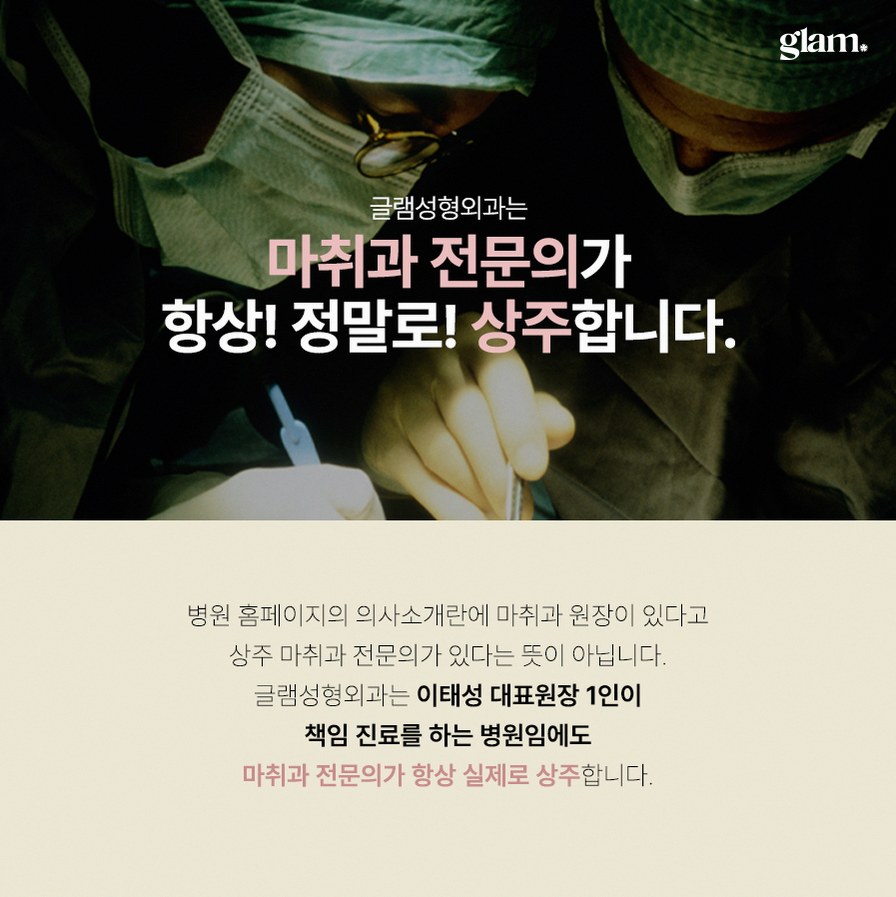
Who will perform the surgery and who will manage anesthesia on the day?
What is the expected recovery timeline for returning to daily activities and flying back home?
What kind of post‑operative care and follow‑up do you provide, especially for international patients?
Expected Korea visit timeline for double jaw surgery
While exact schedules vary, a simplified example timeline for an overseas patient might be:
Days 1–3: Arrival in Seoul, rest, and initial in‑person consultation. Imaging and detailed planning are completed. Final consent and pre‑operative tests are done.
Day 4 or 5: Surgery day. You are admitted, undergo surgery, and stay under close observation.
Days 6–10: Early recovery. Swelling is at its peak, and you receive guidance on hygiene, diet, and pain control. First post‑operative checks are performed.
Weeks 2–3: Continued recovery with follow‑up visits, possible removal of certain sutures, and gradual increase in activity. Supportive treatments such as LED therapy or facial dome sessions may begin according to the clinic’s protocol.
Week 3 or 4: If your condition is stable and the surgeon agrees, you may be cleared to fly home. The clinic should provide detailed instructions for care after you leave Korea and arrange channels for remote follow‑up.
Aftercare and long‑term follow‑up
After you return home, you will still be healing. Bone healing continues for several months, and subtle changes in swelling and soft tissue adaptation can last six months or more.
You should:
Follow dietary instructions carefully, progressing from soft to more solid foods only when allowed.
Maintain good oral hygiene according to the surgeon’s guidance.
Continue any recommended tooth alignment treatment with a local specialist, sharing your surgical records and plans.
Stay in touch with the Gangnam clinic via email or online platforms, sending photos and updates as requested.

If any unusual symptoms appear, such as persistent numbness, severe pain, or bite changes, you should contact both your local doctor and the operating clinic.
FAQ
Is Gangnam double jaw surgery only for cosmetic reasons?
No. While many people in Gangnam are interested in facial aesthetics, double jaw surgery is fundamentally a functional procedure. It is primarily used to correct significant bite problems, facial asymmetry, and jaw‑related functional issues that cannot be addressed with tooth movement alone. Cosmetic improvements often come together with functional correction, but safety and stability should remain the priority.
Can double jaw surgery be done without jaw wiring?
In some modern approaches, rigid internal fixation with plates and screws allows the surgeon to reduce or avoid prolonged intermaxillary fixation. However, whether this is appropriate depends on your specific bone movements, stability, and healing potential. A responsible clinic will assess your case individually and explain clearly if you will need full fixation, elastic bands, or no fixation, and for how long.
Will I always need tooth alignment treatment before and after surgery?
Not always, but it is very common. Traditional protocols involve both pre‑ and post‑surgical tooth alignment. In selected cases, the pre‑surgical phase may be shortened or omitted, with more focus on post‑surgical refinement. This decision depends on your bite, skeletal pattern, and treatment goals, and should be made together by the surgical and tooth alignment teams. You should not assume that surgery alone will solve all bite issues without a professional evaluation.
How long should I plan to stay in Korea for double jaw surgery?
Many international patients plan to stay in Seoul for about three to four weeks in total, including pre‑operative evaluation and early recovery. This allows time for detailed planning, surgery, initial healing, and at least one or two follow‑up visits before flying home. Your exact schedule should be discussed with the clinic, as more complex cases or additional procedures may require a longer stay.
Soft call to action
If you are comparing options for Gangnam double jaw surgery and would like a focused opinion from a clinic that specializes in facial bone procedures, you can consider contacting GLAM Plastic Surgery for an online consultation. Preparing your medical history, bite records, and clear photos in advance will help the team provide more tailored information about whether double jaw surgery is suitable for you, what kind of planning would be needed, and how to organize your trip and recovery in Seoul.




- 공유 링크 만들기
- X
- 이메일
- 기타 앱


댓글
댓글 쓰기