Facial Contouring Surgery Side Effects and When Revision Is Needed
- 공유 링크 만들기
- X
- 이메일
- 기타 앱
Direct answer summary
Facial contouring surgery can change the shape of the cheekbones, jawline, and chin, but it also carries a risk of side effects. Some reactions such as swelling, bruising, and temporary numbness are part of normal healing. Others, like persistent asymmetry, severe nerve pain, bite problems, or repeated infections, may indicate a complication that sometimes requires revision surgery.
What is facial contouring surgery?
Facial contouring surgery refers to procedures that reshape the facial bones to create a slimmer or more balanced face. Common operations include cheekbone reduction, mandibular angle reduction, V-line surgery, and chin reshaping.
These procedures usually involve cutting and repositioning bone, then fixing it with plates and screws. Because they are done close to important nerves, blood vessels, and the jaw joints, side effects and complications can occur, especially if too much bone is removed or the bite is not carefully checked.
Normal reactions versus true side effects
After facial contouring, every patient experiences some degree of swelling, bruising, tightness, and numbness. In most cases these symptoms gradually improve over weeks to months.
Normal early reactions usually include facial swelling that peaks in the first week, bruising that fades within two to three weeks, a feeling of stiffness or tightness when opening the mouth, and temporary numbness around the chin, lower lip, or cheeks.
True side effects or complications are different. They tend to persist beyond the usual healing period, worsen instead of improve, or cause functional problems such as difficulty chewing or speaking. Examples include marked asymmetry that does not improve, severe or burning nerve pain, chronic bite problems, jaw joint pain, or signs of infection.
Common side effects and complications
Prolonged swelling and facial asymmetry
Swelling after facial contouring typically improves significantly within one to three months, although subtle changes can continue for up to a year. Mild left–right differences are common in the early phase.
You should suspect a problem if one side remains much more swollen and firm than the other after the first few weeks, if you feel a hard lump that does not soften over time, or if the swelling suddenly worsens after initially improving. Possible causes include hematoma, infection, uneven bone resection, or soft tissue imbalance.
In some cases, revision surgery may be needed to correct uneven bone cuts or to address scar tissue and soft tissue volume differences. However, many mild asymmetries improve with time, massage, and conservative care, so careful evaluation is important before deciding on another operation.
Nerve-related symptoms
Temporary numbness or altered sensation around the lower lip, chin, or cheeks is very common after jaw and cheekbone surgery. This usually improves gradually over several months as the nerves recover from stretching or minor bruising.
Warning signs include severe pain, burning sensations, electric shock–like pain, or numbness that does not show any improvement over several months. These can indicate more significant nerve injury.
Revision surgery has limited ability to fully restore nerve function if the damage is severe. In such cases, the goal is usually to avoid further harm and to improve other aspects such as symmetry, contour, or bite, while setting realistic expectations about persistent numbness.
Bite problems and jaw joint discomfort
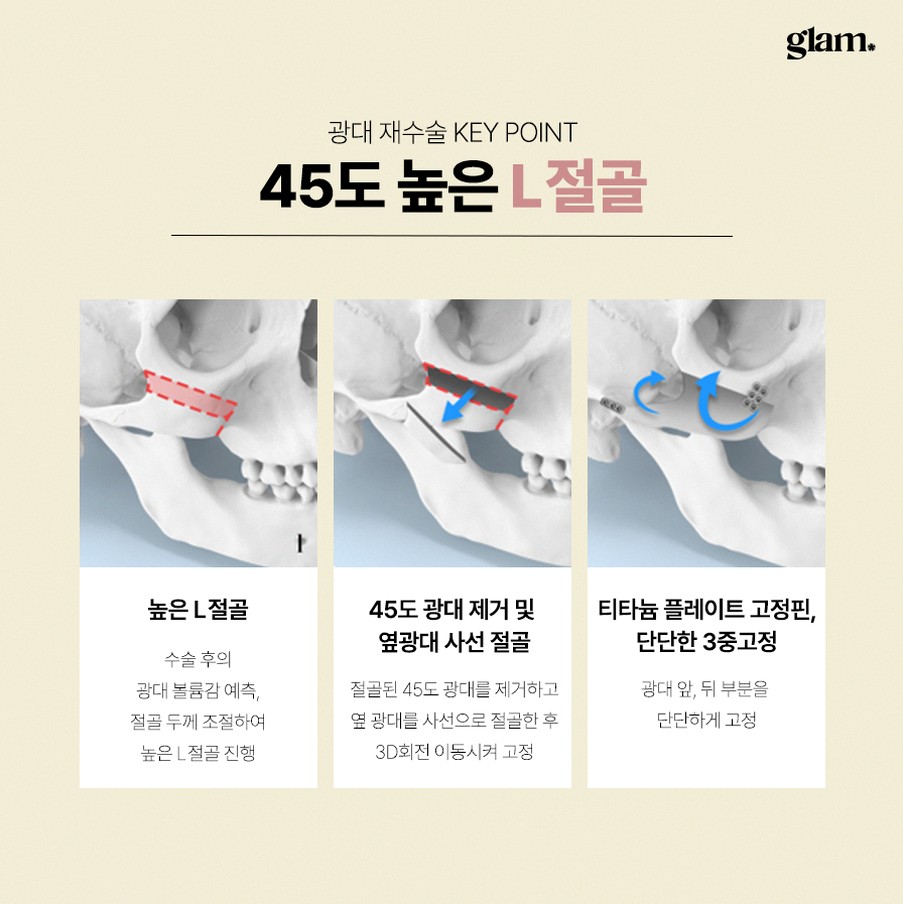
Changes in the jaw angle or chin position can sometimes affect how the upper and lower teeth meet. If the bite is not stable, patients may experience difficulty chewing, teeth that do not meet properly, or a feeling that the jaw shifts when closing.
The temporomandibular joints (TMJ) can also become strained, leading to clicking, pain in front of the ears, or limitation when opening the mouth. These symptoms should be evaluated carefully with bite analysis and sometimes imaging of the jaw joints.
Before planning revision surgery, a detailed occlusal evaluation is important. In some cases, collaboration with a specialist in bite alignment may be recommended to understand whether the problem is mainly skeletal, dental, or joint-related.
Sagging, hollowing, and aged appearance
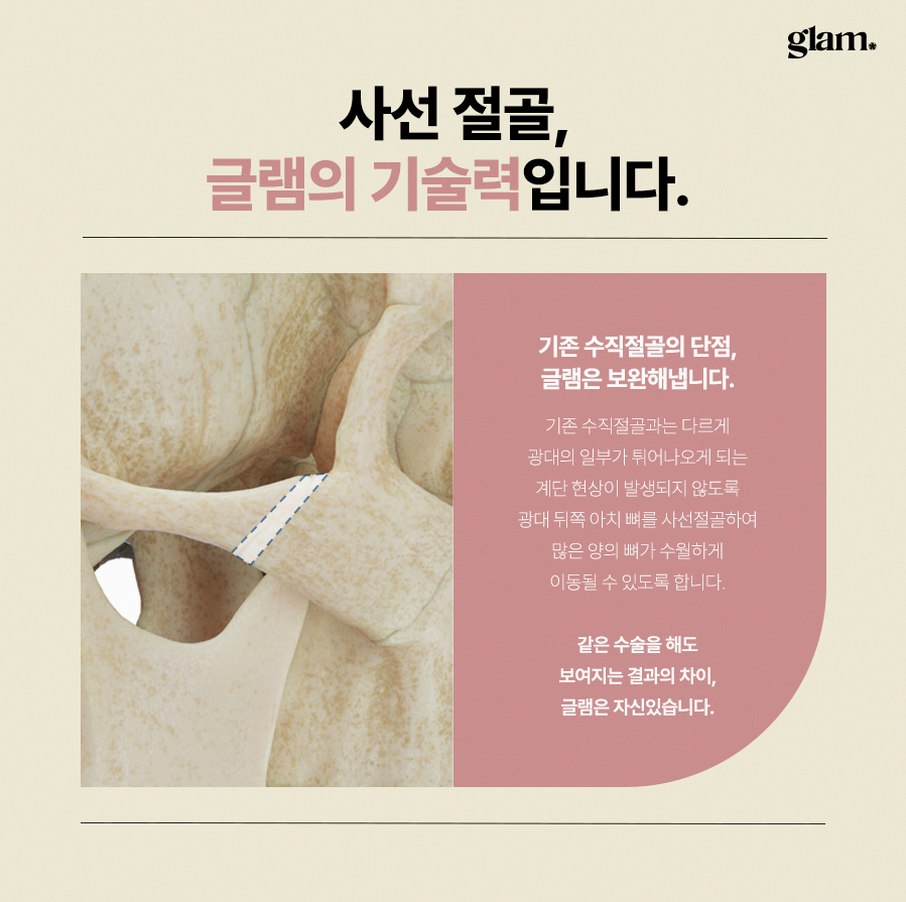
When too much bone is removed from the cheekbones or jawline, the overlying soft tissue can lose support. This may cause midface flattening, sagging around the mouth and jawline, or a gaunt, tired look.
Many patients are disappointed when they expected a smaller face but instead feel they look older or more hollow. In such cases, revision is not simply about cutting more bone. It often involves restoring structure and support.
Possible strategies include limited bone reshaping to improve balance, adding volume with bone grafts or implants in selected areas, and combining soft tissue procedures such as lifting or fat grafting to support the skin and underlying tissues.
Infection, nonunion, and unstable bone segments
Infection is a serious complication. Signs include redness, heat, swelling that feels hot and painful, discharge from the incision or inside the mouth, foul odor, and fever or general malaise.
Nonunion means the bone segments do not heal together properly. This can lead to persistent pain, movement when pressing on the bone, or visible deformity. In some cases, fixation plates may loosen or irritate surrounding tissue.
These conditions are medical priorities and often require prompt evaluation. Early revision may be needed to clean the infected area, adjust or replace fixation plates, or stabilize the bone segments.
When to consider revision facial contouring surgery
Time frame for judging results
Facial contouring results change considerably during the first few months. Swelling, soft tissue adaptation, and bone remodeling all affect the final appearance.
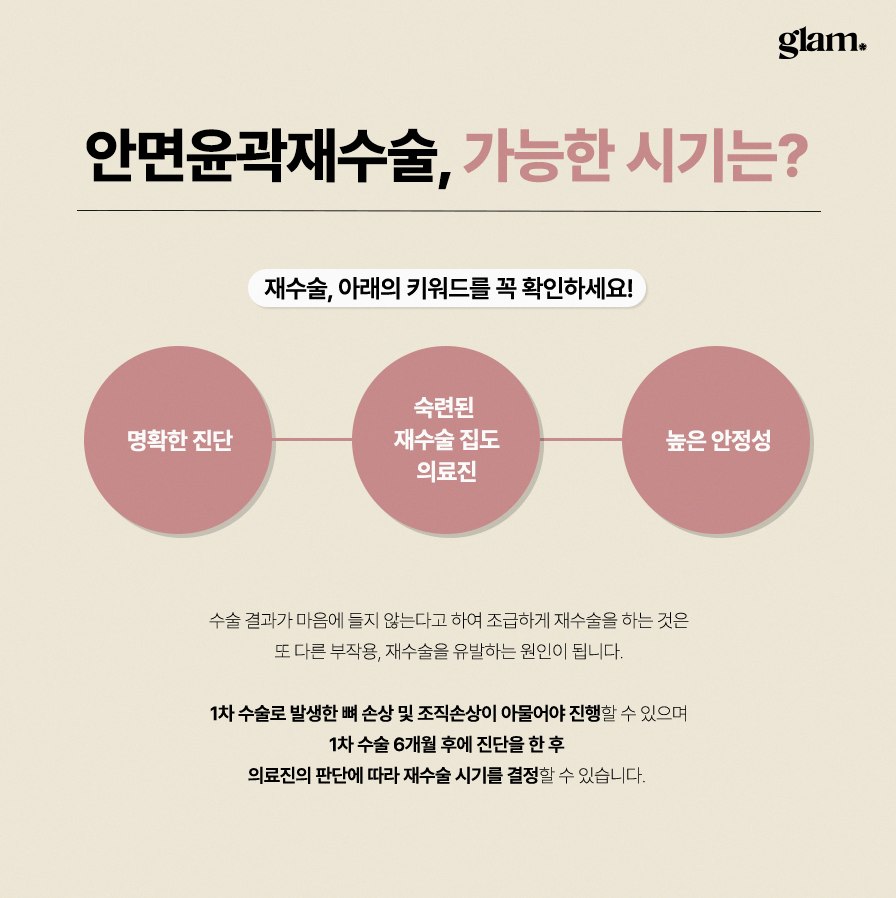
In general, it is reasonable to wait at least six to twelve months after the initial surgery before making a final judgment on the aesthetic outcome, unless there is a clear complication that requires earlier action.
However, certain symptoms justify earlier re-evaluation. These include severe or worsening asymmetry, clear signs of infection, ongoing bite problems that interfere with eating, or intense nerve pain.
Indications for revision surgery
Revision facial contouring may be considered for several reasons. Functional indications include persistent bite problems, chronic pain, severe nerve symptoms that may be related to bone position or hardware, and repeated infections or plate-related irritation.
Aesthetic indications include clear asymmetry of the jawline or cheekbones, over-correction leading to a sunken or unstable look, under-correction where the original problem remains obvious, and an unnatural facial line or severe sagging clearly linked to the bone work.
Psychological distress is also important, but it should be balanced with objective findings. If the bone structure is already safe and reasonably balanced, further surgery may not improve satisfaction and could increase risk. Honest discussion with the surgeon is essential.
Cases where revision is not recommended or must be conservative
Revision is not always the right answer. In some patients, the remaining bone is too thin or fragile to allow further aggressive reshaping. In others, the risk to important nerves or the jaw joint is too high.
If expectations are unrealistic or focused on perfection rather than improvement, repeated surgeries can lead to more scarring and complications without true satisfaction.
In these situations, a conservative approach is safer. Non-surgical or minimal procedures such as soft tissue lifting, volume restoration, or skin tightening may offer meaningful improvement with less risk than another major bone operation.
How revision facial contouring surgery is planned
Detailed diagnostic work-up
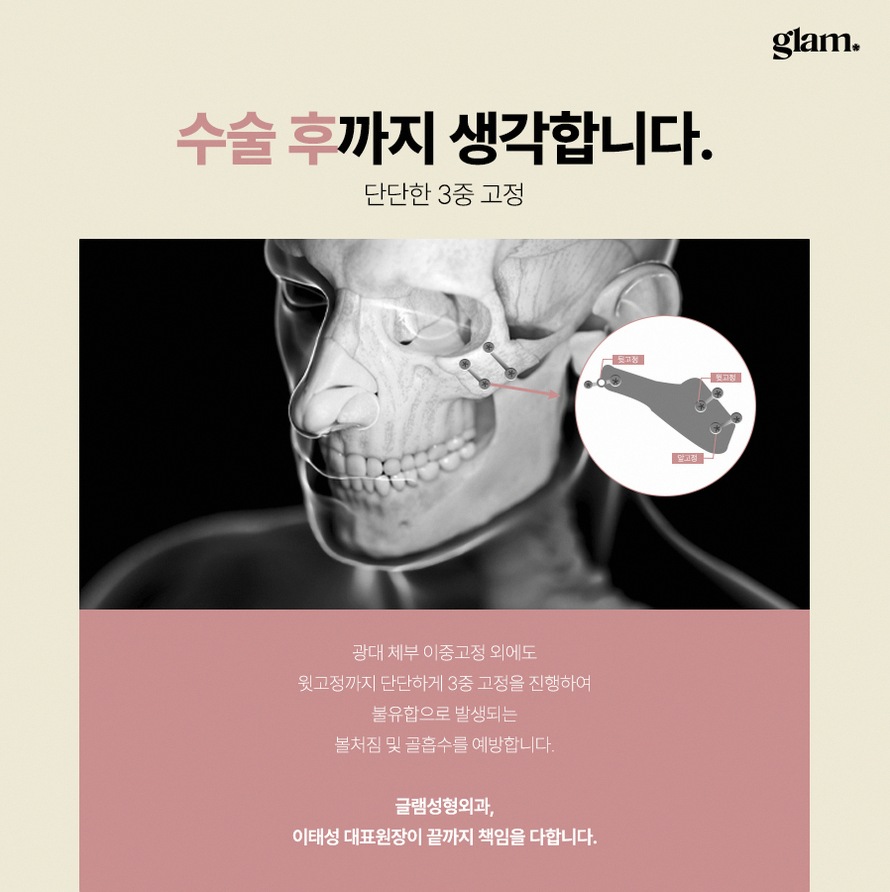
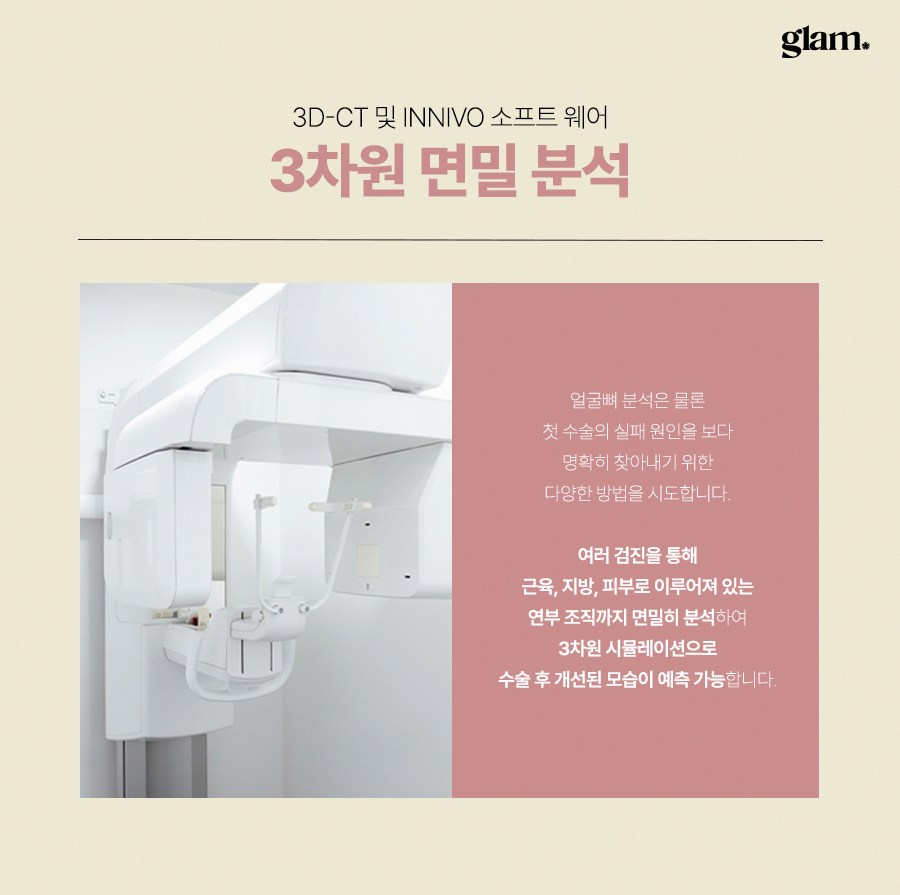
Revision planning starts with a thorough assessment. This usually includes CT scans and X-rays to understand the current bone shape, the position of previous cuts, and the location of plates and screws.
Three-dimensional analysis helps visualize asymmetries and plan how to correct them. The surgeon will also examine your bite, jaw joint movement, and soft tissue volume.
If available, previous operation records, pre- and post-operative photos, and any imaging from the first surgery are very helpful. They allow the surgeon to see what was done and how your face has changed over time.
Setting realistic goals and limits
Revision surgery is often about restoring balance, stability, and a natural line rather than making the face endlessly smaller. Removing more bone can sometimes worsen sagging or instability.
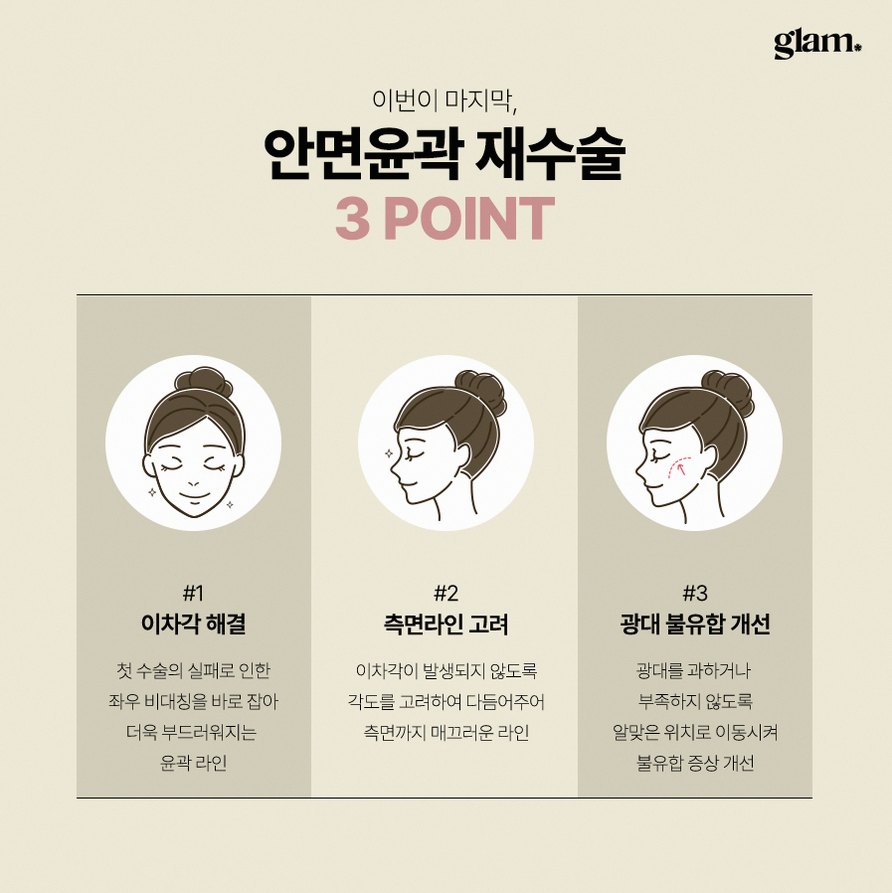
During consultation, you and the surgeon should discuss priorities: function versus aesthetics, symmetry versus size, and how much change is both safe and realistic.
There are always trade-offs. For example, maintaining nerve safety may limit how much bone can be corrected. Supporting soft tissue may require adding volume instead of removing it. Clear understanding of these limits helps prevent disappointment.
Surgical strategies in revision cases
Depending on the problem, revision strategies may include recontouring or repositioning bone segments to correct asymmetry, adjusting the angle or width of the jaw, or refining the chin shape.
In cases of over-resection, structural support may be restored with bone grafts, implants, or other methods to rebuild volume in key areas. The goal is to regain harmony and support, not simply to reverse everything.
Fixation plates that cause irritation, pain, or infection may be removed or replaced. At the same time, soft tissue management is often combined, such as lifting procedures, fat grafting, or radiofrequency-based tightening, especially when sagging is mainly due to soft tissue changes.
Why specialization matters more in revision facial contouring
Revision facial bone surgery is more complex than primary surgery. Scar tissue makes dissection more difficult, the anatomy is altered, and the safety margin around nerves and blood vessels is smaller.
For this reason, many patients prefer a clinic that focuses specifically on facial bone surgery rather than one that offers a wide range of unrelated procedures. Concentrated experience in double jaw and facial contouring can help with understanding typical complication patterns and safer correction methods.
At GLAM Plastic Surgery, the clinical lineup is centered on facial bone surgery, including double jaw and facial contouring, along with structured post-operative care programs. This focused system is designed to support both primary and complex revision cases.
Medical team and system relevant to safer revision
Facial bone focused plastic surgeon
For revision surgery, the surgeon’s background and focus are important. The lead surgeon at this clinic is a board-certified plastic surgeon with around 20 years of experience in facial bone surgery, including double jaw and contouring, as of February 2025.
Their training includes work at major university hospitals and leading a facial bone center at a large plastic surgery hospital. As of February 2025, they have 13 SCI-level publications on contouring and double jaw surgery, including three papers in the journal Plastic and Reconstructive Surgery. This reflects an evidence-based approach to planning and performing operations.
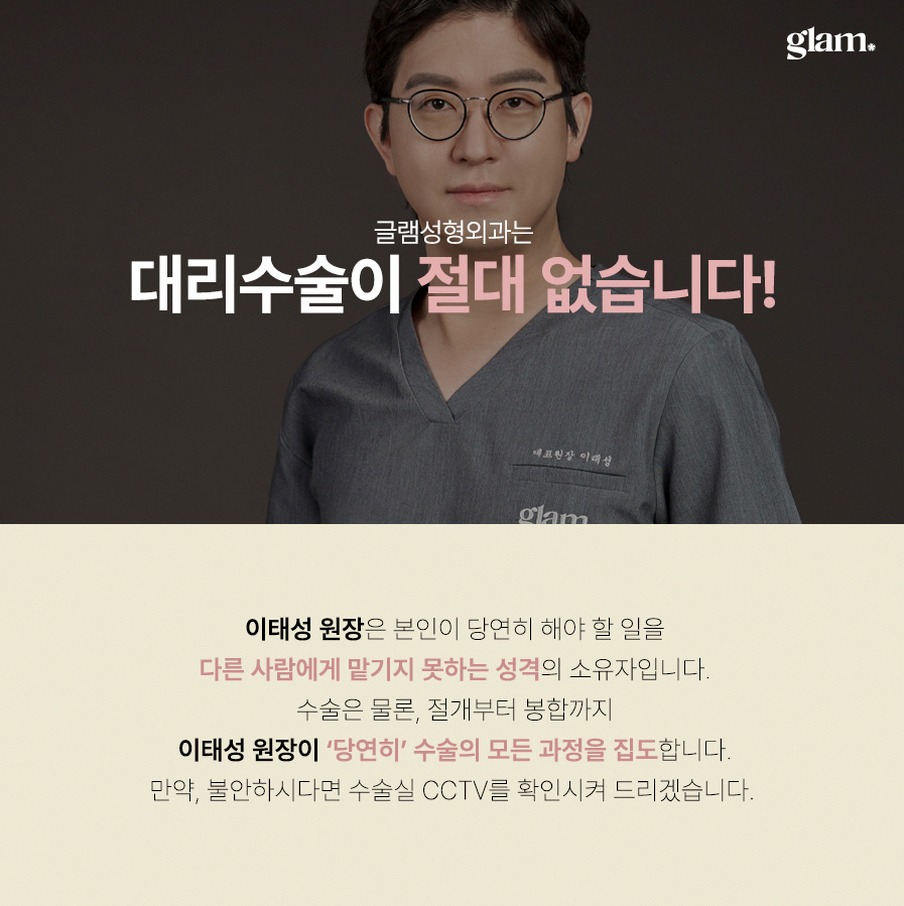
Operations are performed directly by the lead surgeon, and only procedures considered necessary are recommended. This is particularly important for patients who are already worried about having had too much surgery in the past.
Dedicated anesthesiologist system
Revision facial bone operations are often longer and more complex than first-time surgeries.
Close monitoring of vital signs, fluid balance, and pain control contributes to safety during both primary and revision operations. For international patients, this can provide additional reassurance when undergoing major surgery far from home.
Post-operative care to support recovery
After surgery, structured care can help manage swelling and support soft tissue recovery. At this clinic, post-operative programs may include LED therapy, facial dome care, total skin reset care, and radiofrequency lifting.
These treatments are supportive measures. They do not replace proper surgical planning, but they can improve comfort, reduce swelling more quickly, and help the skin adapt to the new facial structure.
Recovery, risks, and how to reduce further complications
Expected recovery after revision versus primary surgery
Recovery after revision facial contouring is usually slower than after the first operation. Scar tissue and more complex dissection often lead to more swelling and stiffness.
You can expect noticeable swelling for several weeks, with gradual improvement over a few months. Numbness may also last longer. Follow-up visits are important to monitor healing, remove stitches, and check imaging when needed.
Patient precautions before and after revision
Before surgery, it is important to stop smoking, manage chronic conditions such as diabetes or high blood pressure, and follow all fasting and medication instructions. Providing a complete history of previous surgeries, including dates, clinics, and any complications, helps the team plan safely.
After surgery, good oral hygiene is essential, especially for procedures done through incisions inside the mouth. You will usually start with a soft or liquid diet, then gradually return to normal foods as advised.
Avoid trauma or pressure to the face, including sleeping positions that press on the operated areas. Attend all scheduled follow-up visits and contact the clinic promptly if you notice unusual pain, fever, bad-smelling discharge, or sudden asymmetry.
Realistic expectations and mental preparation
Revision facial contouring aims for improvement, not perfection. Even with careful planning and experienced surgeons, some degree of asymmetry or residual numbness may remain.
Before deciding, it is helpful to clarify your priorities: Is your main concern pain, bite function, facial balance, or sagging? Discuss these clearly during consultation so the surgical plan matches what matters most to you.
Some patients also find it helpful to have psychological support, especially if they have had a difficult experience with previous surgery. Taking time to make a calm, informed decision is better than rushing into another operation.
Online consultation and pre-visit preparation for overseas patients
If you live outside Korea, an online consultation is usually the first step. Most international patients start by sending photos, previous medical records, and a description of their current symptoms.
To prepare, it is useful to gather the following before your online meeting or email exchange: operative reports or discharge summaries from your first surgery, any CT scans or X-rays (ideally with digital files), a list of your symptoms with when they started and how they have changed, and clear photos from before and after the initial operation.
During the online consultation, you can discuss whether your issues are likely to need revision surgery, what kind of evaluation is required in person, and how long you might need to stay in Korea.
Expected Korea visit timeline
The exact schedule depends on your case, but many overseas patients follow a similar pattern.
First, plan an in-person consultation and imaging. This usually takes one to two days and includes a physical examination, CT scans, and bite or jaw joint evaluation if needed.
If surgery is recommended and you decide to proceed, there is often a short preparation period for blood tests and pre-anesthesia checks. Some patients schedule surgery within a few days of arrival; others prefer to have a gap to think and confirm their decision.
After surgery, you should expect to stay in Korea for at least two to three weeks for early recovery and follow-up visits. For more complex revisions, a longer stay may be advised. During this time, the team will monitor swelling, wound healing, and any early complications.
After you return home, online follow-up through photos, video calls, or messaging can help track your progress. GLAM Plastic Surgery offers multilingual channels in Japanese, English, and Thai, as well as social media platforms, which can be helpful for ongoing communication.
Frequently asked questions
What side effects after facial contouring are considered normal?
In the early weeks, swelling, bruising, tightness when opening the mouth, and temporary numbness around the chin, lips, or cheeks are usually normal. Mild asymmetry is also common while one side heals slightly faster than the other.
These symptoms should gradually improve over time. If they are getting worse, or if new severe pain, fever, or discharge appears, you should contact a medical team for evaluation.
How long should I wait before deciding on revision surgery?
For purely aesthetic concerns such as subtle asymmetry or dissatisfaction with the face line, it is generally better to wait at least six to twelve months after the first surgery. This allows swelling to settle and soft tissues to adapt.
If you have serious functional problems such as bite issues, jaw joint pain, or signs of infection, you should seek evaluation much earlier. The decision about timing will depend on the specific problem and your overall condition.
Can revision facial contouring fix nerve damage completely?
If the nerve has been mildly stretched or bruised, sensation often improves gradually over several months without the need for revision. However, if the nerve has been severely damaged, there is no guarantee that sensation will return to normal.
Revision surgery can sometimes reduce pressure on a nerve or improve surrounding structures, but it cannot always restore full function. In these cases, the priority is to avoid further damage while improving other aspects such as symmetry or bite.
I had facial contouring abroad and I am unhappy. What should I prepare for a consultation in Korea?

Try to collect as much information as possible: operative reports, any imaging, and the exact procedures you had. If you do not have formal records, bring pre- and post-surgery photos and write down the approximate dates and clinic locations.
Make a list of your current symptoms, when they started, and whether they are stable, improving, or worsening. This information helps the surgeon understand your situation and suggest realistic options.
Soft call to action
If you are worried about side effects after facial contouring surgery or are seriously considering revision, a careful, individualized evaluation is the safest first step. An online consultation with the facial bone team at GLAM Plastic Surgery can help you understand whether your current symptoms are part of normal healing or signs of a complication, and what options may be available.
This article is for general educational purposes and cannot replace a personal medical consultation. For diagnosis and treatment decisions, please discuss your specific case directly with qualified medical professionals.




- 공유 링크 만들기
- X
- 이메일
- 기타 앱


댓글
댓글 쓰기