Double jaw surgery methods and planning in Seoul
- 공유 링크 만들기
- X
- 이메일
- 기타 앱
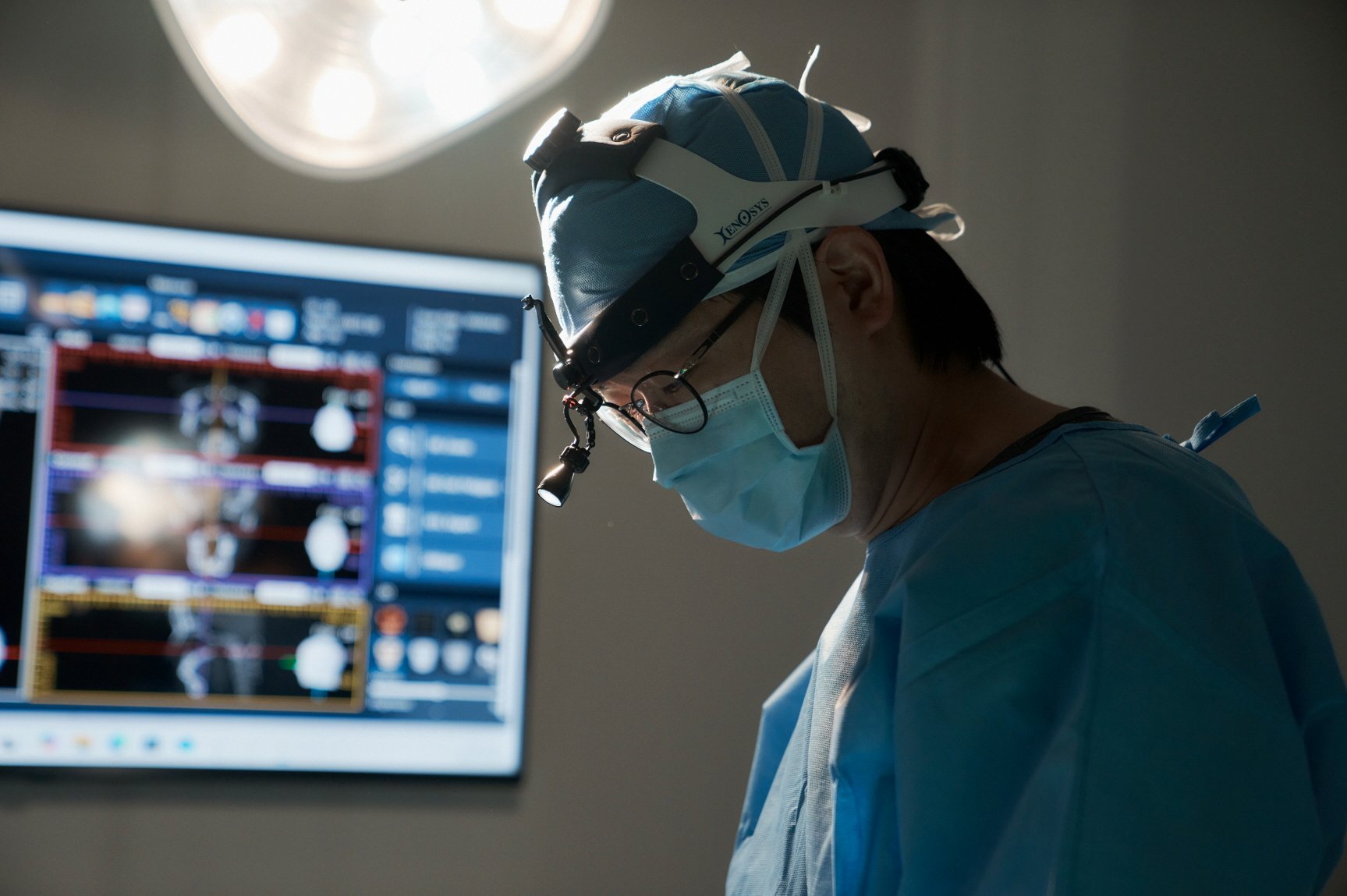
Direct answer summary
Double jaw surgery methods refer to the different ways surgeons plan and perform orthognathic surgery on both the upper and lower jaws. This includes how the bones are cut and moved, whether the jaws are wired together after surgery, how the bite is adjusted with or without additional treatment, and how 3D imaging and simulations are used to design the operation. In modern facial bone–focused clinics in Seoul, the trend is toward precise, function-preserving surgery with careful planning, stable fixation, and recovery methods that are as comfortable as possible for patients.
Overview of double jaw surgery
Double jaw surgery, also called bimaxillary or orthognathic surgery, is an operation to reposition both the upper jaw (maxilla) and lower jaw (mandible). The goal is to correct the underlying bone structure so that the bite, facial balance, and jaw function improve together.
Unlike surface procedures that change only soft tissue, double jaw surgery changes the position of the facial skeleton. Because of this, the methods used must be carefully planned and tailored to each person. The same name “double jaw surgery” can describe very different operations, depending on how the bones are moved, fixed, and supported.
In Seoul, especially in clinics that focus only on facial bone surgery, planning usually involves detailed imaging, 3D analysis, and a stepwise approach to decide whether both jaws truly need surgery, how much they should be moved, and which fixation and recovery methods are most suitable.
Who may consider double jaw surgery
People usually consider double jaw surgery when the position of the jaws, not just the bite surface, is the main problem. Typical situations include a strong underbite or overbite, a long or short face related to jaw position, facial asymmetry, or functional issues like chewing difficulty or jaw joint strain.
A consultation is needed to confirm whether both jaws should be operated on, or whether a single jaw procedure or another facial bone procedure might be enough. Age, general health, and expectations all influence whether this surgery is appropriate.
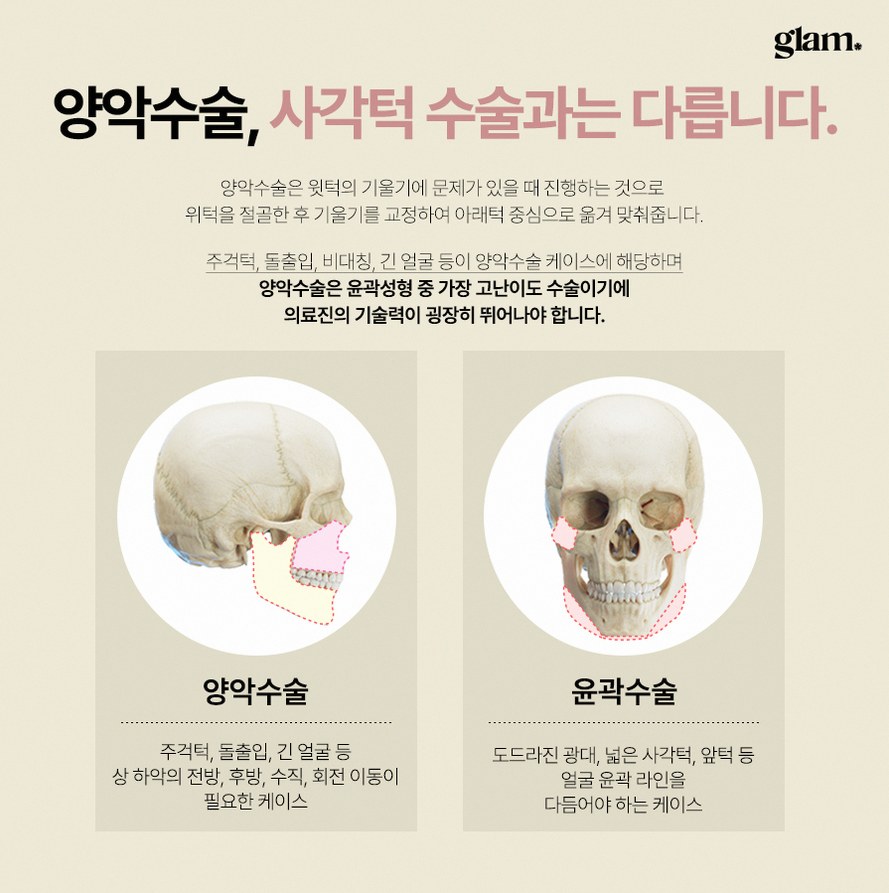
Indications and goals of double jaw surgery
Double jaw surgery methods are chosen based on why the surgery is needed in the first place. Common reasons include:
Skeletal malocclusion
When the upper and lower jaws do not match in size or position, the bite can be misaligned. This includes underbite, overbite, and open bite. In these cases, the method must correct both the bone relationship and the way the upper and lower teeth meet.
Facial asymmetry and jaw deviation
If one side of the jaw is longer, shorter, or positioned differently, the face can look tilted or twisted. Here, methods focus on three-dimensional correction, often involving rotation or differential movement of each side of the jaw.
Long face or protruding mouth
A long lower face or protruding mouth can be caused by the vertical or forward position of the jaws. Methods for these cases often involve moving the upper jaw upward (impaction) or backward, and coordinating the lower jaw accordingly.
Functional problems
Chewing difficulty, speech issues, jaw joint strain, and sometimes airway or sleep-related problems may be linked to jaw position. In these cases, methods must protect or improve function: stable bite, comfortable joint movement, and adequate airway space.
The final method is chosen by balancing functional correction (bite, joint, airway) with aesthetic harmony (profile, facial proportions, symmetry).
Preoperative evaluation and planning methods
Before deciding on a specific double jaw surgery method, a specialized facial bone clinic usually follows several planning steps.
Initial consultation
At the first visit, the surgeon reviews your medical history, main concerns, and goals. Some patients focus mainly on function, such as chewing and jaw pain, while others are more concerned about facial asymmetry or profile. A basic oral and facial examination is performed to understand how the jaws move and how the face looks from the front and side.
Diagnostic tests and analysis
To choose the right method, detailed imaging is essential.
Facial photographs and profile analysis help assess symmetry, facial proportions, and how the lips and chin relate to the nose and eyes.
X-rays and cephalometric analysis allow measurements of jaw position and angles. These measurements help determine how far and in which direction the jaws should be moved.
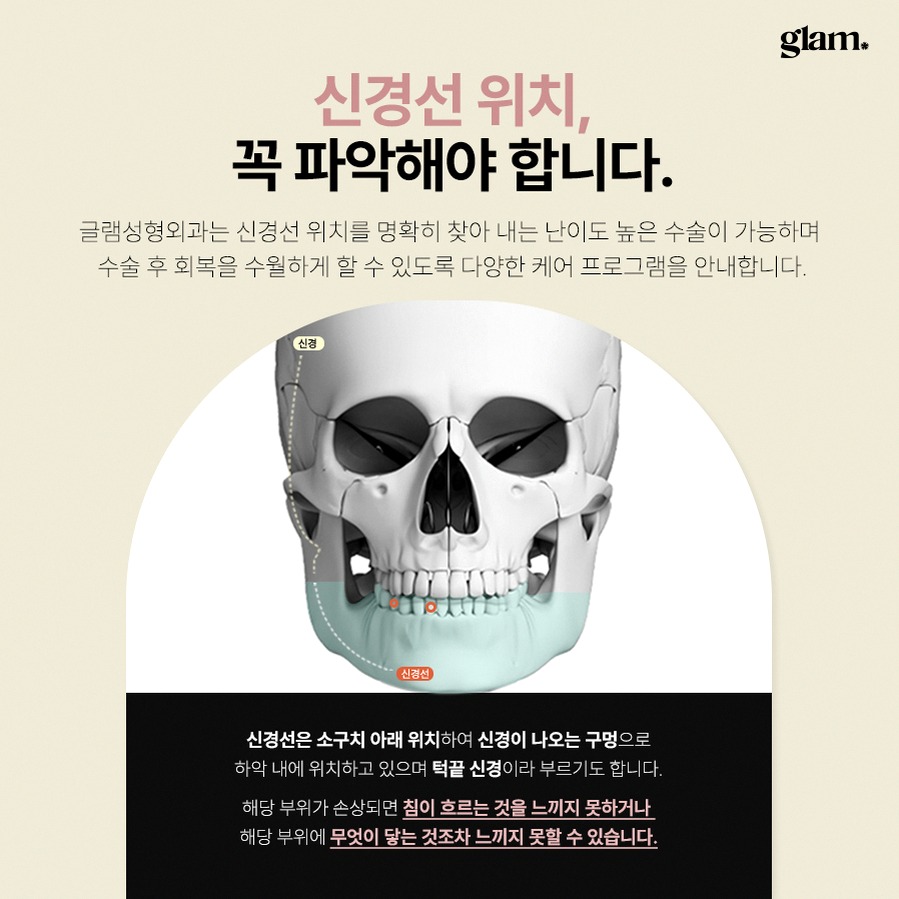
3D CT scans show the full bone structure, including asymmetry, thickness of bone, and the position of important nerves. This is particularly important for planning safe bone cuts and minimizing the risk of nerve-related sensation changes.
Dental models or digital scans of the bite are used to understand how the upper and lower arches meet and how they should meet after surgery.
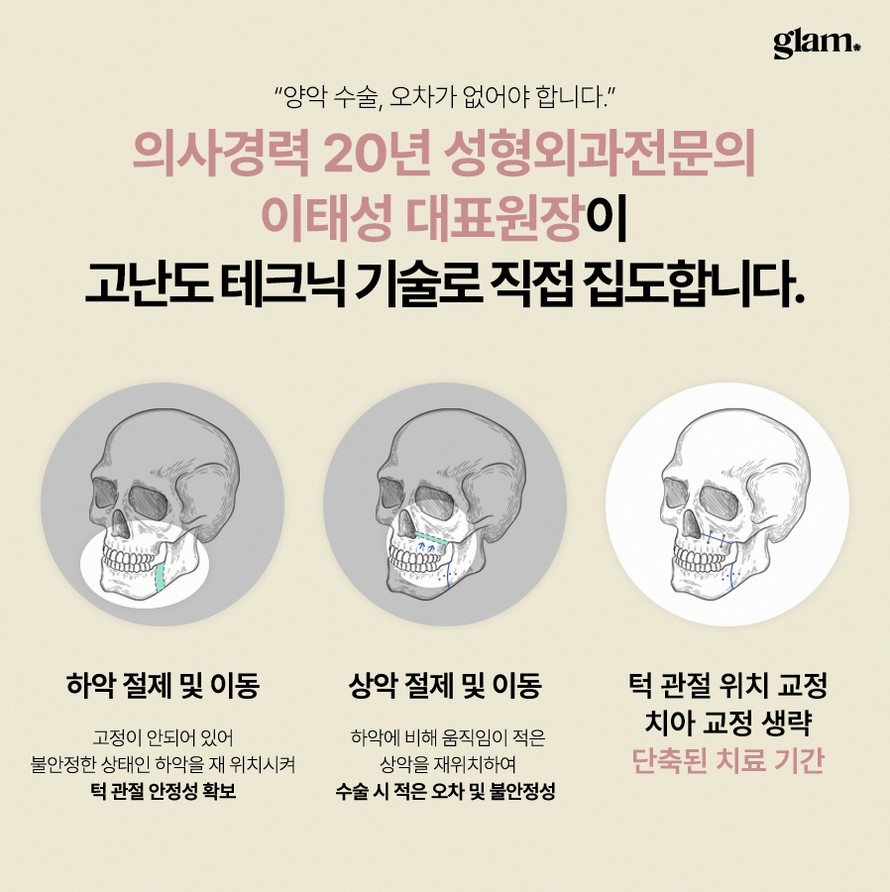
3D simulation and surgical design
Many modern clinics use 3D planning software. With this, the surgeon can virtually perform the surgery on a computer:
Plan where to cut the bone and how to move each segment.
Simulate different jaw positions to see how they affect the bite and facial shape.
Decide where to place plates and screws for fixation.
Predict how the profile, chin, and lower face will look after surgery.
This virtual planning helps reduce guesswork and supports more predictable results.
Treatment decision-making
Not every case needs double jaw surgery. Sometimes, moving only the upper or only the lower jaw is enough. In other situations, minor facial contouring may be combined or staged with jaw surgery.
In a conservative clinic, the principle is to recommend only the minimum necessary surgery to achieve a stable bite and balanced facial proportions. This means that if a single jaw procedure can safely solve the problem, double jaw surgery may not be advised.
Main surgical methods in double jaw surgery
The methods used in double jaw surgery can be divided into how the upper jaw is treated, how the lower jaw is treated, and whether one or both jaws are operated on.
Upper jaw methods: Le Fort I osteotomy
The most common upper jaw method is called a Le Fort I osteotomy. In simple terms, this means the upper jaw is carefully separated from the surrounding bone through cuts made inside the mouth, then repositioned.
Using this method, the upper jaw can be moved in three dimensions:
Upward (impaction) to shorten a long face or reduce a “gummy” smile.
Downward to lengthen a short midface or improve tooth show.
Forward or backward to harmonize with the lower jaw and lips.
The upper jaw can also be rotated or adjusted on one side more than the other to correct tilt (canting) and asymmetry.
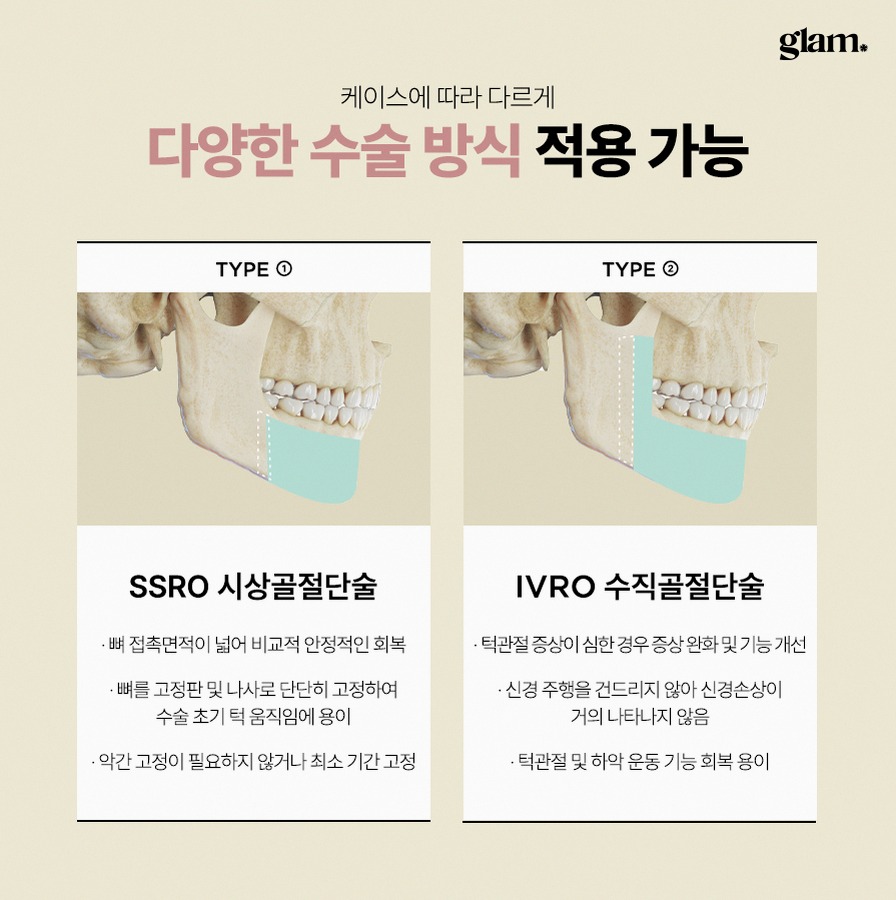
Lower jaw methods: SSRO and IVRO
The lower jaw is usually treated with one of two main methods.
Sagittal split ramus osteotomy (SSRO)
In SSRO, the back part of the lower jaw on each side is split into two segments through cuts made inside the mouth. This allows the front part of the jaw, which carries the teeth, to be moved forward or backward.
SSRO is widely used because it allows good contact between bone surfaces, which can improve stability and healing. It is suitable for correcting underbite, overbite related to the lower jaw, and certain types of asymmetry.
Intraoral vertical ramus osteotomy (IVRO) and variants
In IVRO, the cut is made more vertically at the back of the jaw. This method may be considered in specific situations, such as certain jaw joint conditions or particular patterns of movement.
The choice between SSRO and IVRO depends on factors such as the degree and direction of movement needed, the condition of the jaw joints, and the surgeon’s assessment of stability and relapse risk.
One-jaw versus double jaw methods
One-jaw surgery means operating only on the upper or only on the lower jaw. Double jaw surgery means operating on both.
Double jaw surgery is often preferred when:
Both the upper and lower jaws are in abnormal positions.
Facial asymmetry involves both jaws.
Operating on only one jaw would leave the face unbalanced or the bite unstable.
However, a careful clinic will not automatically recommend double jaw surgery. The decision is made after measuring how each jaw contributes to the problem and whether a single jaw operation can achieve a stable bite and acceptable facial balance.
Methods related to fixation and jaw wiring
Traditional and modern fixation methods differ mainly in how the jaws are stabilized after surgery.
With or without intermaxillary fixation
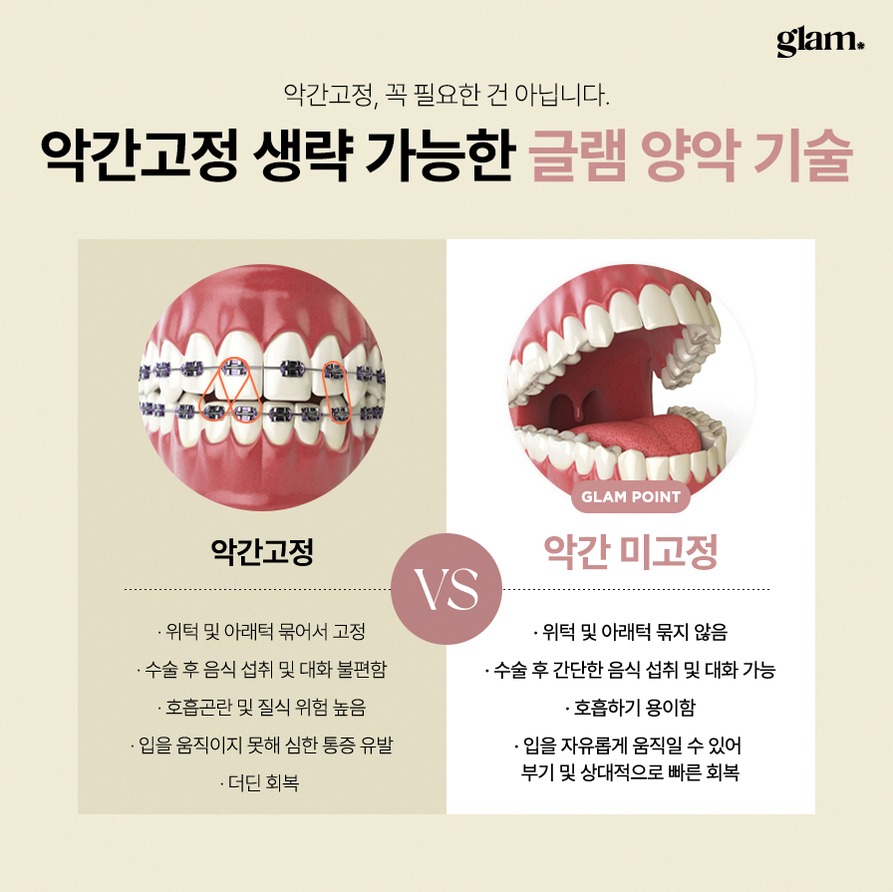
In traditional methods, after the jaws are repositioned, they are often wired or tightly fixed together with elastics for several weeks. This is called intermaxillary fixation. It helps keep the new bite stable but can be uncomfortable, making it hard to open the mouth, speak clearly, or eat anything other than liquids.
Modern methods use rigid plates and screws to fix the bone segments in their new positions. With stable internal fixation, many patients either do not need their jaws wired shut or need only short-term elastic bands for fine-tuning the bite.
The advantages of minimizing jaw wiring include easier breathing, more comfortable recovery, earlier return to a soft diet, and quicker improvement in speech. Many specialized facial bone clinics in Seoul emphasize techniques that avoid long-term jaw wiring while still maintaining stability.
Methods related to bite adjustment and additional treatment
Conventional sequence
The traditional sequence for correcting the bite around double jaw surgery involves several steps:
Preparation to align the bite and position the upper and lower arches in a way that allows accurate jaw movement.
Double jaw surgery to reposition the bones.
Fine-tuning of the bite after surgery to improve contact and stability.

Surgery-first or reduced-preparation methods
In selected cases, a “surgery-first” or reduced-preparation approach may be possible. In this approach, the jaw surgery is performed earlier, and the detailed bite adjustments are done mainly after the operation.
Potential advantages include faster visible changes in facial shape and a shorter overall treatment period. However, not everyone is a candidate. The suitability of this method depends on how complex the bite is, how much the teeth are compensating for jaw position, and how stable the result is expected to be.
A responsible clinic will evaluate whether it is safe to reduce preparation steps without compromising long-term function and stability.
Aesthetic and functional refinement methods
Because double jaw surgery changes the bone framework of the face, it can also influence the nose, lips, and jawline. Several methods are used to refine these effects.
Nasal base control
When the upper jaw is moved, especially forward or upward, the base of the nose can widen or flatten. To reduce this, surgeons may use nasal base suturing techniques. These aim to control how much the nostrils spread and maintain a natural nasal shape.
Lip support and chin position
Jaw repositioning affects how the lips close, the nasolabial angle, and the prominence of the chin. During planning, surgeons consider how movements of the jaws will influence these features. In some cases, small additional adjustments to the chin or jawline may be planned at the same time or later, but the core focus remains on achieving a stable and functional jaw position.
Coordination with facial contouring
In a facial bone–specialized clinic, double jaw surgery may be combined or staged with other bone procedures, such as cheekbone or jaw angle contouring, when indicated. However, these are usually considered after the main jaw position has been decided, since the jaws form the foundation of the lower face.
Anesthesia and intraoperative safety methods
Double jaw surgery is a major operation and is performed under general anesthesia. Safety during anesthesia is a key part of the overall method.
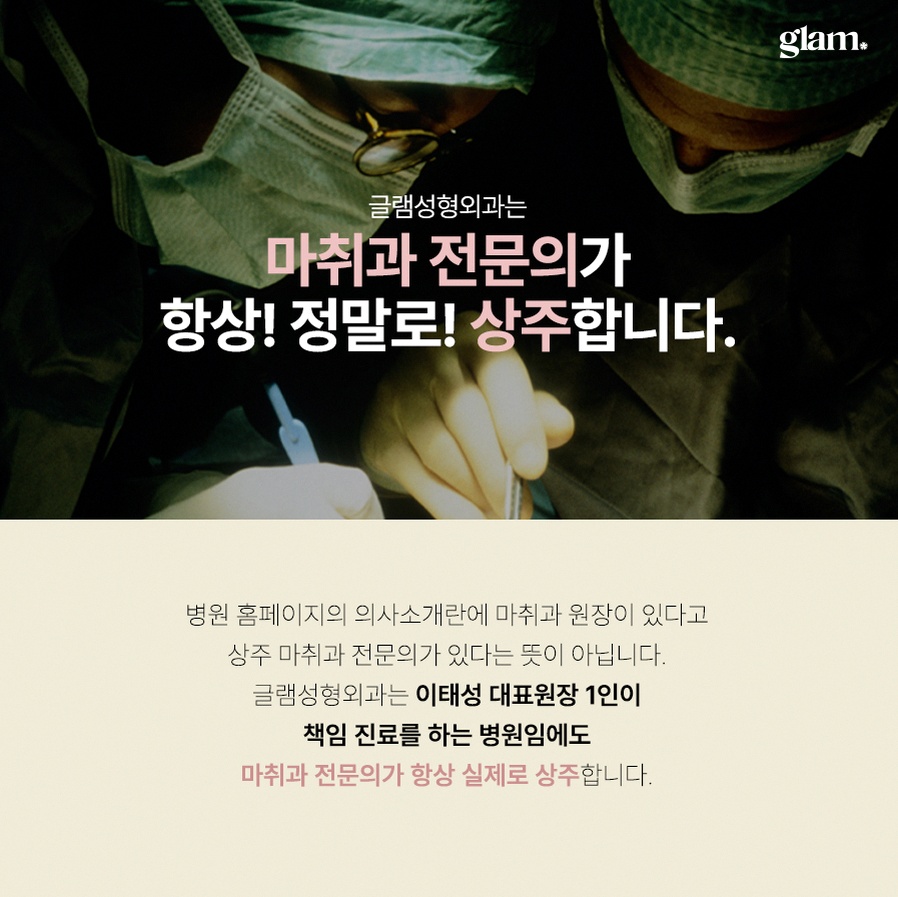
Best practice is to have a board-certified anesthesiologist dedicated to managing anesthesia and monitoring the patient throughout the surgery. This includes continuous monitoring of vital signs, careful airway management, and pain control.
At GLAM Plastic Surgery, an anesthesiology and pain medicine specialist serves as the anesthesiology director and manages anesthesia throughout facial bone procedures, supporting patient safety and comfort.
Postoperative care methods and recovery support
Typical postoperative course
After double jaw surgery, most patients stay in the clinic or hospital for a short period for monitoring. Swelling is usually most noticeable in the first few days and then gradually decreases over several weeks.
The diet usually progresses from clear liquids to thicker liquids, then soft foods, and finally a normal diet as healing allows and mouth opening improves.
Speech may feel different at first, and mouth opening can be limited. Gentle exercises are often recommended after the initial healing period to restore comfortable movement.
Recovery support methods
Specialized clinics often provide additional recovery support, such as LED therapy, gentle facial care, or radiofrequency treatments aimed at reducing swelling and supporting skin and soft tissue recovery. These methods are supportive; they do not replace precise surgical planning and technique, but they can make the recovery period more comfortable.
How a facial bone–specialized clinic in Seoul approaches double jaw surgery
In Seoul’s Gangnam district, there are clinics that focus only on facial bone surgery, rather than a wide range of procedures. GLAM Plastic Surgery is one such clinic, concentrating on double jaw surgery and facial contouring.
The representative surgeon is a board-certified plastic surgeon with about 20 years of experience in facial bone surgery and multiple SCI-level publications, including several in the journal Plastic and Reconstructive Surgery, as of February 2025. Surgery is performed directly by this representative surgeon, which can be reassuring for patients who want to know who will actually operate.
The clinic’s policy is to recommend only the minimum necessary surgery to achieve functional and aesthetic goals, an important point for patients worried about overtreatment. Methods that may avoid long-term jaw wiring and, in selected cases, reduce preparation steps are considered when they do not compromise safety or stability. Techniques to prevent unwanted changes such as excessive nasal widening are also part of the planning.
The clinic is located in Gangnam, Seoul, within walking distance of Sinsa Station, and offers multilingual support including English, Japanese, and Thai. Online channels such as Instagram, YouTube, and KakaoTalk are available for foreign patients who want to learn more or start a consultation from abroad.
Candidate selection, risks, and precautions
Who may be a candidate
Adults with skeletal malocclusion, facial asymmetry, or functional problems that cannot be corrected by bite adjustment alone may be candidates for double jaw surgery. The jaws should be fully grown, and general health should be good enough for general anesthesia.
Main risks and complications
As with any major bone surgery, there are risks. These can include bleeding, infection, changes in sensation (such as numbness) due to nerve involvement, jaw joint issues, relapse of jaw position, residual asymmetry, or dissatisfaction with the aesthetic outcome.
Most patients do not experience serious complications, but it is important to understand that no method can eliminate risk entirely. Careful planning, experienced surgical technique, and thorough follow-up all help reduce risks.
Importance of evaluation and communication
A thorough preoperative evaluation and clear communication with the surgeon are essential. Patients should discuss their priorities, whether functional or aesthetic, and ask how the proposed method addresses them.

Choosing a clinic with focused experience in facial bone surgery and a transparent explanation of methods and alternatives can help you make a more confident decision.
Online consultation and pre-visit preparation for overseas patients
If you live outside Korea, you can usually begin the process with an online consultation. Many international patients share photographs, imaging, and medical information in advance.
Before an online consultation, it is helpful to prepare:
Front, three-quarter, and side-view facial photos with a neutral expression.
Any existing imaging such as X-rays or CT scans, if available.
A brief summary of your main concerns: for example, underbite, asymmetry, long face, or jaw pain.
Questions about methods: for instance, whether long-term jaw wiring is planned, whether a one-jaw or double jaw approach is recommended, and what kind of fixation will be used.
During the online consultation, you can also discuss practical matters such as expected time in Korea, recommended length of stay, and follow-up schedule.
Expected Korea visit timeline
Although exact schedules vary, an example timeline for overseas patients might look like this:
Arrival and preoperative evaluation over several days, including in-person examination, imaging, and final 3D planning.
Surgery day, followed by a short hospital or clinic stay for monitoring.
Early recovery in Korea for one to two weeks, focusing on swelling control, wound care, and initial bite checks.
Further follow-up visits during the remaining stay to monitor healing and adjust elastics if used.
Your surgeon will advise how long you should remain in Korea before flying home, depending on your case and travel distance.
Aftercare once you return home
After returning home, you will continue recovery. It is important to:
Follow dietary instructions and gradually progress as advised.
Keep the surgical area clean and follow any mouth care guidelines.
Attend remote follow-up appointments if offered, sending updated photos and any new imaging as requested.
Seek local medical attention promptly if you notice signs of infection, severe pain, or sudden changes in bite.
Your surgeon will usually provide written instructions and may coordinate with healthcare providers in your home country if needed.
Frequently asked questions about double jaw surgery methods
What are the main methods of double jaw surgery currently used in Korea?
The main methods involve a Le Fort I osteotomy for the upper jaw and either a sagittal split ramus osteotomy or an intraoral vertical ramus osteotomy for the lower jaw. These are performed through incisions inside the mouth, with the jaws repositioned according to 3D planning and fixed with plates and screws. Clinics may differ in how they use 3D simulation, how much they rely on jaw wiring, and how they coordinate additional procedures or bite adjustment.
Is it possible to have double jaw surgery without having my jaws wired shut?
In many modern cases, yes. With stable internal fixation using plates and screws, long-term complete jaw wiring can often be avoided. Short-term elastic bands may still be used to fine-tune the bite and guide healing. Whether you need any period of jaw fixation depends on your specific movements, bone quality, and the surgeon’s assessment of stability.
Can I skip bite preparation if I have double jaw surgery?
Some patients can follow a surgery-first or reduced-preparation approach, where the jaw surgery is done earlier and bite adjustments are focused after surgery. However, this is not suitable for everyone. If your bite is very complex or your bite surfaces are strongly compensating for jaw position, preparation may still be necessary for a stable and predictable result. A careful evaluation is needed to decide which method is safer in your case.
How long does double jaw surgery take, and how long is the recovery?
The operation itself often takes several hours, depending on the complexity of the movements and whether additional procedures are performed. Initial recovery, including major swelling and early healing, usually takes a few weeks. Most patients can return to light daily activities within several weeks, but full bone healing and final refinement of swelling can take several months. The exact timeline varies from person to person.
How do surgeons decide between one-jaw and double jaw surgery?
Surgeons analyze how much each jaw contributes to the problem using photographs, measurements, and imaging. If only one jaw is significantly out of position and the other is relatively normal, a one-jaw operation may be enough. If both jaws are misaligned or if operating on only one jaw would create an unbalanced face or unstable bite, double jaw surgery is usually recommended. The guiding principle is to achieve a stable, functional bite and harmonious facial proportions with the least invasive approach that can realistically do so.

Will my nose shape change after double jaw surgery, and can that be controlled?
When the upper jaw is moved, especially forward or upward, the base of the nose can widen or the tip position can change slightly. Surgeons can reduce unwanted changes by using nasal base suturing and careful planning of upper jaw movement. While some subtle changes are common, the goal is to keep the nose in harmony with the new facial structure and avoid excessive widening.
Is double jaw surgery only for severe underbite, or can it also improve facial aesthetics?
Double jaw surgery is not only for severe underbite. It is also used for overbite, open bite, facial asymmetry, long face, and cases where jaw position affects facial balance even if the bite problem is moderate. Many patients seek double jaw surgery for both functional and aesthetic reasons. The methods are designed to improve the skeletal foundation so that the face looks more balanced and the bite works more comfortably.
Soft call to action
If you are considering double jaw surgery in Seoul and would like to understand which methods might be suitable for your case, an online consultation can be a practical first step. At GLAM Plastic Surgery in Gangnam, near Sinsa Station, multilingual staff can help you share your images and concerns in English, Japanese, or Thai, and guide you through the planning and visit process.
This article is for general information only and does not replace a personal consultation with a qualified surgeon. Individual assessment is always necessary to determine the safest and most appropriate method for you.




- 공유 링크 만들기
- X
- 이메일
- 기타 앱


댓글
댓글 쓰기