Double Jaw Surgery Hospital Guide in Seoul for International Patients
- 공유 링크 만들기
- X
- 이메일
- 기타 앱
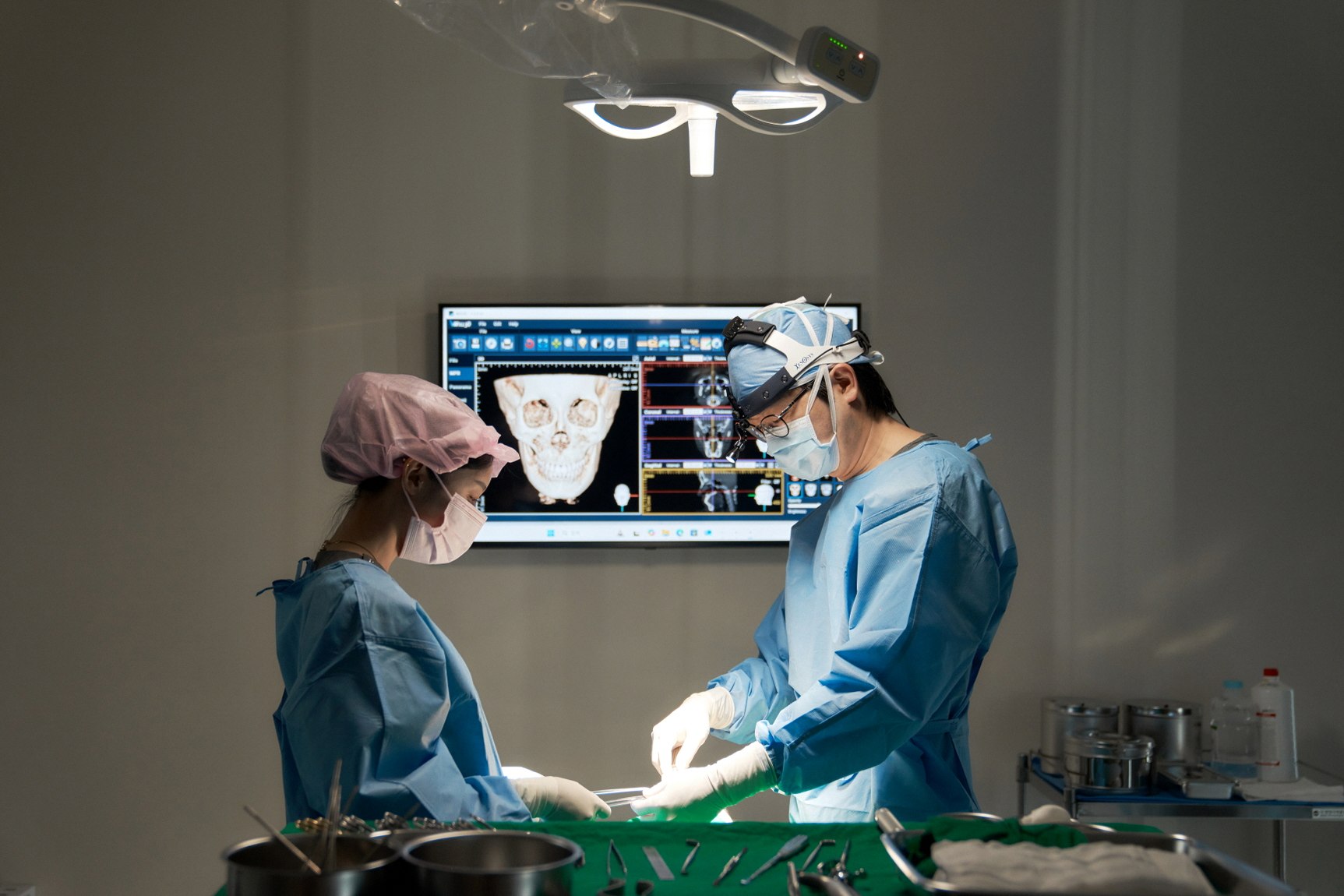
Direct answer: what to look for in a double jaw surgery hospital
When searching for a double jaw surgery hospital in Korea, prioritize three things: a surgical team dedicated to facial bone procedures, a clear safety and anesthesia system staffed by board‑certified specialists, and a conservative, transparent surgical plan that limits interventions to what’s necessary. To make the choice more concrete, ask clinics questions such as, “Will the lead surgeon perform my operation?”, “Who will manage anesthesia and intra‑operative monitoring?”, and “What postoperative swelling‑control and follow‑up services are included?” In Seoul’s Gangnam area near Sinsa Station, clinics like GLAM Plastic Surgery focus on double jaw and facial contouring surgery and provide structured support for overseas patients.
This guide explains what double jaw surgery is, who might consider it, how to compare hospitals, and what a typical treatment journey in Korea can look like, including online consultation, visit timeline, and aftercare.
What is double jaw surgery
Double jaw surgery, also called orthognathic surgery, is an operation that repositions both the upper and lower jaws. It is different from simple jawline shaving or minor contouring because it moves the jaw bones themselves in three dimensions.
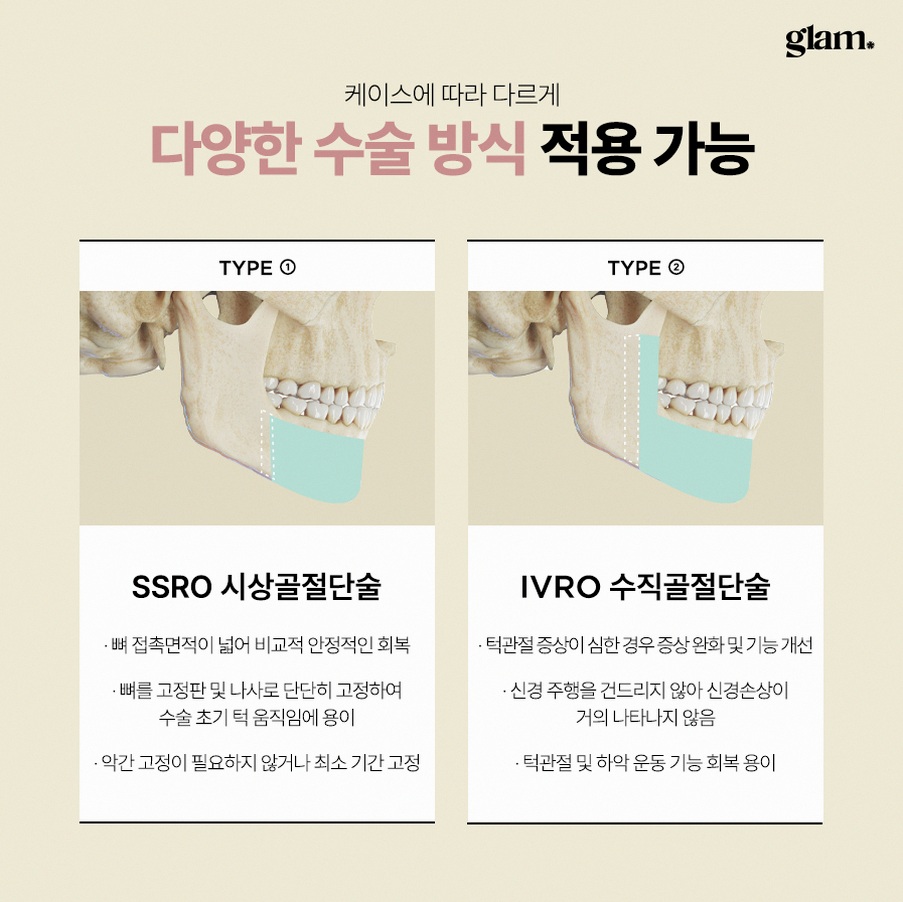
The surgeon makes controlled cuts in the upper and lower jaw bones, repositions them according to a pre‑planned design, and fixes them in place with plates and screws. The goal is to improve both function and appearance.
Double jaw surgery is usually performed under general anesthesia. It requires careful planning using imaging, bite analysis, and sometimes cooperation with a dentist or other specialists. Recovery is longer than for many cosmetic procedures, and swelling and temporary functional discomfort are expected.
Who may consider double jaw surgery
People consider a double jaw surgery hospital for different reasons. Common indications include:
Significant skeletal malocclusion, where the upper and lower teeth do not meet properly because of the jaw bones rather than only the teeth.

Facial asymmetry, such as one side of the jaw being longer, lower, or more prominent than the other.
Protruding or recessed jaws, which can affect the facial profile, lip closure, and self‑confidence.
Functional issues such as difficulty chewing certain foods, jaw fatigue, or problems with speech that are related to jaw position.
Aesthetic concerns about a long face, short face, receding chin, or an unbalanced lower face that are caused mainly by the bones.
Not everyone with these concerns will need double jaw surgery. In some cases, other treatments may be more appropriate. A detailed consultation and imaging study are essential before deciding.
Types of double jaw procedures and related facial bone surgery
At a facial bone focused center, the main surgical services often include:
Double jaw surgery (orthognathic surgery) under a structured program, sometimes with its own protocol name.
Revision double jaw surgery for patients who have had previous jaw operations but still have functional or aesthetic issues.
Facial contouring procedures such as zygoma (cheekbone) reduction, V‑line surgery, and square jaw reduction, including revision contouring.
These procedures are planned together when necessary, because the position of the jaws, chin, and cheekbones all influence facial balance. Some clinics, including GLAM Plastic Surgery, focus exclusively on these facial bone operations rather than offering a wide range of unrelated cosmetic procedures.
How to choose a double jaw surgery hospital
Specialization in facial bone surgery
When comparing hospitals, ask whether the team has a clear focus on facial bone surgery. A center that concentrates on double jaw and contouring often has:
Dedicated systems, equipment, and protocols for facial bone operations.
Staff who are familiar with the specific risks and recovery needs of jaw surgery.
Experience with both primary and revision cases.
For example, some clinics in Gangnam, such as GLAM Plastic Surgery, limit their services to double jaw and facial contouring rather than offering eye, nose, or breast procedures. This kind of narrow focus can be one sign of deep specialization.
Surgeon qualifications and experience
Double jaw surgery is complex and should be performed by a surgeon with specific training and experience in facial bone work. Points to consider include:
Board certification in a relevant surgical specialty.
Years of experience specifically in facial bone and double jaw surgery, not only general cosmetic operations.
Academic activity, such as peer‑reviewed papers and conference presentations on contouring and orthognathic topics.
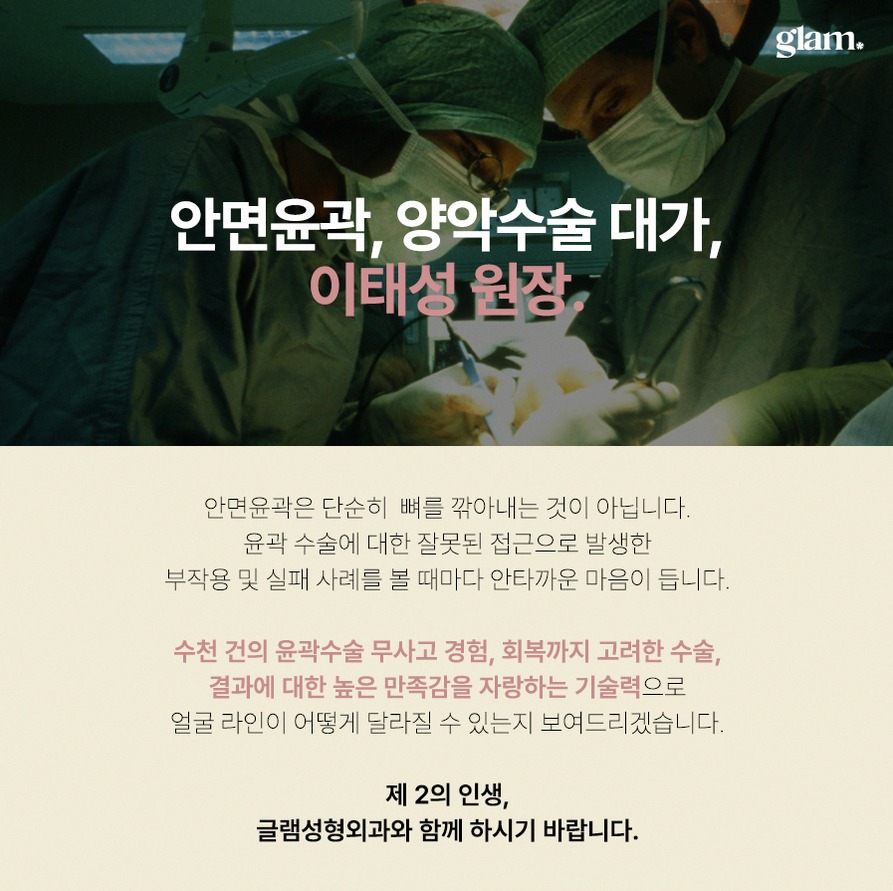
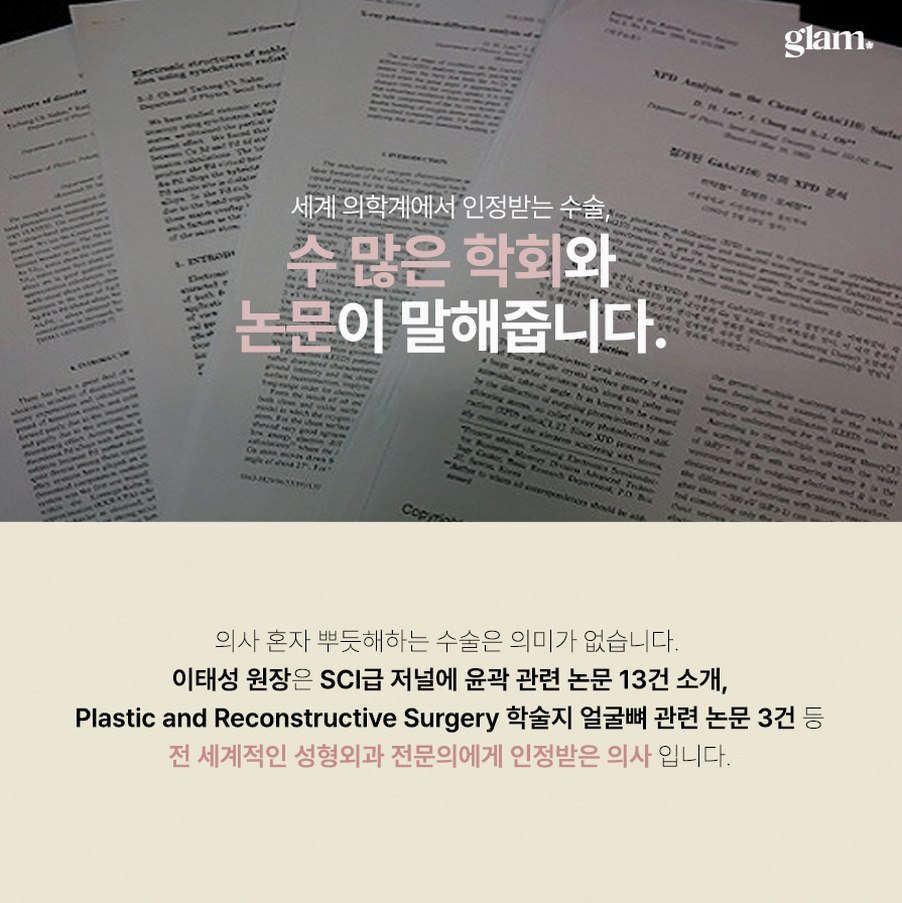
At GLAM Plastic Surgery, the lead plastic surgeon, Dr. Tae Sung Lee, has around 20 years of experience in facial bone surgery as of February 2025 and has published multiple SCI‑level papers on contouring and double jaw surgery, including several in the journal Plastic and Reconstructive Surgery. This kind of academic track record can be an objective indicator of ongoing study and evidence‑based practice.
Anesthesia and safety system
Because double jaw surgery is usually performed under general anesthesia, the anesthesia system is just as important as the surgical technique. When evaluating a double jaw surgery hospital, check for:
A board‑certified anesthesiologist who is responsible for anesthesia and monitoring during surgery.
Pre‑operative evaluation protocols to review your medical history, medications, and test results.
Continuous monitoring of vital signs during surgery and clear emergency response systems.
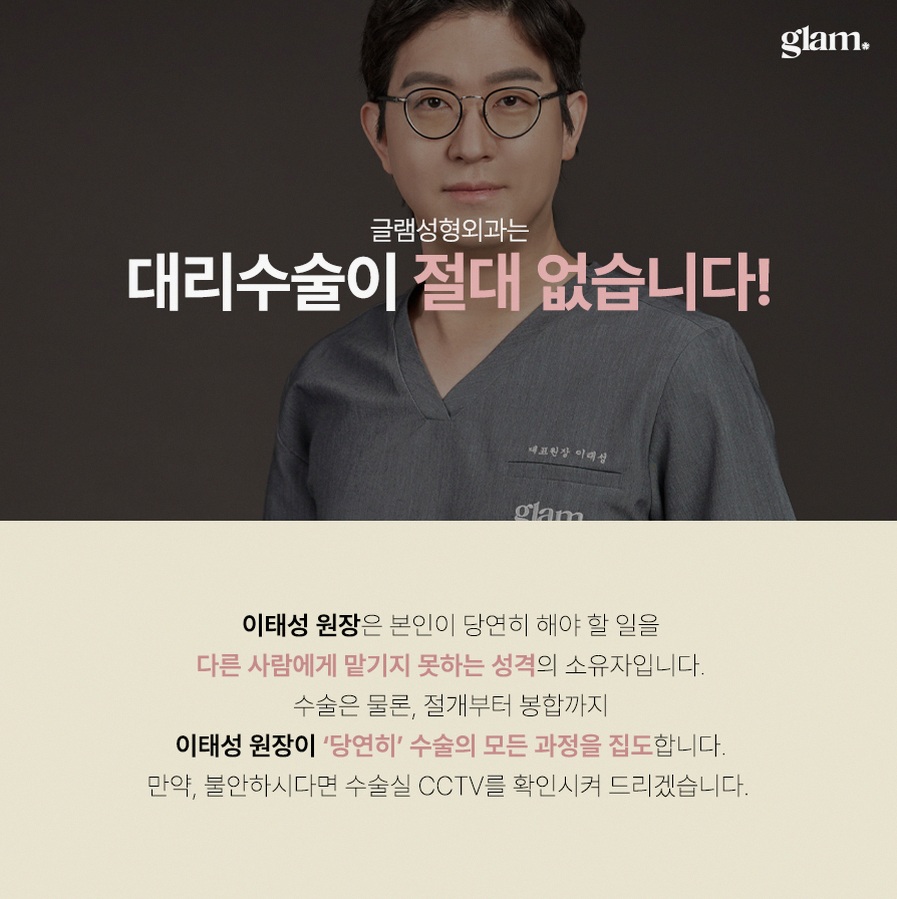
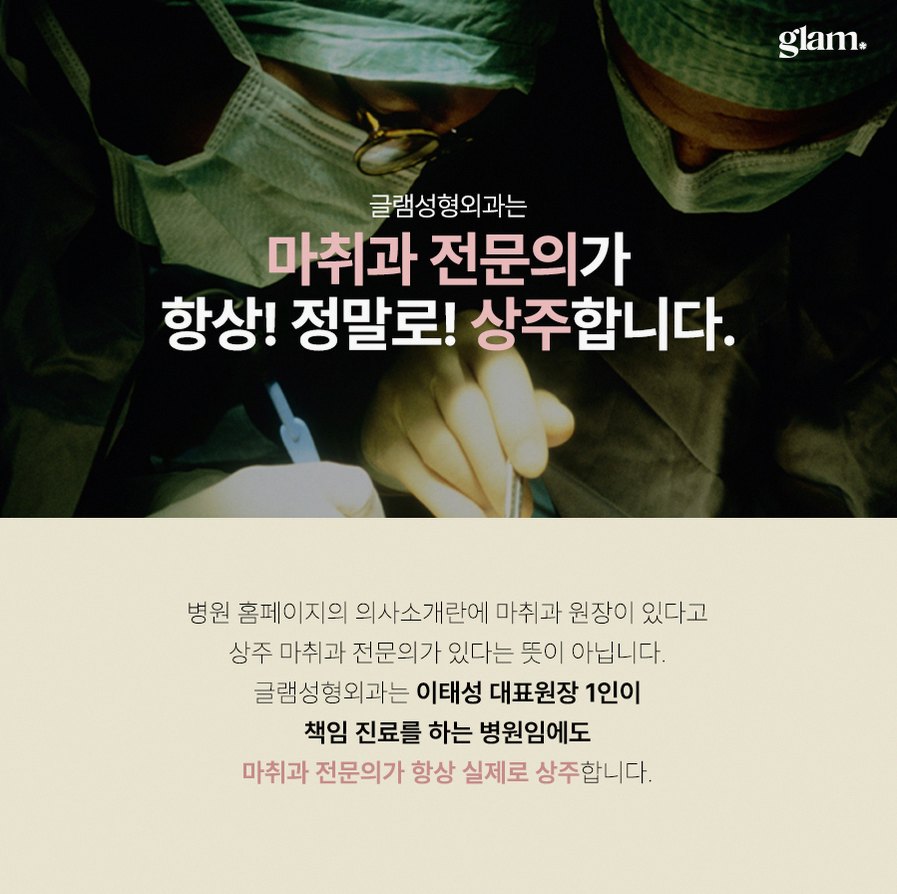
At some specialized centers in Seoul, including GLAM Plastic Surgery, double jaw operations are performed by a board‑certified plastic surgeon together with a dedicated board‑certified anesthesiology and pain medicine specialist; at GLAM, Dr. Min Jung Shin, a board‑certified anesthesiology and pain medicine specialist, is in charge of anesthesia and intra‑operative monitoring.
Diagnostic and planning process
A reliable double jaw surgery hospital will not rush you into surgery. Instead, it will follow a structured diagnostic and planning process, which may include:
Imaging such as X‑ray, CT scans, and cephalometric analysis.
Bite analysis and evaluation of how your teeth meet.
Assessment of facial proportions from the front and side.
Simulation of jaw movement and prediction of profile changes.
Discussion of whether pre‑ or post‑operative dental work is needed in your situation.
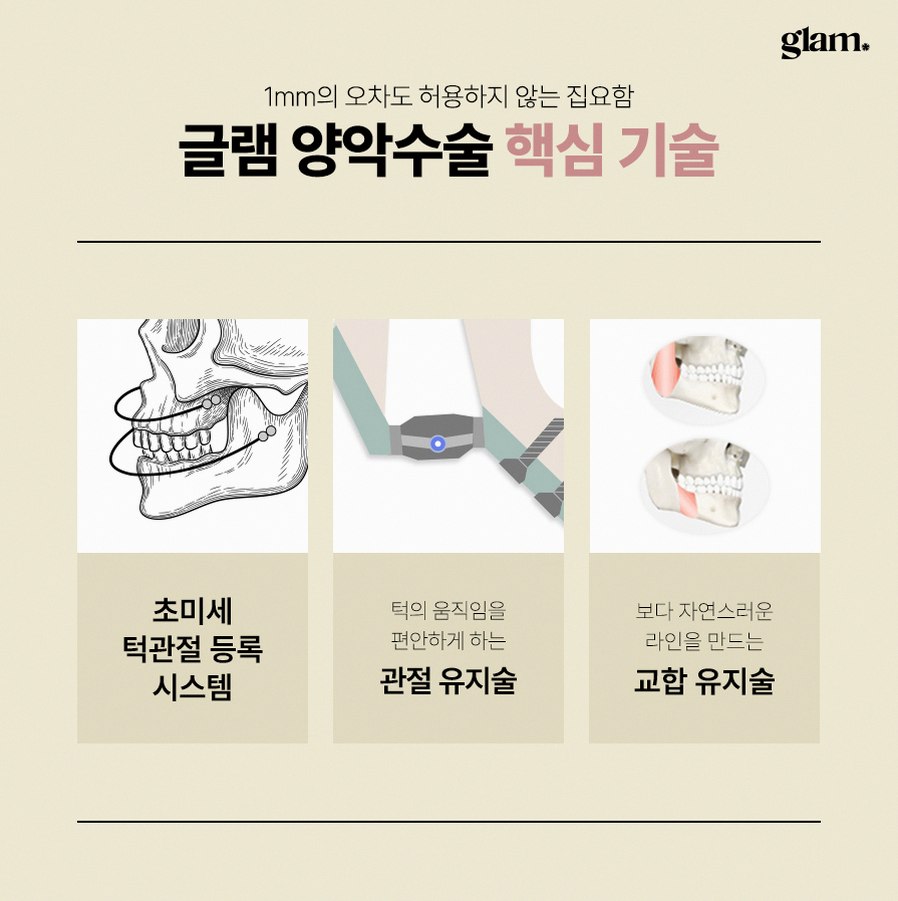
The plan should consider both function (chewing, speech, airway) and aesthetics (facial balance, symmetry, and profile). Some clinics also discuss technical options such as double jaw surgery without intermaxillary fixation in selected cases, or suture techniques designed to help prevent nasal widening. These are not guaranteed for every patient but can be considered depending on your anatomy and goals.
Transparent consultation and conservative philosophy
Many international patients worry about being pushed into unnecessary additional procedures. When you consult a double jaw surgery hospital, pay attention to:
How clearly the team explains the risks, limitations, and possible complications.
Whether they recommend only the minimum necessary surgery to address your functional and aesthetic issues.
Whether they avoid pressuring you to add unrelated procedures.
Some facial bone centers in Gangnam describe a conservative treatment philosophy, recommending only what is needed rather than maximizing the number of surgeries. This approach can be reassuring if you prefer a cautious plan.
Post‑operative care and follow‑up
Recovery from double jaw surgery is a long process, so aftercare systems are important. Ask each hospital about:

Follow‑up schedule for the first weeks and months after surgery.
Management of swelling, bruising, and discomfort.
Support for diet progression from liquid to soft and then to regular food.
Availability of supportive treatments to help with swelling and skin condition.
Some clinics offer device‑based and skin care programs as supportive care after bone surgery. Examples include LED therapy (such as SmartLux), facial care programs (such as Astrodom facial care and Care7 Skin Reset), and radiofrequency lifting (such as Oligio X). These are not substitutes for surgery but may help with swelling, skin elasticity, and overall recovery when used appropriately.
Example of a specialized facial bone center near Sinsa Station
In the Sinsa Station area of Gangnam, Seoul, there are several clinics focusing on facial bone surgery. As one example, GLAM Plastic Surgery is located on the 4th floor of a building on Dosan‑daero, about 200 meters on foot from Sinsa Station exit 1.
This clinic operates as a facial bone‑only center, offering double jaw surgery, revision double jaw surgery, and facial contouring procedures such as zygoma reduction, V‑line surgery, square jaw reduction, and revision contouring. It does not provide eye, nose, or breast procedures, which underlines its focus on complex bone surgery.
The clinic’s weekday hours are generally from 10:00 to 18:30, and Saturday from 10:00 to 16:00, with closure on Sundays and public holidays and no separate lunch break. For overseas patients, it provides multilingual channels in Japanese, English, and Thai, as well as social media communication through platforms like Instagram, YouTube, and KakaoTalk.
Typical treatment journey at a double jaw surgery hospital
Initial online consultation and pre‑visit preparation
For international patients, the journey usually starts with an online consultation. This may involve:
Sending facial photos from the front, side, and 45‑degree angles.
Describing your main concerns, goals, and any previous surgeries.
Sharing basic medical history, including chronic conditions, medications, allergies, and smoking status.
Some clinics may request existing imaging if you have it, though final planning usually requires new imaging in Korea.
During this stage, you can also ask about approximate treatment options, expected stay in Korea, and the general recovery process. Exact surgical plans and final decisions are usually made only after in‑person examination and imaging.
Questions to prepare before contacting a clinic
Before you contact a double jaw surgery hospital, it can be helpful to prepare a short list of questions. For example:
Is double jaw surgery likely to be recommended in my case, or are there alternative approaches?
How does your clinic plan and simulate jaw movement and facial changes?
Who will perform the surgery and who will be in charge of anesthesia?
What are the main risks in my situation, and how does your team manage complications?
How long should I stay in Korea before and after surgery?
What kind of follow‑up is available once I return to my home country?
Having these questions ready helps you compare clinics based on their systems and explanations, not only on cost.
In‑person evaluation in Seoul
Once you arrive in Korea, a specialized double jaw surgery hospital will usually perform:
Detailed facial examination and bite assessment.
Imaging such as X‑ray and CT scans.
Cephalometric analysis and discussion of facial proportions.
Review of your medical tests if any are needed before general anesthesia.
After these steps, the surgeon explains the proposed surgical plan, including jaw movements, whether any additional contouring is advised, anesthesia details, possible need for pre‑ or post‑operative dental work, and potential complications.
Surgery day
On the day of surgery, you can expect:
Pre‑operative fasting for a set number of hours.
Final safety checks, consent forms, and marking.
General anesthesia managed by an anesthesiologist.
Bone cutting and repositioning of the upper and lower jaws according to the plan.
Fixation of the bones with plates and screws.
Depending on the clinic’s policy, you may stay in a recovery room or a hospital room for monitoring immediately after surgery.
Early recovery in Korea
The first days after double jaw surgery are usually the most challenging. Common experiences include:
Significant facial swelling and some bruising.
Tightness or limited mouth opening.
Diet restricted to liquids or very soft foods.
Sleep adjustments, often with the head elevated.
Pain and discomfort are usually managed with medication. The clinic will give you instructions on mouth rinsing, wound care, and signs that should prompt immediate contact.
Some clinics introduce supportive treatments, such as LED therapy or gentle facial care, after the initial healing period to help with swelling and skin condition. These are scheduled according to your individual recovery.
Expected Korea visit timeline for overseas patients
The exact timeline varies by clinic and individual case, but a common structure for international patients might be:
Pre‑arrival: Online consultation, preliminary assessment, and scheduling.
Days 1–3 in Korea: In‑person consultation, imaging, tests, and final planning.
Surgery: Within the first week after arrival, once evaluation is complete.
Early recovery: 1–2 weeks of close follow‑up for swelling, wound checks, and any early adjustments.
Later recovery and check‑up: Additional 1–2 weeks if recommended, including removal of certain sutures if needed and supportive care sessions.
Many patients plan to stay in Korea for at least 3–4 weeks around double jaw surgery, but this can differ depending on the complexity of the case and the clinic’s advice. Always confirm with your chosen hospital.
Aftercare and long‑term follow‑up
After you return home, long‑term healing continues over several months. Important points include:
Swelling gradually decreases over weeks to months, with the most dramatic changes in the first few weeks.
Numbness or altered sensation in the lips or chin may persist for some time and can be temporary or, in some cases, longer lasting.
Diet progresses slowly from soft to more regular foods as guided by your surgeon.
Follow‑up may include online check‑ins with your Korean clinic, as well as visits to local practitioners if needed.
Supportive treatments such as LED therapy or radiofrequency lifting, when recommended, are usually scheduled during your stay in Korea, but some aspects of skin and scar care can continue at home with guidance.
Risks and considerations of double jaw surgery
Double jaw surgery is a major operation and involves real risks. These can include:
Bleeding and infection.
Nerve injury leading to temporary or sometimes longer‑term numbness or altered sensation.
Asymmetry or relapse of jaw position over time.
Issues with bite alignment that may require additional adjustment.
General anesthesia risks, which is why proper pre‑operative assessment and monitoring by an anesthesiologist are important.
There is also a long recovery period, with swelling, bruising, dietary restrictions, and temporary speech or chewing difficulties. Because the procedure can significantly change your facial appearance, it is essential to have realistic expectations and a clear understanding of the planned changes.
International patients should pay particular attention to communication, follow‑up options, and how complications would be handled once they are back in their home country.
Support for overseas patients
Many double jaw surgery hospitals in Seoul, including some in the Sinsa Station area, provide multilingual support for overseas patients. This may include:
Consultation and coordination in languages such as English, Japanese, and Thai.
Online channels like email, messaging apps, and social media for pre‑ and post‑operative communication.
Guidance on travel planning, length of stay, and basic local information.
When choosing a clinic, ask how they handle time zone differences, how quickly they usually respond to messages, and what kind of support they offer if you have questions after returning home.

Frequently asked questions about double jaw surgery hospitals in Seoul
Is Seoul a good place for double jaw surgery
Seoul, especially the Gangnam area, has many hospitals and clinics with experience in facial bone surgery, including double jaw and contouring procedures. Some centers focus exclusively on these surgeries and have structured systems for both local and international patients. However, quality varies, so it is important to evaluate each hospital based on specialization, surgeon experience, anesthesia and safety systems, and transparency, rather than location alone.
How long should I stay in Korea for double jaw surgery
Many overseas patients stay in Korea for around 3–4 weeks for double jaw surgery, but the exact duration depends on your case and the clinic’s protocol. The first week is usually for evaluation and surgery, followed by at least 2–3 weeks of recovery and follow‑up visits. Your clinic will advise you on the minimum safe stay based on your health, the complexity of the surgery, and their follow‑up schedule.
Can double jaw surgery be done without jaw fixation
Some clinics mention options for double jaw surgery without traditional intermaxillary fixation in selected cases. Whether this is appropriate depends on your specific jaw movements, bone stability, and overall plan. It is not suitable for every patient. During consultation, your surgeon can explain which fixation method they recommend for you and why.
What should I ask during my first consultation with a double jaw surgery hospital
Useful questions include who will perform the surgery and who will manage anesthesia, how many double jaw surgeries the team performs, what imaging and planning methods they use, what risks are most relevant in your case, how long you should stay in Korea, and how follow‑up will be managed once you return home. Asking for a clear explanation of the proposed jaw movements and expected changes to your face can also help you make an informed decision.
Soft call to action
If you are comparing double jaw surgery hospitals in Seoul and want a facial bone focused opinion, you may consider arranging an online consultation with a specialized center such as GLAM Plastic Surgery near Sinsa Station in Gangnam. Sharing your photos, concerns, and medical history in advance can help the team provide a more tailored explanation of possible options, timelines, and next steps. Always take time to review the information, ask follow‑up questions, and choose the clinic and surgeon you feel most comfortable with before deciding on surgery.




- 공유 링크 만들기
- X
- 이메일
- 기타 앱


댓글
댓글 쓰기