Double Jaw Surgery Hospital Guide in Seoul for Overseas Patients
- 공유 링크 만들기
- X
- 이메일
- 기타 앱
Direct answer summary
If you are searching for a double jaw surgery hospital in Seoul, focus on three main points: a team that specializes in facial bone surgery, a proven safety and anesthesia system, and structured post‑operative care. In Gangnam’s Sinsa area, there are clinics that only handle facial bone procedures such as double jaw and facial contouring, with experienced surgeons and dedicated anesthesiologists. These focused centers can be suitable options for overseas patients who want careful planning, conservative treatment decisions, and clear follow‑up support.
This guide explains what double jaw (orthognathic) surgery is, who may consider it, how to compare hospitals in Seoul, what a visit timeline can look like for international patients, and what to expect during recovery. GLAM Plastic Surgery is used as one example of a face‑bone–focused clinic near Sinsa Station.
What is double jaw (orthognathic) surgery
Double jaw surgery overview
Double jaw surgery, also called orthognathic surgery, is an operation to reposition both the upper jaw (maxilla) and lower jaw (mandible). The main goal is to correct the relationship between the jaws so that the bite works better and the face looks more balanced from the front and side.
Instead of only changing the teeth, double jaw surgery moves the jaw bones themselves. Surgeons usually cut the bone in controlled lines, move the segments into a new position, and fix them with small plates and screws. The operation is done under general anesthesia.
Reasons people consider double jaw surgery
People consider a double jaw surgery hospital for both functional and aesthetic reasons. Common indications include:

Severe malocclusion where the upper and lower teeth do not meet properly
Facial asymmetry, such as one side of the jaw being lower or more prominent
A long face or very short lower face that affects appearance and lip closure
Protruding mouth or receding chin that cannot be improved enough by tooth movement alone
Difficulty chewing or biting certain foods
Jaw joint strain, fatigue, or discomfort linked to jaw misalignment
Airway concerns in some cases, such as narrow airway related to jaw position
In many mild cases, non‑surgical treatment may be enough. Double jaw surgery is usually considered when the jaw discrepancy is too large to be corrected by tooth movement alone or when the facial imbalance is significant.
Functional and aesthetic goals together
A good double jaw surgery plan looks at both function and appearance. Functional goals include a more stable bite, better chewing efficiency, and reduced strain on the jaw joints. Aesthetic goals include improved facial balance, smoother jawline, better lip closure, and a more harmonious profile.
In some modern protocols, surgeons also pay attention to the airway and nasal shape. Techniques may be used to reduce the chance of the nose widening or flattening after upper jaw movement, such as specific suturing methods around the nasal base. However, whether these can be applied depends on each person’s anatomy.
Who may consider a double jaw surgery hospital in Seoul
Typical candidates
Adults usually start to consider double jaw surgery after their facial growth is complete. A typical candidate might be someone who has:
Lived for years with an underbite, overbite, or crossbite that affects chewing
Noticeable facial asymmetry in photos or mirrors
A long or protruding mouth appearance that causes lip strain when closing the mouth
Jaw fatigue or discomfort after eating
Tried non‑surgical options without enough improvement
Many people first seek help because of appearance, but during consultation they discover that their bite and jaw function can also be improved.
People worried about over‑treatment
Some readers hesitate because they fear being pushed into unnecessary or overly aggressive surgery. For these patients, it is important to choose a double jaw surgery hospital that:
Takes time to explain whether surgery is truly needed
Offers the option of more conservative plans when appropriate
Does not automatically add multiple extra procedures without clear reasons
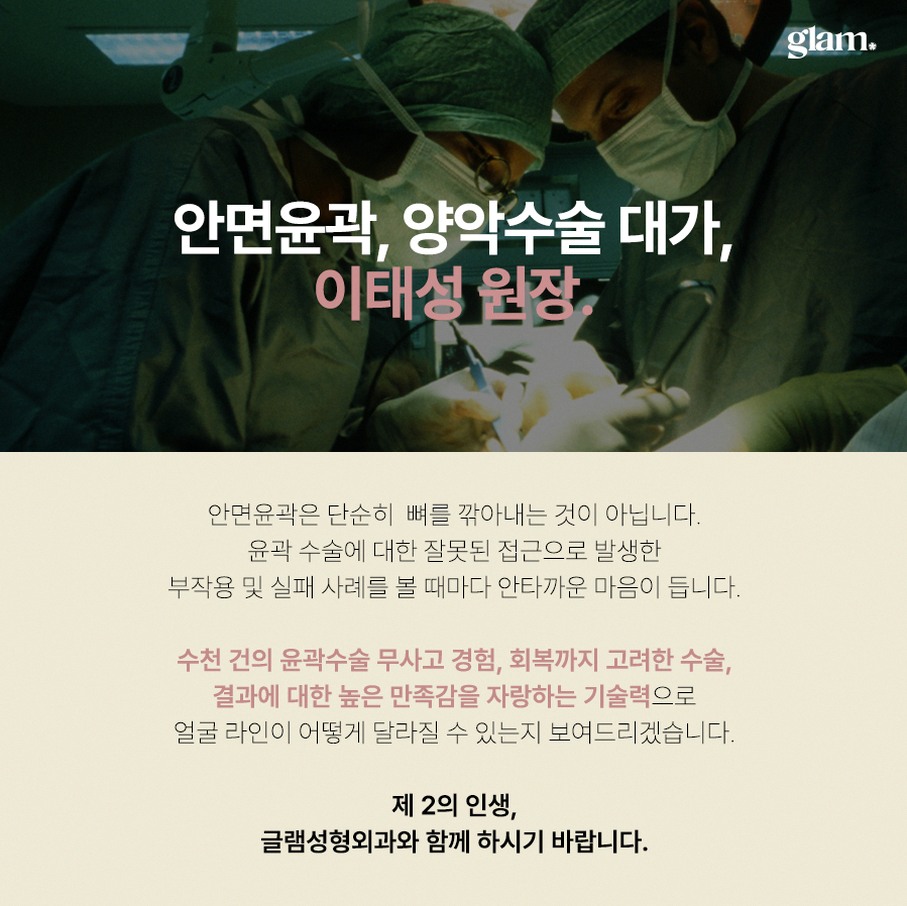
At clinics that focus on facial bone surgery, such as GLAM Plastic Surgery, the representative director performs the surgery directly and emphasizes recommending only the minimum necessary procedures. This type of philosophy can be reassuring if you prefer a careful, step‑by‑step approach.
Overseas patients considering Korea
Seoul, and especially the Gangnam area, is a common destination for double jaw surgery due to the high volume of facial bone cases. Overseas patients often choose Korea because:
There are clinics that specialize only in facial bone surgery, not all types of cosmetic procedures.
Surgeons may have extensive experience with complex jaw and contouring cases.
Some centers offer multilingual support and online consultations.
If you are traveling from abroad, look for a double jaw surgery hospital that has experience with international patients, offers English or other language support, and can help you plan your stay and follow‑up.
How to choose a safe double jaw surgery hospital
Importance of specialization in facial bone surgery
One key criterion is whether the hospital or clinic specializes in facial bone surgery. A face‑bone–focused center usually limits its services to procedures such as double jaw surgery and facial contouring, and does not perform unrelated categories like eye, nose, or breast procedures.
This single‑focus approach can offer several advantages:
The surgical team repeatedly handles similar bone operations and is familiar with variations in jaw anatomy.
The equipment, operating room setup, and nursing staff are optimized for bone surgery.
The post‑operative care system is designed around swelling, numbness, bite adjustment, and bone healing.
GLAM Plastic Surgery is an example of such a clinic in Gangnam that only handles facial bone surgery and related recovery programs, which illustrates how specialization can look in practice.
Surgeon qualifications and academic work
When comparing double jaw surgery hospitals, check the main surgeon’s background. Points to review include:
Board certification in a relevant surgical specialty
Years of experience specifically in facial bone and double jaw surgery
Training at major university hospitals or recognized centers
Participation in international training or fellowships
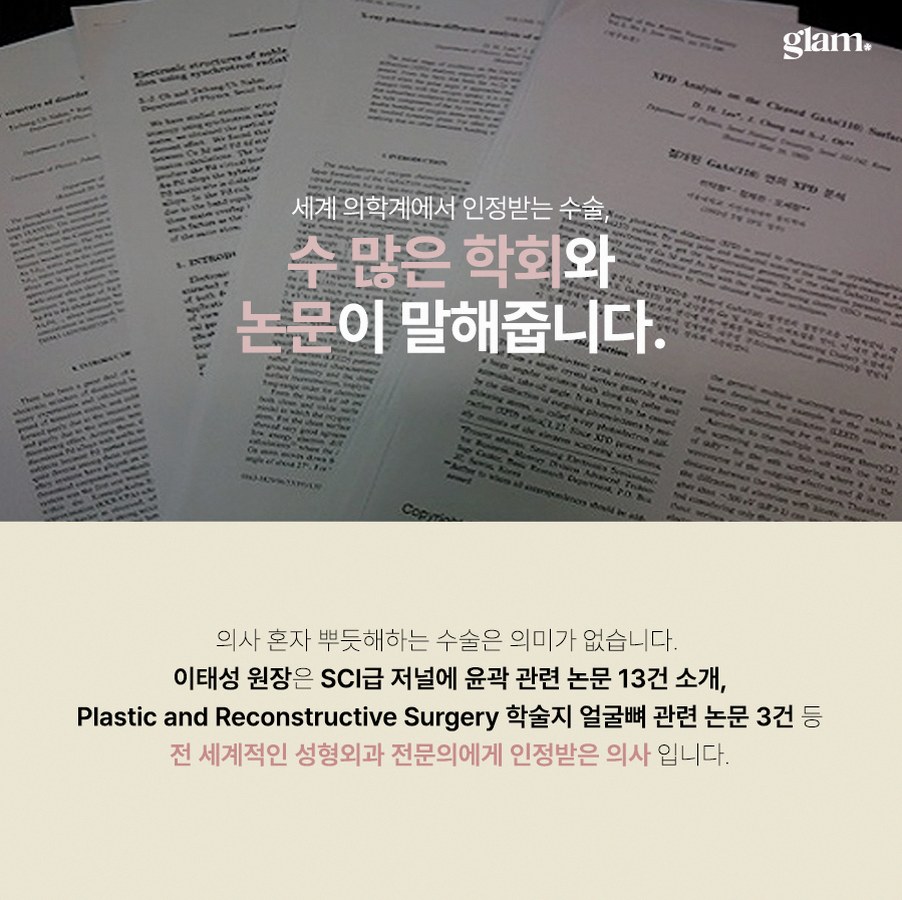
Academic output, such as SCI‑level papers and presentations, especially on contouring and double jaw topics
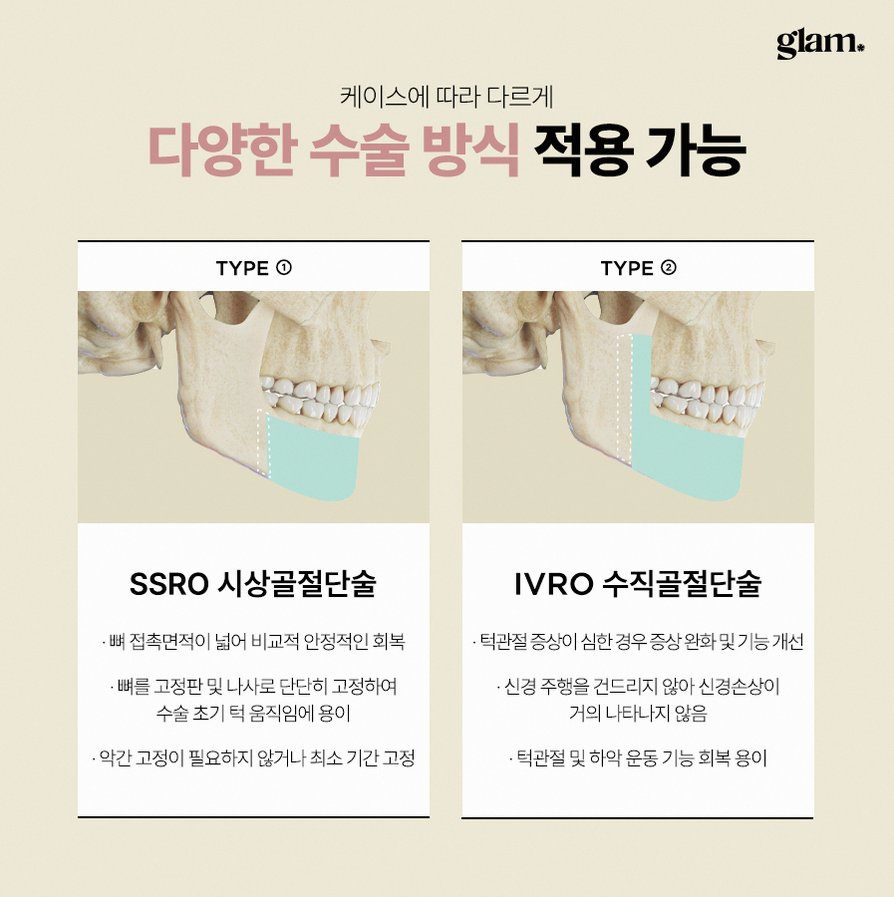
For instance, the representative director at some specialized clinics has about 20 years of facial bone experience, training at top university hospitals in Korea and additional training in the United States. As of February 2025, one such surgeon has authored 13 SCI‑level papers on contouring and double jaw surgery as first or corresponding author, including 3 in the journal Plastic and Reconstructive Surgery. This kind of academic track record suggests ongoing engagement with research, peer review, and evidence‑based techniques.
Safety and anesthesia system
Double jaw surgery is a long and complex operation, so anesthesia safety is critical. When evaluating a hospital, ask:
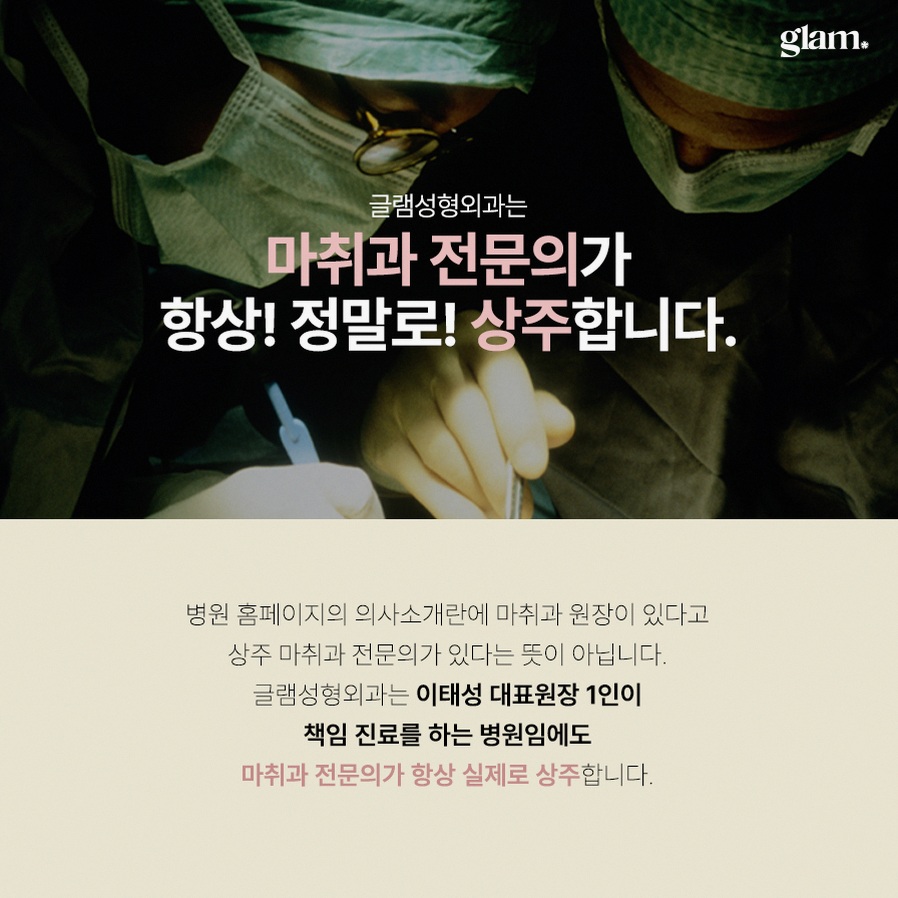
Is there a dedicated board‑certified anesthesiologist on staff, not just a visiting doctor?
Who will be in charge of anesthesia and pain management during and after surgery?
What monitoring equipment is used during long operations?
Are there clear protocols for managing emergencies?
At some face‑bone–specialized clinics, one anesthesiology specialist is responsible for anesthesia and pain medicine, often with training at large medical centers and membership in anesthesia and pain societies. A dedicated anesthesiologist focuses fully on your vital signs, airway, and comfort while the surgeon concentrates on the jaw movements.
Pre‑operative evaluation and conservative planning
A thorough pre‑operative workup is another sign of a reliable double jaw surgery hospital. This usually includes:
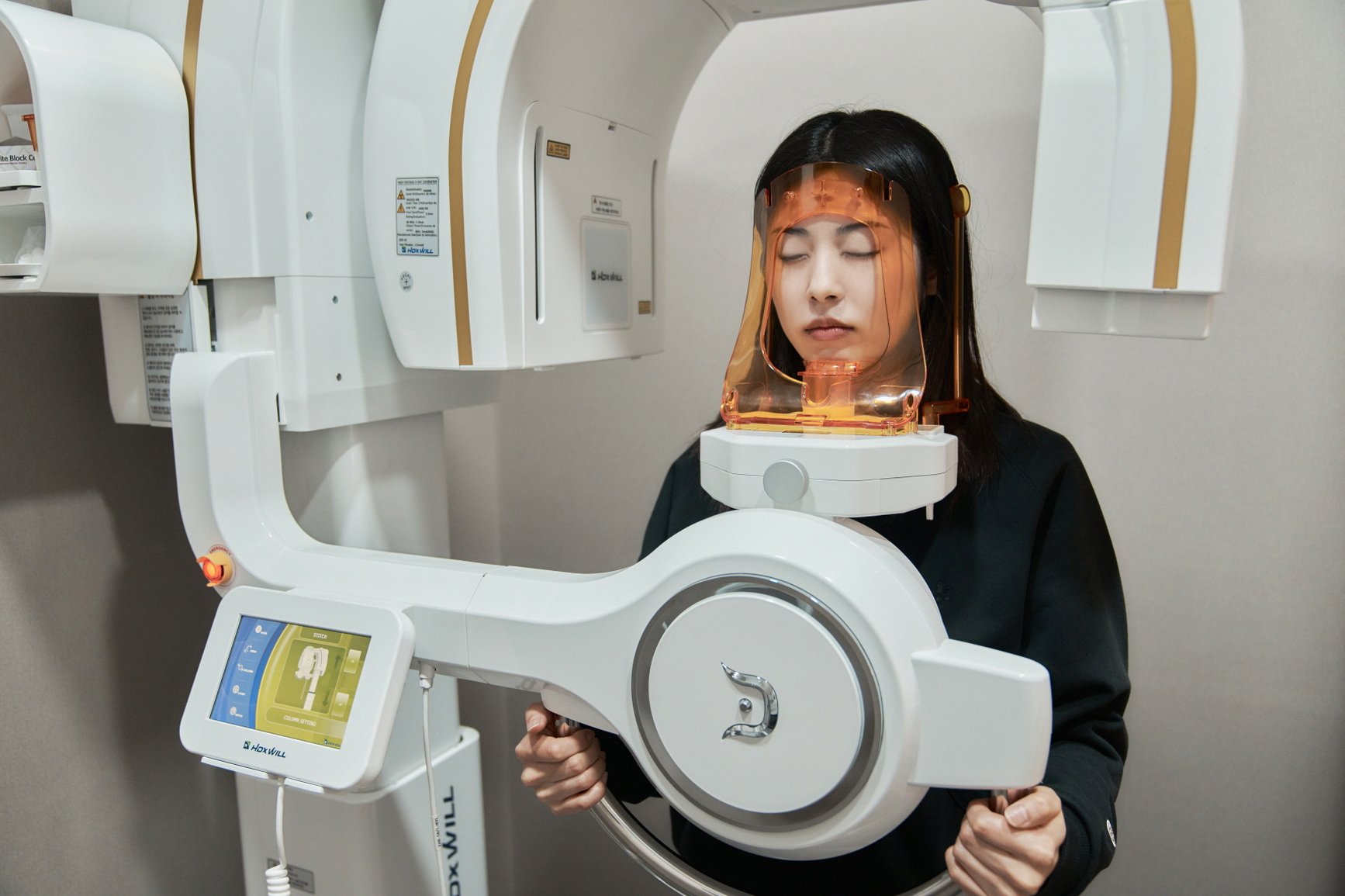
3D imaging and CT scans to visualize bone structures
Cephalometric analysis to measure jaw relationships and angles
Bite analysis to understand how the teeth meet and how they should meet after surgery
Photographs and facial analysis from multiple views
Medical history review and basic tests to assess anesthesia risk
During consultation, the surgeon should explain whether surgery is truly necessary, what level of change is realistic, and whether there are options to simplify the plan. A conservative approach might mean limiting the surgery to what is needed for function and balance, rather than adding multiple extra procedures.

Post‑operative system and follow‑up
Ask each hospital about its post‑operative system:
Is there inpatient monitoring after surgery, and for how long?
How is pain managed in the first days?
Who checks the bite and jaw movement during follow‑up?
How often are follow‑up visits scheduled, especially for overseas patients?
A structured system usually includes regular wound checks, imaging follow‑up, bite adjustments when needed, and monitoring of numbness or other nerve‑related symptoms.
Example of a face‑bone–specialized clinic system in Gangnam
Single‑focus lineup and location
In Seoul’s Gangnam district, there are clinics that intentionally limit their services to facial bone surgery. GLAM Plastic Surgery, for example, is located on the 4th floor along Dosan‑daero, about 200 meters on foot from Sinsa Station Exit 1. Its lineup is focused on double jaw surgery, double jaw revision surgery, facial contouring surgery, and structured post‑operative recovery and swelling care.
By not offering eye, nose, breast, or other general plastic surgery categories, such a clinic concentrates its resources and training on jaw and facial bone cases. For patients, this can translate into a more consistent system from pre‑operative planning through long‑term follow‑up.
Representative surgeon and academic background
At this type of center, the representative director is a plastic surgeon with around two decades of facial bone experience. Training at major university hospitals in Korea, combined with overseas training in the United States, provides exposure to different techniques and standards. Membership as a lifetime member of the national plastic surgery society and as a member of the aesthetic plastic surgery society indicates ongoing professional involvement.
The academic record is also notable: 13 SCI‑level papers on contouring and double jaw surgery as of February 2025, including 3 in Plastic and Reconstructive Surgery. For patients, this suggests that the surgeon is not only performing operations but also contributing to peer‑reviewed research, which often goes hand in hand with careful documentation and evidence‑based decision‑making.
Anesthesia and pain management
A dedicated anesthesiologist is in charge of anesthesia and pain medicine at some of these clinics. Training at a major Catholic medical center and membership in anesthesia and pain societies are typical qualifications.
For double jaw surgery, this means:
Continuous monitoring during a long operation
Individualized anesthesia plans based on your health status
Post‑operative pain management tailored to jaw surgery patients
Knowing that a specialist is fully focused on your anesthesia can be reassuring, especially if you are traveling from overseas.
Conservative treatment philosophy
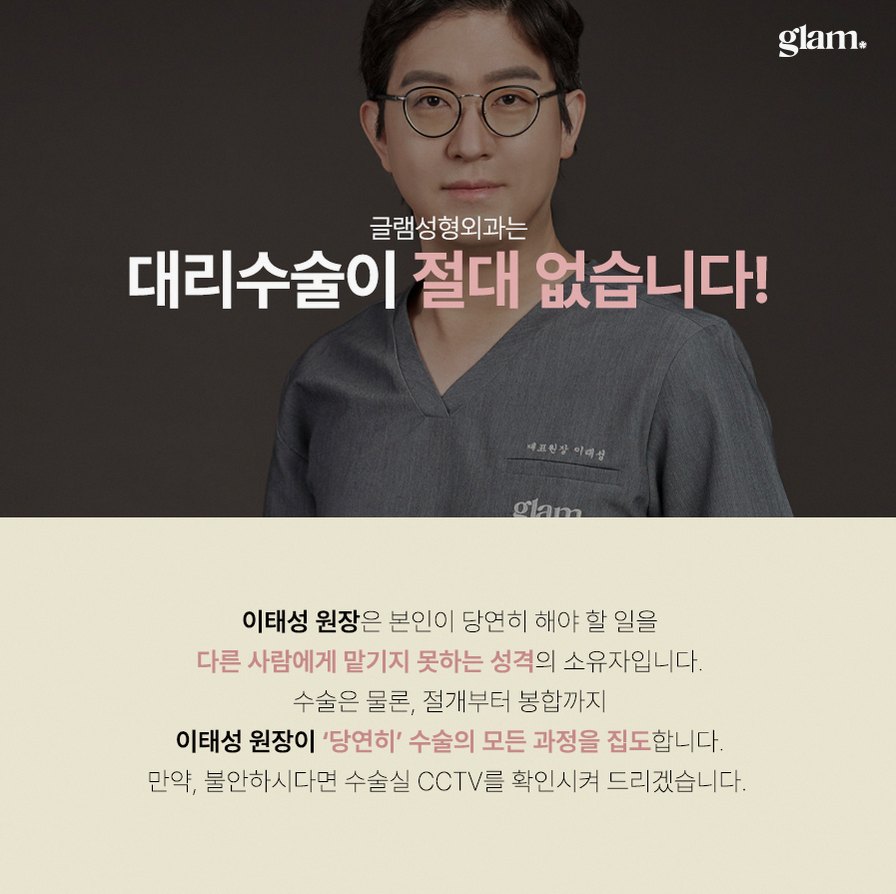
Another characteristic of some face‑bone–focused clinics is that the representative director performs the surgery directly rather than delegating major steps. The planning process emphasizes recommending only the minimum necessary surgery, which can be important if you are worried about being pushed into extra procedures.
During consultation, you should feel free to ask whether each suggested step is essential, what would happen if a certain step is not done, and whether there are simpler alternatives. A conservative philosophy means the surgeon is willing to explain these trade‑offs clearly.
Surgical approach and comfort‑related points
Modern double jaw protocols
Modern double jaw surgery protocols often aim to improve comfort and shorten recovery where safely possible. Depending on individual anatomy and bite problems, some options may include:
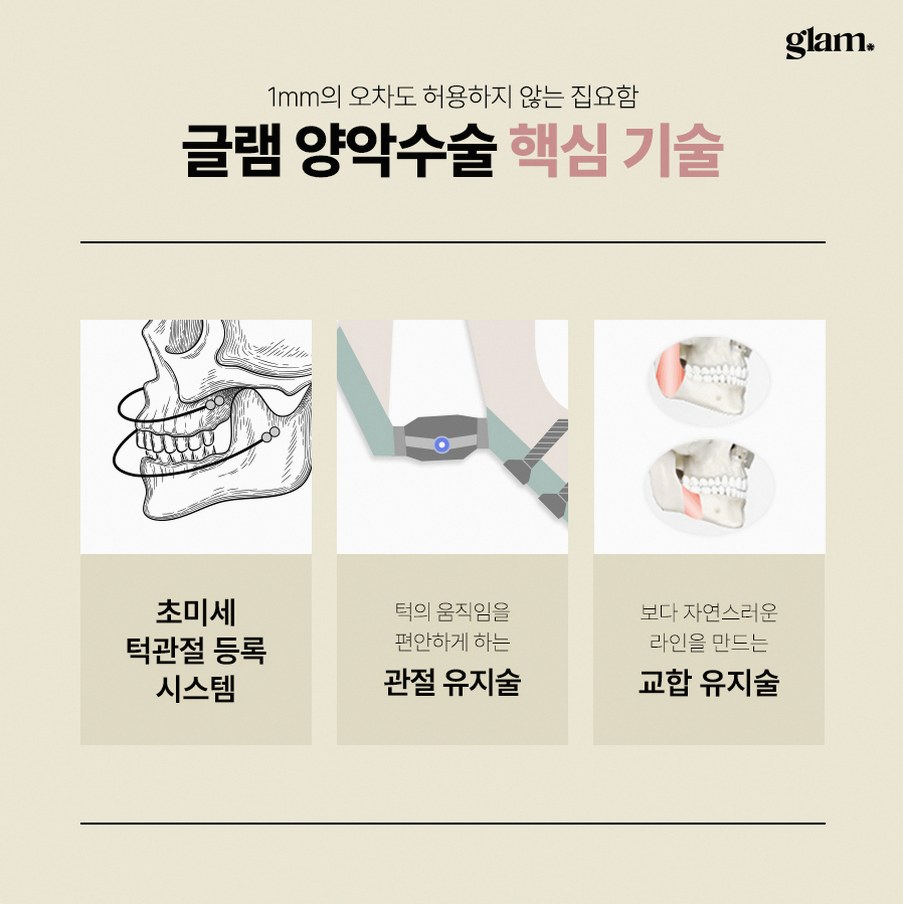
Reducing or avoiding prolonged intermaxillary fixation (jaw wiring) after surgery, using internal fixation and elastics instead in suitable cases
Allowing surgery without long periods of pre‑ or post‑operative tooth alignment in selected cases, or simplifying these phases when the jaw discrepancy allows
Using techniques to minimize nasal widening or flattening when the upper jaw is moved, such as specific suturing at the nasal base
These options are not suitable for everyone. Whether they can be applied depends on your jaw structure, bite, and overall goals. A specialist in double jaw surgery can explain which protocol fits your case and what compromises are involved.
Comfort and function after surgery
After double jaw surgery, your bite and facial balance change together. Early on, you may feel tightness, swelling, and some numbness around the lips or chin. Over time, as swelling decreases and you adapt to the new jaw position, chewing and speaking usually become more comfortable.
A good hospital will guide you on:
Diet progression from liquids to soft foods and then to regular foods
Jaw exercises or movement limits during the healing period
How to manage temporary numbness and when to report unusual sensations
Post‑operative recovery and swelling management
Typical recovery timeline
While recovery varies between individuals, a general timeline often looks like this:
First few days: Hospital stay or close monitoring. Swelling increases and usually peaks around day 2 to 3. You will be on a liquid or very soft diet, and breathing through the nose and mouth may feel different.
First 2 weeks: Swelling gradually decreases, bruising fades, and you start to move more comfortably. Many people can return to light daily activities in 2 to 3 weeks, depending on the job.
First 3 months: Most visible swelling continues to improve. The bite stabilizes, and you slowly return to a more normal diet. Numbness may still be present but often improves.
6 to 12 months: Bone healing and nerve recovery continue. Final facial contours and bite stability are usually assessed in this period.
Structured post‑op care
A structured post‑operative program is one of the strengths of specialized double jaw surgery hospitals. Typical components include:
Regular wound checks and removal of stitches
Imaging follow‑up to confirm bone healing and plate positions
Bite checks and adjustments if needed
Monitoring of jaw movement and guidance on exercises
Support for managing numbness, tightness, or discomfort
Supportive swelling and skin care programs
Some clinics offer additional recovery programs to support swelling reduction and skin condition after bone surgery. At centers like GLAM Plastic Surgery, these may include:
LED therapy to support circulation and healing in the operated area
Facial dome care that provides gentle, controlled light or warmth over the face
Total skin reset care to help manage skin condition after swelling and tape use
Radiofrequency lifting treatments at appropriate times to support skin tightening and contour definition
These treatments are considered adjunctive. They do not replace proper surgery, medical follow‑up, or the body’s natural healing, but they can make the recovery period more comfortable and help the face settle more smoothly.
How to compare double jaw surgery hospitals in Seoul
Practical checklist for your research
When you compare double jaw surgery hospitals in Seoul, especially around Gangnam and Sinsa, use a simple checklist:
Does the hospital specialize in facial bone surgery, or is it a general plastic surgery center that does many unrelated procedures?
Are the main surgeons board‑certified and experienced specifically in double jaw and facial contouring surgery?
Is there a full‑time or dedicated anesthesiologist responsible for anesthesia and pain management?
Are academic achievements, such as papers and conference presentations, clearly listed and related to facial bone topics?
Is the consultation focused on your functional problems and realistic improvements, or are you being encouraged to add multiple extra procedures without strong reasons?
What is the post‑operative system: inpatient monitoring, scheduled follow‑ups, and long‑term care?
Experience with foreign patients
If you are an overseas patient, also check:
Whether the hospital has multilingual pages or coordinators (for example, Japanese, English, Thai)
How online consultations are handled before you book flights
Whether the clinic can provide medical documents in English for your records
How long they recommend you stay in Korea after surgery and how remote follow‑up is managed
Some clinics in Gangnam, including GLAM Plastic Surgery, provide multilingual support and online channels to communicate with foreign patients. This can make the process smoother from initial inquiry to follow‑up after you return home.
Online consultation and pre‑visit preparation
Preparing for an online consultation
Before your first online consultation with a double jaw surgery hospital, it helps to prepare:
Clear front, side, and 45‑degree angle photos of your face in good lighting
Any previous imaging or reports you may have
A short summary of your main concerns, such as chewing difficulty, asymmetry, or profile
A list of your medical history and current medications
During the consultation, ask about possible plans, expected recovery time, and how many similar cases the surgeon handles each year.
Questions to ask the hospital
You may want to prepare questions such as:
Is double jaw surgery truly necessary in my case, or are there non‑surgical options?
What are the main functional and aesthetic goals of the proposed plan?
Who will perform the surgery and who will manage anesthesia?
How long should I stay in Korea after surgery before flying home?
What kind of post‑operative care and emergency contact system is available for overseas patients?
Expected Korea visit timeline for overseas patients
Typical visit schedule
Although each hospital has its own protocol, a common timeline for overseas patients might look like this:
- to 3 days before surgery: In‑person consultation, physical examination, imaging, and final planning. Pre‑operative tests for anesthesia safety.
- Surgery day: Hospital admission, operation under general anesthesia, and early recovery monitoring.
- to 3 nights after surgery: Inpatient stay or close observation, depending on the hospital’s system and your condition.
- First 2 weeks: Frequent follow‑up visits for wound checks, bite checks, and removal of stitches. Swelling management and basic care instructions.
- to 4 weeks after surgery: If your recovery is stable, many overseas patients can safely return home around this time, but the exact timing should be decided with your surgeon.
Your hospital should provide a personalized schedule based on your health, the complexity of your surgery, and your travel plans.
Operating hours and planning visits
Some clinics in the Sinsa Station area operate on weekday daytime and Saturday daytime, with closure on Sundays and public holidays and no separate lunch break. This type of schedule allows flexibility for pre‑booked consultations and follow‑ups, but you should always confirm exact hours in advance and secure appointments before booking flights.
Aftercare once you return home
Remote follow‑up
After you return to your home country, remote follow‑up is important. Many double jaw surgery hospitals in Seoul can:
Review your progress through photos and, if needed, local imaging
Answer questions about numbness, bite feel, or residual swelling
Guide you on when to see a local doctor if any issues arise
You should keep copies of your operative report and imaging so that local healthcare providers can understand what was done if you ever need additional care.
Long‑term care
Long‑term aftercare focuses on:
Monitoring bite stability and jaw joint comfort
Observing nerve recovery and facial sensation
Maintaining good oral hygiene and general health
If any minor adjustments are needed later, your original hospital can advise whether they can be handled locally or if a return visit is recommended.
FAQ about double jaw surgery hospitals in Seoul
Is double jaw surgery always necessary for jaw misalignment?
No. Not everyone with jaw misalignment needs double jaw surgery. Mild cases may be managed with non‑surgical options or less invasive approaches. Surgery is usually considered when the jaw discrepancy is large, when facial imbalance is significant, or when non‑surgical treatment cannot provide enough improvement. A thorough consultation and imaging analysis at a specialized double jaw surgery hospital are essential before deciding.

How long should I stay in Korea for double jaw surgery?
The recommended stay varies, but many overseas patients are advised to remain in Korea for at least 3 to 4 weeks after surgery. This allows time for early healing, removal of stitches, initial swelling reduction, and confirmation that the bite is stable enough for travel. Your exact schedule should be personalized based on your health, the complexity of your surgery, and your surgeon’s protocol.
What should I look for in a double jaw surgery hospital in Gangnam?
Key points include specialization in facial bone surgery, an experienced and board‑certified surgeon with a strong track record in double jaw and contouring cases, a dedicated anesthesiologist, and a structured post‑operative care system. Academic achievements such as SCI‑level papers can be an additional objective sign of expertise. For overseas patients, language support and clear follow‑up plans are also important.
Can post‑operative swelling be reduced faster with special care programs?
Swelling naturally decreases over time as part of the healing process. Special care programs such as LED therapy, facial dome care, total skin reset care, and radiofrequency lifting can support comfort and may help the face settle more smoothly, but they are adjunctive. They do not replace proper surgery, medical follow‑up, or the body’s own healing. Your surgeon will advise when such treatments are appropriate and safe after your operation.
Soft call to action for online consultation
If you are carefully researching double jaw surgery hospitals in Seoul and want an opinion from a face‑bone–focused clinic near Sinsa Station, you can consider arranging an online consultation with GLAM Plastic Surgery. By sharing your photos, concerns, and medical history in advance, you can receive a personalized explanation of whether double jaw surgery may be suitable for you, what kind of plan might be considered, and how long you would need to stay in Korea for safe recovery. Always compare several opinions and choose the hospital and team that you feel is the safest and most transparent for your situation.




- 공유 링크 만들기
- X
- 이메일
- 기타 앱


댓글
댓글 쓰기