Double jaw surgery cost in Seoul: what really affects the price?
- 공유 링크 만들기
- X
- 이메일
- 기타 앱
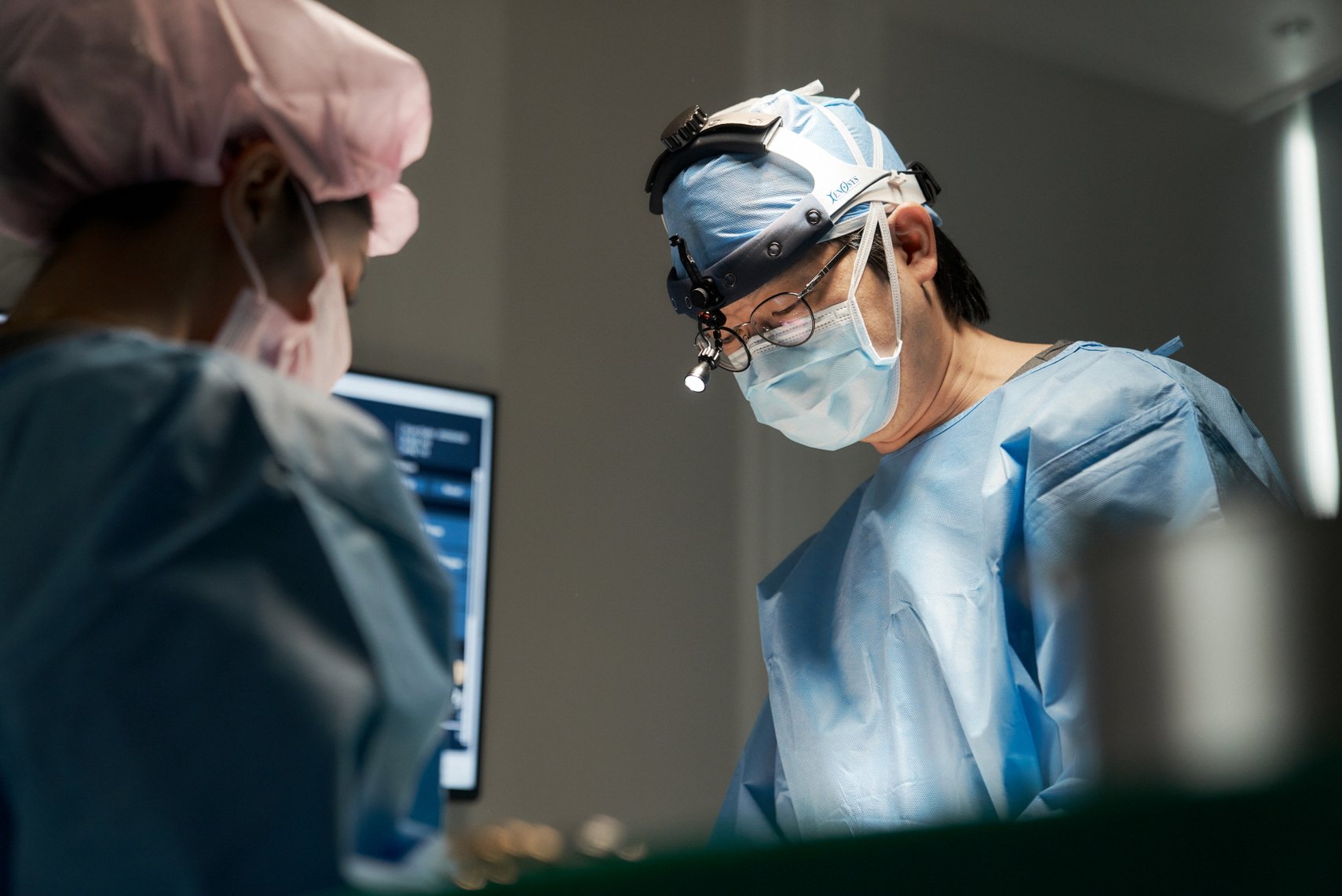
Direct answer: what to expect about double jaw surgery cost
When you search for double jaw surgery cost in Seoul, you will not find one fixed number that applies to everyone. Double jaw surgery is a major bone operation, and the fee is usually one of the highest among facial procedures. The final cost depends on how complex your jaw condition is, whether it is a first-time or revision surgery, which surgeon and clinic you choose, the anesthesia and safety system, and how much pre- and post-operative care is included.
Rather than choosing the lowest quote, compare what the price actually covers: the surgeon's experience in facial bone surgery, the thoroughness of preoperative planning, the anesthesia and monitoring provided, and the post‑operative support. This clinic in Sinsa, Gangnam, Seoul bases its pricing on specialization in jaw and facial contouring, a dedicated anesthesia system, and structured recovery care rather than on volume discounts.
Overview of double jaw surgery
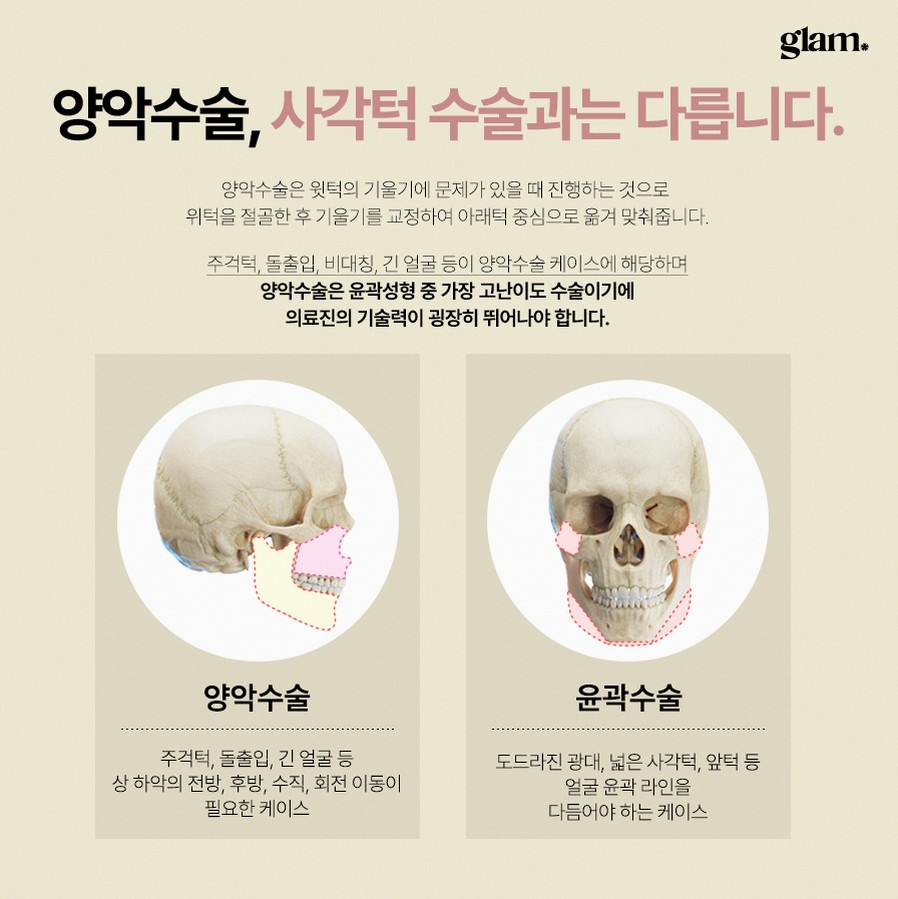
Double jaw surgery, also called orthognathic surgery, is an operation where both the upper and lower jaw bones are repositioned. The goal is to improve how your teeth meet, balance the face, and in some cases help breathing and airway space.
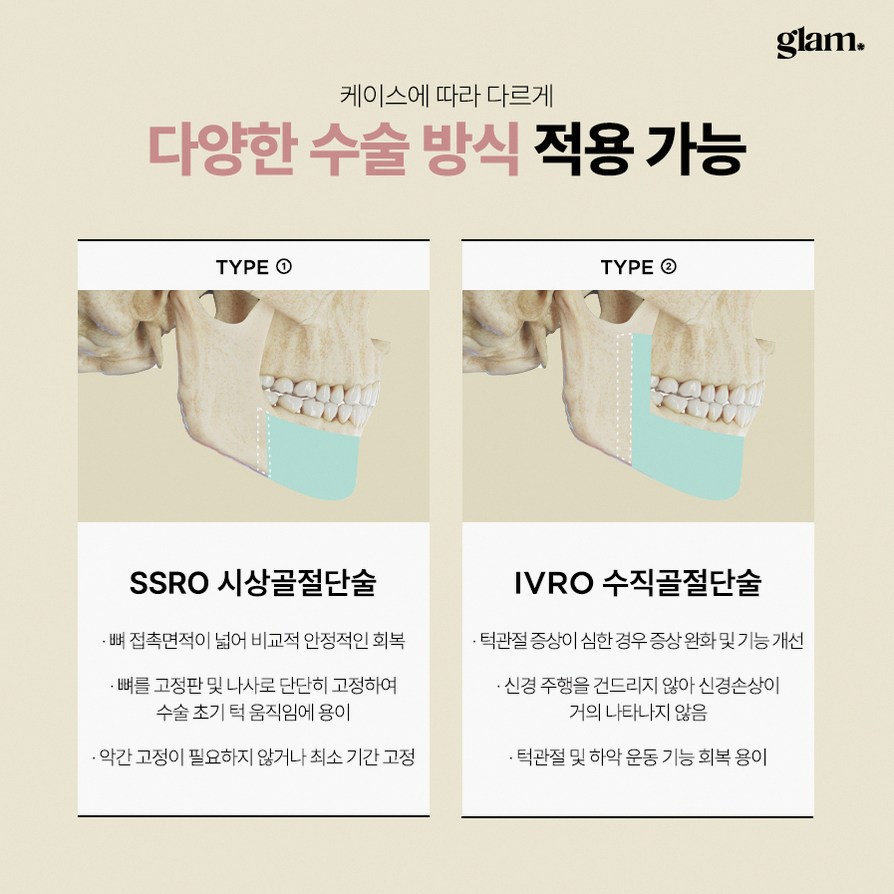
In simple terms, the surgeon cuts and moves the jaw bones into a more ideal position, then fixes them with plates and screws so they can heal in their new alignment. This changes the bite, the position of the chin, and the lower face shape. It can also influence the nose and midface area because the upper jaw sits just below the nose and eye region.
People choose double jaw surgery for different reasons. Some have functional problems such as an open bite, severe underbite or overbite, jaw asymmetry, or difficulty chewing. Others are mainly concerned with facial appearance, such as a protruding mouth, long face, recessed chin, or very slanted jaw line. In many cases, function and aesthetics are linked, so correcting the bite also improves the facial profile.
Primary double jaw surgery is done for the first time on a jaw that has not been operated on before. Revision double jaw surgery means re-operating on jaws that already had surgery but did not achieve the desired function or appearance, or developed problems such as relapse or asymmetry. Revision cases are usually more complex, require more detailed planning, and often cost more.
Who may consider double jaw surgery in Korea
International patients often look to Seoul for double jaw surgery when they have:
A severe underbite, overbite, or open bite that cannot be corrected with teeth alignment alone.
Visible jaw asymmetry where one side of the face looks longer or more prominent.
A protruding mouth or long lower face that affects facial harmony.
A recessed chin or weak jaw line combined with bite issues.
Breathing or snoring problems that may be related to jaw position.
Double jaw surgery is not a minor cosmetic tweak. It is a major operation that changes bone structure, so it is usually considered after careful evaluation and discussion with both jaw and teeth specialists. Age, general health, bone quality, and expectations all need to be reviewed.
Primary vs revision double jaw surgery and cost impact
Primary double jaw surgery
Primary surgery is planned on a jaw that has not been operated on before. The bone structure is untouched, and the surgeon can design the movements based on your natural anatomy and bite. Even in primary cases, the complexity can vary a lot. A mild deformity with relatively straightforward movements is usually less complex than a very long face, severe asymmetry, or combined breathing issues.
Revision double jaw surgery
Revision surgery is performed when a previous double jaw operation did not produce stable or satisfactory results. Reasons include residual asymmetry, bite problems, relapse of the jaw position, or dissatisfaction with facial proportions.
Revision cases often involve scar tissue, altered blood supply, previous plates and screws, and bone segments that have already been cut and moved. This makes the operation more technically demanding, with longer planning and operating time. For these reasons, revision double jaw surgery usually falls into a higher cost range compared with primary surgery.
Key factors that affect double jaw surgery cost
Surgical complexity
The main driver of cost is how complex your jaw condition is.
Degree of jaw deformity or asymmetry: Mild discrepancies generally require simpler bone movements, while severe asymmetry, long face, or major underbite often need more advanced techniques and longer operating time.
One or both jaws and combined procedures: Some patients need both upper and lower jaw surgery, while others may combine double jaw surgery with other facial bone work such as chin reshaping or cheekbone contouring. Each additional bone procedure adds time, resources, and cost.
Primary vs revision: As mentioned, revision double jaw surgery is usually more complex and therefore more expensive because of scar tissue, previous hardware, and the need to correct earlier changes.
Surgeon and clinic factors
The background of the surgeon and the focus of the clinic are important parts of the cost structure.
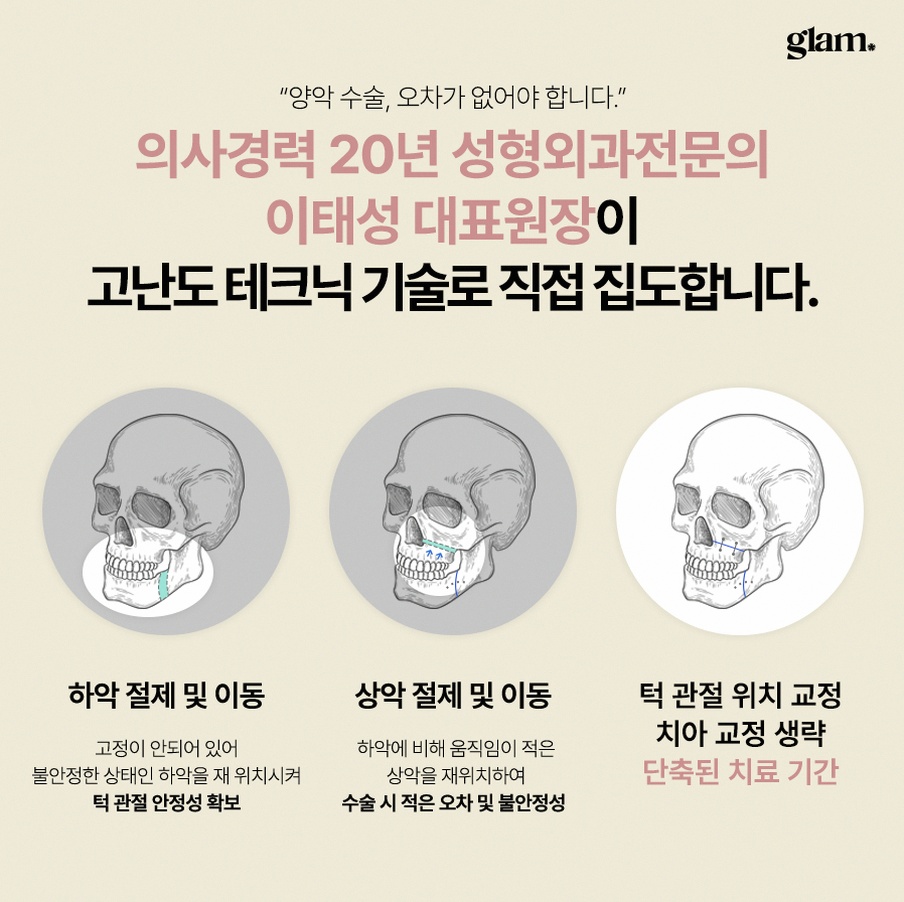
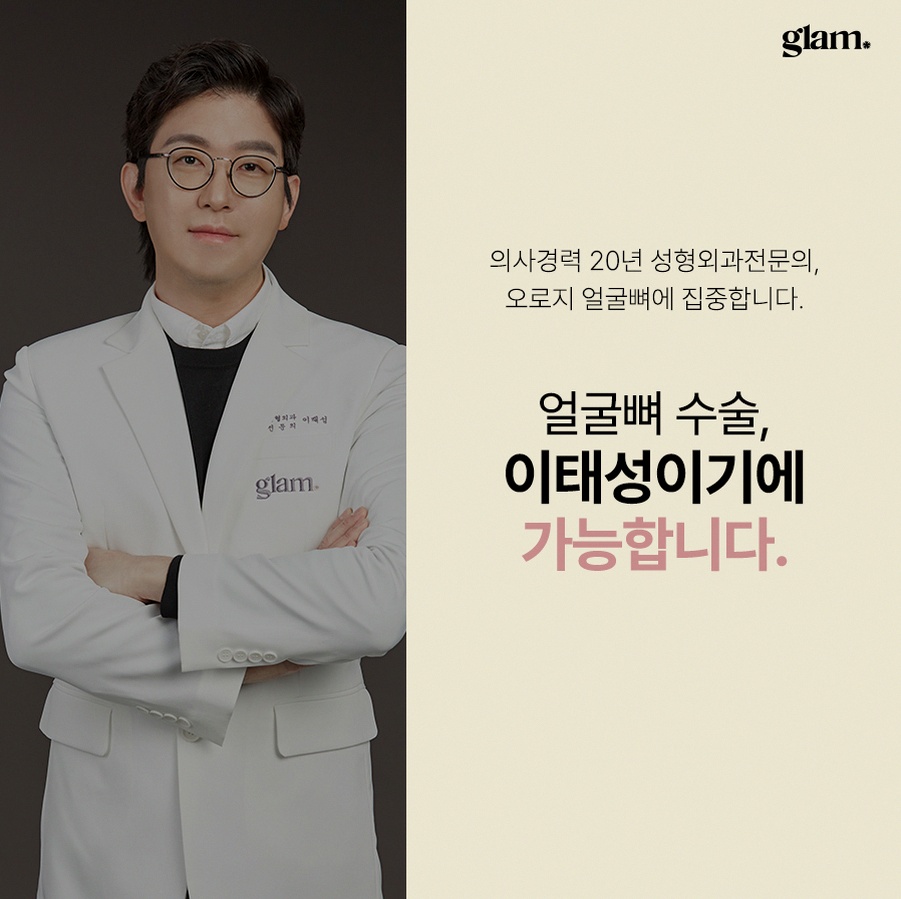
A plastic surgeon with long-term focus on facial bone surgery tends to invest more time and resources in jaw and facial contouring cases. This facial bone–specialized clinic in Gangnam limits its line-up to double jaw and facial contouring procedures, rather than offering a wide range of general cosmetic items. This narrow focus is reflected in how they allocate staff, equipment, and planning time.
According to the clinic’s own information as of February 2025, the representative surgeon has around 20 years of experience in facial bone surgery and has published multiple SCI-level papers, including several in the journal Plastic and Reconstructive Surgery. Such an academic and clinical background can influence pricing because it reflects a long-term investment in a very specific field.
Another point that affects value is whether the representative surgeon directly performs your operation instead of delegating key steps. A policy of recommending only the minimum necessary surgery, rather than adding extra procedures for appearance alone, can also influence the final fee by avoiding unnecessary costs.
Anesthesia and safety system
Double jaw surgery is performed under general anesthesia. The quality and safety of the anesthesia system are critical.
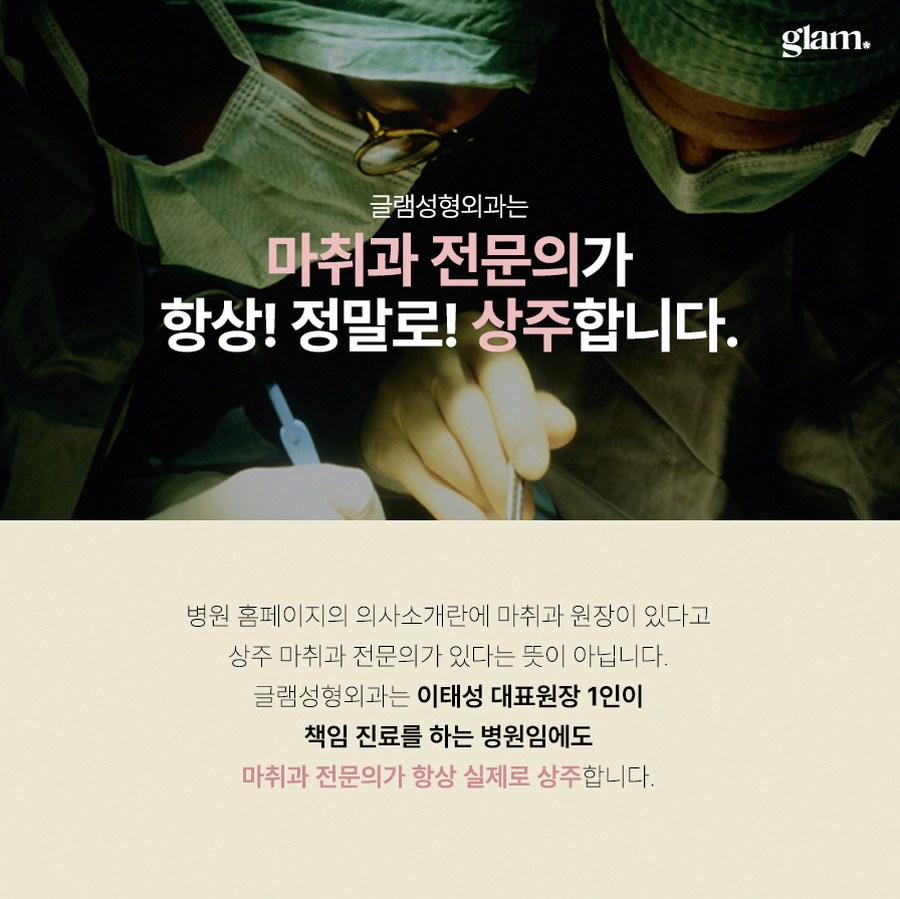
Clinics that employ a full‑time, board‑certified specialist in anesthesiology and pain medicine and maintain continuous monitoring during the entire operation have higher staffing and equipment costs, but they provide an important safety layer for long, complex surgeries.
The type of anesthesia, airway management, and intraoperative monitoring (such as blood pressure, oxygen saturation, heart rhythm, and sometimes more advanced parameters) all form part of the safety system. A dedicated anesthesiologist who focuses on anesthesia and pain medicine, rather than a rotating or part-time system, adds to cost but also to safety and comfort.
Pre-operative evaluation and planning
Thorough pre-operative evaluation is essential for double jaw surgery and is a significant part of the overall cost.
Typical planning may include:
3D imaging and CT scans to visualize bone structure.
Cephalometric analysis to measure jaw relationships and angles.
Bite analysis to understand how the upper and lower jaws meet.
Photographs and facial proportion analysis.
Surgical simulation to predict how bone movements will affect both function and appearance.
The more detailed and individualized the planning, the more time and resources are required from the medical team. However, this stage is crucial for safety, accuracy, and long-term stability.
Hospitalization and facility use
Double jaw surgery usually requires a fully equipped operating room and a recovery area where you can be monitored after anesthesia. Some patients may need an overnight stay for observation, especially if they are traveling from abroad or have more complex surgeries.
Operating room standards, sterilization systems, recovery rooms, and ward facilities all influence cost. Clinics that invest in modern equipment, emergency response systems, and comfortable recovery spaces have higher overheads, which are reflected in the surgical fee.
Postoperative care and recovery programs
Post-op care is another important component of double jaw surgery cost.
Follow-up visits to monitor healing, check your bite, and manage any early issues are usually included in the package. In addition, some facial bone–focused clinics provide structured swelling and recovery programs, such as:

LED therapy to support skin and soft tissue recovery.
Facial dome treatments to help with swelling and circulation.
Skin reset total care to manage skin condition after surgery.
Radiofrequency lifting devices aimed at reducing edema and improving tissue tone during recovery.
These programs require specialized devices, trained staff, and multiple sessions, which add to the overall cost but can improve comfort and the recovery experience.
Teeth alignment and related treatments
Double jaw surgery is closely related to how your teeth fit together.
In many cases, pre-treatment to align the teeth is needed before surgery so that the jaws can be moved into the correct position. After surgery, further adjustment is often required to fine-tune the bite.
Some clinics coordinate with separate practices for this part of the treatment. In such cases, the cost for these services is usually not included in the jaw surgery quote, and you need to plan for it separately.
In selected cases, depending on jaw and bite conditions, it may be possible to reduce or even omit pre-treatment before surgery. This must be decided individually after thorough evaluation. When pre-treatment can be minimized, it may shorten the overall treatment timeline and influence total cost, but it should never be done at the expense of long-term function.
How this facial bone–specialized clinic in Gangnam positions its pricing
GLAM Plastic Surgery is a plastic surgery clinic in Sinsa, Gangnam, Seoul that focuses only on facial bone procedures such as double jaw surgery and facial contouring, including cheekbone reduction, V-line, square jaw surgery, and revision contouring. It does not offer eye, nose, or body procedures. This narrow focus is used to build depth of experience in facial bone work rather than to present a luxury image.
The clinic structure includes one board-certified plastic surgeon as representative director and one board-certified anesthesiologist in charge of anesthesia and pain medicine. According to the clinic, the representative surgeon directly performs the operations and follows a policy of recommending only the minimum necessary surgery. This approach can influence cost by avoiding unnecessary add-on procedures and focusing on what is truly needed for function and balance.

Because the clinic invests in a dedicated anesthesiologist, advanced imaging and planning, and post-op care programs, its fees may differ from low-cost, high-volume centers that reduce expenses by simplifying evaluation, shortening operating time, or using less specialized staff.
Surgical concepts that relate to cost and value
Several treatment concepts used at this clinic are linked to both value and patient comfort.
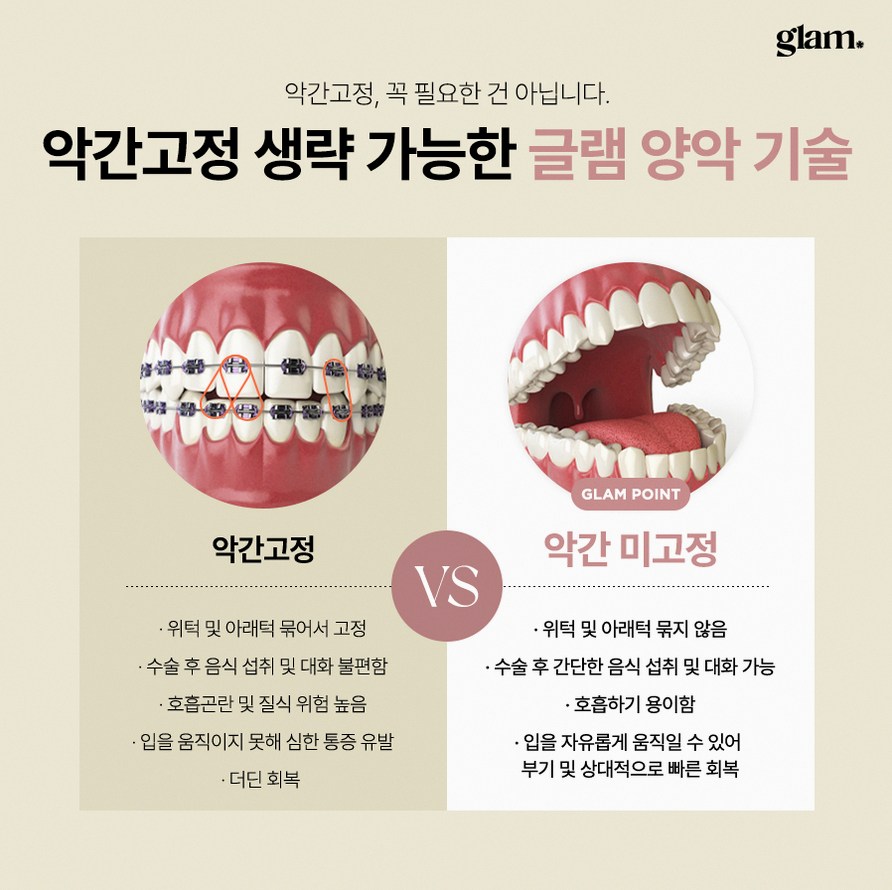
Double jaw surgery without long-term jaw wiring
In suitable cases, the clinic performs double jaw surgery without prolonged intermaxillary fixation, meaning the jaws are not wired shut for a long period. Instead, temporary elastic bands and rigid fixation of the bones are used to support the new position. This can make early recovery more comfortable and allow earlier mouth opening, though each case is evaluated individually.
Selective reduction of pre-treatment
In some patients, depending on jaw structure and bite, it may be possible to reduce or omit pre-treatment before surgery. This can simplify the overall treatment journey and may influence the total cost and time involved. However, this decision must be made carefully after detailed analysis to avoid compromising long-term stability.
Techniques to minimize nose widening
Because moving the upper jaw can affect the nose base, the clinic pays attention to suturing techniques around the nasal area to help reduce the risk of nose widening after surgery. This kind of detail in planning and technique is part of the value you are paying for, even though it may not show up as a separate line item in the quote.
Post-op swelling and recovery care
The clinic offers specific post-op programs such as LED therapy, facial dome treatments, skin reset total care, and radiofrequency lifting devices to manage swelling and support tissue recovery after facial bone surgery. These services require equipment and trained staff, and they are usually factored into the overall surgical package.
What to prepare before an online cost consultation
Before you request a quote, it helps to prepare some basic information and questions so that the consultation is more accurate and efficient.
You can prepare:
Front, 45-degree, and side-view photos of your face in good lighting.
Any previous imaging or reports if you have had jaw or facial surgery before.
Information about your main concerns: bite problems, facial asymmetry, profile, or breathing.
A list of any chronic illnesses, medications, allergies, or previous operations.
Your preferred travel window and how long you can stay in Korea.
During an online consultation, the clinic may ask for additional photos or imaging and may suggest a preliminary treatment direction. However, a final surgical plan and exact cost can only be confirmed after in-person examination, detailed imaging, and bite analysis.
Checklist: questions to ask about double jaw surgery cost
When you compare quotes between clinics in Seoul, it is useful to ask the same set of questions so you can compare fairly.
Key questions include:
Is the operating surgeon a board-certified plastic surgeon, and will this surgeon personally perform my double jaw surgery?
How many years of experience does the surgeon have specifically in double jaw and facial bone surgery, and what is their case volume like?
Is there a full-time board-certified anesthesiologist present throughout the operation, from induction to waking up?
What preoperative tests and imaging are included in the quoted price? Does it include 3D imaging, cephalometric analysis, and bite analysis?
Does the fee include hospitalization, recovery room use, and nursing care after surgery?
Are follow-up visits and post-op swelling care programs such as LED therapy or facial dome treatments included in the cost, or are they charged separately?
In my case, is pre-treatment required, and is it arranged through a separate practice? Is that cost included in the quote or not?
What is the plan to minimize complications such as nerve damage, relapse, or nose widening, and how are complications managed if they occur?
If a clinic cannot clearly answer these questions or avoids explaining what is included in the fee, it may be a sign to proceed with caution.
Managing expectations about price ranges
Double jaw surgery is a major operation that requires a specialized team, advanced imaging, general anesthesia, and careful follow-up. For this reason, it is usually one of the higher-cost procedures in facial surgery.
Very low prices can sometimes indicate:
Limited pre-operative evaluation and planning.
Shorter operating times with less detailed bone work.
Reduced or part-time anesthesia coverage.
Less structured follow-up and recovery care.
When comparing clinics, it is helpful to look beyond the headline number and consider:
Surgeon credentials, years of experience, and focus on facial bone surgery.
Whether the clinic specializes in facial bone work or offers it as one of many general cosmetic procedures.
Presence of a dedicated anesthesiologist and clear safety protocols.
Quality of pre-op imaging, planning, and simulation.
Post-op care systems and how long the clinic follows patients after surgery.
For international patients, it is also important to factor in travel, accommodation, and potential extra visits if a longer stay or a second check-up trip is recommended.
Typical visit timeline for overseas patients
The exact schedule depends on your condition and travel plans, but a common framework for international patients might look like this:
Pre-visit: Online consultation with photos and basic medical information. Preliminary assessment and rough cost range, with the understanding that it may change after in-person evaluation.
Day 1–2 in Seoul: In-person consultation, detailed imaging, bite analysis, and final surgical planning. Final confirmation of the operation plan and fee. Pre-operative blood tests and medical clearance.
Surgery day: Admission to the clinic, meeting with the surgeon and anesthesiologist, operation under general anesthesia, and recovery in the clinic. Some patients stay overnight for monitoring.
First week after surgery: Frequent follow-up visits to check swelling, pain control, and early healing. Instructions on diet, oral hygiene, and activity level. Initial post-op care sessions for swelling may begin.
Weeks 2–3: Continued follow-up and recovery treatments such as LED therapy, facial dome, or radiofrequency-based care as indicated. Many international patients stay in Korea for at least 2–3 weeks after double jaw surgery to ensure early recovery is stable before flying home.
After return home: Online follow-ups using photos and, if possible, local check-ups for general health. Further adjustments related to bite alignment are usually coordinated with a practice in your home country if needed.
Aftercare and recovery considerations
Recovery after double jaw surgery is gradual and varies from person to person.
Early phase (first 1–2 weeks): Swelling, bruising, and discomfort are common. A soft or liquid diet is usually recommended. Good hygiene and following instructions are essential to reduce infection risk.
Intermediate phase (weeks 3–6): Swelling slowly decreases, and facial contours become clearer. You may gradually return to light activities, but heavy exercise and impact should be avoided until approved by the surgeon.
Long-term phase (several months): Final bone healing and soft tissue adaptation continue. Numbness around the lips or chin may take time to improve and can vary between individuals.
Post-op care programs such as LED therapy, facial dome treatments, skin care, and radiofrequency lifting are aimed at supporting tissue recovery, reducing swelling, and improving comfort. However, exact recovery speed and final appearance always depend on individual anatomy, healing capacity, and adherence to instructions.
Frequently asked questions about double jaw surgery cost
What is usually included in a double jaw surgery quote in Seoul?
A typical quote from a facial bone–specialized clinic in Seoul usually includes the surgeon’s fee, anesthesia fee, operating room and facility use, basic hospitalization or recovery room stay, and standard follow-up visits. Many clinics also include essential imaging and pre-op tests in the package, but some advanced scans may be charged separately. Post-op swelling care programs may be included or offered as an optional add-on, so it is important to ask exactly what is covered.
Why is revision double jaw surgery more expensive than primary surgery?
Revision double jaw surgery is usually more complex because the bones have already been cut and moved, and there may be scar tissue and existing plates and screws. Correcting previous changes often requires more detailed planning, longer operating time, and more advanced techniques. For these reasons, revision cases tend to fall into a higher cost range compared with first-time surgery.
How can I tell if a double jaw surgery quote is too cheap to be safe?
If a quote is much lower than most clinics you have consulted, it is wise to ask what might be missing. Warning signs include limited or unclear information about the surgeon’s experience, lack of a full-time anesthesiologist, minimal pre-op imaging or planning, and vague explanations about follow-up care. Major bone surgery requires a strong safety system and experienced staff, which always carry some cost.
Do I need to stay in Korea for a long time after double jaw surgery?
Most overseas patients are advised to stay in Korea for at least 2–3 weeks after double jaw surgery so that the clinic can monitor early healing, manage swelling, and address any immediate issues. The exact stay depends on your condition, the complexity of surgery, and your general health. After returning home, online follow-ups are usually continued, and any additional bite-related adjustments are often coordinated locally.

Can I get an exact double jaw surgery cost online before visiting?
Online consultations can provide a rough cost range based on photos and your description, but an exact quote requires in-person examination, imaging, and bite analysis. Factors such as bone thickness, airway, joint condition, and detailed facial proportions cannot be fully judged from photos alone. For this reason, clinics usually confirm the final plan and fee only after a face-to-face assessment.
Location, hours, and language support
This facial bone–specialized clinic is located near Sinsa Station in Gangnam, Seoul, within walking distance from exit 1. The area is convenient for both local and international patients, with easy access to hotels, airports, and city transport.
The clinic operates during weekday daytime hours and shorter Saturday hours, with no lunch break, and is closed on Sundays and public holidays. For overseas patients, multilingual channels in Japanese, English, and Thai are available, along with social media and online consultation options. These services help you discuss costs, plan your travel schedule, and understand the treatment process before you arrive.
Soft call to action
If you are considering double jaw surgery in Seoul and want to understand how much it may cost in your specific case, you can start with an online consultation. By sharing photos, your main concerns, and your approximate travel plans, the team at GLAM Plastic Surgery can provide a personalized assessment, explain what is included in the fee, and outline a realistic treatment and recovery timeline tailored to you.




- 공유 링크 만들기
- X
- 이메일
- 기타 앱


댓글
댓글 쓰기