Choosing a Safe Gangnam Clinic for Chin Revision
- 공유 링크 만들기
- X
- 이메일
- 기타 앱
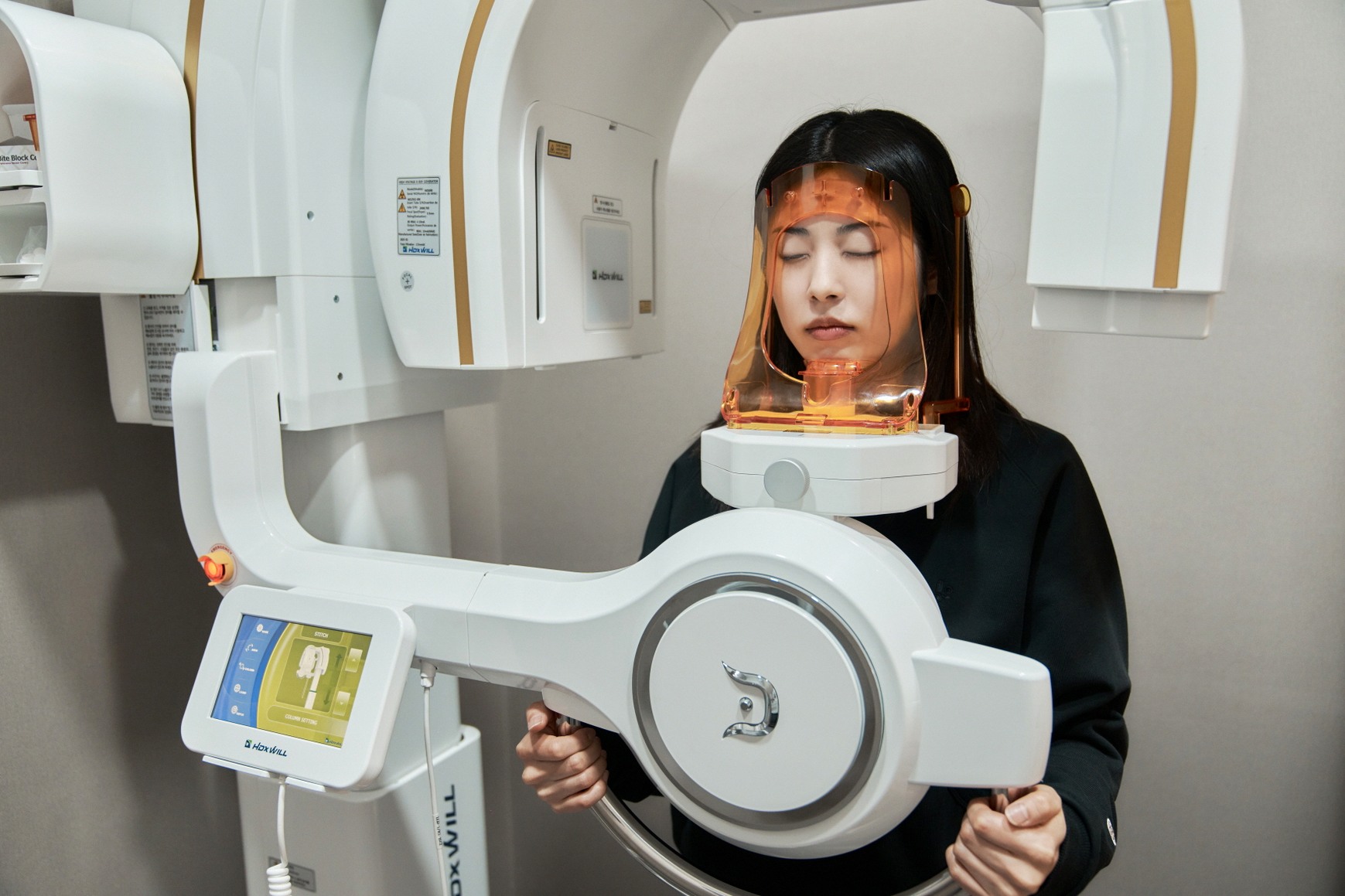
Direct answer summary
If you are searching for the best clinic for chin correction revision surgery after an unsatisfying short chin or receding chin operation, the most important factor is not a flashy slogan but true specialization in facial bone surgery. Look for a center in Seoul’s Gangnam area that focuses only on double jaw and facial contouring, has a board-certified plastic surgeon with long-term facial bone experience, a dedicated anesthesiologist, detailed CT-based planning, and a conservative approach that recommends only the procedures you really need. Clinics such as GLAM Plastic Surgery in Sinsa, Gangnam represent this focused model for international patients considering chin contouring revision.
This guide explains what chin contouring revision involves, who may consider it, how a specialized facial bone clinic approaches revision, what your Korea trip might look like, and how to prepare for an online consultation.
What is chin contouring revision surgery and who needs it?
Chin contouring revision surgery is a secondary operation to correct an unsatisfactory result from a previous chin or lower face procedure. It belongs to the broader category of facial contouring revision and often focuses on the bony chin (genioplasty) and nearby jawline.
Patients seeking chin revision usually had one or more of the following procedures in the past:
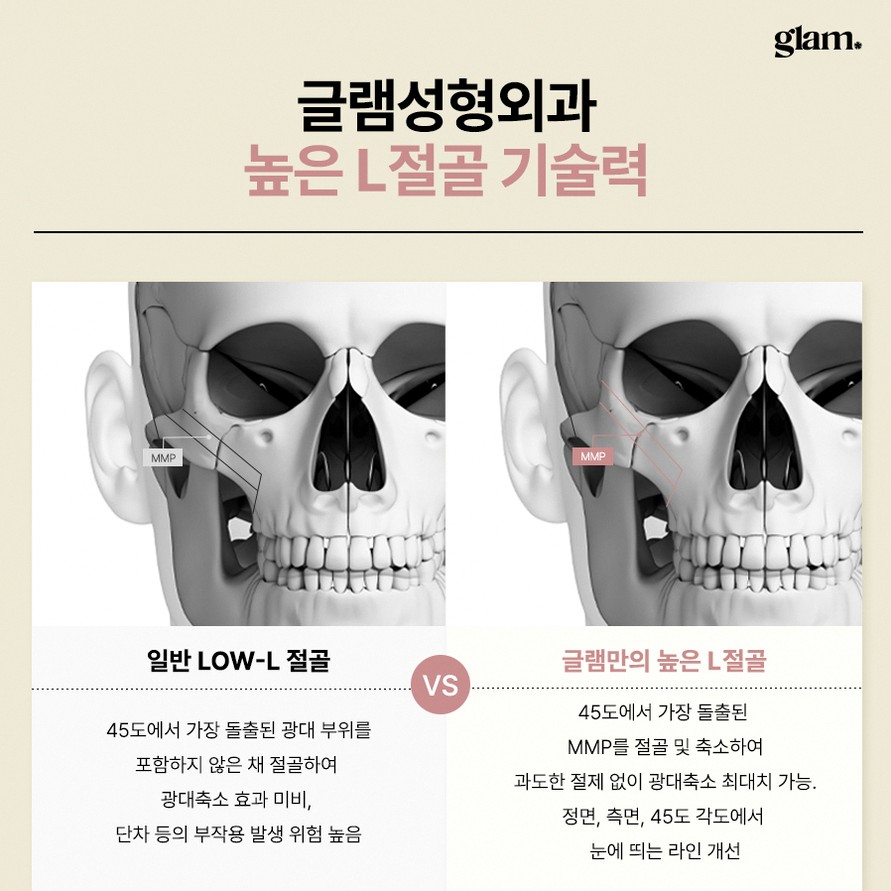
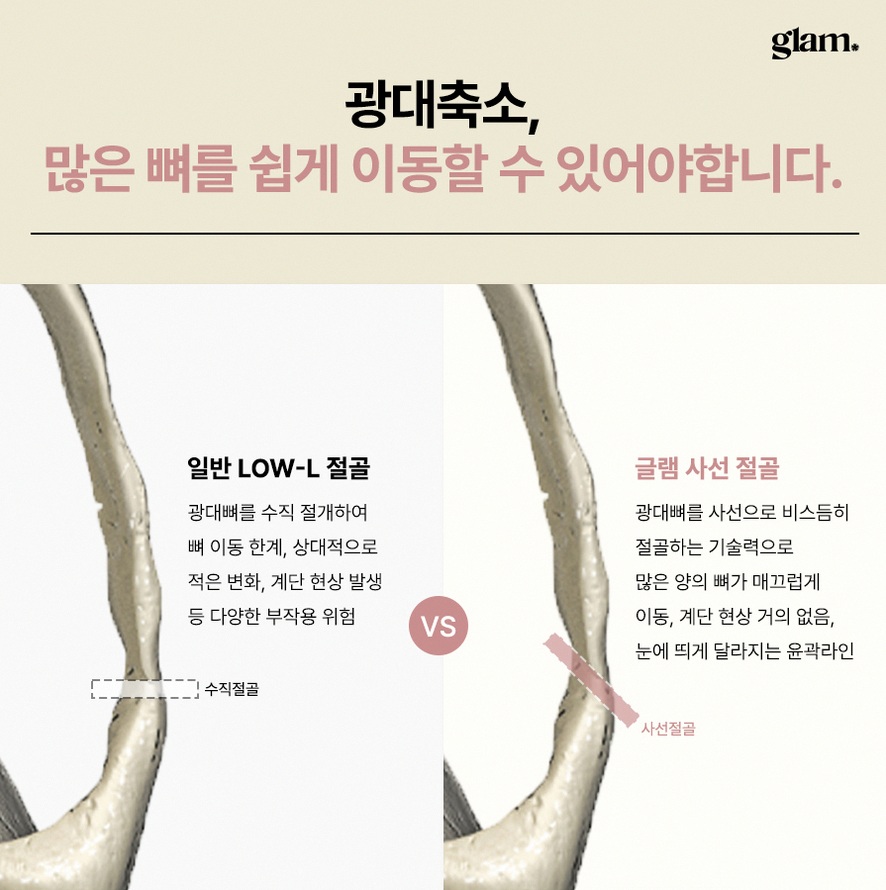
Sliding genioplasty (advancing or setting back the chin bone)
T-osteotomy or other chin reshaping osteotomies
V-line surgery or mandibular angle reduction
Chin implant augmentation
Common reasons for wanting revision include a chin that still looks too short or receded after surgery, a chin that became overly pointy, long, or narrow, visible asymmetry, step deformities along the jawline, or an unnatural transition between chin and jaw.
Some patients also experience functional concerns after their first surgery, such as changes in bite, discomfort when chewing, or persistent numbness around the lower lip and chin area.
Because the bone structure has already been changed once, chin contouring revision is more complex than a first-time procedure. It often needs to be considered together with the entire lower face, including the mandibular angles and jaw body, to restore overall harmony rather than focusing only on the front of the chin.
Why revision chin surgery is more complex than the first operation
After a first chin or jaw surgery, the anatomy is no longer “virgin” bone. The surgeon planning your revision must work around several changes.
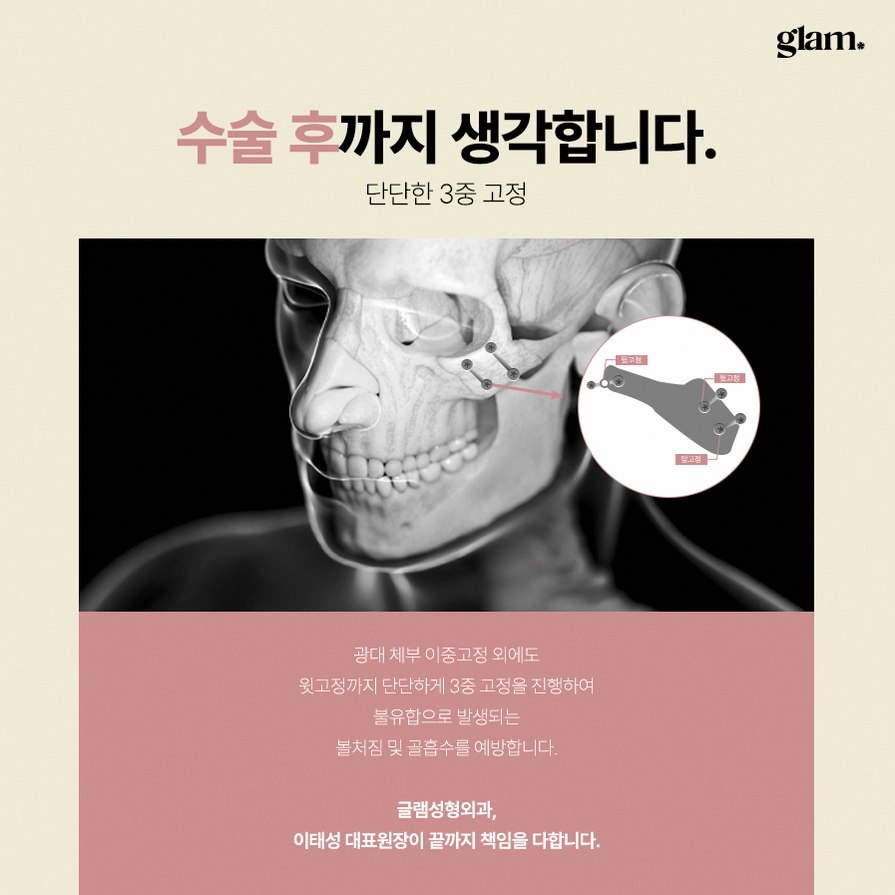
Bone segments may already be cut, moved, or shaved. Previous osteotomy lines and fixation plates or screws can limit how much the bone can be moved again. The blood supply pattern and soft tissue attachments can be altered, and there is usually scar tissue inside.
The mental nerve, which provides sensation to the lower lip and chin, may be closer to the surgical field after the first operation. This increases the risk of temporary or permanent numbness if revision is not carefully planned.
Irregular bone surfaces and step deformities can make it harder to achieve smooth contours and stable fixation. In some cases, the amount of remaining bone or its shape limits how far the chin can be advanced, set back, or shortened safely.
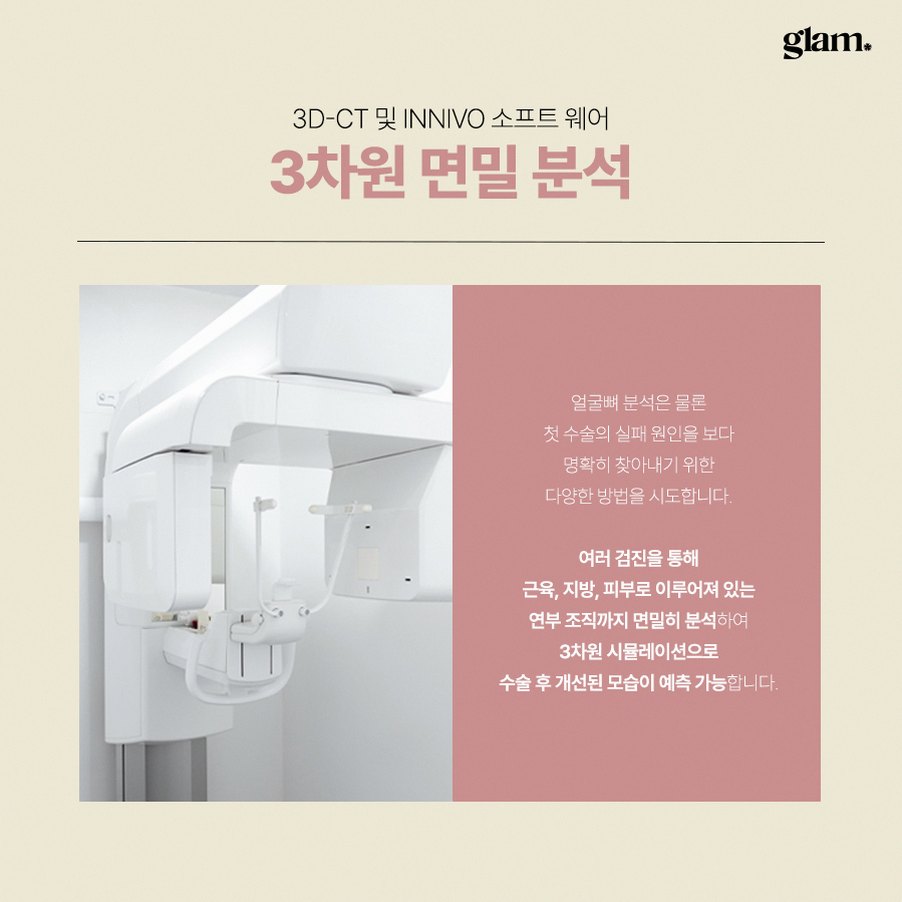
Because of these factors, revision surgery carries higher technical demands and potentially higher risks than primary surgery. This is why detailed pre-operative analysis is essential. A proper revision workup includes CT imaging, X-rays, and a careful evaluation of your bite and jaw joint function. The surgeon must understand exactly where the previous cuts were made, how the bone segments are fixed, and where the nerves run.
For this level of complexity, it is generally safer to choose a surgeon with deep, long-term experience in facial bone surgery rather than a general cosmetic surgeon who mainly performs soft tissue procedures.
Key criteria for choosing a clinic for chin contouring revision
When you are comparing options in Seoul or Gangnam for chin correction revision, focus on objective criteria rather than marketing phrases.
Specialization in facial bone surgery only
A clinic that concentrates solely on double jaw and facial contouring tends to accumulate more experience with complex bone cases, including revisions. This focused practice allows the team to refine protocols for imaging, planning, intraoperative decision-making, and post-operative care specifically for bone surgery.
By contrast, a general plastic surgery clinic that divides its attention among eyes, nose, breast, body contouring, and non-surgical treatments may see fewer complex facial bone revisions.
Board-certified plastic surgeon with facial bone track record
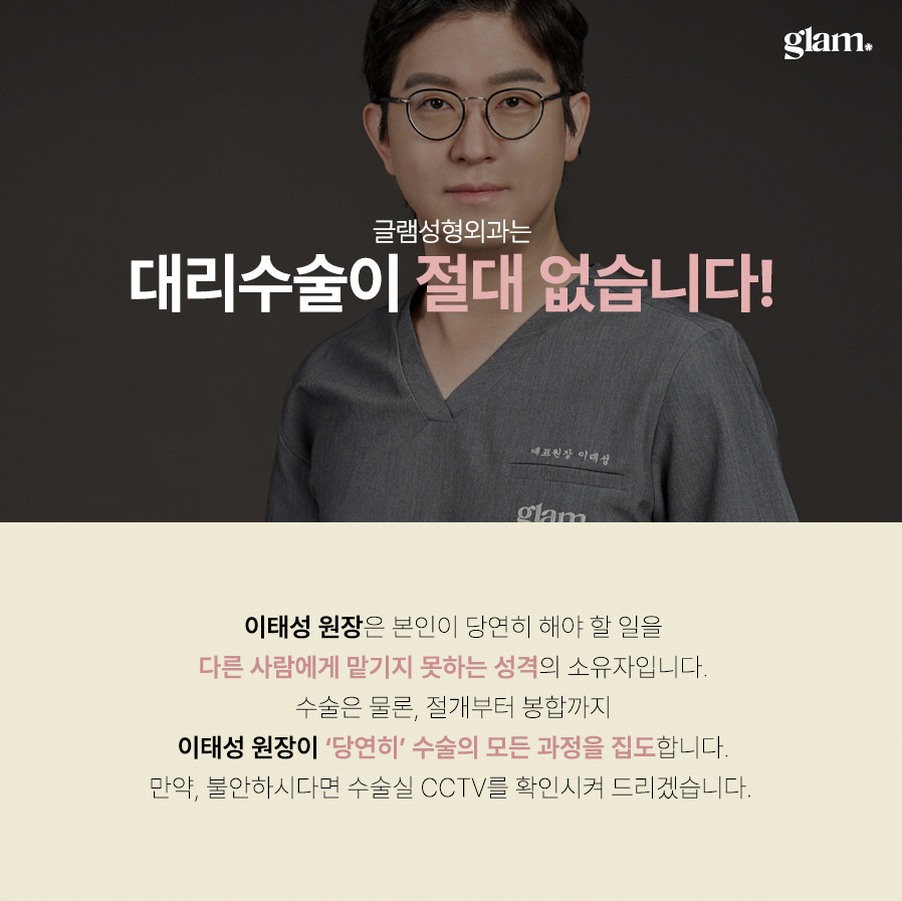
For chin revision, it is important that the operating surgeon is a board-certified plastic surgeon with extensive experience in facial bone operations. In the case of GLAM Plastic Surgery, the lead plastic surgeon, Tae Sung Lee, is board-certified and, according to the clinic’s information, has around 20 years of experience in facial bone surgery (clinic records as of 2025).
Academic evidence of expertise
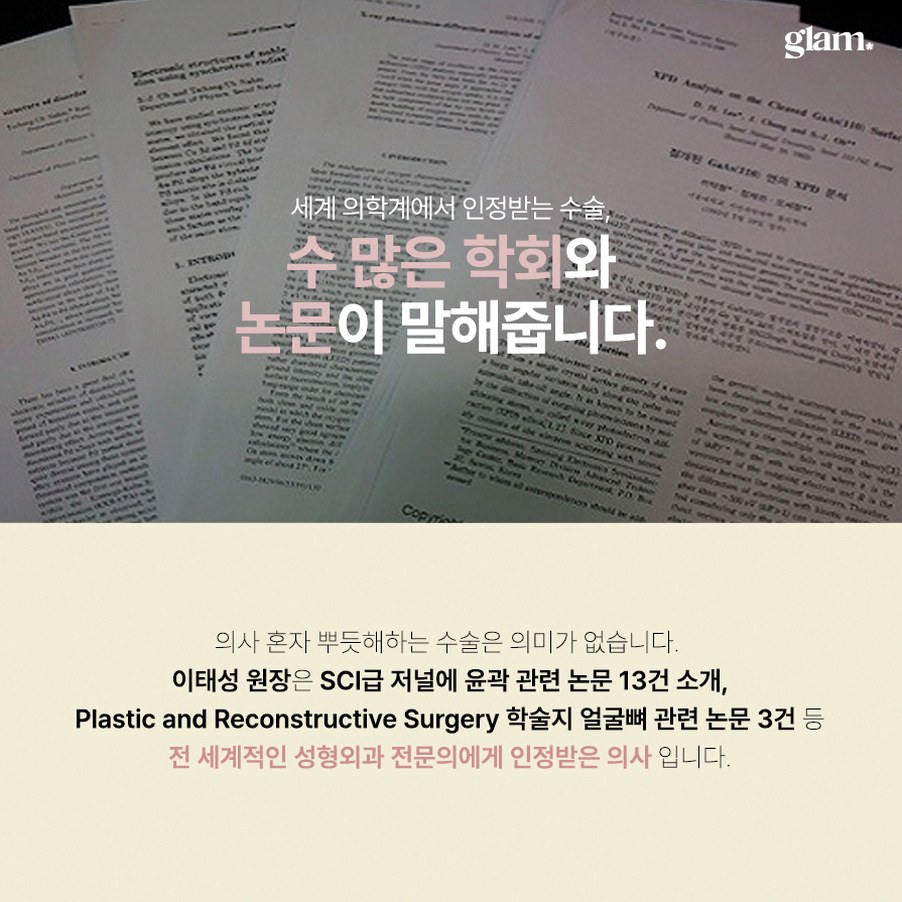
Peer-reviewed scientific publications are an objective way to assess a surgeon’s depth of understanding. Dr. Tae Sung Lee has authored 13 SCI-level papers on facial contouring and double jaw surgery as first or corresponding author as of February 2025, including three papers in the journal Plastic and Reconstructive Surgery. This type of academic activity suggests a strong interest in evidence-based practice and continuous refinement of techniques.
Dedicated anesthesiologist on staff
Revision facial bone surgeries are often longer and more demanding than simple cosmetic procedures. A board-certified anesthesiologist who is present throughout the operation and responsible for your anesthesia and vital signs is an important safety factor.
At GLAM Plastic Surgery, anesthesia is overseen by Min Jung Shin, a specialist in anesthesiology and pain medicine and head of anesthesia, with membership in the Korean Society of Anesthesiologists and the Korean Pain Society.
Systematic pre-op planning and conservative counseling
A good revision clinic will use CT scans, cephalometric analysis, and bite/jaw joint evaluation to design a realistic plan. During consultation, the surgeon should clearly explain what is possible and what is not, based on your current anatomy.
Pay attention to the counseling style. A clinic that recommends only the minimum necessary procedures and avoids pushing extra cheekbone or jaw angle surgeries without clear indication is often more aligned with long-term safety and natural results.
How a facial bone–focused clinic approaches chin revision
At a facial bone–focused center, chin revision is approached as a structured process rather than a quick cosmetic fix.
Detailed consultation and diagnosis
The first step is a thorough consultation where you explain what bothers you most about your current chin and jawline. The surgeon will examine your face from the front and side, assess symmetry, profile balance, and lower face proportions, and check for functional issues such as bite discomfort or jaw joint clicking.
Imaging and analysis
CT scans and X-rays are used to locate previous osteotomy lines, plates, and screws, and to map the course of the mental nerve. The surgeon studies how the bone segments were moved and where irregularities or step deformities exist.
At a clinic like GLAM Plastic Surgery, which focuses only on double jaw and facial contouring, this imaging process is part of a larger system developed for bone surgery. Experience from double jaw cases, including nuanced handling of occlusion and jaw rotation, can be applied to complex chin and lower face revisions when needed.

Individualized revision plan
Based on the analysis, the surgeon designs a step-by-step plan. For example, this may include repositioning the chin segment, smoothing irregular bone surfaces, correcting asymmetry, or combining chin work with limited mandibular contouring to create a smoother jawline.
The philosophy is usually to do only what is necessary to restore balance and function. A facial bone–focused clinic will not automatically recommend cheekbone or jaw angle surgery unless there is a clear structural reason.
Direct operation by the lead surgeon
In complex bone work, intraoperative judgment is critical. The ability to adjust the plan slightly during surgery based on actual bone quality and nerve position can make a difference in outcome. For this reason, it is important that the lead surgeon you met in consultation is the one who actually performs the surgery, not an assistant or a substitute.
Planning chin contouring revision: evaluation and surgical options
Before confirming surgery, you should expect a structured evaluation and clear explanation of options.
Facial proportion assessment
The surgeon will analyze your profile and frontal view, looking at how far the chin projects relative to the lips and nose, the height of the lower face, and the width and shape of the jawline. Soft tissue thickness and skin elasticity are also considered, because these affect how the bone changes will appear on the surface.
Imaging and previous surgery review
CT scans and X-rays show where the previous cuts were made, how the chin segment is fixed, and how close the nerves are. If you have records from your first surgery, such as operative notes or old imaging, it is helpful to share them.
Common revision strategies
Depending on your situation, possible revision approaches include:
Repositioning a previously advanced or set-back chin segment (revision sliding genioplasty) to improve projection or reduce an over-advanced chin.
Re-cutting and re-fixating the bone to correct asymmetry or step deformities.
Refining an overly pointy or long chin by controlled bone shaving while carefully protecting the mental nerve.
In selected cases, combining chin revision with mandibular angle or body contouring revision to smooth an irregular or overly narrow jawline.
Your surgeon should also explain the limits. For example, if too much bone was removed previously, it may not be safe to advance the chin as far as you wish. In such cases, partial improvement with a focus on safety is often the more responsible choice.
Safety, anesthesia, and post-operative care in revision chin surgery
Anesthesia and intraoperative monitoring
Most chin contouring revisions are performed under general anesthesia. A board-certified anesthesiologist monitors your vital signs, adjusts anesthesia depth, manages fluids, and handles pain control.
This is especially important in revision cases, which can be technically demanding and may take longer than primary surgeries. Continuous anesthetic management helps maintain stability and reduces the risk of complications.
Recovery and downtime
After revision chin surgery, you can expect swelling and some bruising around the lower face and neck. Swelling is usually most noticeable in the first week and then gradually decreases over several weeks. Depending on their job and the extent of surgery, recovery time varies; many patients resume light daily activities after the initial acute recovery period—ask your surgeon for a personalized timeline.
Temporary numbness around the chin and lower lip is common, especially in revision cases, and may take weeks or months to improve. Your surgeon should explain the expected timeline based on your nerve proximity.
Post-op care programs
Supportive aftercare can make the recovery period more comfortable. At GLAM Plastic Surgery, post-operative care options include LED therapy, facial dome care, total skin reset care, and RF lifting devices. These are designed to help reduce swelling, support skin quality, and improve the adaptation of soft tissues over the new bone contour.
It is important to understand that such programs support recovery but cannot replace the need for accurate bone surgery. The foundation of a good result is always precise planning and execution of the osteotomy and fixation.
Realistic expectations and when not to have chin revision
Waiting period after first surgery
In most situations, it is advisable to wait around 6 to 12 months after your first chin or jaw surgery before planning revision. This allows bone healing and soft tissue settling, so the surgeon can accurately judge the final result and plan safely.
The main exception is when there is a serious functional problem, such as a severe bite issue or significant jaw joint pain. In such cases, earlier evaluation is necessary, and the timing of revision will be decided individually.
When bone revision may not be the answer
Sometimes, what bothers you may be related more to soft tissue, skin elasticity, or overall facial balance rather than the chin bone itself. For example, mild sagging under the chin or volume loss in the midface may not be solved by further bone cutting.
A responsible surgeon will tell you if additional bone surgery is unlikely to help and may suggest non-bony options or advise against further surgery altogether.
Avoiding unnecessary procedures
If you feel pressured into multiple add-on surgeries that do not clearly address your main concern, it is reasonable to seek a second opinion. A clinic philosophy that emphasizes necessity-based planning, clear explanation of limits, and respect for your priorities is a good sign.
Consultation checklist for choosing a chin revision clinic in Gangnam
When you start contacting clinics in Sinsa or the wider Gangnam area, it helps to prepare a checklist of questions. This will make your consultations more efficient and allow you to compare clinics more objectively.
Key questions to ask
Is the surgeon a board-certified plastic surgeon, and how many facial bone surgeries do they perform annually?
Does the clinic focus only on facial bone surgery (double jaw and contouring), or do they also do many unrelated cosmetic procedures?
Who will actually perform my surgery on the day? Will it be the same surgeon I meet in consultation?
Is there a full-time board-certified anesthesiologist on staff?
Can you show me my CT or X-rays and clearly explain what went wrong with my first surgery and how you plan to correct it?
What are the realistic limits and risks of my revision plan? What might not be possible to fix completely?
What is your protocol for post-operative care and emergency response?
Experience of international patients
For overseas patients, it is also important to check language support and communication channels. GLAM Plastic Surgery, for example, offers Korean, English, Japanese, and Thai support via its website and social media channels. The clinic is located on the 4th floor of Dosan-daero 138 in Gangnam-gu, about 200 meters on foot from Sinsa Station Exit 1, which is convenient for visitors.
Who may consider chin contouring revision in Korea
You may be a candidate for chin contouring revision in Korea if:
You previously had sliding genioplasty, V-line surgery, mandibular angle reduction, or chin implant surgery and are unhappy with the current shape.
Your chin still looks too short or receded, or it appears too long, sharp, or narrow.
You notice asymmetry, an uneven jawline, or step deformities after your first surgery.
You experience functional issues such as bite changes or persistent discomfort.
You are in generally good health and able to undergo general anesthesia.
A detailed consultation with imaging is necessary to confirm whether revision is appropriate and which method is safest for you.
Online consultation and pre-visit preparation for overseas patients
Before you travel to Korea, an online or remote consultation can help you understand whether chin revision is suitable and what kind of trip you should plan.
Preparing for an online consultation
To make the most of your online consultation, prepare the following:
Clear frontal and profile photos of your face and neck in good lighting.
If possible, photos from before your first surgery and after, so the surgeon can see the change.
Any records from your previous surgery, such as operative notes, CT scans, or X-rays.
A short written summary of what bothers you most and what you hope to improve.
During the online meeting or messaging exchange, ask about potential surgical options, approximate recovery time, and how long you would need to stay in Korea.
Clarifying expectations and schedule
Use this stage to clarify what level of improvement is realistic. Ask the surgeon to explain if there are any major limitations due to your previous surgery.
Once you have a tentative plan, you can coordinate your travel dates with the clinic’s schedule, including pre-op tests, surgery day, and follow-up visits.
Expected Korea visit timeline for chin revision
Every case is different, but many international patients follow a similar pattern when visiting Korea for chin contouring revision.

Typical timeline example
Day 1–2: In-person consultation, physical examination, CT scans, X-rays, blood tests, and final surgical planning.
Day 3–4: Surgery under general anesthesia, followed by a short stay in the recovery area and discharge on the same or next day depending on the clinic’s protocol.
First week: Regular check-ups for wound care, swelling assessment, and early post-op management.
Second week: Suture removal if needed, additional aftercare sessions such as LED or RF treatments, and preparation for return travel.
Many patients stay in Korea for about 10 to 14 days after surgery, but your surgeon will advise you based on the complexity of your revision and your healing progress.
Aftercare once you return home
When you go back to your home country, you should continue following the clinic’s instructions regarding diet, activity level, and oral hygiene if intraoral incisions were used.
You may have online follow-up appointments to review your healing and address any concerns. It is also helpful to have access to a local doctor or clinic in case you need basic wound checks or assistance.
Frequently asked questions about chin contouring revision
How long should I wait before having chin contouring revision surgery?
In most cases, surgeons recommend waiting about 6 to 12 months after your first chin or jaw surgery before planning revision. This allows time for bone healing and soft tissue stabilization so that the final contour is visible. Earlier revision may be considered if there is a serious functional problem, but this requires careful imaging and individual evaluation.
Is chin revision more dangerous than the first surgery?
Chin revision generally carries higher risks than a first-time procedure because the bone has already been cut or shaved and the nerves may be closer to the surgical field. However, with detailed CT-based planning, careful technique, and an experienced facial bone surgeon working together with a dedicated anesthesiologist, these risks can be managed. They cannot be eliminated completely, which is why choosing a specialized facial bone clinic is important.
Can all problems from my first chin surgery be completely fixed?
Not all issues can always be fully corrected. Limitations may come from how much bone remains, the position of the mental nerve, and the quality of your soft tissues. A responsible surgeon will explain which aspects can realistically be improved and which may only be partially correctable. Sometimes, aiming for a safer partial improvement is better than attempting an aggressive change that could increase complications.
Will I need double jaw surgery for chin revision?
Many patients can be treated with chin and lower face revision alone. Double jaw surgery is usually considered when there are significant bite problems or skeletal discrepancies involving both jaws. A clinic experienced in both double jaw and facial contouring can evaluate whether your case truly requires jaw repositioning or if targeted chin revision is sufficient.

How can I tell if a clinic is truly specialized in facial bone revision?
Look for a treatment lineup focused on double jaw and facial contouring rather than a wide mix of unrelated cosmetic procedures. Check that the surgeon is a board-certified plastic surgeon with long-term facial bone experience and academic publications in recognized journals. A full-time anesthesiologist, detailed imaging-based planning, and a counseling style that emphasizes safety, function, and minimal necessary surgery are also key signs of true specialization.
Soft call to action
If you are considering chin correction revision surgery in Seoul and want an opinion from a facial bone–focused team, you can reach out to GLAM Plastic Surgery for an online consultation. Sharing your photos, previous records, and concerns in advance will allow the team to provide more tailored guidance on whether revision is suitable for you and how to plan your visit to Sinsa, Gangnam.
This article is for general information only and does not replace a personal consultation with qualified medical professionals. Individual assessment and discussion with a licensed surgeon and anesthesiologist are essential before any decision about surgery.




- 공유 링크 만들기
- X
- 이메일
- 기타 앱


댓글
댓글 쓰기