Choose a in Seoul: what to expect at facial bone centers
- 공유 링크 만들기
- X
- 이메일
- 기타 앱
Direct answer for patients searching for a double jaw surgery hospital
If you are looking for a double jaw surgery hospital in Korea, it is important to understand that this is not a simple cosmetic operation. Double jaw surgery is a major facial bone procedure that changes the position of both the upper and lower jaws to improve facial balance, bite function, and sometimes breathing. Because of this, many patients prefer a hospital that focuses specifically on facial bone surgery, with safe anesthesia systems and an ethical approach that avoids unnecessary procedures.
In the Sinsa–Gangnam area of Seoul, GLAM Plastic Surgery is an example of a clinic that concentrates on facial bone surgery such as double jaw surgery, revision double jaw surgery, and facial contouring, rather than offering every type of cosmetic procedure. Below is a practical guide to help overseas patients understand the treatment, choose a suitable hospital, plan a visit to Korea, and prepare for recovery.
What double jaw surgery is
Double jaw surgery overview
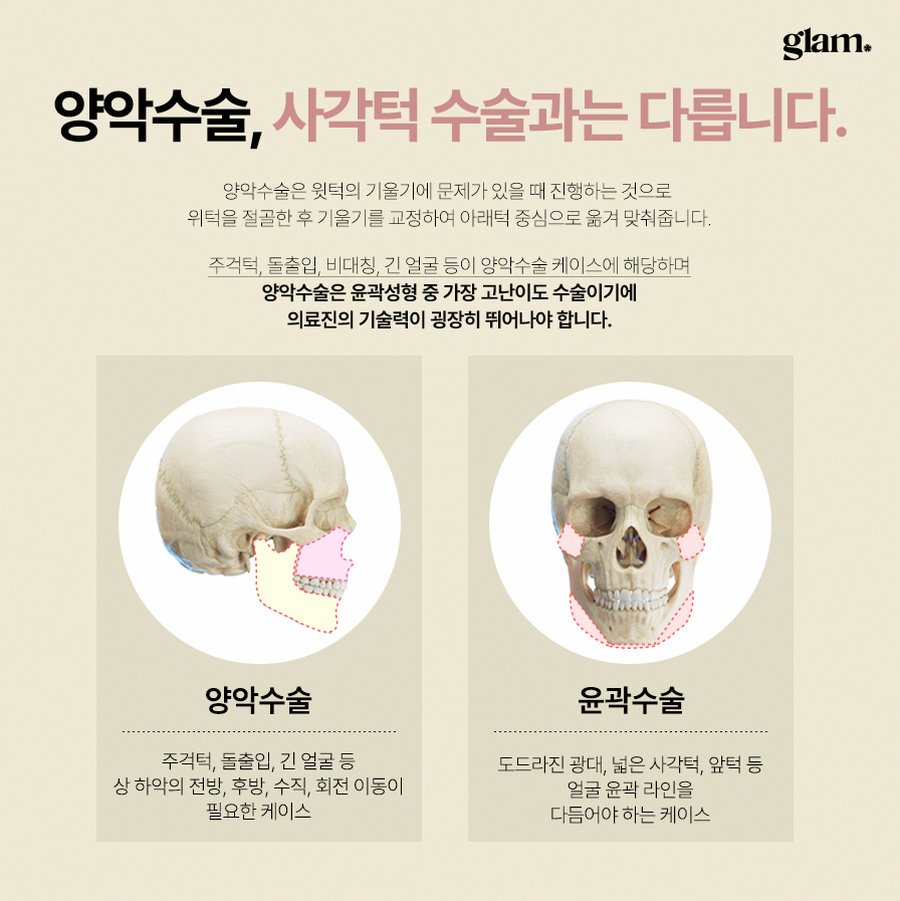
Double jaw surgery, also called orthognathic surgery, is an operation that repositions both the upper jaw (maxilla) and lower jaw (mandible). The goal is to create a more harmonious facial profile, correct bite problems, and in some cases improve airway space.
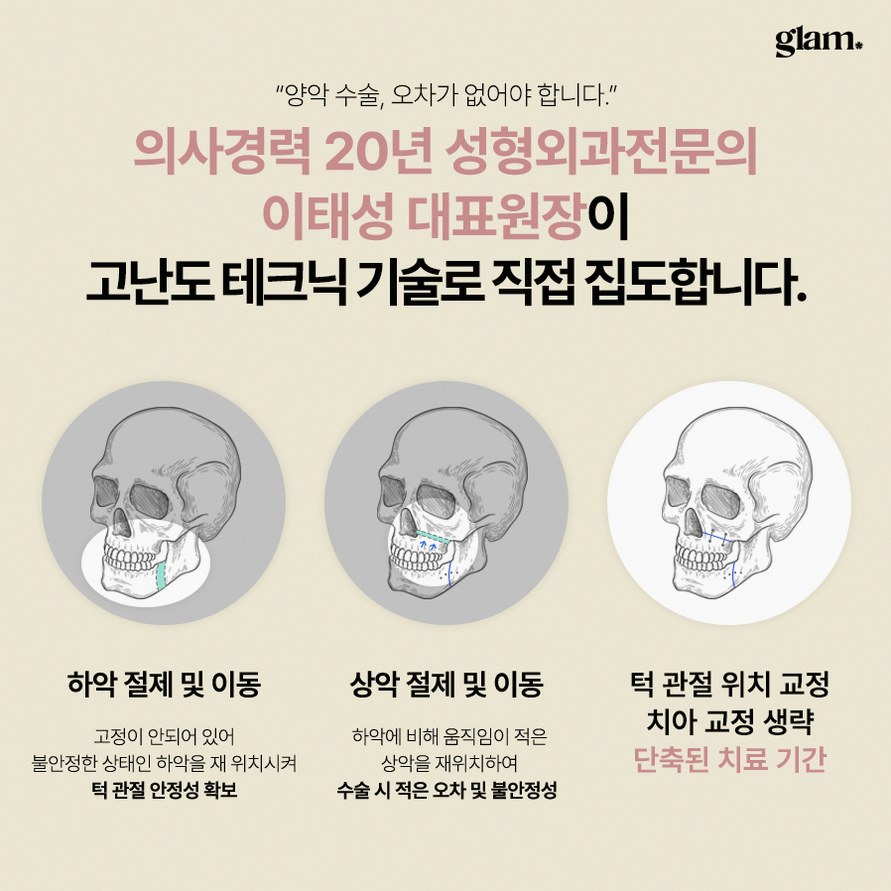
Unlike surface-level cosmetic procedures, double jaw surgery works directly on the facial bones. The surgeon makes cuts in the jaw bones, moves them into a new position based on pre-planned measurements, and fixes them in place with plates and screws. Because it changes the foundation of the face, it must be planned and executed with great precision.
When double jaw surgery is considered
Double jaw surgery is usually considered when jaw position problems are too severe to be managed with teeth alignment alone. Typical situations include:
Severe jaw misalignment that causes difficulty chewing or closing the mouth comfortably
Open bite or crossbite that does not respond well to teeth alignment alone
Facial asymmetry caused by uneven jaw growth
A long face or very protruding mouth related to jaw position
Functional issues such as chronic mouth breathing or airway concerns linked to jaw structure
In these cases, adjusting only the teeth is often not enough because the underlying bone structure is the main issue.
Revision double jaw surgery
Some patients search for a double jaw surgery hospital because they are dissatisfied after previous surgery done elsewhere. Reasons can include remaining asymmetry, bite problems, aesthetic concerns, or complications such as unfavorable bone healing.
Revision double jaw surgery is usually more complex than first-time surgery. Scar tissue, previous bone cuts, and existing plates and screws must all be considered. For this reason, patients often look for a hospital where the surgeon has long-term experience specifically in facial bone surgery and a strong academic background.
How to choose a double jaw surgery hospital
Why specialization in facial bone surgery matters
For a major bone operation, many patients feel more comfortable at a hospital that focuses mainly on facial bone surgery rather than a clinic that does a little of everything. A narrow lineup that centers on double jaw surgery and facial contouring can mean:
Deeper experience in bone surgery cases over many years
Refined protocols for planning, operating, and managing complications
Systems tailored to long operations and bone healing, rather than short cosmetic procedures
GLAM Plastic Surgery is one example of this approach. The clinic’s lineup is limited to double jaw surgery, revision double jaw surgery, facial contouring procedures such as cheekbone reduction, V-line, and square jaw surgery, plus revision contouring. They do not offer eye, nose, or breast procedures, which reinforces the focus on facial bone surgery.
Surgeon background and experience
When you compare double jaw surgery hospitals, it is important to look beyond the brand name and check who will actually operate on you. Points to consider include:
Whether the operating surgeon is a board-certified plastic surgeon or maxillofacial surgeon
How many years of experience they have with facial bone surgery, especially double jaw and contouring
Whether they have led or participated in dedicated facial bone centers
Whether they have academic publications in recognized journals, which can indicate ongoing study and systematic case review
At GLAM Plastic Surgery, the lead surgeon is a board-certified plastic surgeon with around 20 years of experience in facial bone surgery (as of February 2025), including double jaw and facial contouring. He has led a facial bone center at a large plastic surgery hospital in the past and has multiple SCI-level publications (13 papers as of February 2025, including three in the journal Plastic and Reconstructive Surgery). For overseas patients, this kind of academic record can be a helpful objective indicator when comparing hospitals from a distance.
Anesthesia safety and dedicated monitoring
Double jaw surgery is long and complex, so anesthesia safety is critical. When researching hospitals, check whether:
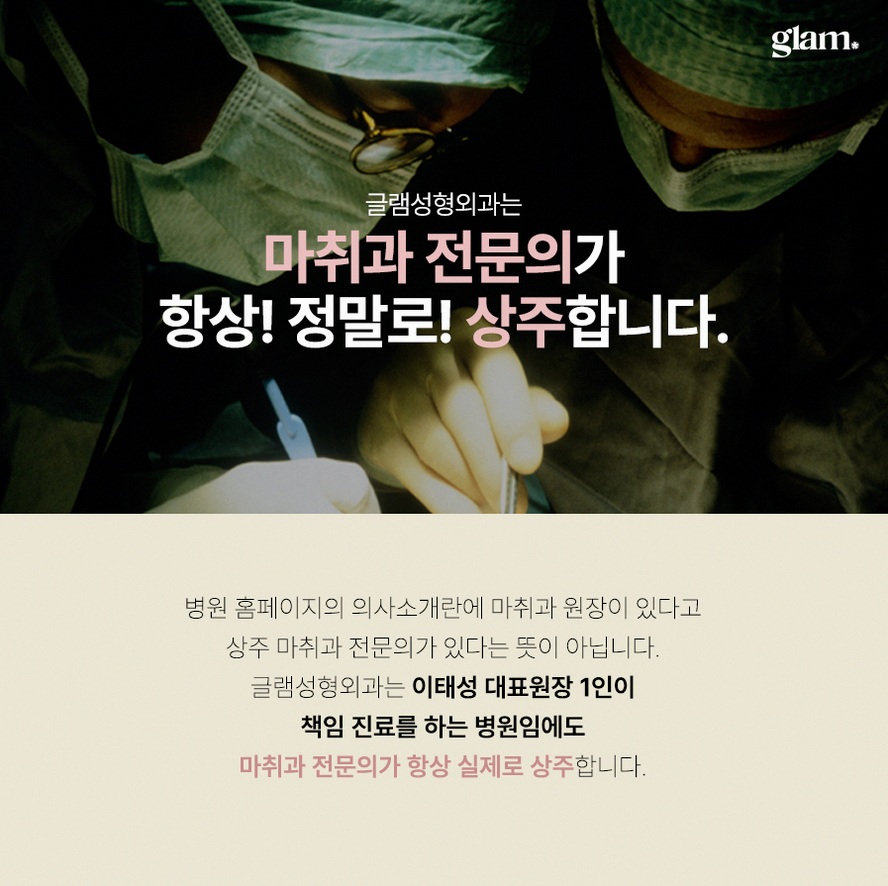
There is a full-time board-certified anesthesiologist
Anesthesiology and pain management are handled by a specialist, not only by the surgeon’s team
Continuous monitoring of breathing, blood pressure, heart rate, and blood loss is standard throughout surgery
For overseas patients, knowing exactly who is monitoring anesthesia during several hours of surgery can provide additional reassurance.
System and process from consultation to aftercare
A reliable double jaw surgery hospital should have a clear, structured process, not just a one-time operation. When you research or attend online consultation, ask about:
Imaging: whether they use X-rays, CT, or 3D scans for planning
Planning: how they decide the amount and direction of jaw movement
Simulation: whether they can show predicted changes in profile and bite
Postoperative care: scheduled follow-up visits and swelling management programs
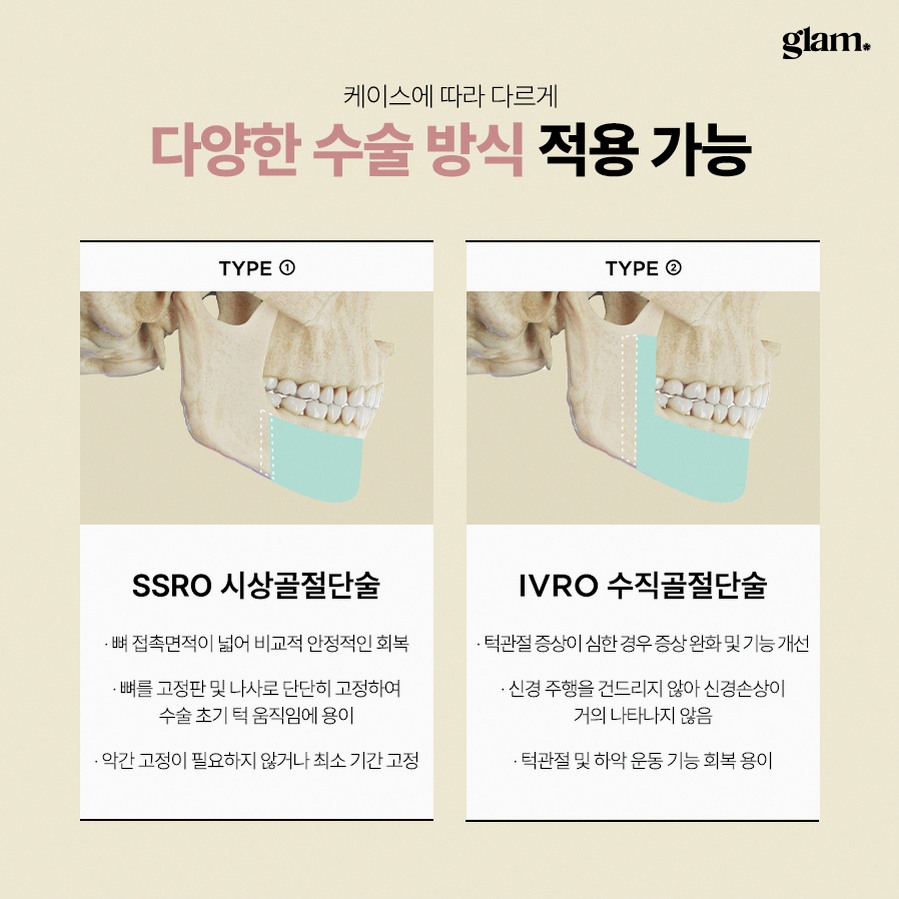
GLAM Plastic Surgery focuses only on facial bone surgery and has a defined treatment lineup: double jaw surgery and revision double jaw surgery under the GLAM Double Jaw concept, and facial contouring and revision contouring under the GLAM Facial Contouring concept. This kind of focused system can be helpful if you want a hospital that concentrates on bone-related issues from start to finish.
Ethical consultation and avoiding unnecessary procedures
Many double jaw candidates worry about being recommended extra procedures they do not really need. When you consult hospitals, pay attention to whether:
The surgeon explains clearly why double jaw surgery is or is not necessary
Alternative or less invasive options are discussed when appropriate
Additional procedures are suggested only when they are truly needed for function or balance, not just for upselling
At GLAM Plastic Surgery, For overseas patients, this can be particularly important, since it is harder to visit multiple times or correct over-treatment.
Technical points to ask during consultation
To evaluate a double jaw surgery hospital more objectively, you can prepare specific questions such as:
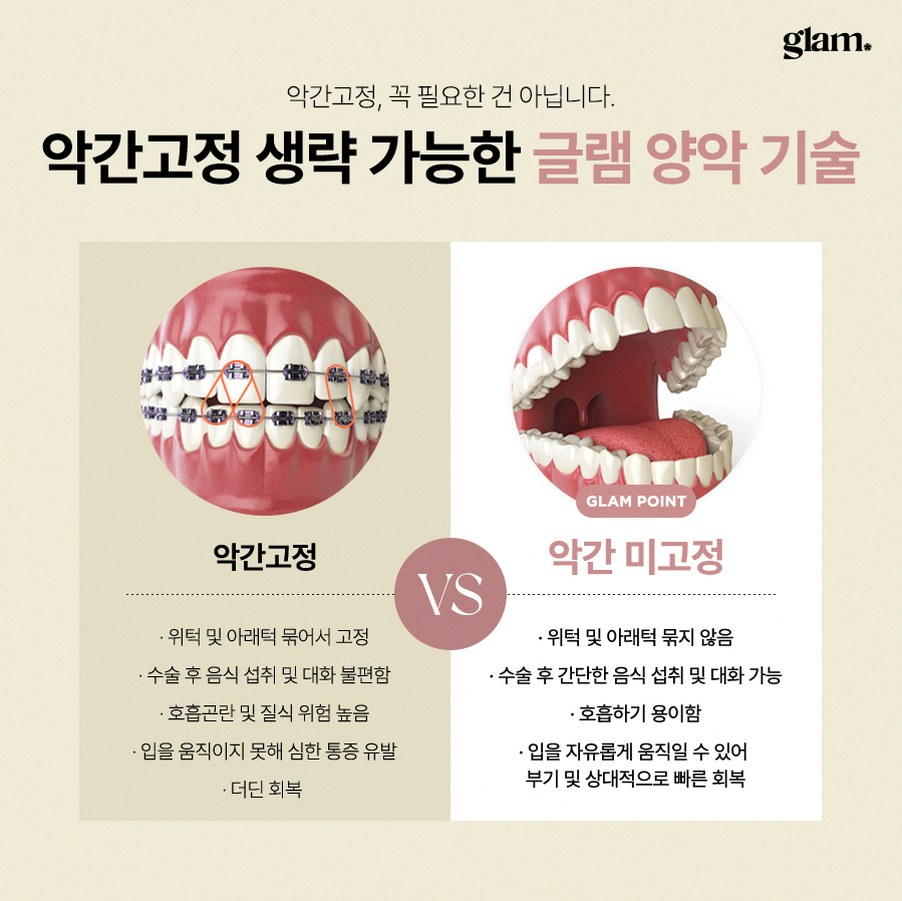
Do you perform double jaw surgery without long-term intermaxillary fixation? In other words, will my jaws be wired shut for a long period, or do you use techniques that allow earlier jaw movement?
In my case, can the pre- or post-treatment orthodontic phase be simplified or shortened, or is a full course required?
What methods do you use to prevent the nose from widening or flattening after surgery? For example, do you use specific suturing techniques to minimize nose spreading?
How do you manage airway safety during and after surgery?
What is your protocol for managing swelling, bruising, and pain in the first weeks?
Hospitals that can answer these questions in a detailed and consistent way are usually better prepared and more experienced with double jaw cases.
GLAM Plastic Surgery as a hospital example in Sinsa–Gangnam
Location and access
For overseas patients, location and access matter. GLAM Plastic Surgery is located on the 4th floor of a building on Dosan-daero in Gangnam, about 200 meters on foot from exit 1 of Sinsa Station in Seoul. This central position in the Sinsa–Gangnam area makes it relatively easy to reach from major hotels and airport transport lines.
Medical staff structure
The clinic operates with a compact but specialized team structure: one board-certified plastic surgeon focusing on facial bone surgery and one board-certified anesthesiologist in charge of anesthesia and pain medicine. Some patients prefer this type of structure because they know exactly who will be operating and who will be monitoring anesthesia, rather than a rotating team.
Treatment lineup focused on facial bone surgery
The main services at this clinic are:
Double jaw surgery and revision double jaw surgery under the GLAM Double Jaw concept
Facial contouring procedures such as cheekbone reduction, V-line surgery, square jaw surgery, and revision contouring under the GLAM Facial Contouring concept
There are no eye, nose, or breast procedures. For patients specifically looking for a double jaw surgery hospital, this narrow focus can be a sign that most of the clinic’s time and resources are spent on facial bone cases.
Postoperative care and swelling management
Recovery after double jaw surgery is not only about bone healing. Swelling, bruising, and skin condition also affect how quickly you can return to daily life. At GLAM Plastic Surgery, postoperative programs include options such as:
LED therapy to support skin recovery
Facial dome treatments for gentle compression and circulation
Total skin reset care to improve skin condition after surgery
Radiofrequency lifting to support tissue tightening and swelling management
These programs are designed to help patients manage the visible effects of major bone surgery more comfortably.
Support for international patients
For overseas patients, language and communication are important. This clinic provides multilingual website pages in Japanese, English, and Thai, and operates social media channels such as Instagram, YouTube, and a messaging channel. These can help foreign patients gather information, view educational content, and ask initial questions before deciding whether to travel.

Who may consider double jaw surgery
Typical indications
People who may be candidates for double jaw surgery often have one or more of the following:
Severe jaw misalignment that makes chewing or closing the mouth difficult
Open bite, crossbite, or other bite problems that cannot be corrected with teeth alignment alone
Facial asymmetry caused by uneven jaw position
A long face or protruding mouth related to jaw structure
Functional issues such as airway concerns or chronic mouth breathing linked to jaw position
However, each case is unique. Some people with mild asymmetry or bite issues may not need double jaw surgery and can be managed with less invasive options.
Final candidacy and cooperation with teeth alignment treatment
Final candidacy for double jaw surgery must be determined through professional consultation and imaging. In many cases, cooperation with teeth alignment treatment is necessary either before or after surgery.
A specialized facial bone center can coordinate with teeth alignment specialists and, depending on the case, may be able to simplify or shorten the teeth alignment phases. This depends on the severity and type of jaw and teeth problems, so it should be discussed individually.
Online consultation and pre-visit preparation for overseas patients
Preparing for an online consultation
If you live outside Korea, an online consultation is usually the first step. To make this more effective, prepare the following in advance:
Clear front, 45-degree, and side-view photos of your face, taken in good lighting
Photos of your bite from the front and both sides, showing how your teeth meet
Any previous medical records, imaging, or operation reports if you have had jaw or facial bone surgery before
A short summary of your main concerns: function (chewing, breathing, jaw pain), appearance (asymmetry, protrusion, long face), or both
During the online consultation, ask the surgeon or coordinator about the likely need for double jaw surgery, possible alternatives, expected visit length, and approximate recovery schedule.
Questions to compare different hospitals
Before you decide on a hospital, it can help to prepare a comparison checklist. For each hospital you consult, note down:
Surgeon’s name, specialty, and years of experience in facial bone surgery
Whether the surgeon will personally operate on you from start to finish
Presence of a full-time board-certified anesthesiologist
Main focus of the clinic: facial bone only, or many other cosmetic procedures as well
Imaging and planning methods used for double jaw surgery
Policies on intermaxillary fixation and early jaw movement
Postoperative care programs and follow-up schedule
Experience with revision double jaw surgery, if relevant to you
Comparing these points side by side can give you a clearer picture than focusing only on cost.
Expected Korea visit timeline for double jaw surgery
Typical visit schedule
Every hospital has its own schedule, but a common timeline for overseas double jaw surgery patients might look like this:
First 1–2 days: in-person consultation, detailed examination, imaging (X-rays, CT, or 3D scans), and final planning. Informed consent and preoperative tests are done during this period.
Surgery day: admission, final checks with the surgeon and anesthesiologist, then double jaw surgery under general anesthesia. You may stay in the clinic or a partner facility for close monitoring.
First week after surgery: intensive monitoring of swelling, pain control, wound care, and diet guidance. You may receive early postoperative care such as LED therapy or gentle facial treatments, depending on the clinic.
Second to third week: gradual reduction of swelling and bruising. Follow-up visits to adjust elastic bands, check bite, and monitor healing. Many overseas patients stay in Korea for at least 2–3 weeks after surgery.
Beyond three weeks: if healing is stable and there are no complications, you may be allowed to return home with clear instructions for diet, hygiene, and follow-up. Online check-ins may continue for several months.
Your exact stay may be longer or shorter depending on your condition, whether revision surgery is involved, and your home country’s distance.
Recovery, aftercare, and realistic expectations
Early recovery period
In the first few days after double jaw surgery, you can expect:
Significant facial swelling, especially around the cheeks and lips
Bruising that may move downward over time
Difficulty speaking clearly and eating solid food
A feeling of tightness or pressure around the jaws

Pain is usually manageable with medication, but discomfort and inconvenience are normal. Many patients follow a liquid or very soft diet at first.
Medium to long-term recovery
Over the following weeks and months:
Swelling gradually decreases, with the most noticeable changes in the first 4–6 weeks
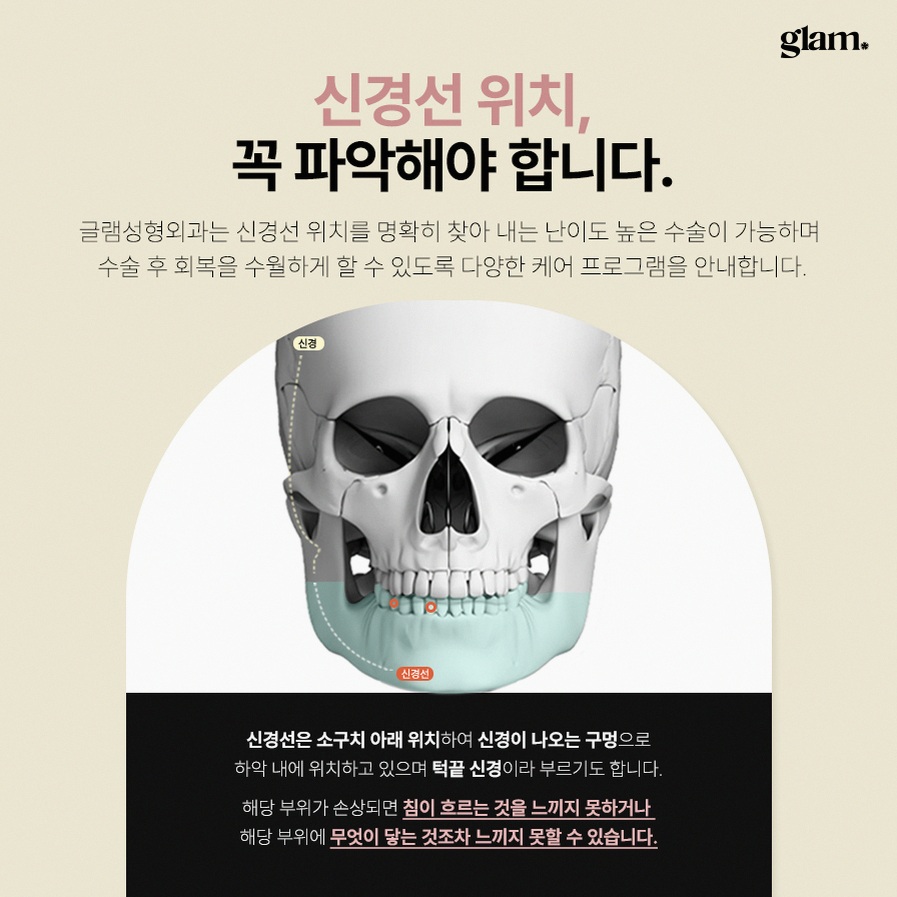
Numbness around the lips, chin, or cheeks can occur and usually improves over time, though it may take several months
Bite adjustments and elastic band use may continue for some time, depending on your case
Most patients can return to light daily activities within a few weeks, but full bone healing takes several months
Postoperative care programs such as LED therapy, skin care, and radiofrequency treatments can support healing, help manage swelling, and improve skin condition.
Revision considerations
If you are considering revision double jaw surgery, be prepared for:
More detailed imaging and analysis, including evaluation of previous bone cuts and plates
A longer discussion about risks and limitations, since revision cases can be less predictable
The need to bring all previous records, imaging, and operation reports to consultation
Because revision surgery is more complex, it is especially important to choose a hospital with extensive facial bone experience and an academic background in this field.
Safety, risks, and responsible decision-making
Understanding the risks
Double jaw surgery is a major operation, and even at experienced hospitals there are potential risks, such as:
Bleeding and infection
Nerve injury leading to temporary or, in some cases, lasting numbness
Unfavorable bone healing or relapse of jaw position
Bite problems that require further adjustment
Aesthetic dissatisfaction if the final result does not match expectations
Choosing a hospital with a focused facial bone practice, a board-certified surgeon, and a dedicated anesthesiologist can help reduce these risks but cannot remove them completely.
What to check for safety
Before deciding on a hospital, check whether they:
Provide clear explanations of the procedure, risks, and alternatives
Use informed consent documents you can understand, ideally in your language or clear English
Show realistic case examples without promising identical results
Explain how they handle complications and emergencies
Have the surgeon personally follow your case from consultation through follow-up
A responsible double jaw surgery hospital will not push surgery on borderline cases and will be willing to recommend non-surgical or less invasive options when appropriate.
Frequently asked questions about double jaw surgery hospitals
Is double jaw surgery only for appearance, or also for function?
Double jaw surgery can address both appearance and function. Many patients seek it because of facial balance issues such as a protruding mouth, long face, or asymmetry. However, the procedure is fundamentally a facial bone operation that also aims to improve bite function and, in some cases, airway space. A good hospital will evaluate both aspects and explain clearly whether your main issues are functional, aesthetic, or both.
How long should I stay in Korea for double jaw surgery?
Most overseas patients stay in Korea for at least 2–3 weeks after double jaw surgery. The first week is focused on immediate postoperative care, swelling control, and pain management. The second and possibly third week allow the surgeon to monitor healing, adjust elastic bands, and confirm that you are stable enough to fly home. Your exact stay may be longer if revision surgery is involved or if your case is particularly complex.
Can double jaw surgery be done without long-term jaw wiring?
Some centers perform double jaw surgery using techniques that avoid long-term intermaxillary fixation, meaning your jaws are not wired completely shut for an extended period. Instead, they may use plates, screws, and elastic bands that allow earlier jaw movement while still protecting the bone segments. During consultation, ask each hospital about their policy on intermaxillary fixation and what it would mean for your diet and speech in the first weeks.
What should I prepare before an online consultation with a double jaw surgery hospital?
Before an online consultation, prepare clear facial photos from the front, side, and 45-degree angles, as well as photos of your bite from different directions. Write a brief summary of your main concerns and any previous treatments or surgeries. If you have past imaging or operation reports, have them ready to share. It is also helpful to prepare a list of questions about surgeon experience, anesthesia safety, planning methods, recovery time, and whether your case truly requires double jaw surgery.
Positioning summary and next steps
A reliable double jaw surgery hospital is defined less by marketing slogans and more by its structure and focus. Key features to look for include:

Narrow specialization in facial bone surgery, rather than a wide range of unrelated cosmetic procedures
A board-certified and academically active lead surgeon with long-term experience in double jaw and facial contouring
A dedicated board-certified anesthesiologist for safe management of long operations
Structured planning, imaging, and postoperative care systems
An ethical consultation style that recommends only the necessary level of surgery
In the Sinsa–Gangnam area of Seoul, GLAM Plastic Surgery is an example of a facial bone–focused center that fits this profile. If you are considering double jaw surgery or revision double jaw surgery in Korea, you can start with an online consultation, compare several hospitals using the criteria above, and then choose the one that feels safest and most transparent for your situation.
This article is intended for general information only and does not replace a personal consultation with qualified medical professionals. Individual diagnosis, treatment plans, and outcomes can vary, so please discuss your specific condition and options directly with your chosen medical team.




- 공유 링크 만들기
- X
- 이메일
- 기타 앱


댓글
댓글 쓰기