Best Facial Contouring Revision Clinic in Sinsa: Checklist for Overseas Patients
- 공유 링크 만들기
- X
- 이메일
- 기타 앱
Direct answer summary
If you are searching for the best facial contouring revision clinic, the most important factor is not flashy marketing but deep, focused experience in facial bone surgery. A truly suitable clinic for revision will specialize in facial bone operations such as cheekbone, jaw angle, chin, and V-line revision, have a safety-centered system with a dedicated anesthesiologist, and plan only the minimum necessary changes after careful imaging and functional assessment. In Sinsa, Gangnam, there are clinics like GLAM Plastic Surgery that focus their practice on facial bone surgery and are prepared to receive overseas patients who need careful revision after a disappointing first operation.
What is facial contouring revision surgery
Facial contouring revision surgery is a second (or sometimes third) operation on the facial bones after a previous contouring procedure. It focuses on areas such as the cheekbone, jaw angle, chin, and V-line that have already been cut, shaved, or repositioned.
People usually seek revision when they still feel their jaw is too wide, when too much bone was removed and the face looks hollow or aged, or when there is noticeable asymmetry between the right and left sides. Other common reasons include step deformities where the bone surface is uneven, unnatural angles that make the face look harsh, sagging of the soft tissues after bone reduction, or functional problems such as bite changes, discomfort when chewing, or joint strain.
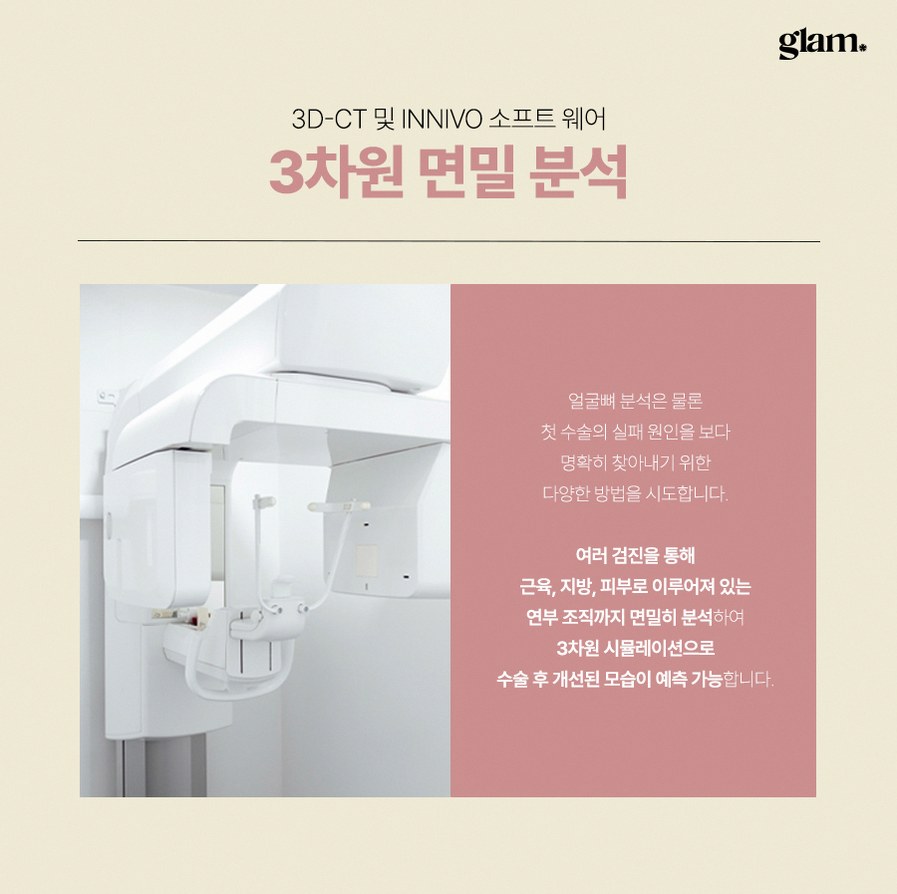
Because the bone and surrounding tissues have already been altered once, revision is significantly more complex than first-time facial contouring. There may be scar tissue, plates or screws, altered nerve paths, and less bone volume to work with. This is why revision should be handled by a team that sees facial bone cases every day and is comfortable working with changed anatomy.
Why facial contouring revision is more demanding than first-time surgery
In a first-time facial contouring surgery, the surgeon works with untouched bone and soft tissue. The anatomy is predictable, and there is usually enough bone volume to design the desired shape while maintaining stability.
In revision cases, several factors make the procedure more demanding. Scar tissue around the bone and soft tissue can make dissection more difficult and increase the risk of bleeding or nerve irritation. Previous bone cuts may have changed the original landmarks, so the surgeon must carefully analyze imaging to understand what was done before.
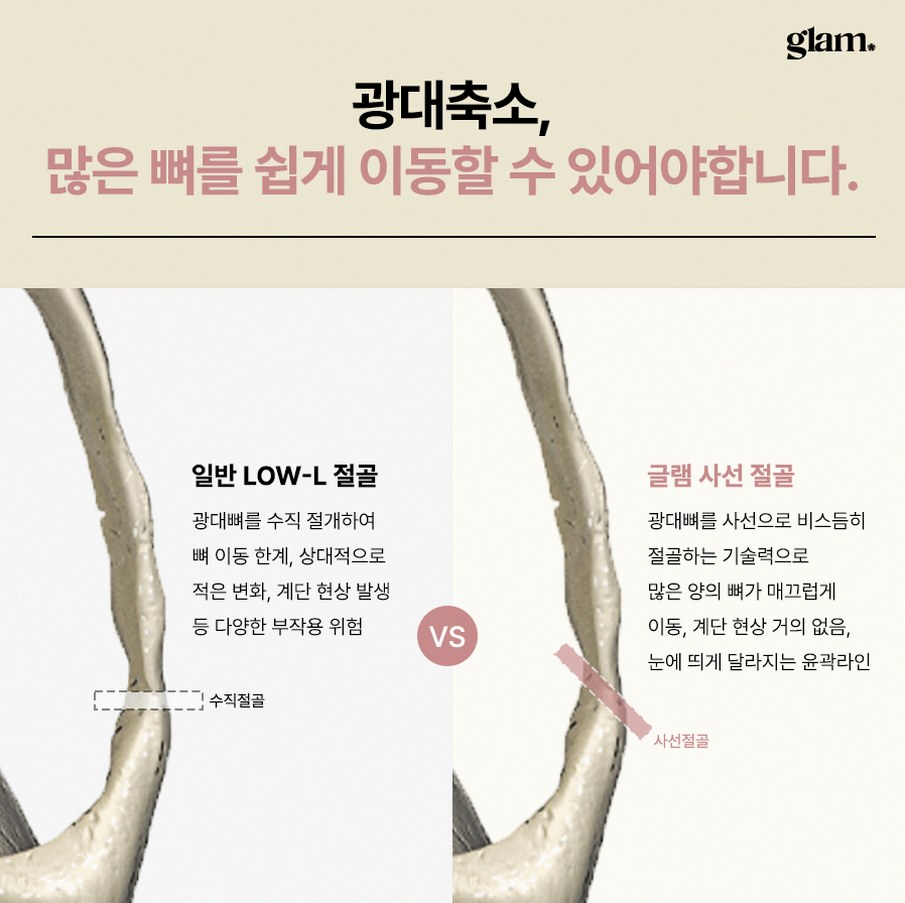
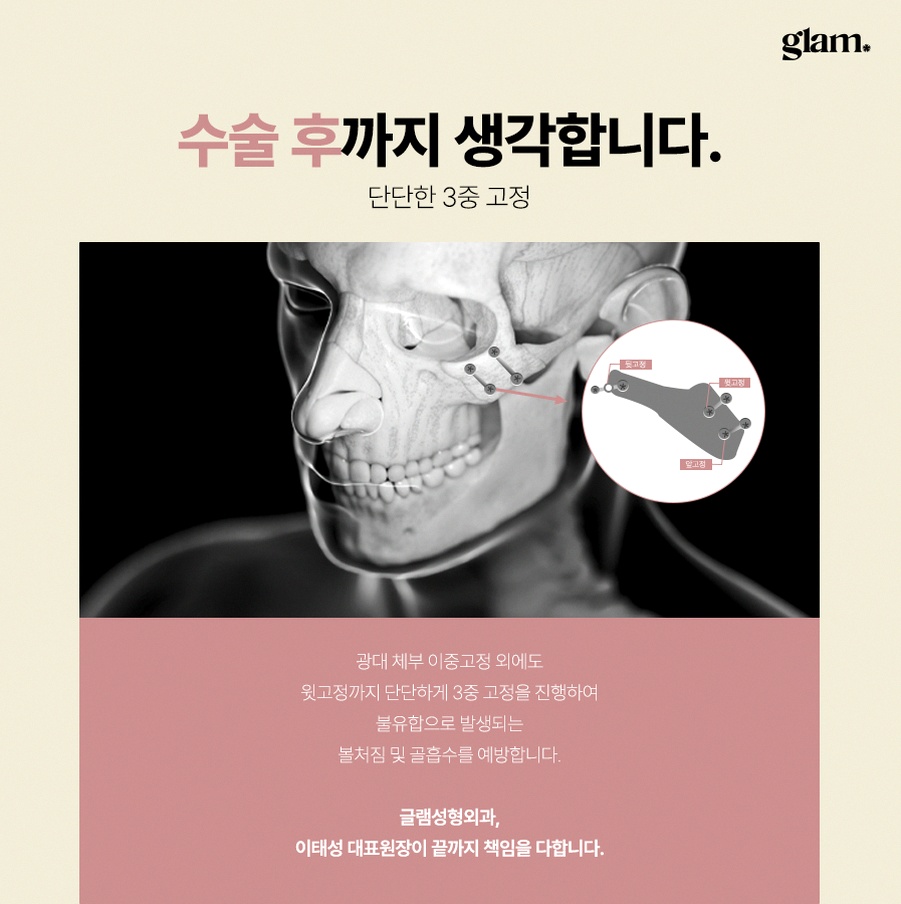
There may be fixation plates, screws, or gaps in the bone that need to be removed or managed. In some cases, the problem is not that too little bone was removed, but that too much was taken away, creating a hollow or aged look. In that situation, the goal is not further reduction but restoring balance, sometimes through repositioning or contour smoothing rather than aggressive cutting.
Nerve safety is also more challenging in revision. The sensory nerves that give feeling to the lower lip and chin, for example, may have been stretched or partially injured in the first operation. Working around them again requires careful planning and delicate technique.
How to choose the best facial contouring revision clinic
When you are considering revision, it is natural to search for the best facial contouring place. However, the criteria for a good revision clinic are different from what many people focus on for first-time cosmetic procedures. For revision, depth of experience in facial bone surgery is far more important than variety of services or glamorous marketing.
Subspecialty focus
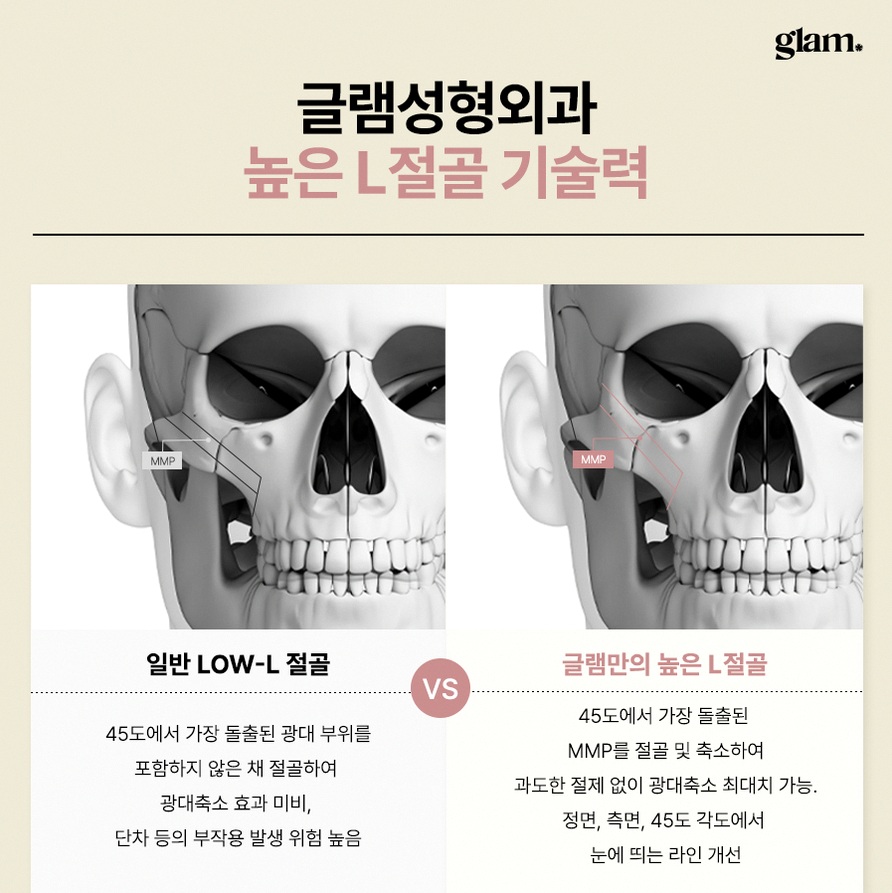
One of the first things to check is whether the clinic is dedicated to facial bone surgery, such as double jaw and facial contouring, rather than offering every type of cosmetic procedure. A facial bone–focused clinic spends its time on cheekbone, jaw angle, chin, and V-line cases, including complex revisions. This concentration allows the team to refine their protocols for imaging, planning, anesthesia, and aftercare specifically for bone surgery.
Surgeon training and experience
Look at the surgeon’s background in detail. Key points include board certification in plastic surgery, training at major university hospitals, and long-term experience specifically in facial bone operations. It is useful to ask how many years they have been performing facial contouring and double jaw surgery, and what portion of their current practice is focused on revision cases.
Academic track record
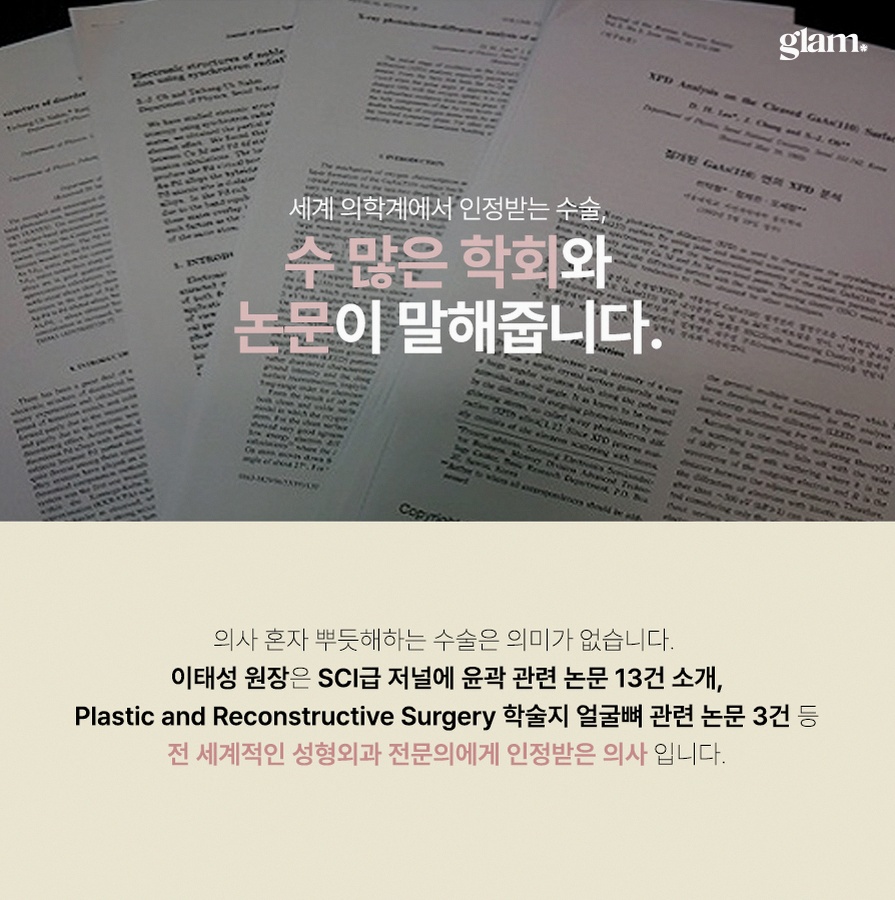
For revision in particular, an academic track record can be an objective sign that the surgeon’s techniques have been examined by peers. Publications in SCI-level journals in the fields of facial bone surgery, double jaw surgery, or contouring show that the surgeon is actively engaged in studying outcomes, complications, and refinements in technique. This does not guarantee a particular result, but it suggests a more systematic and evidence-based approach.
Systematic safety setup
Revision facial contouring is not a quick or simple procedure. It usually requires general anesthesia and can take several hours. For this reason, a full-time board-certified anesthesiologist is an important safety factor. The anesthesiologist should be responsible for pre-operative evaluation, intraoperative monitoring, and post-operative pain control.
Ask whether the clinic has a structured pre-operative assessment system, including blood tests, imaging, and evaluation of any medical conditions. During surgery, continuous monitoring of vital signs and airway management is essential. These systems may not be visible in advertisements, but they are crucial for safe revision surgery.
Conservative and honest planning
In revision, more is not always better. A clinic that promises dramatic changes with aggressive bone cutting may not be the safest choice for someone whose anatomy has already been altered. Instead, look for a surgeon who recommends the minimum necessary revision to improve asymmetry, harsh angles, or functional problems.
A careful surgeon will explain what can realistically be improved and what cannot be completely corrected due to existing bone loss or scar tissue. They will also discuss alternatives, such as limited contour smoothing, repositioning, or combining bone work with soft-tissue support rather than pushing for extreme V-lines.
Postoperative care system
Recovery after facial bone revision can involve significant swelling, bruising, and soft-tissue adjustment. A good revision clinic will have a structured post-operative care program tailored to bone surgery. This may include swelling control, gentle therapies to support lymphatic drainage, and treatments designed to help the skin and soft tissues adapt to the new bone structure.
These programs do not change the bone itself, but they can support healing, reduce downtime, and help the final result settle more smoothly.
A facial bone–focused clinic in Sinsa, Gangnam
In Sinsa, Gangnam, about 200 meters on foot from Sinsa Station Exit 1, there is a group of clinics that focus strongly on facial bone surgery. Among them, GLAM Plastic Surgery is an example of a single-lineup clinic dedicated to facial bone procedures such as double jaw surgery and facial contouring, including revision.
This type of clinic does not run separate lines for eyes, nose, or breast procedures. Instead, the team concentrates its experience on cheekbone, jaw angle, chin, and V-line operations. For a revision patient, this focus means that the staff, systems, and equipment are all oriented toward bone surgery cases rather than a mix of unrelated treatments.
Surgeon and anesthesiologist working together
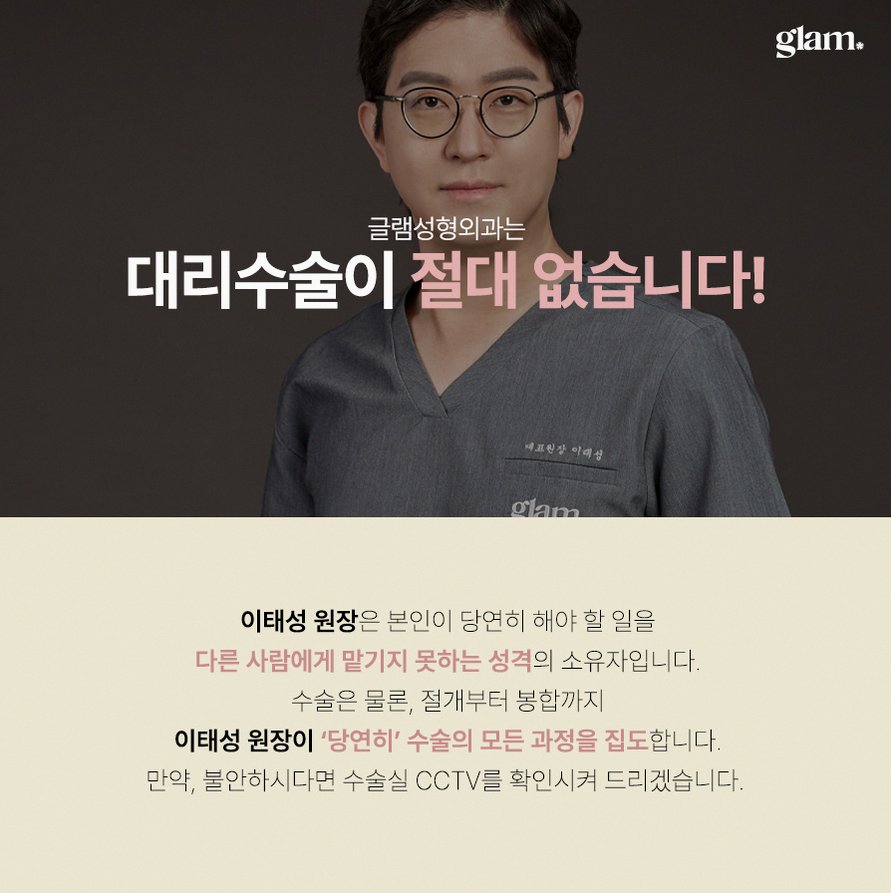
At GLAM Plastic Surgery, facial bone surgery is led by Dr. Tae Sung Lee, a board-certified plastic surgeon and representative director. According to the clinic’s information, he graduated from Seoul National University College of Medicine, completed training at Seoul National University Hospital, and became a plastic surgery specialist at Samsung Medical Center. He previously served as head of a facial bone center at a large plastic surgery hospital and has around 20 years of experience in facial bone surgery (as of February 2025).
The clinic also notes that Dr. Lee has authored 13 SCI-level papers on contouring and double jaw surgery as first or corresponding author as of February 2025, with three of them published in the journal Plastic and Reconstructive Surgery. This academic work is presented as an objective indicator that his techniques have been shared and reviewed in the scientific community.
Anesthesia and pain management are overseen by Dr. Min Jung Shin, a specialist in anesthesiology and pain medicine, who trained in anesthesiology at a major Catholic medical center and is a member of national anesthesiology and pain societies. For long and complex revision bone surgeries, having a full-time anesthesiologist present is important for maintaining stable anesthesia, managing blood pressure and airway, and adjusting pain control throughout the procedure.

The clinic’s stated philosophy is that the representative director performs the surgery directly and suggests only the minimum necessary revision after detailed analysis. This approach is aimed at preserving function and long-term stability rather than pursuing aggressive changes.
Who may consider facial contouring revision
You may consider facial contouring revision if you have already undergone cheekbone reduction, square jaw surgery, V-line contouring, or double jaw surgery and are experiencing one or more of the following issues.
Persistent or residual wide jaw or cheekbone that still feels too broad from the front or side. Over-resection where your face appears hollow, aged, or structurally weak. Asymmetry between the right and left sides of the jawline or cheekbones that is visible in photos or the mirror.
Step deformities or uneven transitions along the jaw or cheekbone, creating visible bumps or irregular lines. Unnatural angles that make your face look too sharp, boxy, or flat. Sagging of the lower face or cheeks after bone reduction, sometimes with jowls or loose skin.
Functional problems such as bite changes, difficulty chewing, joint discomfort, or chronic tension in the jaw area.
However, revision is not always the only or best solution. In some cases, time, soft-tissue treatments, or minor contour adjustments may be more appropriate. This is why a careful evaluation with imaging and functional assessment is essential before deciding on another operation.
Online consultation and pre-visit preparation for overseas patients
If you live outside Korea, the first step is usually an online consultation. Many facial bone–focused clinics in Gangnam offer multilingual websites and social media channels, including English, Japanese, and Thai, to support overseas patients.
To make the most of your online consultation, prepare the following in advance. Clear front, 45-degree, and side-view photos of your face in good lighting, without heavy makeup or filters. Any available records from your previous surgery, such as operative notes, X-rays, CT scans, or panoramic images.
Write down your current concerns in detail. For example, specify whether your main issue is asymmetry, width, hollowness, sagging, or functional discomfort. Note any numbness, bite problems, or joint sounds you experience.
During the online consultation, ask the clinic how they typically approach revision cases similar to yours, what imaging they require, and how long you would need to stay in Korea. It is also helpful to ask whether the surgeon anticipates a need for bone repositioning, contour smoothing, or limited correction, and what kind of anesthesia and hospitalization are usually involved.
Typical Korea visit timeline for facial contouring revision
The exact schedule will vary depending on your case and the clinic, but the following is a common structure for overseas patients.
First 1 to 2 days: In-person consultation, examination, and imaging. After arrival in Seoul, you usually visit the clinic for a detailed consultation, physical examination, and radiologic studies such as X-rays or CT scans. The surgeon reviews your previous surgery records, evaluates your bite and jaw function, and confirms whether revision is appropriate.
Planning and pre-operative tests: Once you and the surgeon agree on a plan, pre-operative tests such as blood work and cardiac evaluation are performed. The anesthesiologist reviews your medical history, medications, and any chronic conditions.
Surgery day: Facial contouring revision is typically performed under general anesthesia. The duration depends on the complexity and the number of areas being revised. After surgery, you are monitored in the recovery area and may stay overnight for observation.
First week after surgery: The initial days focus on managing swelling, bruising, and discomfort. You may visit the clinic several times for dressing changes, oral care guidance, and early post-op checks. Swelling is usually most noticeable during this period.
Second to third week: Stitches inside the mouth, if present, are checked, and external swelling gradually decreases. At this stage, many overseas patients can return home, provided that the surgeon confirms stable healing and you understand the necessary precautions.
Long-term follow-up: Bone healing and final contouring continue for several months. Many clinics maintain contact through online follow-up, photo reviews, and periodic check-ins. If you plan a second visit to Korea for long-term review, this is usually scheduled several months later.
Postoperative care and recovery support
After facial contouring revision, structured aftercare can make the recovery more comfortable and support a smoother transition of the soft tissues.
Some facial bone–focused clinics in Gangnam offer dedicated post-op care programs for bone surgery patients. These may include LED therapy to support skin recovery, facial dome care for gentle compression and swelling control, total skin reset programs to improve skin condition after surgery, and radiofrequency lifting to provide soft-tissue support as the swelling subsides.
These treatments are aimed at the skin and soft tissue, not the bone itself, but they can help manage downtime, reduce stiffness, and support a more refined appearance as the bone contour settles. Your surgeon will usually recommend a schedule for these sessions based on your healing speed and overall condition.
During recovery, it is important to follow dietary and activity instructions, such as soft or liquid foods in the early period, avoiding smoking and heavy exercise, and maintaining good oral hygiene if incisions were made inside the mouth. Regular follow-up appointments allow the surgeon to monitor bone healing, nerve function, and facial balance.
Safety and expectation management in revision surgery
No clinic can guarantee a perfect or identical outcome to a reference photo, especially in revision cases where the anatomy has already been changed. A responsible revision clinic will emphasize realistic goals: improving asymmetry, softening harsh lines, and relieving functional discomfort rather than chasing an extreme or unstable V-line.
Before deciding on surgery, discuss with your surgeon what degree of improvement is likely, what limitations exist due to previous bone removal or scarring, and what risks are associated with the proposed plan. Ask about potential complications such as infection, prolonged numbness, or the possibility that some asymmetry may remain.
Sometimes, the safest and most stable choice is a limited correction rather than a full re-contouring. A conservative approach can help preserve nerve function, bone strength, and long-term facial harmony.
Frequently asked questions about facial contouring revision
When is the right time to consider facial contouring revision after my first surgery
In general, it is advisable to wait until the major swelling and soft-tissue changes from your first surgery have settled before considering revision. This often means at least 6 to 12 months after the original operation, depending on the extent of bone work and your individual healing.
If you have severe functional problems such as significant bite issues or intense pain, your surgeon may recommend earlier evaluation. However, for shape-related concerns like mild asymmetry or dissatisfaction with contour, waiting allows a more accurate assessment of the final result and a safer revision plan.

Can facial contouring revision fix all asymmetry and irregularities
Revision can often improve noticeable asymmetry, step deformities, and harsh angles, but it may not be able to create perfect symmetry. Previous bone cuts, plates, and areas where bone has been over-removed can limit how much correction is possible.
A realistic goal is usually to reduce visible differences and create a smoother, more balanced line rather than to eliminate every minor irregularity. Your surgeon should explain which areas can be significantly improved and which may only allow partial correction.
Is revision facial contouring more risky than first-time surgery
Revision generally carries higher technical difficulty because of scar tissue, altered anatomy, and reduced bone volume. This can increase certain risks, such as nerve irritation or challenges in achieving stable fixation.
However, these risks can be managed with careful imaging, conservative planning, and a strong safety system including a dedicated anesthesiologist and thorough pre-operative evaluation. Choosing a clinic that focuses on facial bone surgery and has extensive experience with revision cases can help reduce avoidable risks, but it does not remove them completely.
How long should I stay in Korea for facial contouring revision
For most overseas patients, a stay of about two to three weeks is recommended for facial contouring revision. The first days are used for consultation, imaging, and pre-operative tests, followed by the surgery and early recovery period.
By the end of the second or third week, much of the acute swelling and immediate post-operative care is complete, and many patients are ready to fly home if the surgeon confirms stable healing. Your exact schedule may vary depending on the complexity of your revision and your general health, so it is important to discuss this in detail during your online consultation.

Soft call to action for online consultation
If you are living overseas and feeling anxious about another facial contouring operation, starting with a detailed online consultation can help you understand whether revision is truly necessary and what options are realistic for you.
Clinics in Sinsa, Gangnam that focus on facial bone surgery, such as GLAM Plastic Surgery, are accustomed to reviewing photos, imaging, and previous records from international patients. By sharing your concerns, medical history, and available documents in advance, you can receive a more tailored opinion before deciding whether to travel to Korea.
Rather than rushing into another operation, take time to compare clinics based on their specialization, surgeon experience, academic work, safety system, and aftercare programs. Prepare your questions, ask about conservative planning, and choose a team that prioritizes long-term safety and harmony of your face over short-term dramatic changes.




- 공유 링크 만들기
- X
- 이메일
- 기타 앱


댓글
댓글 쓰기