Zygoma Reduction Revision Surgery in Korea: Who's a Candidate?
- 공유 링크 만들기
- X
- 이메일
- 기타 앱

Direct answer summary
Zygoma reduction revision surgery is a secondary cheekbone operation performed to correct problems after previous cheekbone or facial contouring surgery. It can help improve asymmetry, over- or under-reduction, step deformities, or sagging and hollowing in the midface, but it is more complex than first-time surgery and has limits. In Korea, some clinics such as GLAM Plastic Surgery focus specifically on facial bone surgery and approach revision in a conservative, safety-first way.
This guide explains what revision zygoma surgery is, who may consider it, how it is planned and performed, what to expect when visiting Korea, and how to prepare for an online consultation.
Treatment overview – what is zygoma reduction revision surgery?
Zygoma reduction revision surgery is a corrective operation on the cheekbones after a previous facial contouring or cheekbone reduction procedure. The zygoma is the bony structure that creates the outer cheek and the width of the midface when viewed from the front and 45 degrees.
In a first-time zygoma reduction, the cheekbone is usually cut and moved inward or shaved to reduce facial width and projection. When the result is not satisfactory or causes new problems, a revision procedure may be considered.
Goals of revision zygoma surgery can include:
Improving persistent cheekbone width or prominence after the first surgery.
Softening a flat, sunken, or aged-looking midface caused by over-reduction.
Correcting left-right asymmetry or irregular contour lines.
Smoothing step deformities or visible and palpable edges along the cheekbone.
Addressing soft tissue sagging or hollowing that appeared after aggressive bone work.
Reducing discomfort, tightness, or bite-related issues that are linked to previous cheekbone cuts or fixation.
Revision surgery is typically more complex than primary procedures because the surgeon must contend with scar tissue, altered anatomy, and sometimes existing plates or screws. Reduced bone volume may limit options, so the answer is not always further reduction; in some cases, careful repositioning or limited augmentation provides a safer, more natural result.
Who may consider revision cheekbone surgery
Not every unsatisfactory result after cheekbone surgery needs or is suitable for revision. A careful evaluation is essential. Typical reasons patients seek revision include:
Face still looks wide: Even after previous zygoma reduction, the outer cheek area or zygomatic arch may remain prominent, especially on 45-degree or side views.
Over-reduction and flatness: The midface can look too flat, hollow, or aged when too much bone was removed or moved inward. This may also make the lower face look relatively larger.
Asymmetry: One cheek may look higher, lower, more projected, or more indented than the other, noticeable from the front or at an angle.
Step deformities and irregular lines: Patients may feel or see sharp edges, bumps, or step-offs where the bone was cut and fixed, especially when smiling or under certain lighting.
Soft tissue sagging or hollowing: When the cheekbone is reduced too aggressively or without sufficient soft tissue support, the overlying skin and fat can sag, creating jowls or hollows under the eyes and along the nasolabial folds.
Discomfort and functional concerns: Some patients experience tightness, pressure, or discomfort in the cheekbone area, or feel that their bite changed in a way that may be related to the previous bone cuts and fixation.
Ideal candidates for revision zygoma surgery usually:
Have allowed enough time for healing and swelling to settle after the first surgery, often 6 to 12 months or more.
Are in good general health and able to undergo general anesthesia.
Understand that revision has limitations and may not fully restore the original bone structure.
Have realistic expectations about what can be improved and what may remain.
Are open to a conservative plan that prioritizes safety and long-term stability over extreme changes.
Diagnosis and planning for revision zygoma surgery
Revision cheekbone surgery requires more detailed preoperative evaluation than primary surgery. The goal is to understand exactly what was done before, what the current bone and soft tissue status is, and what changes are realistically possible.
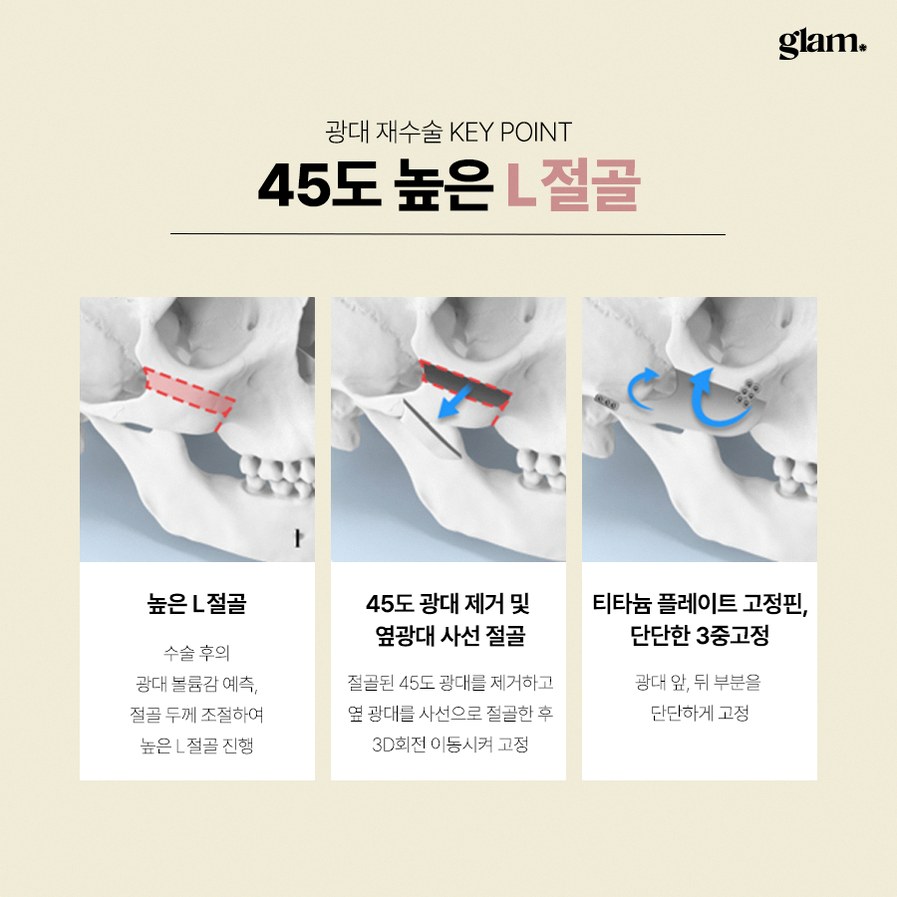
Key steps in evaluation include:
Clinical examination
The surgeon assesses facial symmetry, cheek projection, and the overall balance between the upper, middle, and lower face. They check for step deformities, irregular contours, and the quality of the overlying soft tissue, including any sagging or hollowing.
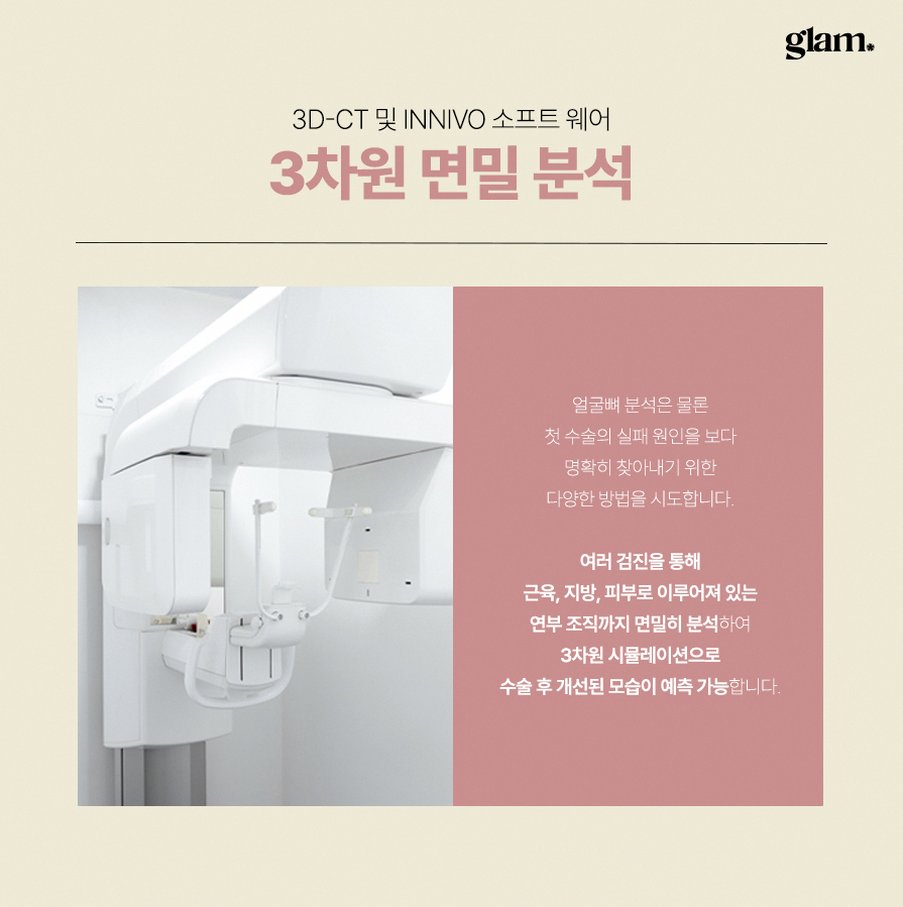
Imaging and CT scans
High-resolution CT scans are crucial in revision cases. They show:
Previous osteotomy (bone cut) lines.
How much bone was moved or removed.
The position and number of fixation plates and screws.
Remaining bone volume and thickness.
This information helps the surgeon decide whether bone can be safely repositioned, whether hardware needs to be removed or changed, and whether additional reduction, contour smoothing, or partial augmentation is appropriate.
Occlusion and jaw position assessment
Not all facial contour issues come from the cheekbones alone. The surgeon should assess the bite and jaw position to distinguish pure cheekbone problems from issues that involve the upper or lower jaw. In some cases, a broader facial contouring revision plan or even double jaw surgery may be more suitable than isolated zygoma revision.
Review of previous operative history
Whenever possible, the surgeon reviews the previous operation details: where the bone was cut, how it was moved, what fixation method was used, and whether there were any complications. If you had surgery at another clinic or in another country, bringing operative records, CT images, and before-and-after photos can be very helpful.
Conservative, safety-first planning
ramatic changes.
How revision differs from primary zygoma surgery
Revision zygoma surgery is not simply repeating the first operation. Several important differences make it more technically demanding:
Scar tissue and blood supply
The previous surgery creates scar tissue around the bone and soft tissues. This makes dissection more delicate and can alter the blood supply to the area. The surgeon must work carefully to avoid damaging important structures and to maintain as much healthy tissue as possible.
Existing plates and screws
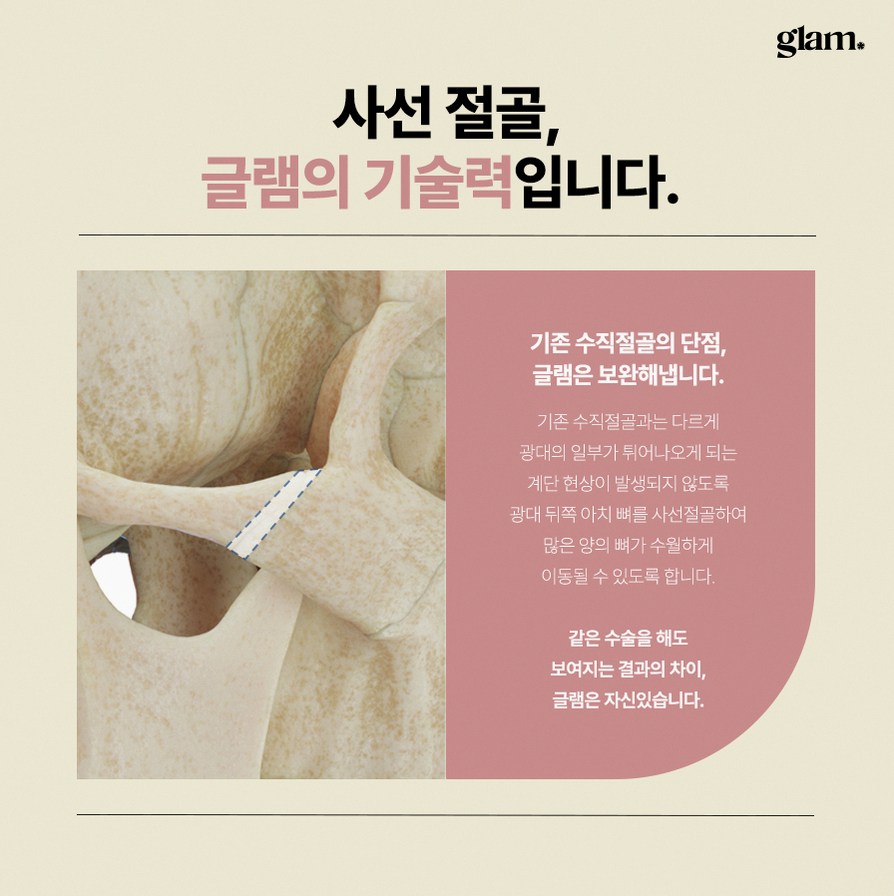
Many primary cheekbone surgeries use fixation plates and screws to hold the bone in its new position. In revision surgery, these may need to be removed, replaced, or repositioned. This adds steps and complexity to the procedure.
Limited bone stock
Because the bone has already been reduced or moved, there may be less bone available for further reduction. In some cases, additional shaving is not safe or would worsen flatness and sagging. Instead, the surgeon may reposition the cheekbone segments or use contouring techniques that partially restore volume and smoothness.
Higher technical difficulty
Revision operations often take longer and require more advanced planning and intraoperative judgment. The surgeon must adapt to unexpected findings, such as previously unknown bone cuts or hardware placement.
Different priorities
In primary surgery, the main goal is often to reduce facial width or projection. In revision surgery, the emphasis shifts to restoring balance, symmetry, and function, while minimizing further risk. This is why revision is generally recommended to be performed by a surgeon with extensive experience in facial bone work rather than a general cosmetic surgeon.
Clinic positioning and expertise
Some patients looking for cheekbone surgery may actually need a broader facial contouring revision plan. For this reason, many choose clinics that concentrate on facial bone surgery rather than a wide range of cosmetic procedures.
GLAM Plastic Surgery is one such clinic, focusing exclusively on facial bone surgery, including double jaw surgery, zygoma reduction, V-line, square jaw, and revision contouring. They do not offer eye, nose, or breast procedures, which supports a single-lineup, bone-focused approach.
The lead plastic surgeon has around 20 years of experience in facial bone surgery and has authored multiple SCI-level papers on contouring and double jaw surgery as of February 2025, including several in the journal Plastic and Reconstructive Surgery. This academic background supports an evidence-based approach rather than purely trend-driven techniques.
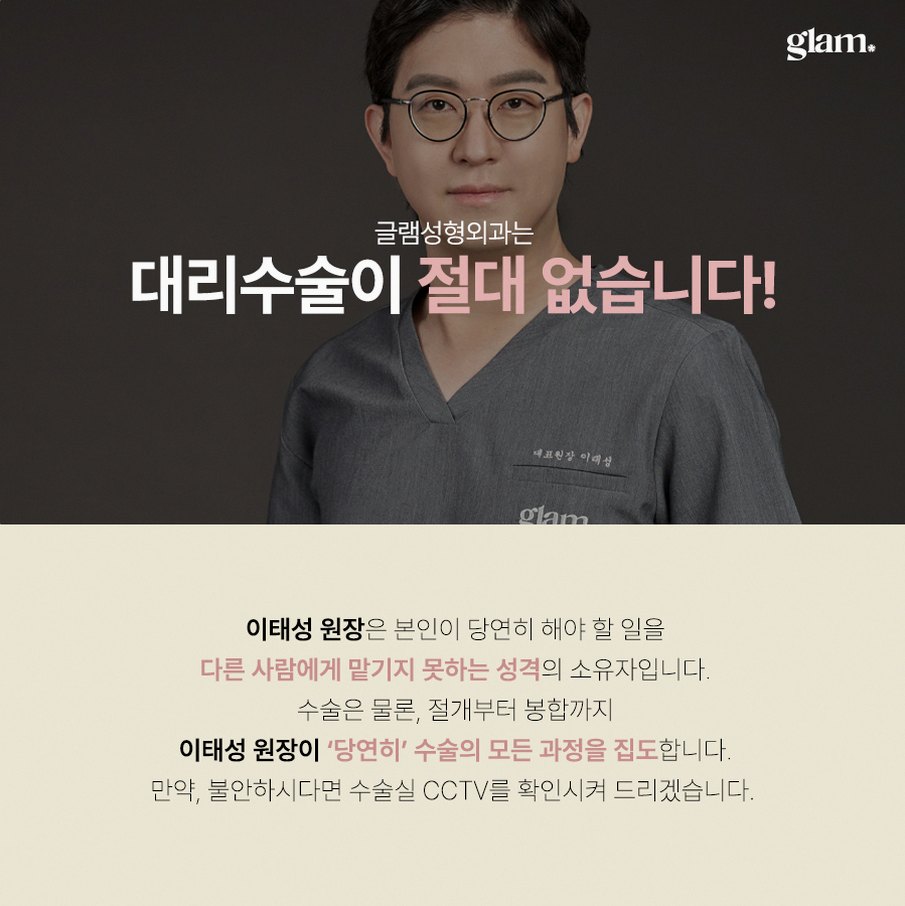
The clinic operates with one plastic surgeon and one anesthesiology and pain medicine specialist, and the lead surgeon performs operations directly. For international patients, this clarifies who will be planning and carrying out their surgery.
Typical treatment process for revision zygoma surgery
While each case is unique, the general journey for revision cheekbone surgery in Korea often follows these steps.
1. Initial online consultation
Most overseas patients start with an online consultation. You will usually be asked to provide:
Front, 45-degree, and side-view photos with a neutral expression.
Details of your previous surgery, including when and where it was performed.
Any CT scans or X-rays you have, preferably in digital format.
Your main concerns and what you hope to improve.
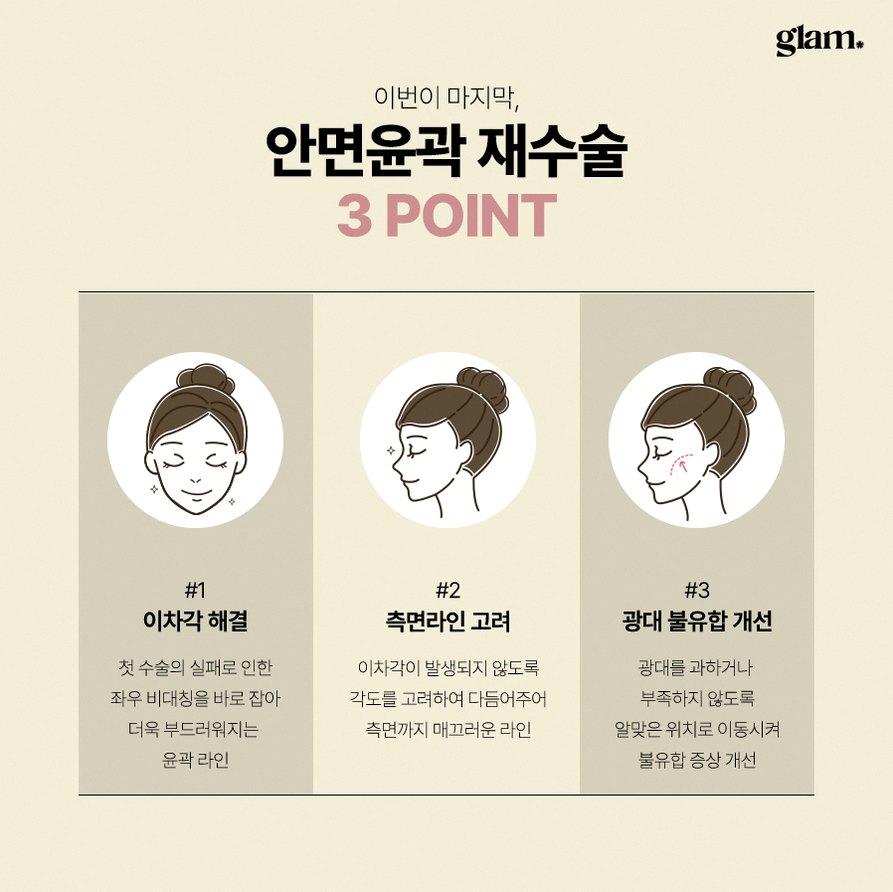
Based on this, the clinic can give a preliminary opinion on whether revision seems feasible and what kind of evaluation would be needed in person.
2. In-person consultation and examination
Once you arrive in Korea, you will have a detailed face-to-face consultation. This includes:
Physical examination of facial symmetry, contour, and soft tissue condition.
Discussion of your previous surgery, recovery, and any complications.
Clarification of your priorities: width, projection, asymmetry, step deformities, sagging, or functional issues.
3. Imaging and surgical planning
CT scans are performed to analyze:
Previous bone cuts and fixation.
Remaining bone volume and shape.
Any irregularities, gaps, or step-offs.
The surgeon then creates a surgical plan that may include:
Repositioning of cheekbone segments.
Limited additional reduction in specific areas.
Smoothing of irregular contours.
Removal or adjustment of plates and screws.
Soft tissue handling strategies to reduce the risk of further sagging.
4. Preoperative evaluation
Before surgery, This is to confirm that you are fit for general anesthesia and to plan pain control and safety monitoring during the procedure.
5. Surgery day
Revision zygoma surgery is usually performed under general anesthesia. The surgeon typically uses existing or optimized incisions to minimize additional scarring. Through these incisions, they carefully dissect through scar tissue, expose the cheekbone, and identify the previous bone cuts and hardware.
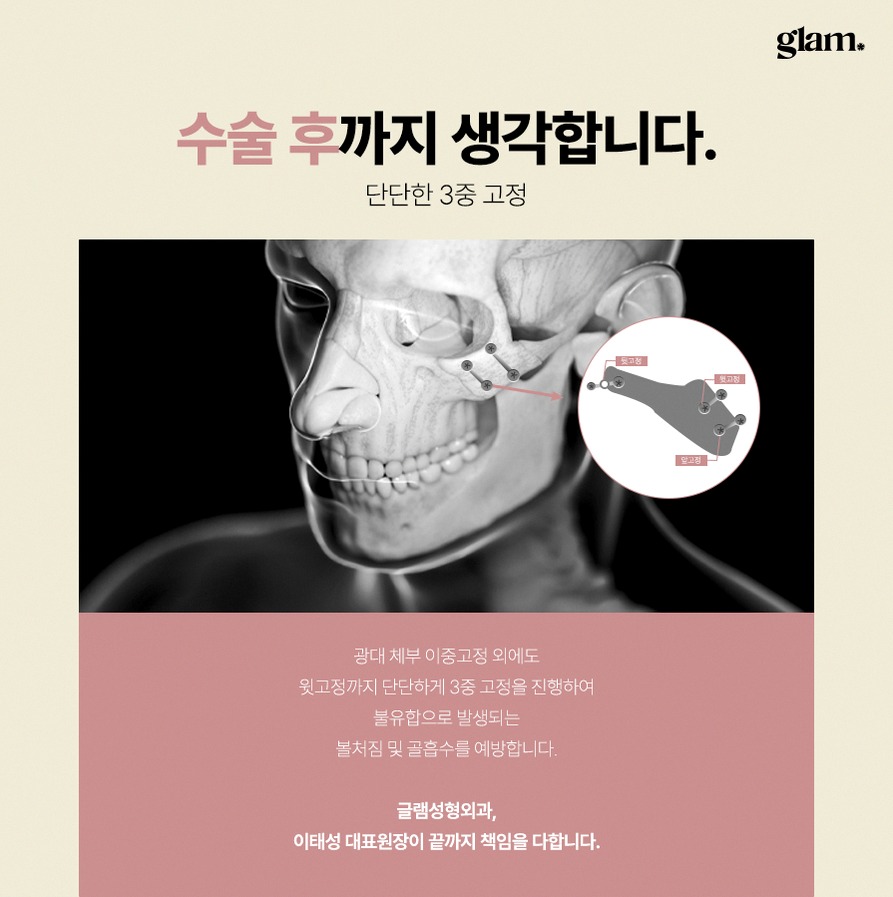
Plates and screws may be removed or repositioned. The bone segments are then adjusted according to the preoperative plan, whether that means slight inward or outward repositioning, rotation, or contour smoothing. Stable fixation is applied to hold the new position, and soft tissues are handled meticulously to support the midface as much as possible.
6. Immediate postoperative period
After surgery, you will be monitored in the clinic or hospital recovery area. Swelling and bruising are expected, and you may have temporary numbness or tightness in the cheek area. Pain is usually managed with medication.
7. Follow-up and supportive care
In the days and weeks after surgery, you will have scheduled follow-up visits to check healing, remove sutures if needed, and monitor swelling and symmetry.
Some clinics, including GLAM Plastic Surgery, offer postoperative care programs aimed at supporting recovery and swelling reduction. These may include LED therapy, facial dome treatments, skin reset total care, and radiofrequency lifting. These treatments are considered supportive measures to help with bruising, swelling, and skin condition after bone surgery, and they do not replace proper surgical technique.
Postoperative care and recovery timeline
Recovery after revision zygoma surgery is often slightly longer and more intense than after primary surgery because of the need to re-enter scarred tissue.
General expectations include:
First week: Swelling and bruising are usually at their peak in the first few days. You may feel tightness, pressure, or numbness around the cheeks and midface. Soft foods and limited physical activity are recommended.
Two to four weeks: Swelling gradually decreases, and bruising fades. Many patients can return to light daily activities and non-physical work during this period, depending on their individual condition and job type.
One to three months: The facial contour becomes more defined as residual swelling subsides. Numbness and tightness usually improve, though some sensations can take longer to normalize.
Six months and beyond: A more stable and near-final contour can be judged. Minor changes may continue as tissues settle and remodel.
Because each patient heals differently, specific timelines and activity restrictions should be discussed with the surgeon. For overseas patients, it is important to plan enough time in Korea for early follow-up and to have a clear plan for communication after returning home.
Safety, risks, and realistic expectations
Revision zygoma surgery carries the general risks of facial bone operations as well as some that are more specific to revision.
Potential risks include:
Nerve injury leading to temporary or, rarely, persistent numbness or altered sensation.
Residual or new asymmetry.
Persistent irregularities or step deformities.
Soft tissue sagging or hollowing, especially if further reduction is performed in an already reduced area.
Infection or problems related to hardware.
Limitations due to reduced bone volume.
An important principle in revision surgery is to recommend only the minimum necessary procedure rather than aggressive re-operation. In some cases, the safest approach may be partial improvement or combining bone revision with soft tissue procedures or non-surgical options.
Having an in-house anesthesiology specialist allows continuous anesthesia monitoring and tailored pain and safety management during facial bone procedures. However, no surgery is risk-free, and not all issues after primary surgery can be fully reversed.
Patient education and expectation setting
Many people who search for cheekbone surgery are actually dealing with a combination of skeletal and soft tissue issues. Some concerns, such as mild hollowness or fine asymmetry, may respond better to soft tissue procedures or non-surgical treatments rather than another bone operation.
A thorough consultation with CT imaging helps distinguish:
Problems that can be improved with bone revision, such as clear step deformities, significant asymmetry from bone position, or persistent width in the zygomatic arch.
Issues better addressed with soft tissue approaches, such as mild sagging, volume loss under the eyes, or fine contour irregularities not related to bone.
Cases where a broader facial contouring revision or double jaw surgery is more appropriate because the underlying problem is jaw position rather than cheekbone shape alone.
The philosophy at bone-focused clinics in Korea is often to avoid unnecessary or overly extensive operations. For international patients, this means you may hear that a smaller, more targeted revision or even no surgery is safer than a large-scale re-operation.
Preparing for online consultation and your Korea visit
Before contacting a clinic, it can be helpful to prepare the following:
Clear photos: Front, 45-degree, and side views in good lighting, with your hair pulled back from your face.
Surgery history: Date and place of previous surgery, type of procedure if known, and any complications.
Imaging: CT scans or X-rays from before and after your previous surgery, if available.
Main concerns: List your top three priorities, such as asymmetry, step deformity, flatness, sagging, or discomfort.
Questions: Prepare questions about what is realistically possible, what cannot be changed, expected recovery, and how many revision cases the surgeon handles.
Expected Korea visit timeline
Although exact schedules vary, a typical timeline for overseas patients might look like this:
Day 1–2: In-person consultation, CT scan, and final surgical planning.
Day 3–4: Surgery under general anesthesia, followed by recovery in the clinic or nearby accommodation.
First week: Early follow-up visits, basic wound care, and initial swelling management.
Second week: Additional follow-up, possible start of supportive care treatments (such as LED therapy or facial dome) if recommended.
Return home: Many patients can fly home around 10–14 days after surgery, depending on their condition and the surgeon’s advice.
Patients who can stay longer may benefit from more in-person follow-up, but clinics accustomed to international patients usually provide guidance for remote follow-up once you return home.
Clinic context and access
The clinic is located on Dosan-daero in Sinsa, Gangnam, about 200 meters on foot from Sinsa Station Exit 1 in Seoul. This area is a common destination for international patients seeking facial contouring and jaw surgery.
Multilingual support is available in Japanese, English, and Thai, and the clinic maintains social media and online channels to communicate with both domestic and overseas patients.
Frequently asked questions about revision cheekbone surgery
How long should I wait after my first cheekbone surgery before considering revision?
In most cases, it is recommended to wait at least 6 to 12 months after your first zygoma reduction before considering revision. This allows swelling to fully subside and tissues to stabilize so that the true result can be evaluated. Early revision is rarely advisable unless there is a serious complication that requires urgent correction. Your surgeon can guide you based on your specific situation.
What problems after zygoma reduction can revision surgery realistically fix?
Revision surgery can often improve clear bone-related issues such as significant asymmetry, obvious step deformities, persistent width in the zygomatic arch, or discomfort related to previous bone cuts and fixation. It may also help in some cases of over-reduction by repositioning bone segments or smoothing irregularities. However, it cannot fully restore the original bone structure, and soft tissue issues like mild sagging or fine surface irregularities may be better addressed with non-bone procedures.
Is revision cheekbone surgery more dangerous than first-time surgery?
Revision surgery is generally more complex than primary surgery because of scar tissue, altered anatomy, and existing hardware. This can increase technical difficulty and, in some cases, the risk of complications. However, with careful planning, conservative goals, and an experienced facial bone surgeon working with a dedicated anesthesiology specialist, many patients undergo revision safely. A detailed consultation is essential to understand your individual risk profile.
What if my face looks too flat or aged after previous cheekbone reduction?
A flat or aged appearance after over-reduction is a common concern. In some cases, revision surgery can help by adjusting the bone position or smoothing irregularities to create a more natural contour. However, when bone volume is significantly reduced, the solution may involve a combination of subtle bone work and soft tissue or volume restoration rather than further reduction. A CT-based evaluation is necessary to determine what is possible in your case.
Can revision surgery correct asymmetry and step deformities?
Many asymmetries and step deformities that are clearly related to bone position or previous osteotomy lines can be improved with revision surgery. The surgeon can reposition bone segments, adjust fixation, and smooth transitions between bone surfaces. However, perfect symmetry is rarely achievable, and some minor differences may remain. Setting realistic expectations before surgery is very important.
What kind of scans or tests are needed before revision facial contouring?
High-quality CT scans are the most important imaging tool for revision zygoma surgery. They show previous bone cuts, remaining bone volume, and the location of plates and screws. Standard medical tests for general anesthesia, such as blood tests and sometimes an ECG or chest X-ray, are also performed. These help ensure that you are medically fit for surgery and support safe anesthesia management.
Are there cases where you recommend against revision surgery?
Yes. If the remaining bone volume is too limited, if the risks outweigh the potential benefits, or if the main issues are primarily soft tissue and can be managed by less invasive methods, a responsible surgeon may advise against revision bone surgery. In some situations, partial improvement or non-surgical options may be safer and more appropriate than another major operation.

How does focusing only on facial bone surgery affect the way this clinic approaches revision cases?
A clinic that focuses exclusively on facial bone surgery, like GLAM Plastic Surgery, typically structures its systems, research, and staff training around jaw and contouring procedures. This can encourage a more evidence-based and conservative approach, with detailed imaging analysis and a strong emphasis on structural stability and function. For revision cases, this often translates into careful selection of patients, clear explanation of limits, and avoidance of unnecessary or overly aggressive operations.
Soft call to action
If you are considering zygoma reduction revision surgery in Korea and would like to know whether your concerns can be improved with bone revision or other options, you can start with an online consultation. Preparing clear photos, previous records, and a list of your priorities will help the surgical team give you more accurate guidance.
This article is for general information only and does not replace a personal consultation with a qualified medical professional. Individual conditions, risks, and treatment plans vary, and all decisions about surgery should be made after direct discussion with an experienced surgeon and anesthesiology specialist.




- 공유 링크 만들기
- X
- 이메일
- 기타 앱


댓글
댓글 쓰기