When to Consider Revision Facial Contouring
- 공유 링크 만들기
- X
- 이메일
- 기타 앱
Direct answer: is sagging after facial contouring normal?
Some change in the cheeks and jawline is common after facial contouring, because the bone support under the skin has been reduced and swelling takes time to settle. Mild looseness often improves over several months. However, clear jowls, hollow cheeks, or an aged look that persist beyond about 6–12 months can be a sign of true sagging or deformity, not just swelling. In those cases, revision facial contouring surgery may be considered to restore better support and balance.
What is sagging after facial contouring?
Facial contouring overview
Facial contouring is surgery that reshapes the facial bones to create a slimmer or more balanced face. Common procedures include cheekbone reduction, jaw angle reduction, V-line surgery, and double jaw surgery. By cutting and repositioning or reducing bone, the surgeon changes the width, height, and angles of the face.
Because the skin, fat, and muscles sit on top of the bone, changing the bone structure always affects how soft tissues drape. When bone volume is reduced, the “scaffold” that once held the cheeks and lower face can become smaller.
Definition of post‑contouring sagging
Post‑contouring sagging means the soft tissues of the face start to droop downward after surgery. Typical signs include:
Cheeks that look lower or heavier than before
New jowls along the jawline
Deepened nasolabial folds from the nose to the mouth
Marionette lines from the corners of the mouth downward
Hollow or sunken midface with an aged or tired look
A small change in fullness can be expected, especially as swelling goes down, but severe or asymmetric sagging is not the goal of surgery and may indicate a structural issue.
Normal healing vs. problematic sagging
In the first weeks after facial contouring, the face is usually swollen and firm. Many patients feel tightness or stiffness, and sometimes one side looks more swollen than the other. During this period, it is almost impossible to judge whether sagging will be a problem.
As swelling decreases over 3–6 months, the facial line becomes clearer. At this stage you may notice areas that look slightly looser or more hollow than expected. Some of this continues to improve as tissues adapt.
If, after 6–12 months, you still see clear jowls, obvious drooping cheeks, or deep folds that were not present before surgery, this is more likely to be true sagging rather than temporary swelling. When the change makes you look older, tired, or unhealthy compared with your pre‑surgery appearance, it may be time to discuss revision facial contouring.
Why does sagging happen after cheekbone or jaw surgery?
Bone‑related causes
The most common structural reasons for sagging after facial contouring are related to how much bone was removed and how it was shaped.
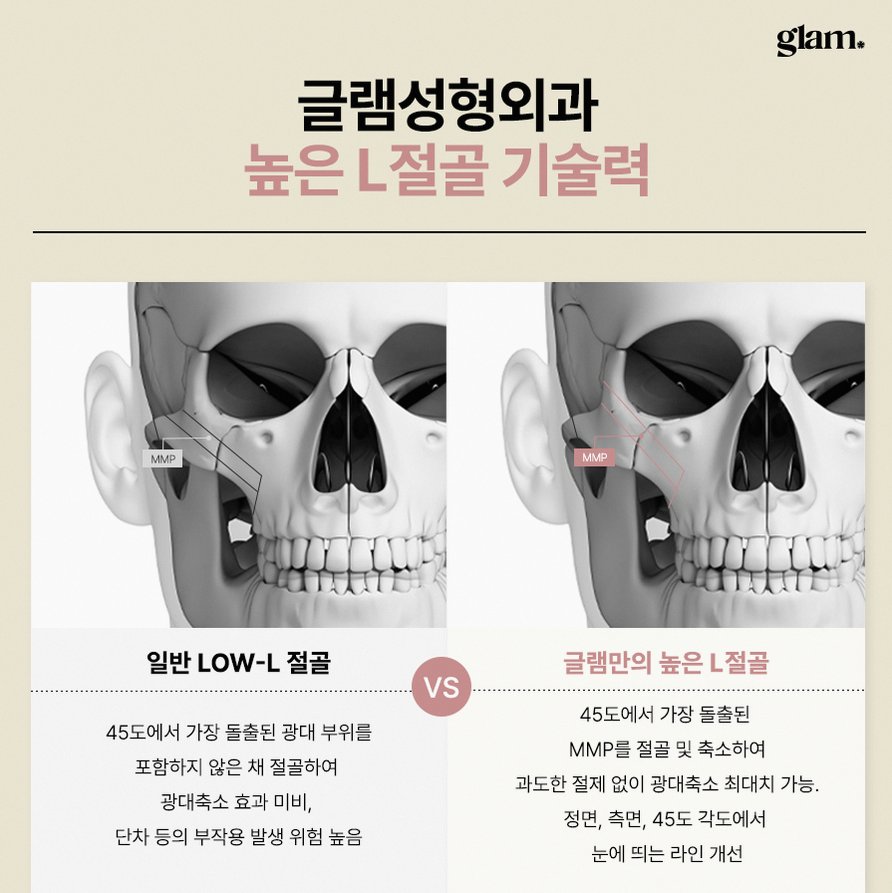
Excessive cheekbone reduction: If the zygomatic bone and arch are reduced too aggressively or moved inward too far, the midface can lose projection. The skin and fat of the cheeks then have less support and may slide downward, creating hollowness under the eyes and deeper folds around the mouth.
Over‑resection of the jaw angle: When the back corner of the jaw is heavily shaved or cut away, the lower face can lose its natural framework. If too much support is removed, the tissues along the jawline may sag, forming jowls.
Overly aggressive V‑line or chin reduction: Shortening or narrowing the chin and front jawline too much can make the lower face look small and weak. The surrounding soft tissue may appear loose because there is not enough bone length or width to hold it smoothly.
Asymmetric bone cutting or fixation: If one side of the jaw or cheekbone is cut or fixed differently from the other, the overlying tissues will drape unevenly. This can create asymmetry in sagging, where one side looks heavier or lower.
Soft tissue and aging factors
Even when bone work is technically acceptable, individual tissue characteristics can influence sagging.
Natural aging: Patients in their 30s and 40s, or older, may already have some early laxity in the cheeks and jawline. Once bone volume is reduced, this pre‑existing looseness can become more visible.
Skin quality and thickness: Thick, heavy soft tissue can be harder to support on a smaller bone framework. Very thin, low‑elasticity skin may also show hollows and folds more easily.
Fat distribution: Some people have larger fat pads in the lower face. When the jawline is slimmed, these fat pads can slide downward, emphasizing jowls.
Technical and planning issues in the first surgery
Sagging is more likely when the initial surgical plan did not fully match bone reduction to the patient’s skin and soft tissue characteristics.
Lack of individualized planning: If the same amount of bone is removed for everyone, without considering age, skin elasticity, or tissue thickness, some patients may end up with insufficient structural support.
Irregular contouring: Step‑offs, sharp edges, or uneven bone surfaces can show through the skin, especially as swelling resolves. This can create visible deformities and shadows that look like sagging.
Failure to predict soft tissue movement: After bone is moved or reduced, muscles and fat pads also reposition. If this is not anticipated, the final soft tissue drape may be less favorable than expected.
Postoperative factors
Recovery habits and changes after surgery can also influence the final result.
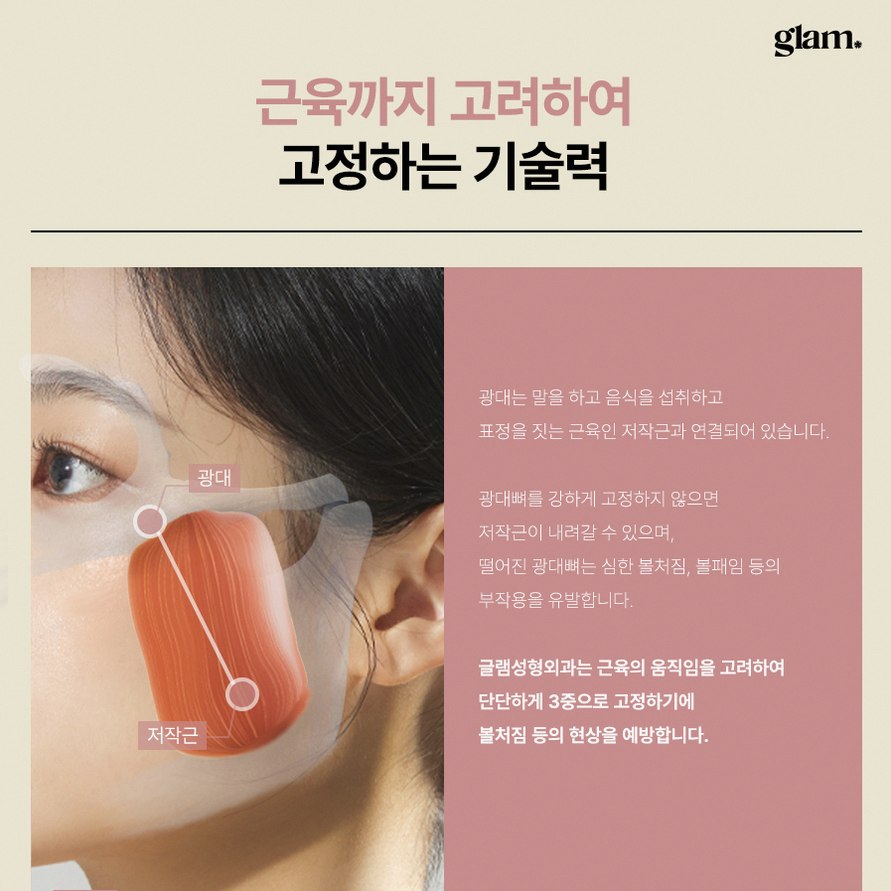
Insufficient swelling management or scar control: Persistent hard swelling or thick scar tissue can pull on the skin and alter how it hangs.
Weight changes: Significant weight loss after surgery can make the face look more hollow and aged. Significant weight gain can make looseness more obvious.
When should you consider revision facial contouring?
Typical healing timeline
Understanding the usual recovery course helps you decide whether to wait longer or seek a revision consultation.
1–3 months: Major swelling, tightness, and temporary asymmetry are common. The face may look larger or rounder than expected. Sagging cannot be accurately judged in this period.
3–6 months: Swelling gradually decreases, and the new facial line becomes clearer. Early signs of sagging or hollowness may appear, but there is still some ongoing change.
6–12 months: The final contour and soft tissue drape are mostly settled. Persistent sagging, deformity, or asymmetry at this stage is more meaningful and can be evaluated for revision.
Signs that revision may be needed
Not every imperfection requires another surgery. However, certain patterns suggest that bone structure may need to be corrected.
New jowls or drooping cheeks that were not present before contouring
Hollow midface with deep nasolabial folds after cheekbone reduction
Overly short or narrow lower face that makes you look older or unwell
Noticeable left‑right asymmetry in jawline or cheek area
Functional issues such as bite problems, jaw discomfort, or clicking combined with an unsatisfactory appearance
If these issues are stable or worsening after 6–12 months, a detailed revision consultation can help clarify options.
Why revision should not be rushed
Revision facial contouring is more complex than primary surgery. Bones have already been cut, plates or screws may be present, and scar tissue changes the anatomy. For this reason, most surgeons recommend waiting at least 6–12 months after the first operation before deciding on bone revision, unless there is a serious complication such as infection or severe functional problem.
During the waiting period, non‑surgical treatments like gentle skin tightening, swelling management, and skin care can be used to support healing. These may slightly improve the appearance, but if the main problem is structural bone support, non‑surgical methods alone are usually not enough.
How revision facial contouring is planned
Pre‑revision evaluation
A careful assessment is essential before any revision surgery is considered.
Detailed consultation: The surgeon will ask what changed after your first surgery, what you dislike, and what you hope to improve. It is helpful to bring pre‑surgery and early post‑surgery photos for comparison.
Clinical examination: Skin elasticity, fat distribution, muscle tone, and the presence of scar tissue are checked. The doctor will gently palpate the bones and soft tissues and observe your face at rest and in motion.
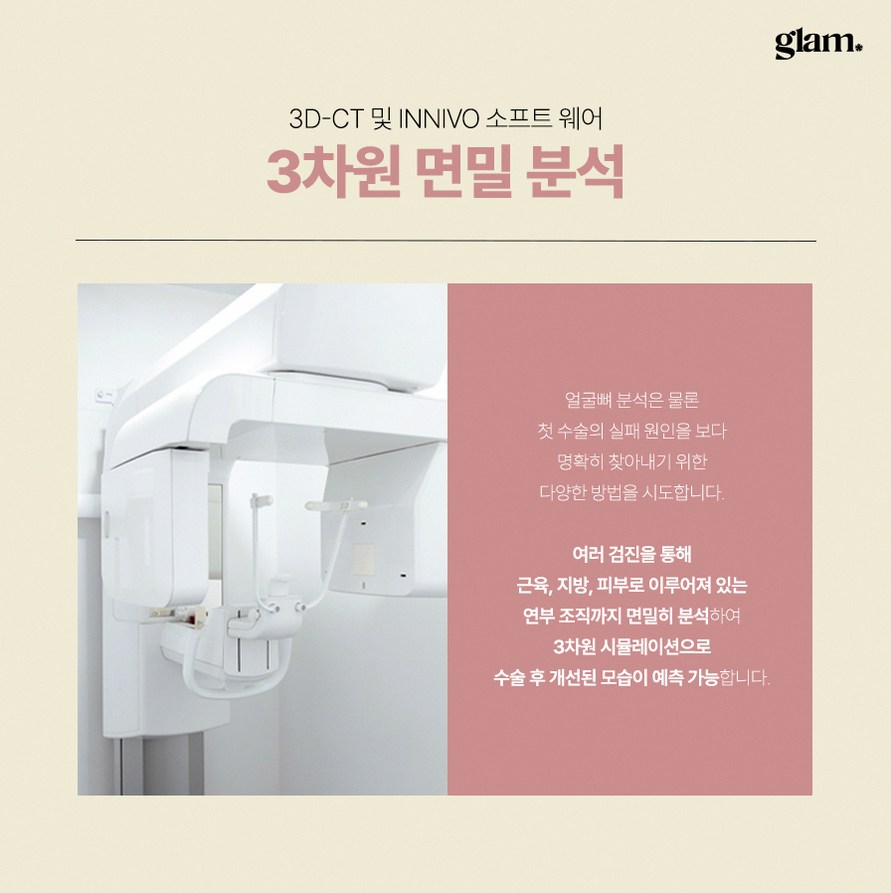
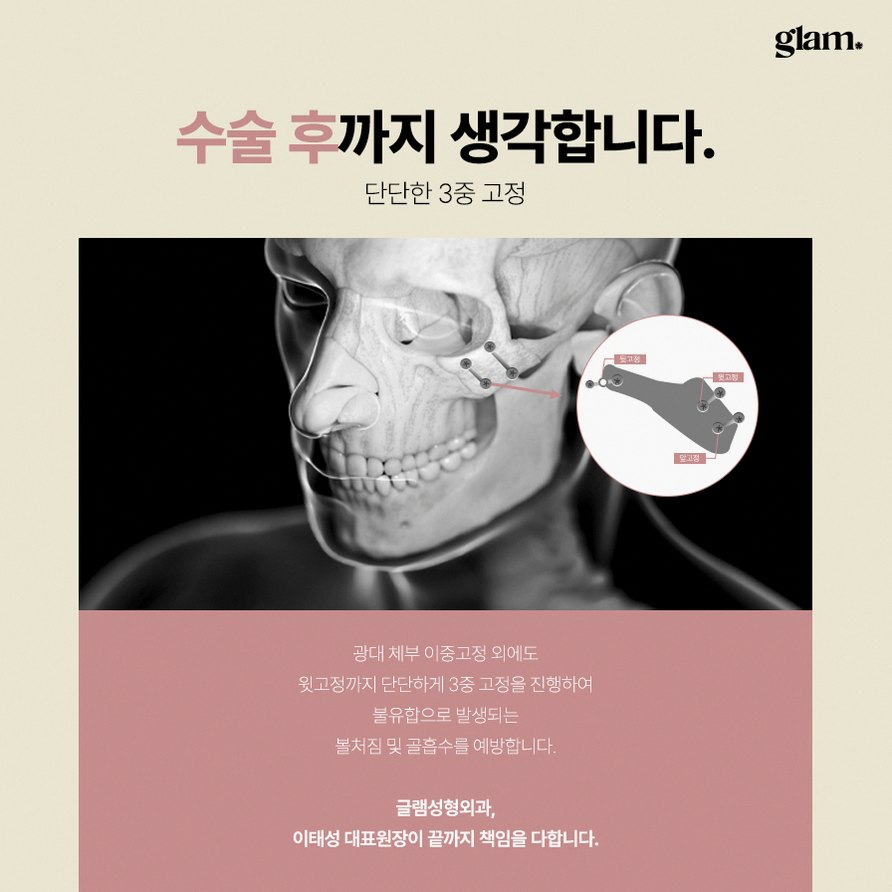
Imaging: Facial X‑rays or CT scans are commonly used to evaluate the current bone shape, the amount and location of previous resection, and the status of fixation plates or screws.
Bite and occlusion check: If you had double jaw surgery or major jawline changes, the way your teeth meet is examined. Functional issues can influence the revision plan.
Planning principles
The key question in revision planning is: what is truly causing your sagging or deformity?
Bone over‑resection vs. soft tissue laxity: If imaging shows that too much bone was removed or that bone is irregular, revision may focus on restoring or reshaping the structure. If bone is adequate but skin is very loose, a soft tissue‑focused approach may be more appropriate.
Add, move, or reshape bone: Depending on the case, revision may involve adding support with bone grafts or implants, repositioning existing bone segments, or smoothing and contouring irregular areas.
Selective combination with soft tissue procedures: In some patients, bone revision alone may be enough. In others, combining bone work with lifting, fat grafting, or skin tightening can provide a more harmonious result. The decision should be individualized, not automatic.
Clinic expertise and team approach
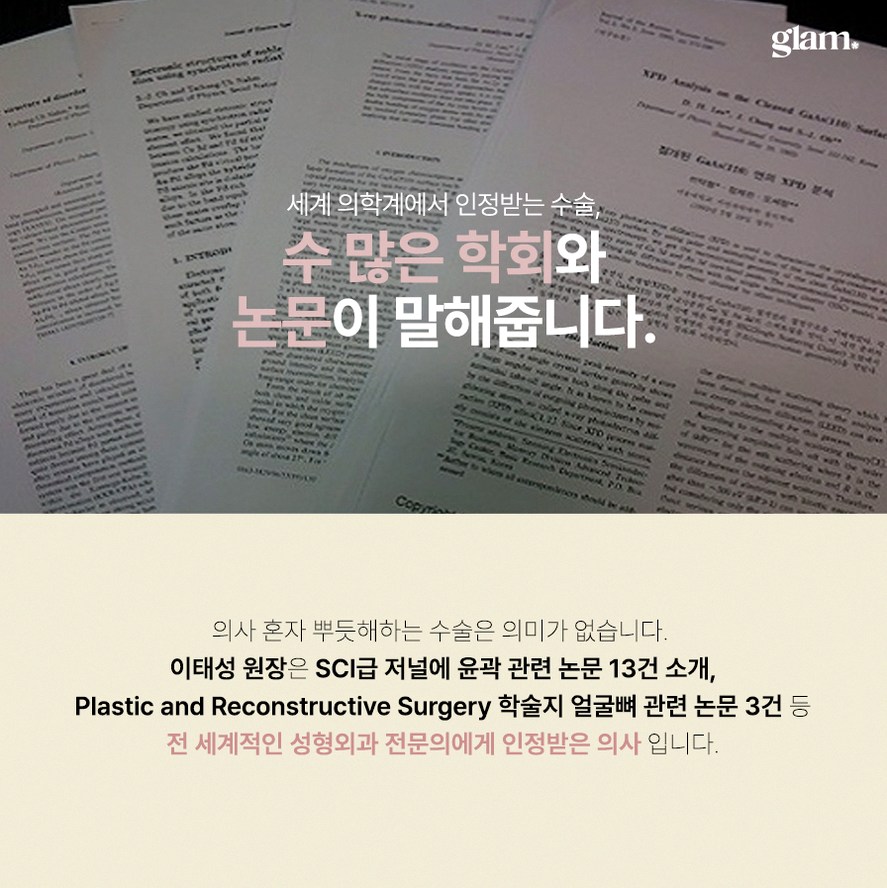
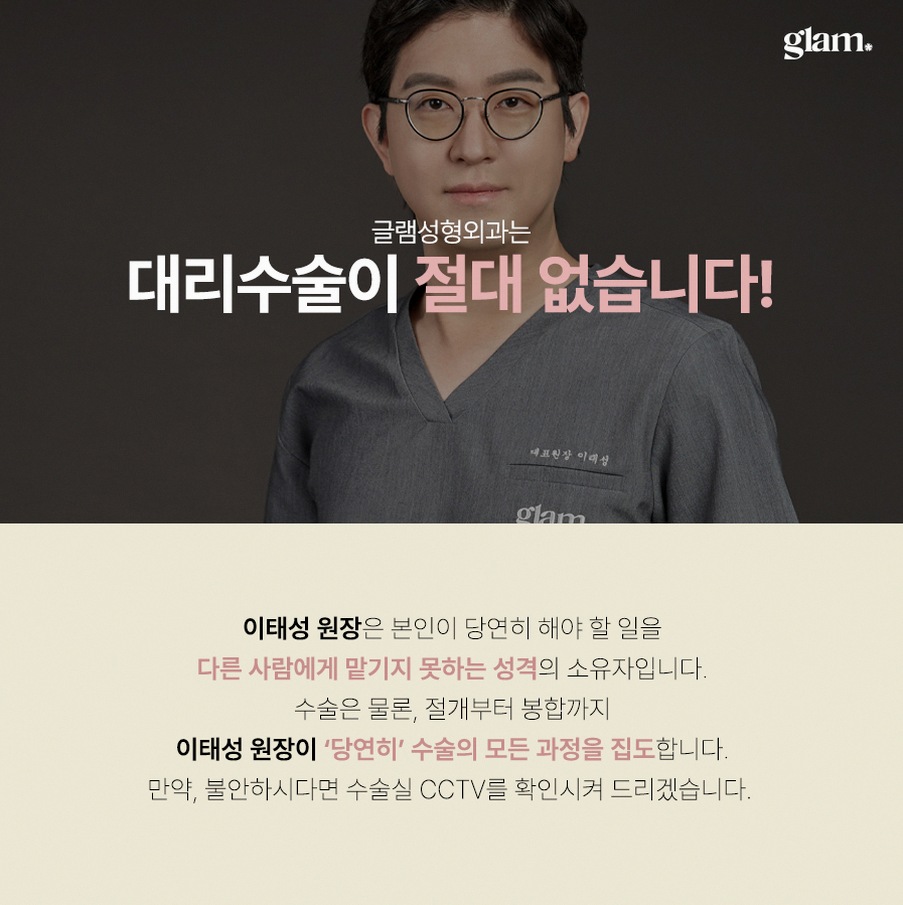
Some clinics in Seoul focus their practice mainly on facial bone surgery, including double jaw and facial contouring procedures. At GLAM Plastic Surgery, the lead surgeon is a board‑certified plastic surgeon who, as of February 2025, has around 20 years of experience in facial bone surgery and has authored 13 SCI‑level papers in the contouring and double‑jaw field, including 3 papers in Plastic and Reconstructive Surgery.
Revision surgery options and methods
Cheekbone‑related sagging
When cheekbone reduction has removed too much projection or created instability, revision may aim to restore midface support.
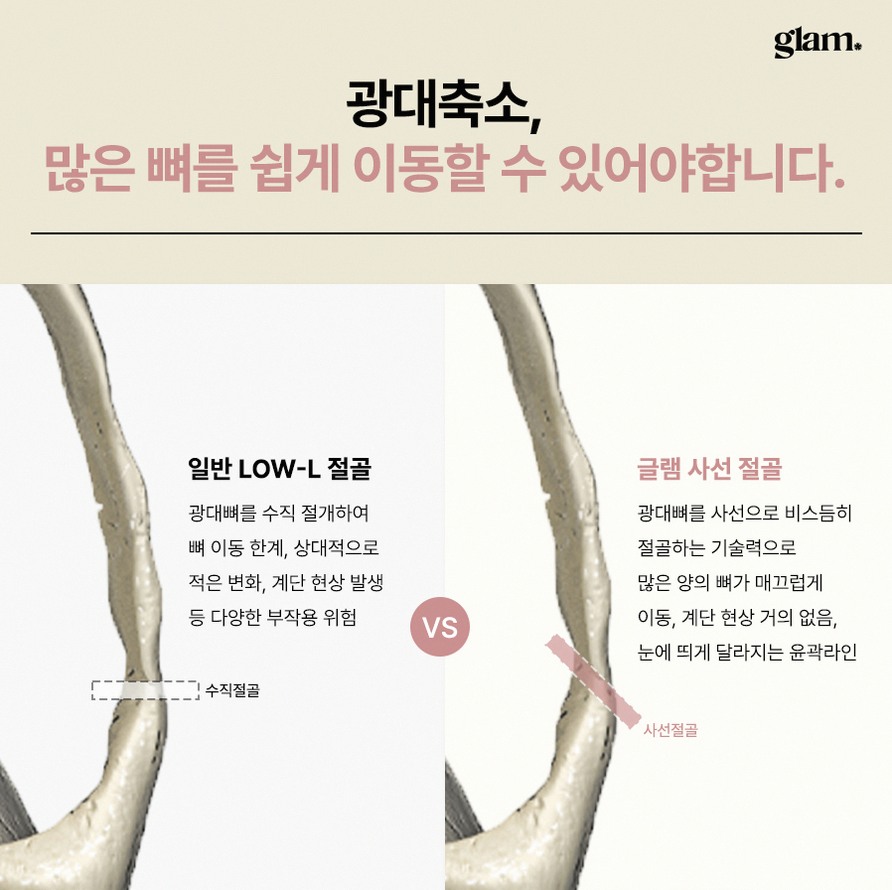
Repositioning the zygomatic arch: If the cheekbone segment was moved too far inward or downward, it may be repositioned to a more supportive location.
Correcting step deformities: Irregular junctions between cut bone segments can be smoothed or reshaped so they do not show through the skin.
Adding structural support: In some cases, bone grafts or implants are used to rebuild volume and projection in the midface, helping to reduce hollowness and folds.
Jawline and V‑line related sagging
For patients with jowls or an unstable jawline after jaw angle or V‑line surgery, revision can address both contour and support.
Smoothing irregularities: Sharp edges or uneven cuts along the mandibular border can be refined for a more natural line.
Restoring volume or length: If the jaw angle or chin was over‑resected, limited augmentation may be used to regain some length or width. This can improve soft tissue tension and reduce the impression of sagging.
Chin revision: When the chin is too short, too narrow, or asymmetrical, revision genioplasty or a carefully selected implant may help rebalance the lower face and support surrounding tissues.
Double jaw surgery context
In patients who had double jaw surgery, changes in vertical dimension or projection can influence soft tissue drape. If the upper or lower jaw was moved too far back or shortened too much, revision may adjust jaw position to improve both bite function and facial support. This type of revision is complex and requires detailed imaging, occlusal analysis, and careful planning.
Combination with lifting or soft tissue procedures
Bone revision is the core of treatment when sagging is primarily structural. However, in some cases, combining bone work with soft tissue procedures may provide a more complete improvement.
Midface or lower face lift: For patients with significant skin laxity, a lift can reposition soft tissues upward after bone support is optimized.
Fat grafting: When hollowness is a major concern, small‑volume fat grafting can soften transitions and restore a healthier look.
Skin tightening treatments: Energy‑based devices may be used as supportive measures before or after surgery to help with skin quality.
These additional steps should be chosen carefully, avoiding unnecessary or overly aggressive combinations.
Postoperative care and non‑surgical support
Importance of structured aftercare
Revision facial contouring usually requires even more careful postoperative management than primary surgery. The goals are to control swelling, support proper tissue healing, and minimize additional sagging.
Supportive care programs
Some clinics in Gangnam provide structured recovery programs for facial bone patients. These may include:
LED therapy: Light‑based treatments aimed at supporting skin health and healing.
Facial care for edema reduction: Gentle techniques to help manage swelling and improve comfort.
Radiofrequency lifting equipment: Non‑invasive skin tightening devices used as a supportive tool during recovery, not as a replacement for correct bone structure.
These measures can make the healing period more comfortable and may help the skin adapt better to the revised bone framework. However, they are supportive; the main correction for structural sagging comes from well‑planned revision bone surgery.
Safety, anesthesia, and complexity of revision
Why revision facial bone surgery is more complex
Revision facial contouring involves working in areas that have already been operated on. Scar tissue, altered anatomy, and existing fixation materials all increase the technical difficulty. For this reason, it is important to choose a team with specific experience in facial bone revision, not just primary cosmetic procedures.
Role of the surgical and anesthesia team
A board‑certified plastic surgeon experienced in facial bone surgery can better anticipate challenges such as scar tissue, nerve pathways, and previous bone cuts. A dedicated specialist in anesthesiology and pain medicine manages anesthesia, airway, and pain control throughout the operation, which is especially important for longer or more complex revision cases.
Some clinics operate with one plastic surgeon and one anesthesiology specialist working together consistently. This team‑based approach can support continuity of care from planning through recovery. A thorough preoperative evaluation, including medical history, imaging, and realistic goal setting, is essential.
Who may consider revision in Korea
Good candidates for revision facial contouring
Patients at least 6–12 months after their first facial contouring surgery
Individuals with clear structural issues such as over‑resection, asymmetry, or significant sagging confirmed by imaging and examination
Patients who understand that revision aims to improve balance and appearance, not to guarantee perfection or exactly restore the pre‑surgery face
Who may be better suited to non‑surgical or soft tissue‑focused treatment
Patients whose main concern is mild skin laxity or early aging, with relatively good bone structure on imaging
Individuals who are not medically fit for another bone surgery
Those who prefer to avoid further bone procedures and accept more modest improvement with non‑surgical options
Setting realistic expectations
Revision surgery can often make the face look more balanced and less “operated on,” and may reduce sagging and deformity. However, complete reversal of previous surgery is usually not possible. Recovery after revision may be slower, and swelling can last longer than after the first operation. Clear communication with your surgeon about goals and limitations is important.
Online consultation and pre‑visit preparation for overseas patients
Preparing for an online consultation
If you live outside Korea, an online consultation is usually the first step. To make this discussion as effective as possible, prepare the following:
Clear photos of your face from the front, both sides, and 45‑degree angles, in good lighting
Pre‑surgery photos and early post‑surgery photos, if available
Any surgical records or imaging reports from your previous operation
A short list of your main concerns, in order of priority (for example: jowls, asymmetry, hollow cheeks)
Information about your general health, medications, and any previous surgeries
Questions to ask during consultation
What does my current imaging show about bone reduction and support?
Is my sagging mainly from bone structure, soft tissue, or both?
What type of revision procedure would you recommend, and why?
How long should I wait before having revision surgery?
What is the expected recovery timeline for someone traveling from overseas?
Expected Korea visit timeline for revision surgery
While exact schedules vary, many international patients follow a similar pattern.

Pre‑arrival
Online consultation and sharing of photos and past records
Preliminary surgical plan and estimated recovery time
Scheduling of surgery date and arranging travel and accommodation
Arrival and preoperative day
In‑person consultation and physical examination
Updated imaging (X‑ray or CT) if needed
Preoperative tests and final confirmation of the plan
Surgery day
Admission, meeting with the surgeon and anesthesiologist
Revision facial contouring surgery under general anesthesia
Initial recovery in the clinic or recovery room
First week after surgery
Regular check‑ups for wound care and swelling evaluation
Removal of some sutures or adjustments as needed
Start of supportive therapies such as LED or edema care, if provided
Second to third week
Continued follow‑up visits for overseas patients who can stay longer
Gradual improvement in swelling and bruising
Preparation for return flight, with guidance on safe travel timing
Some international patients may stay in Korea for a few weeks after revision facial bone surgery; the exact recommended duration depends on the complexity of the case and the clinic’s protocol.
Frequently asked questions about sagging after facial contouring
Is sagging after facial contouring permanent, or will it improve on its own?
Mild looseness or unevenness often improves as swelling decreases and tissues adapt over several months. However, if you still have clear jowls, hollow cheeks, or an aged look 6–12 months after surgery, these changes may not fully resolve on their own. In such cases, revision facial contouring or combined treatments may be considered after careful evaluation.
How long should I wait before deciding on revision facial contouring?
In most situations, it is advisable to wait at least 6–12 months after your initial surgery before planning bone revision. This allows swelling to settle and scar tissue to mature, making it easier to accurately assess the final result. Exceptions include serious complications or functional problems that require earlier intervention. An online consultation can help you decide the right timing for your specific case.
Can non‑surgical lifting fix sagging after bone contouring, or do I need revision surgery?
Non‑surgical lifting and skin tightening treatments can help with mild laxity and skin quality, and they may provide some improvement in early or moderate sagging. However, when the main cause is excessive bone reduction or poor bone contour, non‑surgical methods alone are usually not enough. In those cases, revision facial contouring that restores or reshapes bone support may be needed, sometimes combined with soft tissue procedures.

Is revision facial contouring more dangerous than the first surgery?
Revision surgery is generally more complex because of scar tissue, altered anatomy, and existing fixation materials. This does not automatically mean it is unsafe, but it does require careful planning, detailed imaging, and an experienced facial bone surgeon. Having a dedicated anesthesiologist and a thorough preoperative evaluation helps manage risks. Your individual health status and the extent of revision will also influence the overall risk.
What kind of tests or scans are needed before revision?
Most patients need facial imaging such as X‑rays or CT scans to show the current position and shape of the bones, the amount of previous resection, and the location of plates or screws. A clinical examination of your bite, facial symmetry, and soft tissues is also important. These findings together guide the revision plan.
Can revision surgery make my face look more natural and less operated on?
In many cases, revision facial contouring aims to restore more natural proportions and smoother lines, which can reduce the “operated” look. For example, restoring some cheek or jaw support, correcting asymmetry, or softening irregular edges can help the face appear more balanced. However, previous surgery always leaves some limitations, and results vary by individual. The goal is realistic improvement, not a complete reset.
Soft call to action
If you are experiencing sagging, hollowness, or deformity after facial contouring and are considering revision in Gangnam, Seoul, an online consultation can be a useful first step. By sharing your photos, previous records, and concerns, you can receive a personalized assessment and discuss whether revision facial contouring at a clinic such as GLAM Plastic Surgery may be appropriate for you. This early planning helps you make informed decisions about timing, travel, and treatment options before you come to Korea.




- 공유 링크 만들기
- X
- 이메일
- 기타 앱


댓글
댓글 쓰기