When to Consider Revision After Cheekbone Reduction
- 공유 링크 만들기
- X
- 이메일
- 기타 앱
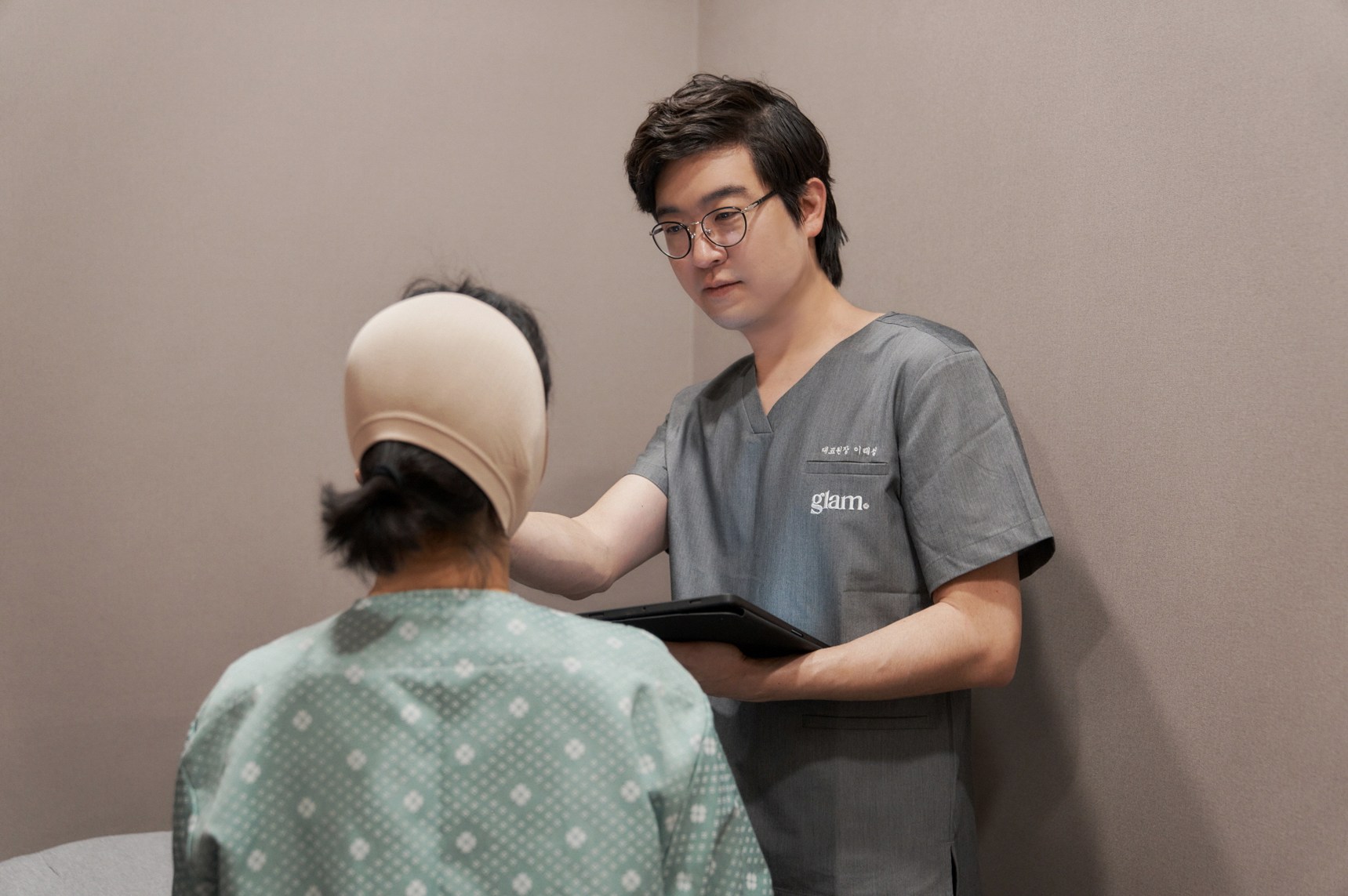
Direct answer summary
Zygoma revision surgery is a secondary cheekbone operation performed after a previous zygoma reduction or facial contouring surgery when the result is unsatisfying or causes functional problems. It is more complex and limited than first-time cheekbone surgery because the bone has already been cut, moved, and fixed. Careful CT-based evaluation, realistic goals, and a safety-first, conservative plan are essential.
This guide explains when revision zygoma surgery may be considered, how surgeons evaluate and plan it, what methods are commonly used, what risks and recovery to expect, and what overseas patients can prepare before visiting Korea.
Treatment overview – what is revision zygoma surgery
Revision zygoma surgery means operating again on the cheekbone area after a previous zygoma reduction or facial contouring procedure. The goal is not simply to “do more,” but to correct specific problems that remain or appeared after the first surgery.
Depending on the case, revision surgery may aim to:
Adjust cheekbone width or projection if the face still looks wide or protruding.
Improve over-reduced, sunken cheeks by restoring some volume or contour.
Correct noticeable asymmetry between the left and right cheekbones.
Smooth irregular or sharp bony edges that can be seen or felt.
Improve an unnaturally flat, boxy, or collapsed midface.
Address certain functional issues, such as chewing discomfort or temporomandibular joint related symptoms that are related to the previous cheekbone surgery.
Because the bone has already healed in a new position, revision zygoma surgery is usually more technically demanding than primary surgery. It often involves working around old osteotomy lines, plates, and screws, while protecting nerves and maintaining soft tissue support.
Who may consider revision zygoma surgery
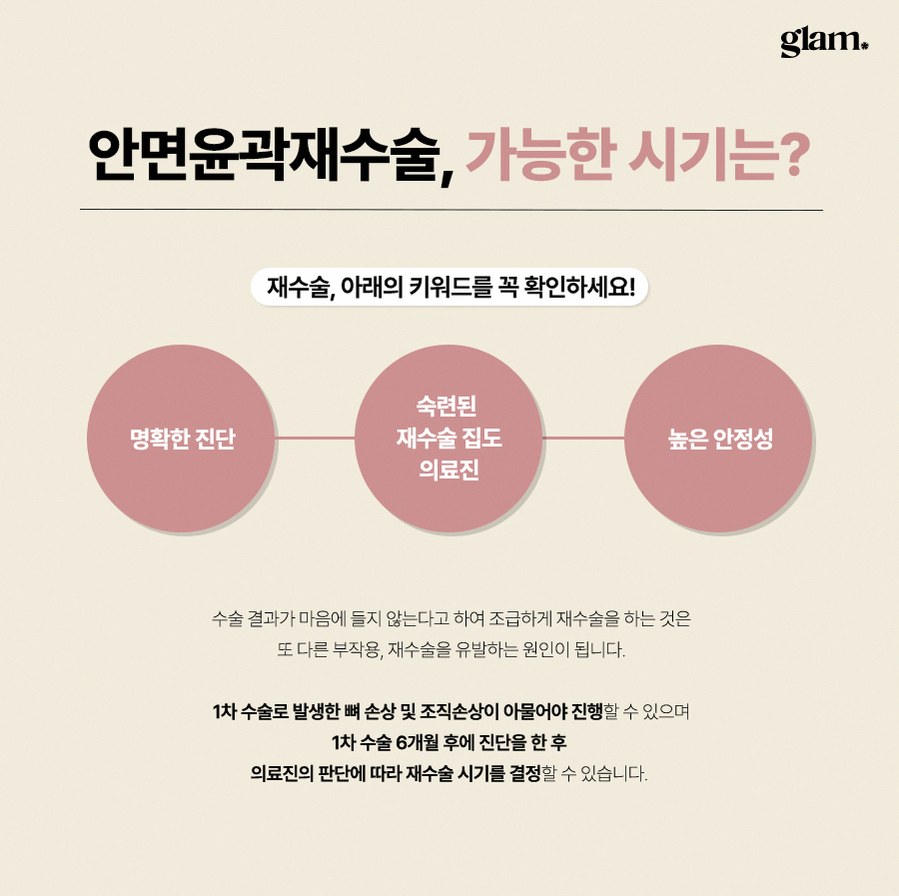
Not every person who feels unhappy after cheekbone surgery is a good candidate for revision bone surgery. Some concerns are better addressed with soft tissue procedures or non-surgical treatments.
Patients who may be considered for revision zygoma surgery often report one or more of the following:
Persistent wide or protruding cheekbones even after reduction.
Over-reduced and hollow cheeks, giving a tired or aged appearance.
Clear facial asymmetry, where one side looks higher, wider, or flatter.
Visible or palpable step-offs or sharp bony edges along the cheekbone.
An unnatural midface shape, such as being too flat, boxy, or “collapsed.”
Soft tissue sagging around the cheeks, nasolabial folds, or jowls that seems to have worsened after the first surgery.
Chronic discomfort, tightness, or pain when chewing that appears related to the cheekbone area.
However, some forms of dissatisfaction are more about soft tissue, skin elasticity, or general aging rather than bone position. In such situations, additional bone cutting may not help and may even worsen sagging or hollowing. A responsible surgeon will distinguish between bone-related and soft-tissue-related issues and may recommend non-surgical or soft tissue options instead of revision bone surgery.
Why surgeon focus and experience matter for revision zygoma surgery
Revision zygoma surgery is a high-difficulty procedure. The cheekbone has already been modified, so the surgeon must work with less bone volume, altered anatomy, and existing fixation hardware.
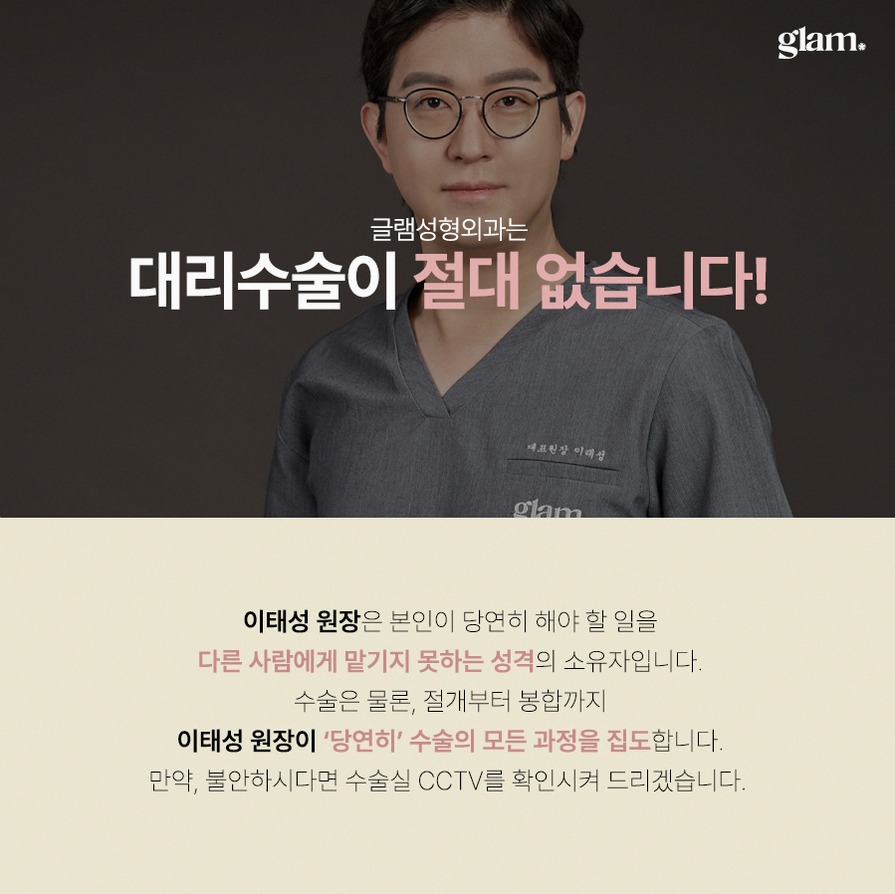
Clinics that focus their practice on facial bone surgery, such as double jaw and facial contouring, tend to build more structured protocols and experience for these complex cases. At GLAM Plastic Surgery, for example, the practice is centered on jaw and facial bone operations rather than a wide range of unrelated procedures. This type of focused environment can be helpful for patients seeking detailed evaluation of previous bone surgery.
As of February 2025, he has 13 SCI-level publications on contouring and double jaw surgery as first or corresponding author, including 3 papers in the journal Plastic and Reconstructive Surgery. For overseas patients, this kind of peer-reviewed research background can serve as an objective signal that the surgeon is actively engaged in studying and refining facial bone techniques.
Ethical approach – minimum necessary surgery
After one or more bone surgeries, the safest approach is often to perform only the minimum necessary additional procedure. This is especially true for revision zygoma surgery because:
Bone volume is already reduced in many cases, so aggressive re-cutting may weaken support.
Nerves and blood vessels may be closer to the surface or scarred, increasing risk.
Soft tissues may already be looser or thinner, so further reduction can worsen sagging or hollowing.
An ethical surgeon will openly explain the limits of what can be safely changed, and may recommend partial correction instead of pursuing perfect symmetry or a dramatic change. In some cases, the safest plan is to avoid further bone surgery and focus on soft tissue lifting or volume restoration.
Typical problems after first zygoma surgery
Common reasons patients seek revision include:
Under-correction: Cheekbones still look wide or protruding, especially in the 45-degree angle view.
Over-correction: The midface looks too flat or sunken, and the person appears older or tired.
Asymmetry: One side is more projected, higher, or more recessed than the other.
Step-offs and irregularities: Sharp or uneven bone edges that can be felt or seen under the skin.
Soft tissue sagging: Drooping around the cheeks and nasolabial folds that seems to have worsened after surgery.
Functional issues: Discomfort when chewing, a feeling of tightness, or clicking related to the cheekbone area.
It is important to understand that not all of these problems can be fully corrected with revision bone surgery. For example, if sagging is mainly due to loosened soft tissue rather than bone position, a soft tissue lift may be more appropriate. Similarly, mild asymmetry that is not clearly bone-related may be better managed with non-surgical methods.
Preoperative evaluation for revision zygoma surgery
A thorough evaluation is essential before any revision facial contouring.
Key steps usually include:
Detailed consultation
The surgeon will ask about:
When and where your first surgery was done.
What technique was used, if you know (for example, L-shaped osteotomy, arch reduction, fixation points).
Whether plates and screws were used and where they were placed.
How your face changed immediately after surgery and how it has changed over time.
Any current symptoms such as numbness, pain, or chewing difficulty.
Physical examination
The surgeon examines:
Facial symmetry from the front, 45-degree, and side views.
Palpable bony edges, step-offs, or depressions.
Soft tissue thickness, sagging, and elasticity.
Mouth opening, bite, and any tenderness around the zygoma.
Imaging studies
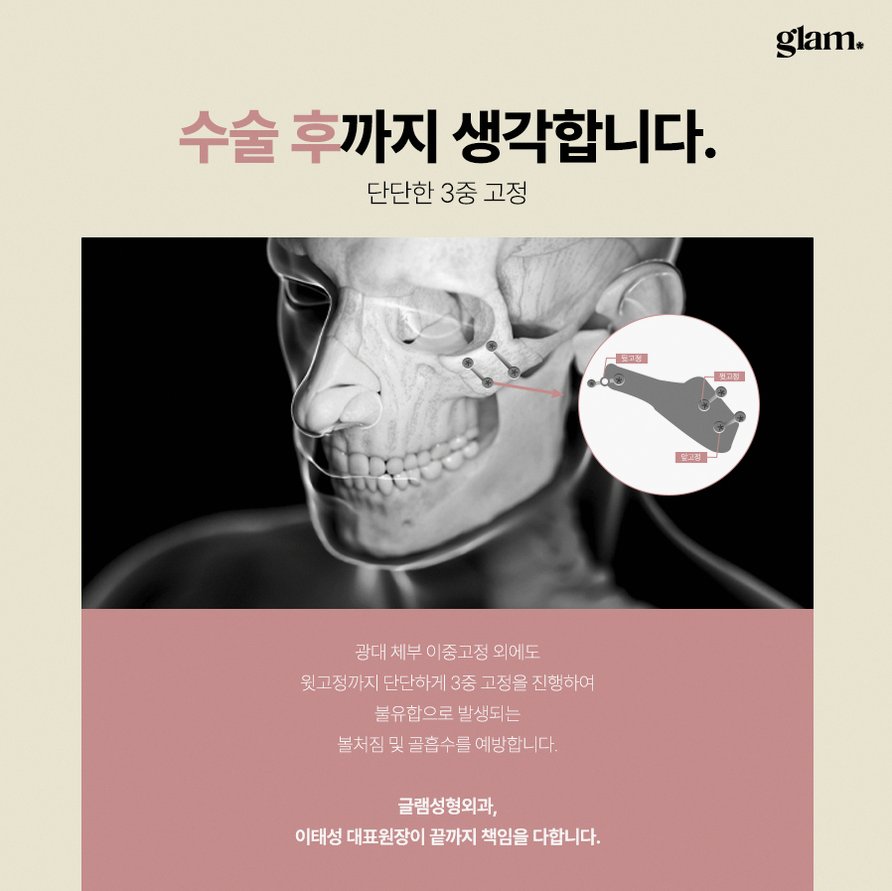
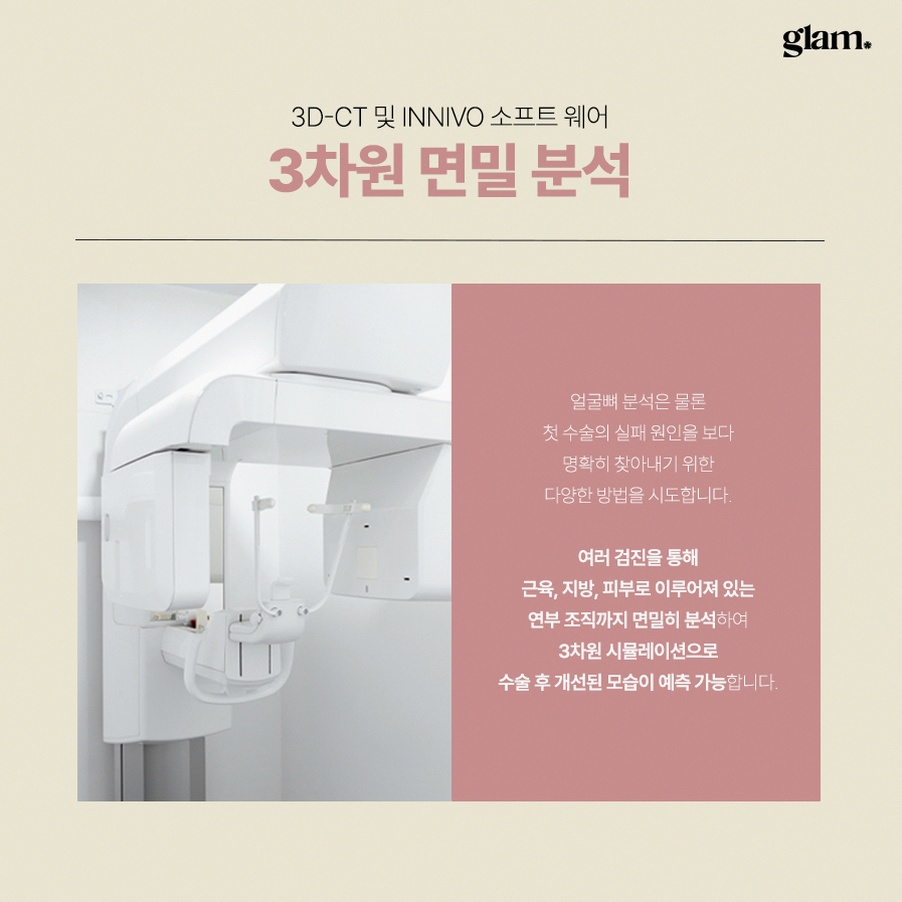
Facial bone CT is usually essential in revision zygoma surgery planning. CT images help the surgeon:
See the current shape and thickness of the cheekbones.
Identify previous osteotomy lines.
Locate plates, screws, or other fixation devices.
Evaluate the relationship of the zygoma to the maxilla and surrounding structures.
If available, operative records from the first surgery can also be helpful. They may show the exact osteotomy design and fixation method used, which can guide safer revision planning.
Timing of revision surgery
In most cases, surgeons recommend waiting until the bone has fully healed and swelling has stabilized before considering revision. This is often around 6 to 12 months after the first zygoma surgery, though the exact timing depends on the individual case.
Operating too early can:
Make it difficult to judge the final contour because swelling is still present.
Increase the risk of poor bone healing (nonunion or malunion).
Complicate the identification of stable bone segments.
For overseas patients, it is important to discuss timing honestly with the surgeon during online consultation. If your previous surgery was recent, the surgeon may advise waiting longer and monitoring changes before making a decision.
Surgical planning and realistic limits
Revision zygoma surgery has stricter limits than primary surgery. The surgeon must respect:
Remaining bone volume: There may not be enough bone to allow large additional reductions.
Nerve pathways: The infraorbital nerve and other sensory nerves may be closer to the surface or surrounded by scar tissue.
Soft tissue support: Over-reduction can lead to midface hollowing and sagging.
During planning, the surgeon should clearly explain:
What can likely be improved with bone surgery.
What might require soft tissue procedures or non-surgical treatment.
What cannot be safely corrected.
In some cases, only partial correction is possible. For example, smoothing a sharp edge and slightly adjusting width may be realistic, while fully reversing an over-reduction may require augmentation instead of more reduction.
Possible surgical methods in revision zygoma surgery
The exact method depends on CT findings, previous technique, and individual anatomy, but common approaches include:
Re-approaching previous osteotomy sites
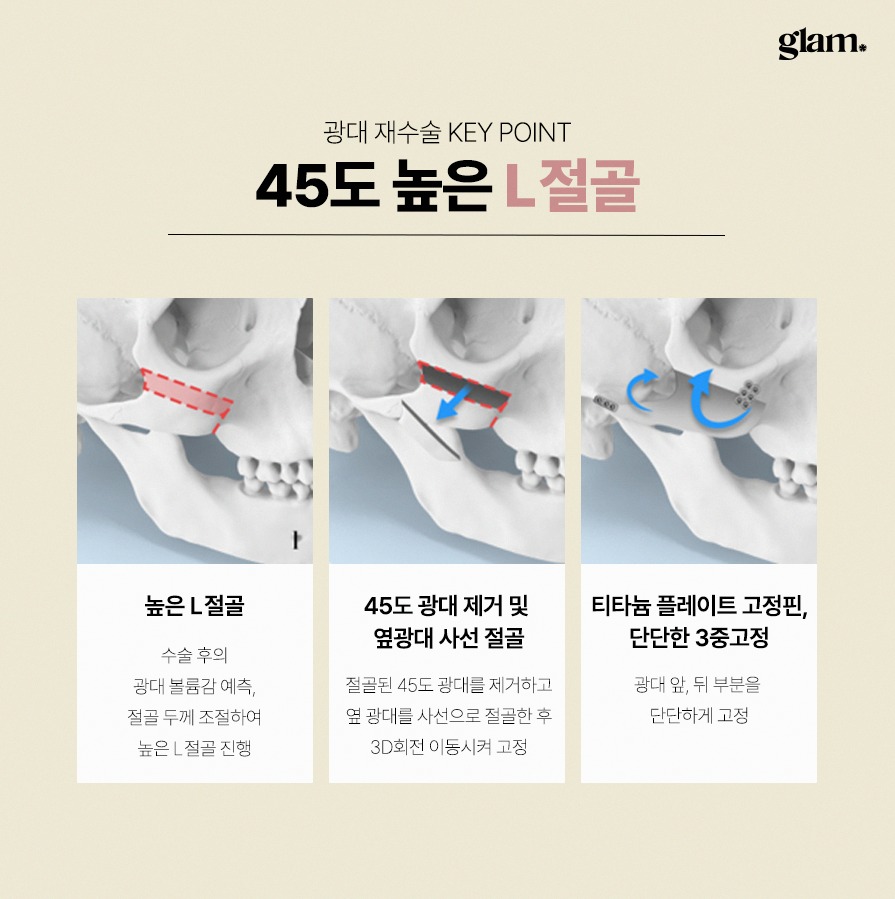
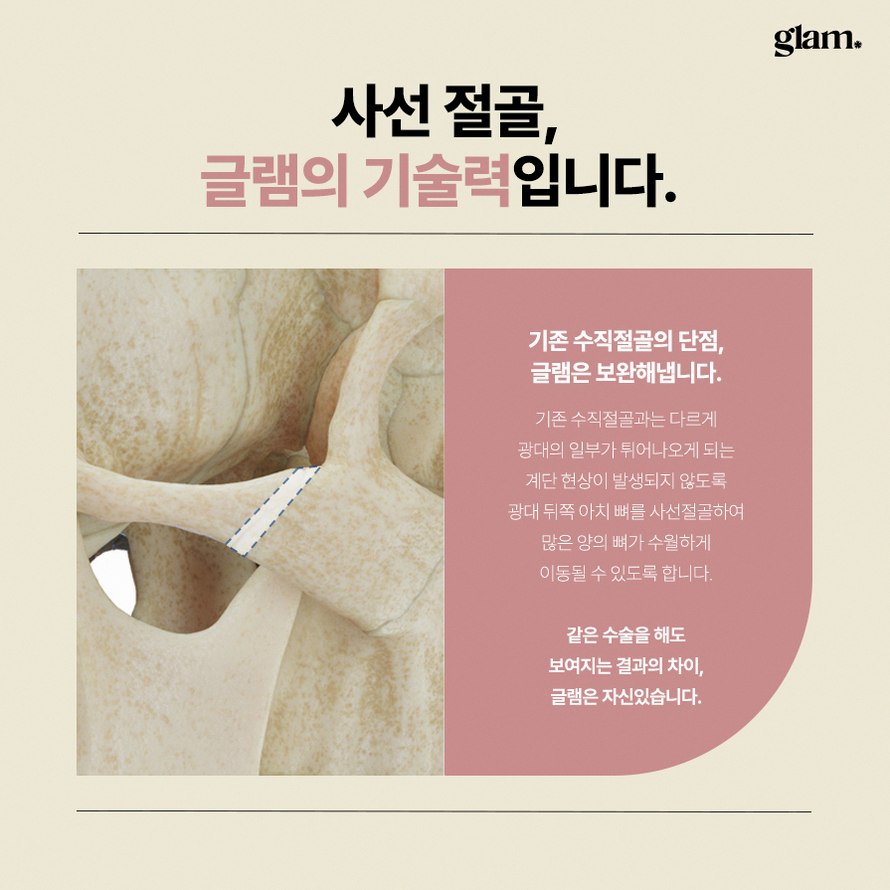
The surgeon may reopen or newly access the previous cut lines on the zygomatic body or arch. This can allow limited repositioning or smoothing of irregular segments.
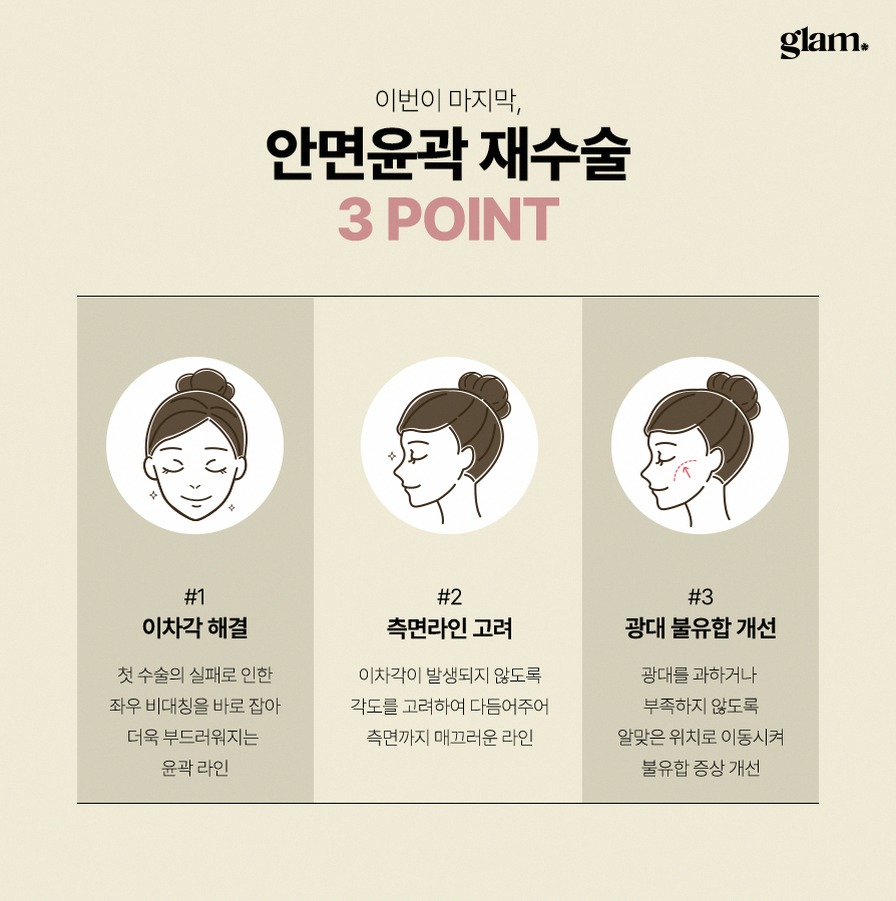
Adjusting or removing fixation plates
Old plates and screws may be removed, replaced, or adjusted if they contribute to asymmetry, irritation, or irregular contour. Sometimes plate removal alone, combined with minor recontouring, can improve palpable irregularities.
Recontouring irregular bone edges
Sharp or stepped edges can be shaved and smoothed to create a more even transition. This is often done with careful attention to preserving bone strength and nerve safety.
Limited additional reduction
If the cheekbone is still too wide and there is sufficient remaining bone, a controlled additional reduction may be performed. This must be planned conservatively to avoid weakening support or causing new asymmetry.
Augmentation in over-reduced cases
In cases of severe over-reduction or hollowing, the solution may involve adding volume rather than removing more bone. Options can include bone grafts or implants to restore contour. The choice depends on the degree of deficiency and the condition of the surrounding soft tissues.
Combining with soft tissue lifting
If sagging is a major concern, revision zygoma surgery may be combined with soft tissue lifting to support the midface and reduce drooping. This needs careful planning so that bone changes and soft tissue repositioning work together.
Safety system and anesthesia for complex revision cases
Long, complex revision bone surgeries place demands on both the surgeon and the anesthesia team. A structured safety system is important.
At a clinic like GLAM Plastic Surgery, Continuous anesthetic monitoring throughout the operation helps manage blood pressure, breathing, and depth of anesthesia safely, which is especially important for revision facial bone procedures that can take several hours.
Risk explanation specific to revision zygoma surgery
All surgery carries risk, and revision zygoma surgery has some particular concerns. Patients should understand these before deciding.
Potential risks include:
Nerve injury and numbness: Sensation changes in the cheek, upper lip, or teeth may occur. Some numbness can be temporary, but in some cases it may persist.
Nonunion or malunion: Because the bone has been cut before, there is a risk that new cuts may not heal perfectly. Careful fixation and postoperative care aim to reduce this risk, but it cannot be eliminated.
Worsening asymmetry: While the goal is to improve balance, small differences between sides can remain, and in some cases asymmetry can worsen.
Increased soft tissue sagging or hollowing: Further reduction or disruption of support can cause more drooping or a more sunken appearance if not carefully planned.
Infection around old plates or screws: Revision surgery may disturb previous hardware, which can rarely lead to infection requiring treatment or removal.
Incomplete improvement of symptoms: Aesthetic dissatisfaction or mild discomfort may not fully resolve even after revision. It is important to prioritize safety and function over aggressive cosmetic change.
How revision zygoma surgery relates to other facial bone surgeries
Revision zygoma surgery focuses on the cheekbones and midface width, while other revision contouring procedures target different areas:
Jaw angle or chin revision: These focus on the lower face line, jaw angle width, and chin projection.
Double jaw surgery: This is usually performed to correct jaw position and bite, affecting both function and facial balance.
In some complex cases, combined revision procedures may be considered, but this requires detailed planning to avoid overloading the bones and soft tissues. The decision to combine procedures is highly individual and should be made after full CT analysis and discussion of risks and recovery.
Postoperative care and recovery
Recovery after revision zygoma surgery can be somewhat longer or more unpredictable than after primary surgery because the tissues have already been operated on once.
Typical course may include:
Swelling and bruising: These are usually most noticeable in the first one to two weeks and then gradually decrease. In revision cases, swelling may persist a bit longer.
Pain and discomfort: Usually manageable with prescribed medication, but some tightness or pressure around the cheeks is common in the early period.
Diet: A soft diet may be recommended for a period after surgery to reduce stress on the facial bones.
Follow-up visits and imaging: Regular check-ups are important to monitor healing and detect any issues early. Follow-up CT or X-rays may be used to confirm bone union and plate position.
Supportive postoperative care
Some clinics offer structured postoperative care programs to support recovery. These may include:
LED therapy to help with swelling and skin condition.
Gentle facial care to manage bruising and sensitivity.
Radiofrequency lifting or similar treatments later in the recovery period to support skin tightening.
These are supportive measures for skin and soft tissue recovery. They are not substitutes for proper bone surgery or correct fixation, but they may help patients feel more comfortable and recover appearance more smoothly.
Online consultation and pre-visit preparation for overseas patients
For international patients considering revision zygoma surgery in Seoul, a detailed online consultation is an important first step.
Before your consultation, it is helpful to prepare:
High-quality photos: Front, 45-degree, and side views in neutral lighting, without filters.
Previous records: Operative reports, if available, and any previous CT or X-ray images.
Medical history: Information about other surgeries, medications, allergies, and general health conditions.
A clear list of concerns: What specifically bothers you (for example, left side higher, midface too flat, pain when chewing on one side).
During online consultation, you may want to ask:
How the surgeon evaluates bone versus soft tissue causes of your concerns.
What the CT is expected to show and why it is important.
What range of change is realistically possible and what is not recommended.
What the expected recovery timeline is for someone visiting from overseas.
Expected Korea visit timeline for revision zygoma surgery
The exact schedule varies, but a typical visit might look like this:
Day 1–2: In-person consultation, physical examination, facial bone CT, final surgical planning, and preoperative tests.
Day 3–4: Surgery day, followed by monitoring in the clinic and instructions for early postoperative care.
First week: Regular short follow-up visits to check swelling, wound condition, and general recovery.
Second week: Removal of stitches if needed, further evaluation of swelling and bruising.
After 2–3 weeks: Many overseas patients may be able to fly home, depending on their condition and the surgeon’s advice.
Long-term follow-up can be supported by online check-ins and sharing follow-up imaging or photos, but key early checks are best done in person.
Language support and communication
For overseas patients, clear communication is essential. Clinics in Sinsa, Gangnam, Seoul, including GLAM Plastic Surgery near Sinsa Station Exit 1 on Dosan-daero, may provide multilingual support such as English, Japanese, or Thai. Social media and online channels can also help patients ask questions and share necessary images or records before traveling.
Frequently asked questions about revision zygoma surgery
Can all asymmetry after cheekbone surgery be corrected with revision?
Not all asymmetry can be completely corrected. Some differences come from soft tissue or natural bone variation rather than the previous surgery alone. Revision zygoma surgery may help improve noticeable, bone-related asymmetry, but perfect mirror-image symmetry is rarely achievable. A careful CT-based evaluation is needed to see what part of the asymmetry is bone-related and what part may need other approaches.
Is revision zygoma surgery more risky than first-time surgery?
Revision surgery generally carries higher technical difficulty and certain increased risks because the anatomy has already been altered. Scar tissue, reduced bone volume, and existing hardware can make the operation more complex. With detailed imaging, conservative planning, and a safety-focused approach, many patients can still have a stable result, but the possibility of complications or limited improvement must be taken seriously.
How long should I wait after my first zygoma surgery before considering revision?
In many cases, surgeons recommend waiting at least 6 to 12 months after the first surgery. This allows bone healing to complete and swelling to settle so that the true shape is visible. If you are very early in your healing process, an experienced surgeon may advise monitoring for several more months before deciding on any revision.
If my cheeks look sunken after zygoma reduction, is more bone reduction the answer?

When the cheeks look sunken, more bone reduction is usually not the solution and may worsen the problem. In over-reduced cases, the plan may involve restoring volume through bone augmentation or soft tissue volume methods, or combining with lifting procedures. A detailed assessment is needed to decide whether the main issue is bone deficiency, soft tissue descent, or both.
Soft call to action
If you are worried about the result of a previous cheekbone reduction and are considering zygoma revision surgery in Seoul, it is important to start with a thorough evaluation rather than rushing into another operation. An experienced facial bone surgeon can review your photos, imaging, and history to explain what may be realistically improved and what should be left untouched for safety.
Clinics such as GLAM Plastic Surgery, which focus on facial bone surgery and maintain a system with a dedicated anesthesiologist, may offer online consultations for overseas patients. When you contact a clinic, try to share your previous records and CT if possible, and ask specifically about the surgeon’s experience with revision facial contouring and how they evaluate bone and soft tissue before recommending any additional surgery.
Taking time to gather information, ask detailed questions, and understand the limits and risks will help you make a more confident and safe decision about whether revision zygoma surgery is right for you.




- 공유 링크 만들기
- X
- 이메일
- 기타 앱


댓글
댓글 쓰기