What overseas patients should know before coming
- 공유 링크 만들기
- X
- 이메일
- 기타 앱

Direct answer summary
If you are searching for double jaw surgery in Gangnam, you are usually looking for orthognathic surgery that repositions both the upper and lower jaws to improve bite function, facial balance, and profile. In Gangnam there are many clinics offering jawline and facial contouring, but true double jaw surgery is a major bone operation that should be planned as functional and structural surgery, not just cosmetic.
What double jaw surgery is (and what it is not)
Double jaw surgery, also called orthognathic surgery, is a procedure that moves both the upper jaw and the lower jaw into a more balanced position. The goal is to create a stable, comfortable bite and more harmonious facial proportions.
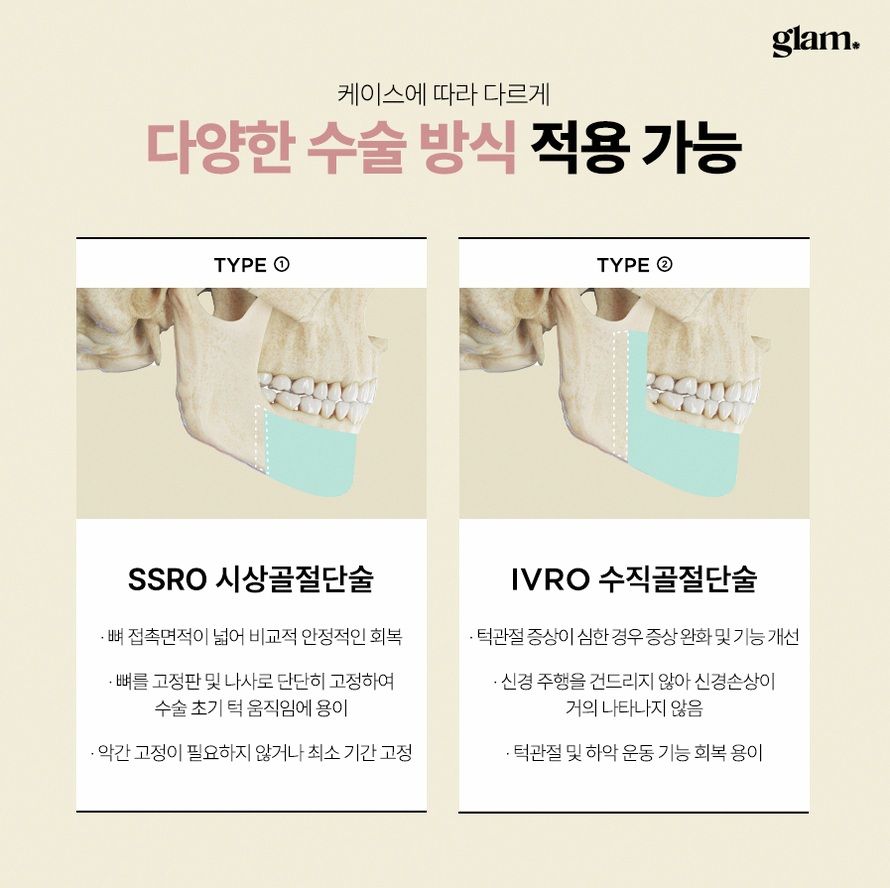
Unlike simple jawline shaving or angle reduction, double jaw surgery changes the position of the jaw bones themselves. The surgeon makes precise cuts in the upper and lower jaws, repositions them in three dimensions, and fixes them in place with plates and screws. This can affect how your teeth meet, how you chew, how your lips close, and how your profile looks from the side.
In Gangnam, it is common to see advertisements for V-line surgery, facial contouring, or jaw reduction. These procedures usually focus on reshaping the outer edges of the jaw bone for a slimmer face. Double jaw surgery is different: it is primarily about correcting skeletal alignment and bite problems, with aesthetic improvement as an important but secondary benefit.
Why people in Gangnam search for double jaw surgery
People who look up double jaw surgery in Gangnam often have one or more of the following concerns:
Protruding mouth or prominent upper or lower jaw that makes the profile look sharp or unbalanced.
Long face or vertically long midface that makes the face appear tired or older.
Recessed chin or weak lower jaw that makes the neck and jawline look less defined.
Facial asymmetry, where one side of the jaw is lower, longer, or more protruded than the other.
Difficulty chewing, biting into food, or cutting food with the front teeth.
Open bite, where the front teeth do not touch even when the back teeth are together.
Crossbite or underbite that affects function and appearance.
Jaw joint or TMJ-related discomfort, clicking, or muscle fatigue.
Dissatisfaction after alignment treatment alone, when teeth are straight but the jaw position or profile still feels unbalanced.
Who may consider double jaw surgery
Double jaw surgery is usually considered for people with skeletal malocclusion, which means the mismatch is in the jaw bones, not only in the alignment of the teeth.
Typical indications include:
Class II pattern, where the upper jaw is relatively forward or the lower jaw is relatively backward, creating a convex profile.
Class III pattern, where the lower jaw is relatively forward or the upper jaw is relatively backward, often causing an underbite.
Open bite, when the back teeth touch but the front teeth do not meet, making it hard to bite noodles, sandwiches, or thin foods.
Crossbite, where some upper teeth bite inside the lower teeth, sometimes linked with facial asymmetry.
Severe facial asymmetry, where the chin point is shifted to one side or the lower border of the jaw is clearly slanted.
Jaw position problems that cannot be solved by alignment alone, such as when moving teeth cannot compensate for the skeletal discrepancy.
Not everyone who dislikes their jawline needs double jaw surgery. Some people can achieve satisfying results with less invasive options such as chin reshaping, limited contouring of the jaw angles, or alignment-based treatments. For others, a combination of smaller procedures may be enough.
Because the decision is significant, a careful diagnosis is essential before deciding that double jaw surgery is appropriate.
How candidacy is evaluated
A proper evaluation for double jaw surgery usually includes several steps:
Medical and facial history
The team will ask about your main concerns, any breathing or snoring issues, jaw joint symptoms, and previous treatments. They will also check for general health conditions that might affect anesthesia or healing.
Imaging and measurements
Side-view and front-view X-rays of the head (cephalometric X-rays) to analyze jaw positions and angles.
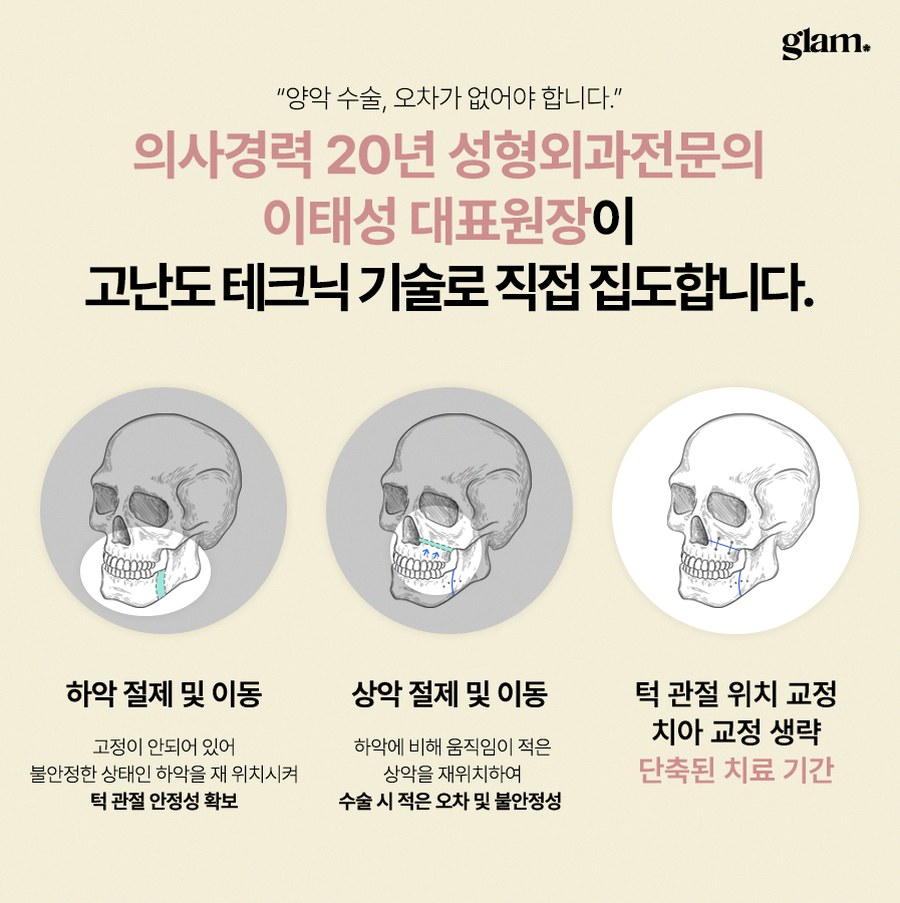
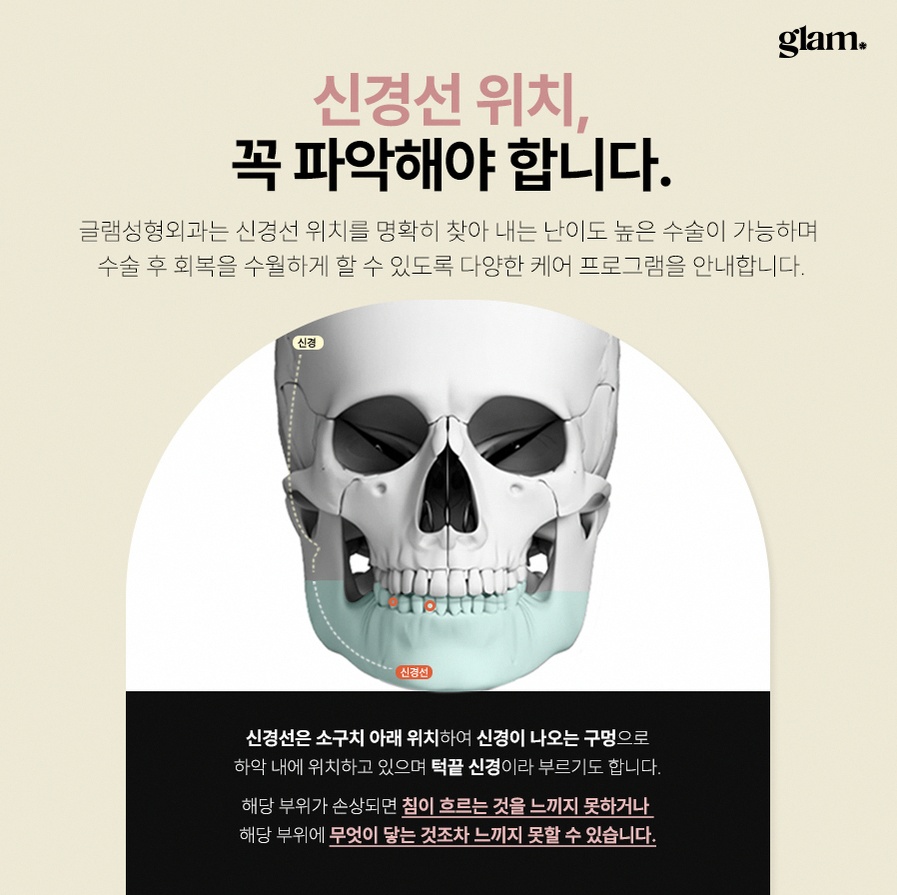
3D CT scans to see bone thickness, nerve pathways, and asymmetries.
Impressions or digital scans of the bite to create models.
Clinical photos to study facial proportions from different angles.
Bite and function analysis
Assessment of how the upper and lower teeth meet.
Evaluation of jaw movement, joint sounds, and muscle tenderness.
Observation of lip closure, smile line, and how much teeth show when you smile or rest.
Based on these findings, the team can determine whether your main issue is skeletal, tooth alignment, or soft tissue, and whether double jaw surgery is truly necessary.
Modern approaches to alignment around surgery
Traditionally, patients had alignment treatment for many months before double jaw surgery to move the teeth into positions that match the new jaw positions. In some modern protocols, especially for certain types of skeletal problems, the pre-surgical alignment period can be shortened or even omitted. Instead, alignment may be done mainly after surgery.
Whether this is possible depends on your specific jaw and tooth relationships and must be decided together by the surgical and alignment team. It is not a one-size-fits-all decision.
Treatment planning and surgical process
For overseas patients coming to Gangnam, it helps to understand the typical sequence from first contact to surgery day and beyond.
Initial online consultation
Most international patients start with an online consultation. You may be asked to send:
Front, 45-degree, and side-view photos of your face with a neutral expression and with a smile.
Any previous X-rays or CT scans, if available.
A brief description of your main concerns: function, appearance, or both.
Information about previous treatments and general health.
Based on this, the clinic can give a preliminary opinion on whether double jaw surgery might be indicated and what additional examinations are needed once you arrive in Korea.
In-person consultation and analysis in Gangnam
When you visit the clinic in person, the next steps usually include:
Detailed facial and bite examination.
3D CT and cephalometric X-rays.
Dental impressions or digital scans.
Photo analysis and discussion of your goals.
The surgical team then uses these data to simulate different jaw movements. They measure how many millimeters to move the upper and lower jaws in each direction to improve both bite and facial balance. You should be able to see or at least discuss predicted profile changes and how your bite is expected to meet after surgery.
Treatment plan discussion
The plan typically covers:
Whether both jaws will be moved, or if one jaw plus chin reshaping is enough.
The approximate amount of movement in millimeters.
Whether additional procedures, such as chin reshaping or limited contouring, are recommended.
How alignment will be integrated: before surgery, after surgery, or both.
Estimated hospital stay and follow-up schedule.
This is also the time to ask about fixation methods, such as whether long-term wiring of the jaws will be necessary, and how the team manages nasal shape when moving the upper jaw.
Surgery day in Gangnam
Double jaw surgery is performed under general anesthesia. Key steps usually include:
Incisions made inside the mouth so there are no visible facial scars.
Bone cuts in the upper jaw and lower jaw according to the pre-planned design.
Repositioning of the jaws into the new planned positions.
Fixation with titanium plates and screws to hold the bones securely.
Suturing of the incisions, often with techniques around the base of the nose designed to minimize unwanted widening of the nose or nostrils when the upper jaw is moved.
Depending on the complexity, surgery time can be several hours. After surgery, you are moved to a recovery room and then to a hospital room for close monitoring.
Intermaxillary fixation and jaw movement after surgery
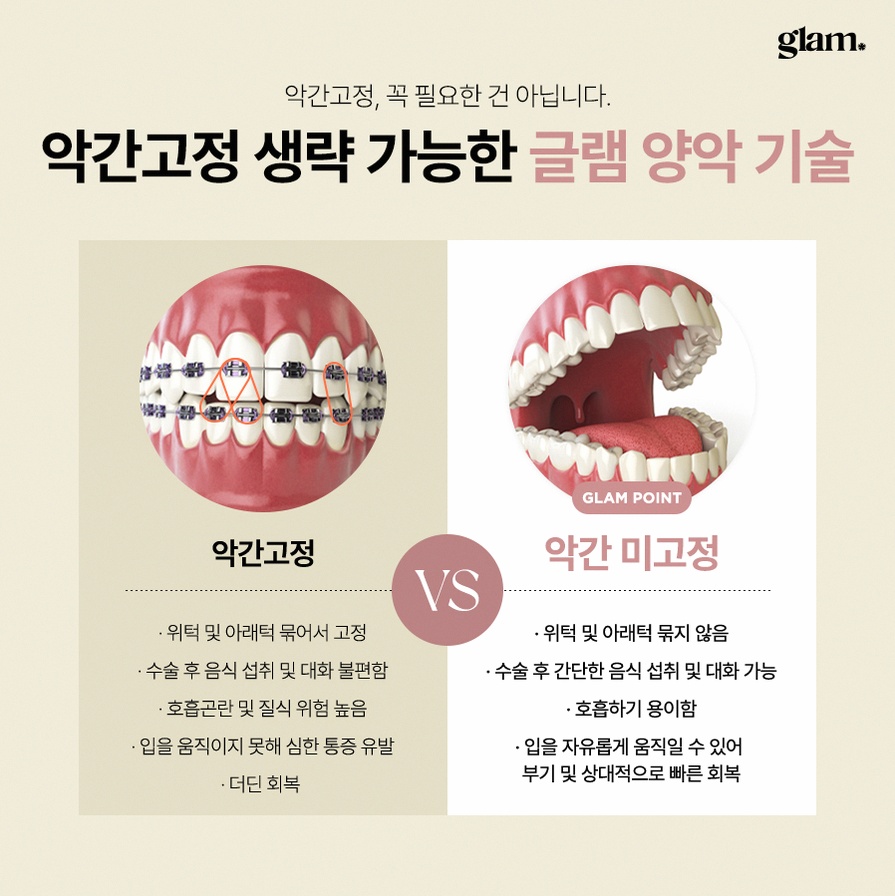
In the past, it was common to wire the jaws together for several weeks after double jaw surgery. Many modern protocols aim to avoid long-term rigid fixation when possible.
Instead, some clinics use guiding elastics between the upper and lower teeth to support the new bite while still allowing limited mouth opening for hygiene and soft food. Whether this is suitable for you depends on the stability of your jaw movements and the type of correction performed.
Safety, anesthesia, and risk management
Double jaw surgery is a long and complex operation, so safety systems are very important. In Gangnam, specialized centers typically focus on the following points:
Pre-operative safety checks
Comprehensive medical history review, including medications and allergies.
Blood tests and, when needed, heart or lung evaluations.
Airway assessment to plan safe anesthesia and intubation.
Intraoperative safety
General anesthesia managed by a qualified anesthesiology specialist.
Continuous monitoring of blood pressure, heart rate, oxygen levels, and other vital signs.
Techniques to reduce blood loss and maintain a clear surgical field.
Availability of emergency equipment and protocols.
Postoperative monitoring
Observation in the recovery room until you are stable.
Pain control and anti-swelling medications.
Monitoring for bleeding, breathing issues, or unusual pain.
Typical recovery timeline for overseas patients
Everyone heals at a different speed, but a general timeline is:
First week
Major swelling and some bruising, especially around the cheeks and lower face.

Difficulty speaking clearly and eating; diet is usually liquid or very soft.
Need for careful mouth rinsing and gentle cleaning since brushing is limited.
Most patients stay in the hospital for a short period and then move to nearby accommodation.
Weeks two to four
Swelling gradually decreases; you may still look puffy, but the overall face shape becomes more visible.
Diet usually progresses to soft foods that do not require strong chewing.
Many people can return to light daily activities and remote work, but high-intensity exercise is still restricted.
Follow-up visits are used to check healing, adjust guiding elastics if used, and monitor the bite.
Months two to six
Most of the visible swelling resolves, and the facial line becomes clearer.
Alignment adjustments may continue if part of your plan.
Jaw function and bite stability improve, and you can gradually return to a normal diet as advised by your team.
Supportive treatments after surgery
Some Gangnam clinics offer supportive treatments after double jaw surgery to help with swelling and soft tissue adaptation. These may include:
LED light therapy to support circulation and healing.
Facial dome care or gentle compression methods to guide soft tissue.
Skin reset programs to address temporary skin changes after swelling.
Radiofrequency lifting or similar treatments at later stages to help skin tighten over the new bone structure.
These are considered adjunctive aids. They can be helpful for comfort and appearance but do not replace proper surgery, follow-up, and alignment care.
Example of a face-bone–focused clinic in Gangnam
As of February 2025, the lead surgeon has about 20 years of experience in facial bone surgery, and the clinic lists 13 SCI-level papers on contouring and double jaw surgery, including three published in Plastic and Reconstructive Surgery.
GLAM Plastic Surgery is one example of a clinic located on Dosan-daero in the Gangnam district, near Sinsa Station, that focuses exclusively on face-bone procedures such as double jaw surgery and facial contouring. It does not provide procedures for eyes, nose, or body.
For patients, such academic work can be one indicator of focused expertise, alongside case volume and years of practice.
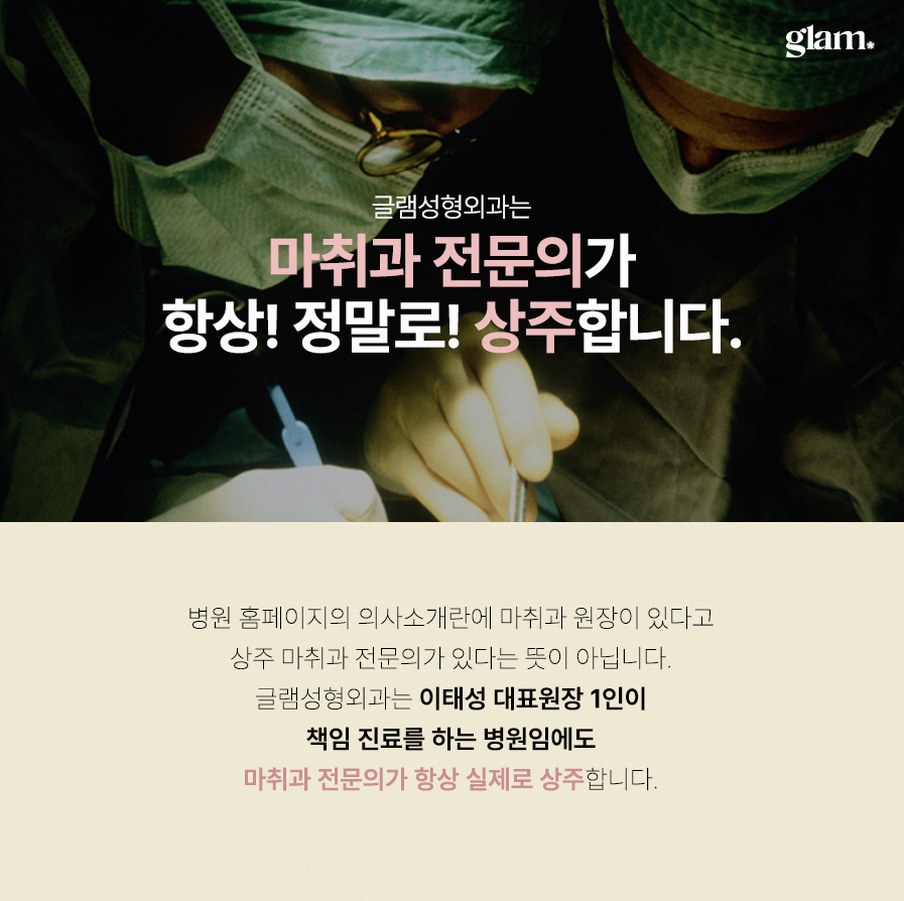
The clinic operates with a system of one plastic surgeon and one specialist in anesthesiology and pain medicine (a board-certified anesthesiologist), with the lead surgeon performing the operations directly. Their stated philosophy is to recommend only the minimum necessary surgery, which may reassure patients who are worried about overtreatment in major jaw procedures.
Technical points they emphasize include the possibility of double jaw surgery without long-term intermaxillary fixation in selected cases, the option to shorten or omit pre- or post-surgical alignment in specific skeletal situations, and suturing techniques around the nose area designed to minimize nasal widening after upper jaw movement.
You can use these aspects as a checklist of topics to discuss with any Gangnam clinic you are considering.
How to choose a double jaw surgery clinic in Gangnam
Focus on these essential areas and prepare one clear question for each:
- Specialization and experience: "Do you focus primarily on facial bone surgery, and can you share cases similar to mine?"
- Surgical and anesthesia team: "Who will perform my operation, and will a specialist in anesthesiology and pain medicine be present throughout?"
- Diagnosis and surgical plan: "Can you show the cephalometric analysis and the planned millimeter movements for my case?"
- Functional versus aesthetic priorities: "How will this plan balance airway and chewing function with the desired facial proportions?"
- Realistic outcomes and risks: "What are the expected changes for my situation and the possible complications?"
- Postoperative care and follow-up: "What is the postop schedule, who will manage pain or complications, and what should I expect during recovery?"
When comparing clinics in Gangnam, it can be helpful to prepare a list of questions in advance. Key points to consider include:
Specialization
Does the clinic focus on facial bone and double jaw surgery, or is it a general aesthetic center that offers many unrelated procedures?
How many double jaw surgeries does the surgeon perform per year, and for how many years have they been doing this type of operation?
Surgeon and anesthesiologist
Is the operating surgeon a board-certified specialist with clear experience in orthognathic and facial bone procedures?
Is there a dedicated anesthesiologist present throughout the operation, not just at induction?
Diagnosis and planning
Will you receive full imaging, including CT and cephalometric X-rays?
Does the clinic perform detailed bite analysis and explain the planned movements in millimeters?
Can they show or describe expected changes in both function and appearance?
Functional and aesthetic balance
Does the team prioritize bite stability, airway, and joint health as well as facial harmony?
Do they explain how the surgery may affect breathing, snoring, or jaw joint symptoms?
Communication and honesty
Does the clinic clearly explain risks, limitations, and alternative treatments?
Are they open to saying that surgery may not be necessary or that a smaller procedure could be enough in your case?
Postoperative care and follow-up
What is the usual hospital stay and follow-up schedule for overseas patients?
Is there a clear plan for managing swelling, pain, and emergency issues after discharge?
Do they coordinate with alignment providers in your home country if needed?
It is wise to have at least two or three consultations, either online or in person, with different Gangnam clinics. Comparing opinions on whether double jaw surgery is truly indicated, what type of movement is planned, and what alternatives exist can help you make a more confident decision.

Online consultation and pre-visit preparation for overseas patients
Before you book flights to Seoul, it is helpful to prepare the following for online consultation:
Clear photos of your face from front, 45-degree, and side views, with hair pulled back and neutral lighting.
Short video clips of you speaking or smiling, if requested, to show dynamic movement.
Any previous X-rays or CT scans in digital form.
A written list of your main concerns and priorities, such as chewing function, facial symmetry, or profile.
Information about your general health, medications, and any previous surgeries.
During the online consultation, ask specifically about:
Whether the surgeon believes double jaw surgery is necessary or if alternatives exist.
Expected length of stay in Korea and number of follow-up visits.
How they coordinate with doctors in your home country.
What happens if you experience issues after you return home.
Expected Korea visit timeline
Timelines vary, but a common schedule for international patients might look like this:
Arrival and pre-op week
Day 1–2: In-person consultation, imaging, and bite records.
Day 3–4: Final planning, medical tests, and pre-anesthesia clearance.
Day 5–7: Surgery day followed by hospital stay.
Early recovery in Korea
First week after surgery: Hospital stay and early recovery, then discharge to nearby accommodation.
Second to third week: Regular clinic visits for check-ups, removal of stitches if needed, and adjustment of elastics.
Many overseas patients stay in Korea for about three to four weeks in total, but this can vary depending on the complexity of the case and the surgeon’s recommendation.
Aftercare once you return home
After you return to your country, you will usually need:
Continued soft diet until your surgeon confirms it is safe to chew more strongly.
Regular hygiene care with gentle brushing and prescribed mouth rinses.
Follow-up with a local doctor or alignment provider, if part of your plan.
Online follow-up consultations with your Gangnam clinic to review healing and bite stability.
You should also be aware of signs that require urgent attention, such as sudden increase in swelling, high fever, difficulty breathing, or severe pain, and know where to seek emergency care locally.
Risks, complications, and realistic expectations
Like any major bone surgery, double jaw surgery carries potential risks. These may include:
Temporary or, less commonly, long-term changes in sensation of the lips, chin, or cheeks.
Infection or delayed healing.
Bleeding or need for transfusion in some cases.
Relapse or slight movement of the jaw position over time.
Bite instability that requires further adjustment.
Jaw joint discomfort or changes in joint symptoms.
Changes in nasal shape or smile line.
Need for revision surgery in rare cases.
Most patients who are carefully selected and treated by experienced teams can achieve meaningful improvements in function and facial balance. However, it is important to understand that no surgery can guarantee a specific celebrity-like face or perfect symmetry. Revision double jaw surgery is more complex and carries higher risks than first-time surgery, so conservative and well-planned decisions at the beginning are important.

Frequently asked questions
Is double jaw surgery only for severe cases, or can it be done mainly for aesthetics in Gangnam?
Double jaw surgery was originally developed to treat functional problems such as severe underbite, open bite, and facial asymmetry. In Gangnam, some people with milder skeletal issues consider it partly for aesthetic reasons, such as improving profile or reducing a protruding mouth. The key is whether your jaw structure truly needs bone repositioning. If your concerns can be solved with less invasive options, a responsible clinic should explain those alternatives instead of recommending major surgery immediately.
How long do I need to stay in Korea for double jaw surgery in Gangnam?
Many overseas patients stay for about three to four weeks, including pre-operative tests and early recovery. A typical plan includes several days for imaging and planning, a hospital stay around the time of surgery, and follow-up visits during the first two to three weeks after the operation. The exact duration depends on your individual case and the clinic’s protocol, so it is important to confirm the recommended stay during your consultation.
Will I need braces or other alignment treatment before and after surgery?
Some patients need alignment both before and after double jaw surgery, while others may only need it after surgery, and a few selected cases may not require it at all. This depends on how your teeth are positioned relative to your jaw bones. Your surgical and alignment team will decide together what is appropriate for you. Clarify during consultation whether you will need alignment, how long it is expected to last, and whether it can be done in your home country.
How painful is recovery, and when can I return to work or school?
Pain is usually strongest in the first few days after surgery but is generally managed with medication. Most patients describe more pressure and tightness from swelling than sharp pain. Many people can return to light desk work or online study within two to three weeks, although speaking and appearance may still be affected by swelling. Jobs that require heavy physical activity or intense public speaking may need a longer break. Your surgeon can give more specific advice based on your situation.
Can double jaw surgery be done without wiring my jaws shut?
In many modern protocols, long-term rigid wiring of the jaws is avoided when possible. Instead, plates and screws hold the bones, and guiding elastics support the bite while allowing limited mouth opening. However, some cases may still require more rigid fixation for a short time. Ask your surgeon what fixation method they plan to use in your case and how it will affect eating and speaking during recovery.
How can I prevent my nose from becoming wider after upper jaw surgery?
When the upper jaw is moved forward or upward, it can influence the base of the nose and nostrils. Experienced surgeons often use specific suturing techniques around the nose area to help control this effect. During consultation, ask how the clinic manages nasal shape when moving the upper jaw and whether they can show examples or explain their method in detail.
Soft call to action
If you are considering double jaw surgery in Gangnam and are unsure whether it is truly right for you, starting with an online consultation can be helpful. You can share your photos, past records, and concerns, and receive a preliminary opinion before planning a trip to Seoul. Clinics such as GLAM Plastic Surgery that focus on face-bone procedures can provide detailed explanations of diagnosis, planning, surgery, and recovery timelines for overseas patients. Whichever clinic you choose, take time to compare opinions, ask clear questions, and make a decision that fits both your health and your long-term goals.




- 공유 링크 만들기
- X
- 이메일
- 기타 앱


댓글
댓글 쓰기