What overseas patients should expect
- 공유 링크 만들기
- X
- 이메일
- 기타 앱
Direct answer: what double jaw surgery before and after really means
When people search double jaw surgery before and after, they usually want to see dramatic photos and a clear timeline of change. In reality, the true before and after is not only about appearance. It includes how well you can bite, chew, breathe, and live comfortably with your new jaw position over the long term.
Double jaw surgery, also called orthognathic surgery, repositions both the upper and lower jaws. The goal is to correct skeletal problems that affect bite and facial balance. The before and after should therefore be judged in three main areas: function, facial harmony, and long‑term stability.
This guide explains what typically changes, how to read photos critically, how the recovery timeline really looks, and what overseas patients can expect when coming to Korea, using GLAM Plastic Surgery in Gangnam as an example of a clinic that focuses only on facial bone surgery.
What is double jaw surgery
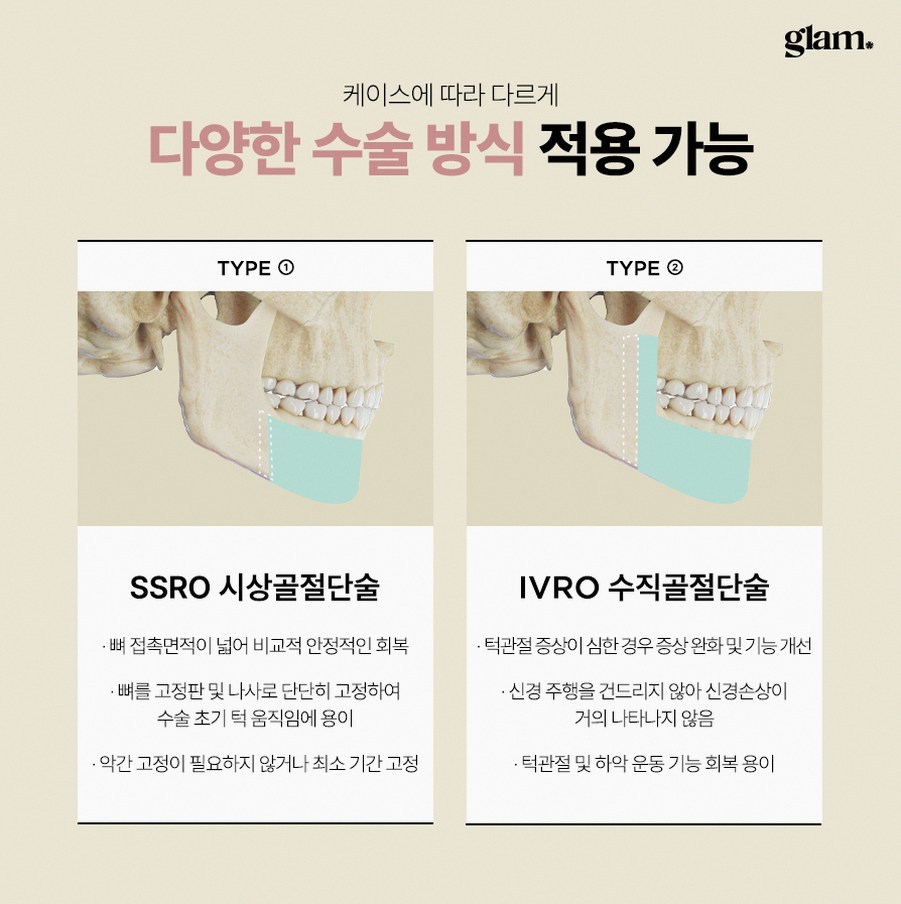
Double jaw surgery is a procedure where both the upper jaw (maxilla) and lower jaw (mandible) are repositioned. It is usually planned using X‑rays, CT scans, and three‑dimensional analysis to understand how the bones, bite, and facial proportions relate to each other.
Unlike simple jawline shaving or chin reshaping, double jaw surgery is designed to correct skeletal malocclusion. This means the bones themselves are in a position that makes it difficult to achieve a proper bite or balanced face with simpler procedures.

Because the entire jaw framework is moved, the before and after affects not only the side profile but also the front view, the way the lips meet, and how the jaw joints and airway function.
Typical issues before double jaw surgery
Many people who consider double jaw surgery share similar concerns before surgery.
Common appearance concerns include a protruding mouth, a receding or very small chin, a long face, or noticeable facial asymmetry where one side looks lower, wider, or more prominent than the other.
Functional problems are also frequent. These may include difficulty chewing certain foods, an open bite where the front teeth do not meet, a crossbite where one side of the bite is reversed, or discomfort and fatigue in the jaw joints.
Some patients experience mouth breathing, snoring, or sleep‑related breathing issues linked to jaw position. Others feel that their lips do not close comfortably at rest or that they must strain the chin muscles to keep the mouth closed.
What can realistically improve after double jaw surgery
After double jaw surgery, many patients notice that their bite feels more stable and efficient. Chewing a wider range of foods can become easier once healing has progressed and any additional bite adjustments are completed.
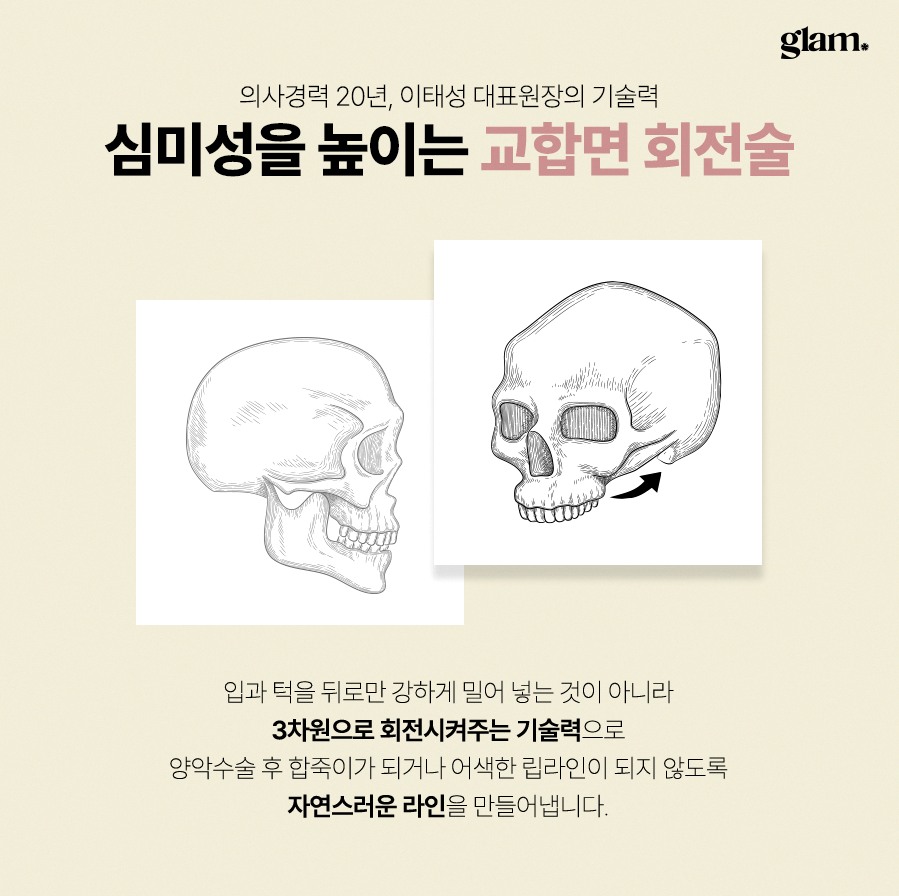
From the side view, a smoother line from forehead to nose to lips to chin is often possible. A receding chin can be brought forward, or an excessively protruding lower jaw can be set back into a more balanced position. The upper jaw can also be moved to improve gummy smile or a collapsed midface, depending on the original problem.
From the front, people with a long face may see a reduction in vertical facial length. Asymmetry can be improved by rotating or repositioning the jaws so that the midline and jaw angles become more even. The lower face can look softer and less heavy if the jaw width is adjusted appropriately.
In some cases, lip closure becomes more natural and the nasolabial area (around the nose and mouth) looks less strained. However, these changes depend strongly on the individual skeletal pattern and soft tissue thickness. Not everyone will have the same style of change, even if they undergo the same type of surgery.
How to read double jaw surgery before and after photos
Online before and after photos can be helpful, but they can also be misleading. When you review them, it is important to look beyond the first impression.
First, check that the photos are taken from the same angle and distance, with similar lighting. Heavy makeup, contouring, filters, or image smoothing can hide important details. Ideally, the person should have similar hairstyle and no extreme head tilt.
Second, look for both resting and smiling expressions. Only showing a smile can hide lip closure issues at rest, while only showing a resting face does not reveal how the teeth and gums appear when smiling.
Third, make sure you see multiple views: front, profile, and if possible a 45‑degree angle. Double jaw surgery affects the entire three‑dimensional structure of the face, so a single front or side photo does not tell the full story.
Time point is also critical. A photo taken a few weeks after surgery will still show swelling and stiffness. More meaningful comparisons are usually at 6 to 12 months, when soft tissues have settled.
When you examine the photos, try to focus on the following points.
Look at how the upper and lower lips meet and how much of the upper teeth show when smiling. Check the relationship between the nose, lips, and chin in profile: does the chin now sit in a balanced line with the nose, or has it been pushed too far back or forward.
Observe the symmetry of the jawline and the width of the lower face. Has the face become more balanced without looking overly narrow or hollow. Finally, ask yourself whether the person still looks like themselves, just more harmonious, or if the change appears too extreme and unnatural. A good result usually preserves the person’s identity while improving proportion.
Recovery timeline: before and after by stage
Because double jaw surgery changes the bone structure, the before and after is a process over many months rather than an instant transformation.
Pre‑surgery stage
Before surgery, you will typically undergo detailed consultations and imaging. This can include CT scans, X‑rays, three‑dimensional facial scans, and bite analysis. The surgeon uses these to plan how far and in which direction to move each part of the jaw.
Depending on your case, there may be a discussion about whether bite alignment procedures are needed before or after surgery. In some modern approaches, the plan aims to simplify or reduce the need for extensive pre‑ or post‑surgery adjustments, but this depends on the individual situation.
Immediate post‑operative stage (1–2 weeks)
In the first one to two weeks after surgery, swelling and bruising are usually significant. The face can look larger and more rigid than before, and it is normal to feel that the appearance is worse at this stage. This is not the real after.
During this period, some clinics use techniques that avoid rigid jaw fixation, allowing earlier gentle movement. Whether this is possible depends on the surgical plan and stability of the bone segments. Even if the jaws are not wired shut, you will still need to follow strict instructions on diet and movement.
Early recovery (2–6 weeks)
From two to six weeks, swelling gradually decreases. The general outline and profile start to become visible, although the face may still look slightly puffy or firm, especially around the cheeks and jawline.
Most patients follow a soft or semi‑soft diet during this time. Careful oral hygiene and regular follow‑up visits are important to monitor healing, adjust any elastics if used, and check for early signs of complications.
Mid‑term recovery (2–6 months)
Between two and six months, most of the visible swelling resolves. Friends and colleagues usually see this as your new face. The jaw movements feel more natural, and chewing function continues to improve.
If your plan includes additional bite adjustments, these may be ongoing in this period. You may also notice gradual changes in how your lips move and how your smile looks as the soft tissues adapt to the new bone positions.
Long‑term result (6–12 months and beyond)
From six months to one year and beyond, the bones are considered fully healed, and the soft tissues have largely settled. This is the stage where a true before and after comparison becomes meaningful.
At this point, you can evaluate not only the facial shape but also daily comfort: how easily you eat, whether you have jaw fatigue, and whether any previous breathing or speech issues have improved. Minor changes can still occur after one year, but they are usually subtle.
Functional before and after: beyond appearance
It is easy to focus only on photos, but a successful double jaw surgery before and after should always include functional improvement.
Chewing comfort is one of the most important changes. Many patients move from avoiding certain foods to being able to eat a more varied diet without pain or difficulty. This improvement often continues gradually over several months.
Jaw joint comfort can also change. If your previous joint pain or clicking was related to malocclusion, correcting the jaw position may reduce strain. However, if the joint itself is severely damaged, surgery on the jaws alone may not fully solve the problem, so expectations should be discussed in detail.
Breathing and sleep quality may improve in cases where a retruded jaw was narrowing the airway. Some patients notice less snoring or easier nasal breathing when the jaws are moved to a more favorable position.
Speech clarity can also change. Certain sounds depend on how the tongue meets the teeth and palate. When the bite is corrected, articulation may become clearer, although there can be a short adaptation period while you get used to the new positions.
Overall, a good outcome balances function and aesthetics. A beautiful face with an unstable or uncomfortable bite is not a satisfactory result. Likewise, a strong functional correction that creates a very unnatural appearance is also not ideal.
Key factors that influence the final result
Several factors determine how your own before and after will look and feel.
Your individual skeletal pattern and soft tissue thickness set the starting point. Someone with a very long face and thin skin will show changes differently from someone with a shorter face and thicker soft tissues, even with similar bone movements.
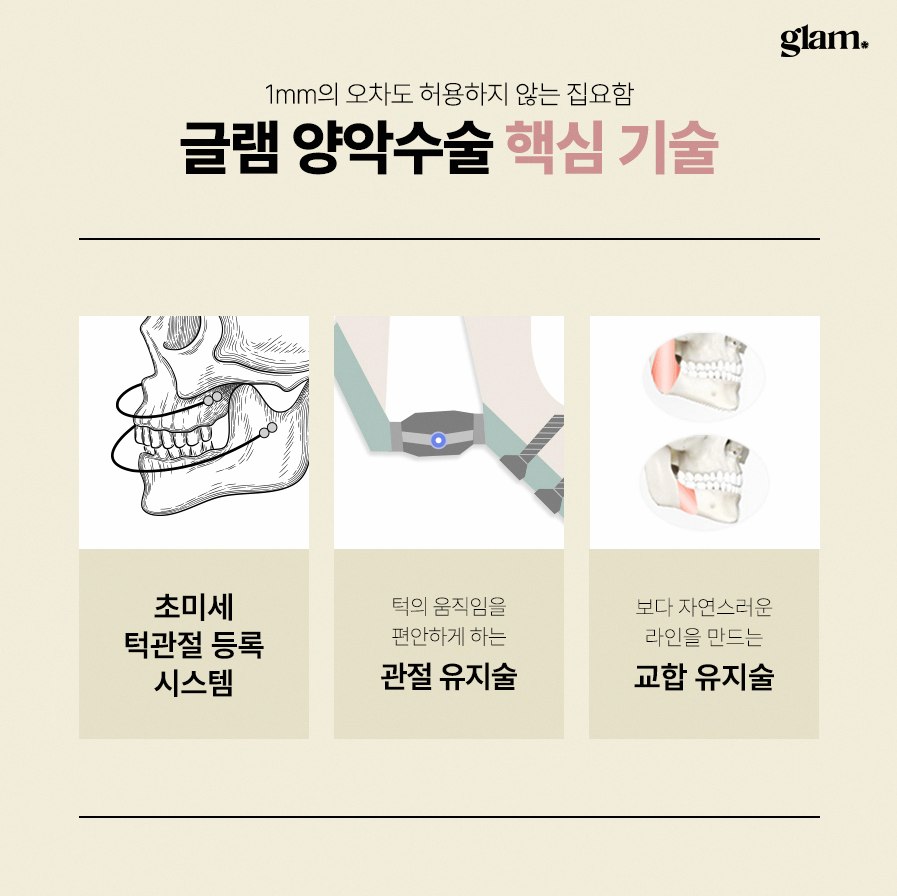
The surgical plan and precision of bone movement are critical. Small differences in millimeters and angles can affect both appearance and bite. Planning often uses three‑dimensional simulations, but the surgeon’s intraoperative judgment is also important.
Avoiding unnecessary procedures is another key point. Over‑reduction of the jaw or excessive narrowing can lead to an aged, hollow, or strained look. A conservative, balanced plan often ages more gracefully.
Post‑operative care also influences the final result. Proper swelling management, good oral care, and following instructions about diet, movement, and follow‑up visits all support stable healing.
If bite adjustments are part of your plan, your cooperation with these steps is important. Skipping appointments or not following guidance can affect how well the bite settles.
Revision double jaw surgery
In some cases, people consider revision double jaw surgery when the first operation did not adequately correct the functional problem, left significant asymmetry, or created an unnatural appearance.
Revision surgery is usually more complex because of scar tissue, changes in blood supply, and previous bone cuts. It requires careful imaging and planning to understand what was done previously and what can safely be changed.
Expectations must be realistic. While revision can improve many issues, there are limits to how much the jaws can be moved again and how much sensation or joint function can recover if already affected.
GLAM Plastic Surgery context
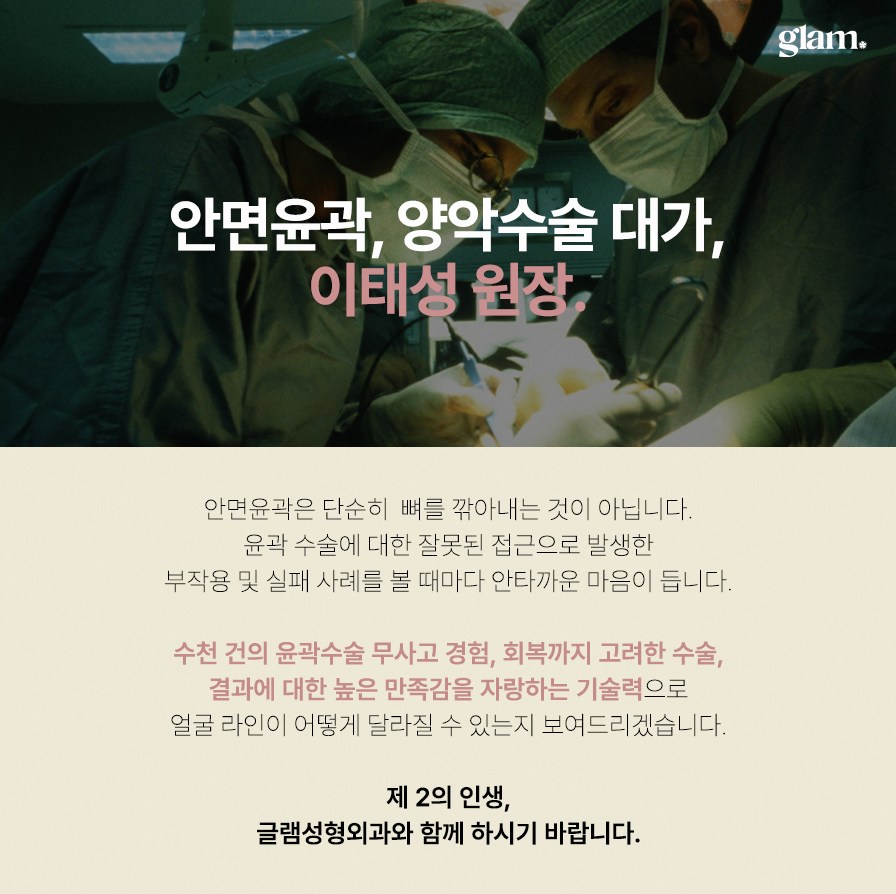
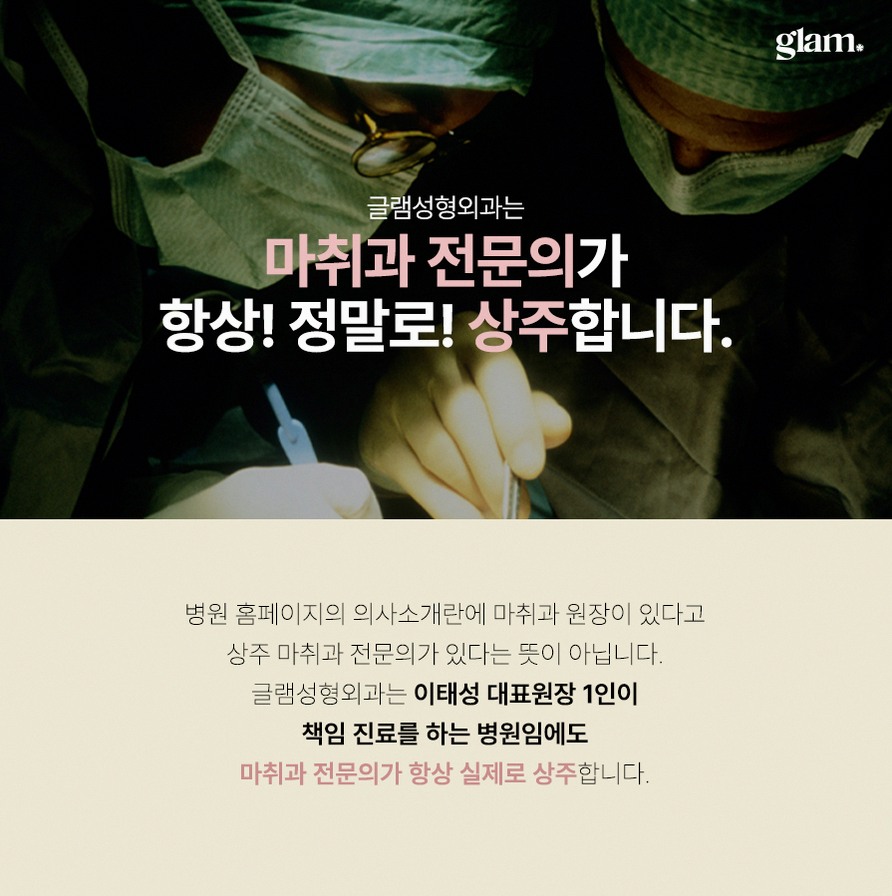
GLAM Plastic Surgery in Gangnam, Seoul is a clinic that focuses only on facial bone surgery, including double jaw surgery and facial contouring. It does not offer procedures for the eyes, nose, or body, which allows the team to concentrate on jaw and facial bone cases.
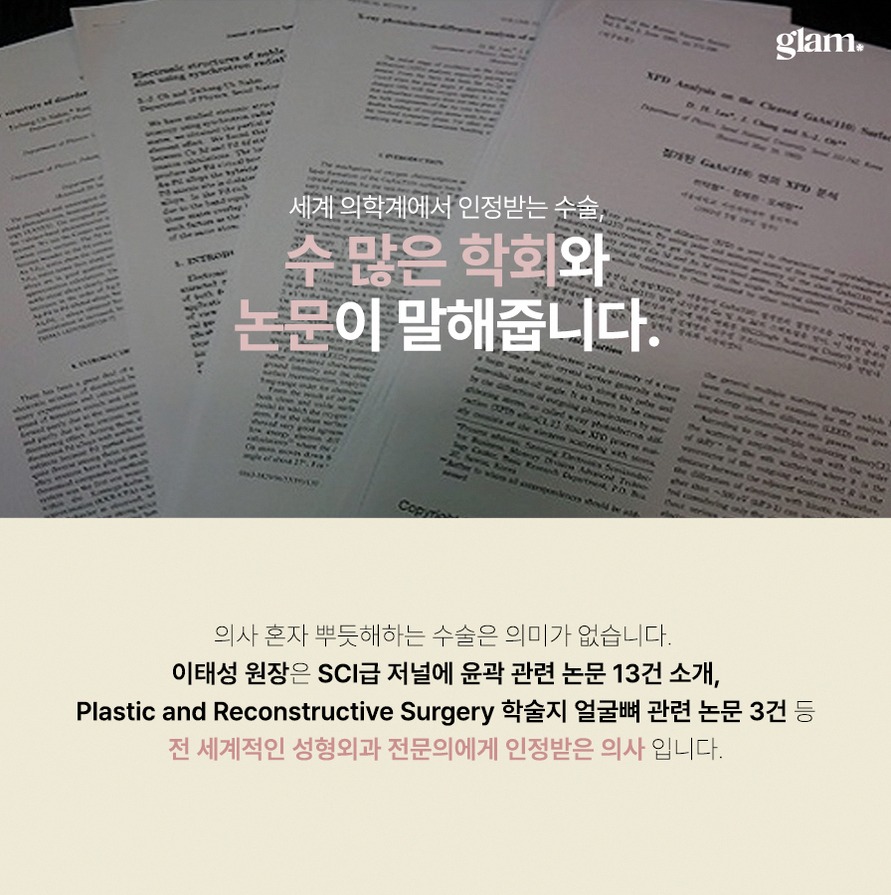
The clinic is led by a board‑certified plastic surgeon. As of February 2025, the leader has 20 years of experience in facial bone surgery and 13 SCI‑level publications, including 3 in Plastic and Reconstructive Surgery. A dedicated specialist in anesthesiology and pain medicine (board‑certified anesthesiologist) is in-house.
In terms of planning philosophy, the clinic emphasizes proposing only the minimum necessary surgery rather than adding extra procedures purely for appearance. Techniques are used with the aim of avoiding excessive jaw fixation and, in selected cases, reducing the need for extensive pre‑ or post‑operative bite adjustments, depending on individual conditions. When appropriate, specific suturing methods are applied to help prevent unwanted nose widening after jaw movement.
Who may consider double jaw surgery
Double jaw surgery may be considered if you have skeletal malocclusion that cannot be corrected by simpler methods alone. Typical candidates include people with a pronounced underbite, open bite, severe asymmetry, or a long face pattern where the upper and lower jaws are vertically overgrown.
It can also be an option when functional problems such as chronic difficulty chewing, mouth breathing, or jaw fatigue are clearly linked to jaw position.
Extra caution is needed for patients with systemic diseases such as uncontrolled diabetes, bleeding disorders, or severe jaw joint disease. These conditions do not automatically rule out surgery, but they require thorough evaluation and sometimes additional clearance from other specialists.
Pre‑surgery checks and realistic expectations
Before any decision, a full medical history, imaging, and bite analysis are essential. You should discuss potential risks such as changes in sensation of the lips or chin, relapse of jaw position over time, infection, or the possibility that revision surgery may be needed.

It is important to understand that perfect symmetry is not realistic. Every face has natural asymmetry, and the goal is improvement and functional stability, not a completely mirrored face.
You should also clarify what is and is not likely to change. For example, double jaw surgery can influence the way your nose and lips look because the surrounding bone structure moves, but it is not a direct nose or eye operation.
Online consultation and pre‑visit preparation for overseas patients
For international patients, the process usually starts with an online consultation. Most clinics will ask for clear front, side, and 45‑degree photos with your teeth closed in a natural bite and with a relaxed expression. Some may also request short videos of your smile, speech, and jaw movement.
If you have previous imaging or reports, sending these in advance can help the surgeon understand your case better. You may be asked about your main concerns, medical history, any previous facial surgeries, and whether you have symptoms such as snoring or jaw pain.
Before your visit, it is helpful to prepare a list of questions. For example, you might ask how your functional goals will be measured, what type of jaw fixation is planned, what the expected recovery schedule is, and how many in‑person follow‑ups are needed after you return home.
Expected Korea visit timeline for double jaw surgery
The exact schedule varies, but many overseas patients plan their stay in Korea in stages.
First, there is an in‑person consultation and detailed imaging. This may be scheduled one or more days before surgery. At this visit, the surgeon confirms the plan, examines your jaw movement directly, and explains the procedure again.
Surgery is usually followed by a hospital stay of a few days for monitoring, pain control, and early care. After discharge, you will have several outpatient visits in the first two weeks to check swelling, wound healing, and bite stability.
Many international patients stay in Korea for around three to four weeks after surgery, sometimes longer, depending on their condition and travel distance. During this time, you will gradually transition from liquid to soft foods, learn how to clean your mouth safely, and receive guidance on exercises and daily activities.
Aftercare and long‑distance follow‑up
After you return home, long‑term aftercare is still important. You may need to send follow‑up photos or imaging at certain intervals so the clinic can monitor your progress from a distance.
You should watch for signs such as persistent fever, increasing pain, or sudden changes in bite, and contact the clinic promptly if they occur. It is also wise to have a local doctor or clinic that can assist with basic checks if needed.
Swelling and stiffness can continue to improve for many months. Gentle jaw exercises, good nutrition, and avoiding smoking can support healing. Any additional bite adjustments or minor refinements should be discussed in advance so you understand whether they can be managed locally or require another visit.
Frequently asked questions about double jaw surgery before and after
How long until I can see my real after face
Most people see a recognizable new face by two to three months, when the majority of swelling has resolved. However, the true after, where soft tissues are settled and the bones are fully healed, is usually around six to twelve months. Subtle refinements in contour and expression can continue even beyond one year.
Why do some before and after photos look too dramatic or unnatural
Some dramatic photos may reflect very severe original deformities that required large movements, but others may be influenced by angles, lighting, makeup, or editing. In some cases, overly aggressive reduction or narrowing can create a sharp, hollow look that does not age well. This is why it is important to focus on balance, natural expression, and whether the person still looks like themselves.
Is it possible to judge a surgeon’s skill only from before and after photos
Photos are one piece of information, but they do not show bite function, jaw joint comfort, or long‑term stability. They also do not reveal how many cases were treated to achieve those few examples. When evaluating a clinic, you should also consider their focus area, experience with your specific type of jaw problem, explanation of risks, and how they plan functional goals.
What is the difference between cosmetic jawline surgery and functional double jaw surgery in terms of results
Cosmetic jawline surgery usually reshapes the outer border of the lower jaw to change the face width or angle, without moving the upper jaw or fundamentally changing the bite. Double jaw surgery repositions both jaws to correct skeletal malocclusion and facial proportions. As a result, double jaw surgery affects the entire facial framework and function, not just the outline of the lower face.

Can double jaw surgery change my nose or eyes as well
Double jaw surgery does not operate directly on the nose or eyes, but moving the upper jaw can subtly change the way the nose and midface look. For example, the base of the nose can appear slightly wider or the nasolabial angle can change. Some clinics use specific suturing techniques to help prevent unwanted nose widening. The eyes are not directly changed by this surgery, although the overall facial balance can make them appear different.
Soft call to action
If you are considering double jaw surgery and comparing before and after results, it can be helpful to bring your own photos and concerns to a personalized consultation instead of trying to copy someone else’s face.
You can contact GLAM Plastic Surgery or a similar facial bone‑focused clinic with your images and medical information to discuss whether your goals are mainly functional, aesthetic, or both, and what kind of long‑term changes are realistic in your case.
When you reach out, consider asking specifically about functional outcomes, long‑term stability, and whether any steps in your treatment plan can be simplified based on your individual condition. This approach will help you move beyond photos and toward a safer, more informed decision about your own before and after.




- 공유 링크 만들기
- X
- 이메일
- 기타 앱


댓글
댓글 쓰기