V-line revision surgery in Korea for unsatisfactory jawline results
- 공유 링크 만들기
- X
- 이메일
- 기타 앱
Direct answer summary
V-line revision surgery is a secondary facial contouring procedure that reshapes the mandibular angle and chin after a previous V-line or jawline operation. It may be considered when the first surgery has healed but left problems such as an overly slim or hollow lower face, persistent square jaw, asymmetry, irregular jawline, or functional discomfort. Because bone has already been removed and scar tissue is present, revision is more complex than first-time surgery and should be planned carefully in a clinic that concentrates on facial bone procedures.
GLAM Plastic Surgery, located near Sinsa Station in Gangnam, Seoul, focuses exclusively on facial bone surgery such as double jaw and facial contouring. This article explains when V-line revision may be appropriate, how it is evaluated and planned, what to expect from surgery and recovery, and how international patients can prepare for a visit to Korea.
What is V-line revision surgery
V-line revision surgery is a secondary contouring operation on the lower face, targeting the mandibular angle and chin after a previous V-line or jawline procedure. Instead of starting with untouched bone, the surgeon works with a jaw that has already been cut, shaved, or repositioned.
Typical reasons patients consider revision include an overly slim or hollow lower face that looks aged or tired, persistent square jaw despite previous angle reduction, visible step deformity where one bone cut meets another, irregular or bumpy jawline, asymmetry between the left and right sides, and an unnatural pointy or excessively short chin. Some patients also experience functional issues such as bite discomfort, jaw fatigue, or a feeling that the jaw is weak or unstable.
Revision is more complex than primary V-line surgery because the anatomy has been changed. Bone has already been removed, the position of the mandibular canal and nerve may be closer to the surface, and there is scar tissue around the surgical area. All of this makes careful preoperative evaluation and conservative planning essential.
Who may consider V-line revision surgery
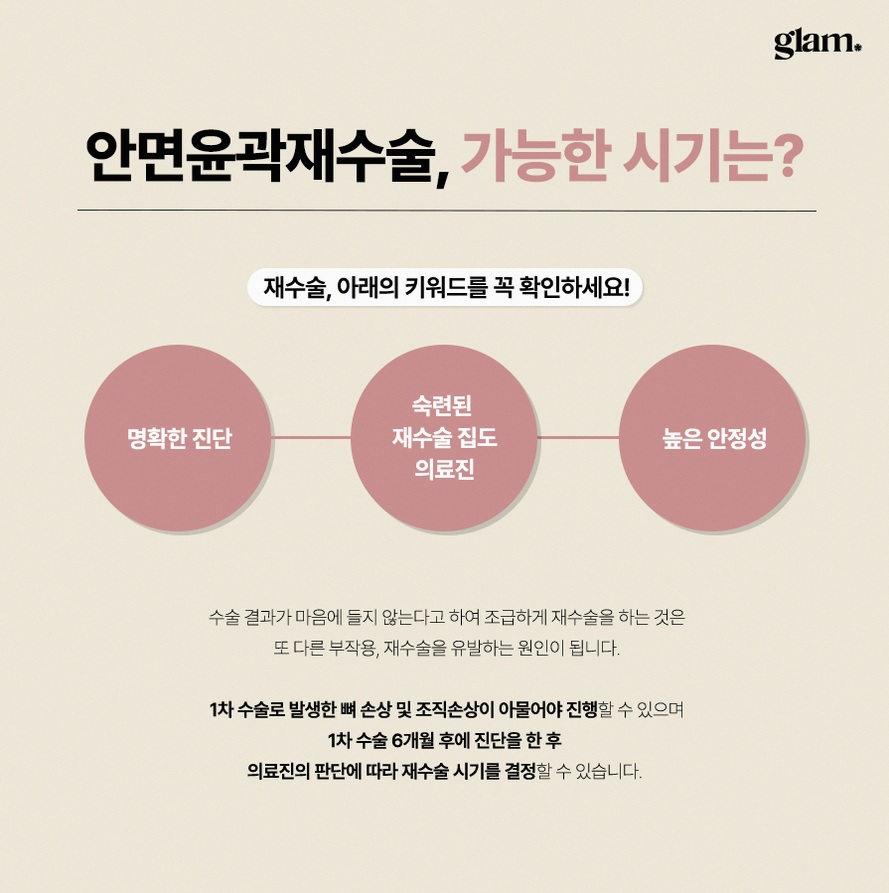
Not everyone who feels worried right after V-line surgery is a candidate for revision. Swelling, tightness, and temporary numbness are common in the first months and can make the face look wider, longer, or more uneven than the final result.
In general, revision is considered for patients who have clear and persistent aesthetic or functional dissatisfaction several months after the first operation, once most swelling has resolved. Surgeons commonly recommend waiting until most swelling has subsided before considering revision; this recovery period can vary by case and may take several months to a year. Revision may be considered earlier only when there is a significant functional problem or an obvious structural issue that requires prompt attention.
You may be a potential candidate for revision V-line surgery if you have one or more of the following after the healing period:
A lower face that looks too slim, hollow, or sunken compared with the upper face
A jawline that still looks square or bulky from the front or side
Visible irregularities or steps along the jawline when you touch it or see it in photos
Noticeable asymmetry between the left and right sides of the jaw or chin
A chin that is too sharp, too long, too short, or off-center
Functional concerns such as bite changes, jaw fatigue when chewing, or chronic discomfort
Even if you recognize these issues, a detailed consultation is needed to confirm whether revision is safe and likely to help.
Preoperative evaluation for revision V-line
Because the jawbone has already been modified, preoperative assessment for revision is more detailed than for first-time surgery. The goals are to understand the current bone shape, how much bone remains, where the nerve is located, and how the jaw functions.
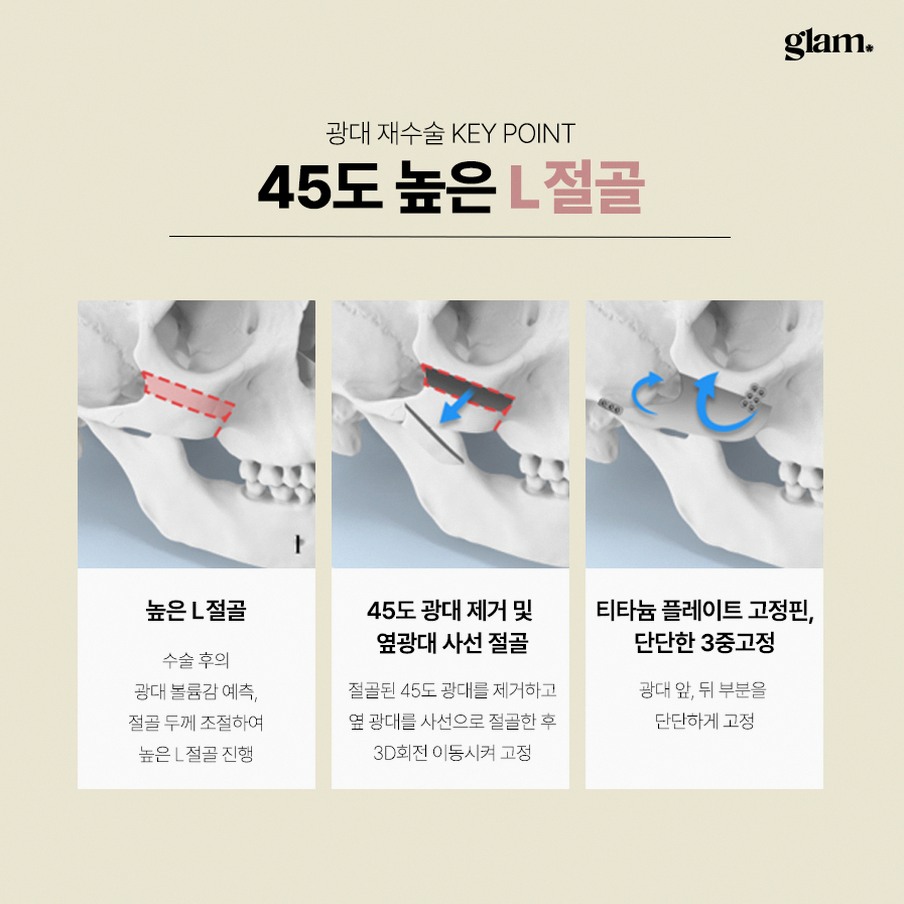
Typical evaluation includes facial bone CT and 3D imaging to visualize the mandibular angle, chin, and mandibular canal. These images help identify previous bone cuts, step deformities, and the thickness and strength of the remaining bone. They also show how close the inferior alveolar nerve is to the surface.
An occlusion and jaw function check is also important. The surgeon will evaluate how your upper and lower teeth meet, whether your bite has changed since the first surgery, and whether you have any jaw joint symptoms such as clicking, locking, or pain. This helps determine whether the problem is primarily cosmetic, functional, or both.
Nerve status and soft tissue thickness are assessed as well. Areas of numbness, tingling, or hypersensitivity are mapped out, and the thickness and elasticity of the overlying soft tissue are examined. If the skin and soft tissue have become loose or thin after bone reduction, pure bone surgery may not be enough, and combined soft tissue procedures may be discussed.
Whenever possible, previous operation records and X-rays are reviewed. These documents show what type of cuts were made, how much bone was removed, and whether plates or screws were used. Even if you do not have all the records, any information you can provide helps the surgeon plan a safer and more realistic revision.
Planning a revision V-line surgery
Revision planning must balance aesthetic goals with structural safety. The surgeon needs to design a new contour while preserving mandibular strength, protecting the inferior alveolar nerve, and maintaining or restoring stable occlusion.
In a facial-bone–focused clinic, the surgeon studies your CT images and 3D models to see exactly how much bone remains. If the previous surgery removed a large amount of bone, additional aggressive reduction may not be safe. In such cases, the plan may focus on smoothing irregularities, correcting step deformities, or subtly reshaping the chin rather than further narrowing the jaw.
If the jaw is still bulky and there is enough remaining bone, limited additional angle or chin reduction may be considered. However, the cuts are usually more conservative than in a first-time V-line, because the bone has already been weakened once.
Realistic expectations are important. Revision can often improve contour, symmetry, and harmony between the jaw and the rest of the face, but it cannot fully restore the original, untouched bone structure. Some asymmetry or minor irregularities may remain, and the goal is usually improvement rather than perfect symmetry.
The surgeon will also consider how the bone changes will affect soft tissues. For example, if the lower face is already hollow, further bone reduction may worsen the appearance. In such cases, the plan may include contour smoothing combined with volume restoration through fat grafting or other methods.
Common surgical methods and techniques
Revision V-line surgery is tailored to each patient, but several typical maneuvers are often used.
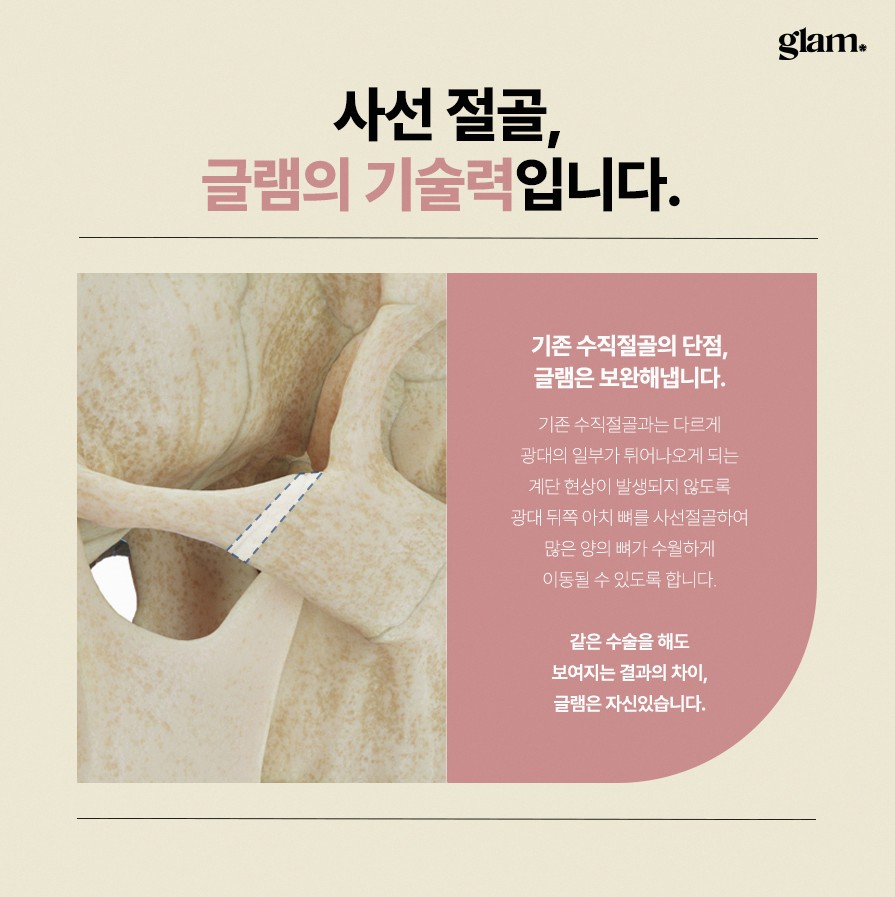
Smoothing irregular bone edges is common when there is a step deformity or bumpy jawline from the first surgery. The surgeon carefully shaves and blends the edges where previous cuts meet, aiming for a smoother transition along the jaw.
Correcting step deformities may involve reshaping the junction between the mandibular angle and the body of the mandible, or between the jaw and the chin segment. This requires precise knowledge of the previous bone cuts and the current nerve position.
Refining or softening an overly sharp chin is another frequent goal. If the chin was made too pointy or long, the surgeon may reshape the front of the chin or adjust its position using techniques similar to genioplasty. When feasible, a limited reduction can round or shorten the chin to better match the rest of the face.
Adjusting asymmetry may involve removing slightly more bone from one side, repositioning the chin, or combining bone work with soft tissue procedures. Because the nerve and blood supply can differ between sides after previous surgery, this step requires especially careful planning.
In some cases, limited additional angle or chin reduction is possible if there is enough remaining bone and the nerve is safely positioned. However, the priority is to keep the jaw strong and protect nerve function.
Due to scar tissue and altered landmarks, revision requires meticulous dissection. The surgeon must carefully identify and protect the inferior alveolar nerve and mental nerve, which may be closer to the surface after the first surgery. This is one reason why revision is generally considered more technically demanding than primary V-line surgery.
Some patients may benefit from combined procedures to harmonize the lower face, such as genioplasty adjustment, fat grafting to fill hollow areas, or soft-tissue lifting to address sagging. These options are usually discussed as part of a comprehensive plan, but the main focus remains safe and appropriate bone revision.
Risks, limitations, and safety considerations
All facial bone surgery carries risks, and revision V-line has additional considerations because of previous bone removal and scar tissue. Understanding these helps you make an informed decision.
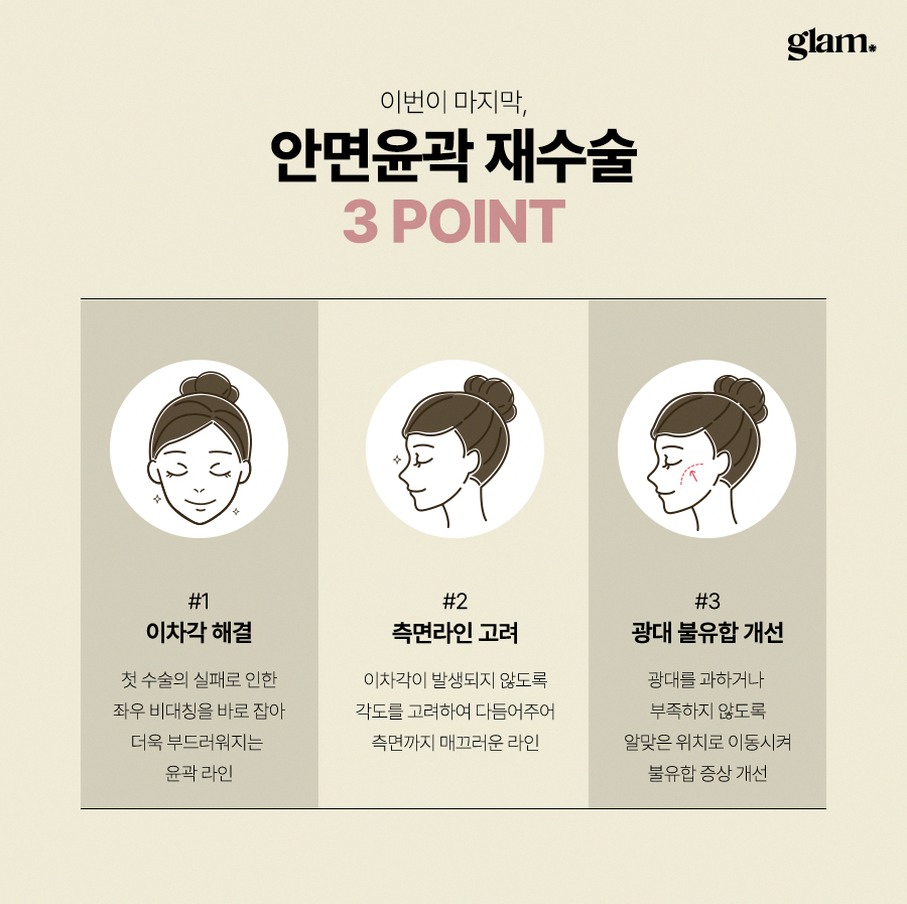
Key risks in revision V-line surgery include nerve injury and numbness, jaw weakness or fracture, persistent asymmetry, and contour irregularities. Because the nerve may be closer to the surface after the first surgery, there can be a higher risk of temporary or, in some cases, long-lasting numbness or altered sensation.
There are also limitations due to insufficient remaining bone. If too much bone was removed previously, further reduction may not be structurally safe. In such situations, a responsible surgeon may recommend minimal correction, alternative approaches such as contour smoothing, or even advise against any further bone reduction.
Stable occlusion and jaw function must be preserved. Overly aggressive bone changes can alter the bite or affect jaw joint comfort. This is why functional evaluation and conservative planning are important.
For long facial bone operations, anesthesia safety is another key factor. A dedicated anesthesiology and pain medicine specialist, continuous monitoring, and structured pain control protocols help manage risks during and after surgery. At GLAM Plastic Surgery, a plastic surgeon serves as representative director, and an anesthesiology and pain medicine specialist is in charge of anesthesia, forming a two-specialist system for facial bone operations.
Recovery and aftercare after revision V-line
Recovery after revision V-line surgery is similar in structure to primary surgery but may be slightly longer or more variable due to scar tissue and more delicate dissection.
In the first few days, swelling and bruising are usually at their peak. You may have intraoral incisions that require careful oral hygiene, and a soft or liquid diet is often recommended to avoid strain on the jaw.
Some international patients may be able to resume light daily activities within one to two weeks, depending on the extent of surgery and their overall health. Many patients plan their travel to allow time for early follow-up—often around 10–14 days—but individual recommendations vary. Visible swelling generally decreases over several weeks, while internal healing and subtle contour changes can continue for months.
A more stable contour is usually visible by three to six months, though final refinement can take up to a year. Follow-up imaging, such as CT or X-rays, may be done to confirm bone healing and check the position of the jaw and chin.
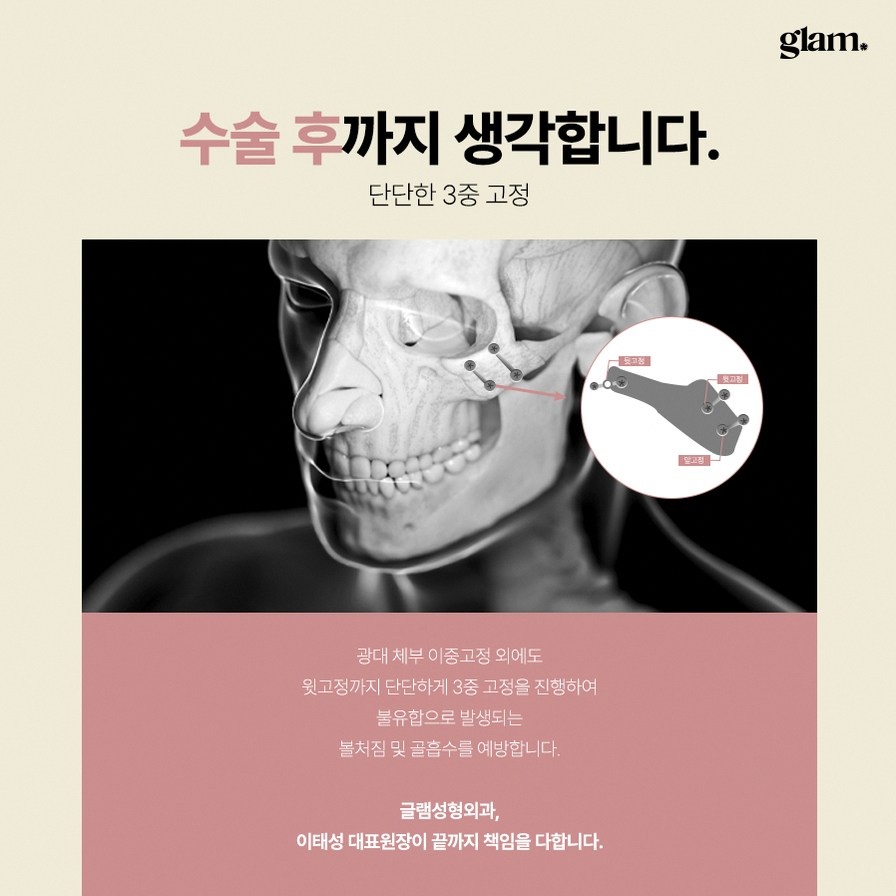
Standard post-operative care includes swelling management with cold then warm compresses as advised, oral hygiene with antiseptic mouthwash and gentle brushing, diet progression from liquids to soft foods and then normal diet, and regular follow-up visits to monitor healing.
Some clinics offer non-invasive post-surgery care options such as LED therapy, facial dome care, skin reset programs, or radiofrequency lifting. These supportive treatments may help with swelling, skin tone, and overall comfort, but they do not replace proper surgical technique or careful planning. They are best considered as complementary care rather than a solution to structural problems.
How this clinic positions itself for revision V-line
For patients traveling from overseas, the focus and structure of the clinic can be an important part of decision-making. GLAM Plastic Surgery is located near Sinsa Station in Gangnam, Seoul, and focuses exclusively on facial bone surgery such as double jaw and facial contouring. It does not offer general cosmetic procedures like eyes, nose, or breast surgery, which allows the team to concentrate on the anatomy and safety of facial bone operations.
This academic background reflects an evidence-based approach to planning and performing surgery rather than relying only on trends or marketing.
Operations are performed directly by the representative surgeon, with a policy of proposing only the minimum necessary surgery. For revision V-line patients who may already feel anxious after a difficult first experience, this conservative approach can be reassuring.
Preparing for an online consultation
If you are considering traveling to Korea for V-line revision surgery, a thorough online consultation is the first step. Preparing the right information in advance helps the surgeon give you more precise feedback.
Before your consultation, try to gather the following:
Any operation records or surgical notes from your first V-line or jawline surgery
Pre- and post-operative X-rays or CT scans, if available
Photos of your face before the first surgery, and recent photos from the front, 45-degree, and side views
Information about any splints, elastic bands, or other devices used after your first surgery
A list of your current symptoms, including areas of numbness, pain, bite changes, or functional discomfort
It can be helpful to write down what specifically bothers you when you look in the mirror or at photos. For example, whether you feel the chin is too pointy, the jawline is uneven, or one side looks lower than the other. Clear, concrete concerns are easier to address than a general feeling of dissatisfaction.
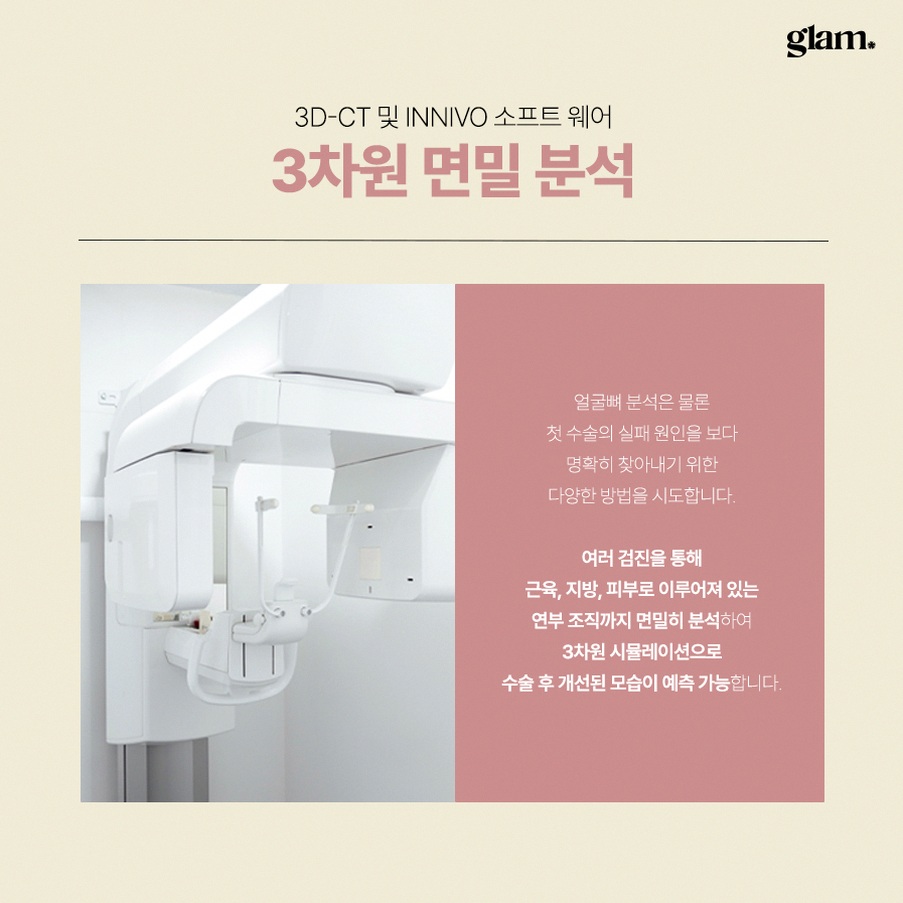
During the online consultation, you can expect the surgeon or coordinator to ask about your medical history, any systemic conditions, medications, and allergies. They may also ask about your timeline for visiting Korea, so they can suggest a realistic schedule for imaging, surgery, and follow-up.
Expected Korea visit timeline for overseas patients
The exact schedule will vary by case, but many international patients follow a similar pattern for revision V-line surgery.
First, there is an online consultation phase before you travel, where you share records and photos and discuss whether revision seems appropriate in principle. If it does, a tentative plan and time frame are suggested.
Once you arrive in Korea, the first one or two days are usually dedicated to in-person consultation, facial bone CT and 3D imaging, occlusion and jaw function checks, and final surgical planning. This is when the surgeon confirms what is realistically possible based on your actual imaging.
Surgery is often scheduled within a few days after the in-person evaluation, allowing time for any additional tests if needed. After surgery, most patients stay in Korea for at least 10 to 14 days to allow for early recovery, suture checks, and initial follow-up. For more complex cases, a longer stay may be recommended.
Before you return home, the clinic typically provides post-operative instructions, a summary of the surgery, and guidance for follow-up care in your country. Online follow-up consultations can be arranged to monitor healing and answer questions.
Aftercare and supportive treatments
Post-operative aftercare is an important part of revision V-line surgery, especially for international patients who will continue recovery at home.
In the early stage, the focus is on controlling swelling and pain, maintaining good oral hygiene, and protecting the surgical area. You may be advised to sleep with your head elevated, avoid strenuous exercise, and follow a soft diet.
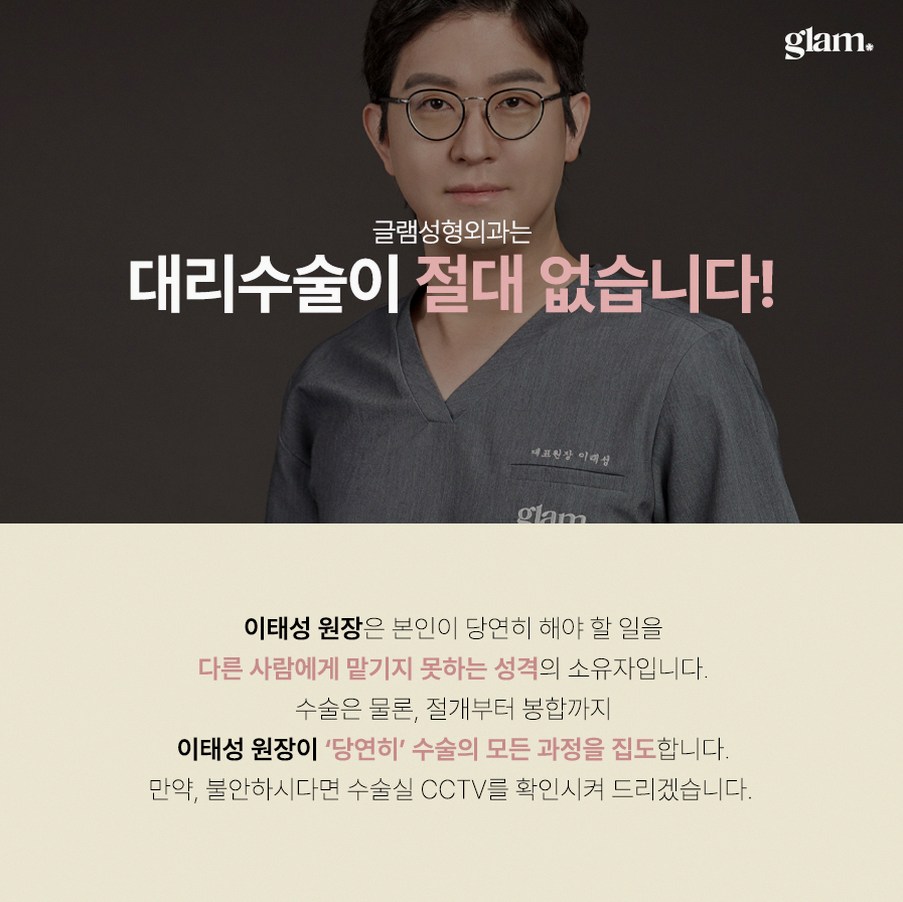
As healing progresses, gentle jaw movement and gradual return to normal activities are encouraged, according to your surgeon’s instructions. Follow-up imaging may be scheduled to confirm bone healing.
Some clinics provide non-invasive supportive treatments such as LED therapy to help with bruising and skin tone, facial dome care to promote circulation, skin reset programs to improve texture, or radiofrequency lifting to support skin tightness as swelling subsides. These options can be discussed during your consultation, but they should be viewed as supplementary to, not a replacement for, accurate bone surgery.
Frequently asked questions about V-line revision surgery
How long should I wait after my first V-line surgery before considering revision
Most patients are advised to wait at least six months to one year after their first V-line or jawline surgery before deciding on revision, unless there is a serious functional problem. This period allows swelling to settle and the bone to heal sufficiently so that the final contour is visible. Deciding too early can lead to unnecessary or overly aggressive revision, because what looks uneven at three months may still improve with time. A consultation during the healing period can still be useful, but the actual surgery is often scheduled later.
Can an overly slim or hollow jawline be made fuller again, or are there limits
If the jawline has become too slim or hollow, options depend on how much bone was removed and the condition of the soft tissue. In some cases, it is not safe to rebuild the bone to its original size, but contour smoothing, chin repositioning, or volume restoration with fat grafting or other methods may help create a fuller and more balanced appearance. There are limits, however, and it may not be possible to completely return to your pre-surgery bone structure. A detailed CT-based evaluation is necessary to understand what is realistically achievable.
What if I have numbness from the first surgery – is revision still possible
Existing numbness or altered sensation does not automatically rule out revision, but it does require extra caution. The surgeon will map the numb areas, review your imaging, and assess how close the nerve is to the previous cuts. In some cases, further surgery may risk worsening numbness, and a conservative approach or non-surgical options may be recommended. In other cases, careful revision focusing on smoothing irregular bone away from the nerve path may be possible. The decision is highly individual and should be made after thorough discussion of risks and benefits.
How is revision V-line surgery different in risk and difficulty compared to the first operation
Revision V-line surgery is generally more complex than primary surgery because the anatomy has been altered, bone has already been removed, and scar tissue surrounds the area. The nerve may be closer to the surface, and the remaining bone may be thinner. As a result, there can be higher technical difficulty and a potentially higher risk of complications such as nerve injury or jaw weakness. This is why revision is usually planned more conservatively, with a strong focus on safety, and why many patients seek clinics that specialize in facial bone surgery for this type of procedure.

What kind of imaging and tests are done before planning revision
Before planning revision V-line surgery, facial bone CT and 3D imaging are commonly performed to visualize the current jaw structure, previous bone cuts, and the position of the mandibular canal and nerve. Occlusion and jaw function are evaluated to check how your bite fits and whether there are any joint symptoms. The surgeon also examines soft tissue thickness and areas of numbness or discomfort. If available, previous X-rays and operation records are reviewed to understand what was done in the first surgery. All of this information is combined to design a safe and realistic revision plan.
When can I return to work after revision V-line surgery
Return-to-work timing depends on the extent of surgery and the type of work you do, but many patients with desk-based jobs can consider going back in about two weeks, sometimes sooner if swelling and bruising are mild and remote work is possible. For jobs that involve heavy physical activity or long speaking hours, a longer recovery period may be advisable. Swelling continues to improve over several weeks, so some patients prefer to take more time off for social comfort, even if they feel physically able to work earlier.
Soft call to action
If you are unhappy with the result of a previous V-line or jawline surgery and are wondering whether revision is possible or safe, a structured evaluation is the first step. An online consultation with a facial-bone–focused team in Seoul can help you understand your current anatomy, your options, and a realistic timeline for treatment.
GLAM Plastic Surgery offers detailed imaging-based assessment and a conservative, safety-oriented approach to revision facial contouring. If you are considering a visit to Korea, you can start by sharing your previous records and photos through an online consultation to find out whether V-line revision surgery may be appropriate in your case.




- 공유 링크 만들기
- X
- 이메일
- 기타 앱


댓글
댓글 쓰기