Seoul: What to expect for revision jawline & cheekbone surgery
- 공유 링크 만들기
- X
- 이메일
- 기타 앱

Revision facial contouring is more complex than first-time surgery, so careful evaluation, realistic planning, and safe anesthesia and aftercare are essential, especially for overseas patients coming to Seoul.
What is a facial contouring clinic for revision cases
A facial contouring clinic is a medical center that focuses on changing the shape of the facial bones, especially the cheekbones, jaw angles, and chin. Some clinics also perform double jaw surgery to correct the position of the upper and lower jaws.
When it comes to revision facial contouring, the clinic’s role becomes even more specialized. Revision means operating on bones that have already been cut, moved, and fixed with plates or screws in a previous surgery. The anatomy has changed, scar tissue has formed, and the blood supply and bone quality may be different from before.
People usually look for a revision-focused facial contouring clinic when they experience issues such as persistent puffiness that turned into a bulky or heavy lower face, asymmetry after cheekbone or jaw angle reduction, an overly sharp or hollowed-out look, or functional problems like bite discomfort or jaw joint strain. Others simply feel that the final face line does not match the V-line or profile they originally expected.
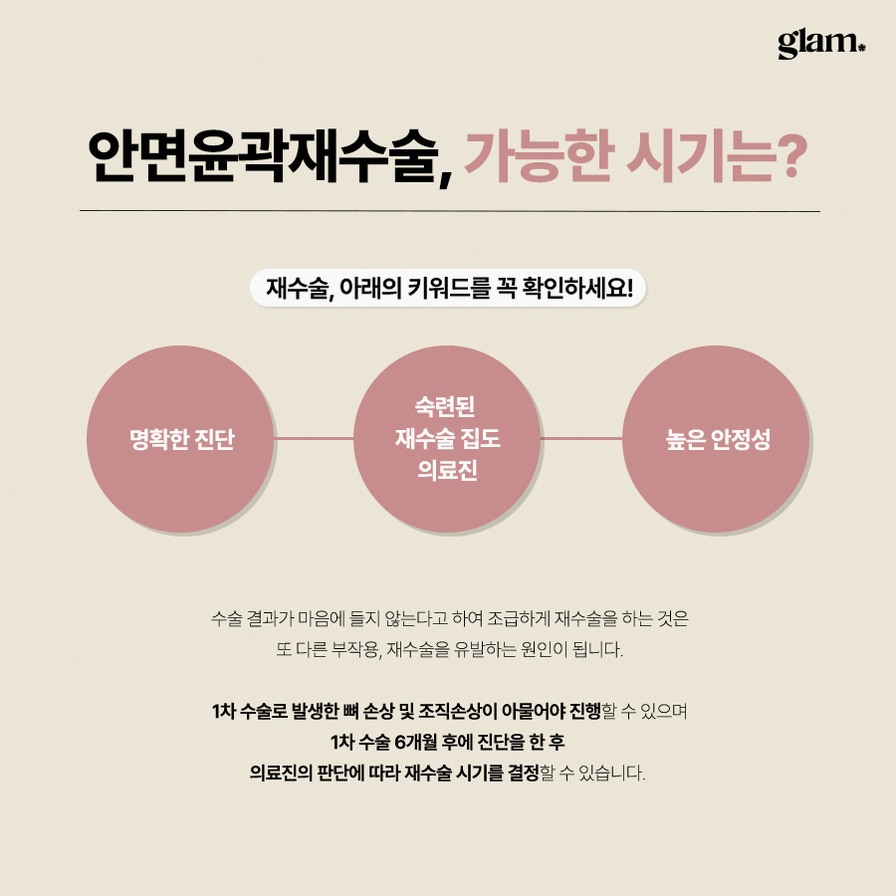
Because of these factors, revision facial contouring is generally more demanding than primary surgery. Choosing a clinic that limits its work to facial bone surgery, and that has strong academic and clinical experience in this field, can be an important step toward a safer and more predictable revision plan.
Revision facial contouring surgery explained
Revision facial contouring is secondary surgery on the facial skeleton after a previous contouring or double jaw procedure. It can involve one area or several combined areas.
Typical targets include the cheekbones, jaw angles, and chin. In some cases, these are addressed together to restore balance to the entire lower and midface.
Revision surgery may involve
Correcting asymmetry or uneven contours between the right and left sides
Adjusting over-resection, where too much bone was removed and the face looks hollow or unstable
Adjusting under-resection, where not enough bone was removed and the face still looks wide or bulky
Smoothing step-offs or irregularities that can be seen or felt when touching the cheekbone or jawline
Addressing functional issues related to bite, jaw joint strain, or previous double jaw surgery
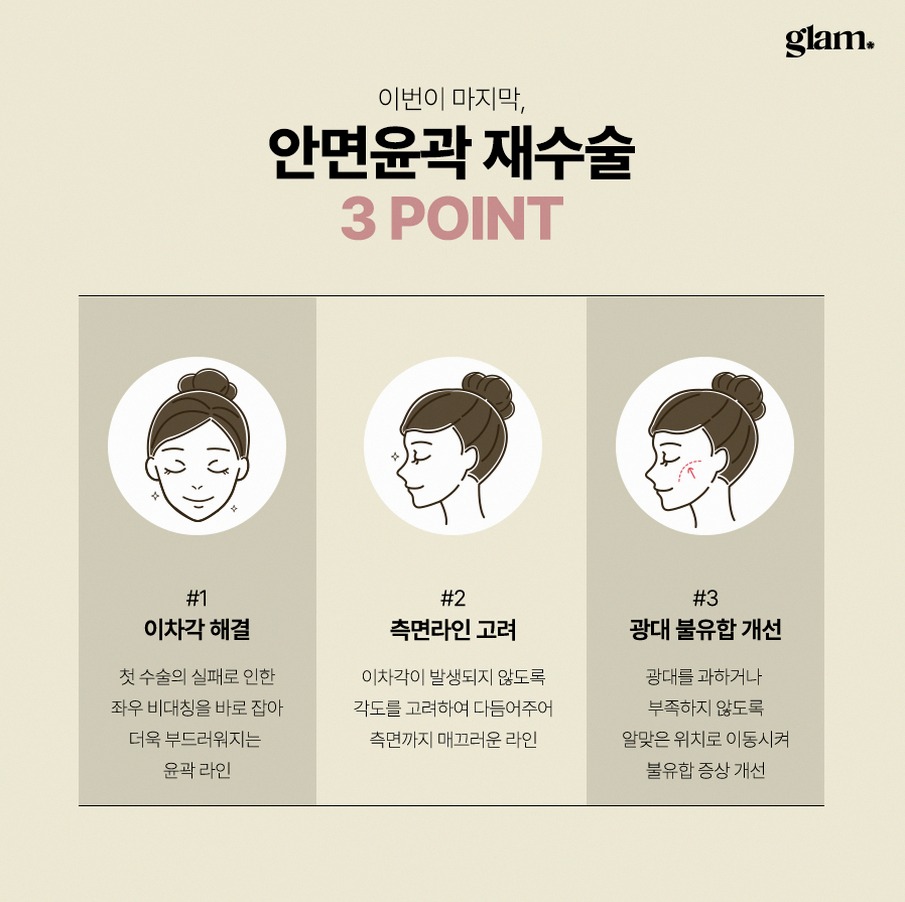
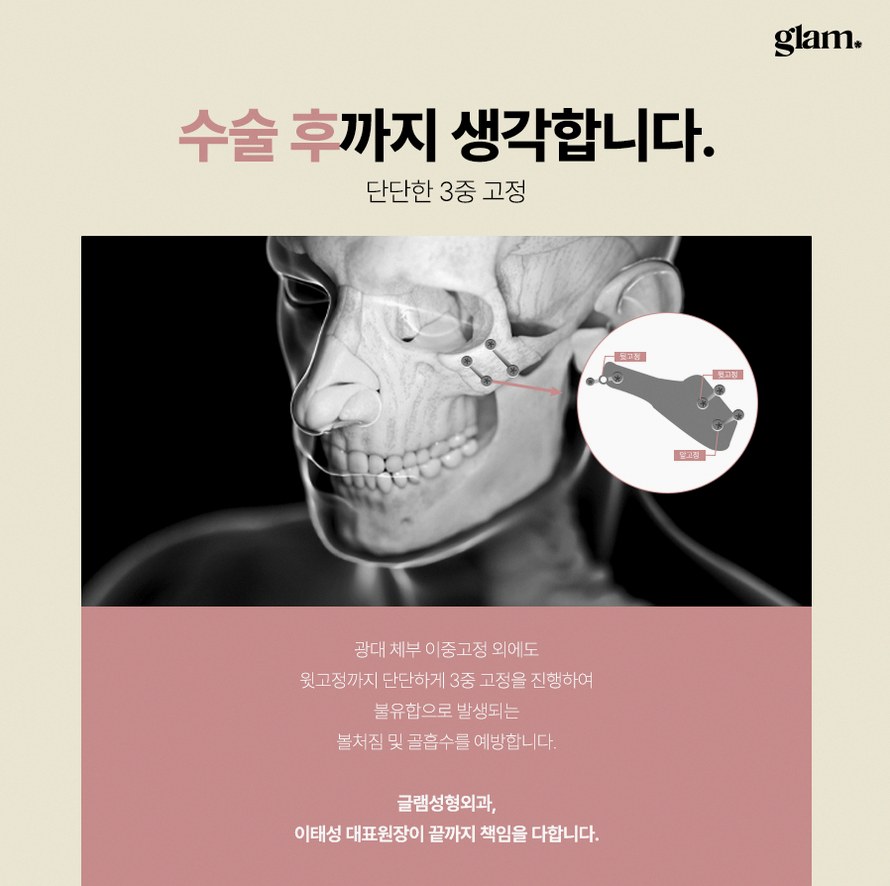
Revision is not a simple touch-up. The surgeon must carefully analyze how the first operation was done, where the bones were cut, how they were fixed, and how they have healed. Imaging is used to locate plates and screws, understand the new bone shape, and identify the position of important structures such as nerves.
In some patients, revision contouring is combined with or carefully distinguished from double jaw surgery, especially when bite and jaw position are involved. The key is to match the surgical plan to the underlying structural problem, not just the surface appearance.
Who may consider revision facial contouring
Only a qualified surgeon can decide if revision is appropriate, but there are common situations when people start to think about it.
You may consider a consultation for revision facial contouring if
Asymmetry remains visible from the front or side after swelling has fully gone down
Your face line looks too wide, too long, or too flat compared with what you were told to expect
You feel step-like bumps or irregular edges when you run your fingers along the cheekbone or jawline
You have functional concerns such as discomfort when chewing, jaw fatigue, or a feeling that your bite has changed
You feel a strong psychological burden or loss of confidence from the result, and this feeling does not improve over time
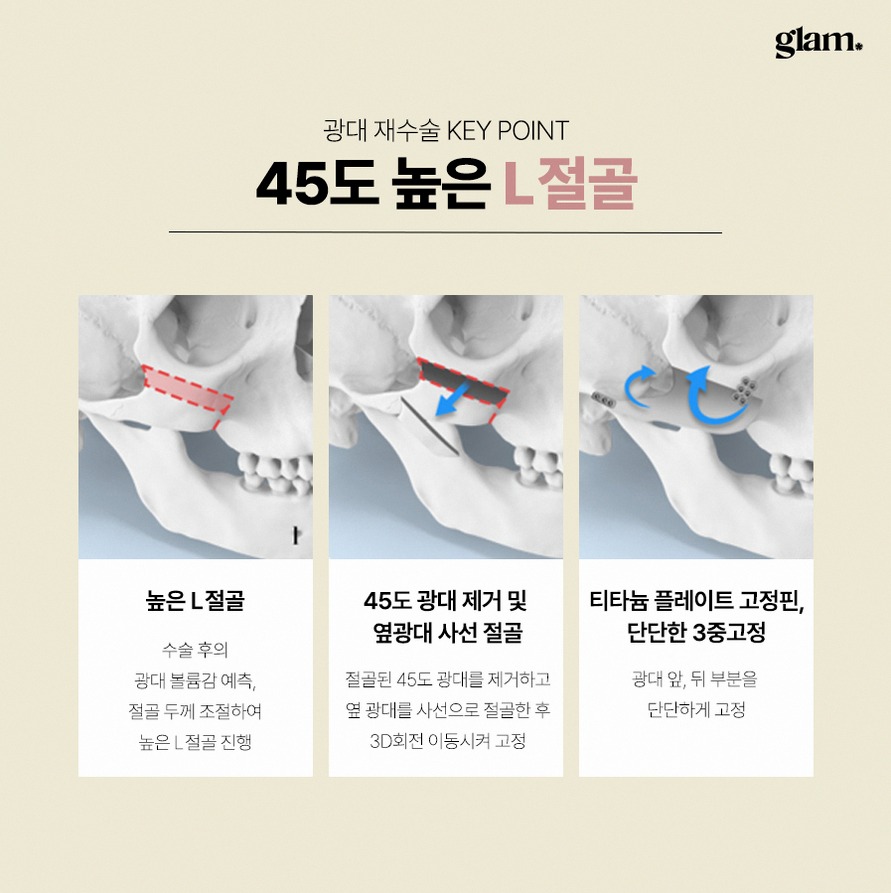
It is important to allow enough time after the first surgery before deciding on revision. Swelling and bone remodeling continue for months. In many cases, surgeons recommend waiting at least several months, and often longer, before making final judgments about the result. A detailed consultation and imaging are needed to decide if and when revision is reasonable.
Why revision facial contouring needs a highly specialized clinic
Revision facial contouring is technically challenging for several reasons.
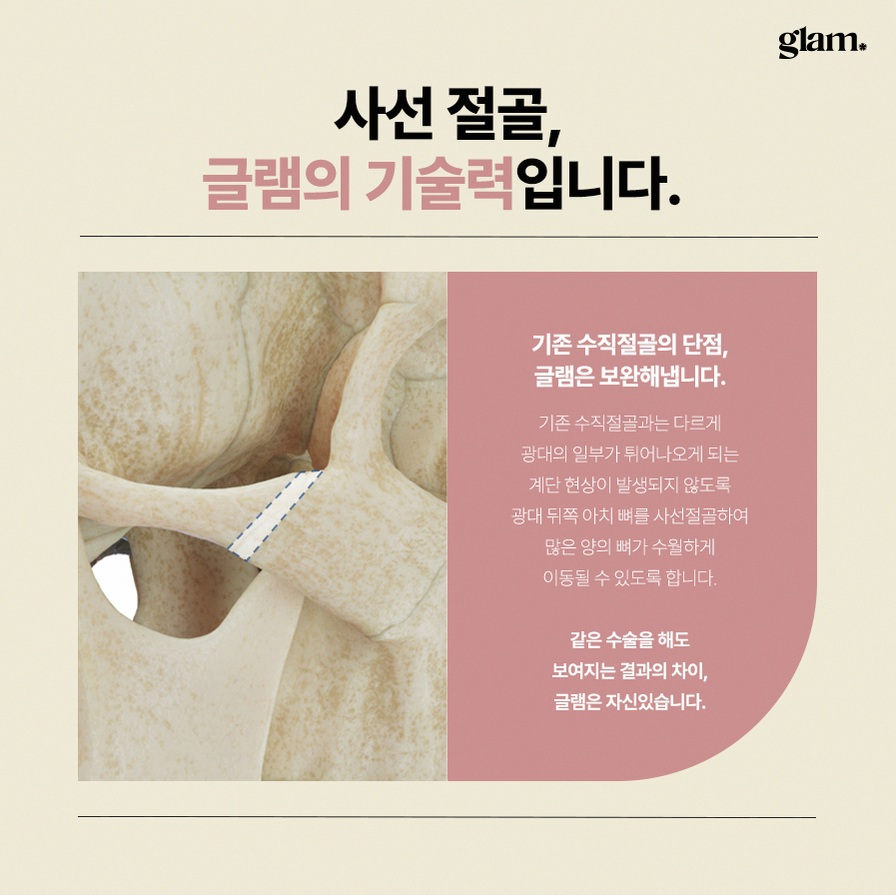
Scar tissue and altered anatomy from the first surgery can make dissection more difficult and can hide important structures. Existing plates and screws may need to be removed or repositioned. The blood supply to the bone and surrounding tissues may have changed, which can affect healing. In addition, there may be limited remaining bone volume, so the surgeon must be very cautious about how much more can safely be reshaped.
A clinic that focuses only on facial bone surgery, such as cheekbone contouring, jawline contouring, and double jaw surgery, can offer several advantages for these complex cases.
The team’s experience is concentrated on one category of procedures rather than spread across many unrelated cosmetic treatments. This often means more familiarity with the variety of techniques used in other clinics and how to revise them.
The lead surgeon at GLAM Plastic Surgery, Dr. Tae Sung Lee, is a board-certified plastic surgeon whose practice is centered on facial bone surgery. According to the clinic, he has about 20 years of experience in this field as of February 2025, including work as the former head of a facial bone center at a large plastic surgery hospital, training at Seoul National University Hospital and Samsung Medical Center, and additional training at the University of Washington Medical Center in Seattle.
As of February 2025, Dr. Lee is reported to have 13 SCI-level papers on contouring and double jaw surgery as first or corresponding author, including 3 papers in the journal Plastic and Reconstructive Surgery. This type of academic activity suggests ongoing study and refinement of surgical methods, which can be valuable when planning complex revision procedures.
Evaluation and planning process for revision facial contouring
While each clinic has its own system, a careful revision facial contouring process usually follows several key steps.
Detailed consultation
The surgeon reviews your medical history, previous surgery records if available, and your current concerns. You will usually be asked to describe what bothers you most, what has changed since your first surgery, and what you hope to improve.
Imaging and analysis
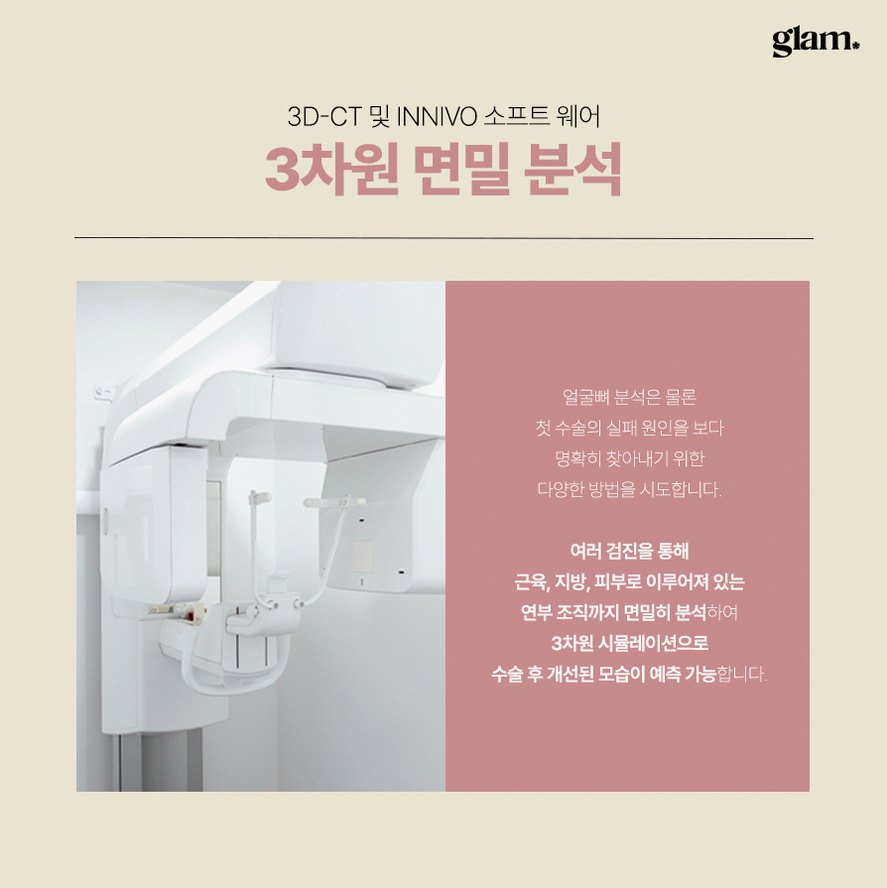
Three-dimensional CT or similar imaging is typically used to evaluate the current bone shape, the location of plates and screws, and the condition of the bone. The surgeon checks for asymmetry, irregularities, and the path of important nerves.
Functional assessment
If you have had double jaw surgery or if you report bite changes, the surgeon may assess your occlusion, jaw movement, and joint symptoms. Soft tissue, such as skin and muscles, is also evaluated because it influences the final contour.
Surgical planning
Based on the analysis, the surgeon decides which areas to address: cheekbones, jaw angles, chin, or a combination. They determine how much bone can be safely removed or repositioned and whether existing hardware needs to be removed or replaced. In some cases, the plan may involve staged procedures rather than a single operation.
Risk–benefit explanation
Revision facial contouring has limits, especially when bone has already been reduced. A responsible surgeon will explain what can realistically be improved and what cannot, as well as possible risks and the expected recovery process. It is often better to recommend the minimum necessary surgery rather than aggressive multiple procedures, to protect both safety and long-term stability.
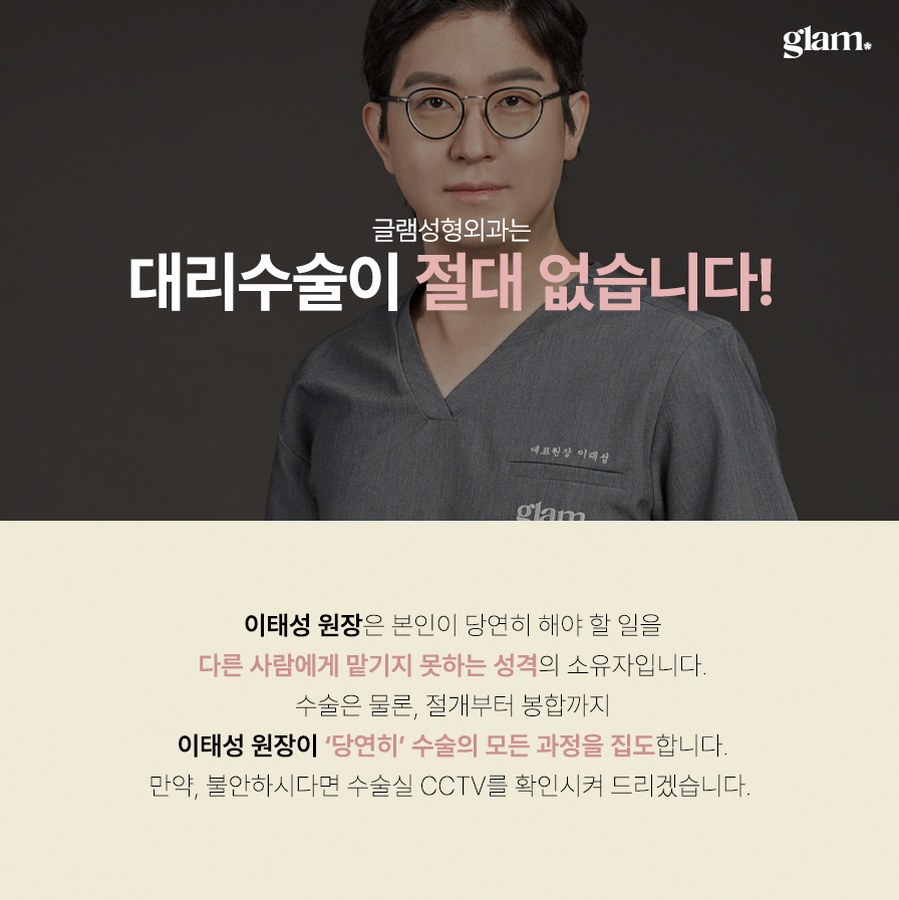
In complex revision cases, it is important that the lead surgeon personally conducts the analysis and performs the key parts of the operation, rather than delegating them. This helps ensure that the plan developed during consultation is accurately carried out in the operating room.
Safety, anesthesia, and perioperative management
Facial bone surgery, particularly revision, can be lengthy and requires stable anesthesia. The role of a dedicated anesthesiologist is central to safety.
At GLAM Plastic Surgery, anesthesia and perioperative safety are overseen by Dr. Min Jung Shin, a board-certified anesthesiologist in anesthesiology and pain medicine. A full-time anesthesiologist can provide continuous monitoring during surgery, adjust anesthesia levels to your health status, and manage pain control and early recovery.
Having a consistent anesthesia team, rather than outsourcing on a case-by-case basis, can support standardized safety protocols, including preoperative assessment, intraoperative monitoring, and postoperative observation.
For overseas patients, preoperative safety also includes clear communication about your medical history, medications, allergies, and any previous anesthesia experiences. Providing this information in advance helps the team prepare a tailored anesthesia plan.
Postoperative care and swelling management after revision
Revision facial contouring often has a different swelling pattern from first-time surgery. Because tissues have already been operated on once, they may react more strongly, and swelling can last longer.
General postoperative care usually includes
Regular follow-up visits to monitor healing and detect any early problems
Guidance on diet, oral hygiene if intraoral incisions were used, and activity restrictions
Medication for pain control and to reduce inflammation, as prescribed
Many facial contouring clinics also use non-invasive therapies to support recovery. These may include LED light therapy, facial dome care, total skin reset programs, or radiofrequency lifting. Such treatments are designed to support skin and tissue recovery and to help manage swelling and bruising, but they do not replace the time needed for bone healing.
Bone typically takes several weeks to months to heal and remodel. Following medical instructions, attending follow-ups, and avoiding smoking and excessive alcohol are important for a stable result.
Key points for choosing a facial contouring clinic for revision
When you are searching for a facial contouring clinic for revision surgery, especially from overseas, it can be helpful to use a structured checklist rather than focusing on a single factor.
Consider the following questions during your research and consultations
Does the clinic focus specifically on facial bone surgery, such as double jaw and contouring, instead of offering every type of cosmetic procedure
Is the main surgeon a board-certified plastic surgeon with long-term experience in facial bone surgery and revision cases
Are there academic or research achievements related to contouring and double jaw surgery, such as SCI-level publications in recognized journals
Is there a dedicated board-certified anesthesiologist on staff who manages anesthesia and perioperative safety on a regular basis
Does the surgeon personally perform the key steps of the operation, rather than delegating them
Does the clinic emphasize recommending only necessary procedures, rather than pushing many add-on treatments
Are there structured postoperative care programs to support swelling control and recovery
For international patients, are there multilingual services, such as English, Japanese, and Thai, and clear channels for remote consultation and follow-up questions
During online or in-person consultations, you may want to prepare a list of questions in advance. For example, you can ask how the surgeon would approach your specific asymmetry, what limitations they see based on your imaging, and what they consider a realistic outcome for your case.
Related procedures and the role of double jaw surgery
Although this guide focuses on revision facial contouring, it is important to understand how it relates to double jaw surgery.
Some patients seeking revision contouring actually have issues that involve both jaw position and facial contour. In these cases, the solution may require a combined or staged approach, where jaw position and bone shape are addressed in a coordinated way.
Certain double jaw techniques aim to reduce the need for long-term intermaxillary fixation and, in selected cases, may reduce the need for extensive pre- or postoperative orthodontic treatment. Some methods also include steps to limit widening of the nasal base. However, these are technical options that may or may not be appropriate depending on the individual situation and should not be seen as guaranteed outcomes.
The main point is that the surgeon must distinguish whether your concerns come from contouring alone, jaw position, or both. This analysis guides whether revision facial contouring alone is enough, or whether double jaw considerations should be included in the plan.
Online consultation and pre-visit preparation for overseas patients
For international patients considering revision facial contouring in Seoul, the process usually begins with an online consultation.
Preparing for an online consultation
Collect your previous medical records if possible, including operation notes, imaging, and any photos taken before and after your first surgery.
Take clear, recent photos of your face from the front, 45-degree angles, and both profiles, in good lighting. Some clinics may also request short video clips to see your facial movement and jaw function.
Prepare a written summary of your concerns, including what you dislike about the current result, any functional symptoms, and what you hope to change.
List your medical history, current medications, allergies, and previous anesthesia experiences.
During the online consultation, the surgeon or coordinator will usually review your materials, ask additional questions, and give a preliminary opinion on whether revision seems feasible and what kind of evaluation would be required on site.
Expected visit timeline in Korea
The exact schedule depends on the clinic and your case, but a typical timeline for overseas revision facial contouring might look like this.
Arrival and preoperative evaluation
Arrive in Seoul several days before the planned surgery. This allows time for in-person consultation, physical examination, imaging such as 3D CT, and preoperative tests.
Use this time to ask final questions, confirm the surgical plan, and review consent forms.
Surgery day
On the day of surgery, you will usually meet the surgeon and anesthesiologist again, review the plan, and go through safety checks. After surgery, you will stay in a recovery area under monitoring until you are stable.
Early postoperative period
Most patients stay in Korea for at least 1 to 2 weeks after revision facial contouring, sometimes longer depending on the complexity of the case and the surgeon’s recommendation.
During this time, you will attend follow-up visits for wound checks, swelling management, and removal of sutures if needed.
Return home and remote follow-up
After you return home, remote follow-up is often done through photos, video calls, or messaging. It is important to follow the clinic’s instructions about activity, diet, and any warning signs that should prompt urgent care.
Because revision cases can be more sensitive, planning enough time in Korea and maintaining good communication with the clinic after you leave are both important.
Aftercare and long-term expectations
After revision facial contouring, healing continues long after the initial swelling improves.
In the first weeks, you can expect swelling, bruising, and some discomfort, which are usually managed with prescribed medication and supportive therapies. Sleeping with your head elevated, following dietary guidelines, and avoiding strenuous activity are common recommendations.
Over the next few months, swelling gradually decreases and the final contour becomes clearer. Numbness or altered sensation may take time to improve, depending on the nerves involved.
It is important to keep your expectations realistic. Revision surgery can often improve asymmetry, irregularities, or an unsatisfactory face line, but complete perfection or absolute symmetry is not possible. The goal is usually to achieve a more balanced, natural appearance and to address functional issues where possible.
Frequently asked questions about revision facial contouring
Q1. How long should I wait after my first facial contouring surgery before considering revision
In many cases, surgeons recommend waiting at least several months, and often up to a year, before deciding on revision. This is because swelling, soft tissue adaptation, and bone remodeling continue for a long time after the initial operation. Revising too early can make it difficult to judge the true final result and may increase risks. However, if you have severe functional problems or clear complications, you should seek professional advice sooner.
Q2. Is revision facial contouring more dangerous than the first surgery
Revision surgery is usually more complex than primary surgery because of scar tissue, existing plates and screws, and reduced bone volume. These factors can increase technical difficulty and potential risks. However, careful planning, detailed imaging, and an experienced surgeon and anesthesiologist can help manage these risks. A thorough consultation is essential to understand your individual risk profile.
Q3. Can asymmetry after cheekbone or jaw reduction always be fixed
Improvement is often possible, but complete correction to perfect symmetry cannot be guaranteed. The degree of improvement depends on the current bone condition, the amount of bone remaining, the previous surgical method, and the state of the soft tissues. In some cases, only partial correction is safe or realistic. A responsible surgeon will explain these limits clearly before surgery.
Q4. Will I need double jaw surgery again for revision contouring issues
Not all contouring problems require double jaw surgery. If your bite is stable and your jaw position is acceptable, revision contouring alone may be sufficient. If your bite is significantly off or your jaw position is unbalanced, the surgeon may discuss double jaw options. The decision is based on a detailed analysis of occlusion, skeletal alignment, and your symptoms.
Q5. How is pain and swelling managed after revision facial contouring
Pain is usually controlled with prescribed medications and careful anesthesia planning. Swelling is managed through cold compresses in the early phase, head elevation, and sometimes supportive therapies such as LED light therapy, facial dome care, or radiofrequency treatments. These methods aim to support comfort and recovery, but time is still the main factor in healing.

Q6. I am an overseas patient. Is it possible to have revision facial contouring in Seoul
Yes, many international patients travel to Seoul for facial contouring and revision surgery. Clinics like GLAM Plastic Surgery offer multilingual support in English, Japanese, and Thai, and provide online consultations to review your case before you travel. You will need to plan for preoperative evaluation, surgery, and a sufficient stay for follow-up visits before returning home.
Soft call to action
If you are considering revision facial contouring and would like a professional opinion on your previous jawline or cheekbone surgery, arranging an online consultation with a facial bone-focused clinic in Seoul can be a helpful first step. By sharing your medical records, photos, and concerns in advance, you can receive more tailored guidance on whether revision may be appropriate and how to plan your visit safely.




- 공유 링크 만들기
- X
- 이메일
- 기타 앱


댓글
댓글 쓰기