Seoul Revision for Jaw/Cheekbone: When to Seek in Gangnam
- 공유 링크 만들기
- X
- 이메일
- 기타 앱
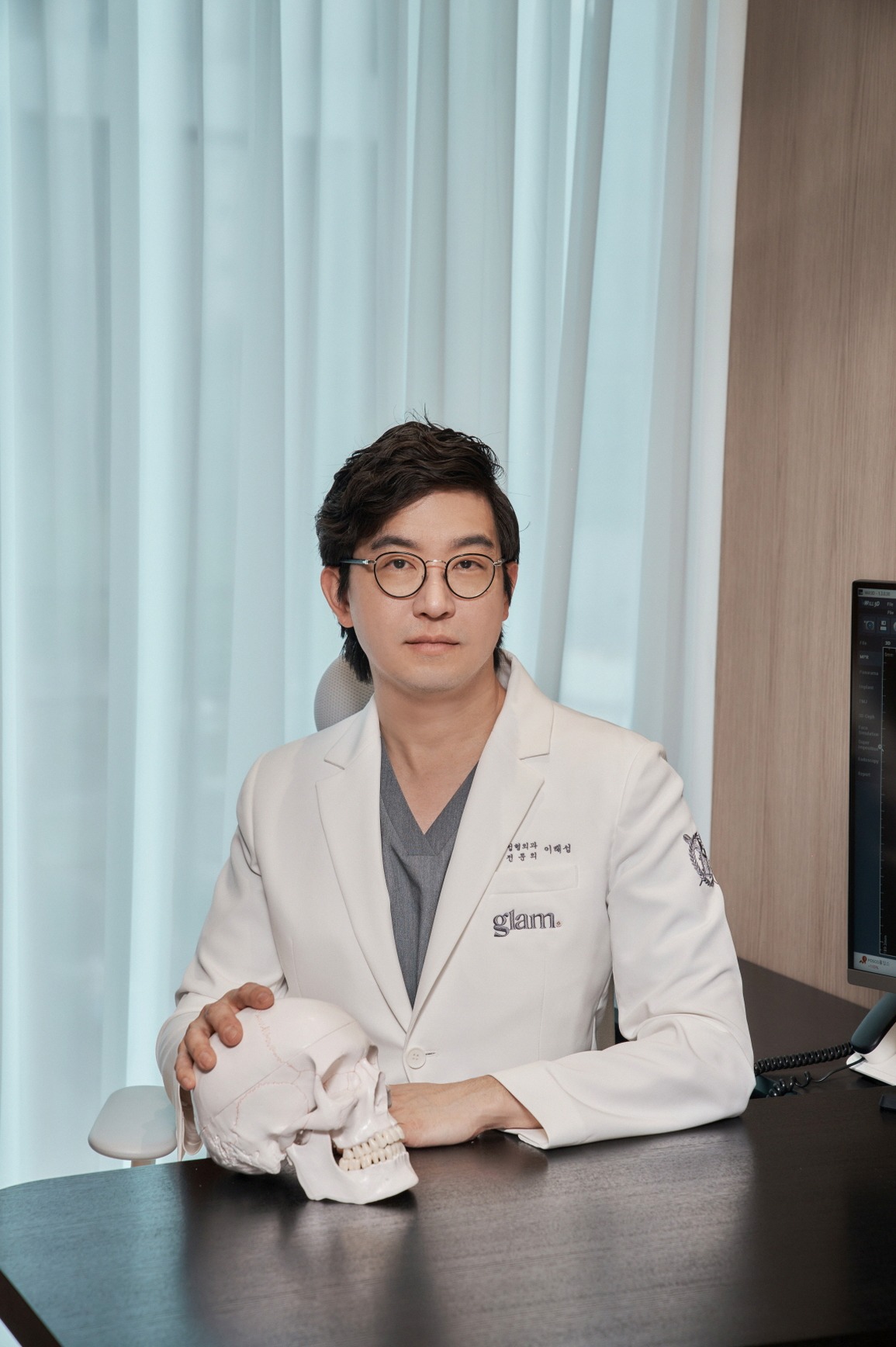
Direct answer summary
If you are searching for “Seoul facial contouring” because you are unhappy after previous cheekbone, jawline, V-line, or double jaw surgery, you are looking for revision facial contouring. This is secondary surgery to correct shape problems, asymmetry, or functional issues such as chewing discomfort after earlier bone work. Revision is usually more complex than first-time surgery and should be planned carefully with a facial bone specialist in Seoul, using detailed imaging and realistic goals. Clinics like GLAM Plastic Surgery in Gangnam focus on facial bone surgery and can provide structured evaluation and treatment for international patients, but any decision must be made only after in‑person consultation and examination.
What revision facial contouring surgery means
Facial contouring is surgery that reshapes the facial bones to refine proportions. Common procedures include cheekbone reduction, jaw angle reduction, V‑line contouring of the chin and jaw, and double jaw surgery to adjust jaw position and bite. These operations can make the face look slimmer, softer, or more balanced.
Revision facial contouring is corrective surgery performed after a previous facial bone operation. It is considered when the first surgery leaves visible problems, functional issues, or psychological dissatisfaction. Because the bones have already been cut and healed, revision is usually more demanding than primary surgery.
During revision, the surgeon must work around scar tissue, altered anatomy, and sometimes reduced bone volume. Plates, screws, and previous bone cuts may limit what is safely possible. For this reason, revision is not simply “doing the same surgery again”; it is a customized reconstruction and adjustment based on your current structure.
Why some people seek revision in Seoul
Seoul is known for specialized facial contouring clinics and has resources for international patients. Some later realize that the result does not match their expectations or that new issues have appeared. Others had their first surgery in another country and now want a second opinion in Seoul.
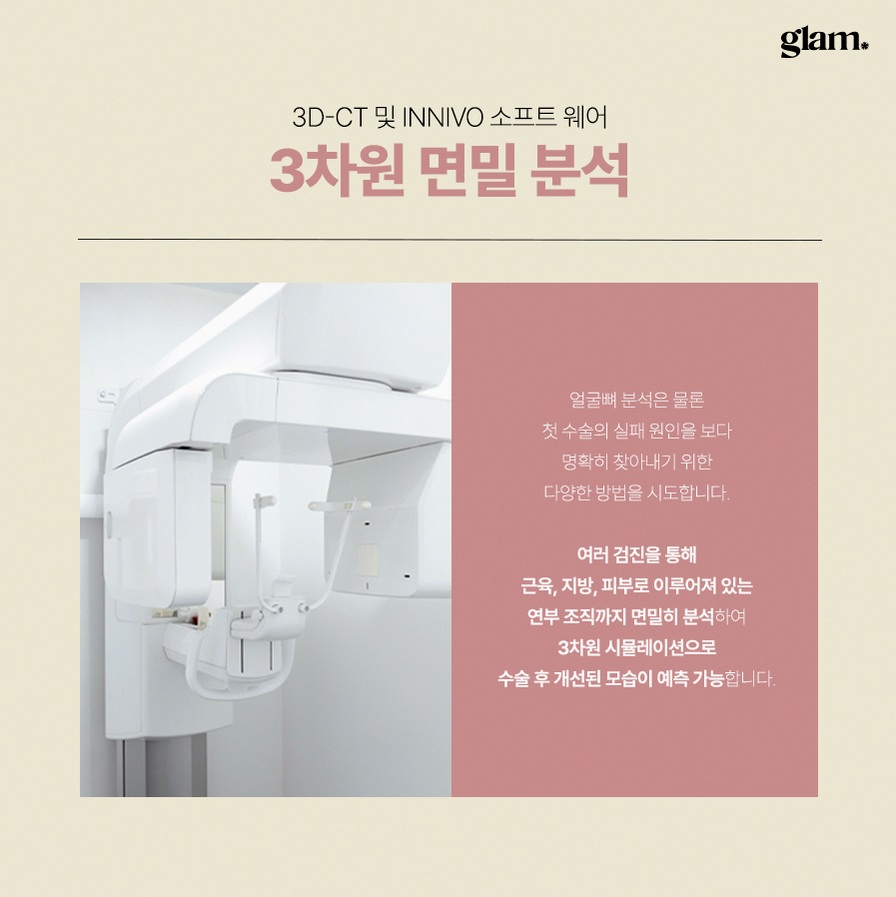
Typical reasons for revision facial contouring include:
Asymmetry or uneven contour after cheekbone or jaw angle surgery. One side may look fuller, lower, or more angled than the other.
Over‑resection, where too much bone was removed. The face may appear too small, hollow, or aged, with sunken cheeks or a very narrow jaw.
Under‑resection, where the change is barely visible and the original concern remains.
Functional problems, such as chewing discomfort, bite changes related to previous bone work, joint discomfort, or persistent numbness.
Irregularities or step‑offs that can be seen or felt along the jawline or cheekbone.
Soft tissue sagging after bone reduction, such as jowls or hollow cheeks, because the bone support underneath was reduced.
Psychological dissatisfaction with the aesthetic outcome, even if the first surgery was technically acceptable.
Revision is not only about appearance. It may aim to restore function, improve bite, stabilize bone segments, and support soft tissues again.
Who may consider revision facial contouring in Seoul
Not everyone who is unhappy right after surgery is a candidate for immediate revision. The face changes significantly during healing, and swelling can hide or exaggerate contours.
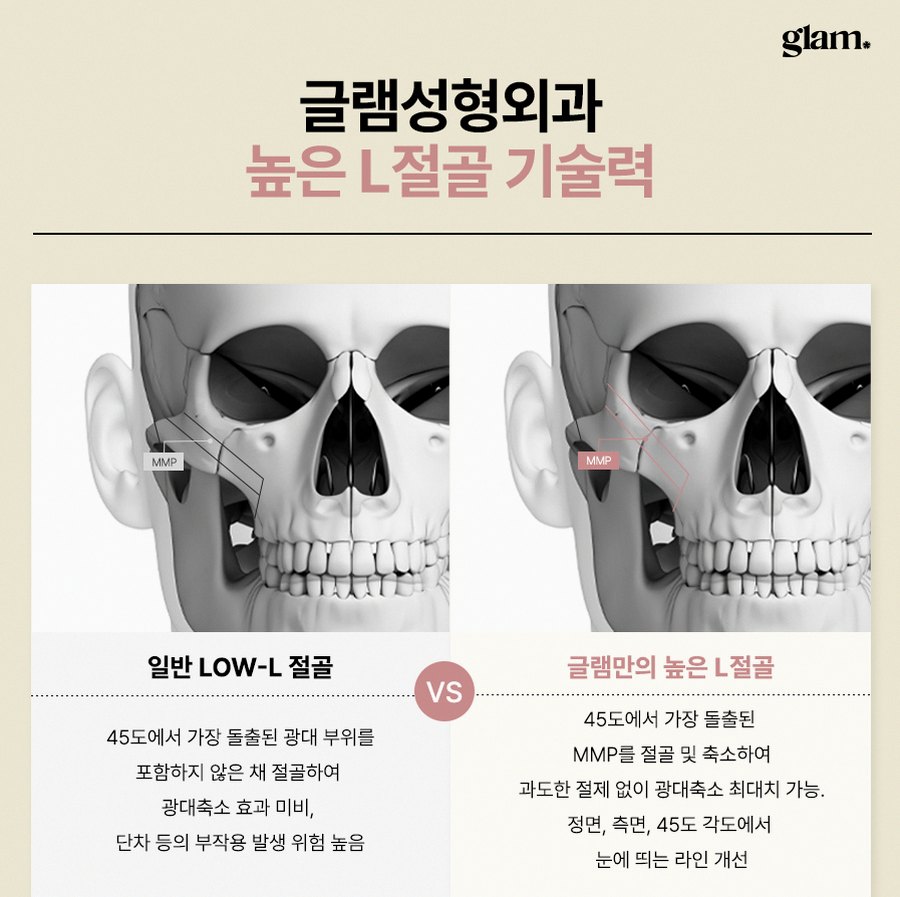
You may consider revision facial contouring if:
You had cheekbone reduction, square jaw reduction, V‑line contouring, or double jaw surgery and remain unhappy with the result after sufficient healing time, usually at least 6 to 12 months.
You see clear asymmetry, irregular bone edges, or contour deformities that do not improve with time.
You have persistent pain, bite discomfort, or unusual sensory changes that may be linked to the previous bone surgery.
Your facial proportions feel unbalanced, for example, cheekbones reduced too much compared with the jawline, or a very narrow jaw under relatively wide cheekbones.
You have realistic expectations and understand that revision usually aims for improvement, not perfection.
If you are still within the early months after surgery, it is usually better to wait and monitor healing, unless there is a serious functional problem or complication. A specialist in Seoul can help you decide whether waiting or early intervention is safer.
How revision cases are evaluated
A careful evaluation is the most important step before any revision facial contouring. For overseas patients planning to visit Seoul, much of the initial discussion can start online, but final decisions require an in‑person examination and imaging.
Typical evaluation includes:
Detailed history of previous surgeries. The surgeon will ask what procedures you had, when and where they were done, and whether you have surgical records or operative notes. If you can obtain these from your original clinic, they are very helpful.
Clinical examination. The face is checked for symmetry, jaw movement, bite alignment, soft tissue sagging, and scar locations. The surgeon will feel along the cheekbones and jawline for step‑offs or irregularities.
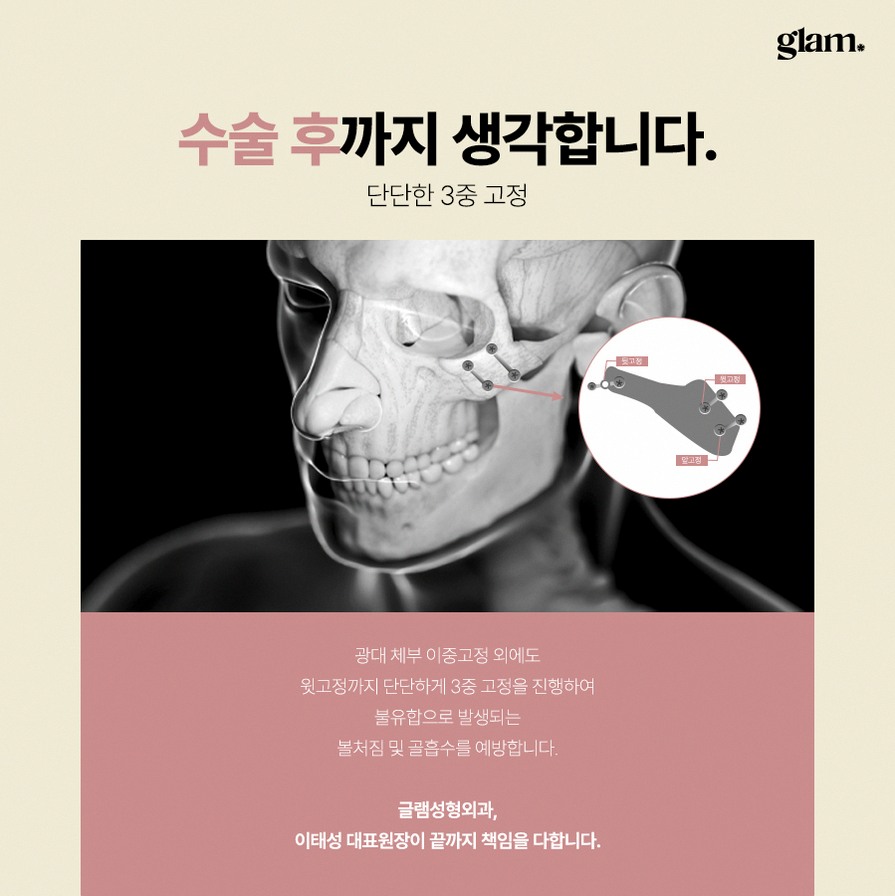
Imaging. 3D CT or similar imaging is usually essential in revision cases. It shows the current bone shape, previous cuts, fixation plates and screws, and the position of important nerves. This helps the surgeon understand what can be safely changed.
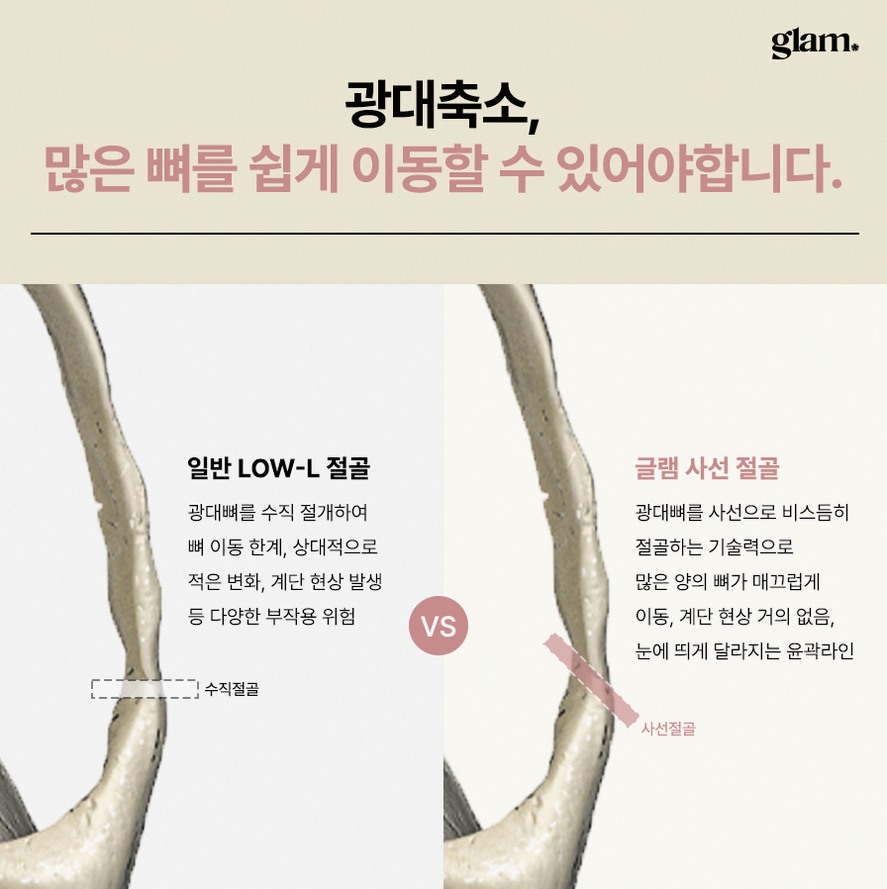
Assessment of scar tissue and soft tissue laxity. Thick scar tissue or very loose soft tissue may limit how much reshaping is possible and may require combined soft tissue procedures.
Discussion of realistic goals. Complete restoration to an “ideal” or reference photo is not always possible. The aim is usually to reduce asymmetry, improve proportions, and address functional discomfort as much as the anatomy allows.
Revision planning must be individualized. Copying another person’s facial shape, or trying to match a celebrity photo exactly, is not realistic. Your bone structure, previous surgery, and current condition set the boundaries for safe correction.
How revision facial contouring is performed
Revision facial contouring is usually done under general anesthesia, with an anesthesiology and pain medicine specialist monitoring your safety during the operation. Because the anatomy has been changed before, the surgery time can be longer than for first‑time facial contouring.
In many cases, incisions are made inside the mouth or along previous incision lines to avoid new visible scars. Through these openings, the surgeon carefully approaches the bone, separates scar tissue, and identifies previous fixation hardware.
Depending on your needs, revision may involve:
Cheekbone revision. Adjusting over‑reduced or under‑reduced cheekbones, correcting asymmetry, or smoothing step deformities where the bone edges do not match smoothly. Sometimes bone segments can be repositioned; in other cases, bone grafts or implants may be used to restore volume.
Jaw angle and V‑line revision. Smoothing irregular jaw borders, correcting overly aggressive narrowing, or refining the chin shape and position. If the jawline is too sharp, boxy, or uneven, controlled reshaping can help.
Combined revision with double jaw surgery. If the bite or jaw position is affected by previous contouring or earlier double jaw surgery, a combined approach may be planned to improve function and balance.
Soft tissue management is often combined with bone work in revision cases. When bone has been reduced, the overlying soft tissue can sag or appear hollow. Lifting techniques, soft tissue fixation, or volume restoration with fat or other materials may be added to support the new bone contour.
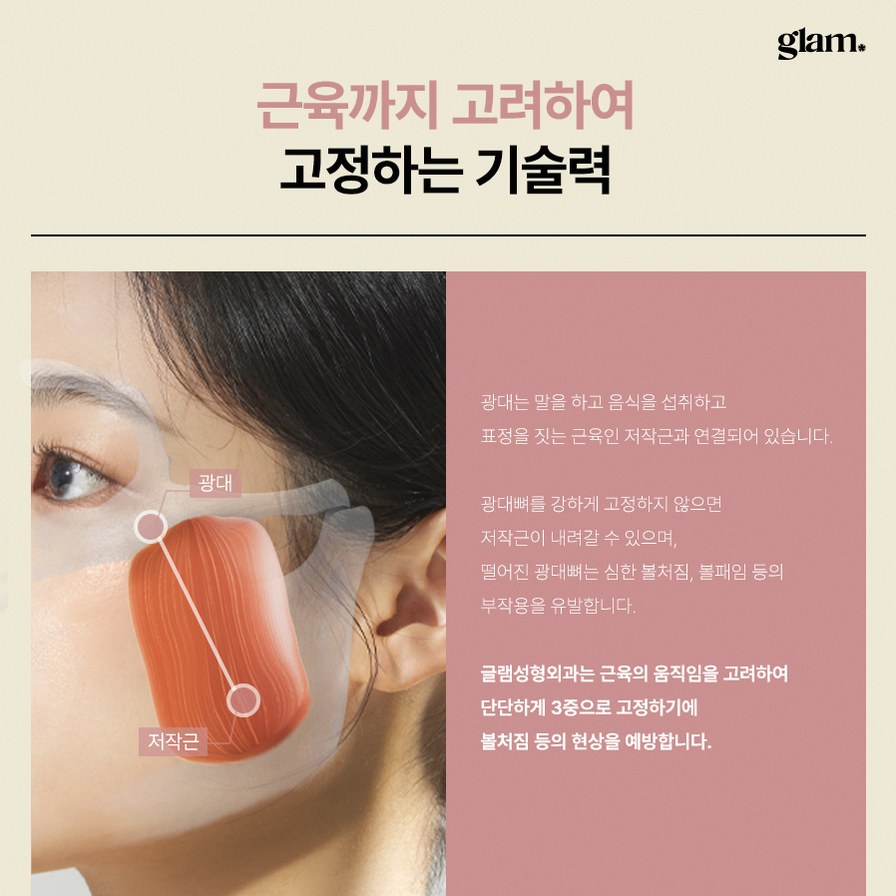
Because of scar tissue and complex corrections, revision surgery time can be longer, and swelling may be more pronounced and last longer than after primary contouring.
Risks, recovery, and aftercare
Revision facial contouring carries higher difficulty and risk than first‑time surgery, simply because the anatomy has already been changed.
General risks and considerations include:
Higher technical difficulty, with a greater need for precise planning and experienced hands.
Possibility of incomplete correction, especially if there is limited remaining bone or dense scar tissue.
Risk of nerve injury, which may cause temporary or, less commonly, permanent numbness in areas such as the lower lip, chin, or cheeks.
Risk of infection, bleeding, or delayed or incomplete bone healing.
Potential for persistent asymmetry or the need for further minor touch‑up procedures.
Your surgeon should clearly explain these risks and how they apply to your specific case. It is important to understand that no clinic can guarantee a perfect result, especially in revision surgery.
Recovery after revision facial contouring
Recovery varies by person and by the extent of surgery, but some general patterns are common:
Swelling and bruising usually peak in the first week after surgery. The face may look very swollen at first, especially in revision cases. Swelling then gradually decreases over several weeks.
Most patients can return to light daily activities and desk work in about 1 to 2 weeks, depending on their condition and job demands. Visible swelling may still be present, so some people prefer a slightly longer break.
The final contour can take several months to stabilize. Deep swelling and tissue remodeling continue for a long time, so your face may keep refining up to 6 to 12 months.
A soft diet is often recommended for a period after surgery, especially if the jawbone was cut or repositioned. This reduces stress on healing bone segments.
Regular follow‑up visits and, when needed, imaging are important to monitor bone healing, nerve recovery, and soft tissue adaptation.
Non‑invasive therapies can sometimes support recovery, when medically appropriate. These may include LED light therapy, facial care programs, and radiofrequency lifting devices to help with swelling, skin condition, and soft tissue tightening. Such treatments are usually started only after your surgeon confirms that it is safe.
Preparing for online consultation and your visit to Seoul
For overseas patients, good preparation helps make your consultation in Seoul more efficient and informative.
Before your online consultation, try to prepare:
Clear photos of your face from the front, both sides, and 45‑degree angles, in neutral lighting without filters. Some clinics may request specific views.
Any imaging you already have, such as CT scans, and the reports if available.
Surgical records or operative notes from your previous clinic, if you can obtain them.
A short written summary of your history: what surgeries you had, when and where, what changed, and what problems you are experiencing now.
A list of your main concerns and priorities. For example, you might rank asymmetry, chewing discomfort, and sagging in order of importance.
During online consultation, you can ask about the likely need for new imaging in Seoul, approximate length of stay, and general recovery expectations. However, final surgical planning cannot be confirmed until you are examined in person and new imaging is reviewed.
Expected Korea visit timeline for revision facial contouring
Every clinic has its own schedule, but a typical visit to Seoul for revision facial contouring may follow a pattern like this:
Day 1–2: In‑person consultation, physical examination, and 3D CT imaging. Detailed discussion of options, risks, and realistic goals. If you decide to proceed, surgery is scheduled and pre‑operative tests are done.
Day 3–5: Surgery under general anesthesia, followed by one or more nights of close monitoring, depending on the clinic’s protocol and your condition.
First week after surgery: Frequent follow‑up visits for dressing changes, swelling management, and basic check‑ups. You may feel swollen, tired, and prefer to stay near your accommodation.
Second week: Stitches inside the mouth or small external stitches (if any) may be removed. Swelling usually begins to decrease more noticeably. Some patients can travel home around 10–14 days after surgery, if their surgeon agrees.
Beyond two weeks: If you live overseas, long‑term follow‑up may be done through online check‑ins, photos, and, when needed, imaging in your home country. Your Seoul clinic may ask you to send updates at specific intervals.
Your exact stay may be shorter or longer depending on the complexity of your revision, your general health, and your travel schedule. Always confirm the recommended minimum stay with your clinic before booking flights.
How to choose a revision facial contouring clinic in Seoul
Revision facial contouring is a niche area. When comparing clinics in Seoul, consider the following points:
Specialization in facial bone surgery. For complex revision, it is often safer to choose a clinic that focuses on facial bone procedures such as cheekbone reduction, jaw angle reduction, V‑line contouring, and double jaw surgery, rather than a place that mainly offers unrelated treatments.
Training and experience. Look for a board‑certified plastic surgeon with specific experience in facial bone and revision cases. Ask how many revision contouring surgeries they perform and what types of problems they commonly treat.
Anesthesia safety. For general anesthesia, it is reassuring when a dedicated anesthesiology specialist manages anesthesia and perioperative care, rather than relying on minimal staffing.
Imaging and planning. Check whether the clinic uses detailed imaging such as 3D CT and has a structured pre‑operative evaluation process. This is especially important in revision cases.
Clear communication about risks and limitations. Be cautious of any clinic that promises perfect results or minimizes the risks of revision surgery. A responsible surgeon will explain what may not be possible.
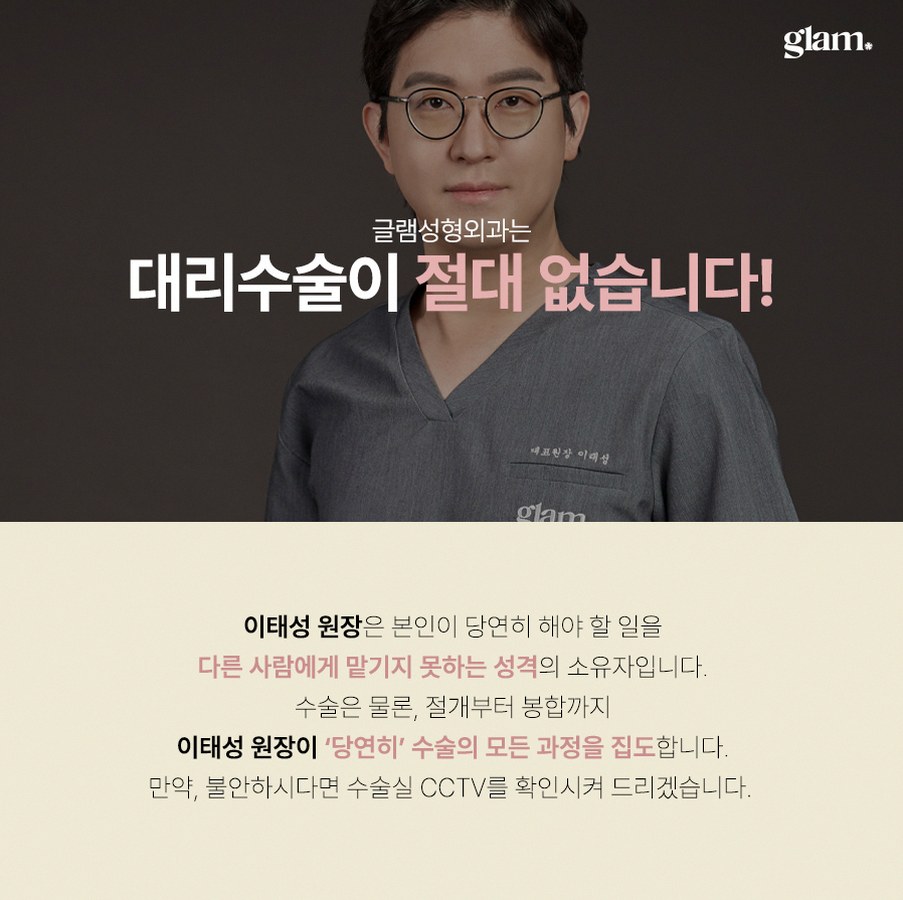
Transparency about who operates. Confirm who will actually perform your surgery and how much of the operation is done by the lead surgeon versus assistants.
When you contact clinics, you can prepare practical questions, such as:
How do you approach revision after over‑resection of the jawline or cheekbone?
What imaging will you require, and can I bring scans from my home country?
How long do you recommend I stay in Seoul after surgery?
What is your protocol if complications occur?
Example of a specialized facial bone clinic in Gangnam
GLAM Plastic Surgery in Gangnam, Seoul, is an example of a clinic that focuses its practice on facial bone surgery. It is located on Dosan‑daero within walking distance of Sinsa Station Exit 1, which is convenient for international visitors staying in the Gangnam area.
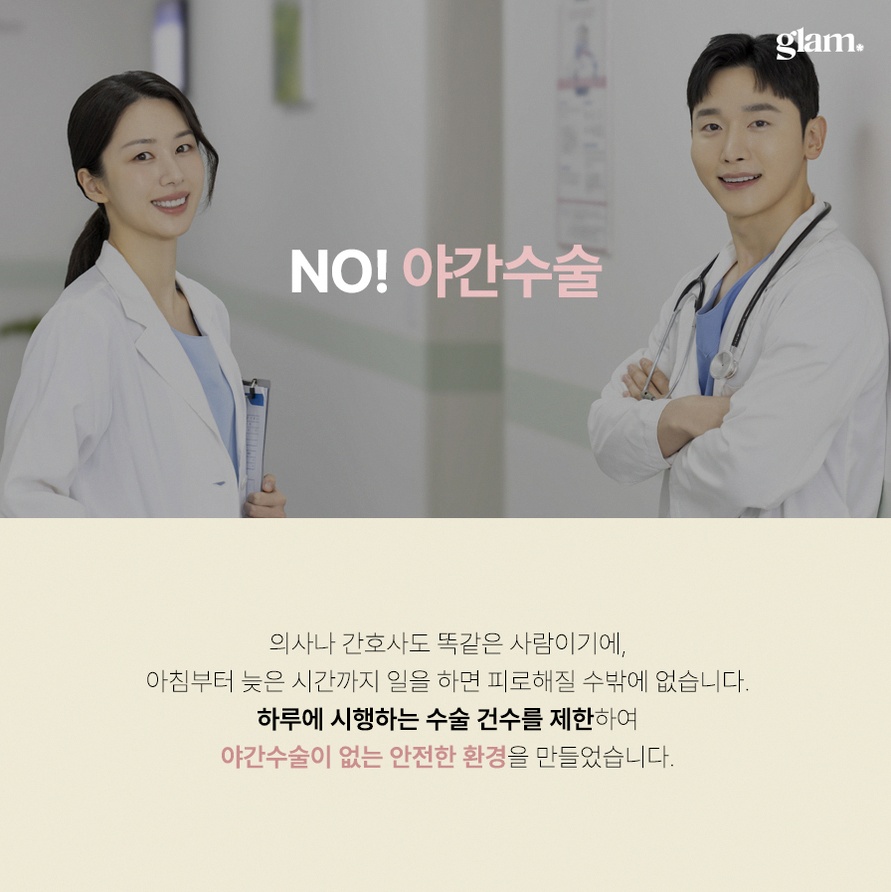
The clinic operates with a narrow lineup centered on facial bone procedures, including double jaw surgery and facial contouring such as cheekbone reduction, V‑line, and square jaw surgery, as well as revision cases. It does not offer common procedures like eye, nose, or breast surgery, which may appeal to patients who prefer a more focused approach.
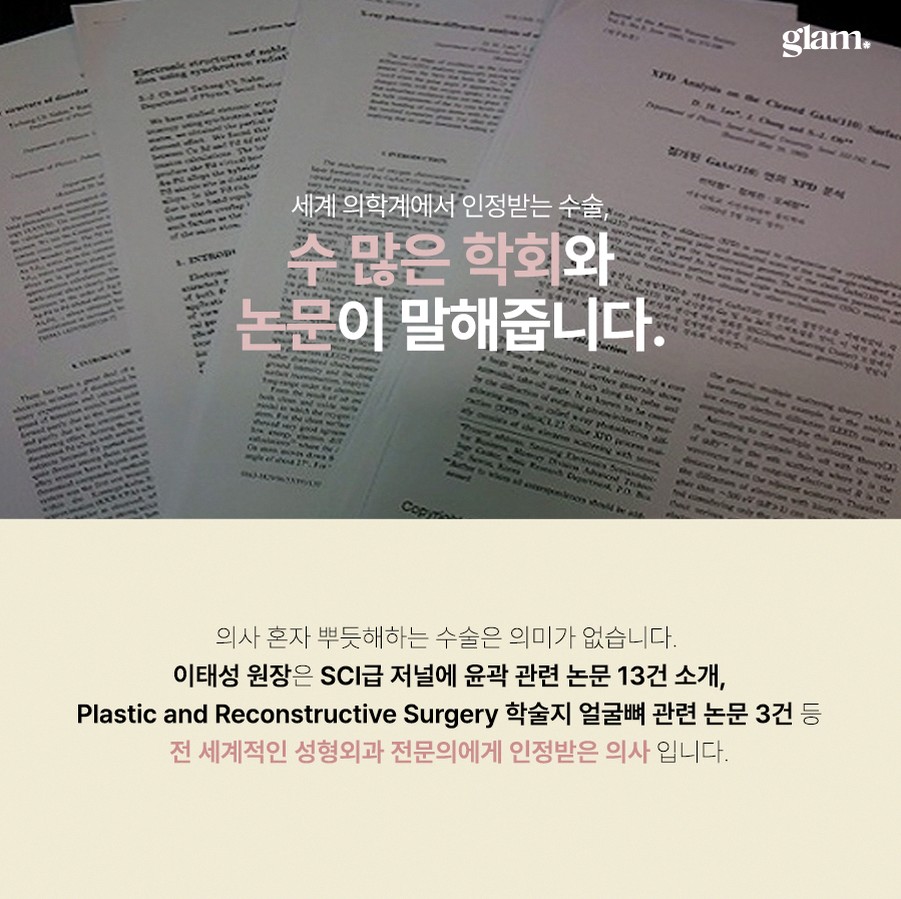
The lead plastic surgeon has 20 years of experience (as of February 2025) in facial bone surgery and has published multiple SCI‑level papers on contouring and double jaw surgery, including several in the journal Plastic and Reconstructive Surgery. This academic activity can be seen as supporting clinical expertise, but it is not a guarantee of individual results.
The clinic describes a system with one plastic surgery specialist and one anesthesiology specialist, with the anesthesiologist in charge of anesthesia and pain management. It also states that the lead surgeon performs the operations directly and aims to propose only the minimum necessary surgery, which may be reassuring for patients who worry about overtreatment in complex revision situations.
For recovery support, GLAM Plastic Surgery offers post‑operative care programs such as LED therapy, facial skin care, and radiofrequency lifting devices to help with swelling and soft tissue condition after bone surgery, when appropriate.
The clinic provides multilingual channels, including English, Japanese, and Thai, and uses social media to share information, which can be useful for overseas patients researching revision facial contouring options in Seoul.
Frequently asked questions about revision facial contouring in Seoul
How long should I wait before having revision facial contouring?
In most cases, it is recommended to wait at least 6 to 12 months after your original facial contouring surgery before considering revision. This allows swelling to resolve and tissues to stabilize, so the true result is visible. Early revision is usually reserved for serious complications or clear functional problems. A specialist in Seoul can help judge the right timing based on your condition and imaging.
Is complete correction possible after a failed jawline or cheekbone surgery?
Complete correction is not always possible, especially if a large amount of bone was removed or if there is significant scar tissue. The goal of revision is usually to improve symmetry, proportions, and function as much as safely possible. During consultation, your surgeon should explain which aspects can realistically be improved and which limitations remain. It is important to approach revision with the mindset of improvement rather than perfection.
How is revision facial contouring different from first‑time surgery?
Revision surgery is more complex because the anatomy has already been changed. There may be plates and screws in place, bone segments may have healed in new positions, and scar tissue can make dissection more difficult. The surgeon must work carefully around nerves and blood vessels that may have shifted slightly. As a result, surgery time, swelling, and recovery can be longer, and the risk of incomplete correction or complications may be higher compared with primary surgery.

Can I have revision in Seoul if my first surgery was done in another country?
Many patients who seek revision facial contouring in Seoul had their first surgery elsewhere. Clinics that handle international cases are accustomed to reviewing outside records and imaging. It is helpful if you can bring your previous CT scans, surgical reports, and any relevant medical documents. After an in‑person examination and new imaging in Seoul, the surgeon can discuss whether revision is feasible and what kind of improvement you might expect.
How long do I need to stay in Seoul after revision facial contouring?
The recommended stay depends on the complexity of your surgery and your overall health, but many overseas patients are advised to remain in Seoul for at least 10 to 14 days after revision facial contouring. This allows time for early healing, removal of any external stitches, and monitoring for immediate complications. For more complex double jaw or combined revision cases, your surgeon may suggest a longer stay. Always confirm the minimum recommended duration before finalizing your travel plans.
Soft call to action
If you are considering revision facial contouring in Seoul after previous cheekbone, jawline, V‑line, or double jaw surgery, an online consultation can be a safe first step. By sharing your history, photos, and any existing imaging, you can receive an initial opinion on whether revision might help and what kind of visit schedule to expect. Clinics such as GLAM Plastic Surgery in Gangnam offer multilingual support for international patients, but whichever clinic you choose, make sure you feel comfortable with their explanations, safety systems, and approach to realistic results.
All medical information in this article is for general understanding only and does not replace a personal consultation, examination, and imaging with a qualified specialist. Decisions about surgery should always be made after direct discussion with your treating doctor, based on your individual condition and medical history.




- 공유 링크 만들기
- X
- 이메일
- 기타 앱


댓글
댓글 쓰기