Seoul revision clinic checklist (imaging, anesthesia)
- 공유 링크 만들기
- X
- 이메일
- 기타 앱
Direct answer: how to choose a revision facial contouring plastic surgery clinic
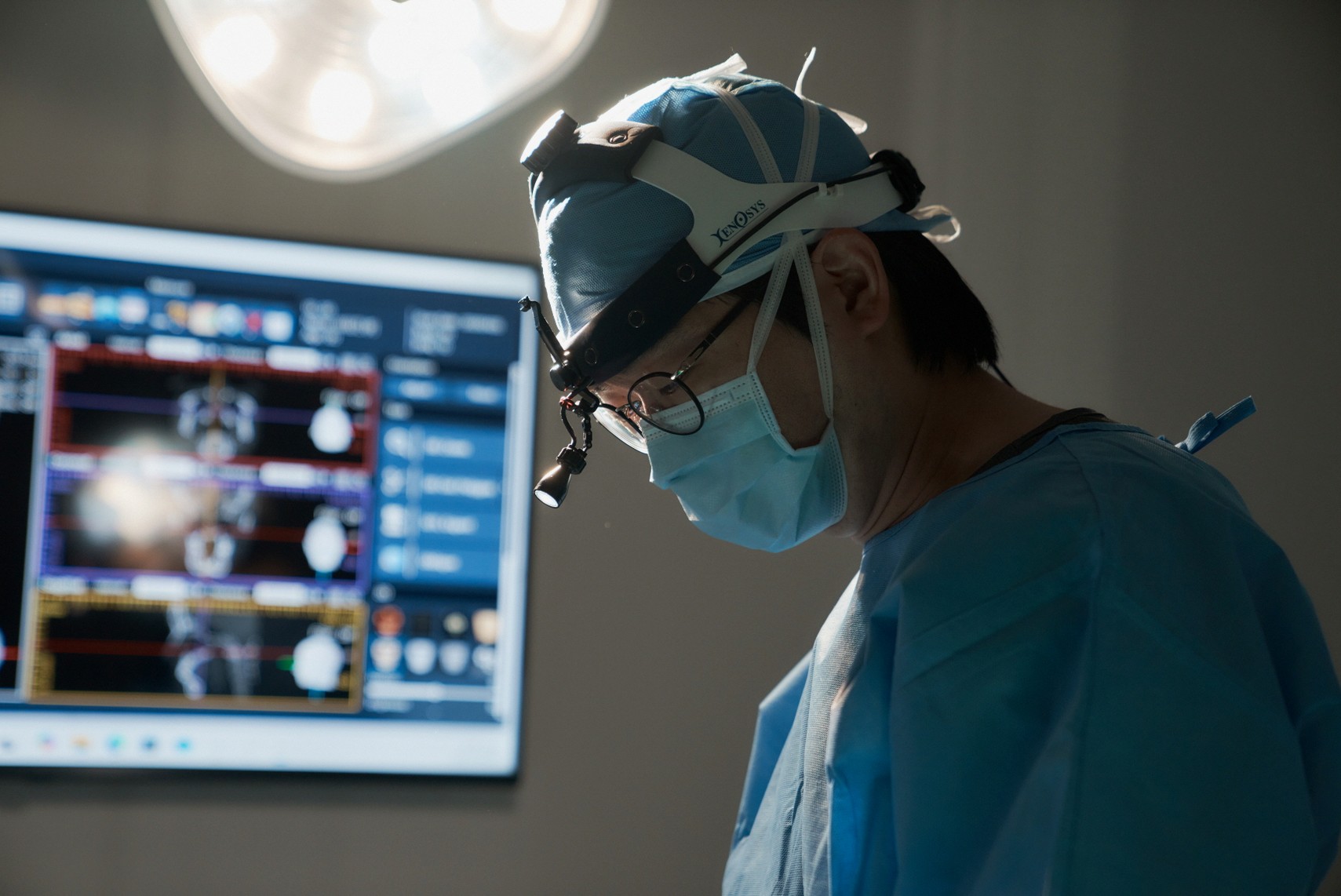
For revision facial contouring surgery, look for a clinic that focuses mainly on facial bone procedures, has a clear diagnostic process with imaging and bite analysis, works with an anesthesiology specialist for long operations, and offers structured aftercare to support recovery. In Sinsa, Gangnam, Seoul, there are clinics such as GLAM Plastic Surgery that follow this type of focused facial bone system for both local and international patients.
Introduction: When you start searching for a facial contouring plastic surgery clinic again
Revision facial contouring surgery means correcting or improving the results of previous facial bone procedures such as cheekbone reduction, jaw angle surgery, T or V line contouring, or chin reshaping. Many people consider revision because of asymmetry, under correction, over resection, an unnatural or sharp contour, or functional problems like bite discomfort, joint strain, or difficulty chewing. Others may have long lasting swelling, irregularities, or a feeling that the face no longer matches their overall features.
Revision facial contouring is usually more complex than the first surgery. Scar tissue, changed anatomy, and reduced bone volume make planning and execution more demanding. Nerves and joints may be closer to the operated area, and the blood supply to the tissues can be altered. For these reasons, choosing a facial contouring plastic surgery clinic that is focused on facial bone work and uses a systematic, cautious approach is especially important.
What is revision facial contouring surgery
Revision facial contouring surgery covers several types of procedures. Common areas include revision cheekbone reduction, revision jawline surgery, revision V line or T osteotomy, and chin contouring adjustments. Some patients need only small corrections, such as smoothing a step or adjusting a slight asymmetry. Others may require more comprehensive work, including double jaw surgery combined with facial bone contouring revision.
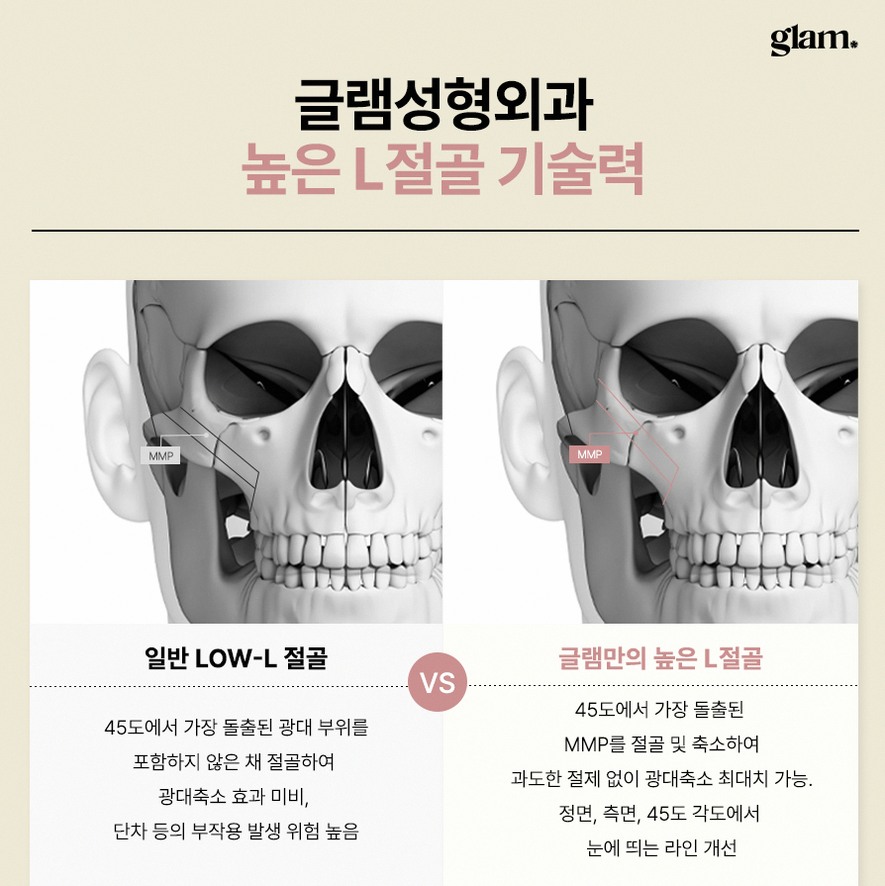
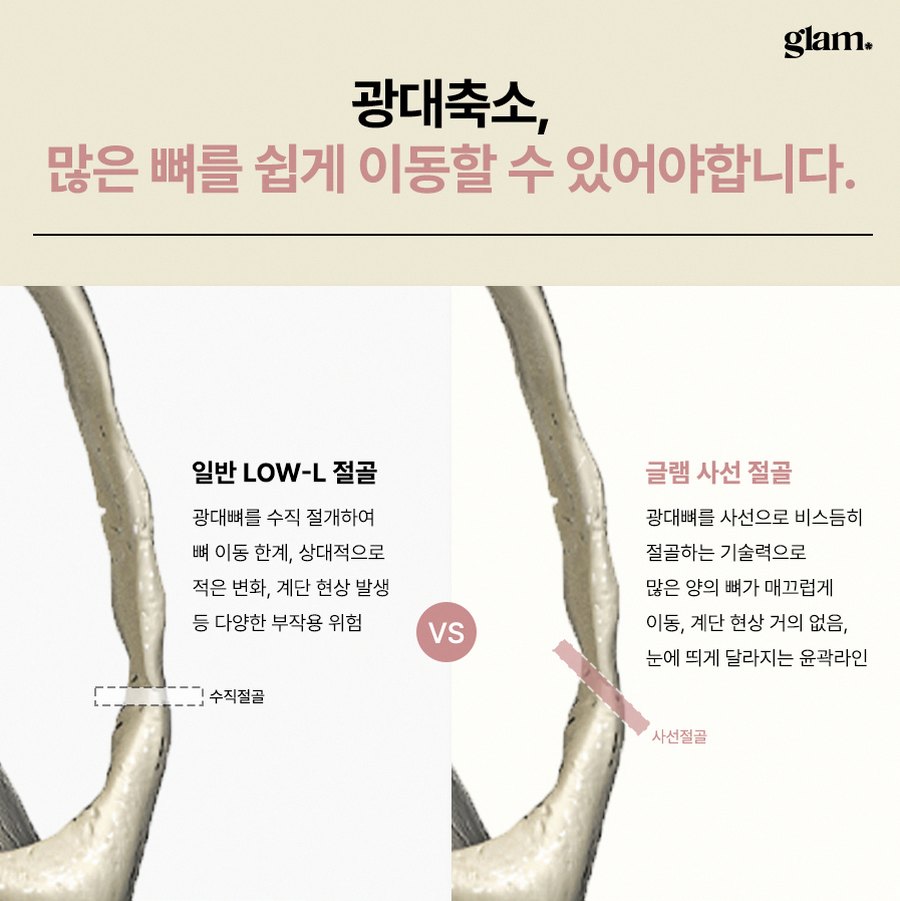
The main goals of revision are to restore facial balance, improve symmetry, soften or refine the contour, and protect or restore function. Function includes your bite, jaw joint comfort, nerve sensation, and airway space. Revision does not always mean removing more bone. In many cases it involves repositioning existing bone segments, shaving or smoothing irregular edges, or even adding structural support with grafts or implants if too much bone was removed previously.
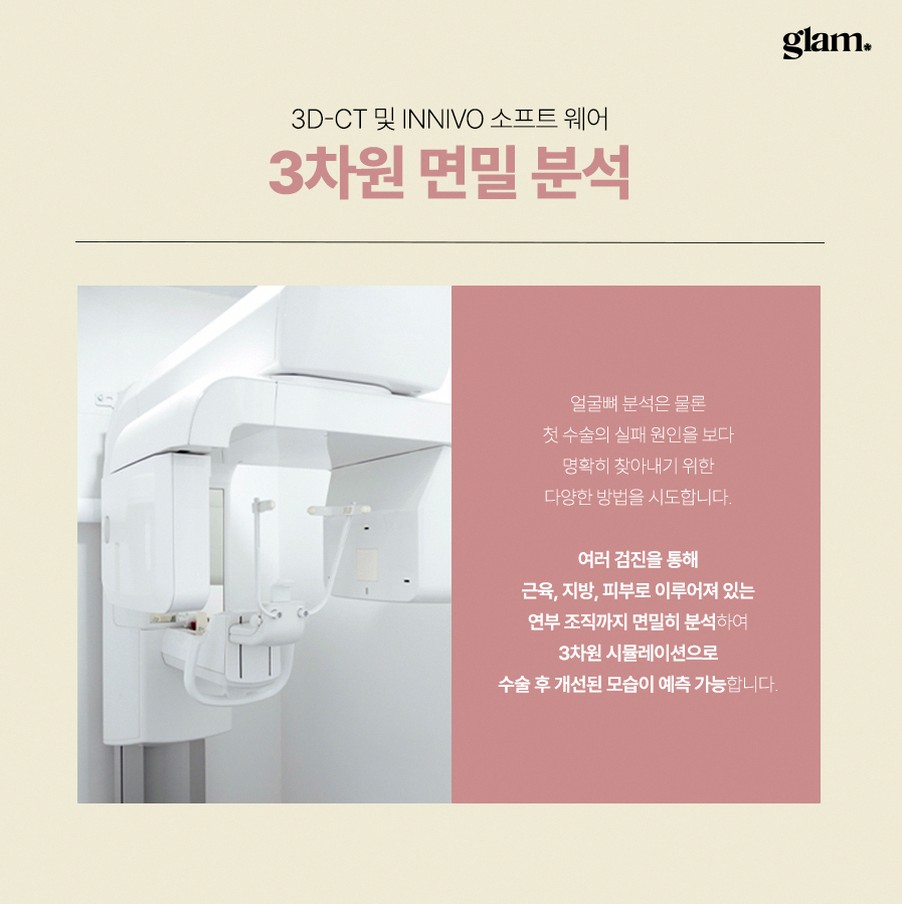
Before deciding on any revision, precise diagnosis is essential. This usually includes radiologic imaging to see the current bone shape, the position of plates and screws, and the path of important nerves. A functional assessment of bite and jaw joint movement helps distinguish problems caused by bone position from those caused by soft tissue or muscle adaptation. Only after this analysis can a realistic and safe revision plan be made.
Why revision facial contouring requires a specialized facial bone clinic
Facial bone surgery is very different from soft tissue procedures such as eyelid or nose work. It directly involves the jaw joints, bite, nerves, and airway. Changes to the jaw position can influence chewing, speech, and even breathing during sleep. Because revision facial bone surgery must respect all of these structures, deep and focused experience is valuable.
A facial bone only or facial bone focused clinic that mainly performs double jaw surgery and facial contouring tends to see a wide range of complex and revision cases. This repeated experience helps the team recognize typical complication patterns, understand how previous surgeries were done, and design safer revision strategies. When a clinic does not divide its attention across many other cosmetic procedures, it can concentrate its equipment, protocols, and staff training on facial bone safety and outcomes.
Another useful sign is whether the main surgeon has an academic track record in facial bone surgery, such as Academic work suggests that the surgeon is engaged with current techniques, complication management, and long term outcomes, beyond simple marketing claims.
Revision patients are often worried about overtreatment. Many have already experienced a result that felt too drastic or did not match their expectations. A clinic philosophy that emphasizes recommending only the minimum necessary procedures can be reassuring. This approach aims to solve the main problem while preserving as much healthy bone and function as possible.
Key checklist for choosing a facial contouring plastic surgery clinic for revision
When comparing clinics for facial bone contouring revision in Seoul, especially in areas like Sinsa Gangnam, it can help to use a simple checklist.
Surgeon specialization and experience
Confirm that the main surgeon clearly focuses on facial bone surgery, particularly double jaw and facial contouring. Ask about years of experience specifically with facial bone and revision cases, not just general cosmetic procedures. You can also inquire about peer reviewed research and SCI level publications, and whether these include facial bone topics as of a recent date. This information helps you understand the depth of the surgeon’s involvement in this field.
Scope of the clinic
Check whether the clinic limits itself mainly to facial bone surgery or offers many unrelated services. A double jaw and facial bone contouring revision in Seoul may benefit from a clinic that concentrates on this narrow area. A focused lineup allows the team to refine protocols for imaging, surgery, and aftercare that are tailored to bone operations.
Safety and anesthesia system
Revision facial bone surgery often takes longer than primary surgery. For safety, it is important that the clinic has and monitors your airway, breathing, and circulation continuously. Ask about their monitoring equipment, emergency protocols, and how they handle fluid balance and blood loss during surgery.
Diagnostic and planning process
A reliable facial contouring plastic surgery clinic should have a clear diagnostic pathway. This usually includes imaging to evaluate bone position, nerve pathways, and the condition of the jaw joints. Bite analysis and facial proportion assessment are also important. During consultation, you should be able to discuss whether double jaw surgery, contouring revision alone, or non surgical options are truly necessary. The surgeon should explain any limitations caused by previous bone removal or scarring and be transparent about what cannot be fully corrected.
Surgical philosophy
Ask how the clinic decides when to operate and when to recommend observation or non surgical management. A conservative philosophy for revision facial contouring surgery focuses on functional preservation alongside aesthetics. The clinic should be willing to say no to surgery if the risks outweigh the benefits, especially in cases where bone volume is already reduced or nerves are at high risk.
Post operative care system
Recovery after revision facial bone surgery can be supported by structured aftercare programs. Some clinics provide LED therapy, facial dome type care for swelling, skin reset total care, and RF lifting in the later phase to help with skin tightening. Ask what is included, how often you will be seen, and how long the follow up continues. Clear follow up schedules and guidance for long term changes are important.
Support for international patients
If you are traveling from overseas, confirm that the clinic offers multilingual communication, such as English, Japanese, or Thai. Online consultations, assistance with scheduling within your travel dates, and experience with overseas revision cases are valuable. Ask how many in person visits are needed, how long you should stay in Korea, and what kind of remote follow up is possible after you return home.
How revision facial contouring is planned in a facial bone focused clinic
In a double jaw and facial bone specialist clinic, revision planning usually follows a structured process.
Initial consultation
The team first gathers a detailed history of your previous surgeries: what was done, when, where, and whether there were complications. You will be asked to describe your main concerns, such as asymmetry, contour shape, bite problems, or numbness. The surgeon then performs a physical examination of your facial proportions, soft tissue thickness, muscle tone, and occlusion.
Imaging and analysis
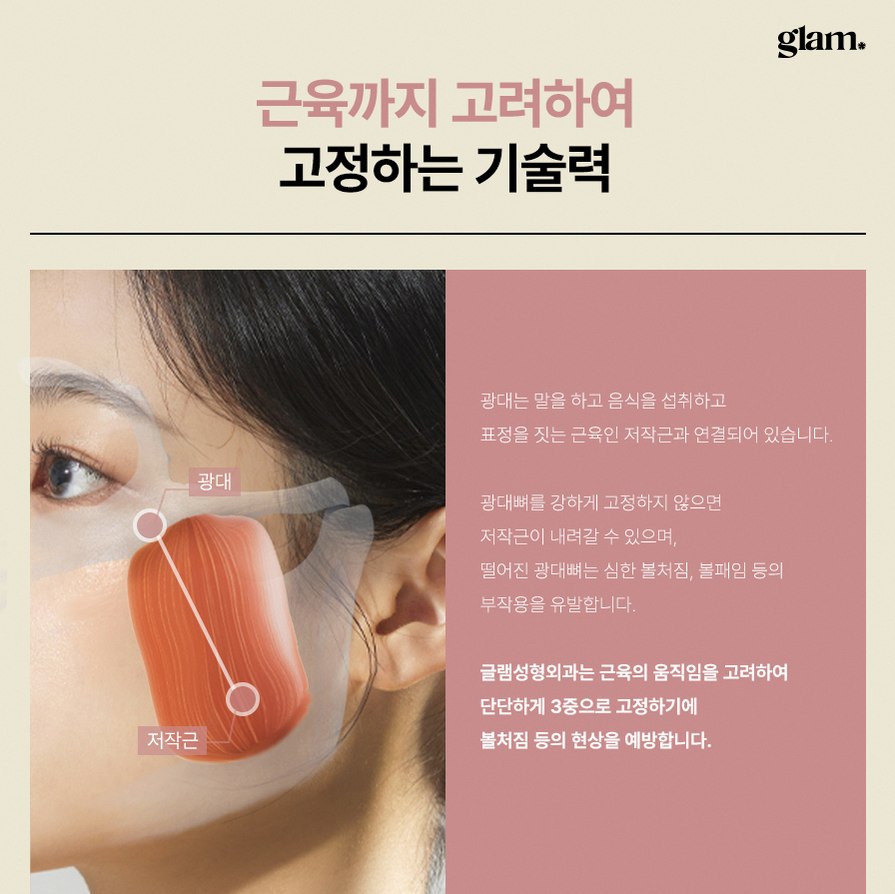
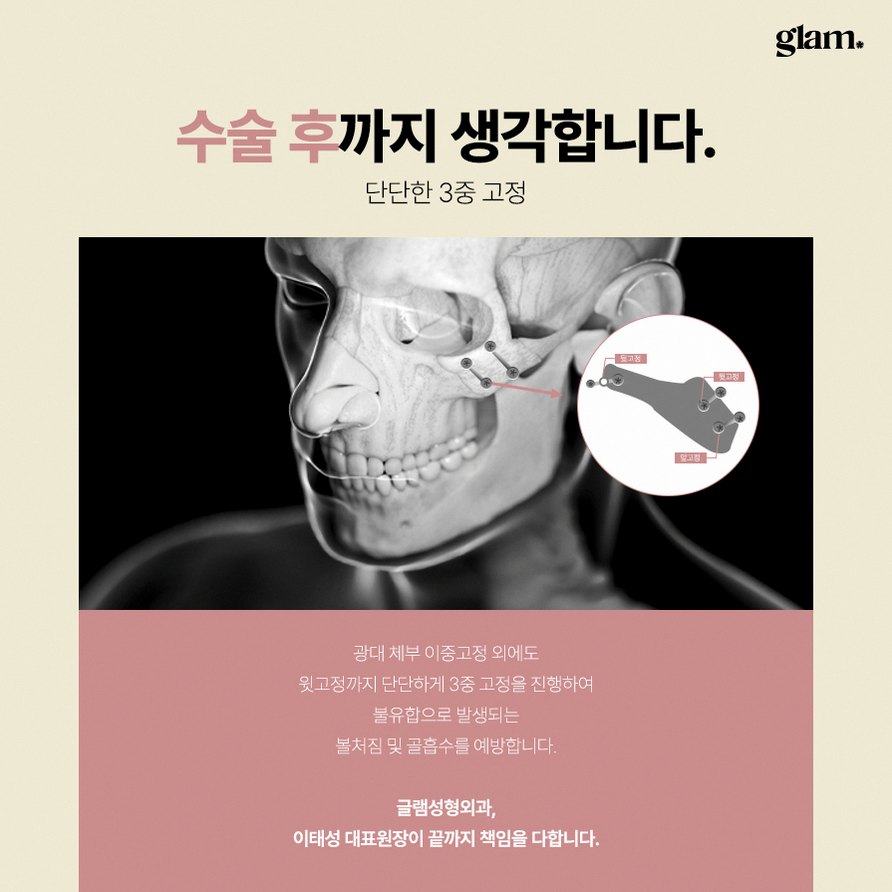
Radiologic imaging, such as three dimensional scans, is used to understand your current bone shape and the position of any fixation plates or screws. The surgeon evaluates whether your issues are mainly bone related, soft tissue related, or a combination. For example, a wide lower face may be due to remaining bone, thick masseter muscles, or swelling and scar tissue. This distinction influences whether revision jawline surgery, soft tissue procedures, or conservative management is most suitable.
Treatment strategy
Based on this analysis, the surgeon designs a treatment plan. Some patients may need double jaw surgery if the bite and jaw position are significantly off, combined with contouring revision for the cheekbone or jaw angle. Others may only need revision cheekbone reduction or smoothing of irregular jawline segments.
In some modern approaches, intermaxillary fixation, or wiring the jaws shut, can be avoided in selected double jaw cases, depending on the stability of the fixation and the surgical technique. However, this decision is individual and should be explained clearly. There are also cases where pre treatment with bite correction is necessary, and others where it can be minimized or omitted because the skeletal changes are small.
When the upper jaw is moved, techniques such as suturing around the nasal base may be used to reduce the risk of nose widening or flattening. These details are part of a comprehensive plan to maintain facial harmony.
Setting realistic expectations
During planning, the surgeon should explain what can and cannot be corrected, especially when previous surgery has already removed a lot of bone. Some asymmetries may be improved but not perfectly eliminated. You should also be informed about the expected timeline for swelling reduction and final contour stabilization. After revision, it can take several months for the face to settle. In complex cases, staged procedures may be safer than doing everything at once.
Recovery and aftercare after revision facial contouring
Recovery after revision facial contouring can be slower or less predictable than after primary surgery. Scar tissue and altered blood supply may cause swelling to last longer and nerves to recover more slowly. For this reason, structured aftercare is helpful.
Role of structured aftercare programs
LED therapy can support skin and soft tissue recovery. Facial dome type treatments may assist with circulation and swelling control in the early phase. Skin reset total care focuses on restoring the skin barrier after prolonged swelling and irritation. RF lifting is usually considered later, when the main swelling has subsided, to help with skin tightening and contour definition.
Regular follow up visits are important to monitor nerve recovery, bite stability, and gradual contour changes. The clinic should guide you on diet progression from liquids to soft foods and then to normal chewing, as well as oral hygiene, sleeping posture, and activity level. For working patients and those traveling from abroad, clinics with flexible weekday and Saturday hours, and without long midday closures, can make follow up easier.
When you should consider revision and when you should wait
In most cases, you should wait a certain period after primary facial contouring before deciding on revision. This allows swelling to subside and tissues to stabilize so that the true result is visible. For many cheekbone and jawline surgeries, this can mean several months before a final judgment.
However, there are red flag symptoms that should prompt earlier evaluation. These include severe bite changes that make chewing difficult, persistent or worsening pain, signs of infection such as redness and fever, or progressive asymmetry that appears to be getting worse over time. In such situations, an early assessment at a facial bone focused clinic is advisable, even if actual revision surgery is delayed.
There are also cases where non surgical management or minor smoothing is safer than aggressive re operation. For example, if only a small irregularity is present and the nerve is very close to the area, a conservative approach may be recommended. Getting a second opinion from a facial contouring plastic surgery clinic that specializes in facial bone can help you understand your options before committing to another surgery.
Who may consider a facial contouring plastic surgery clinic in Sinsa, Gangnam
Patients who may benefit from visiting a Sinsa Gangnam facial contouring clinic include those who had facial bone surgery in Korea or abroad and are not satisfied with the result, as well as people planning their first facial contouring but wanting a clinic that also has strong revision experience.
If you are an overseas patient, you may be particularly concerned about communication, the number of visits, and how to manage follow up once you return home. Clinics with multilingual staff and online consultation systems can help you understand your situation before you travel. They can also coordinate your schedule so that imaging, consultation, surgery, and early follow up fit within your stay.
Expected Korea visit timeline for overseas revision patients
Although exact schedules vary, an overseas patient planning revision facial contouring often follows this general timeline.
Before travel, you complete an online consultation, send photos, and, if possible, previous imaging and operation records. The clinic provides a preliminary opinion and suggests whether revision facial contouring surgery or double jaw surgery might be needed.
Once in Seoul, you usually have in person consultation and imaging on the first or second day. Surgery may be scheduled within a few days, depending on your condition and the clinic’s calendar. After surgery, early recovery and swelling management take place over one to two weeks.
The clinic should give you clear instructions for care during your flight home and arrange remote follow up by messages, calls, or video. You will be advised when to have any necessary check ups in your home country and what signs should prompt you to contact the clinic urgently.
Online consultation and pre visit preparation
Before you visit a facial contouring plastic surgery clinic in Seoul, it is helpful to prepare the following.
Gather any previous surgery records, including operation notes, imaging, and information about plates or screws used. If you do not have these, current imaging can still guide planning, but any available information is useful. Prepare recent photos that show your face from the front, sides, and three quarter angles in natural lighting.
Write down your main concerns in order of priority. For example, you might list bite discomfort first, then asymmetry, then contour shape. This helps the surgeon understand what matters most to you. Make a list of questions about safety, anesthesia, expected recovery time, and what happens if you decide not to have surgery.
During online consultation, ask whether revision jawline surgery, revision cheekbone reduction, or double jaw surgery is being considered and why. Clarify how many days you should stay in Korea and how many in person visits are required. This preparation makes your in person visit more efficient and reduces stress.
About GLAM Plastic Surgery as a facial bone focused option in Sinsa, Gangnam
GLAM Plastic Surgery is an example of a facial bone focused clinic located near Sinsa Station in Gangnam, Seoul. The clinic concentrates on facial bone procedures such as double jaw surgery and facial contouring, rather than offering a wide range of unrelated cosmetic services.
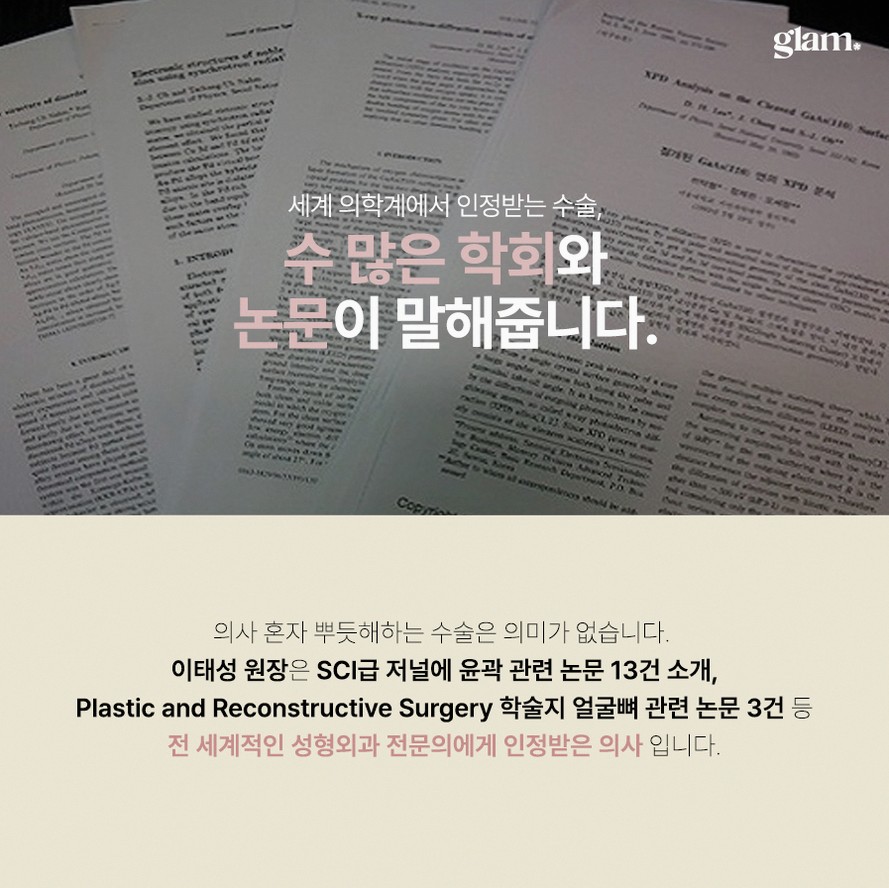
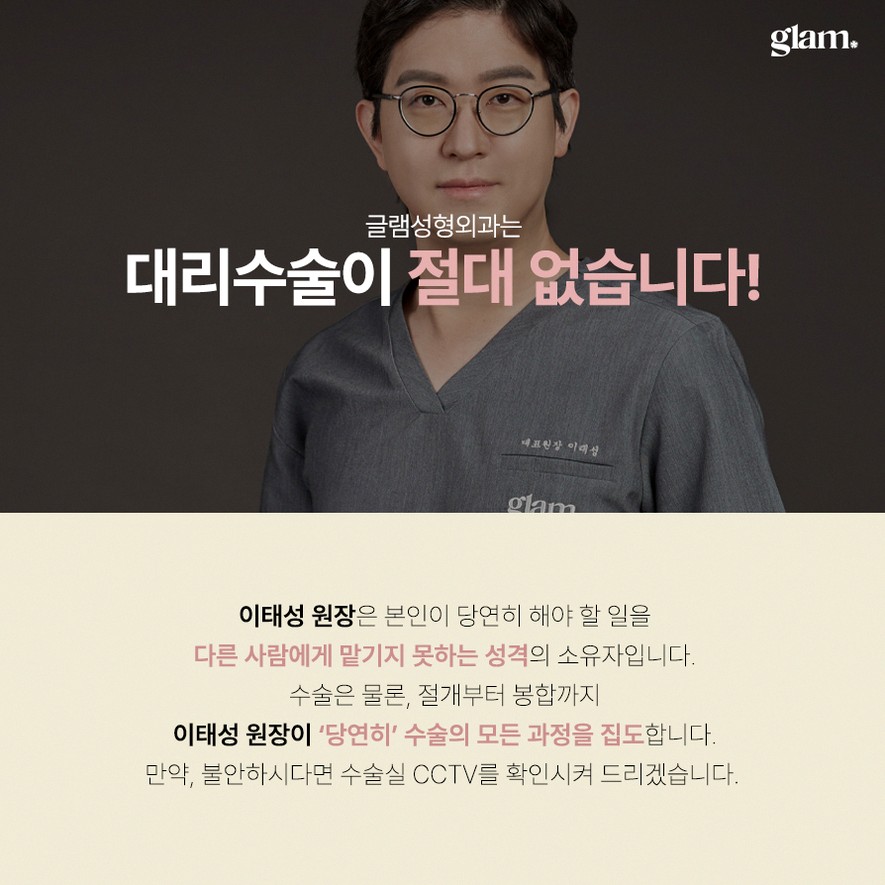
The representative plastic surgeon has around 20 years of experience in facial bone surgery (as of 2025) and, as of February 2025, has 13 SCI-level papers, including 3 in Plastic and Reconstructive Surgery. This academic background reflects long-term engagement with facial bone techniques and outcomes. At this clinic, the representative surgeon performs the operations directly and emphasizes recommending only the minimum necessary surgery, which may appeal to revision patients who are cautious about further bone removal.
For safety during long revision operations, a specialist in anesthesiology and pain medicine is on staff. Postoperative care programs such as LED therapy, facial dome care, skin reset total care, and RF lifting are provided to support swelling reduction and recovery. Multilingual channels, including English and other languages, are available for international patients seeking detailed communication about revision facial bone contouring.
Frequently asked questions about revision facial contouring
How long should I wait before getting revision facial contouring surgery
In many cases, surgeons recommend waiting several months after primary cheekbone or jawline surgery before deciding on revision. This waiting period allows swelling to subside and soft tissues to adapt to the new bone structure, which can change the appearance significantly. If revision is planned too early, it is harder to judge what is due to temporary swelling versus permanent bone shape.
However, if you experience severe bite changes, ongoing pain, or signs of infection, you should seek evaluation sooner. The clinic may still advise waiting before actual revision surgery, but early assessment helps prevent complications.
Is revision facial contouring more dangerous than the first surgery
Revision facial contouring is generally more complex because of scar tissue, altered anatomy, and sometimes reduced bone volume. Nerves and blood vessels may be closer to the operated area, and the original surgical pathway may not be clear. This can increase the technical difficulty and potential risks.

A facial bone focused clinic with a detailed imaging protocol and an anesthesiology specialist can help manage these risks. By using precise scans, careful planning, and continuous monitoring during surgery, the team works to maintain safety while addressing the issues from the first operation.
Can revision surgery fix both asymmetry and bite problems at the same time
In some cases, yes. When asymmetry is linked to jaw position and bite problems, double jaw surgery combined with contouring revision may be recommended. This approach can reposition the jaws for a more stable bite while also improving facial balance.
In other cases, the bite may be acceptable, and only contour irregularities need correction. Then revision cheekbone reduction or jawline smoothing may be enough. A thorough occlusion analysis and imaging are needed to decide whether both bite and contour should be addressed together or separately.
Will I need my jaws wired shut after revision double jaw surgery
Modern double jaw techniques sometimes allow patients to avoid full intermaxillary fixation, or jaw wiring, especially when stable fixation plates are used and the movements are within certain ranges. Instead, elastic bands or limited fixation may be used to guide the bite.
However, in some revision cases, temporary wiring may still be necessary to ensure stability and healing. The decision depends on the extent of movement, bone quality, and the surgeon’s assessment. This should be discussed clearly during consultation so you know what to expect.
What if I do not have my previous surgery records
Even without previous records, current imaging and physical examination can provide a lot of information for planning revision facial contouring surgery. The surgeon can see your present bone shape, plate positions, and nerve paths, and can infer much about the previous technique.

If you can obtain any documents or images from your first clinic, they are still helpful, especially for understanding how much bone was removed and where. But lack of records does not automatically prevent revision. A facial bone focused clinic will base its plan on your current anatomy and your present symptoms.
Conclusion: making a safer, more informed choice for revision facial contouring
Revision facial contouring is more complex than primary surgery and should be handled by a facial bone focused facial contouring plastic surgery clinic. When you are choosing a clinic, pay attention to the surgeon’s experience and academic work in facial bone surgery, the narrow specialization of the clinic, the presence of an anesthesiology specialist, the depth of diagnostic imaging and planning, a conservative surgical philosophy, and structured aftercare.
Before your consultation, gather any previous records, prepare your questions, and think about your priorities in terms of function and appearance. Consider contacting a focused clinic in Sinsa, Gangnam, such as GLAM Plastic Surgery, for an online consultation to discuss your situation. With careful planning and the right team, many patients can achieve improved safety, function, and facial balance in revision facial contouring.




- 공유 링크 만들기
- X
- 이메일
- 기타 앱


댓글
댓글 쓰기