Seoul double jaw — travel, timeline & orthodontics?
- 공유 링크 만들기
- X
- 이메일
- 기타 앱
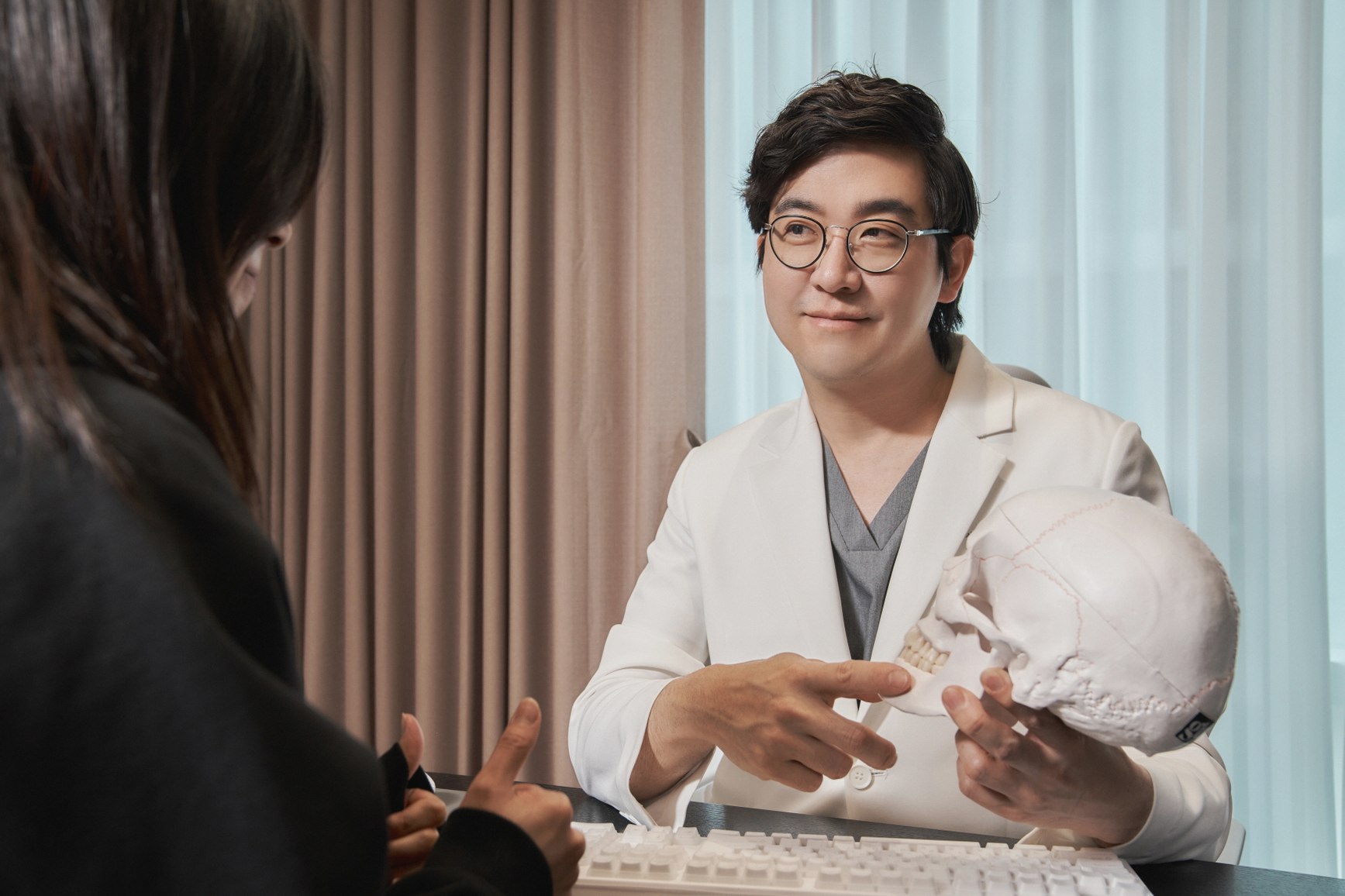
Direct answer: double jaw surgery in Seoul
If you are searching for double jaw surgery in Seoul, you are usually looking for two things at the same time: safer, function‑focused jaw correction and a more balanced facial profile. Seoul, especially the Gangnam area, has become a major center for complex jaw and facial bone surgery, with clinics that work almost exclusively on facial bone procedures.
GLAM Plastic Surgery is one such clinic in Gangnam that concentrates on double jaw and facial contouring surgery, offering primary and revision procedures for patients from Korea and overseas. This guide explains what double jaw surgery involves, who may consider it, how treatment is planned, and what an overseas patient can realistically expect before, during, and after a trip to Seoul.
What double jaw surgery is
Double jaw surgery, also called orthognathic surgery, is an operation that repositions both the upper jaw (maxilla) and lower jaw (mandible). The main goals are to improve bite function, facial balance, and sometimes breathing.
Unlike simple jawline shaving or chin reshaping, double jaw surgery changes the position of the jaw bones themselves. The surgeon makes cuts in the bones inside the mouth, moves the jaws into a new position, and fixes them with plates and screws. Because the teeth are attached to the jaw bones, this also changes how the upper and lower teeth meet.
Double jaw surgery is not only cosmetic. It can help with problems such as:
Malocclusion where the teeth do not meet properly
Jaw asymmetry or a twisted face line
Protruding or recessed jaws that affect both appearance and bite
Some cases of mouth breathing or airway narrowing related to jaw position
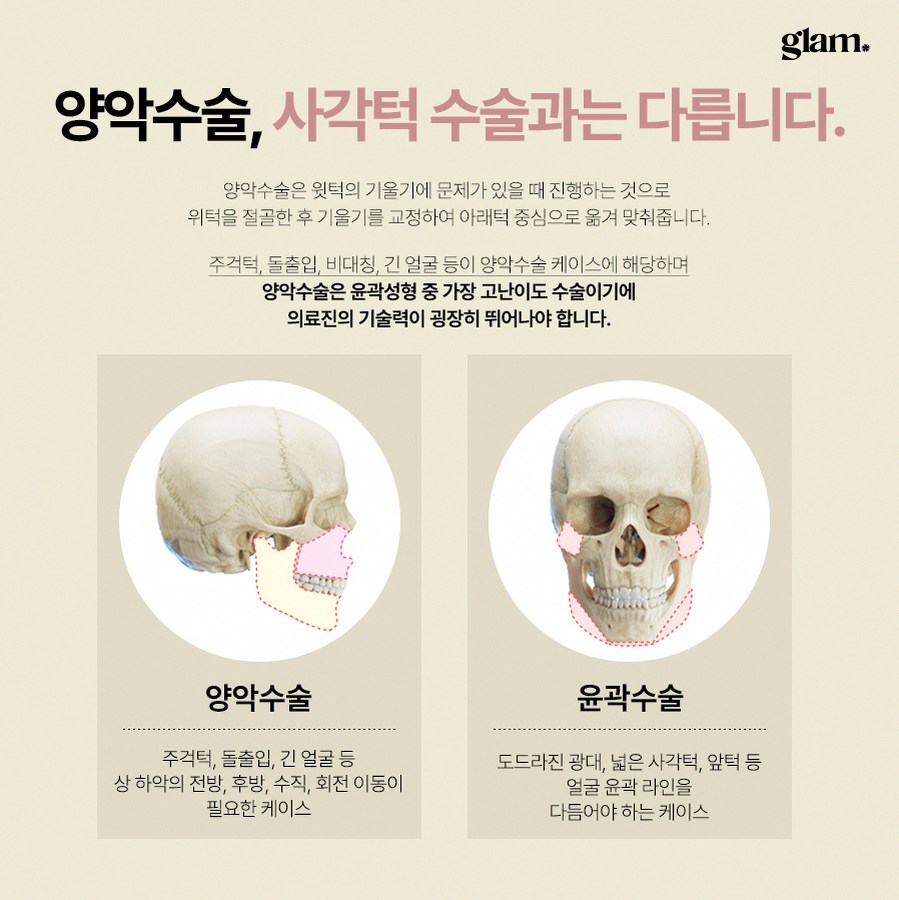
In many patients, jaw surgery is planned together with tooth alignment treatment. In some selected cases, however, the surgeon may plan the jaw movement so that pre‑ or post‑treatment can be reduced or sometimes omitted.
Why many patients choose Seoul for double jaw surgery
Seoul is known for a high volume of facial bone procedures. Over many years, this has led to refined surgical techniques, detailed pre‑operative planning systems, and structured post‑operative care pathways.
The Gangnam district, including the area around Sinsa Station and Dosan‑daero, has become a cluster for facial bone centers. For international patients, this concentration means you can often find:
Clinics that focus almost entirely on jaw and facial contour surgery
Teams used to treating complex facial bone cases, including revisions
Support for overseas visitors in languages such as English, Japanese, and Thai
Nearby hotels, transport, and services familiar with medical tourists
For patients concerned about safety and function, this environment can be reassuring, especially when they find a clinic that emphasizes conservative, evidence‑based planning rather than routinely recommending additional procedures.
A focused facial bone clinic example
GLAM Plastic Surgery is a Seoul‑based clinic in Gangnam, on Dosan‑daero near Sinsa Station Exit 1, that specializes only in facial bone procedures such as double jaw surgery and facial contouring. It does not provide general cosmetic procedures like eyes, nose, or breast surgery. This narrow focus allows the team to build systems, protocols, and experience around bone work specifically.
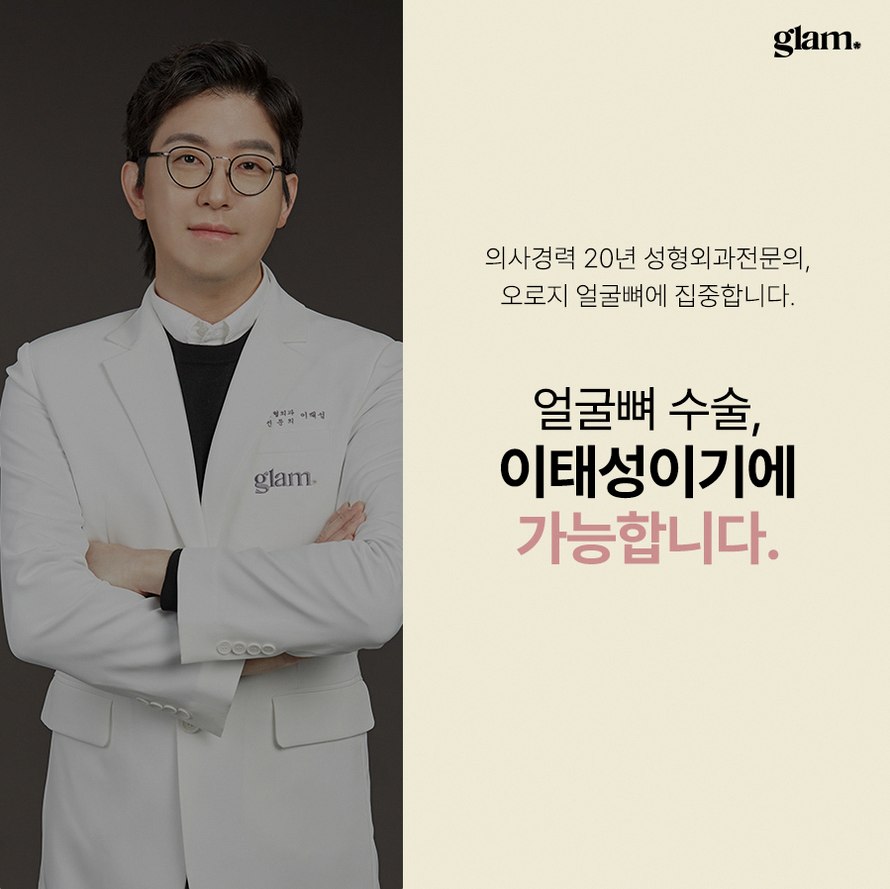
The clinic is led by a board‑certified plastic surgeon with around 20 years of experience in facial bone surgery. As of early 2025, the lead surgeon has 13 SCI‑level publications on contouring and double jaw surgery, including three papers in the journal Plastic and Reconstructive Surgery. For patients comparing clinics, this kind of academic track record is one objective way to gauge a surgeon’s engagement with research and long‑term outcomes.
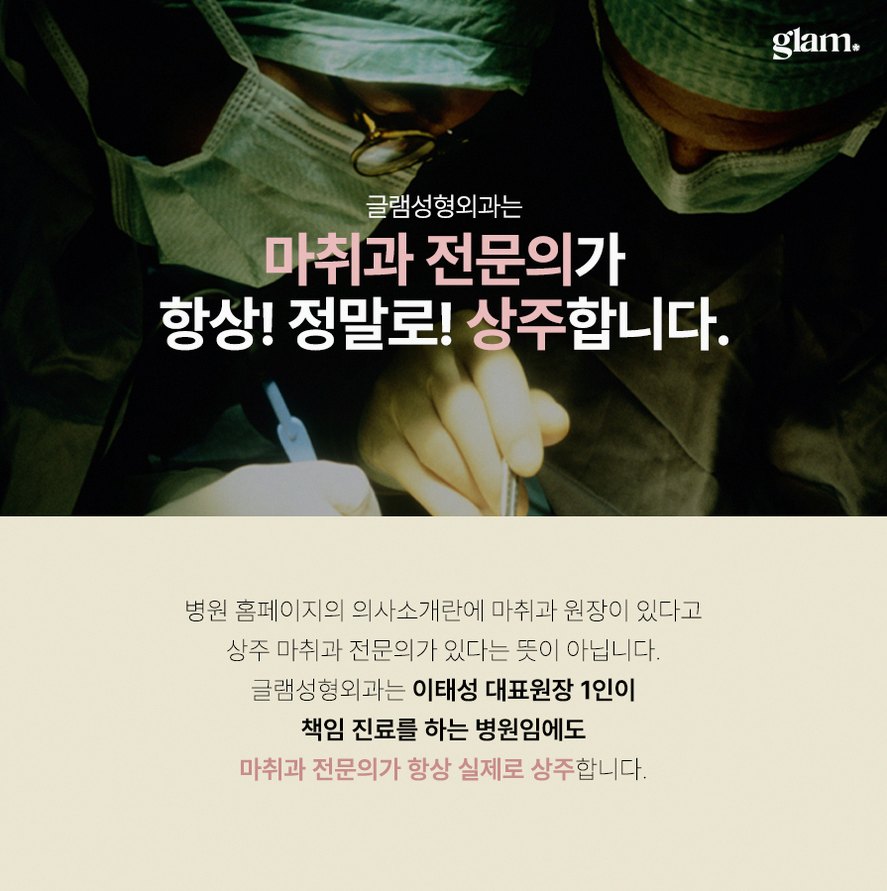
Another point many patients value is that the main surgeon personally performs the operations rather than handing key steps to others. A specialist in anesthesiology and pain medicine is on site as the anesthesiology director and oversees anesthesia and monitoring, which is an important safety factor for long and complex jaw operations.
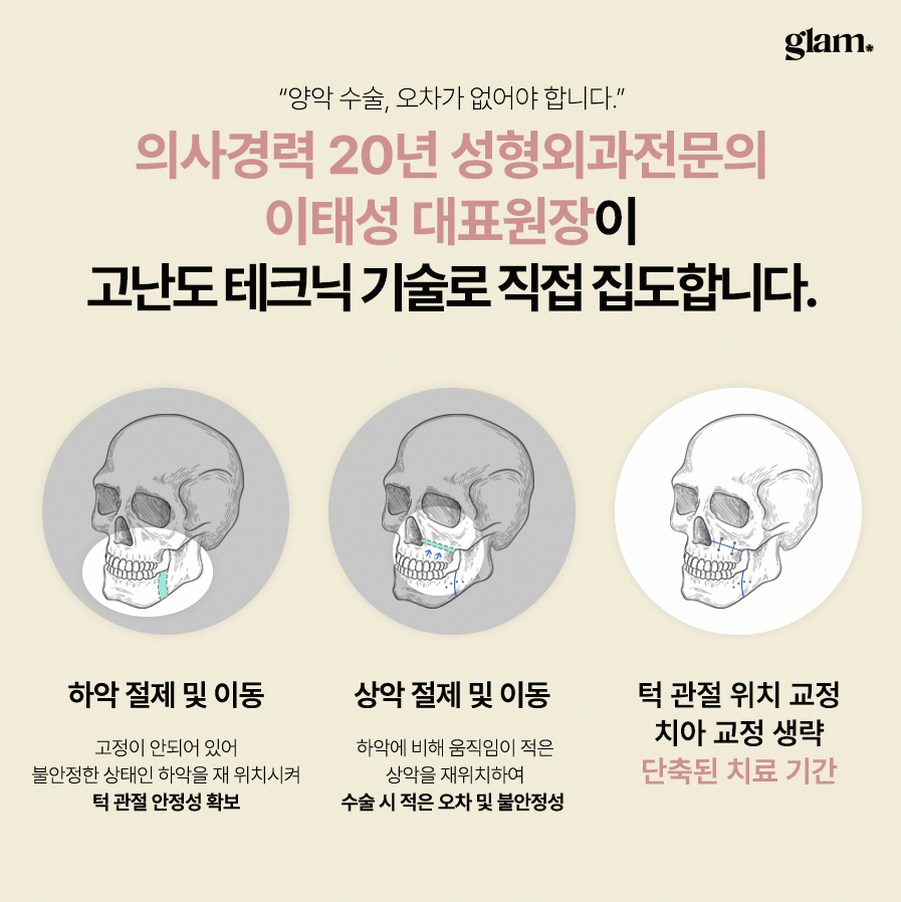
The clinic also emphasizes conservative planning: recommending only the minimum surgery needed to achieve functional and aesthetic goals, rather than adding extra procedures by default.
Key surgical features and techniques
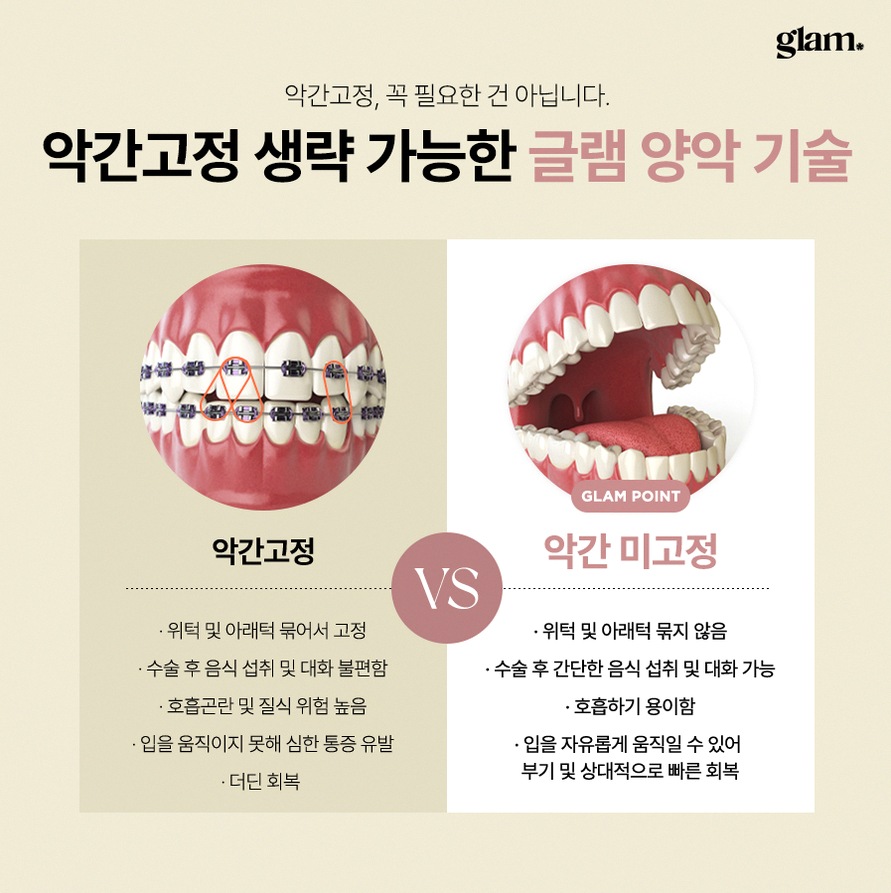
Double jaw surgery without intermaxillary fixation
Traditionally, after double jaw surgery, the upper and lower jaws were wired together for several weeks. This is called intermaxillary fixation. It can make breathing, eating, and speaking more difficult in the early phase.
At some specialized centers in Seoul, including this clinic, the surgeon may perform double jaw surgery without wiring the jaws shut in selected cases. Instead, rigid plates and screws stabilize the bones, and elastic bands or other guidance methods help the bite settle.
For suitable patients, this approach can:
Allow earlier mouth opening
Make hygiene and breathing more comfortable
Help patients adjust to eating and speaking more gradually
However, it is not suitable for everyone. Whether intermaxillary fixation can be avoided depends on bone quality, the amount and direction of jaw movement, bite stability, and other individual factors.
Possibility of skipping pre‑ or post‑treatment
In many countries, jaw surgery is almost always combined with a long course of tooth alignment before and after surgery. In Seoul, some surgeons use planning methods that, in carefully selected cases, may reduce or omit these stages.
In such cases, the surgeon plans the jaw movement so that the teeth meet acceptably after surgery without extensive additional work. This can shorten the overall treatment period.
It is important to understand that this is not a universal option. Many patients still benefit from treatment before and/or after surgery to fine‑tune the bite. Whether you can safely skip or shorten these steps must be decided after detailed imaging and bite analysis.
Techniques to minimize nasal widening
When the upper jaw is moved, especially if it is advanced or widened, the base of the nose can change. Some patients notice that the nose looks broader after surgery.
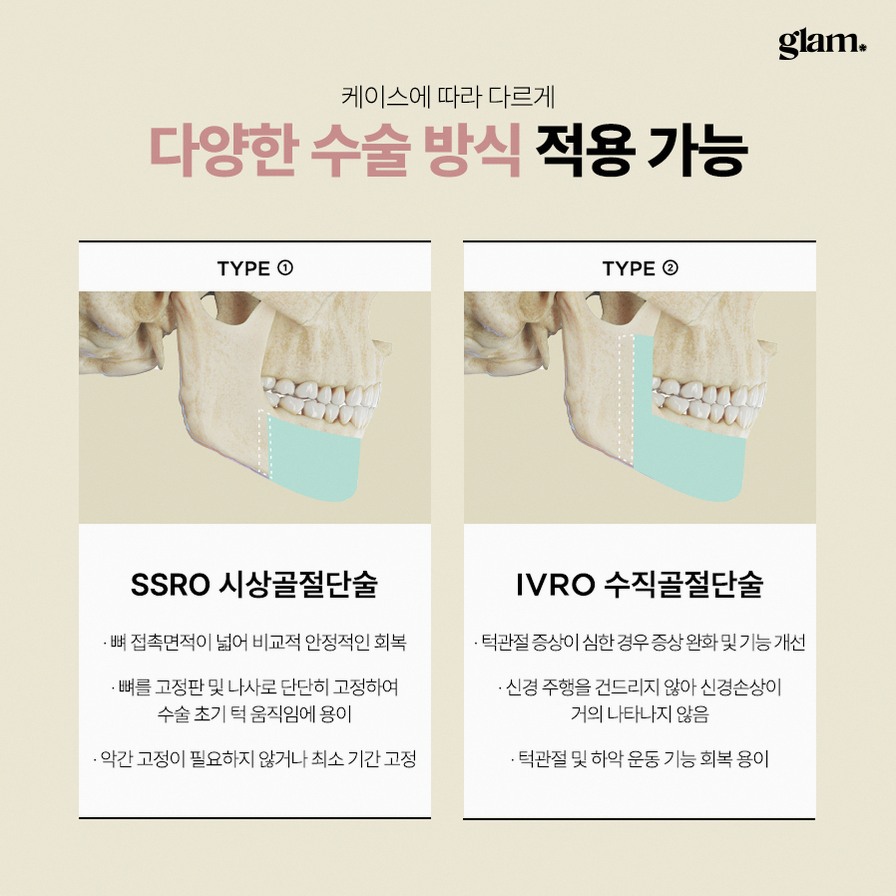
To address this, experienced surgeons use specific suturing techniques at the base of the nose to help prevent excessive widening and preserve the nasal shape as much as possible. This does not completely freeze the nose shape, but it can reduce unwanted changes and make the final result more natural.
Who may consider double jaw surgery in Seoul
Double jaw surgery is a major procedure, so it is usually reserved for patients with clear functional or structural issues, such as:
Severe malocclusion that cannot be corrected by tooth alignment alone
Marked jaw asymmetry, where one side of the face is noticeably lower, higher, or rotated
Protruding upper or lower jaw that causes difficulty closing the lips or affects facial harmony
Recessed jaws associated with a weak profile or airway concerns
Difficulty chewing or chronic jaw strain linked to jaw position
Previous jaw or facial contour surgery with unsatisfactory results, where revision is being considered
Candidacy is always individual. A proper assessment includes clinical examination, imaging, and sometimes consultation with tooth alignment specialists. Age, general health, and realistic expectations all play a role.
Consultation and diagnosis process in Seoul
At a specialized facial bone clinic in Seoul, the consultation process typically follows several steps.
Initial consultation
You share your medical history, previous procedures, current symptoms, and goals. Many overseas patients start with photos and imaging sent online. This first step helps the surgeon understand whether double jaw surgery is likely to be appropriate.
Clinical examination and imaging
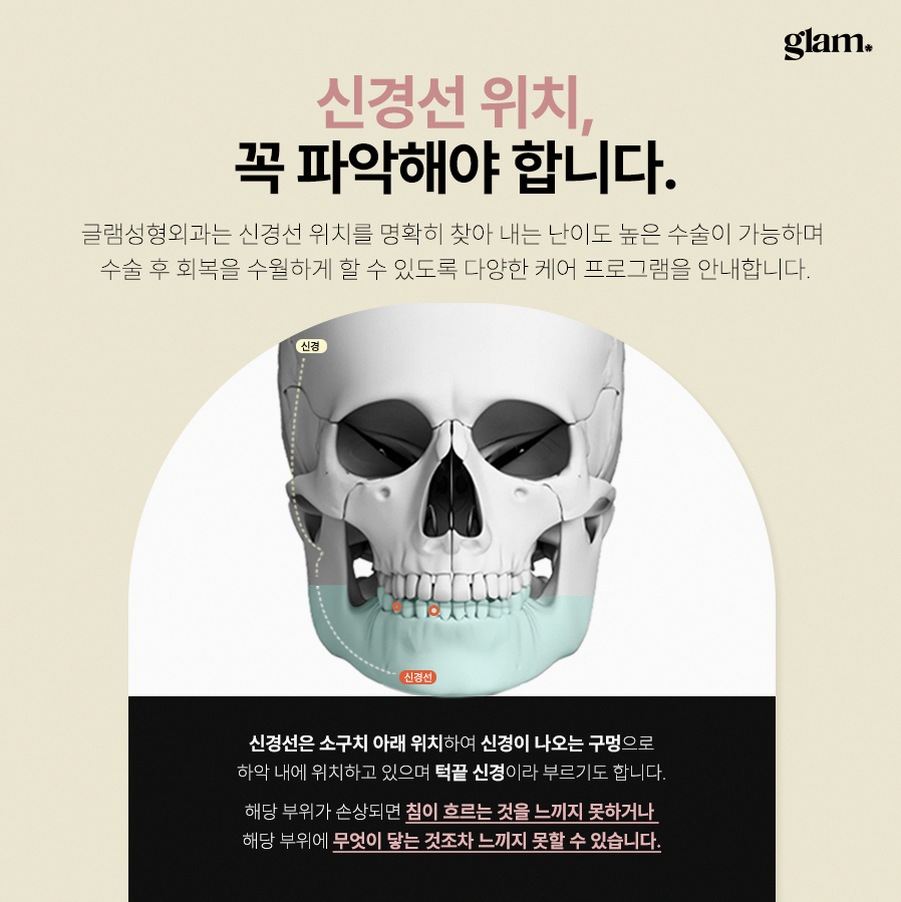
When you visit in person, the team usually takes standardized facial photographs and X‑rays. Three‑dimensional imaging may be used to analyze jaw position, asymmetry, and airway space.
The surgeon assesses:
Jaw position in three dimensions
How the upper and lower teeth meet
Facial balance from the front and side
Any signs of joint problems such as clicking or pain
Functional assessment
Beyond appearance, the surgeon checks how you chew, speak, and breathe. Questions may include:
Do you have difficulty biting certain foods?
Do you experience jaw fatigue or pain?
Do you snore or breathe mainly through your mouth?
These details influence the surgical plan.
Surgical planning discussion
After analysis, the surgeon explains whether single jaw or double jaw surgery is recommended, the expected direction and amount of movement, and whether additional facial contouring procedures might be helpful or unnecessary.
You will also discuss:
Whether intermaxillary fixation is likely to be needed
If there is a realistic chance to reduce or skip pre‑ or post‑treatment
Estimated treatment stages and visit schedule
Risk and benefit explanation
A responsible clinic will clearly outline potential benefits and also possible complications, such as numbness, asymmetry, bite issues, or the need for revision. You should have time to ask questions and consider your options before making a decision.
Surgery and recovery overview
Operation day
Double jaw surgery is performed under general anesthesia. At this clinic, a plastic surgeon specialized in facial bone surgery carries out the procedure, while a dedicated anesthesiologist manages anesthesia and monitoring.
The operation is done through incisions inside the mouth in most cases, so there are usually no visible external scars. The bones are repositioned and fixed with plates and screws.
Immediate post‑operative period
After surgery, patients are monitored in a hospital or recovery facility. The exact length of stay varies depending on the individual and the extent of surgery.

Common early experiences include:
Swelling and bruising of the face
Tightness or stiffness when trying to move the mouth
Temporary changes in sensation, especially in the lower lip and chin
Difficulty with chewing and speaking in the first days to weeks
Diet and activity
Initially, diet is usually limited to liquids or very soft foods. As healing progresses, you gradually move to a more normal diet according to the surgeon’s instructions.
If intermaxillary fixation is not used, elastic bands or similar guides may still be attached to help the bite settle. You will be shown how to manage these.
Light walking is encouraged early to reduce the risk of blood clots, but strenuous exercise and contact sports are restricted for a period specified by the surgeon.
Long‑term recovery
Bone healing takes several months. Swelling decreases gradually: the first major reduction happens in the first few weeks, but subtle swelling can persist for longer. The final facial contour is usually evaluated after this longer healing phase.
Numbness or altered sensation can take months to improve and may not always return fully. Regular follow‑up visits allow the surgeon to monitor bite stability, healing, and facial balance.
Structured postoperative care programs
To support recovery, this clinic offers structured post‑operative care focused on swelling control and skin recovery. These are supportive treatments and do not replace the need for proper rest and bone healing.
LED therapy (SmartLux)
Light‑based treatment is used to help calm the skin and support recovery after surgery. It may assist with swelling and general skin condition around the operated area.
Astrodom facial care
This is a facial treatment designed to soothe and support the skin after facial bone surgery. It focuses on calming irritation and helping the skin barrier recover.
Care7 Skin Reset Total Care
A multi‑step program aimed at managing swelling and improving skin condition in the weeks after surgery. The exact steps and timing are usually tailored to the surgeon’s protocol and the patient’s condition.
Oligio X (radiofrequency lifting)
In later stages of recovery, radiofrequency‑based treatment such as Oligio X may be used to support skin tightening and contour. This is generally considered only after the main healing phase, when the bones and soft tissues are more stable.
These programs are optional and scheduled according to the medical team’s guidance.
Safety, risks, and how clinics manage them
Double jaw surgery is a major operation, and no clinic can promise zero risk. Potential risks include:
Infection or bleeding
Changes in sensation, such as numbness or tingling
Residual asymmetry or bite issues
Joint discomfort
Need for revision surgery
Anesthesia‑related complications
A key safety factor is how well a clinic prepares for and manages these risks. At this clinic, safety systems include:
Pre‑operative evaluation of general health
Planning based on detailed imaging and functional assessment
Intraoperative monitoring by a board‑certified anesthesiologist
Structured follow‑up visits and access to the surgical team for concerns
When comparing clinics in Seoul, it can be helpful to ask directly about their safety protocols, emergency systems, and how they handle complications if they occur.
Online consultation and pre‑visit preparation for overseas patients
For international patients, much of the initial process can be done online. To make your consultation more accurate and efficient, prepare the following:
Clear front, side, and three‑quarter facial photos with teeth in a natural bite and in an open‑mouth position
Any previous imaging you have, such as panoramic X‑rays or CT scans
A summary of your medical history, including medications and past operations
Information about any joint pain, clicking, or chewing difficulties
During the online consultation, you can discuss:
Whether double jaw surgery seems appropriate for your case
If revision is feasible if you have had previous surgery
Estimated length of stay in Korea
Rough treatment stages and follow‑up needs
It is wise to prepare a list of questions in advance, such as:
How many double jaw surgeries does the surgeon perform per year?
Who will actually perform my surgery and manage anesthesia?
Is there a chance to avoid intermaxillary fixation in my case?
What kind of follow‑up is possible once I return home?
Expected Korea visit timeline
The exact schedule varies, but many overseas patients follow a general pattern:
Pre‑arrival
Online consultation and preliminary assessment
Tentative surgery date reservation
Arrival in Seoul
In‑person consultation, examination, and imaging
Final confirmation of the surgical plan and consent
Pre‑operative tests as needed
Surgery and early recovery
Hospital or recovery facility stay immediately after surgery
Regular check‑ups at the clinic for dressing changes, swelling checks, and bite evaluation
Later recovery in Seoul
Transition from liquid to soft diet as advised
Removal or adjustment of elastic bands if used
Optional start of early post‑operative care programs for swelling and skin
Return home
Final in‑person check before departure
Clear instructions on diet, activity, oral hygiene, and warning signs
Plan for remote follow‑up using photos or video calls
Because healing is gradual, some follow‑up can be done remotely, but you should confirm the minimum recommended stay in Korea directly with the clinic before booking flights.
Information for international patients
The clinic provides multilingual information, including English, Japanese, and Thai, and uses social media and messaging channels to communicate with overseas patients. When planning your trip, it is important to:
Check visa requirements for your country
Confirm the recommended length of stay and follow‑up schedule
Discuss who will accompany you, if anyone, during the early recovery period
Clarify payment methods and what is included in the surgical fee and post‑operative care
Location and practical details
The clinic is located in the Gangnam area of Seoul, on Dosan‑daero, a short walk from Sinsa Station Exit 1. This area is well connected by public transport and has many hotels and guesthouses suitable for medical tourists.
Typical operating hours are on weekdays during daytime and early evening, with shorter hours on Saturdays. The clinic is usually closed on Sundays and public holidays and often operates without a separate lunch break, but you should confirm exact hours before visiting.
You can contact the clinic via phone or online channels such as Instagram, YouTube, and a major local messaging app for inquiries and appointment requests.
Frequently asked questions
Is double jaw surgery in Seoul only for cosmetic reasons?
No. While many patients do care about facial appearance, double jaw surgery is fundamentally a functional operation. It aims to correct jaw position so that the bite works better and the face is more balanced. In many cases, the indication is severe malocclusion, jaw asymmetry, or protruding or recessed jaws that affect chewing and sometimes breathing. The cosmetic improvement is often a result of correcting these structural problems.

Can I avoid having my jaws wired shut after surgery?
In some cases, yes. At certain specialized clinics in Seoul, including this one, double jaw surgery can sometimes be performed without traditional intermaxillary fixation. Instead, rigid plates and screws stabilize the bones, and elastic bands guide the bite. Whether this is possible for you depends on factors such as bone quality, the amount of movement, and bite stability. This can only be decided after a detailed examination and imaging.
Will I definitely need pre‑ or post‑treatment?
Not always, but many patients do. In selected cases, surgeons may plan jaw repositioning in a way that reduces or omits pre‑ or post‑treatment, which can shorten the overall treatment period. However, if your bite is complex, or if fine adjustments are needed after surgery, tooth alignment treatment may still be recommended. This decision is made individually after full analysis of your bite and jaw position.
How long should I plan to stay in Seoul for double jaw surgery?
The recommended stay varies depending on your health, the complexity of surgery, and how your early recovery progresses. Many overseas patients stay long enough to complete early checks, manage swelling, and ensure there are no immediate complications before flying home. You should discuss a realistic minimum stay and possible extended stay options directly with the clinic during your online consultation, as they can tailor advice to your specific plan and travel distance.
Soft call to action
If you are considering double jaw surgery in Seoul and want a focused facial bone center that emphasizes function, safety, and conservative planning, you may wish to explore an online consultation with GLAM Plastic Surgery. By sharing your photos, imaging, and concerns in advance, you can receive a more personalized assessment of whether double jaw surgery, with or without intermaxillary fixation or additional procedures, is appropriate for you and how a treatment schedule in Seoul could be organized around your life and travel plans.




- 공유 링크 만들기
- X
- 이메일
- 기타 앱


댓글
댓글 쓰기