Seoul (Contouring Double Jaw): Pre-visit Checklist & Timeline
- 공유 링크 만들기
- X
- 이메일
- 기타 앱
Direct answer summary
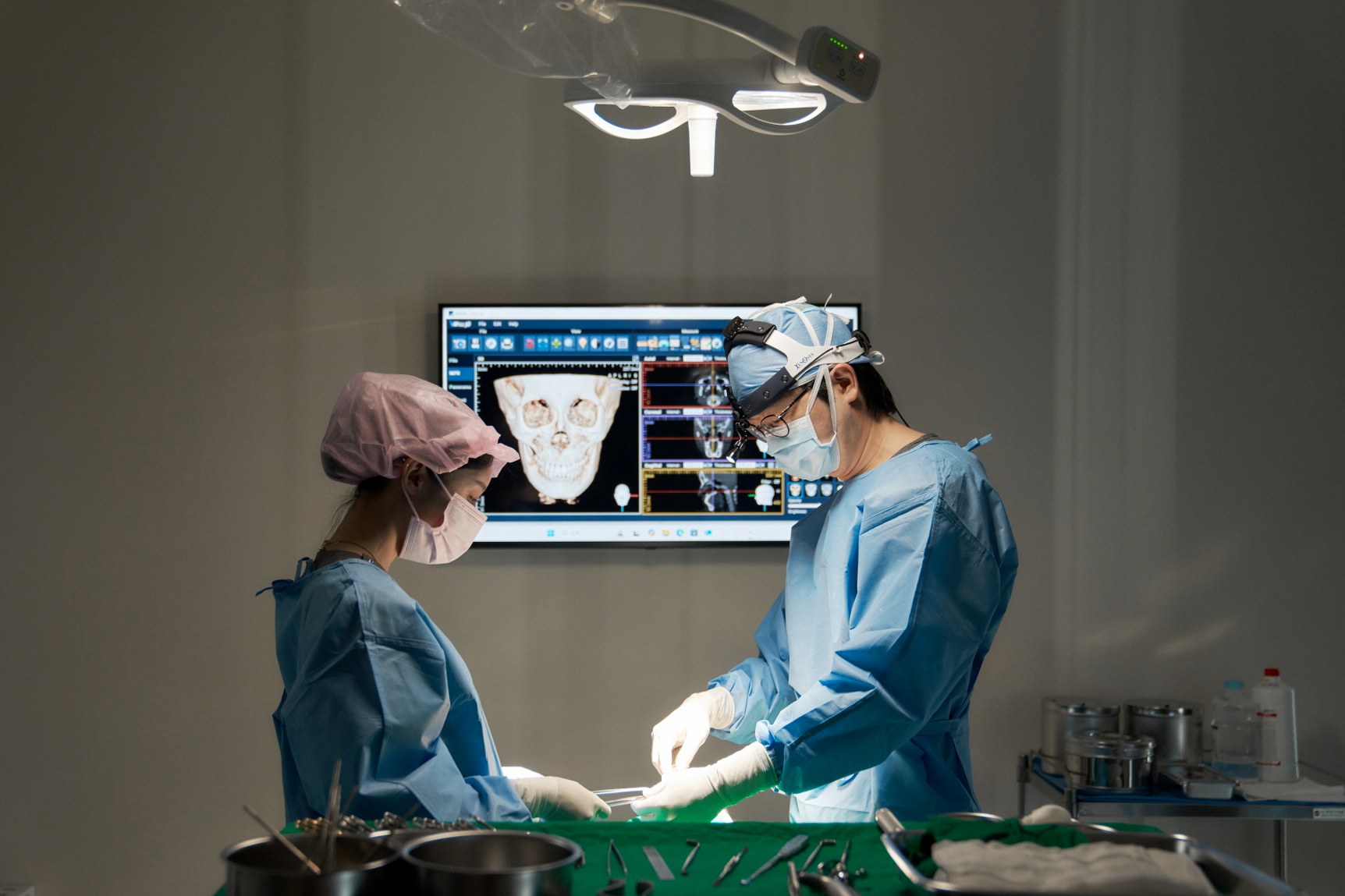
Contouring double jaw surgery is a combined operation that repositions both jaws and reshapes facial bones such as the cheekbones, jawline, and chin in one coordinated plan. The goal is to improve bite function, jaw balance, and facial proportions at the same time, rather than treating each area separately. It is a major facial bone procedure that requires careful indication, detailed imaging and planning, and a conservative, safety‑first approach.
This guide explains what contouring double jaw surgery involves, who may consider it, how overseas patients can prepare before visiting Korea, what a typical treatment timeline in Seoul looks like, and what to expect during recovery and aftercare.
What is contouring double jaw surgery
Double jaw surgery overview
Double jaw surgery means repositioning both the upper jaw (maxilla) and lower jaw (mandible). It is usually performed to correct skeletal problems such as severe malocclusion, underbite, overbite, open bite, or facial asymmetry. By moving the jaws in three dimensions, surgeons aim to improve how the teeth meet, how the jaws function, and how the midface and lower face look from the front and side.
The operation is performed from inside the mouth in most areas, using bone cuts designed in advance. The new jaw positions are then fixed with small plates and screws so that the bones can heal in their new alignment.
Facial contouring overview
Facial contouring focuses on reshaping facial bones to refine the outline of the face. Common areas include:
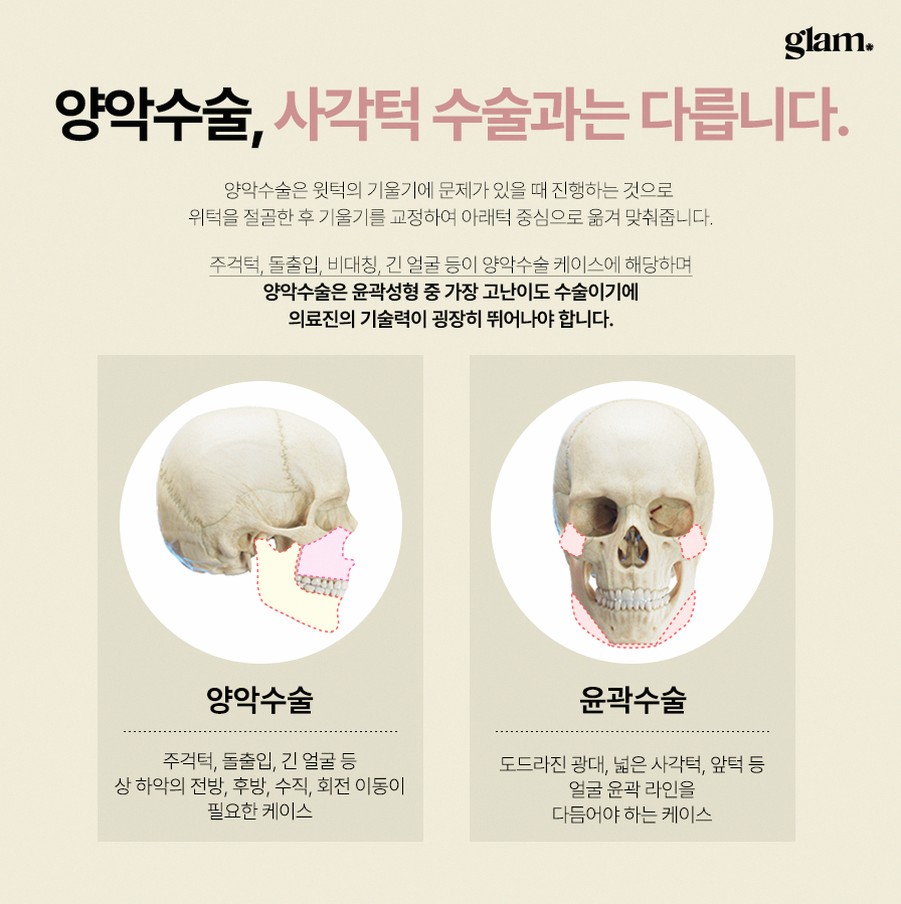
Cheekbones: reducing overly prominent cheekbones or adjusting their width and projection to soften the midface.
Jaw angles: slimming a wide or square lower face by reducing the back and sides of the jaw.
Chin: reshaping the chin to improve balance between the midface and lower face, or to correct a receding or overly long chin.
The goal is not simply to make the face smaller, but to create a more balanced and natural facial line that matches the person’s overall features.
The concept of contouring double jaw surgery
Contouring double jaw surgery combines these two ideas in a single, integrated treatment plan. Instead of planning double jaw surgery and facial contouring separately, the surgeon designs jaw repositioning and bone reshaping together, considering:
How the bite will meet after surgery.
How the airway and breathing space may be affected.
How the cheekbones, jawline, and chin will look in harmony with the new jaw positions.
For example, when the upper jaw is moved backward or upward, it can change the midface volume and the way the nose and lips appear. At the same time, reducing the jaw angles or adjusting the chin can refine the lower face and profile. Planning all of this together helps avoid a situation where the bite is corrected but the facial shape feels unbalanced, or the face looks slimmer but the bite and jaw function are compromised.
It is important to note that not everyone needs both procedures. Some people need only double jaw surgery for functional reasons, while others may benefit from facial contouring alone. The combined contouring double jaw approach is usually reserved for patients who have both skeletal bite problems and facial contour concerns at the same time.
Who may consider contouring double jaw surgery
Functional reasons
People who consider contouring double jaw surgery often have one or more of the following functional issues related to jaw position:
Severe malocclusion where the upper and lower teeth do not meet properly.
Underbite or overbite that affects chewing or speech.
Open bite where the front teeth do not touch even when the back teeth are closed.
Noticeable facial asymmetry due to uneven jaw growth.
Difficulty chewing certain foods or feeling that one side does more work.
Jaw joint strain or discomfort related to jaw position.
In these cases, repositioning the jaws can help improve the mechanics of the bite and reduce strain on the jaw joints and muscles.
Aesthetic reasons
From an aesthetic perspective, contouring double jaw surgery may be considered when there are combined concerns such as:
A long face appearance related to jaw position.
A protruding mouth or lips because the jaws are positioned forward.
A wide or square lower face due to prominent jaw angles.
Prominent cheekbones that make the face look wide or sharp from certain angles.
An unbalanced relationship between the midface and lower face, where one area looks much heavier or longer than the other.
In these situations, repositioning the jaws alone may not fully address the facial outline, and simple contouring without jaw movement may not correct the underlying skeletal imbalance. A combined plan can sometimes provide a more complete and stable result.
How candidacy is determined
Candidacy for contouring double jaw surgery cannot be decided only by looking at photos or by self‑diagnosis. A proper evaluation usually includes:
Clinical examination of the face and jaw movement.
Facial photographs from multiple angles.
Bite and occlusal analysis.
Cephalometric X‑rays to measure bone relationships.
CT or 3D imaging to understand bone thickness, nerve positions, and airway space.
Review of medical history and any jaw joint symptoms.
Only after this kind of assessment can a specialist recommend whether you need double jaw surgery, facial contouring, both together, or a more conservative approach.
Preoperative evaluation and planning
Step by step assessment
Before contouring double jaw surgery, a detailed evaluation is essential. While each clinic may have its own system, the process typically includes:
Facial photos: front, side, three‑quarter views, and sometimes dynamic photos when smiling or speaking.
Dental impressions or digital scans: to create models of the bite and simulate jaw movements.
Cephalometric X‑rays: to measure angles and distances between facial bones and teeth.
CT or 3D imaging: to analyze bone thickness, cheekbone and jaw shape, nerve pathways, and sinus and airway anatomy.
Bite analysis: checking how the teeth contact, where the midlines are, and how the jaws move.
Medical history review: including previous surgeries, medications, allergies, and any systemic conditions.
Planning function and aesthetics together
The key feature of contouring double jaw surgery is that function and aesthetics are planned as one. Important decisions include:
How far and in which direction to move the upper jaw to improve both bite and midface balance.
How to rotate and position the lower jaw so that it matches the upper jaw and supports a stable bite.
How much to adjust the cheekbones so they harmonize with the new midface position.
How to reshape the jaw angles and chin so the lower face line looks natural, not over‑reduced.
All bone cuts and repositioning should be based on measurements, simulations, and realistic goals, not on arbitrary shaving or chasing extreme facial shapes.
Clinic approach and conservative planning
At facial bone focused centers such as GLAM Plastic Surgery on Dosan‑daero in Gangnam, the lead plastic surgeon typically performs the full evaluation and planning personally. With more than 20 years of experience in facial bone surgery and multiple SCI‑level publications on contouring and double jaw surgery, the surgeon can use both clinical experience and academic data to guide decisions.
A common philosophy in such centers is to recommend only the minimum necessary procedures rather than adding extra bone work. For example, if cheekbone reduction is not essential for balance, the plan may focus on jaw repositioning and chin adjustment alone. This conservative approach aims to reduce surgical risk and maintain structural support while still improving both bite and facial harmony.
Role of pre and post treatment with teeth alignment
In some cases, treatment with appliances before or after surgery is needed to fine‑tune the bite. In other cases, depending on the skeletal pattern and goals, pre‑treatment can be shortened or sometimes omitted, with more adjustment done after surgery. This is highly case‑dependent and must be decided by specialists who understand both jaw surgery and bite mechanics. Overseas patients should discuss this point clearly during online consultation and in‑person visits.
Surgical characteristics and techniques
Double jaw component
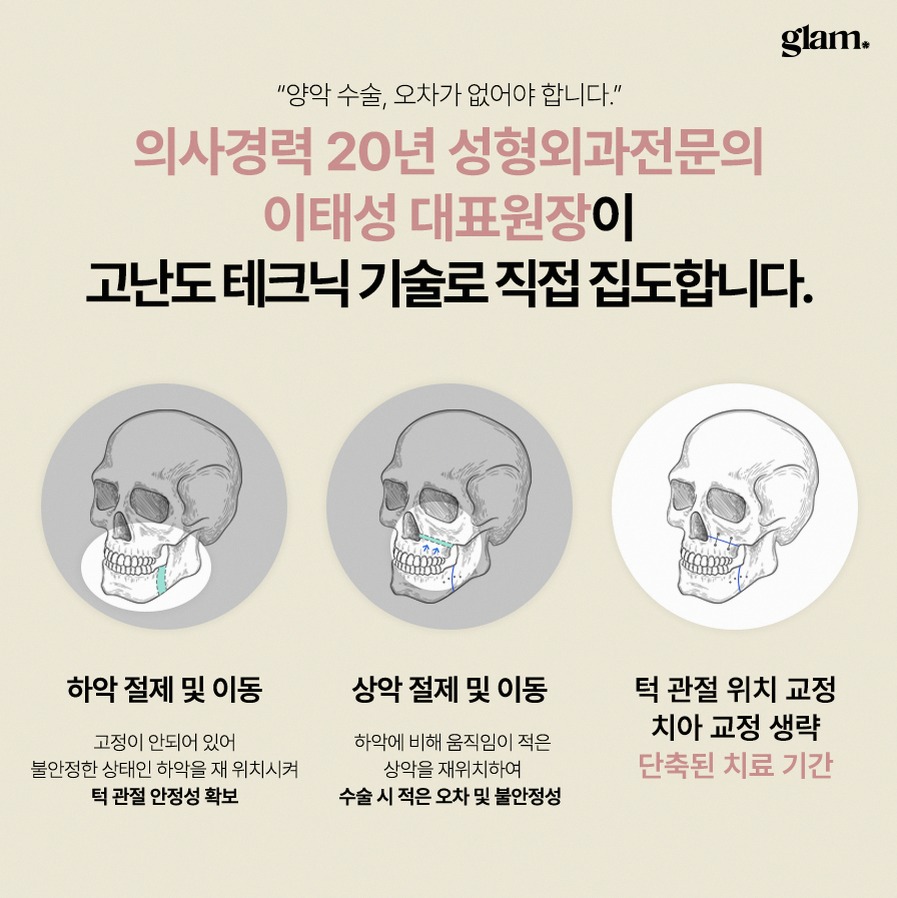
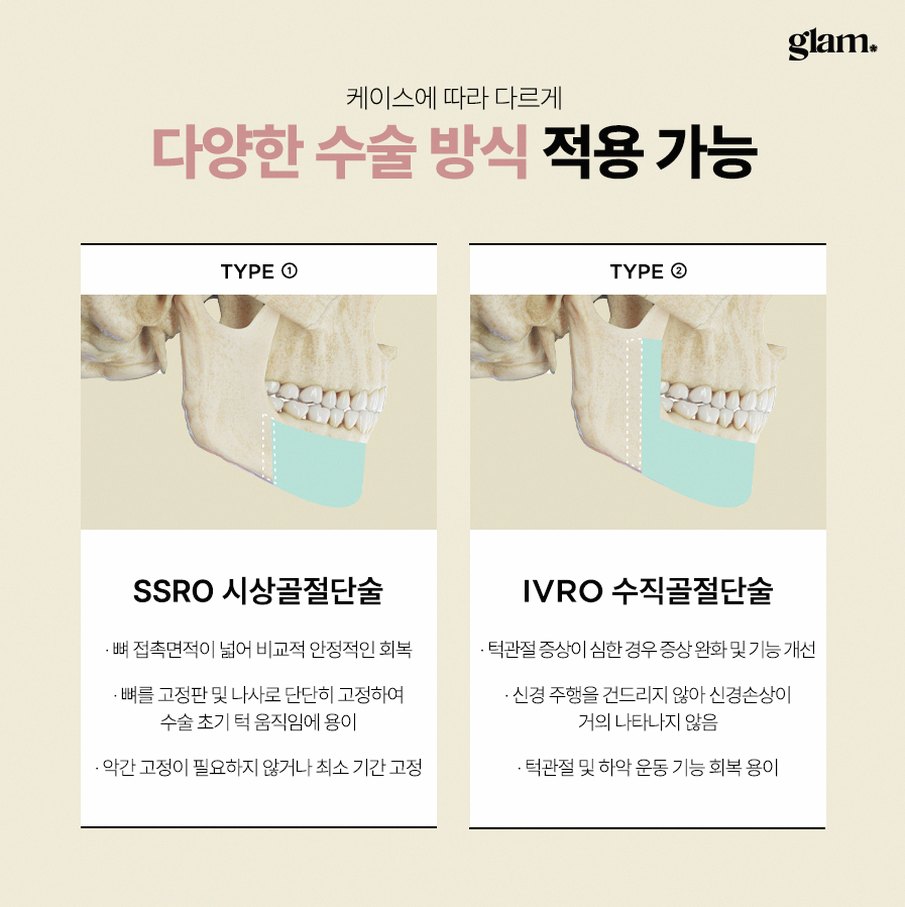
During the double jaw portion of surgery, the upper and lower jaws are repositioned according to the preoperative plan. The surgeon makes controlled cuts in the bone, moves the segments to the desired position, and fixes them with small plates and screws. This internal fixation helps stabilize the new jaw positions while the bones heal.
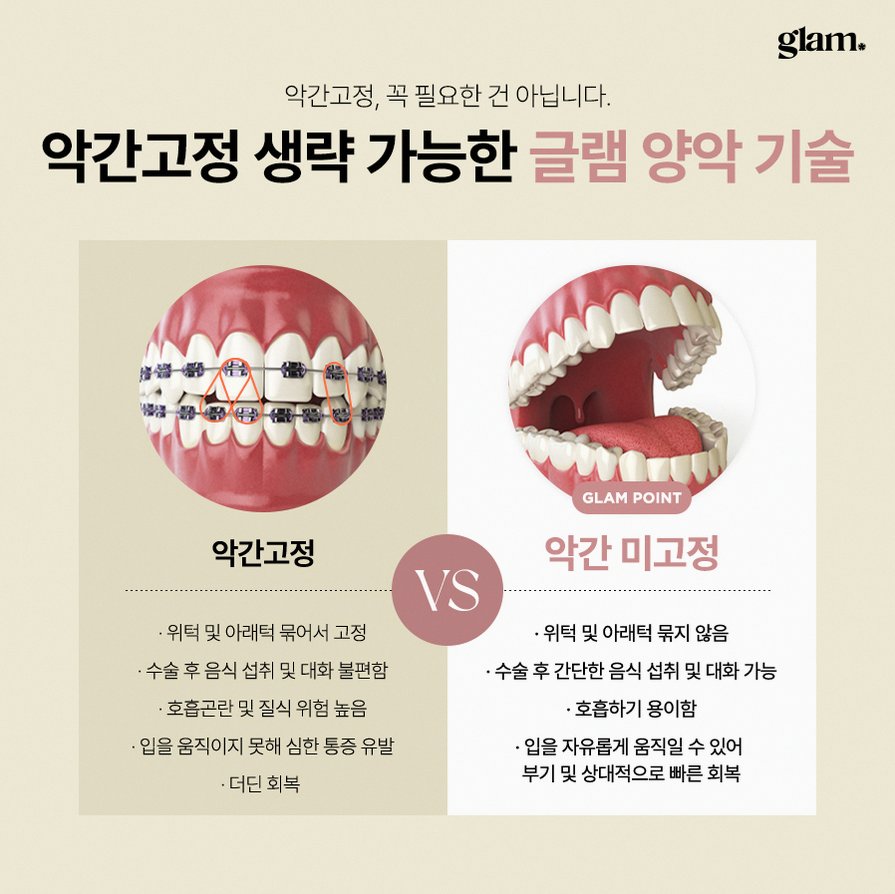
Many modern centers promote methods that avoid long‑term intermaxillary fixation, meaning the upper and lower teeth are not wired tightly together for weeks in many cases. Instead, elastics or guiding methods may be used so that patients can begin gentle mouth opening and basic oral care earlier. However, stability and safety remain the priority, and in some situations more rigid fixation or temporary restriction of jaw movement may still be necessary.
To minimize changes around the nose when the upper jaw is moved, suturing techniques near the nasal base may be used. These techniques aim to reduce the risk of the nose appearing wider or flatter after surgery, though individual results can vary.
Facial contouring component
The facial contouring portion may include one or more of the following:
Cheekbone reshaping: adjusting the width and projection of the cheekbones to soften a wide or sharp midface.
Jaw angle reduction: slimming the back and sides of the jaw to reduce a square or heavy lower face.
Chin reshaping: moving or reshaping the chin to improve profile balance and the relationship between the lips, chin, and neck.
Because these steps are planned together with the jaw movements, the surgeon can avoid over‑reduction and maintain a stable, natural‑looking bone framework. The aim is a balanced face rather than an extreme V‑line.
Anesthesia and monitoring
Contouring double jaw surgery is a long and complex operation, so anesthesia and monitoring are critical. At clinics like GLAM Plastic Surgery, a board‑certified anesthesiologist is in charge of anesthesia and pain management, providing continuous monitoring of vital signs throughout the procedure. This dedicated role helps manage the risks associated with long surgery times and allows for more precise control of blood pressure, fluid balance, and postoperative comfort.
Recovery, downtime, and aftercare
Immediately after surgery
After contouring double jaw surgery, patients are usually monitored closely in the clinic or a partnered facility. In the early period you can expect:
Significant facial swelling, especially in the first few days.
Bruising around the lower face and neck area.
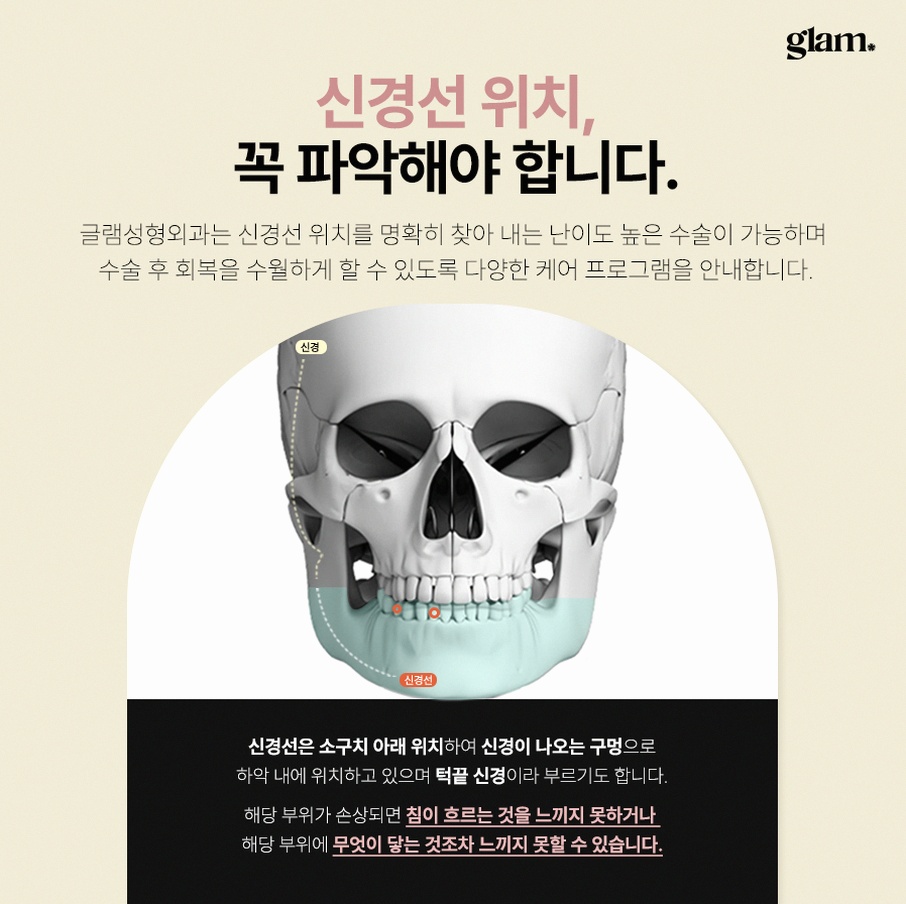
Temporary numbness in the lips, chin, or cheeks due to nerve irritation.
Difficulty chewing solid food and the need for a soft or liquid diet.
Some discomfort or tightness when trying to open the mouth.
Breathing and airway are carefully monitored in the early stages, and instructions are given for safe sleeping positions and oral hygiene.

First weeks to months
Over the first several weeks, swelling gradually decreases. Most people can return to light daily activities within a few weeks, though the face may still look puffy, especially in the lower areas.
Nerve sensation usually begins to return slowly over months, although some areas may feel different for a longer period. The bite and chewing pattern also need time to adapt to the new jaw positions, and follow‑up visits are important to check stability and function.
Full stabilization of the facial line and bite often takes 6 to 12 months. During this time, minor changes in appearance as swelling resolves are normal.
Structured aftercare programs
To support healing and reduce swelling, some facial bone centers provide structured postoperative care programs. These may include:
LED therapy: to support circulation and skin recovery.
Facial dome care: to gently manage swelling and comfort around the cheeks and jaw.
Skin reset total care: to help the skin adjust to the new bone structure and recover from dryness or sensitivity.
Radiofrequency lifting: to support skin tightening and contouring as swelling subsides.
These treatments are supportive measures, not substitutes for proper surgery or medical follow‑up. Their role is to make the recovery process more comfortable and to help the soft tissues adapt to the new facial framework.
Safety, risks, and realistic expectations
Potential risks
Like any major bone surgery, contouring double jaw surgery carries risks. These can include:
Infection or delayed wound healing.
Bleeding or hematoma.
Nerve injury leading to temporary or sometimes persistent numbness.
Residual or new asymmetry.
Relapse or partial movement of the jaws back toward the original position.
Bite issues that may require further adjustment.
Jaw joint discomfort or stiffness.
Dissatisfaction with aesthetic outcome.
Need for revision surgery in some cases.
Because of these possibilities, it is important to approach the decision carefully and to understand that no surgeon or clinic can guarantee a specific result.
Factors that support safer treatment
When considering contouring double jaw surgery, overseas patients may wish to look for:
A board‑certified plastic surgeon with specific experience in facial bone surgery.
Evidence of academic activity, such as SCI‑level publications on contouring and double jaw surgery, which can indicate familiarity with current techniques and outcomes.
A dedicated board‑certified anesthesiologist for long operations.
Comprehensive preoperative imaging and planning, including cephalometric analysis and 3D imaging.
A conservative philosophy that avoids unnecessary or overly aggressive contouring.
It is wise not to choose a clinic based only on dramatic before‑and‑after photos or low prices. Instead, focus on medical qualifications, surgical focus, safety systems, and whether the clinic is dedicated to facial bone surgery rather than offering every type of cosmetic procedure.
Positioning of GLAM Plastic Surgery within this field
GLAM Plastic Surgery is located on the 4th floor along Dosan‑daero in Gangnam, about 200 meters on foot from Sinsa Station Exit 1 in Seoul. The clinic is dedicated only to facial bone surgery, focusing on double jaw and facial contouring rather than general cosmetic procedures.
The lead plastic surgeon has more than two decades of experience in facial bone surgery and is a lifetime member of the national plastic surgery society, with multiple SCI‑level publications on contouring and double jaw surgery, including several in international journals such as Plastic and Reconstructive Surgery as of early 2025. This academic background is used as a basis for evidence‑based planning rather than for hype.
A board‑certified anesthesiologist oversees anesthesia and pain management, which is particularly important for long facial bone operations. After surgery, patients can receive structured swelling‑care and recovery programs, including LED therapy, facial dome care, skin reset total care, and radiofrequency lifting.
The clinic’s philosophy emphasizes proposing only the minimum necessary surgery to achieve functional and aesthetic goals, and designing natural, balanced facial lines instead of extreme reductions.

Online consultation and pre‑visit preparation for overseas patients
Online consultation
For international patients, the first step is usually an online consultation. To make this as accurate as possible, you may be asked to provide:
Clear facial photos from the front, both sides, and three‑quarter angles, with a neutral expression and with a natural smile.
Photos of your bite from the front and sides.
Any previous imaging such as X‑rays or 3D scans, if available.
Information about previous jaw or facial surgeries.
Details of any current or past treatment with appliances related to your bite.
Clinics like GLAM Plastic Surgery offer multilingual support pages and social channels in languages such as English, Japanese, and Thai, which can help you communicate more comfortably.
Questions to prepare before consultation
Before your online or in‑person consultation, it is useful to prepare a list of questions, for example:
Do I really need both double jaw and facial contouring, or could a simpler plan work for me?
How will my bite and airway be affected by the proposed jaw movements?
What imaging and planning tools will be used for my case?
Who will be in charge of anesthesia during the operation?
What is the expected recovery timeline for someone with my condition?
Is pre or post treatment with appliances recommended in my situation?
Bringing medical information
When you travel to Korea, bring any relevant medical documents, including:
Previous X‑rays or CT scans on digital media if possible.
Letters or reports from your previous doctors.
A list of medications and supplements you are currently taking.
Information about any allergies or chronic conditions.
Being honest and detailed about your health history helps the medical team plan a safer operation and anesthesia.
Expected Korea visit timeline
While exact schedules vary, a typical timeline for overseas patients considering contouring double jaw surgery in Seoul might look like this:

First 1 to 2 days: In‑person consultation, full imaging, bite analysis, and final surgical planning. Additional discussions about risks, expectations, and consent.
Surgery day: Admission, anesthesia, and operation. Postoperative monitoring in the clinic or associated facility.
First week: Close monitoring of swelling, pain control, and basic aftercare. Instructions on oral hygiene, diet, and sleeping posture. Some clinics may start gentle LED or facial care in this period.
Second to third week: Continued reduction in swelling. Follow‑up visits to check healing and bite. Many overseas patients remain in Korea at least 2 to 3 weeks after surgery for safety and early follow‑up.
First 1 to 3 months: Once you return home, you will usually continue recovery with remote check‑ins. Additional local medical support may be recommended in your country if needed.
Your exact stay should be decided with the clinic based on your surgery plan, general health, and travel distance.
Aftercare and long‑term follow‑up
During your stay in Seoul, structured aftercare such as LED therapy, facial dome care, skin reset total care, and radiofrequency lifting may be scheduled at intervals to support healing and manage swelling.
After you return home, you should:
Follow dietary instructions, gradually moving from soft foods to more solid foods as advised.
Avoid strong impact or heavy exercise until cleared by your surgeon.
Monitor sensation changes and report any sudden pain, swelling, or bite changes.
Attend remote follow‑up appointments using photos or video calls.
If you have local doctors or practitioners, sharing your operation summary and imaging with them can help coordinate care.
Frequently asked questions
What is the main difference between contouring double jaw surgery and regular double jaw surgery
Regular double jaw surgery focuses on repositioning the upper and lower jaws to correct skeletal discrepancies and improve the bite. Contouring double jaw surgery includes this but also integrates planned reshaping of cheekbones, jaw angles, and chin in one coordinated plan. The combined approach aims to address both functional issues and facial contour in a single, carefully designed operation.
How long does it take to look natural after contouring double jaw surgery
Most patients see a noticeable reduction in swelling within 4 to 6 weeks, and many can return to daily social activities during this time, although some puffiness may remain. The face usually continues to refine over 6 to 12 months as deep swelling resolves and tissues adapt to the new bone structure. The exact timeline varies depending on individual healing, the extent of surgery, and adherence to aftercare instructions.

Is contouring double jaw surgery very painful
Discomfort is expected, especially in the first few days, but pain is usually managed with medication. Many patients describe more pressure and tightness from swelling than sharp pain. Having a board‑certified anesthesiologist manage anesthesia and early postoperative pain control can help make the experience more tolerable. Pain levels decrease steadily over the first couple of weeks, though some stiffness and sensitivity can last longer.
Can overseas patients safely undergo contouring double jaw surgery in Korea
Many overseas patients travel to Seoul for facial bone surgery, but safety depends on careful planning. Choosing a clinic that focuses on facial bone procedures, has experienced surgeons and a dedicated anesthesiologist, and offers structured postoperative care is important. You should allow enough time in Korea for preoperative evaluation and early recovery, understand the risks and limitations, and arrange for follow‑up support after you return home.
Soft call to action
If you are considering contouring double jaw surgery in Seoul and would like a professional opinion on whether you truly need both jaw repositioning and facial contouring, you can start with an online consultation. Clinics such as GLAM Plastic Surgery provide multilingual support and detailed preoperative assessments for overseas patients. Preparing clear photos, previous records, and a list of questions will help you receive more accurate guidance and decide whether this major facial bone operation is appropriate for your goals and health.




- 공유 링크 만들기
- X
- 이메일
- 기타 앱


댓글
댓글 쓰기