Revision: Key Checks Before a Second Cheekbone Surgery in Seoul
- 공유 링크 만들기
- X
- 이메일
- 기타 앱
Direct answer summary
Revision front cheekbone reduction is a secondary facial contouring operation aimed at improving the shape and width of the anterior cheekbone area after a previous zygoma or cheekbone surgery. It can sometimes refine persistent protrusion or asymmetry, or smooth irregularities, but it is more complex and limited than first-time surgery. Careful imaging, realistic expectations, and a conservative surgical plan at a facial bone–focused clinic in Seoul are essential for safety.
Understanding the front cheekbone and why revision is requested
The role of the front cheekbone
The front cheekbone, also called the anterior malar area, is the part of the cheekbone that is most visible from the front and three-quarter view. It strongly influences how wide the midface appears and how light and shadow fall across the cheeks.
When this area is prominent, the face can look wider or more angular, especially in photos taken from a 45-degree angle. In some people, this creates a sharp or strong impression. When the front cheekbone is more balanced, the midface can appear softer and more harmonious.
Primary versus revision front cheekbone reduction
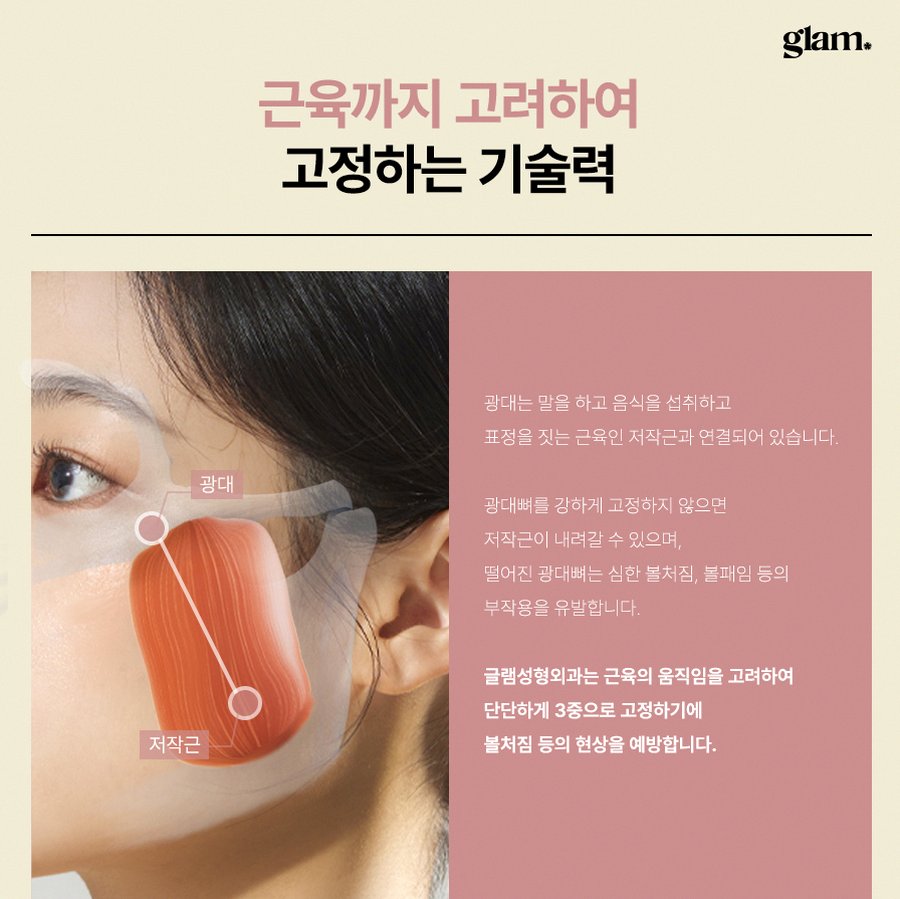
Primary front cheekbone reduction is the first surgery performed to reduce or reposition the zygoma to narrow the face and soften the cheek area. It usually involves cutting and moving the cheekbone body and arch, then fixing them with plates and screws.
Revision front cheekbone reduction is a second or later surgery performed after a previous contouring or zygoma reduction. The goal is not to start over from zero, but to adjust what was already done, within the limits of the existing bone and soft tissue.
Common reasons people seek revision
Patients considering revision front cheekbone surgery often report one or more of the following issues after their first operation:
The front cheekbone still looks wide or protruding from the front or three-quarter view.
There is noticeable asymmetry between the left and right cheekbones.
The midface looks hollow, sunken, or overly flat because too much bone was removed or moved inward.
There are step-off deformities, where a visible or palpable edge forms between the original bone and the moved segment.
Unnatural shadow lines appear under certain lighting, making the cheeks look uneven.
There is discomfort when chewing, or a feeling of tightness or pulling around the cheek area.
Because the bone has already been cut and healed, revision is usually more complex than a first-time procedure.
Why revision front cheekbone surgery is more complex
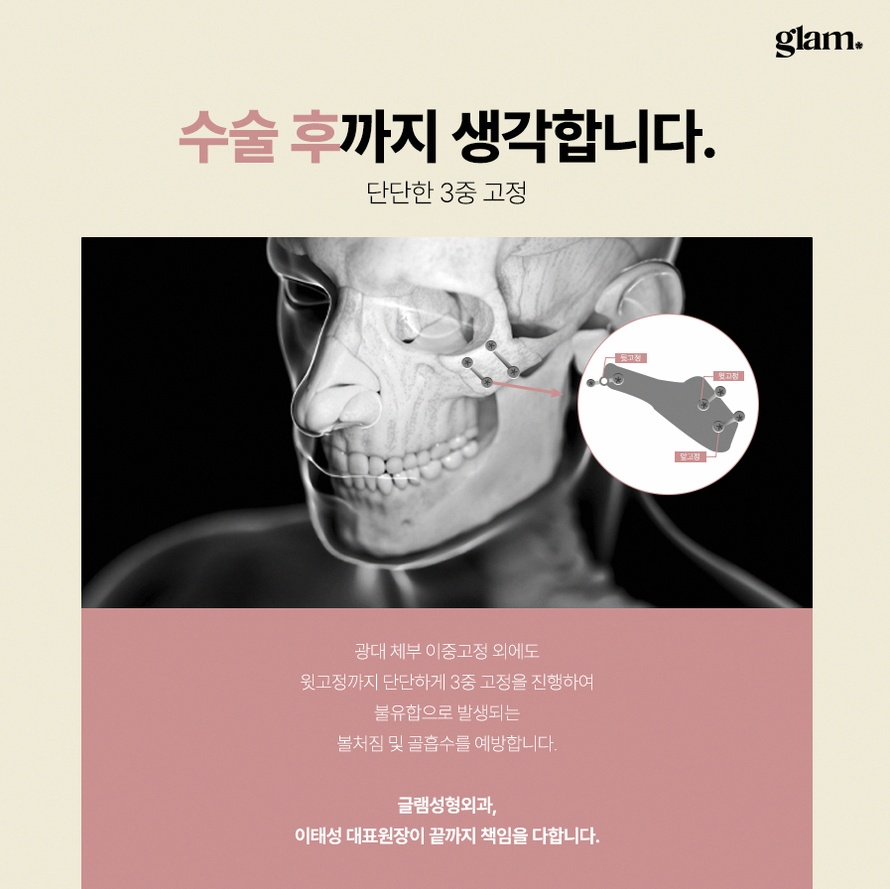
After the first surgery, the cheekbone segments heal in their new positions. Scar tissue forms around the bone and soft tissues. Plates and screws may be present. These factors make it harder to move the bone again and reduce the amount of safe additional reduction.
The surgeon must work around existing hardware, altered anatomy, and sometimes irregularly healed bone. This is why revision front cheekbone reduction is usually approached more conservatively, with a focus on safety and structural stability rather than dramatic change.
How surgeons evaluate candidates for revision
When to consider revision after first surgery
Surgeons usually recommend waiting until the bone and soft tissues have fully healed before planning revision front cheekbone surgery. In many cases, this means waiting around 6 to 12 months after the first operation.
During this period, swelling continues to decrease, scar tissue matures, and the final contour becomes clearer. Some irregularities that seem concerning at three months may improve significantly by nine to twelve months. Unless there is a serious complication such as infection or severe functional problem, early revision is generally avoided.
Diagnostic steps and imaging
A thorough evaluation for revision typically includes:
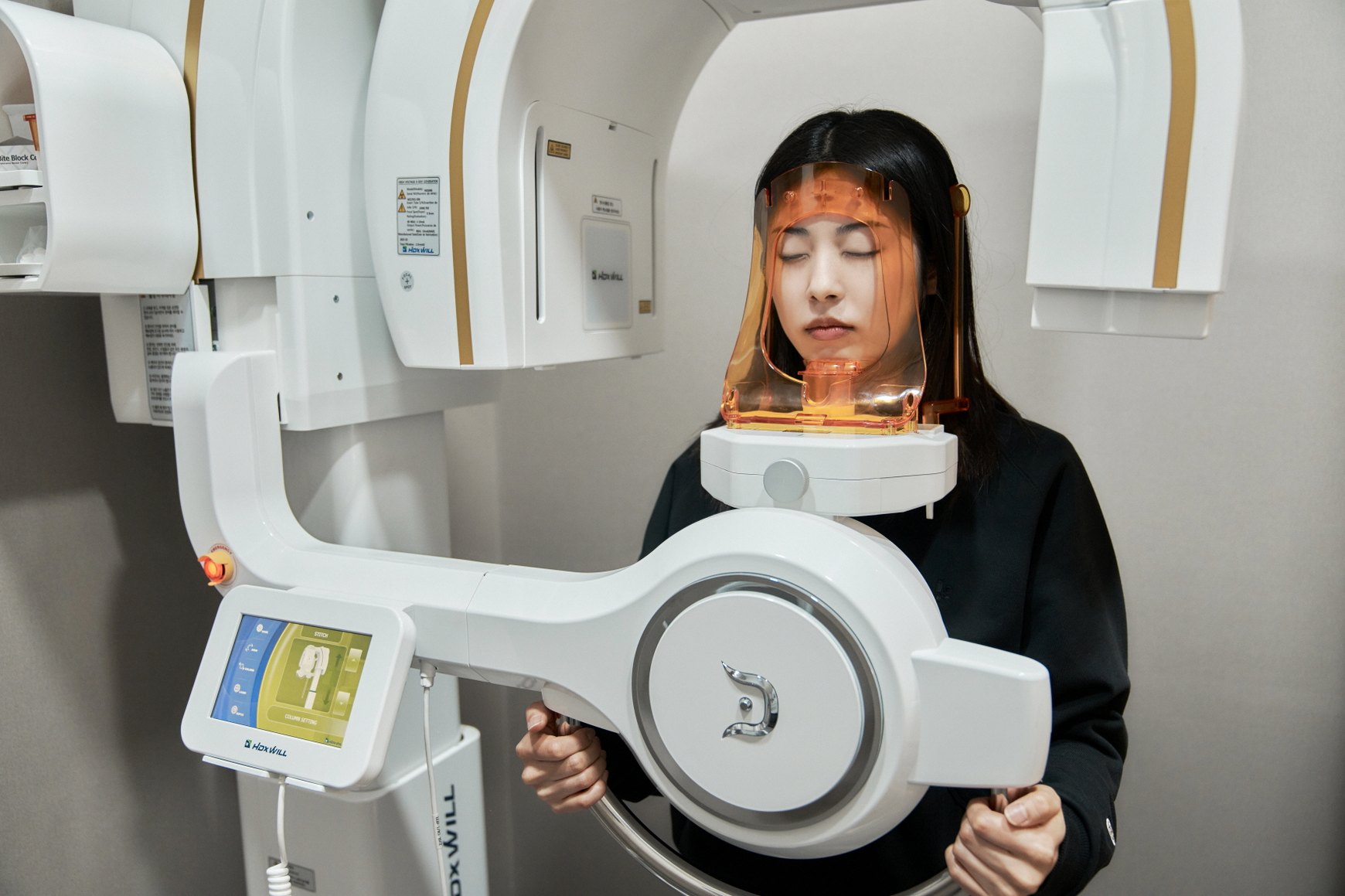
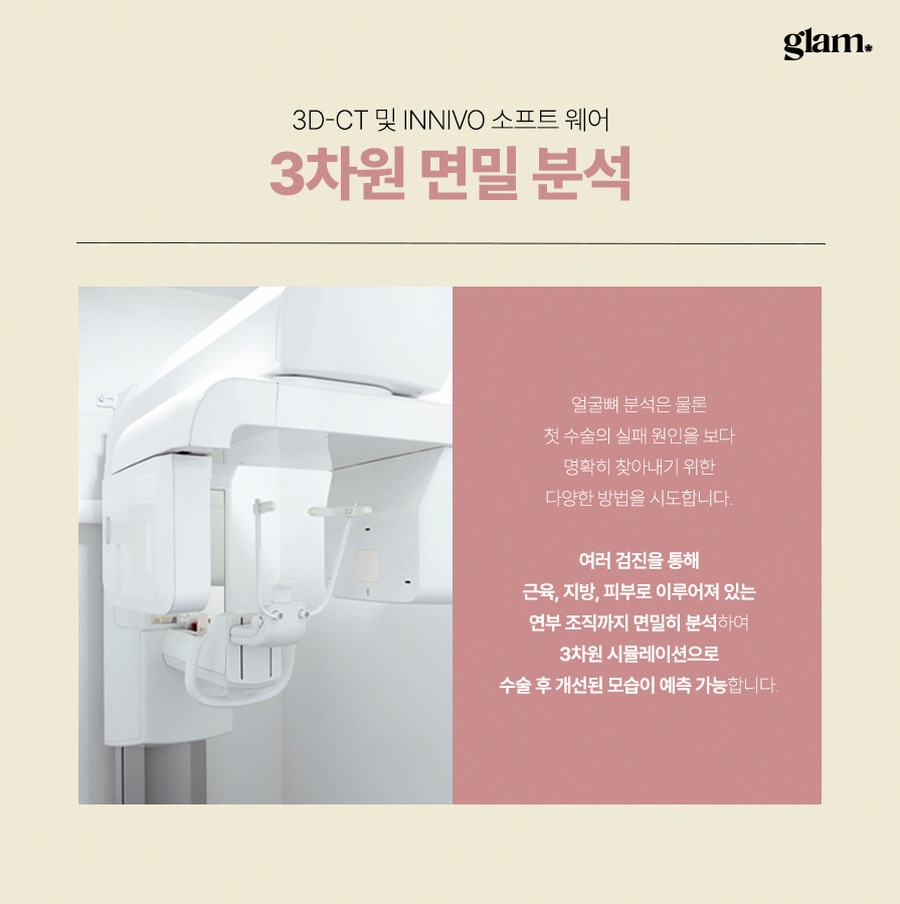
3D CT scan to see the exact position of the cheekbones, previous bone cuts, and hardware.
Standardized facial photographs from front, side, and three-quarter views.
Clinical examination, including palpation of the zygoma body and arch to feel for steps or irregularities.
Assessment of bite and jaw relationship, especially if the patient has also had jaw surgery.
Checking for nerve-related symptoms such as numbness or tingling in the cheek, upper lip, or teeth.
This information helps distinguish between issues that are primarily bony and those that are mainly related to soft tissue or volume loss.
Bone problems versus soft-tissue or volume problems
Not every concern after cheekbone surgery is best solved by cutting the bone again. Some common patterns include:
Bony issues that may benefit from revision osteotomy or contouring
Persistent protrusion of the anterior cheekbone.
Clear step-off deformities along the zygoma line.
Obvious asymmetry in bone position between sides.
Soft-tissue or volume issues that may be better addressed without bone surgery
Hollow or sunken midface due to over-reduction, where adding volume with fat grafting or fillers may be more appropriate.
Soft-tissue sagging in the midface, which may relate more to ligament release and support than to bone shape alone.
Subtle shadow differences that are more related to skin thickness and fat distribution.
In some cases, the safest and most reasonable plan is a combination: limited bone smoothing plus soft-tissue procedures, rather than aggressive re-cutting.
Example of a facial bone–focused clinic in Seoul
GLAM Plastic Surgery in Sinsa, Gangnam is an example of a clinic that focuses only on facial bone surgery, particularly double jaw and facial contouring procedures. In such a setting, detailed imaging and structured consultation are used to decide whether revision front cheekbone surgery is truly necessary, and if so, what the safest and most conservative plan would be.
Revision front cheekbone techniques and surgical approach
Common primary cheekbone techniques
To understand revision, it helps to know the basics of primary cheekbone surgery. Typical first-time zygoma reduction may include:
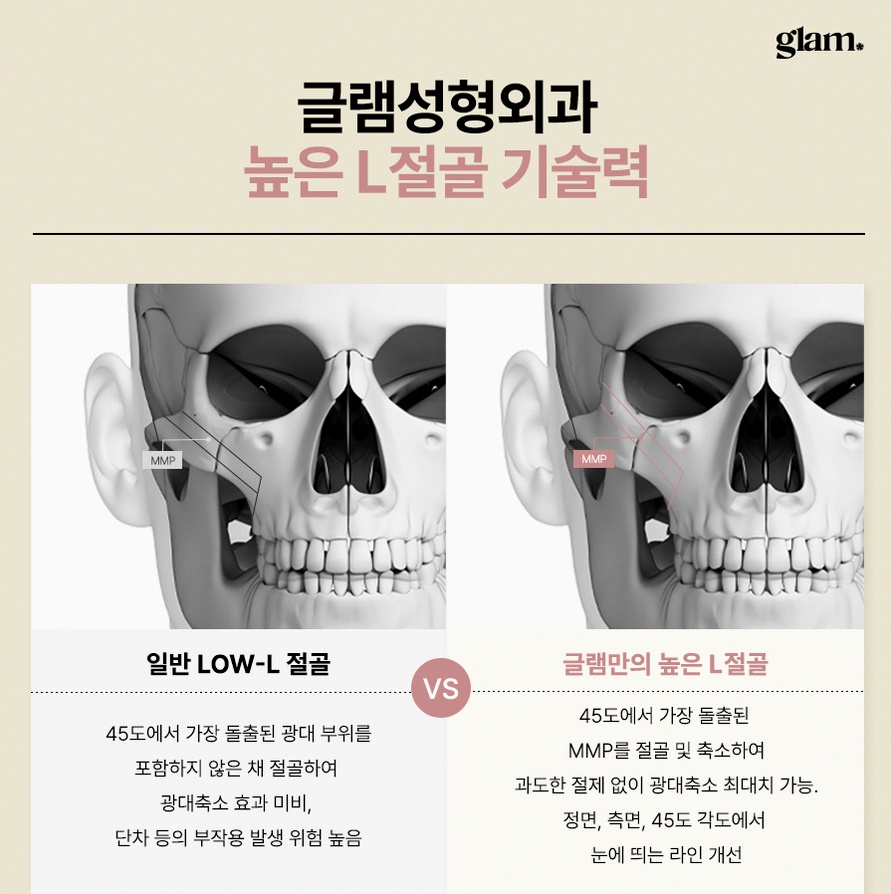
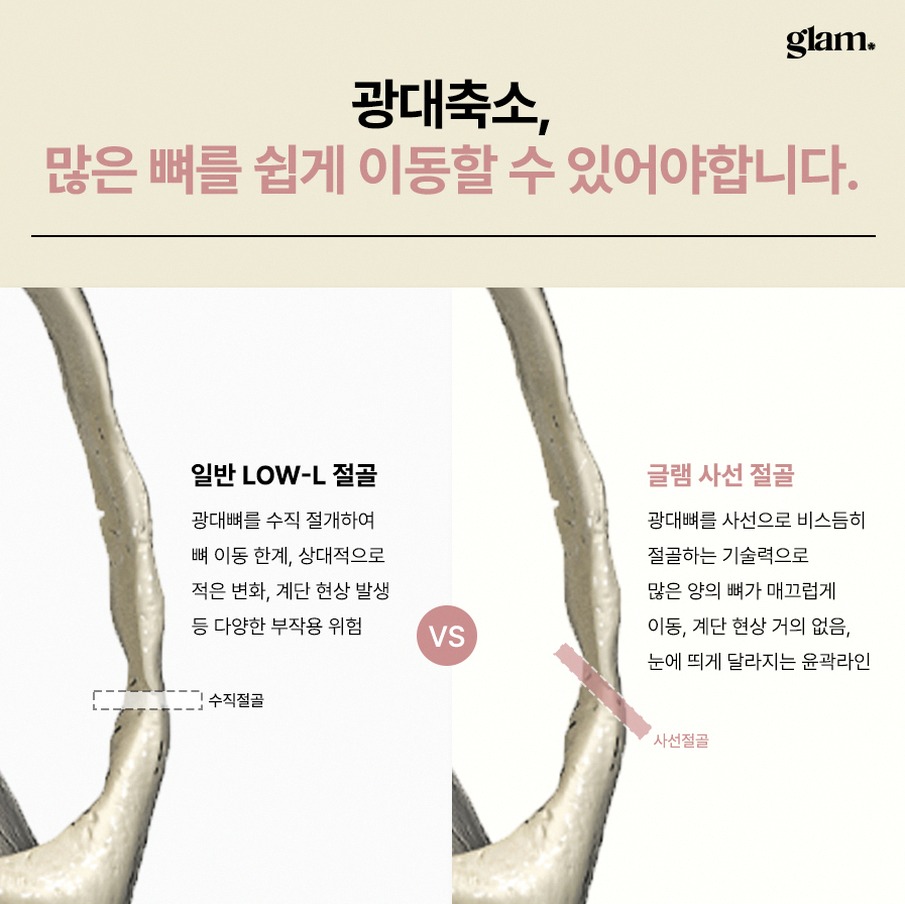
L-shaped osteotomy of the zygoma body near the front cheekbone area.
Cutting the zygomatic arch near the sideburn area and moving it inward.
Fixing the moved bone segments with small plates and screws.
These steps change the width and projection of the cheekbone from both the front and side views.
What changes in revision surgery
In revision front cheekbone reduction, the surgeon must work with an already modified structure. Key challenges include:
Managing existing fixation hardware
Plates and screws may need to be removed, repositioned, or replaced.
The surgeon must avoid weakening the bone where screws were previously placed.
Dealing with irregularly healed bone
Some areas may have thicker callus formation or uneven healing.
The surgeon may need to smooth or recontour bony edges.
Limited room for further reduction
If a large amount of bone was already removed or moved inward, there may be little safe margin for additional reduction.
In such cases, the focus may shift to symmetry and smoothing rather than further narrowing.
Typical goals of revision front cheekbone surgery
Depending on the individual case, revision may aim to:
Achieve additional reduction if the front cheekbone still appears too prominent.
Smooth irregular steps or edges that cause visible lines or that can be felt under the skin.
Improve asymmetry between left and right cheekbones by adjusting one or both sides.
Partially reconstruct or reposition bone in over-reduced cases, sometimes using bone grafts or changing the angle rather than simply shaving more.
Why revision planning must be conservative
The cheekbone supports the midface and contributes to the eye and lower eyelid area. Over-reduction or unstable fixation can lead to structural problems or soft-tissue sagging.
For this reason, revision front cheekbone surgery is usually planned with a conservative mindset. The aim is to make meaningful but safe improvements, not to push the bone to its absolute limit. The surgeon must consider:
The current thickness and strength of the bone.
The position of important nerves.
The risk of midface drooping if support is weakened.
The balance between front and side views.
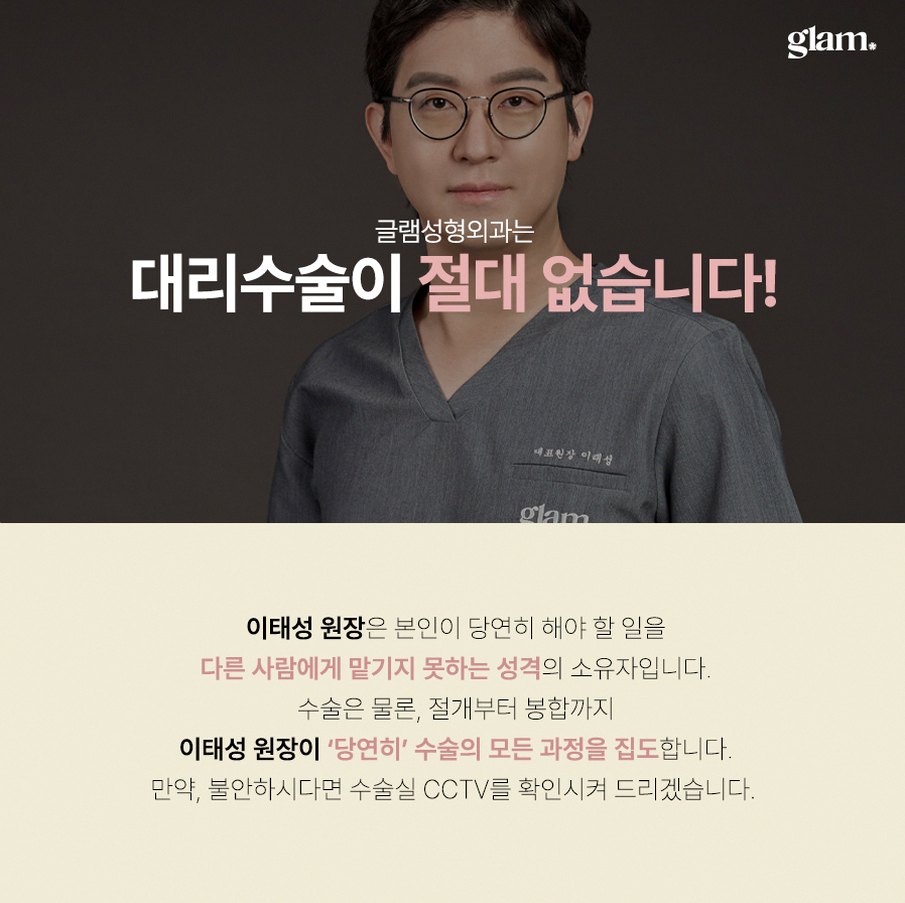
In a facial bone–focused clinic, the same lead surgeon typically plans and performs the entire procedure, while an anesthesiology specialist manages anesthesia and monitoring throughout the operation.
Risks, limits, and realistic expectations
Specific risks of revision front cheekbone surgery
Revision surgery carries all the usual risks of facial bone surgery, plus added complexity due to previous operations. Potential risks include:
Nerve injury leading to temporary or, rarely, long-lasting numbness or altered sensation in the cheek, upper lip, or teeth.
Residual or new asymmetry if healing differs between sides or if anatomy is significantly altered.
Under-correction or over-correction of the contour.
Midface soft-tissue sagging if bone support is reduced too much.
Contour irregularities or palpable edges.
In rare cases, issues with cheekbone structural stability.
These risks vary by individual and should be discussed in detail with the surgeon during consultation.
Limits of what revision can achieve
The more bone has already been removed or moved inward, the less room there is for additional reduction. In some patients, the safest option is not another large osteotomy, but subtle contour smoothing or a shift toward soft-tissue solutions.
It is important to understand that revision aims for improvement, not perfection. Small natural asymmetries and minor irregularities are common in all faces, even without surgery. A responsible surgeon will explain what is realistically achievable in your specific case.
Importance of a surgeon who can say no
Because revision patients are often very focused on details, there can be pressure to “do more.” However, a key safety factor is having a surgeon who is willing to say no to unnecessary or unsafe procedures.
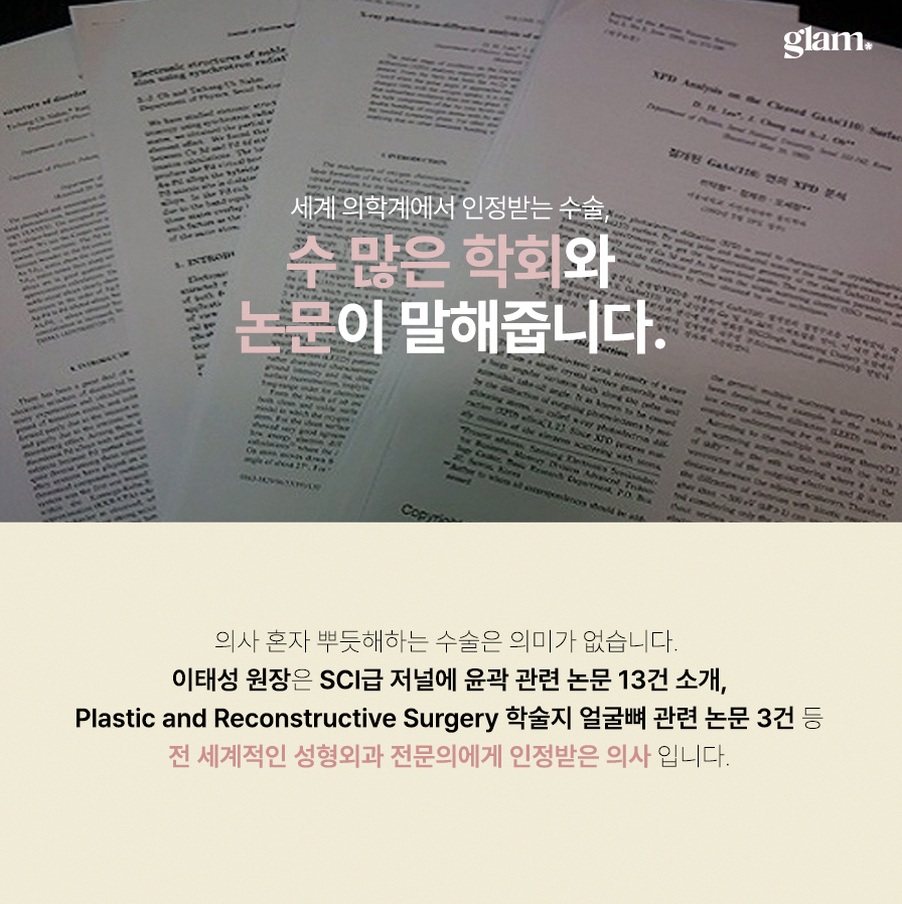
At clinics that emphasize facial bone surgery as a specialty, the lead surgeon may focus on proposing the minimum necessary surgery to address the main structural issues. As of early 2025, some surgeons in this field, including the lead surgeon at GLAM Plastic Surgery, have published multiple SCI-level papers on double jaw and contouring surgery in international journals such as Plastic and Reconstructive Surgery. This kind of academic background often supports a cautious, evidence-based approach.
Anesthesia, safety system, and team structure
Type of anesthesia for revision front cheekbone surgery
Revision front cheekbone reduction is typically performed under general anesthesia. This allows the surgeon to work precisely on the bone without movement, while the patient remains comfortable and unaware.
Role of a dedicated anesthesiology specialist
Having a board-certified anesthesiologist dedicated to anesthesia and pain medicine is an important safety factor. Their responsibilities include:
Evaluating the patient’s medical history, medications, and previous anesthesia experiences.
Designing a tailored anesthesia plan based on health status and surgery length.
Continuously monitoring vital signs during surgery.
Managing pain control and emergence from anesthesia.
Responding quickly to any unexpected changes.
In some facial bone–focused clinics, the structure is designed so that one plastic surgeon concentrates on facial bone surgery and one anesthesiologist is in charge of anesthesia and perioperative care, rather than relying on rotating or non-specialist staff.
Preoperative safety evaluation
Before revision surgery, patients can expect:
Detailed medical history review, including heart, lung, and metabolic conditions.
Discussion of medications, supplements, and smoking or alcohol habits.
Blood tests and, when indicated, additional tests such as ECG or imaging.
Explanation of fasting instructions and perioperative precautions.
These steps help reduce anesthesia-related risks and support a smoother recovery.
Recovery and aftercare after revision front cheekbone surgery
Typical recovery timeline
Recovery after revision front cheekbone surgery is often slightly longer than after a first-time procedure because of scar tissue and repeated dissection.
In general terms:
First week: Swelling and bruising are usually most noticeable. Patients often follow a soft diet and avoid strong chewing.
Two to four weeks: Bruising tends to fade. Swelling gradually decreases, but the face may still look fuller than expected.
One to three months: Most visible swelling subsides, and the contour becomes more defined.
Six to twelve months: Final results continue to refine as deep tissues settle and scars mature.
These time frames vary by individual and by the exact techniques used.
General aftercare guidelines
Postoperative instructions can differ by clinic and patient, but commonly include:
Keeping the head elevated when resting to help reduce swelling.
Using cold compresses in the early phase and, later, warm compresses as advised.
Avoiding pressure on the cheek area, such as sleeping face-down.
Following a soft or semi-soft diet at first, then gradually returning to normal chewing as approved by the surgeon.
Avoiding strenuous exercise, heavy lifting, and contact sports until cleared.
Maintaining good oral and facial hygiene as instructed.
Supportive post-surgery care programs
Some clinics in Seoul offer structured post-surgery care programs to support recovery and swelling reduction. These may include:
LED therapy aimed at calming the skin and supporting healing.
Facial dome treatments to gently encourage circulation and reduce puffiness.
Skin reset care to help manage dryness or sensitivity after surgery.
Radiofrequency lifting devices used at low, appropriate settings to support soft-tissue tone once healing allows.
These treatments are supportive options for skin and soft tissue. They are not substitutes for proper bone surgery or careful surgical planning, but they can make the recovery period more comfortable for some patients.
Importance of follow-up visits
Regular follow-up appointments allow the surgeon to:
Monitor bone healing and fixation.
Check symmetry and contour changes over time.
Assess nerve recovery and address any unusual symptoms.
Adjust aftercare advice based on healing progress.
For international patients, clinics often combine in-person visits during the stay in Korea with later online follow-ups.
Who is and is not a good candidate for revision
Patients who may be suitable candidates
People who may benefit from revision front cheekbone reduction often share these characteristics:
They have clear, documented structural issues after previous cheekbone surgery, such as obvious asymmetry, persistent protrusion, or step deformities.
They have allowed sufficient time for healing, usually at least 6 to 12 months after the first operation.
They understand that revision aims for noticeable improvement, not perfect symmetry or an entirely new face.
Patients who require caution or may not be ideal candidates
Revision may be less appropriate or require extra caution in cases such as:
Individuals focused on very small, barely visible differences that others do not notice.
People with unstable body image or a history of repeatedly seeking multiple revisions.
Patients whose main concern is soft-tissue volume loss or natural aging changes, rather than bone shape.
Those with medical conditions that significantly increase surgical or anesthesia risk.
Bringing previous records and imaging
For any revision consultation, it is extremely helpful to bring:
Operative reports or summaries from the first surgery, if available.
Previous CT scans or X-rays.
Before and after photos from the first operation.
Even if you had surgery abroad and do not have full records, a new 3D CT scan in Seoul can still provide essential information about your current anatomy and what may be possible.
Planning your visit to Seoul for revision surgery
Online consultation and pre-visit preparation
For overseas patients, the process often begins with an online consultation. To make this stage more productive, you can prepare:
Clear photos of your face from front, both sides, and both three-quarter angles under natural lighting.
Any previous imaging or reports scanned or photographed clearly.
A short summary of what bothers you most and what you hope to change.
Information about your medical history, medications, and allergies.
During online consultation, the clinic can provide a preliminary opinion on whether revision seems feasible, what kind of imaging will be needed in Seoul, and an estimated treatment plan and stay duration. Final decisions are usually made after in-person examination and imaging.
Expected Korea visit timeline
Although details vary, a typical schedule for international patients might look like:
Day 1–2: In-person consultation, 3D CT scan, facial photography, and final surgical planning. Preoperative tests and anesthesia evaluation.
Day 3–4: Surgery under general anesthesia, followed by a short stay in the recovery area before returning to accommodation the same day or next day, depending on the clinic’s protocol.
First week: Several follow-up visits for dressing checks, swelling management, and early recovery monitoring.
Second to third week: Additional follow-ups as needed before returning home, if your schedule allows.
Many patients stay in Seoul for around two to three weeks after revision facial bone surgery, but this can be adjusted based on individual circumstances and the surgeon’s recommendations.
Considering revision surgery in Gangnam, Seoul
Seoul, and particularly the Gangnam area, has become a destination for facial contouring and revision surgery. GLAM Plastic Surgery is an example of a facial bone–specialized plastic surgery center in Sinsa, Gangnam that focuses on double jaw and facial contouring procedures rather than a wide range of cosmetic treatments.
The lead surgeon has around two decades of experience in facial bone surgery and has published multiple SCI-level papers on contouring and double jaw surgery in high-impact international journals as of early 2025. The clinic is located near Sinsa Station and offers multilingual support, including English, Japanese, and Thai, for international patients who are considering revision front cheekbone surgery in Seoul.
Frequently asked questions about revision front cheekbone reduction
How long should I wait before having revision front cheekbone surgery?
In many cases, surgeons recommend waiting about 6 to 12 months after your first cheekbone surgery before considering revision. This allows swelling to fully settle and bone and soft tissues to heal and stabilize. In rare situations with serious complications, earlier intervention may be needed, but for most patients, patience leads to a clearer understanding of what truly needs correction.
Can revision completely fix asymmetry after my first cheekbone reduction?
Revision can often improve noticeable asymmetry, especially when it is caused by differences in bone position or step deformities. However, perfect symmetry is not realistic for any face, with or without surgery. The goal of revision is usually to reduce obvious differences and create a more balanced appearance, while respecting the limits of your current bone structure and safety.
Is revision front cheekbone surgery more dangerous than the first surgery?
Revision is generally more complex because the anatomy has been altered, scar tissue is present, and hardware may need to be managed. This can increase certain risks compared with a first-time operation. With careful imaging, conservative planning, and a structured anesthesia and safety system, many patients undergo revision safely, but it is important to discuss your individual risk profile with a qualified surgeon.
Will revision make my face look too flat or aged?
A common concern is that further reduction will make the face look flat or older. In responsible revision planning, the surgeon evaluates how much bone has already been moved and how your soft tissues are supported. If additional reduction would risk a flat or aged look, the surgeon may recommend limited smoothing, symmetry correction, or even volume restoration instead of aggressive cutting. The aim is to find a balance between contour refinement and maintaining healthy, natural-looking support.
What if my main concern is a hollow or sunken midface after over-reduction?
If your cheeks look hollow or sunken after previous surgery, the problem may be more related to volume loss or over-reduction than to remaining protrusion. In such cases, the safest and most effective plan may involve adding volume with fat grafting or other methods, and possibly limited bone adjustment, rather than simply cutting more bone away. A detailed 3D CT and clinical examination can help determine the best approach.

I had cheekbone surgery abroad and have no records. Can I still get revision in Seoul?
Yes, many patients seek revision in Seoul after surgery in another country without complete records. While having previous reports and imaging is helpful, a new 3D CT scan and clinical evaluation in Seoul can still provide the information needed to assess your current anatomy. During consultation, be as clear as possible about what was done, when it was done, and what changes you noticed afterward.
Soft call to action for online consultation
If you are considering revision front cheekbone reduction and are unsure whether further bone surgery is appropriate for your situation, an online consultation can be a useful first step. By sharing photos, previous imaging if available, and a clear description of your concerns, you can receive an initial professional opinion before planning a trip to Seoul.
Clinics such as GLAM Plastic Surgery in Sinsa, Gangnam, which focus on facial bone surgery and provide multilingual support, can help you understand whether revision is likely to benefit you, what kind of evaluation you will need on arrival, and how long you may need to stay. Always remember that the final treatment plan should be decided only after a thorough in-person examination and discussion of risks, benefits, and alternatives with your surgeon.




- 공유 링크 만들기
- X
- 이메일
- 기타 앱


댓글
댓글 쓰기