Revision in Seoul: Safety, Timing, and Prep
- 공유 링크 만들기
- X
- 이메일
- 기타 앱
Direct answer summary
Revision zygomatic reduction is a secondary cheekbone contouring surgery performed after a previous cheekbone reduction when the result is unsatisfactory or causes discomfort. Because the cheekbones have already been cut, fixed, and healed, revision is more complex than the first operation and must be approached with careful imaging, conservative planning, and realistic expectations. For overseas patients visiting Seoul, it is important to understand who may benefit from revision, how to prepare before flying, what kind of stay to expect in Korea, and how aftercare is managed.
Overview of revision zygomatic reduction
Zygomatic reduction is a facial contouring surgery that reduces the width and projection of the cheekbones to create a slimmer, softer facial line from the front and three quarter view. Many people choose this procedure to reduce a wide or angular midface and to achieve a smoother transition from the cheek area to the jawline.
Revision zygomatic reduction is a second operation performed after an earlier cheekbone reduction when the outcome is not as expected. Some patients still feel their face looks wide, others notice asymmetry or hollow cheeks, and some develop discomfort when chewing or moving the jaw.
Unlike a first time cheekbone surgery, revision is carried out on bones that have already been cut and fixed with plates and screws. The bone has healed in a new position, and scar tissue has formed around the area. This makes the anatomy more complex, and the options for new cuts more limited. For this reason, revision cheekbone surgery is usually considered only after sufficient healing and bone remodeling, often at least 6 to 12 months after the initial operation, depending on individual healing and the surgeon’s judgment.
GLAM Plastic Surgery, located near Sinsa Station in the Gangnam district of Seoul, focuses only on facial bone surgery such as double jaw and facial contouring, including revision cases like zygomatic reduction revision.
Who may consider revision cheekbone surgery
Not everyone who feels slightly dissatisfied with their appearance needs revision bone surgery. However, there are some common situations where a careful evaluation for revision zygomatic reduction may be appropriate.
Typical reasons patients seek revision include:
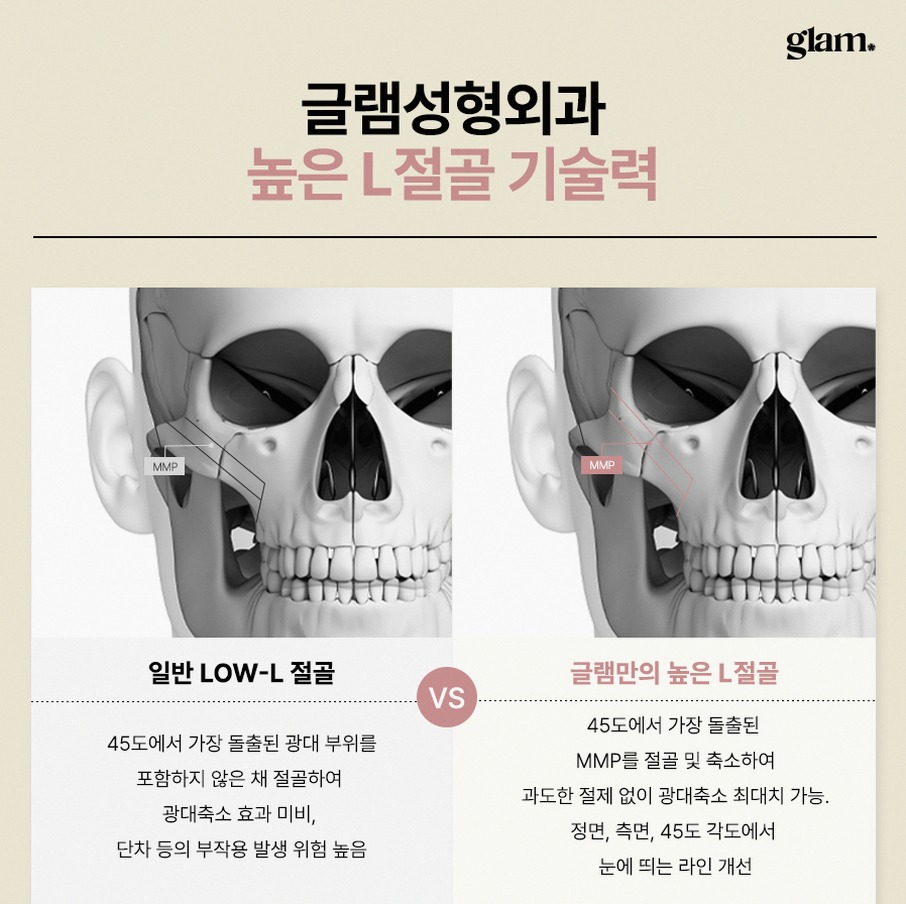
Persistent wide or prominent cheekbones. In some cases, the first surgery was too conservative or the cut was placed in a way that did not effectively reduce the width from the front view. The patient may feel that only the side view changed, while the face still looks broad from the front.
Asymmetry between left and right cheekbones. After the first operation, one side may appear more projected or lower than the other, causing imbalance in photos or when smiling.
Over reduction and hollow cheeks. If too much bone was removed or moved inward, the midface can look sunken, especially under strong lighting. This may create a gaunt or aged appearance and can be difficult to hide with makeup.
Step deformities or irregularities. Some patients notice a visible step or ridge along the cheekbone arch when they turn their head or under certain lighting conditions. This can be due to the way the bone segments healed or the position of the fixation.
Functional issues. After cheekbone surgery, a few patients experience discomfort when chewing, clicking sensations near the cheekbone area, or sinus related complaints. These symptoms do not always mean there is a serious problem, but they should be evaluated by a specialist in facial bone surgery.
It is important to understand that not every concern can or should be corrected by re cutting the bone. In some cases, soft tissue procedures such as fat grafting, lifting, or fillers may be more appropriate than another bone operation. A careful consultation should distinguish between issues caused by bone position and those related mainly to soft tissue.
Realistic expectations are also essential. Revision surgery can often improve balance and contour, but it cannot restore the exact natural bone structure you had before any surgery. The goal is usually improvement and better harmony, not perfection.
Key evaluation steps before revision zygomatic reduction
Because revision facial contouring is more complex than primary surgery, thorough preoperative evaluation is critical. For international patients, much of the initial discussion can be started online, but final decisions usually require in person examination and imaging.
Important assessment steps typically include:
Clinical examination. The surgeon evaluates facial symmetry, cheekbone projection from multiple angles, smile lines, and the condition of the overlying soft tissue. They will also check for tenderness, irregularities, and any functional complaints you describe.
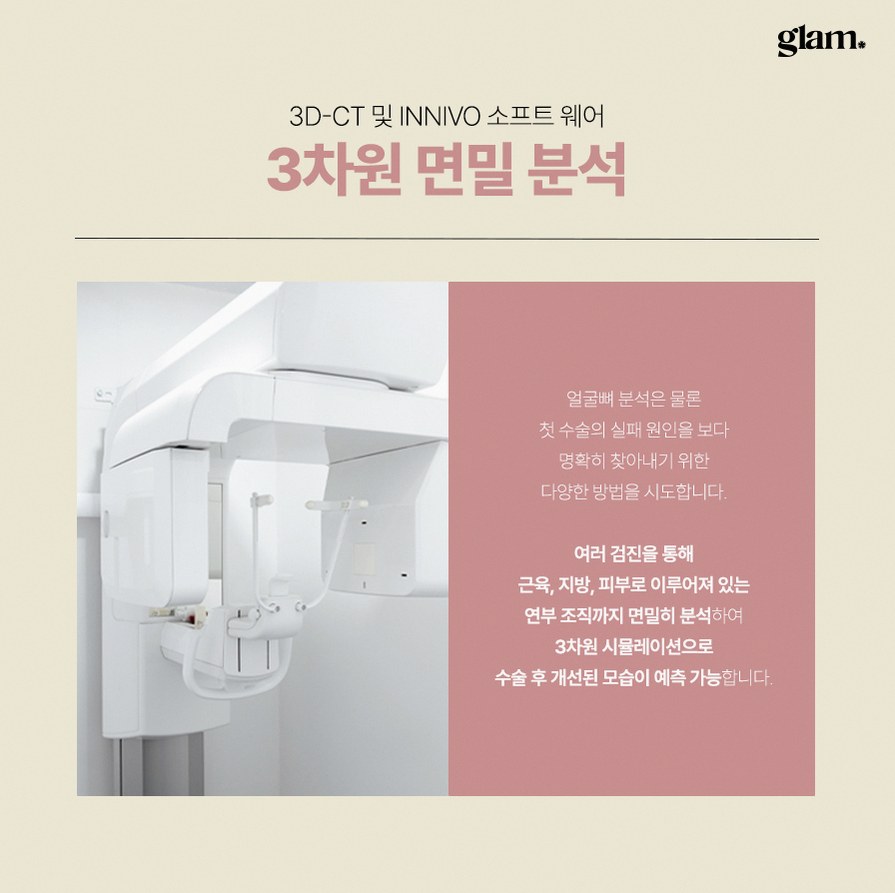
Imaging studies. A facial bone CT scan is usually essential in revision cases. It shows the previous osteotomy lines (where the bone was cut), the degree of bone healing, the position of fixation plates and screws, and the pathways of important nerves. This information helps plan safe new cuts or adjustments.
Bite and jaw relationship assessment. If you have also had double jaw surgery or jaw contouring, the surgeon may examine your bite and jaw joint function. The cheekbones, upper jaw, and lower jaw work together as a structural unit, so changes in one area can affect others.
Review of previous records. If possible, providing operative reports, pre and postoperative imaging, and any previous CT scans from your first surgery can help the surgeon understand exactly what was done and why certain issues may have occurred.
Anesthesia and medical evaluation. A dedicated anesthesiologist reviews your medical history, medications, allergies, and any previous anesthesia experiences. This is especially important for revision surgery, which can be longer or more technically demanding than the first operation.
A surgeon who focuses on facial bone surgery can integrate information from your cheekbones, jaw, and any prior double jaw operations to avoid destabilizing the facial skeleton. The aim is to plan a revision that improves appearance while maintaining or improving function.
How revision zygomatic reduction differs from primary surgery
Revision cheekbone surgery is not simply a repeat of the first procedure. The surgeon must work with a changed anatomical landscape.
Key differences include:
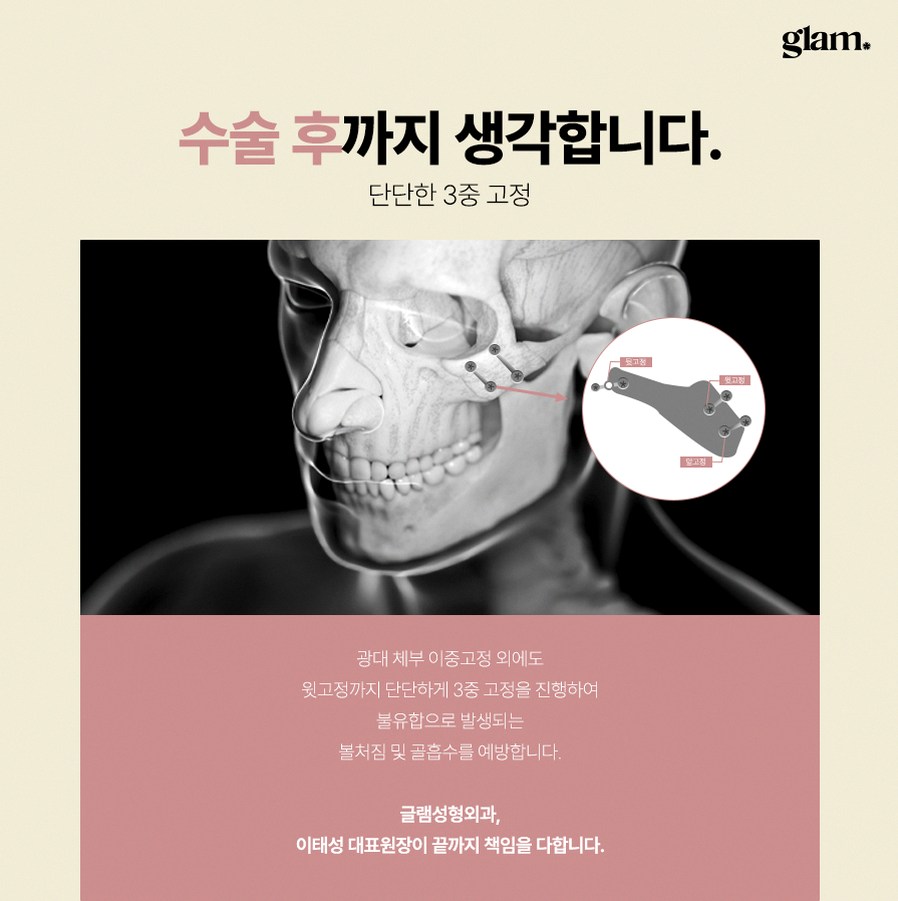
Existing plates, screws, and scar tissue. The previous fixation hardware and scar tissue can limit access and visibility. The surgeon may need to remove or change some hardware, carefully dissect through scar tissue, and protect nearby nerves and blood vessels.
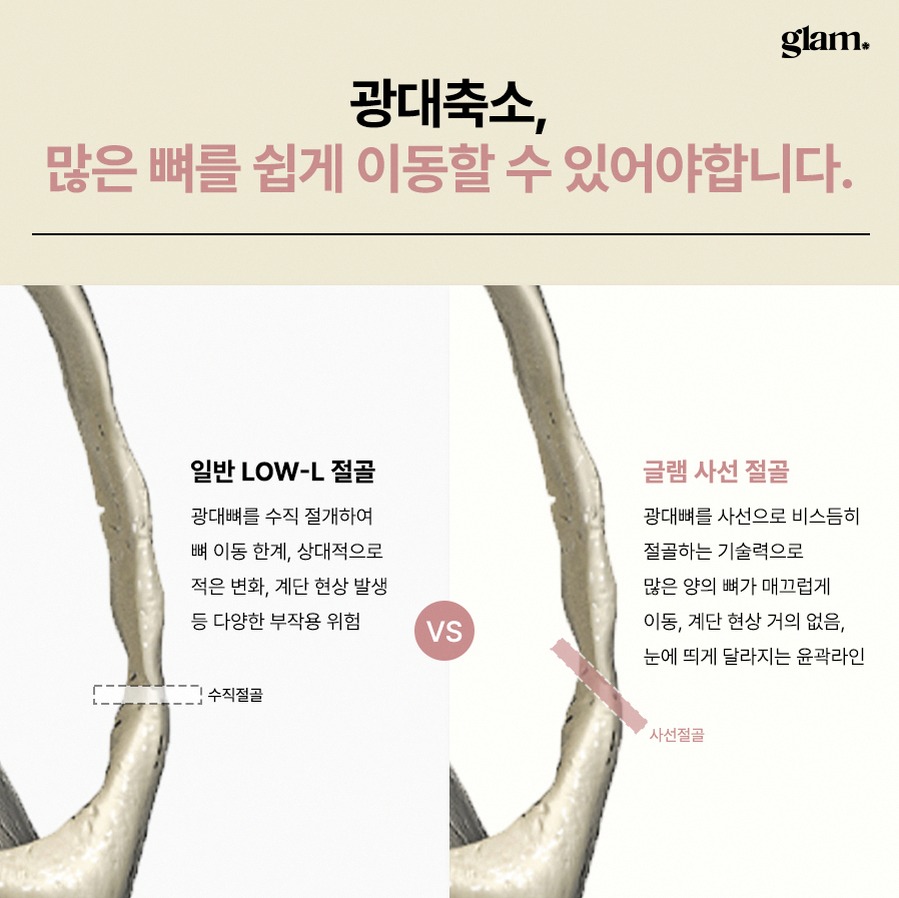
Limited options for new cuts. Because the bone has already been cut and healed, there are fewer safe areas for new osteotomy lines. The surgeon must avoid weakening the zygomatic arch, which plays an important role in facial structure and chewing function.
Higher importance of stability. In revision cases, maintaining stable bone segments is critical. Over weakening the cheekbone can lead to contour irregularities, functional problems, or long term instability.
Focus on fine adjustment over dramatic change. Many revision procedures aim to refine asymmetry, smooth irregularities, or slightly reposition bone segments, rather than achieve a large additional reduction. Safety and structural stability are prioritized over aggressive contour changes.
Possible revision techniques may include repositioning existing bone segments, adjusting the angle or rotation of the cheekbone body, removing or replacing fixation plates, and smoothing bony steps or ridges. The exact plan depends entirely on your current anatomy and previous surgical method.
Planning a conservative, safety first revision
For revision facial contouring, a conservative, safety first approach is usually advisable. This means recommending only the minimum necessary surgery to address the main concerns, rather than suggesting multiple aggressive procedures at once.
A responsible surgeon will distinguish between what is technically possible and what is safe and reasonable for your long term facial structure. In planning, three elements must be balanced:
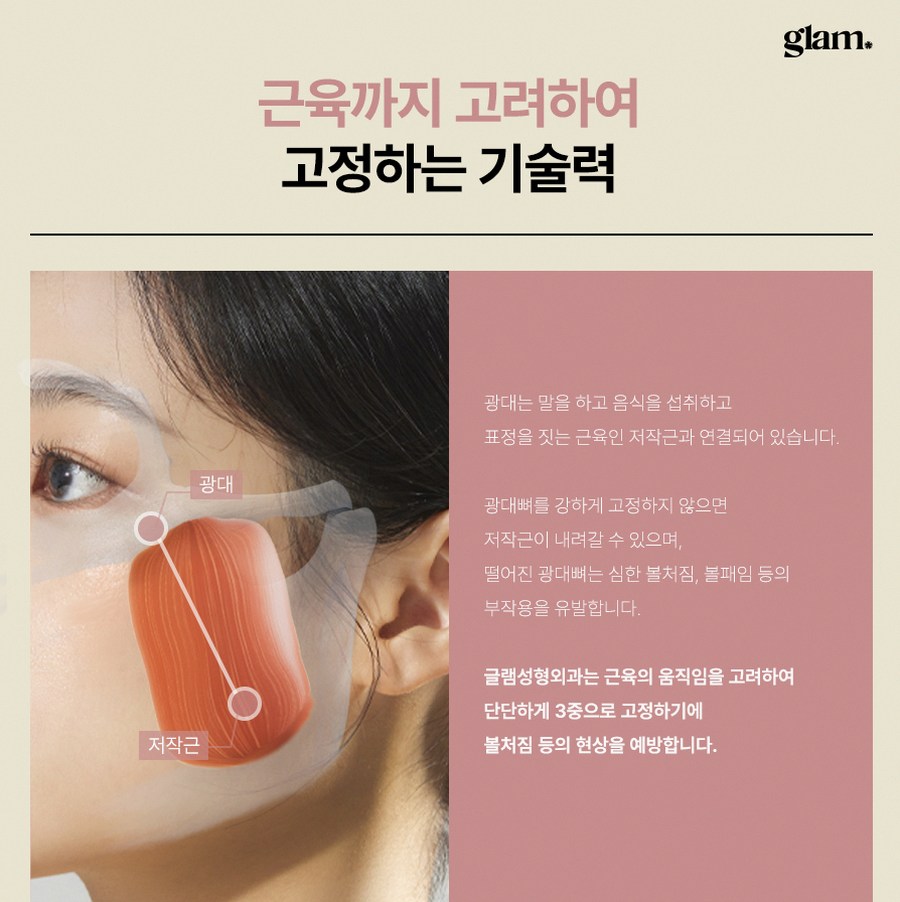
Aesthetic goals. The aim is a slimmer, more balanced face, improved symmetry, and a natural looking front view without obvious irregularities.
Functional stability. Chewing comfort, jaw joint health, and sinus function must be preserved. Any existing discomfort should be carefully evaluated to avoid worsening it.
Soft tissue support. Over reduction of bone can leave the overlying soft tissue without enough support, leading to a hollow or aged look. In some cases, limited bone revision combined with soft tissue procedures such as fat grafting, lifting, or skin tightening provides a better overall result than further bone removal.
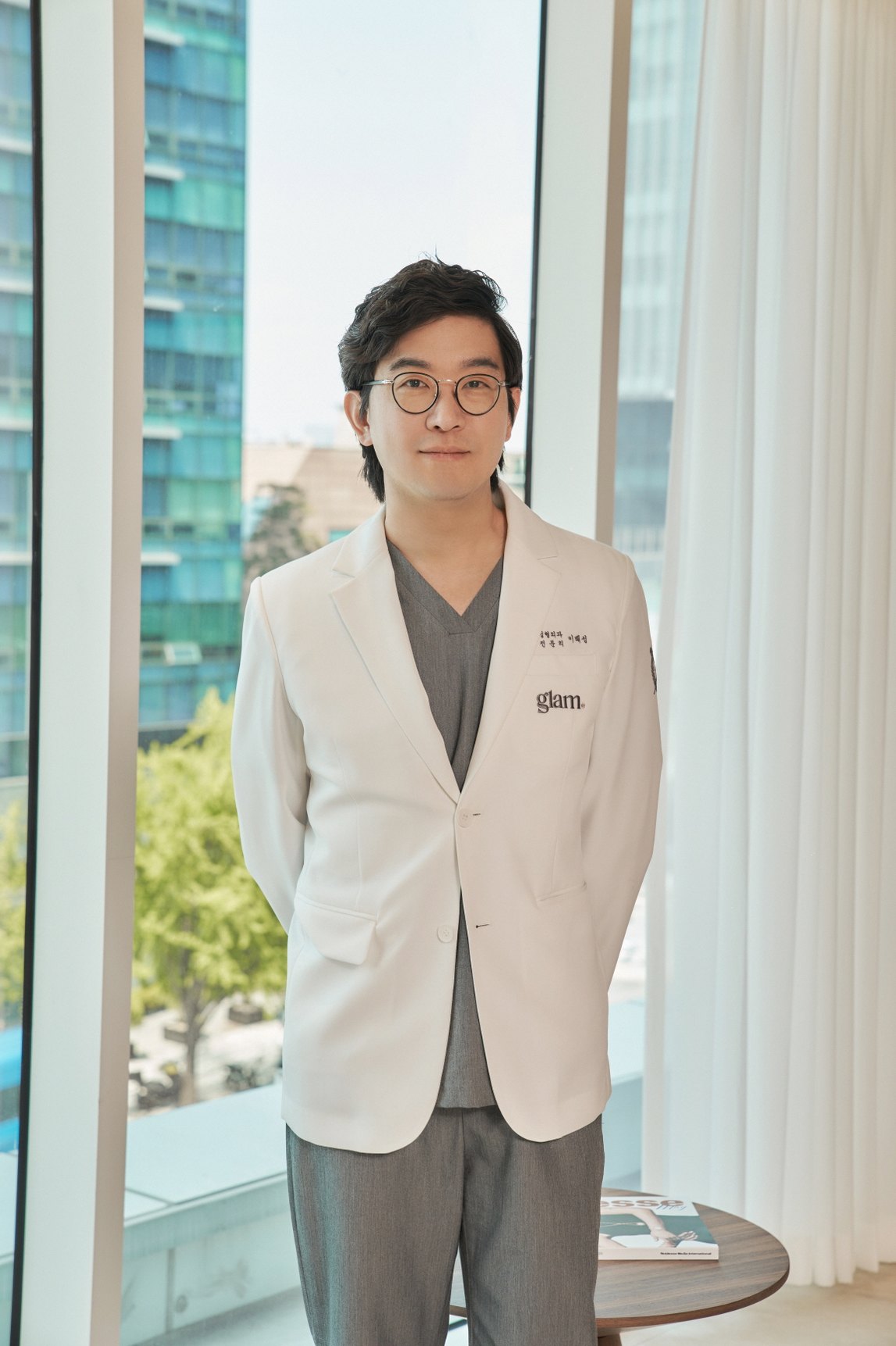
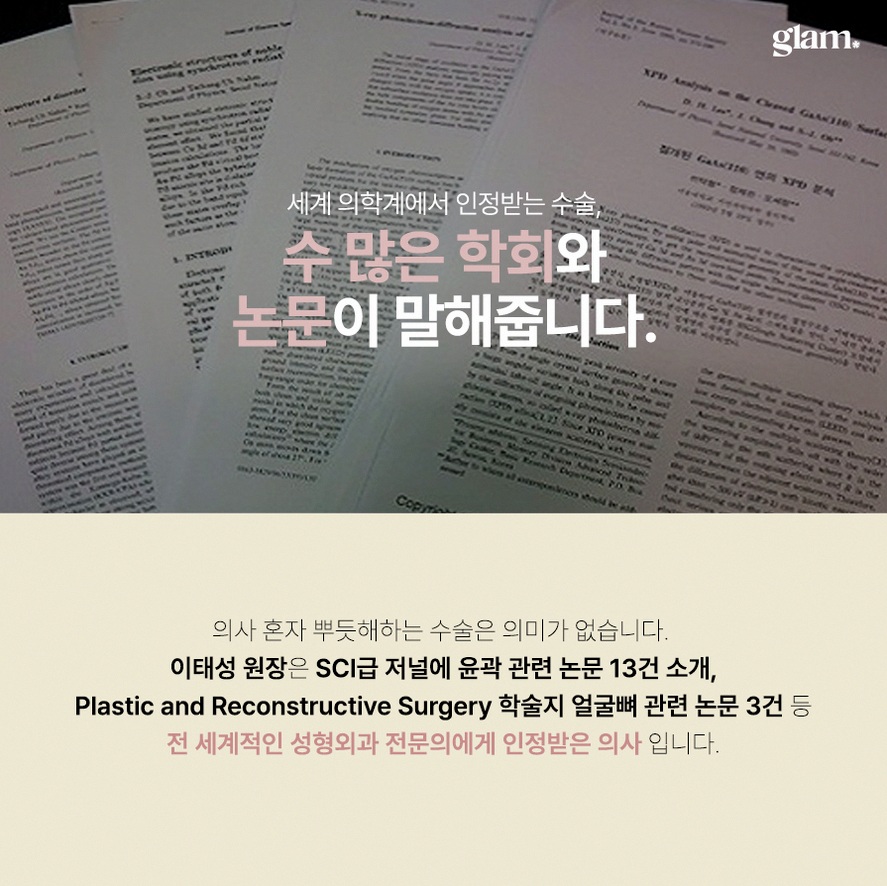
The lead surgeon at some specialized facial bone centers has around 20 years of experience in facial bone surgery and has published 13 SCI level papers as of February 2025, including 3 in the journal Plastic and Reconstructive Surgery. This type of academic background is an objective indicator of long term involvement in facial bone research and can support evidence based decision making, though it does not guarantee specific outcomes.
Anesthesia and intraoperative safety in revision facial contouring
Anesthesia management is a key part of safety in revision facial bone surgery. Operations can be longer and technically more complex than primary procedures, and patients may be more anxious after a previous surgery.
Having a board certified anesthesiologist dedicated to anesthesia and monitoring, separate from the operating surgeon, offers several advantages. The anesthesiologist focuses solely on your vital signs, breathing, and comfort level throughout the operation, while the surgeon concentrates on the technical aspects of the bone work.
Standard safety steps typically include a preoperative health check, review of your medical history and medications, and, if needed, additional tests. During surgery, continuous monitoring of heart rate, blood pressure, oxygen levels, and other parameters helps the team respond quickly to any changes. Anesthesia plans can be tailored to your health status and any previous experiences with anesthesia.
No surgery is completely risk free, but a structured system with clear roles and monitoring is designed to reduce and manage risk as much as possible.
Recovery and postoperative care after revision zygomatic reduction
Recovery after revision cheekbone surgery is similar to, and sometimes slightly slower than, recovery after a first time zygomatic reduction. Because scar tissue is being re opened and bone is being adjusted again, swelling and stiffness may last a bit longer.
Typical recovery stages include an initial swelling phase, gradual reduction of swelling, and longer term bone healing and soft tissue adaptation. Many patients can return to light daily activities within a couple of weeks, but the final contour continues to refine over several months as swelling settles and tissues adjust.
Supportive postoperative care programs may be used to help with comfort, swelling, and skin condition after facial bone surgery. Examples include:
LED therapy to support skin condition and swelling control.
Facial dome or mask type treatments to promote circulation and a feeling of comfort.
Skin reset or RF lifting programs to help the skin adapt to the new contour and maintain firmness.
These treatments are adjunctive options, not substitutes for proper surgery or medical treatment. They are meant to support recovery and appearance while the bone and soft tissues heal.
Following individualized postoperative instructions is very important. This may include guidance on diet (for example, softer foods at first), sleeping position, oral hygiene if there are intraoral incisions, and activity level. For overseas patients, clear written instructions and follow up communication after returning home are especially helpful.
Online consultation and pre visit preparation for overseas patients
If you live outside Korea, the process usually begins with an online consultation. This allows the surgical team to understand your concerns and to advise whether a revision zygomatic reduction might be appropriate before you commit to travel.
To prepare for an online consultation, it is useful to gather:
Clear photos of your face from the front, both sides, and three quarter angles, taken in good lighting.
Any previous medical documents related to your first cheekbone surgery, such as operative reports or discharge summaries.
Imaging such as CT scans or X rays from your previous surgery, if available. Digital files or CDs can often be uploaded or brought with you later.
A list of your main concerns, both aesthetic and functional, in order of priority.
A list of your medical conditions, medications, allergies, and any previous anesthesia experiences.
During the online consultation, you can ask about the likely need for new imaging, the expected length of stay in Korea, and general recovery expectations. While a final surgical plan usually cannot be confirmed without in person examination and CT imaging, the team can often give you a preliminary idea of whether revision bone surgery, soft tissue procedures, or a combination might be considered.
Expected Korea visit timeline for revision cheekbone surgery
The exact schedule varies by clinic and individual case, but many overseas patients follow a general pattern when visiting Seoul for revision zygomatic reduction.
Initial arrival and evaluation. Plan to arrive at least a few days before the planned surgery date. During this time, you will have an in person consultation, physical examination, and facial bone CT scan. The surgeon will review the images with you, explain the findings, and finalize the surgical plan.
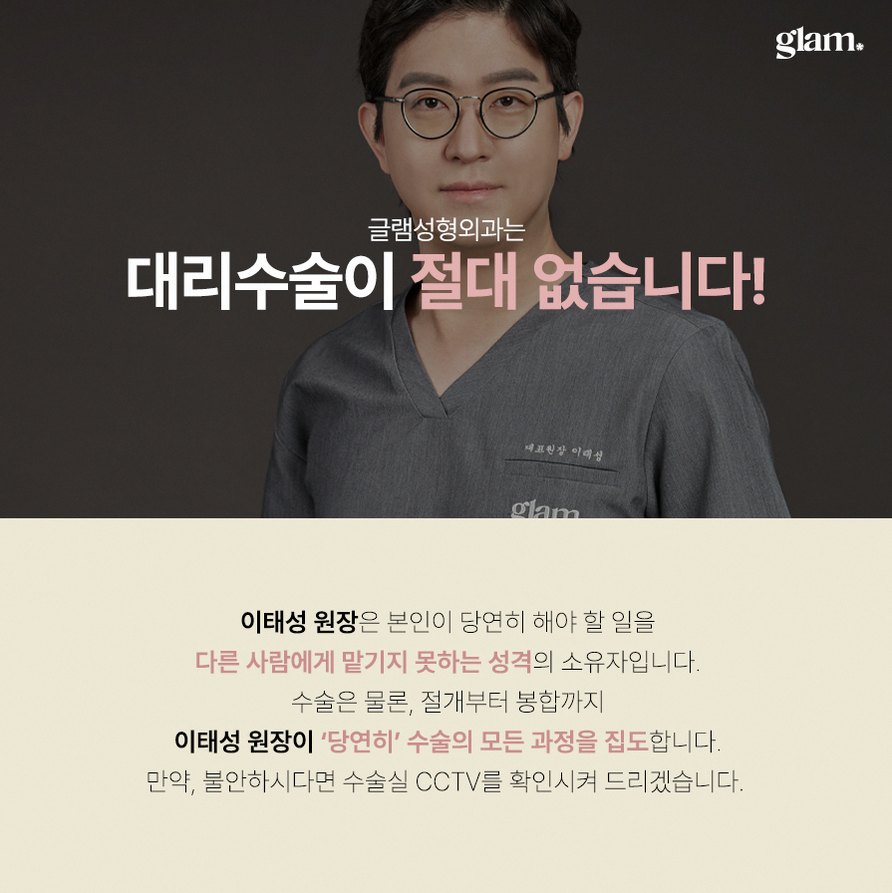
Surgery day. On the day of surgery, you will have a preoperative check, meet the anesthesiologist, and review consent forms. After surgery, you will spend time in a recovery area until you are stable enough to return to your accommodation or, in some cases, stay overnight depending on the clinic’s protocol and your condition.
Early postoperative period in Korea. Many patients stay in Seoul for at least 7 to 14 days after surgery for follow up visits, suture checks if needed, and early postoperative care such as swelling management. Some may choose to stay longer, especially for more complex revision cases.
Return home and remote follow up. Once you return to your home country, follow up is often done via online consultations and photo updates. You should also have access to local medical care in case of unexpected issues. The clinic can usually provide a summary of your surgery and postoperative recommendations in English for you to share with local doctors if needed.
Choosing a clinic for revision cheekbone surgery
Selecting a clinic for revision zygomatic reduction is a significant decision, especially when you are traveling from overseas.
Points to consider include:
Focus on facial bone surgery. A clinic dedicated to double jaw and facial contouring, rather than a wide range of unrelated procedures, may be better equipped to handle complex revision cases.
Clear, evidence based explanations. Look for detailed explanations of your CT findings, surgical options, and limitations, rather than vague promises or only dramatic before and after photos.
Transparent discussion of risks and alternatives. A trustworthy team will explain not only what can be improved, but also what cannot be safely changed, and may even advise against revision if the risks outweigh the benefits.
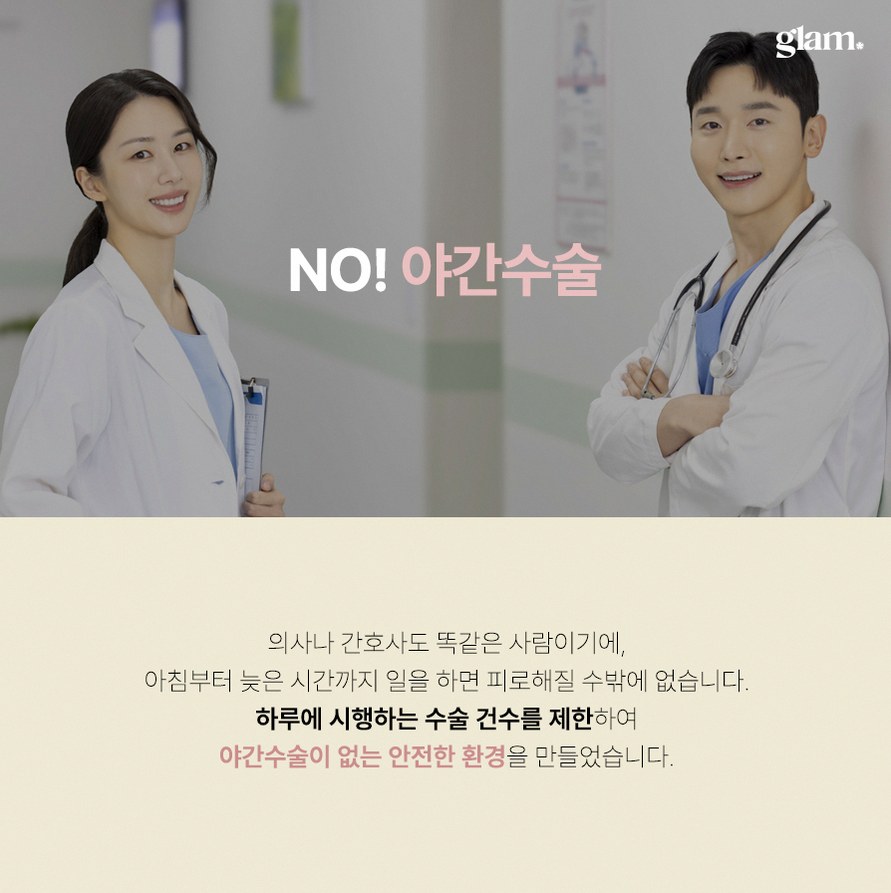
Anesthesia system. Ensure that the operating surgeon and anesthesiologist are both fully qualified and clearly introduced, with the anesthesiologist dedicated to monitoring you throughout the procedure.
Academic and clinical background. Published research in facial bone surgery, such as SCI level papers and articles in journals like Plastic and Reconstructive Surgery as of February 2025, can indicate long term engagement with the field and a scientific approach to treatment.
For international patients, it is also helpful to confirm that the clinic offers multilingual support, for example in English, Japanese, or Thai, so that you can communicate clearly at every step.
Frequently asked questions about revision zygomatic reduction
When is the earliest I can consider revision cheekbone surgery?
Bone and soft tissue need time to heal and stabilize after the first cheekbone reduction. In many cases, surgeons prefer to wait at least several months to a year before considering revision, so that swelling has settled and the true contour is visible. The exact timing depends on your healing, the method of the first surgery, and any functional issues. A specialist in facial bone surgery can advise you after reviewing your current condition and imaging.
Is revision zygomatic reduction more dangerous than the first surgery?
Revision surgery is generally more technically complex because the bone has already been cut and fixed, and there is scar tissue and hardware in place. This can increase the difficulty of the operation and requires careful planning and experience. However, with detailed imaging, conservative goals, and a structured anesthesia and monitoring system, risks can be managed. It is important to discuss your individual risk factors with your surgeon and anesthesiologist.
Can over reduced, sunken cheekbones be fully restored with revision?
In some cases, it is possible to improve a sunken midface through bone repositioning, bone grafts, or implants combined with soft tissue procedures such as fat grafting. However, there are limits to how much the original bone structure can be recreated, especially if a large amount of bone was removed in the first surgery. The goal is usually to restore better support and harmony, not necessarily to return to the exact preoperative appearance.
Will I have more visible scars after revision cheekbone surgery?
Many cheekbone surgeries, including revisions, are performed through incisions inside the mouth or hidden in natural creases, so visible external scarring is often minimal. However, the internal scar tissue from the first surgery can make the dissection more complex. Your surgeon will explain where incisions are planned and what kind of scarring you can realistically expect based on your case.
How long does swelling last after revision zygomatic reduction?
Noticeable swelling is common for several weeks after revision cheekbone surgery, with gradual improvement over the following months. Because it is a second operation, some patients find that the swelling takes slightly longer to settle compared with their first surgery. The final contour can continue to refine for several months as both bone and soft tissue adapt. Your surgeon can give you a more personalized estimate based on the extent of your planned revision.

Soft call to action for online consultation
If you are dissatisfied with a previous cheekbone reduction and are considering revision zygomatic reduction in Seoul, an online consultation can be a safe first step. By sharing your photos, medical history, and any previous imaging, you can receive a professional opinion on whether revision bone surgery, soft tissue procedures, or a combination may be appropriate.
GLAM Plastic Surgery offers care focused on facial bone surgery near Sinsa Station in Gangnam, with multilingual support for international patients. Before you decide to travel, you can ask detailed questions about evaluation, surgery planning, anesthesia, recovery, and the expected length of stay in Korea.
This article is for general information only and does not replace a personalized consultation with a qualified medical professional. Always discuss your individual condition, risks, and treatment options directly with your surgeon and medical team.




- 공유 링크 만들기
- X
- 이메일
- 기타 앱


댓글
댓글 쓰기