Revision in Seoul: Safe Options and Timing After First Surgery
- 공유 링크 만들기
- X
- 이메일
- 기타 앱
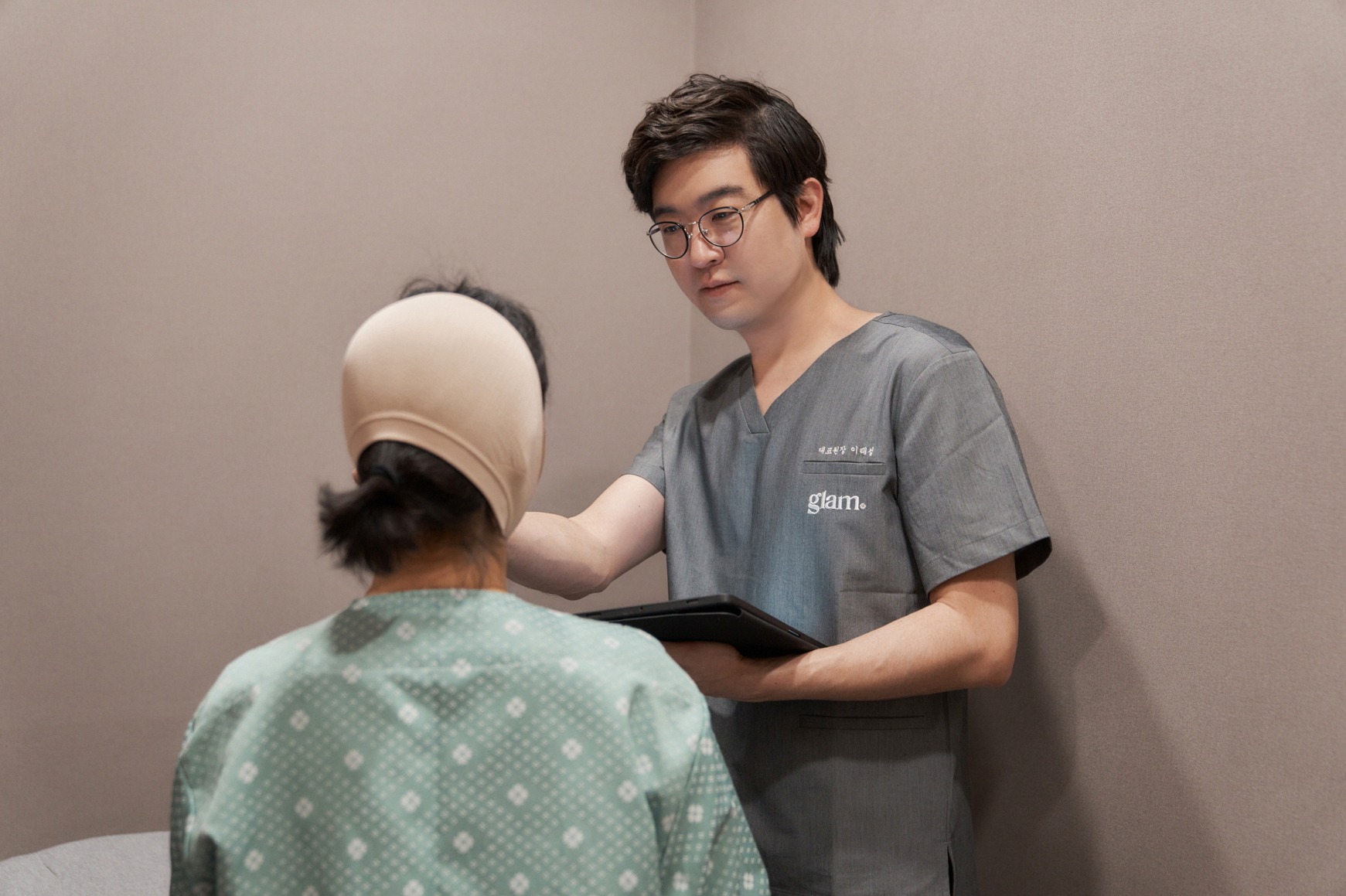
Direct answer summary
If you are unhappy after previous square jaw reduction surgery, revision square jaw reduction can sometimes refine your jawline, correct asymmetry, or soften an overly sharp or hollow look. Because bone has already been cut once, revision needs very careful imaging, conservative planning, and a surgeon experienced in facial bone surgery. In many cases, only limited re-contouring or small adjustments are recommended rather than a large second operation.
This guide explains what square jaw reduction revision surgery is, who might consider it, how it is evaluated and performed, what recovery is like, and how overseas patients can plan a visit to Seoul and the Gangnam area.
Overview of square jaw reduction revision surgery
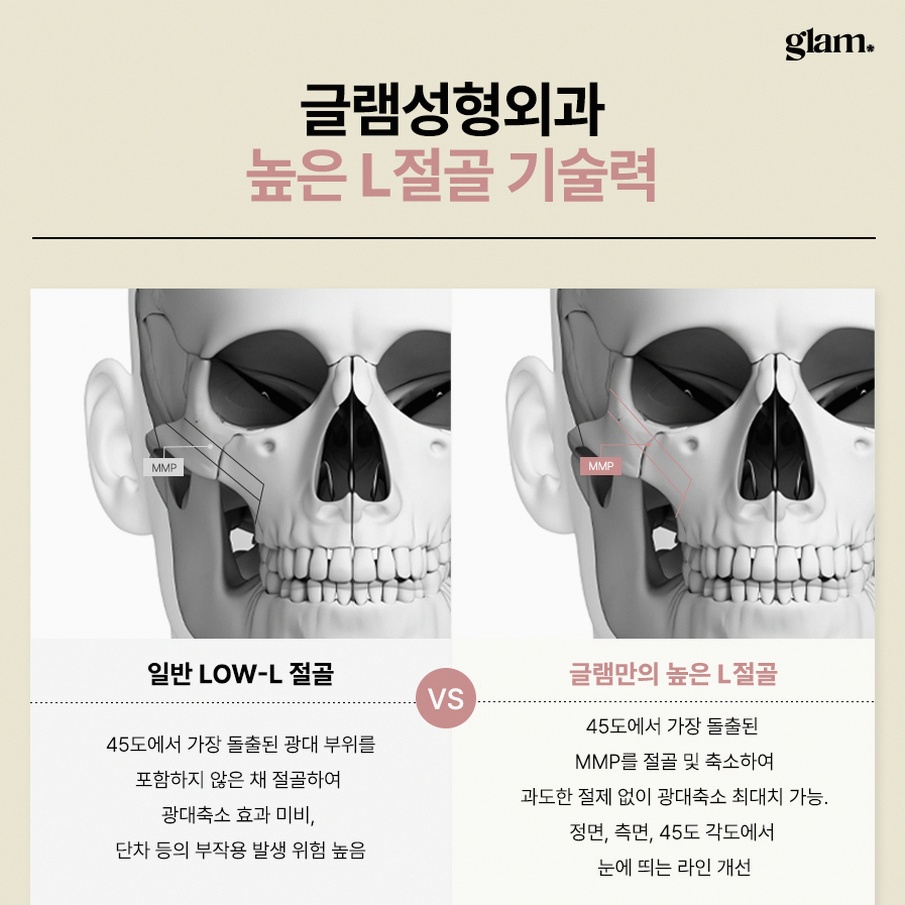
Square jaw reduction is a facial contouring operation that reshapes the mandibular angle and lower jaw to create a slimmer, more oval or V-shaped lower face. It usually involves cutting and contouring the back corner of the jaw and the jaw body so that the face looks less wide from the front and 45-degree view.
Revision square jaw reduction surgery is a secondary operation performed after an earlier jawline reduction. The goal is to correct aesthetic or functional problems that remain or appeared after the first surgery. Because some bone has already been removed and there is scar tissue inside, revision is usually more complex than first-time surgery.
Typical goals of revision include softening an overly sharp or hollow jawline, reducing residual width that still makes the face look square, improving asymmetry between the two sides, smoothing irregular steps or bumps, and restoring more natural angles while keeping the bite and jaw joint stable.
Who may consider revision after square jaw reduction
Not everyone who feels dissatisfied after surgery actually needs revision. However, there are common reasons people start to explore a second operation.
Residual width
Some patients feel that their jaw still looks wide or masculine from the front or 45-degree angle, even after bone was removed. In these cases, there may be remaining thickness in the mandibular body or angle that can be carefully refined.
Over-resection and hollow jawline
Others feel that too much bone was removed. The jawline may look too narrow, sharp, or hollow, and the cheeks may appear sunken, giving an aged or tired look. In such cases, further bone removal is usually not appropriate. Instead, limited augmentation with implants or bone grafts may be considered to restore support.
Asymmetry
One side of the jaw may look longer, lower, or more angled than the other. Asymmetry can come from the original bone structure, the first surgery, or soft tissue behavior during healing. Revision may involve adjusting one or both sides to achieve better balance, but perfect mirror symmetry is rarely realistic.
Step deformity and irregular contour
Some patients can feel or see a step, bump, or uneven line along the jaw where the previous cutting line ended. Revision can sometimes smooth these transitions and blend the contour into a more continuous curve.
Sagging and soft tissue problems
After bone reduction, the overlying soft tissue may lose support and start to sag, creating jowls or loose skin along the jawline. In mild cases, careful bone contouring and time for tissues to adapt may help. In more pronounced cases, separate soft tissue procedures might be needed, and bone revision alone may not fully solve the problem.
Functional discomfort
Some people experience chewing discomfort, a bite that feels slightly off, or tension around the jaw joint after surgery. These issues require careful evaluation of the bite, joint, and muscles. Sometimes they are not best treated by more bone surgery, and dental or joint-focused care may be more appropriate.
Timing for revision
Revision is usually considered only after swelling and tissues have stabilized. In many cases, this means waiting at least 6 to 12 months after the first surgery. During this period, the jawline can continue to change as swelling subsides and soft tissue tightens.
Earlier intervention may be considered if there is a serious complication, but this is less common. A responsible surgeon will check whether your concerns are due mainly to remaining swelling or realistic limits of your facial structure before recommending a second operation.
Realistic candidacy
To be a candidate for revision, there must be enough remaining bone to work with, and your expectations need to be realistic. Revision can improve contour and balance, but it cannot recreate the original untouched bone or completely change the natural width of your face.
Preoperative evaluation for revision square jaw reduction
Because revision surgery is more delicate, preoperative evaluation is especially important. A clinic that focuses on facial bone surgery is often more familiar with interpreting complex images and planning safe revision lines.
Imaging and bone analysis
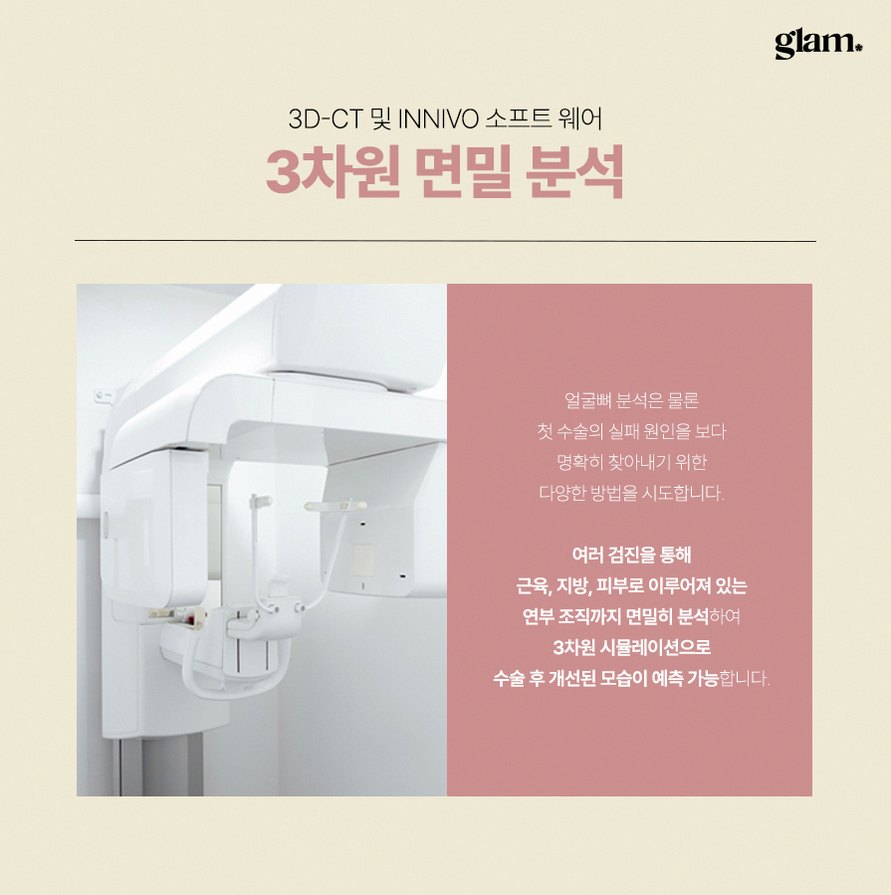
Three-dimensional CT scans and X-rays are used to analyze:
The remaining bone thickness and shape
The position of the inferior alveolar nerve canal
The previous cutting lines and angle
Any irregularities, steps, or asymmetry
These images help the surgeon understand what was done before and what is safely possible now.
Clinical examination and photographs
Facial photographs from the front, side, and 45-degree angles are taken, along with a clinical examination. The surgeon assesses your facial proportions, soft tissue thickness, skin quality, and how your jaw moves when you open and close your mouth.
Bite and jaw joint assessment
Your bite, jaw joint function, and range of mouth opening are checked. Any clicking, pain, or deviation of the jaw when opening can influence the surgical plan or suggest that additional dental or joint treatment might be needed.
Review of previous records
If you have operation records from your first surgery, including CT images and surgical notes, bring them to your consultation. Information such as the type of osteotomy, how much bone was removed, and whether any fixation was used can be very helpful.
Direct planning by the main surgeon
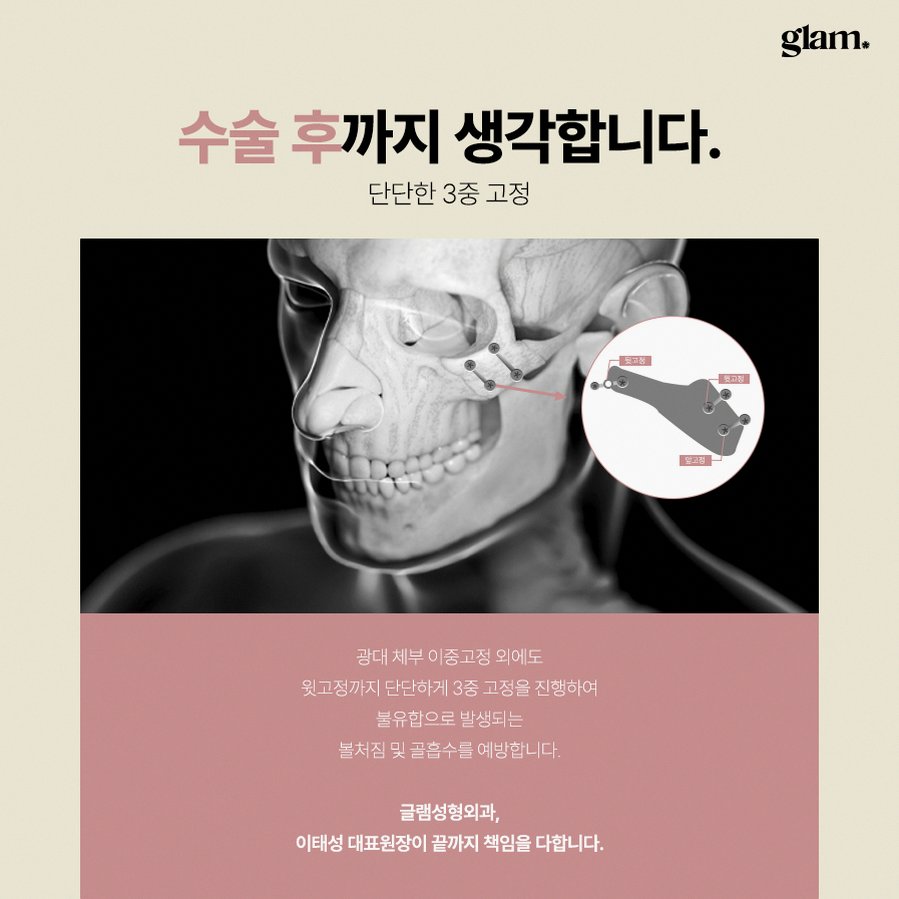
For revision, it is important that the operating plastic surgeon personally evaluates your case and plans the surgery, rather than delegating planning to multiple surgeons. This allows for a consistent understanding from diagnosis to operation.
In many revision cases, the safest plan is to perform the minimum necessary correction instead of aggressive re-cutting. Protecting nerve function and maintaining facial support often takes priority over achieving the absolute slimmest jawline.
Surgical methods used in revision square jaw reduction
The exact method of revision depends on what was done previously and what problems you are facing now. There is no single standard technique; the plan is customized to your anatomy and goals.
Re-contouring remaining bone
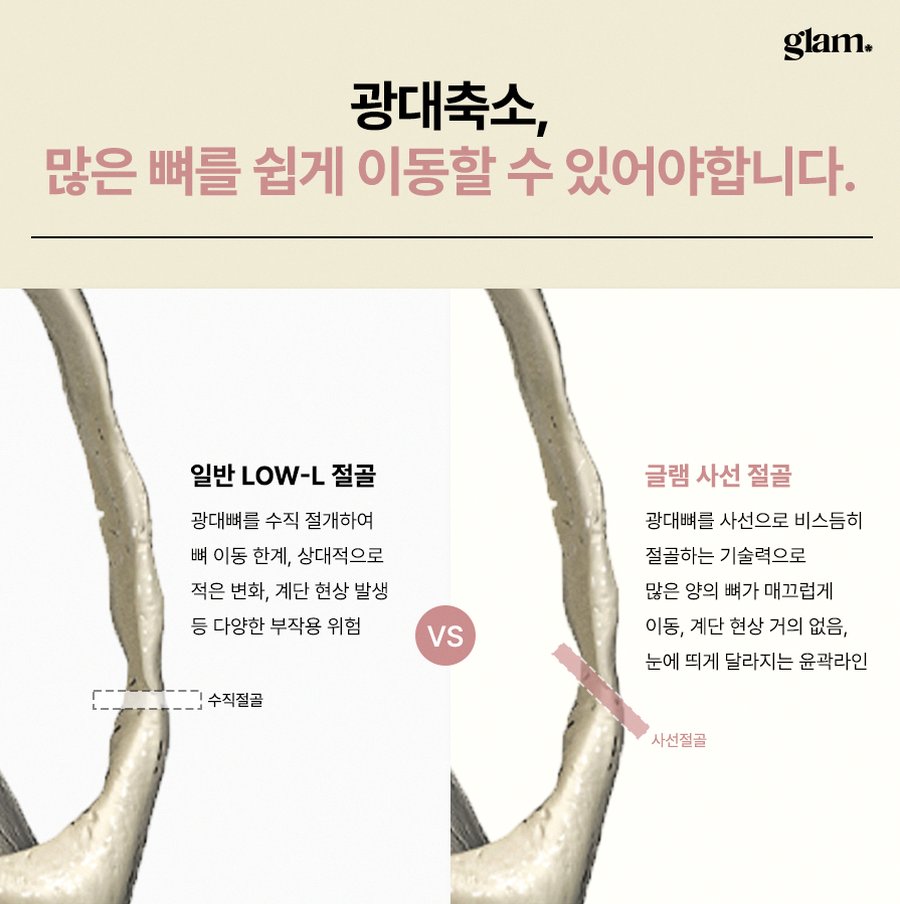
If the jaw still looks wide or there are irregularities, the surgeon may re-contour the remaining mandibular angle and body. The goal is to smooth uneven areas and gently reduce extra width while staying at a safe distance from the nerve canal.
Correcting step deformities
When there is a visible or palpable step where the previous cut ended, revision can blend this area into a smoother curve. This may involve shaving or re-cutting the bone around the step to create a more continuous jawline.
Limited augmentation for over-resection
If too much bone was removed and the jawline appears hollow or aged, further reduction is usually not recommended. Instead, limited augmentation can be considered, such as implants or bone grafts, to restore contour and support soft tissue. The goal is not to make the face wider overall, but to correct overly sharp or sunken areas.
Addressing asymmetry
For asymmetry, the surgeon may adjust one or both sides of the jaw. Sometimes only subtle changes are possible due to nerve position and remaining bone. Achieving better balance, rather than absolute symmetry, is the realistic aim.
Combining with chin or other contouring
In some cases, the overall lower face proportion is the main issue rather than the jaw angle alone. Revision square jaw surgery may be combined with chin contouring or other facial contouring procedures to harmonize the entire lower face. This should be planned carefully to avoid over-treatment.

Incision approach and anesthesia
Revision square jaw reduction is commonly performed through incisions inside the mouth to avoid visible scars. However, no surgeon can promise that there will be absolutely no visible sign, as healing can vary.
Surgery is usually done under general anesthesia. A specialist in anesthesiology (anesthesiologist) is in charge of anesthesia and monitoring throughout the procedure, which supports safety, especially in longer or more complex revision cases.
Priorities in revision surgery
In revision, protecting the inferior alveolar nerve and keeping a stable bite are top priorities. Sometimes the surgeon may intentionally leave a slightly stronger jawline rather than risk nerve damage or functional problems. Clear communication about these priorities before surgery is important.
Risks, limitations, and realistic expectations
Revision surgery generally carries higher risk than first-time square jaw reduction because of scar tissue, altered anatomy, and reduced bone volume. It is important to understand both the potential benefits and the limitations.
Increased complexity
Scar tissue can make dissection more difficult, and the nerve may be closer to the surface after previous bone removal. There is often less room for further reduction, especially in patients who already had aggressive contouring.
Possible complications
Potential complications include:
Numbness or altered sensation in the lower lip or chin
Infection or bleeding
Asymmetry or irregular contour
Prolonged swelling or stiffness
Changes in bite or jaw joint discomfort
Need for further correction if results are not satisfactory
While serious complications are not common, they are possible, and your surgeon should explain them clearly.
Managing expectations
Revision can often improve jawline contour and facial balance, but it may not completely restore your original bone or create a totally new face shape. Some structural limits cannot be overcome safely.
A responsible surgeon may advise against revision if the risk outweighs the potential benefit. In some situations, non-surgical options, soft tissue treatments, or simply more time for healing may be more appropriate than another bone operation.
Recovery and post-operative care after revision
Recovery after revision square jaw reduction is similar to primary surgery, but swelling can last longer because of scar tissue and repeated dissection.
Typical recovery timeline
On the day of surgery, you may stay for observation at the clinic or hospital according to their protocol. Swelling and bruising usually peak during the first week and then gradually improve over several weeks.
You will likely be advised to follow a soft or semi-liquid diet for a period to reduce strain on the jaw. Many patients may resume light daily activities within a week or two, though recovery varies considerably; full bone healing can take several months. The clinic will provide a personalized recovery timeline during consultation.
Longer swelling and numbness
Because this is a second operation, swelling may be more persistent, and numbness or altered sensation can take longer to improve. Your surgeon will monitor these symptoms during follow-up visits.
Supportive aftercare
Some clinics offer post-operative care programs such as LED therapy, facial skin treatments, or radiofrequency lifting devices to support circulation, reduce swelling, and help soft tissue quality. These treatments are supportive and cannot replace proper surgical planning, but they may make the recovery period more comfortable.
It is important to attend all scheduled follow-up appointments and follow instructions about oral hygiene, medications, mouth rinses, sleeping position, and activity restrictions. Good cooperation with aftercare can influence both safety and final appearance.
Preparing for online consultation and your Korea visit
If you live overseas, you will usually start with an online consultation before deciding to travel to Seoul for revision square jaw reduction.
Information to prepare for online consultation
To help the surgeon understand your case, it is useful to prepare:
Clear photos of your face from front, both sides, and 45-degree angles
Any CT scans or X-rays from before and after your first surgery, if available
Operation records or a summary from your previous clinic
A short description of what bothers you most (for example, residual width, asymmetry, hollow jawline, sagging, or discomfort)
Any medical conditions, medications, allergies, or previous surgeries
Having this information ready allows the surgeon to give more specific feedback about whether revision seems possible and what kind of approach might be considered.
Questions to ask during consultation
During your online or in-person consultation, you may want to ask:
What are the main issues you see on my CT and photos?
What changes are realistically possible and what is not advisable?
How will you protect my nerve and bite during revision?
What is the estimated recovery timeline for someone in my situation?
How many revision facial contouring cases do you handle?
These questions can help you compare clinics and understand whether the proposed plan matches your priorities and risk tolerance.
Expected visit timeline for overseas patients
Every clinic has its own schedule, but a common planning framework for revision square jaw reduction in Seoul is as follows.
Before arrival
Complete online consultation and share your images and records.
Receive a preliminary opinion and a suggested minimum stay in Korea.
Confirm surgery date and arrange accommodation near the clinic.
First days in Seoul
In-person consultation with physical examination and updated CT imaging.
Detailed explanation of the surgical plan, risks, and expected recovery.
Preoperative tests such as blood work and general health check.
Day of surgery
Admission, anesthesia review, and operation.
Postoperative observation at the clinic or hospital according to protocol.
First week after surgery
Frequent follow-up visits for wound checks, swelling control, and instructions.
Possible start of supportive treatments such as LED therapy or gentle facial care.
Following 1–2 weeks
Removal of stitches if needed (for any external points) and continued monitoring.
Most overseas patients stay at least 10–14 days in Korea after revision facial bone surgery, but your clinic will advise based on your case.
After returning home
Online follow-up consultations using updated photos and, if needed, CT or X-rays from your local hospital.
Continued observation of sensation, swelling, and jaw function over several months.
How to choose a clinic for square jaw revision in Seoul
When you are planning a second surgery, choosing the right clinic is as important as the surgery itself.
Points to consider
Look for a clinic that specializes in facial bone surgery, focusing on double jaw and facial contouring rather than offering every type of cosmetic procedure. This often means the team spends most of its time on the type of operation you are seeking.
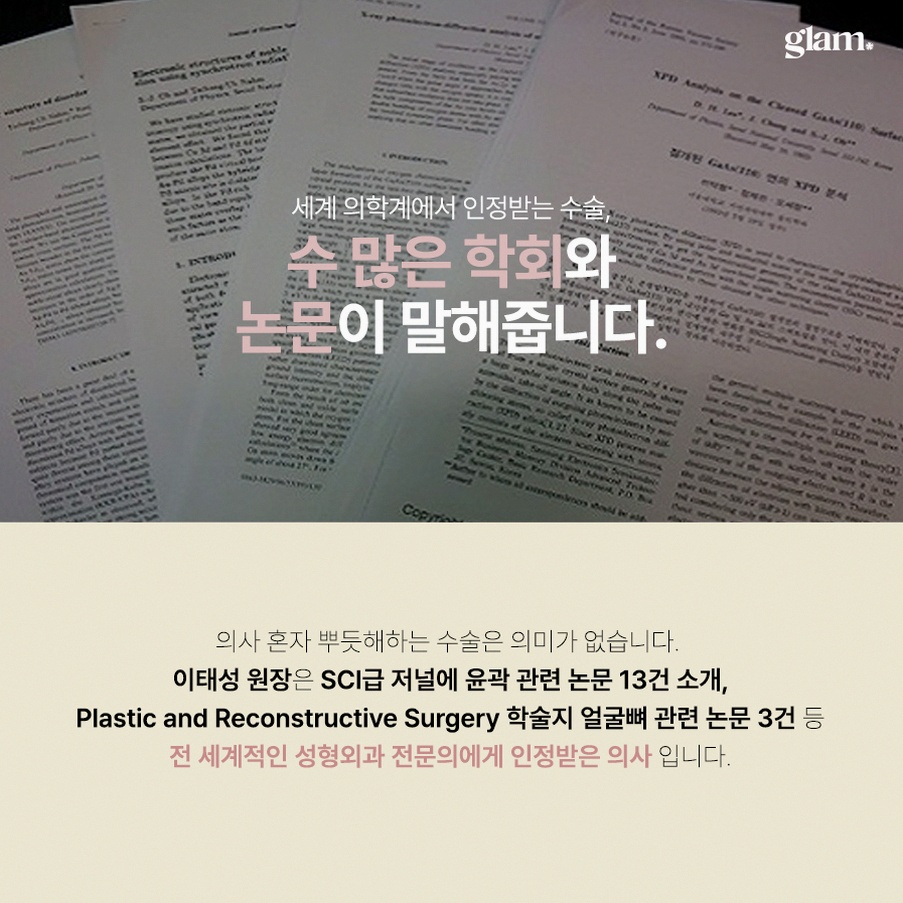
Check that the operating plastic surgeon has long-term experience specifically in facial bone operations and has an academic background in this field, such as publications in recognized journals. This can indicate a systematic approach to planning and safety.
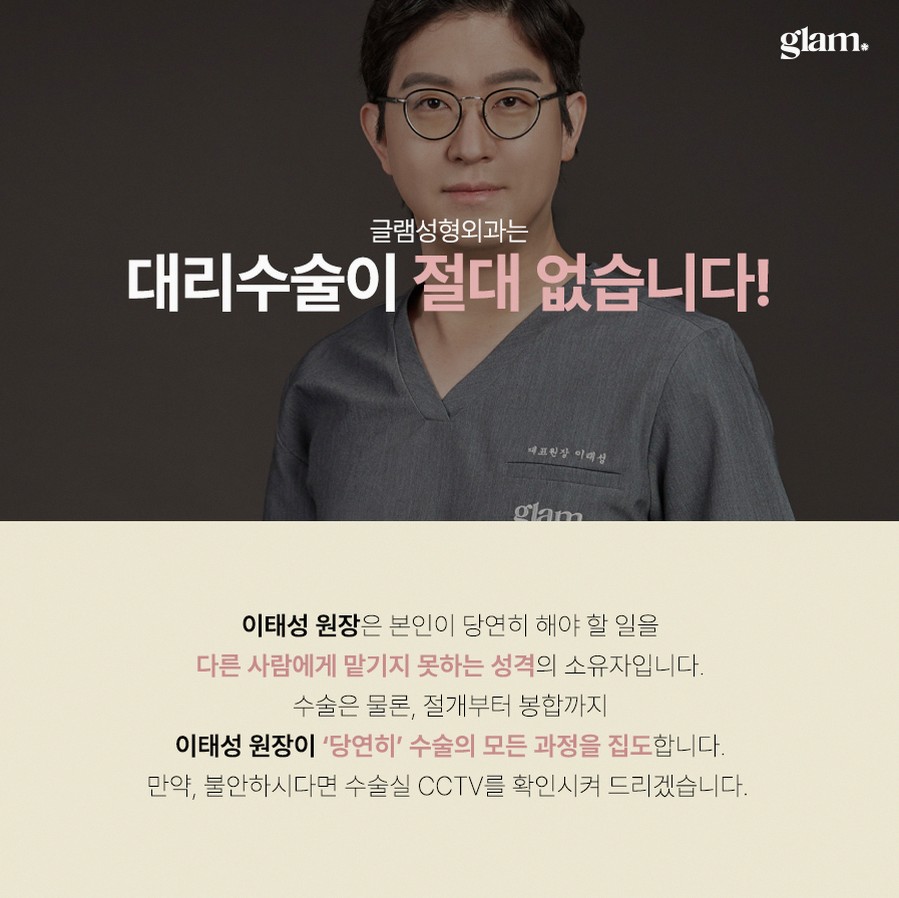
Confirm that the main surgeon will perform your operation personally, not a rotating or substitute surgeon. Consistency from consultation to surgery is especially important in revision cases.
Ask whether a board-certified anesthesiologist is in charge of anesthesia and monitoring throughout the operation. Dedicated anesthesia support is a key part of safety for general anesthesia.
During consultation, pay attention to how clearly the surgeon explains your CT findings, the surgical plan, and what can and cannot be improved. A clinic that is willing to recommend conservative or minimal surgery, or even advise against surgery, is often more focused on safety than on volume.

GLAM Plastic Surgery is a facial bone–focused clinic in Gangnam (near Sinsa Station) that concentrates on double jaw and facial contouring procedures. It operates with one main operating surgeon and a specialist in anesthesiology, and provides multilingual pages for international patients.
FAQ about square jaw reduction revision surgery
How long should I wait before considering revision after square jaw reduction?
In many cases, surgeons recommend waiting at least 6 to 12 months after your first square jaw surgery before planning revision. This allows swelling to fully subside and soft tissues to adapt, so your final contour is visible. Earlier intervention is usually reserved for serious complications. A consultation with updated photos and imaging can help determine whether what you see is still swelling or a true structural issue.
Can revision fix asymmetry and an irregular jawline after my first surgery?
Revision can often improve noticeable asymmetry and irregular steps or bumps along the jawline. By analyzing your CT scans and previous cutting lines, the surgeon may adjust one or both sides to create a smoother and more balanced contour. However, perfect symmetry is rarely possible, and the amount of correction depends on remaining bone, nerve position, and how your soft tissues behave.
Is revision more dangerous than first-time square jaw surgery?
Revision is generally more complex and carries higher risk than first-time surgery because of scar tissue, altered anatomy, and reduced bone volume. The inferior alveolar nerve may be closer to the surface, and there is less room for further reduction. With careful imaging, conservative planning, and experienced facial bone surgeons and anesthesiologists, many patients undergo revision safely, but no surgery is without risk.
What if too much bone was removed in my first operation?
If you feel your jawline is too narrow, sharp, or hollow, further bone removal is usually not the answer. Instead, your surgeon may discuss limited augmentation options, such as implants or bone grafts, to restore some contour and support. The goal is to soften the hollow or overly sharp areas rather than make the face wide again. In some cases, soft tissue-focused treatments may also be considered.
Will I have more swelling and numbness after revision?
Swelling after revision often lasts longer than after primary surgery, and numbness or altered sensation can be more noticeable at first. Most patients see gradual improvement over weeks to months, but recovery speed varies. Your surgeon should explain the expected course in your specific case and monitor your sensation and function during follow-up.
Can I combine square jaw revision with chin or cheekbone surgery?
It is sometimes possible to combine square jaw revision with chin contouring or cheekbone surgery if the overall facial proportion needs adjustment. However, combining multiple procedures increases complexity and recovery demands. A careful consultation is needed to decide whether it is safer to stage operations or perform them together, based on your anatomy, health, and goals.
How do I know if I really need revision or just more time for swelling to go down?

In the first months after surgery, swelling and tissue adaptation can significantly change your appearance. If you are within 3 to 6 months of your first operation, many surgeons will suggest waiting and monitoring changes with photos. If, after 6 to 12 months, you still see clear issues such as persistent asymmetry, steps, or a contour that does not match the surgical plan, a detailed consultation with CT imaging can help determine whether revision is appropriate.
Soft call to action for overseas patients
If you are considering square jaw reduction revision surgery in Seoul and feel unsure about your options, an online consultation can be a safe first step. By sharing your photos, previous records, and concerns, you can receive a realistic opinion about what is possible and whether traveling for surgery makes sense in your case.
GLAM Plastic Surgery, located on the 4th floor of Dosan-daero 138 in Gangnam near Sinsa Station Exit 1, offers facial bone–focused care with multilingual support for international patients. If you wish, you can contact the clinic to arrange an online review of your case and discuss a personalized plan and expected timeline before deciding on your trip.
This article is intended for general information only and does not replace a personal consultation, diagnosis, or treatment plan from qualified medical professionals. Individual situations vary, and all decisions about surgery should be made after direct discussion with an experienced surgeon and anesthesiologist.




- 공유 링크 만들기
- X
- 이메일
- 기타 앱


댓글
댓글 쓰기