Revision in Seoul: realistic outcomes, timing, recovery
- 공유 링크 만들기
- X
- 이메일
- 기타 앱
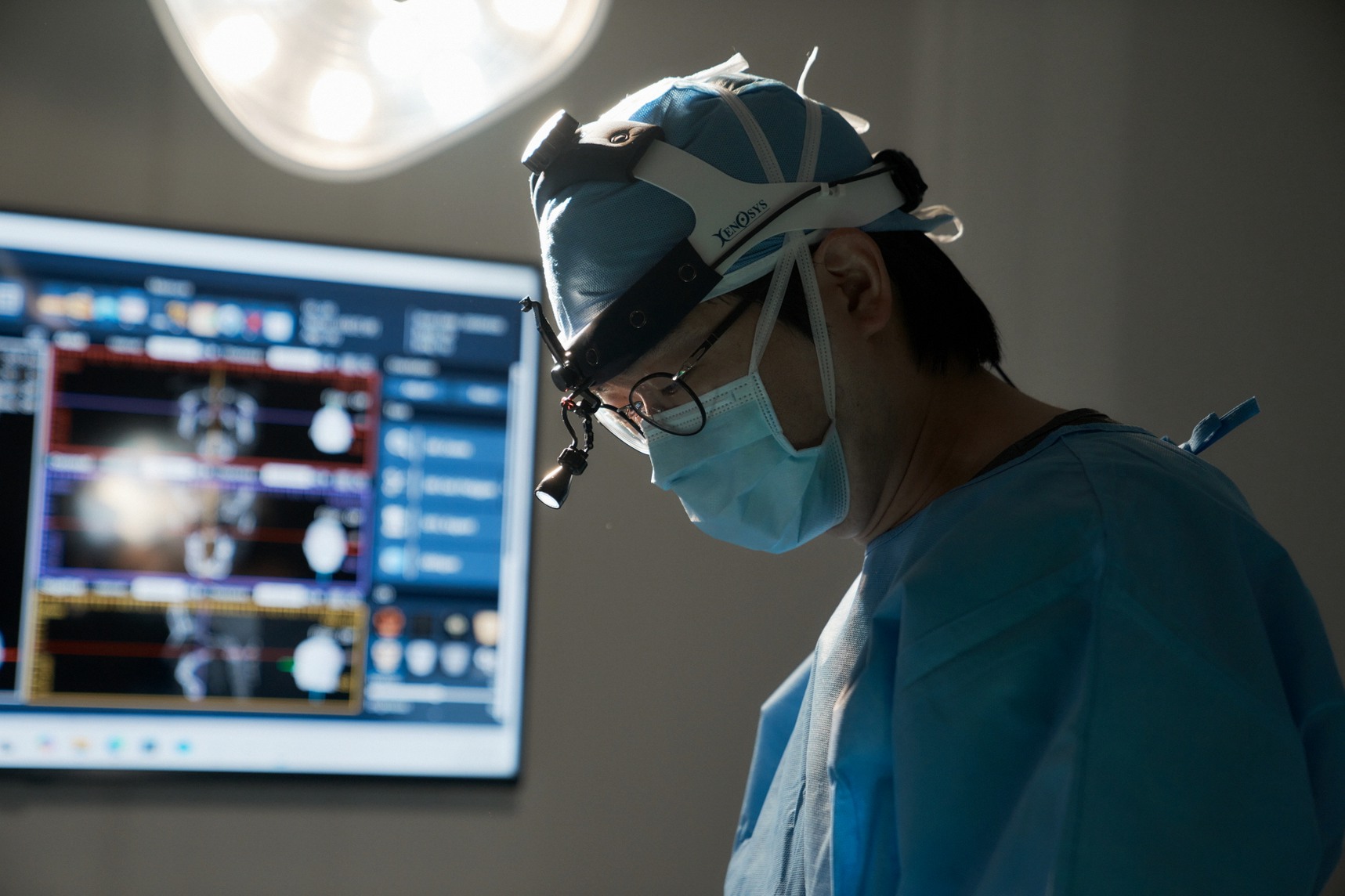
Direct answer summary
Square jaw revision surgery is secondary contouring of the lower jawline after a previous square jaw operation. It is considered when the first surgery left problems such as persistent width, asymmetry, irregular bone edges, or sagging along the jawline. Because the bone has already been cut and healed, revision is more complex than first‑time surgery and requires careful imaging, conservative planning, and attention to both appearance and function. For international patients considering revision in Seoul’s Gangnam area, it is important to understand what can realistically be improved, how to prepare before travelling, and what kind of recovery and follow‑up to expect.
What is square jaw revision surgery
Square jaw revision surgery means re‑contouring the mandibular angle and lower jaw after an earlier jawline reduction or contouring procedure. Instead of working on untouched bone, the surgeon must work around previous cuts, plates or screws if present, and scar tissue.
The main goal is to improve the shape and balance of the lower face while maintaining bone stability and nerve safety. In some cases, the focus is on smoothing irregularities; in others, it may involve correcting asymmetry or addressing a jawline that is still too wide or, conversely, appears overly narrow and aged.
Unlike primary square jaw surgery, revision is not simply about removing more bone. It is about redesigning the remaining bone structure within safe limits and coordinating this with the soft tissues of the face.
Common reasons people seek square jaw revision
Many people who look for revision contouring already waited months after their first surgery and still feel something is not right. Typical concerns include:
Jawline still looks wide or square
Some patients feel that the jaw angle and lower face are still too broad despite surgery. This may happen if the original bone cut was conservative, if only the angle was trimmed but the body of the mandible was left wide, or if muscle and soft tissue volume keep the jaw looking square.
Over‑resection and hollow or aged appearance
The opposite problem is also possible. If too much bone was removed, the lower face can look overly narrow or hollow, especially in three‑quarter view. This may create an aged or tired look, or make the lower face feel structurally weak. In such cases, revision may focus more on smoothing and balancing rather than further reduction, and sometimes on combining bone work with soft tissue procedures.
Asymmetry between left and right sides
After square jaw surgery, some people notice that one side appears longer, sharper, or more angled than the other. This asymmetry can be visible in photos or when looking in the mirror, or it may be felt when touching the jawline. Revision may aim to bring both sides closer in shape and length, within the limits of the remaining bone.
Step deformity and irregular bone edges
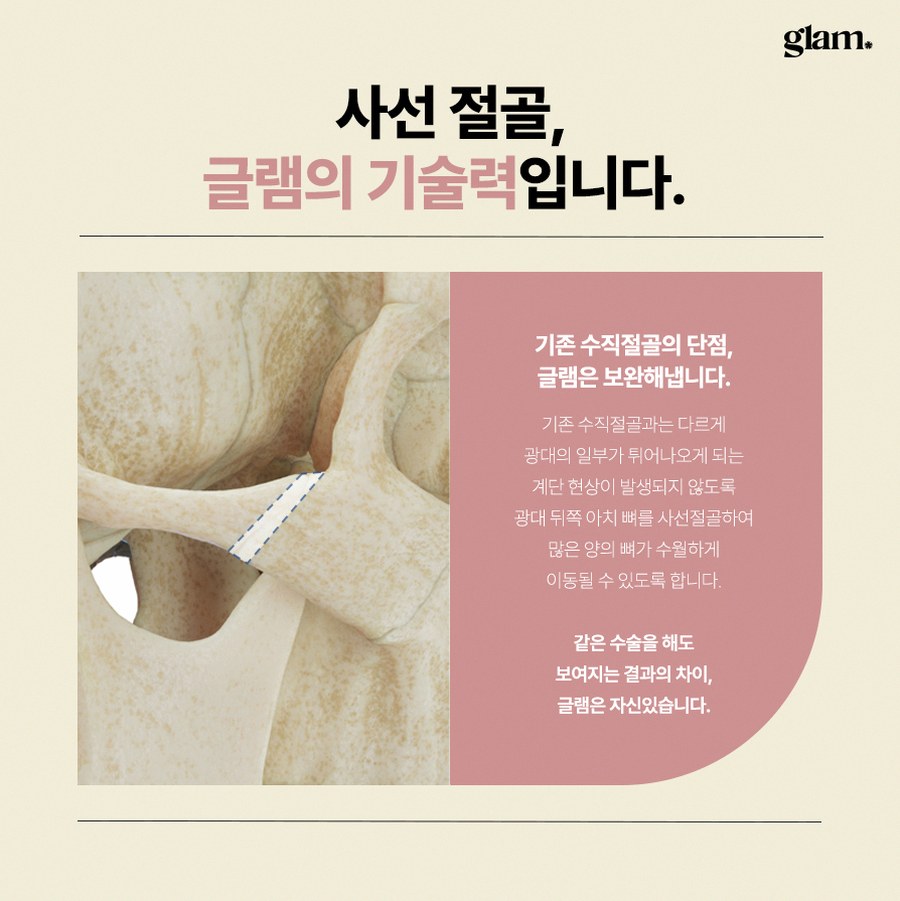
A step deformity means there is a noticeable “step” or bump where two bone segments meet, often between the angle cut and the body of the mandible. Patients sometimes feel a ridge or unevenness when they run their fingers along the jawline. Revision contouring can include smoothing and blending these transitions to create a more continuous, natural line.
Soft tissue sagging and unnatural shadows
When bone is reduced, the overlying skin and soft tissue must adapt to a smaller framework. In some people, this leads to jowls, loose skin, or deep shadows along the jawline and under the chin. If further bone is removed without planning for soft tissue support, sagging can worsen. Revision planning often considers whether lifting, tightening, or volume restoration procedures should be combined with bone work.
Functional discomfort and bite concerns
Some patients report discomfort when chewing, stiffness, or a feeling that the bite is “off” after their first jaw surgery. Mild issues may improve with time, but persistent or severe problems need careful evaluation. In certain cases, the root cause is related to jaw position and may require orthognathic surgery or orthodontic treatment rather than, or in addition to, angle revision. A responsible surgeon will explain these distinctions and avoid over‑promising what contouring alone can achieve.
How revision square jaw surgery differs from first‑time surgery
Revision jawline surgery is generally more complex than primary surgery for several reasons.
Scar tissue and altered anatomy
The first operation leaves scar tissue inside the mouth and around the jawbone. This scar tissue makes dissection more difficult and can increase the risk of bleeding or nerve irritation. The natural anatomical layers are not as clear as in untouched tissue, so the surgeon must proceed slowly and carefully.
Limited remaining bone volume
Because bone has already been cut and healed, there is less material to work with. The thickness and shape of the remaining mandible limit how much further reduction or reshaping is safe. Over‑reduction can weaken the bone or create an overly hollow appearance. This is why revision usually follows the principle of minimum necessary correction.
Nerve safety becomes even more critical
The inferior alveolar nerve runs inside the mandible and exits as the mental nerve near the chin, providing sensation to the lower lip and chin. After previous bone removal, the nerve may lie closer to the old cutting line. During revision, the surgeon must protect this nerve while reshaping the bone, as further manipulation can increase the risk of numbness or altered sensation.
Soft tissue adaptation
Soft tissues have already adapted to a new bony framework. If additional bone is removed without considering the skin and muscle, sagging and irregular contours can worsen. Revision planning often includes strategies to support or reposition soft tissue, or to avoid over‑resection in areas where the skin is already loose.
Who may consider square jaw revision
Timing after the first surgery
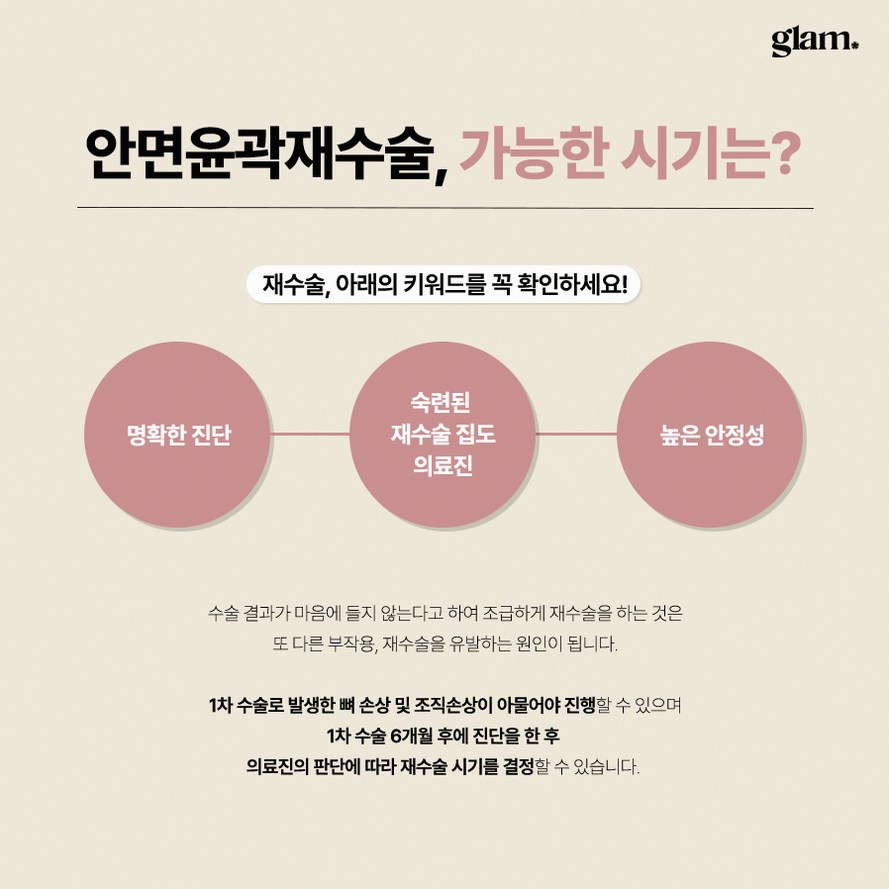
Before thinking about revision, enough time should usually pass for swelling to settle and bone to heal. This often means at least several months, and many surgeons prefer to wait around 6 to 12 months, depending on the case. Only after this period can the final contour and any true asymmetry or irregularity be accurately assessed.
Realistic expectations
Revision surgery can improve many issues, but it cannot always create a completely new face shape or erase all traces of the original structure. Good candidates understand that:
They may see meaningful improvement, not perfection.
Some limitations are due to bone volume, nerve location, and previous surgical changes.
In very complex cases, more than one staged procedure or additional types of surgery may be needed.
Typical evaluation before deciding on revision
A thorough assessment is essential before planning revision square jaw surgery. This usually includes:
Detailed history
The surgeon will ask about your previous operations, including where and when they were done, what techniques were used if known, and how your recovery went. Operative notes and previous imaging, if you can obtain them, are very helpful.
Clinical examination
The doctor examines facial symmetry, jawline contour, mouth opening, and soft tissue condition. They may gently palpate the jawline to feel for step deformities or irregularities and assess muscle tension.
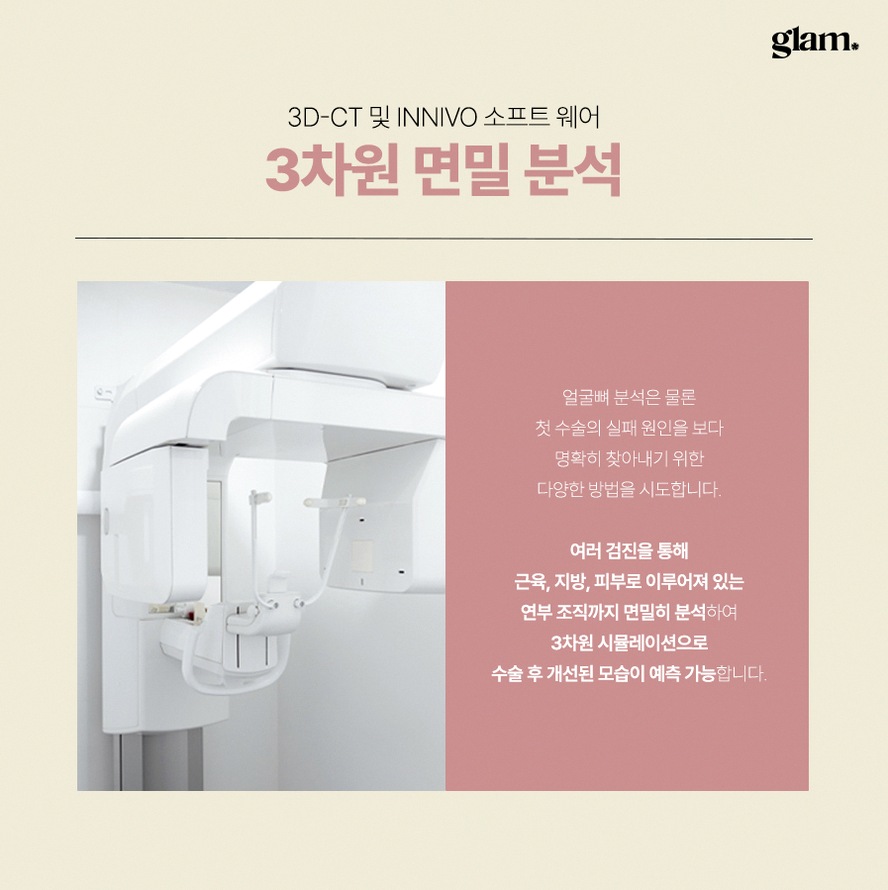
Imaging and 3D analysis
Facial bone X‑rays and 3D CT scans are commonly used to see the exact shape of the mandible, previous cutting lines, remaining bone thickness, and the approximate course of the nerve. This imaging helps in designing a new contour that smooths irregularities while preserving strength.
Bite and function check
Your bite and jaw movement are evaluated. If there are significant occlusal problems or jaw joint symptoms, the surgeon may discuss whether orthognathic surgery or other treatments are more appropriate than simple angle revision.
When revision may be limited or not advised
In some situations, revision contouring may offer only modest benefit or may not be recommended at all. Examples include:
Bone that is already very thin with little safe margin for further reshaping.
Severe nerve damage or functional issues that contouring alone cannot correct.
Expectations that focus on dramatic changes beyond what the existing anatomy can support.
In these cases, honest discussion about risks and realistic outcomes is crucial.
Planning a revision square jaw procedure
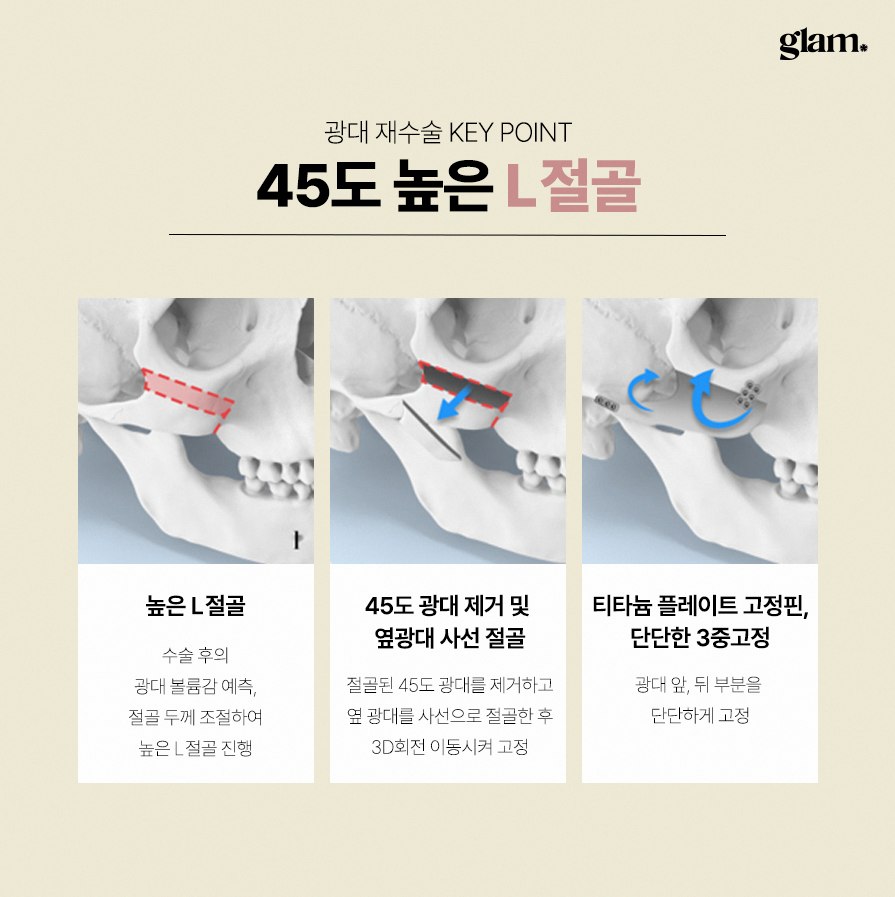
Individualized 3D planning
For revision cases, 3D analysis of the mandible is often used to plan the new contour line. The aim is to:
Smooth step deformities and irregular edges.
Improve symmetry between left and right sides.
Maintain enough bone thickness for stability and nerve protection.
The surgeon may decide whether to focus mainly on the angle, the body of the mandible, the chin, or a combination of these areas.
Considering combined procedures
Because soft tissue problems are common after bone reduction, revision planning may include:
Soft tissue lifting or tightening to address jowls or sagging.
Fat grafting or other volume restoration to soften a hollow or overly sharp lower face.
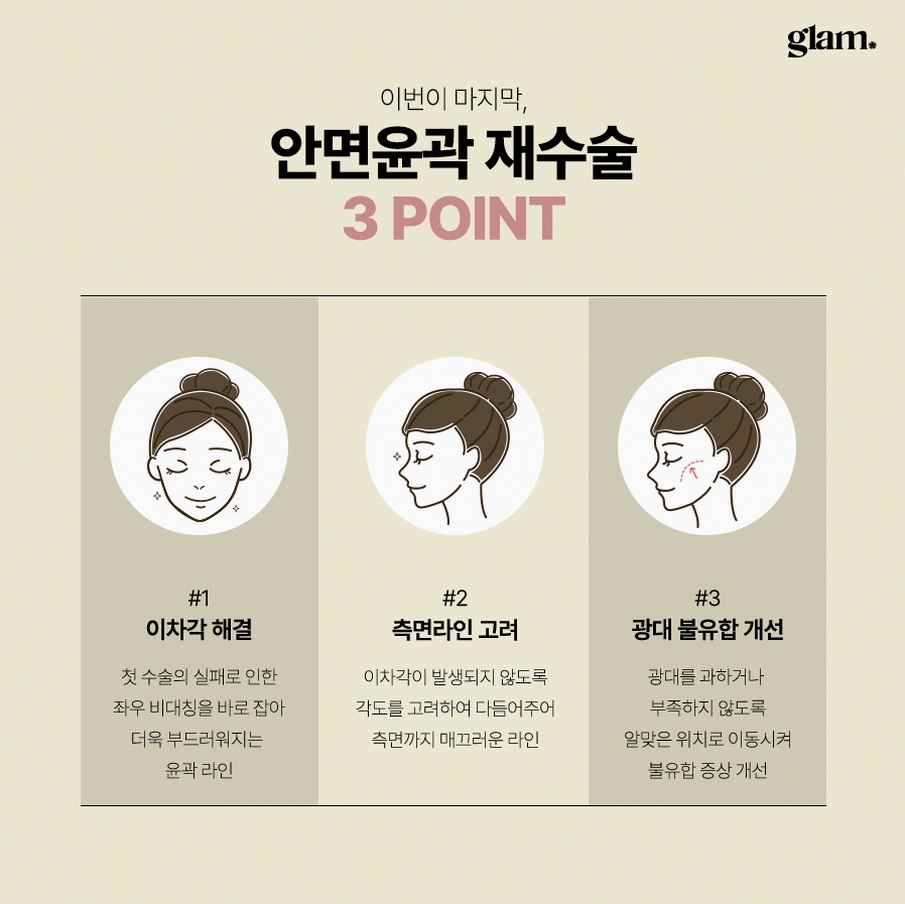
Skin tightening or supportive treatments to improve the envelope over the new bone contour.
These are not substitutes for proper bone surgery, but they can complement it to achieve a more harmonious result.
Minimum necessary correction
A key principle in revision surgery is to do the minimum necessary correction rather than aggressive resection. The goal is a smoother, more natural jawline that fits the rest of the face, not simply the smallest possible jaw. Over‑reduction can lead to structural weakness, irregular soft tissue draping, and difficulty with further revision if ever needed.
Surgical approach and techniques in revision square jaw surgery
Incision approach
Most revision square jaw surgeries are performed through incisions inside the mouth to avoid additional visible scars. However, the exact approach depends on how the first surgery was done, whether there are existing scars, and the current anatomy.
Releasing scar tissue and identifying previous cuts
During surgery, the surgeon carefully releases internal scar tissue to access the mandible. They identify the previous osteotomy line and any plates or screws if present. This step is delicate because scar tissue can obscure normal landmarks, and the nerve may be closer to the surface.
Reshaping and contouring maneuvers
Depending on your specific issues, revision may include:
Smoothing rough or protruding bone edges to reduce palpable or visible bumps.
Limited additional reduction of the angle or mandibular body where safe and appropriate.
Adjusting the contour to improve symmetry between the two sides.
In some cases, combining with chin contouring to harmonize the entire lower face line.
Throughout the procedure, nerve protection and preservation of bone strength are key priorities.
Risks, limitations, and safety considerations
Increased risk compared with primary surgery
Because of scar tissue and altered anatomy, revision square jaw surgery carries higher risks than first‑time surgery. Possible complications include:
Temporary or, in rare cases, permanent numbness or altered sensation in the lower lip and chin.
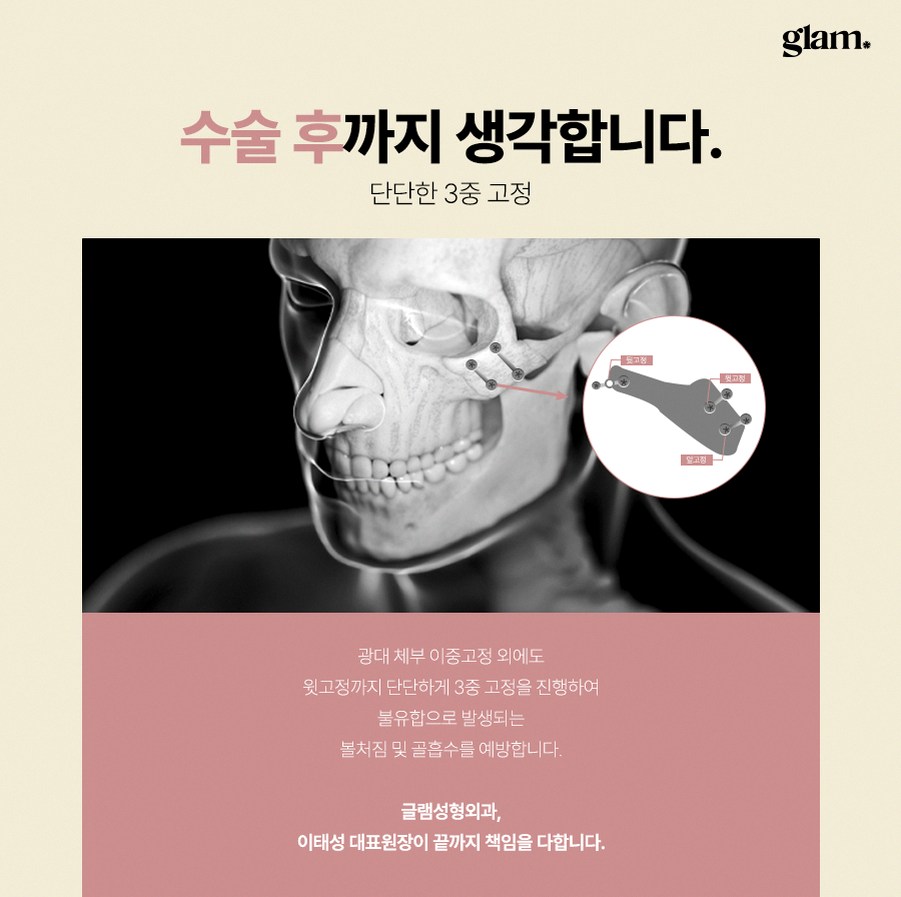
Bleeding, infection, or delayed bone healing.
Residual asymmetry or contour irregularity, especially if the starting anatomy is severely distorted.
Worsening of soft tissue sagging if bone is over‑reduced without adequate support.
Choosing an experienced team
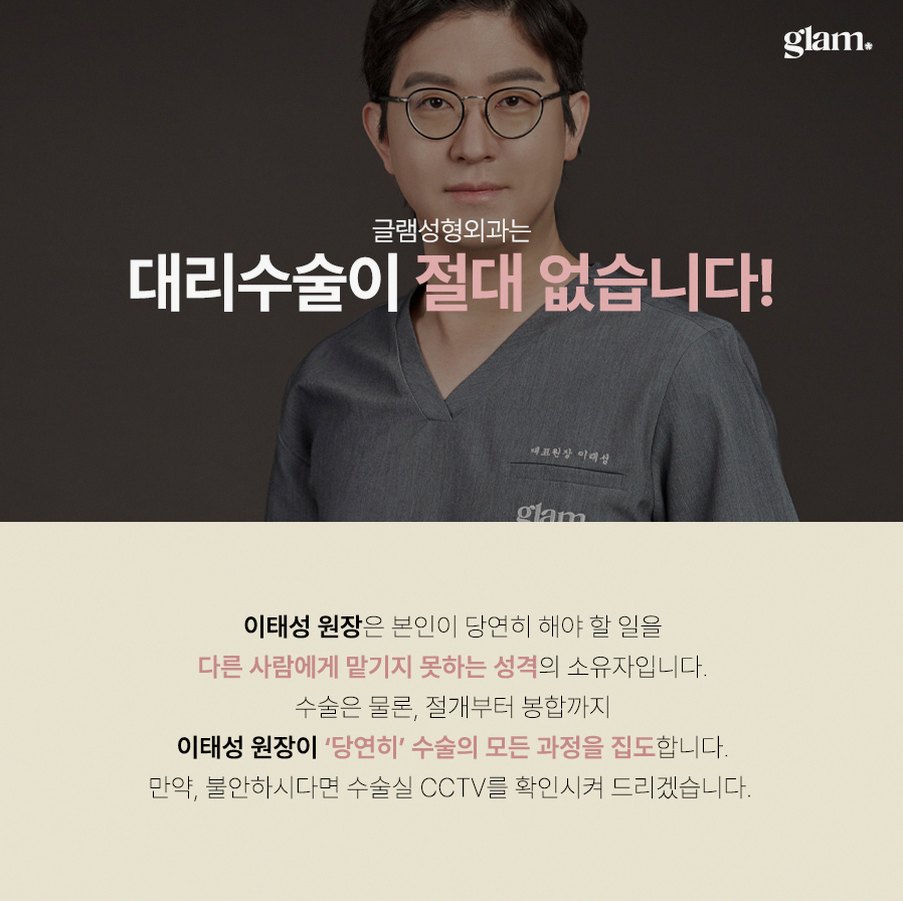
For complex revision, many patients look for a board‑certified plastic surgeon with substantial experience in facial bone and revision contouring, supported by a dedicated anesthesiology specialist for longer surgeries. Academic activity, such as publications on contouring and orthognathic surgery, can be one objective indicator of focused expertise, although it does not guarantee specific results.
GLAM Plastic Surgery, located near Sinsa Station in the Gangnam area of Seoul, focuses exclusively on facial bone procedures such as orthognathic surgery and facial contouring. The lead surgeon has about 20 years of experience in facial bone operations as of February 2025 and has authored multiple scientific papers on contouring and jaw surgery. The clinic includes an anesthesiologist (specialist in anesthesiology and pain medicine) on staff and states that the lead surgeon performs the operations personally while recommending only the minimum necessary surgery after evaluation.
Recovery after revision square jaw surgery
Swelling and healing course
Swelling after revision is often more pronounced and may last longer than after primary surgery because tissues are being re‑opened and scar tissue is being released. Bruising can also occur. The final contour usually takes time to settle as swelling gradually subsides.
Diet and jaw care
A soft diet is generally recommended for a period after surgery to protect the jaw and intraoral incisions. You will be advised to avoid hard or chewy foods and to follow any instructions about mouth opening and jaw movement.
Oral hygiene
Because incisions are inside the mouth, good oral hygiene is important. Surgeons often recommend gentle brushing techniques and antiseptic mouth rinses to reduce infection risk. Smoking and alcohol are usually discouraged during the early healing phase.
Follow‑up and imaging
Regular follow‑up visits allow the surgeon to monitor healing, check for signs of infection, and assess symmetry as swelling decreases. Additional imaging may be taken to confirm bone healing and the position of the new contour.
Supportive post‑operative care
Some clinics provide post‑operative care programs such as LED therapy, facial skin care, or radiofrequency lifting. These are supportive measures that may help with swelling reduction and skin condition, but they do not replace the need for careful surgery and proper healing time.
Planning your visit to Korea for revision surgery
Online consultation and pre‑visit preparation
If you are an overseas patient, your first step is usually an online consultation. To make this as productive as possible, prepare the following in advance:
Clear photos of your face from the front, both sides, and 45‑degree angles.
If possible, photos from before your first surgery for comparison.
Any previous X‑rays or CT scans you can obtain.
Operative reports or a summary from your previous surgeon, if available.
A written list of what specifically bothers you: for example, “left side angle looks lower,” “jawline still wide in front view,” “step I can feel on the right,” or “sagging along the jawline.”
During online consultation, ask about:
Whether revision seems feasible in your case.
What the main goals of surgery would be.
What limitations the surgeon anticipates.
How long you should stay in Korea for surgery and follow‑up.
Expected Korea visit timeline
Every clinic has its own protocol, but a typical visit for an international revision patient may look like this:
Initial online consultation and review of photos and any existing imaging.
Arrival in Seoul and in‑person consultation, including examination and new imaging such as 3D CT.
Discussion of the final surgical plan, risks, and consent.
Surgery day with hospital stay or monitored recovery as advised.
Early post‑operative checks to monitor swelling, incision healing, and any early issues.
Final check before you fly home, with instructions for care and information on how to contact the clinic if questions arise.
Clinics that work with international patients often provide multilingual support in languages such as English, Japanese, or Thai, and can help coordinate schedules to fit your travel plans as safely as possible.
How to prepare questions and compare clinics
Before you commit to travelling for revision surgery, it can be helpful to prepare a checklist of questions, such as:
How many revision square jaw cases does the surgeon perform regularly?
What imaging and planning tools will be used for my case?
Who will be responsible for anesthesia and monitoring during surgery?
What is the recommended length of stay in Korea after surgery?
How will follow‑up be handled once I return to my home country?
Instead of focusing only on cost, pay attention to factors such as the surgeon’s experience with revision contouring, the clinic’s focus on facial bone surgery, the presence of in‑house anesthesiology, and the clarity of their explanation about risks and realistic outcomes.
Frequently asked questions about square jaw revision
Is square jaw revision surgery always possible if I am unhappy with my first result?
Not always. Whether revision is possible depends on how much bone remains, the position of the nerve, the condition of your bite and jaw joints, and the nature of your concerns. In some cases, only minor smoothing is safe; in others, more substantial reshaping is feasible. A proper examination and imaging are needed before any responsible surgeon can answer this for your specific situation.
How long should I wait after my first square jaw surgery before considering revision?

In general, you should wait until swelling has largely resolved and bone healing is stable. Many surgeons prefer to wait at least several months, often around 6 to 12 months, but the exact timing depends on your healing and the type of initial surgery. Discuss timing with your surgeon; rushing into revision too early can lead to inaccurate assessment and unnecessary risk.
Will revision square jaw surgery fix my bite problems?
Revision contouring focuses mainly on the shape of the jawline rather than the position of the upper and lower jaws relative to each other. If your bite problem is due to jaw position, you may need orthognathic surgery or orthodontic treatment instead of, or in addition to, angle revision. Your surgeon should evaluate your occlusion and explain which approach is more appropriate for your case.
What kind of results can I realistically expect from revision?
Realistic expectations are essential. Revision surgery can often improve asymmetry, reduce noticeable steps or bumps, and refine a jawline that is too wide or too sharp. However, it may not be able to create a completely different face shape or correct every minor irregularity, especially when bone is already thin or anatomy is severely altered. Your surgeon should show you, using imaging and examination, what changes are likely achievable and where limitations exist.
Considering next steps
If you are unhappy after previous square jaw surgery and are exploring revision options in Seoul, start by gathering your medical records, imaging, and clear photos. An online consultation with a clinic that focuses on facial bone surgery, such as GLAM Plastic Surgery near Sinsa Station in Gangnam, can help you understand whether revision is appropriate, what the main goals would be, and how to plan your visit to Korea.
Always remember that online information and photos cannot replace an in‑person evaluation with proper imaging. Take time to ask detailed questions, compare professional opinions if needed, and choose a team that explains both possibilities and limitations clearly before you decide on revision surgery.




- 공유 링크 만들기
- X
- 이메일
- 기타 앱


댓글
댓글 쓰기