revision in Seoul: candidacy, risks, and specialist evaluation
- 공유 링크 만들기
- X
- 이메일
- 기타 앱
Direct answer summary
Square jaw revision surgery is a secondary facial contouring operation on the mandibular angle and lower jawline, performed after a previous square jaw or facial contouring procedure. It can address remaining width, asymmetry, irregular bone cuts, or an overly hollow and aged-looking lower face, and may also help with functional issues such as bite discomfort or joint strain. Because bone and soft tissue have already been altered once, revision is more complex than first-time surgery and should be planned conservatively at a clinic that specializes in facial bone work.
This guide explains what square jaw revision involves, who may consider it, how evaluation and surgery are typically carried out in Seoul’s Gangnam area, what overseas patients can expect when visiting Korea, and how GLAM Plastic Surgery approaches this type of facial bone revision.
Treatment overview – what is square jaw revision surgery
Square jaw revision surgery is a procedure focused on reshaping the mandibular angle and lower border of the jaw after a previous contouring or angle reduction operation. Instead of starting from untouched bone, the surgeon works with bone that has already been cut, shaved, or repositioned.
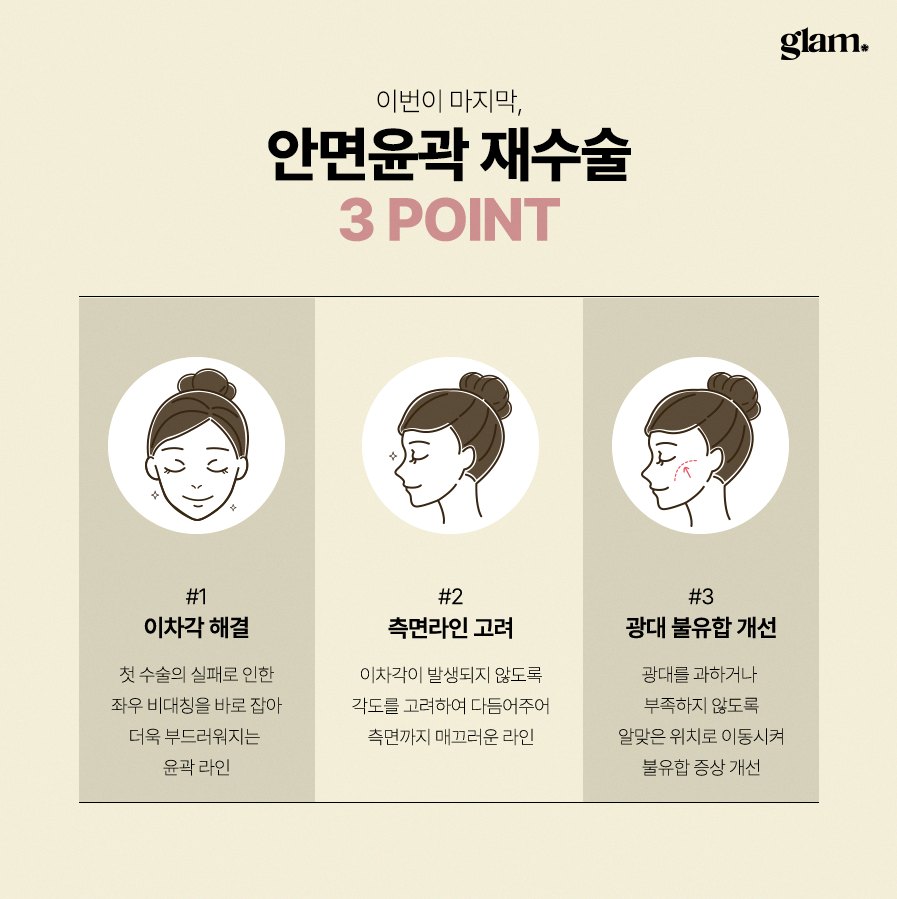
The main goals of revision can include refining residual width when the previous reduction was too conservative, correcting left–right asymmetry, smoothing step deformities and bumps along the lower border, softening an overly sharp or hollowed jawline after excessive bone removal, and improving functional issues such as chewing discomfort, bite changes, or tension around the jaw joint.
Unlike primary square jaw surgery, revision is less about making the jaw as small as possible and more about restoring balance, regularity, and function within the limits of the remaining bone and soft tissue. This usually calls for careful analysis, limited bone work, and a realistic discussion of what can and cannot be changed.
Why revision is more complex than first-time surgery
In revision cases, the anatomy has already been altered. Scar tissue surrounds the bone, the original angle may be missing or irregular, and the course of the nerve can be closer to the surface than before. Bone volume is reduced, and the previous cut lines may create steps or thin segments.
All of this makes re-operation technically more demanding. Access can be more difficult because of scarring. The risk of nerve irritation or numbness is higher. There is less room to remove additional bone safely. For these reasons, revision surgery requires more detailed imaging, more conservative planning, and a surgeon who is accustomed to working with altered facial bone.
Who may consider square jaw revision surgery
People seek square jaw revision for a range of aesthetic and functional reasons. Some feel that their face still looks wide from the front because the outer cortex or lower border of the mandible was not sufficiently reduced. Others feel the opposite: the jawline looks too thin, long, or aged, with a hollowed lower face that does not match the rest of their features.
Asymmetry is another common concern. After the first surgery, one side may look lower, shorter, or more angled than the other, especially in oblique or profile views. Some patients can feel or see step deformities, small bumps, or irregularities when they touch along the lower jawline.
There are also functional reasons. Changes in chewing comfort, bite contact, or new tension and pain around the jaw joint can appear after previous contouring. Even when imaging shows that the bone is stable, these symptoms can be bothersome and may need to be considered in planning.
Finally, some patients simply feel that the overall facial balance is not what they expected. The lower face may not match the cheekbone, chin, or midface proportions. In these cases, revision planning often includes not only the angle but also the chin area to restore harmony.
Not everyone is a candidate for revision
Even if you are dissatisfied with a previous square jaw operation, revision is not always possible or advisable. Several factors must be evaluated before deciding on surgery.
Remaining bone thickness is crucial. If the previous surgery already removed a large amount of bone, there may not be enough safe margin to cut more without risking nerve damage or structural weakness. The location of the inferior alveolar nerve canal must be checked carefully on 3D imaging.
The condition of the temporomandibular joints and your bite also matters. If joint problems or malocclusion are present, they may need to be addressed in a broader treatment plan, and sometimes non-surgical management is recommended first.
Soft tissue laxity is another factor. When bone is reduced, the overlying soft tissue can become looser. Further reduction may increase sagging rather than improve contour. In such cases, expectations must be adjusted, and sometimes a combination of bone and soft tissue approaches is discussed.
Above all, realistic expectations are essential. Revision surgery can improve many issues but cannot recreate bone that has already been removed or guarantee perfect symmetry. A careful consultation is necessary to understand what is achievable in your specific case.
How revision square jaw cases are evaluated
For safe and effective revision, preoperative evaluation is the core of planning. At a facial bone focused clinic in Gangnam, the process usually begins with a detailed consultation about your previous surgeries. The surgeon will ask when and where they were done, what techniques were used if you know, and whether you had any complications such as infection, prolonged numbness, or bite changes.
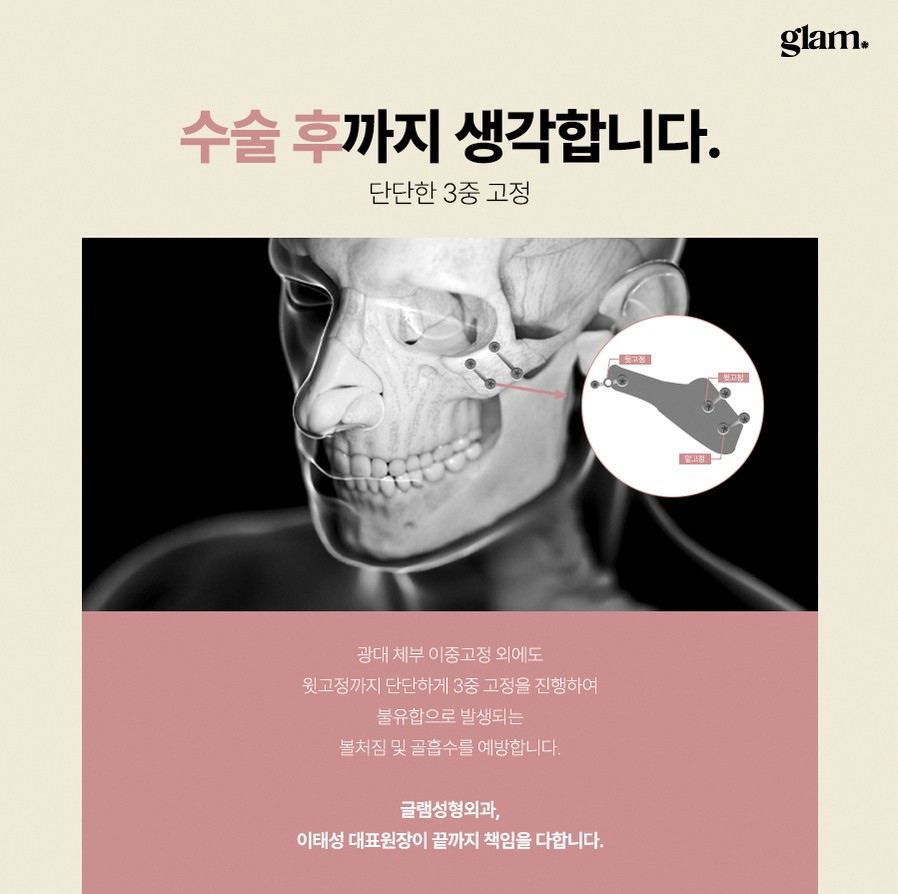
If you have past medical records, operative notes, or previous CT scans, bringing them is very helpful. They can show the original bone shape, the amount and pattern of reduction, and any plates or screws that may have been used.
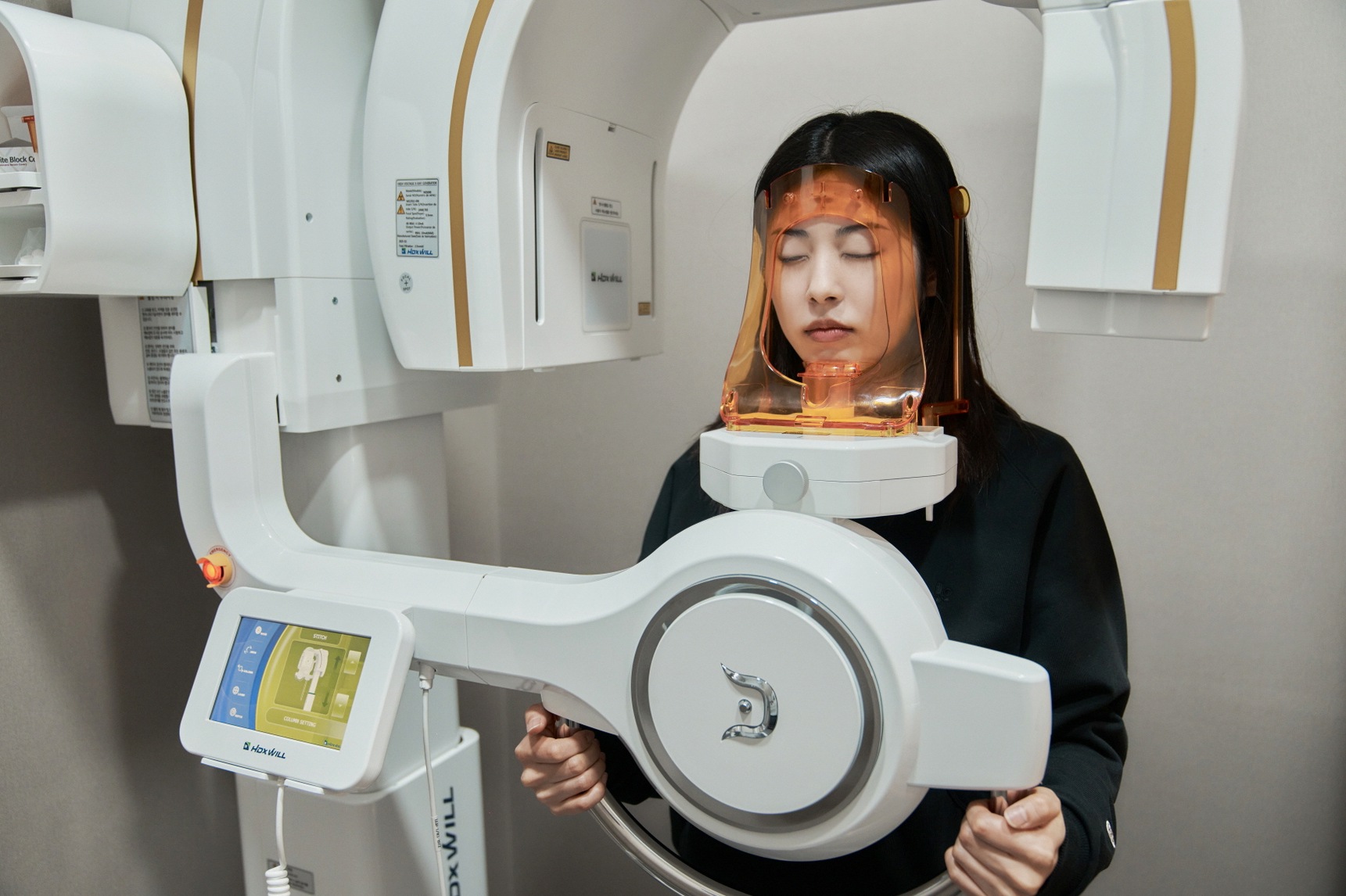
Current imaging is essential. 3D CT and X-rays are used to analyze the remaining bone volume, the shape of the mandibular angle, and the exact position of the nerve canal. These images help identify irregularities, step deformities, or areas where the bone is too thin for further reduction.
Facial balance is assessed from the front, oblique, and profile views. The surgeon will look at how the jawline relates to the chin, cheekbones, lips, and nose, and will discuss what kind of change is realistically possible without compromising function.
A functional assessment includes checking your bite, how wide you can open your mouth, and whether there are signs or symptoms of temporomandibular joint strain. All of this information is combined to create a conservative plan that aims to correct the main problems while avoiding unnecessary or aggressive bone removal.
Surgical approach and techniques in revision jawline surgery
Revision square jaw surgery is usually performed under general anesthesia to keep the airway secure and allow the surgeon to operate without patient movement. In a specialized setting, anesthesia is managed by a board-certified anesthesiology and pain medicine specialist who oversees monitoring and patient safety throughout the procedure.
To avoid additional visible scars, intraoral incisions inside the mouth are commonly used. When possible, previous incision lines are reused. Through this access, the surgeon carefully releases scar tissue to expose the bone while protecting the soft tissue envelope.
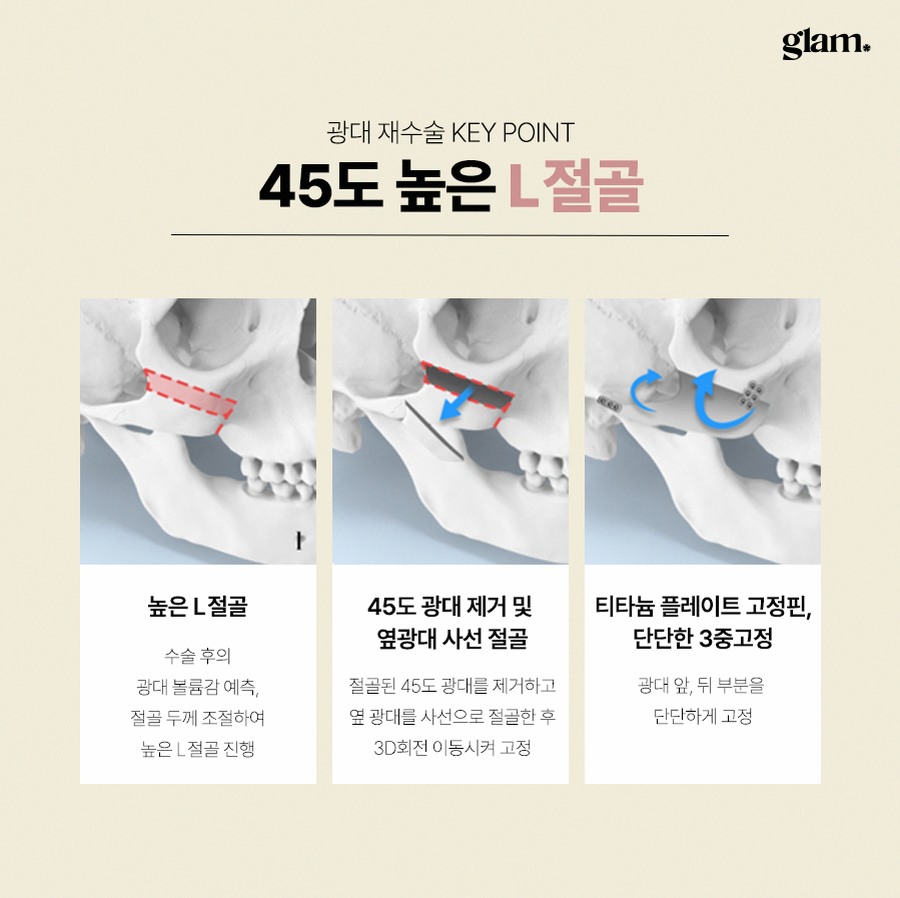
The techniques used depend on your specific issues. For residual width or irregularities, the surgeon may smooth rough bone edges, correct step deformities, and perform limited additional reduction along the angle or lower border. If the chin is contributing to imbalance, gentle contouring or reshaping of the chin area may be added to harmonize the lower face.
In cases of over-resection where the jawline appears too thin or hollow, the plan may be different. Instead of removing more bone, the surgeon may consider adding support through bone grafts or implants to restore volume and a more natural curve. This type of reconstructive revision requires particularly detailed planning.
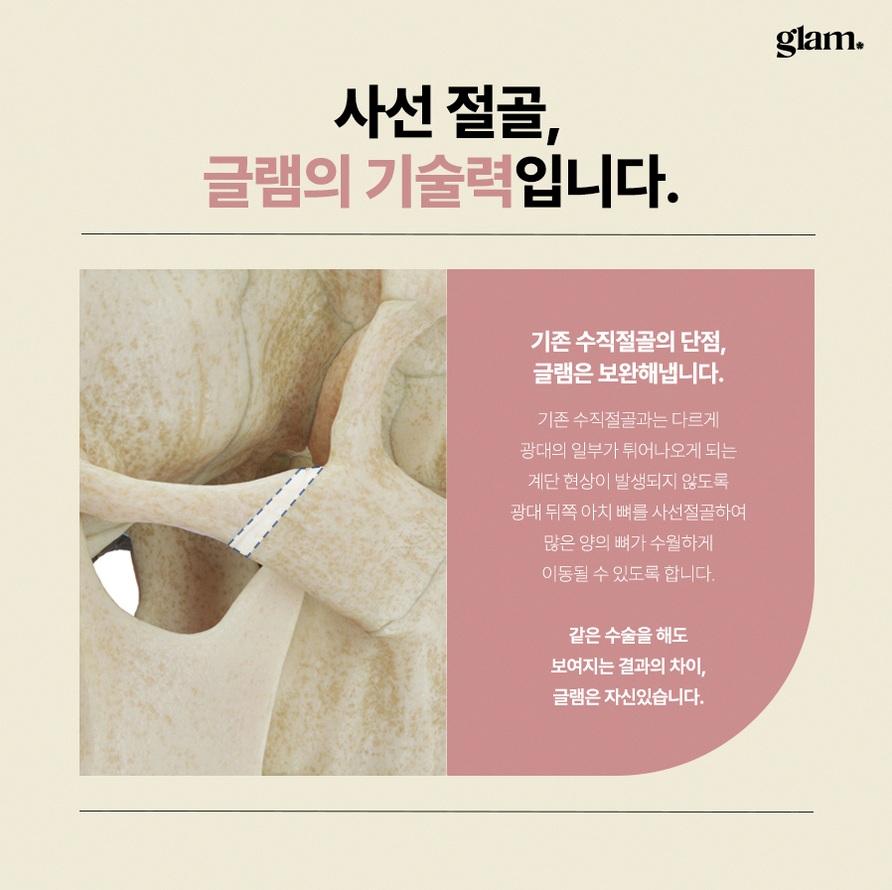
Throughout the operation, nerve preservation is a priority. The inferior alveolar nerve, which provides sensation to the lower lip and chin, must be carefully protected, especially when bone has already been cut once and the canal may be closer to the surface. The overall philosophy in revision is to make the minimum necessary change to improve shape and function, rather than aiming for maximal reduction.
Because of scar tissue and altered anatomy, revision surgery often takes longer than primary surgery. It is important that the operating surgeon is experienced specifically in facial bone revision, not just in first-time contouring.
Risks and possible complications of revision square jaw surgery
All surgery carries risk, and revision square jaw procedures have a higher risk profile than first-time operations. Understanding these possibilities helps you make an informed decision.
Sensory changes or numbness in the lower lip and chin can occur if the inferior alveolar nerve is irritated or damaged. In some cases, this is temporary and improves over months; in others, some degree of altered sensation can remain.
Persistent or new asymmetry is also possible. Even with careful planning, the limitations of remaining bone and soft tissue may prevent perfect symmetry. The goal is usually meaningful improvement, not absolute identical sides.
Irregular contours or step deformities can occur if bone healing is compromised or if the bone is very thin. Joint discomfort or bite changes may appear if the jaw is not balanced properly, which is why functional assessment and conservative planning are so important.
General surgical risks such as swelling, bruising, infection, and delayed bone healing also apply. You should discuss all of these risks in detail with your surgeon and be cautious about clinics that promise dramatic changes without clearly explaining limitations or potential side effects.
Recovery and aftercare after revision jawline contouring
Recovery after revision square jaw surgery is often more demanding than after the first operation because of scar tissue and repeated dissection. Swelling can be more pronounced and may last longer.
Typically, swelling and bruising peak within the first few days and then gradually improve over several weeks. Most patients see a more natural outline returning over one to three months, but the final contour can take several months to fully stabilize as soft tissue adapts to the new bone shape.
A soft diet is usually recommended in the early period to reduce strain on the jaw. You may be advised to avoid hard or chewy foods for a certain time and to limit wide mouth opening while tissues heal.
Regular follow-up visits are important. The surgeon will check your incision sites, monitor swelling, evaluate nerve sensation, and may order follow-up imaging to confirm bone healing and alignment. Adhering to instructions on oral hygiene, medication, and activity restrictions helps reduce complications.
Some clinics offer supportive postoperative care programs such as LED therapy, facial dome treatments, skin reset care, or radiofrequency lifting to help with swelling and skin condition. These can be helpful as adjuncts, but they do not replace careful surgical planning and technique.
What makes a facial bone focused clinic in Gangnam different
In Seoul’s Gangnam area, many clinics offer a wide range of cosmetic procedures. For complex revision facial contouring, some patients prefer a center that focuses only on facial bone surgery.
GLAM Plastic Surgery is located on the 4th floor of a building on Dosan-daero, about 200 meters on foot from Sinsa Station Exit 1. The clinic’s practice is limited to facial bone procedures such as double jaw surgery, square jaw contouring, cheekbone reduction, V-line surgery, and revision contouring, rather than a broad menu of unrelated treatments.
The medical team consists of one board-certified plastic surgeon and one board-certified anesthesiology and pain medicine specialist. The plastic surgeon has 20 years of experience in facial bone surgery as of February 2025 and previously served as head of a facial bone center at a large plastic surgery hospital. As of February 2025, the lead surgeon has authored 13 SCI-level papers on contouring and double jaw surgery, including three papers published in the journal Plastic and Reconstructive Surgery, reflecting an academically grounded approach.
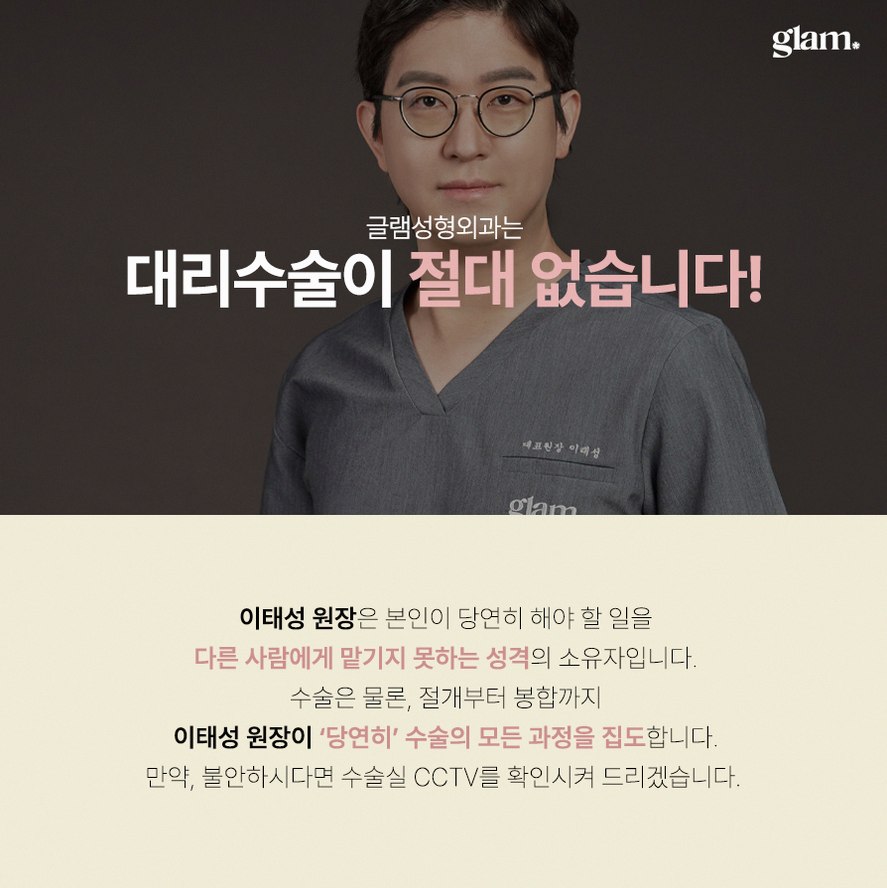
At such a clinic, the operating surgeon performs the procedures directly and typically aims to recommend only the minimum necessary surgery. This conservative philosophy can be reassuring for patients who are already worried about overtreatment after a previous unsatisfactory operation.
Online consultation and pre-visit preparation for overseas patients
If you live abroad and are considering revision square jaw surgery in Seoul, an online consultation is usually the first step. To make this as productive as possible, preparing information in advance is helpful.
Before contacting the clinic, gather any available records from your previous surgery: operative notes, discharge summaries, and past imaging such as CT scans or X-rays. If you do not have them, you can often request copies from the hospital or clinic where you were treated.
Clear photos are also important. Most clinics will ask for standardized facial photographs from the front, both oblique angles, and both profiles, ideally taken in good light with a neutral expression. Some may request short video clips of your jaw movement.
Prepare a concise summary of your concerns. For example, specify whether your main issues are residual width from the front, asymmetry, a hollowed lower face, irregularities you can feel, or functional problems like chewing discomfort. The more precise you are, the easier it is for the surgeon to understand your priorities.
Write down your medical history, including any chronic conditions, medications, allergies, and smoking status. This information affects anesthesia and healing and should be shared honestly.
Expected Korea visit timeline for revision square jaw surgery
Timelines can vary, but many overseas patients plan their stay in Korea along similar lines. After an online consultation and tentative plan, you will usually have an in-person evaluation and imaging once you arrive in Seoul.
On day one or two, you can expect detailed 3D CT and X-rays, facial analysis, and a face-to-face consultation to confirm the plan and discuss risks and expectations again. Surgery is often scheduled within a few days of this evaluation, depending on the clinic’s schedule and your travel plans.
After surgery, most patients stay in Korea for a certain period for follow-up. For revision square jaw surgery, it is common to remain for at least 10 to 14 days to allow for early postoperative checks, suture removal if needed, and monitoring of swelling and healing. Some patients choose to stay longer for additional reassurance.
During this time, you will have scheduled follow-up visits for wound care, swelling assessment, and review of any early symptoms such as numbness or bite changes. The clinic can usually provide medical reports and, if needed, imaging for you to take home.
Before you leave Korea, discuss with your surgeon how to handle longer-term follow-up. This may include sending photos or scans from your home country and knowing when to seek local medical attention if any issues arise.
Checklist for choosing a revision square jaw clinic in Seoul
When you are comparing clinics in Gangnam or elsewhere in Seoul, it can be helpful to use a simple checklist to guide your questions.
Confirm whether the clinic specializes in facial bone surgery rather than offering it as just one of many unrelated procedures. Ask who will actually perform your surgery and whether they are a board-certified plastic surgeon with specific experience in revision contouring.
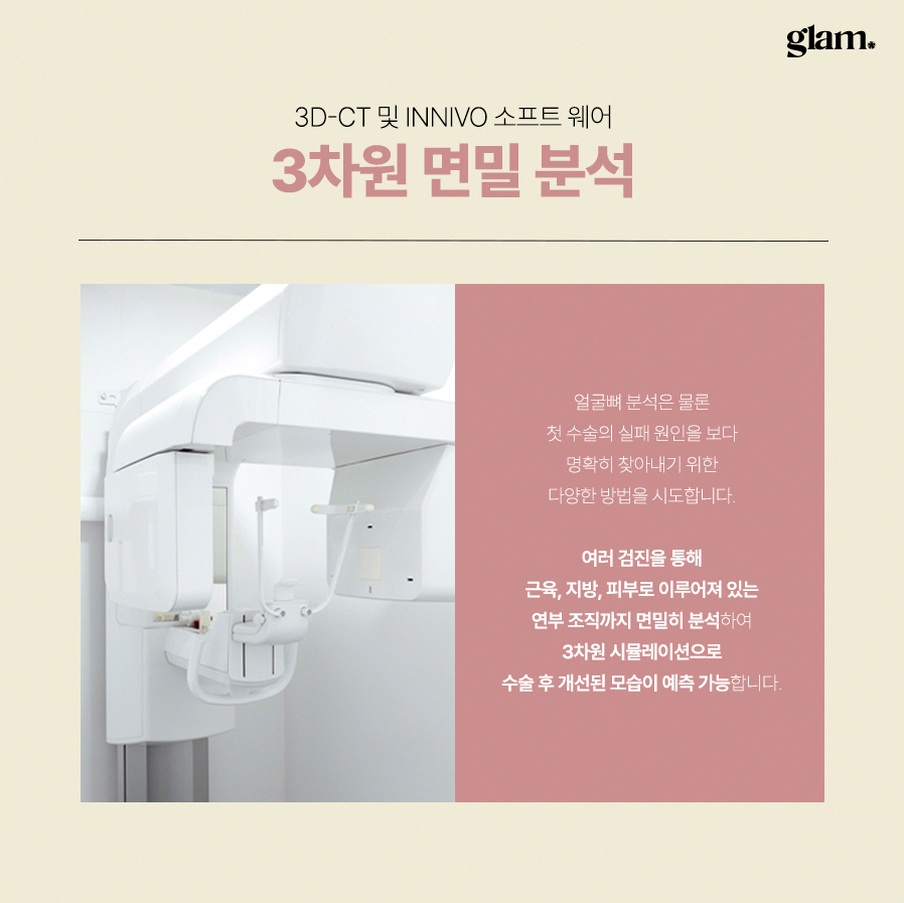
Check if a board-certified anesthesiologist will be present and responsible for anesthesia and monitoring during general anesthesia. Ask whether 3D CT and detailed imaging are routinely used for preoperative planning in revision cases.
Discuss realistic goals in detail. Ask the surgeon to explain what can and cannot be corrected given your remaining bone and soft tissue condition. Request a clear explanation of how they plan to protect the inferior alveolar nerve and the jaw joints during surgery.
Review the postoperative care system and follow-up schedule, including how the clinic supports overseas patients after they return home. It is wise to have consultations with more than one clinic, bring previous records if possible, and avoid rushing into revision surgery too soon after your first operation unless there is a clear medical indication.
Frequently asked questions about square jaw revision surgery
How is revision square jaw surgery different from first-time square jaw surgery?
Revision surgery is performed on bone and soft tissue that have already been altered. Scar tissue, changed bone shape, and reduced bone volume make access and reshaping more complex. The risk of nerve irritation and irregular contours is higher, so the surgical plan is usually more conservative.
In first-time surgery, the surgeon has more freedom to design the ideal cut and reduction pattern. In revision, the goal is often to correct specific problems such as asymmetry, residual width, or irregularities while preserving nerve function and structural stability, rather than simply making the jaw smaller.
When is the right time to consider revision after an unsatisfactory square jaw operation?
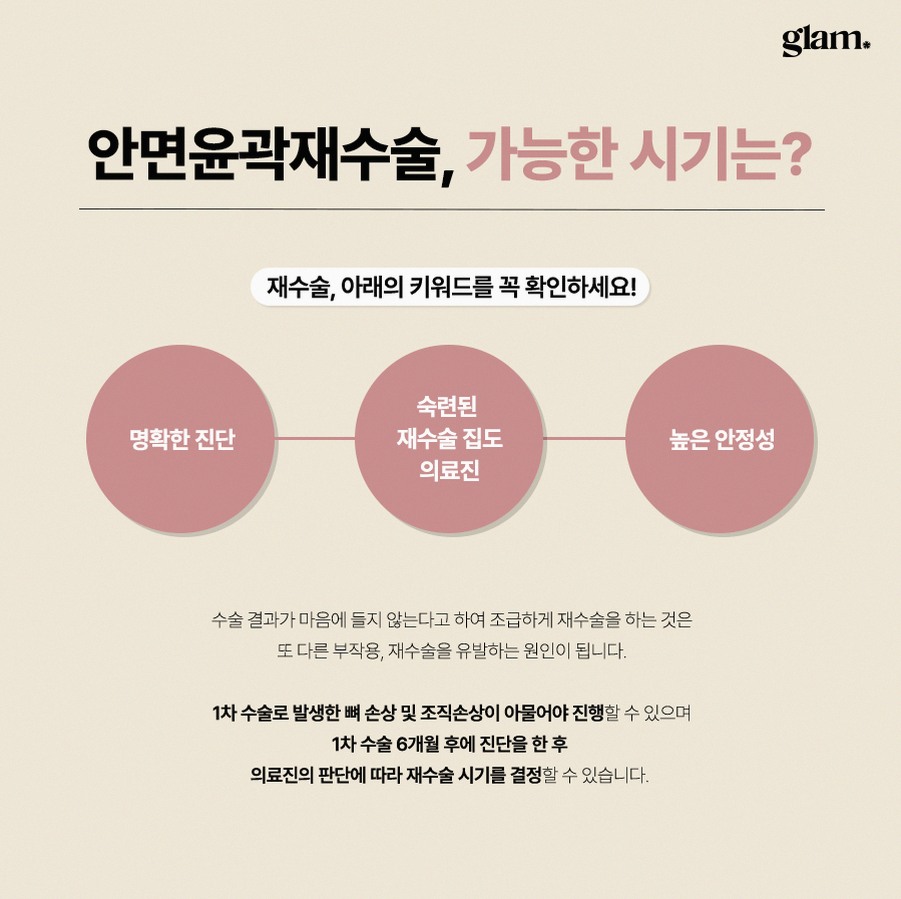
In most cases, it is advisable to wait until swelling has fully settled and tissues have stabilized before deciding on revision. This often means waiting at least 6 to 12 months after the initial surgery, because the facial contour can continue to change during this period.
However, if there is a clear medical issue such as infection, nonunion of bone, or severe functional problems, earlier intervention may be necessary. The exact timing should be decided in consultation with a surgeon who can assess your current condition and imaging.
Can asymmetry after square jaw surgery be fully corrected with revision?
Revision can often improve noticeable asymmetry, but full correction to perfect symmetry is not always possible. The degree of improvement depends on how much bone remains on each side, the position of the nerve, and the condition of the soft tissue.
In some cases, subtle differences may remain even after careful surgery. A thorough consultation with 3D imaging allows the surgeon to show you what kind of change is realistic in your specific situation.
Is it possible to fix an overly thin or hollow lower face after excessive bone removal?
When too much bone has been removed, further reduction is usually not appropriate. Instead, the focus may shift to reconstructive options such as bone grafts or implants to add volume and restore a smoother jawline.
These procedures can help soften an overly sharp or hollowed appearance, but they require precise planning and carry their own risks. Not every case is suitable, and the potential benefits and limitations should be discussed in detail with a surgeon experienced in reconstructive contouring.
How long does swelling last after revision facial contouring of the jawline?
Swelling after revision surgery often lasts longer than after primary surgery. Initial swelling typically peaks within a few days and then gradually decreases over several weeks.
Most patients see a more natural outline by one to three months, but subtle changes and refinement can continue for several more months as soft tissue settles. Full stabilization of the contour may take six months or longer, especially in complex cases.
What imaging and tests are essential before planning revision square jaw surgery?
3D CT is considered very important in revision cases because it shows the exact shape and thickness of the remaining bone, the previous cut lines, and the course of the nerve canal. Panoramic X-rays and other views may be added to evaluate the jaw joints and dental structures.
In addition to imaging, a clinical examination of your bite, jaw movement, and facial balance is essential. Your general medical history, blood tests for anesthesia, and any necessary cardiopulmonary evaluations are also part of safe preoperative assessment.
What should I look for when choosing a clinic in Gangnam for square jaw revision?

Look for a clinic that focuses on facial bone surgery and has clear experience with revision contouring, not just first-time cases. Confirm that a board-certified plastic surgeon will perform your surgery and that a board-certified anesthesiologist manages general anesthesia.
Ask about their use of 3D imaging, their approach to nerve and joint protection, and their philosophy regarding conservative versus aggressive bone removal. It is also helpful to understand their system for postoperative care, especially if you are an overseas patient who will return home after a limited stay in Korea.
Soft call to action for online consultation
If you are considering square jaw revision surgery in Seoul and would like an opinion from a facial bone focused team near Sinsa Station in Gangnam, you can arrange an online consultation with GLAM Plastic Surgery. By sharing your previous records, imaging, and photos in advance, you can receive a more tailored assessment of whether revision is appropriate and what kind of improvement may be realistic for you.
This article is for general information only and does not replace a personal consultation with qualified medical professionals. Individual conditions and outcomes vary, and decisions about surgery should be made after a thorough face-to-face evaluation and discussion of risks, benefits, and alternatives.




- 공유 링크 만들기
- X
- 이메일
- 기타 앱


댓글
댓글 쓰기