revision in Korea: timing, imaging, and clinic tips
- 공유 링크 만들기
- X
- 이메일
- 기타 앱
Direct answer summary
Lateral cheekbone reduction revision is a second operation on the outer cheekbone area to correct or improve the result of a previous zygoma reduction. It can help when the cheekbones still look wide, appear uneven, look too flat, or cause discomfort after the first surgery. Because the bone has already been cut and fixed once, revision is more complex and must be planned carefully with realistic expectations. For international patients visiting the Sinsa–Gangnam area of Seoul, it is important to choose a clinic that focuses on facial bone surgery, uses detailed imaging, and recommends only the minimum necessary correction.
Treatment overview
Lateral cheekbone reduction, sometimes called lateral zygoma reduction, is surgery to reduce the width and projection of the outer cheekbone and zygomatic arch. This area strongly affects how the face looks from the front and from a 45 degree angle. When done well, it can soften a very wide or angular midface.
Revision lateral cheekbone reduction means going back to re-operate on this area after a previous cheekbone reduction. Some patients look for revision because they are still unhappy with the shape, or because they developed new problems after the first operation.
Common reasons people consider revision include cheekbones that still look wide from the front or 45 degree angle, one side looking higher, lower, or more projected than the other, or a face that now looks too flat or sunken. Others may feel a step deformity, a sharp edge, or experience pain, clicking, or discomfort around the zygomatic arch. Sagging of the midface or cheek fat after the first surgery can also be a concern.
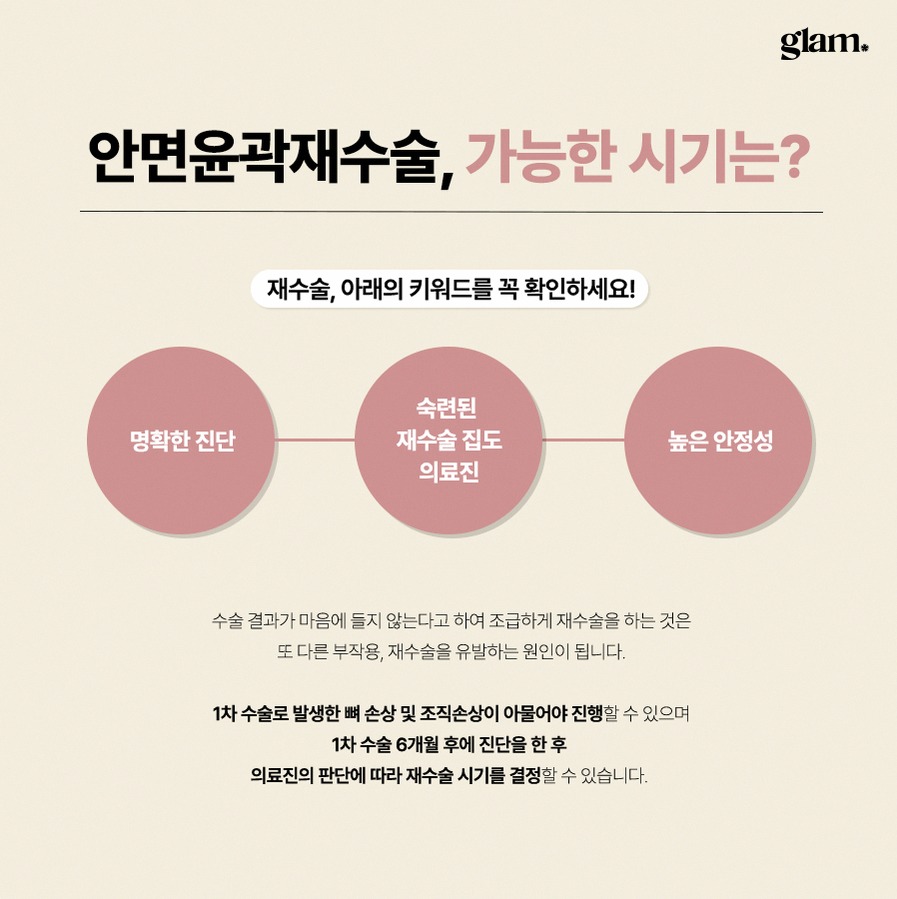
Revision is not just a repeat of the first surgery. The bone has already been cut and fixed with plates and screws, the anatomy has changed, and scar tissue is present. The remaining bone segments may be thinner or weaker. For this reason, revision surgery must be more conservative and carefully planned, focusing on safety and realistic improvement rather than dramatic reshaping.
Who may consider revision lateral cheekbone reduction
Not everyone who is unhappy after cheekbone surgery is ready for revision. Time, swelling, and soft tissue adaptation all play a role in the final contour.
Patients who may be candidates for revision usually include those who are at least 6 to 12 months out from their first cheekbone surgery, so that the bones are healed and most swelling has resolved. The facial shape should be relatively stable, not changing week by week.
You may consider revision if you have a stable but unsatisfactory shape, such as persistent width, clear asymmetry, or a noticeably flat or sunken midface that does not match your overall facial proportions. Patients with documented functional issues, such as pain, clicking, or suspected malunion or nonunion of the bone on imaging, may also be candidates.
On the other hand, some people are not good candidates for revision. If your dissatisfaction is mainly due to swelling or tightness in the first few months after surgery, it is usually safer to wait. Those who hope for a completely different face or mathematically perfect symmetry are likely to be disappointed, because revision has limits. Patients with poor bone quality or systemic medical conditions that make re-cutting the bone risky may also be advised to avoid or delay revision.
A careful consultation with an experienced facial bone surgeon is essential to decide whether revision is appropriate, and if so, what degree of change is realistically and safely possible.
How a specialist evaluates previous cheekbone surgery
For revision lateral cheekbone reduction, diagnosis and planning are as important as the operation itself. A specialist will usually start with a detailed conversation about what specifically bothers you.
You will be asked whether your concern is the width from the front, the contour at 45 degrees, the side profile, or a combination. You may also discuss issues such as asymmetry, sagging of the cheeks, step deformities you can feel with your fingers, or functional symptoms like pain and clicking.
If you have previous operative records, X rays, or CT scans, it is helpful to bring them. They can show where the original bone cuts were made, what type of fixation was used, and whether any complications were noted during or after the first surgery.
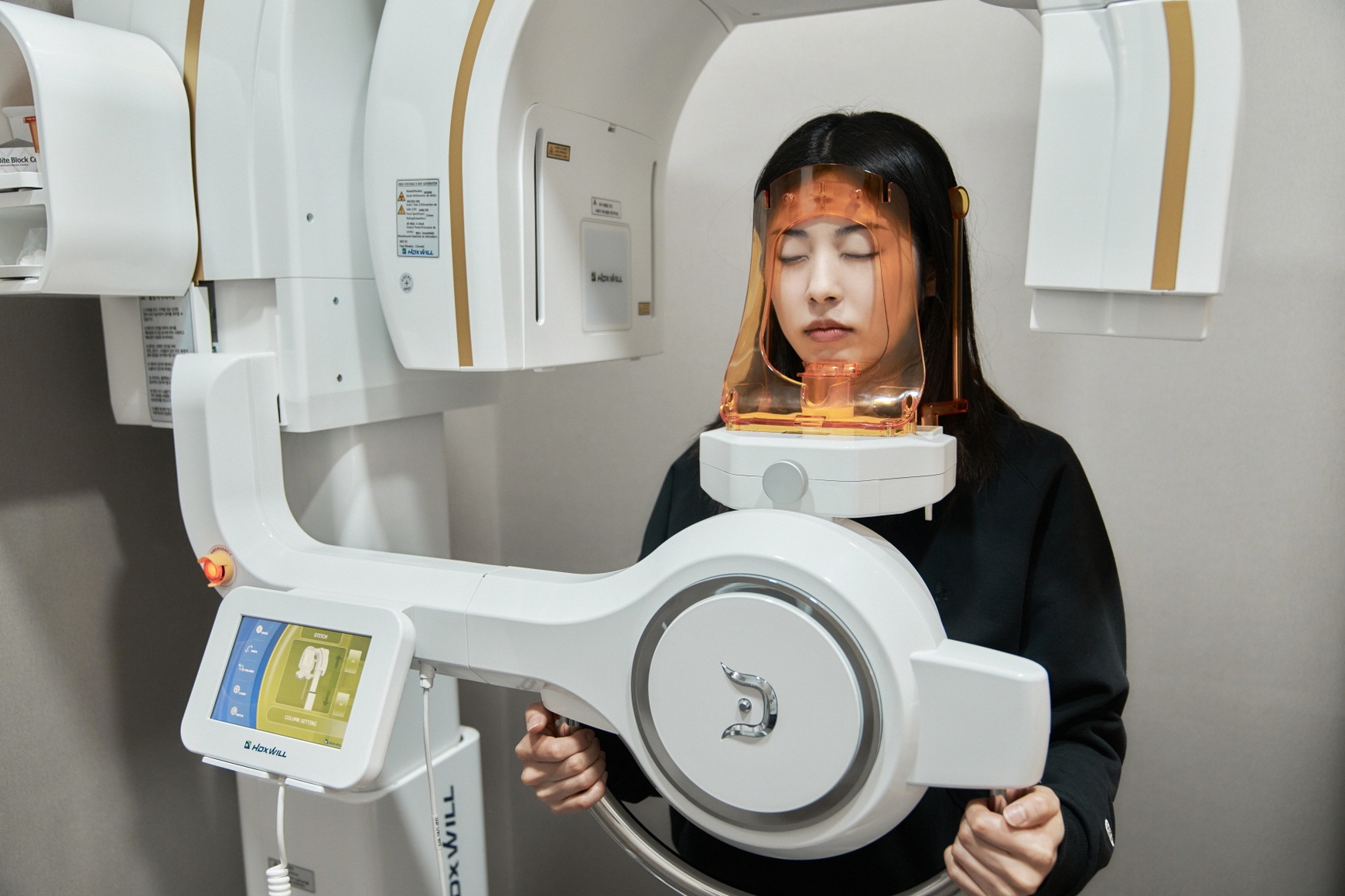
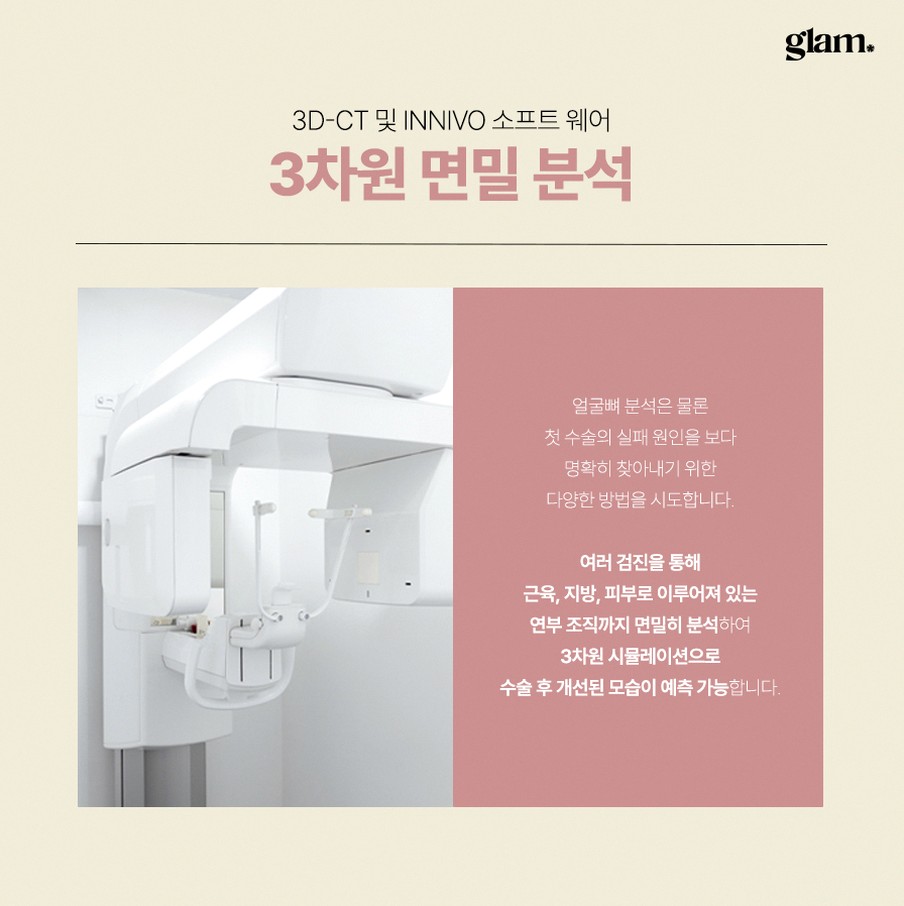
A new 3D CT scan or similar imaging is usually recommended. This allows the surgeon to check the exact location and angle of the previous bone cuts, the position and condition of plates and screws, the status of bone healing (union, nonunion, or malunion), and the thickness and strength of the remaining zygoma and zygomatic arch. It also helps identify any step deformities or irregularities that may not be obvious from the outside.
In addition, facial proportion analysis from the front, 45 degree, and side views is performed. This helps determine whether the cheekbones are truly too wide or too flat relative to your forehead, jawline, and chin, rather than in isolation.
Based on all of this information, the surgeon will discuss realistic limits. In many revision cases, only a small additional reduction is safely possible, or the focus may shift from further reduction to contour correction, support, or symmetry improvement. A safety first approach is important, especially when the bone has already been altered.
Main revision strategies for common problems
The specific revision method depends on what went wrong or what is unsatisfactory after the first surgery. The goal is not to repeat the same cuts, but to tailor the plan to your current anatomy and concerns.
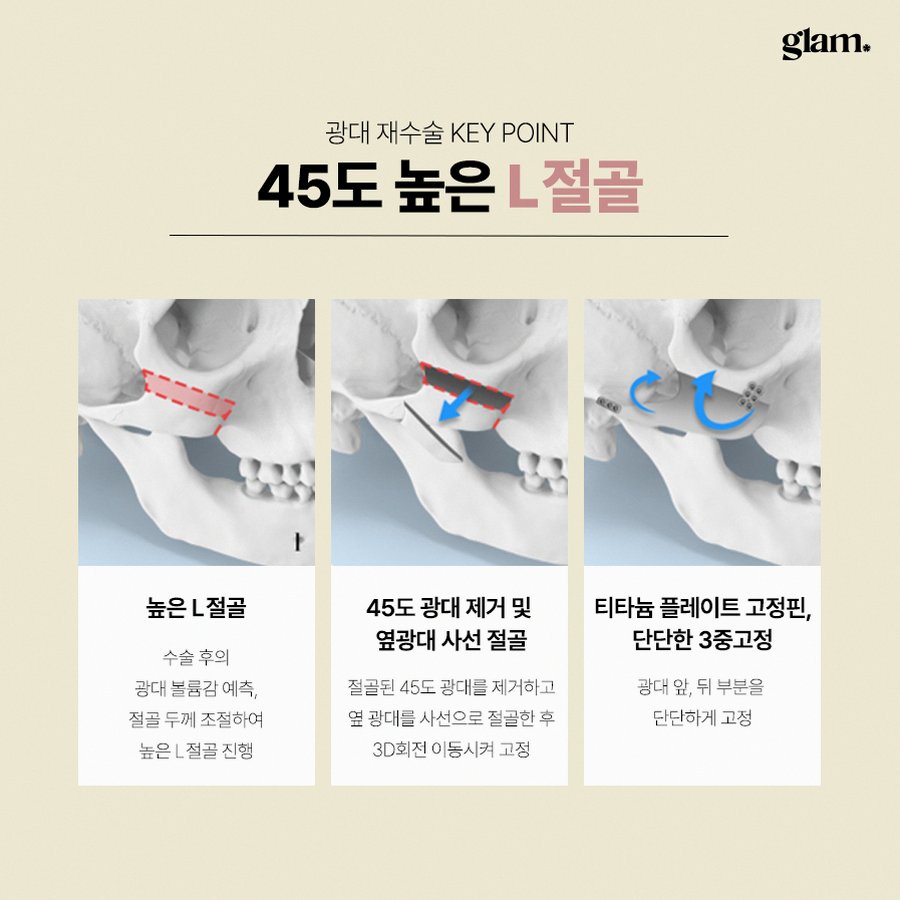
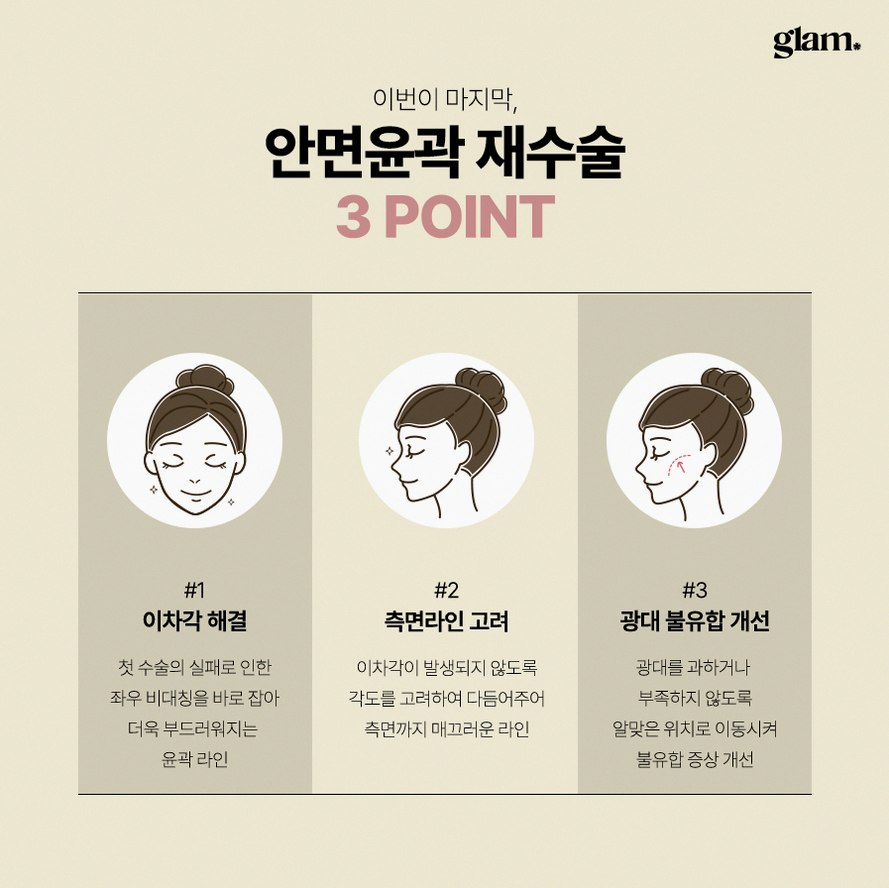
If the cheekbones are still wide, revision may involve re cutting and repositioning the zygomatic arch and body. Sometimes the bone can be moved more inward and slightly upward, but the surgeon must preserve enough bone strength and avoid over reduction that could cause sagging or a hollowed look.
If the face looks over reduced or too flat, the strategy is different. In this situation, further reduction is usually not helpful. Instead, the focus may shift to contour correction, such as smoothing irregular edges, using bone grafts or implants to restore lost projection in a controlled way, or supporting the soft tissue with lifting or fixation techniques. The aim is to bring back a natural three dimensional midface, not to make it even smaller.
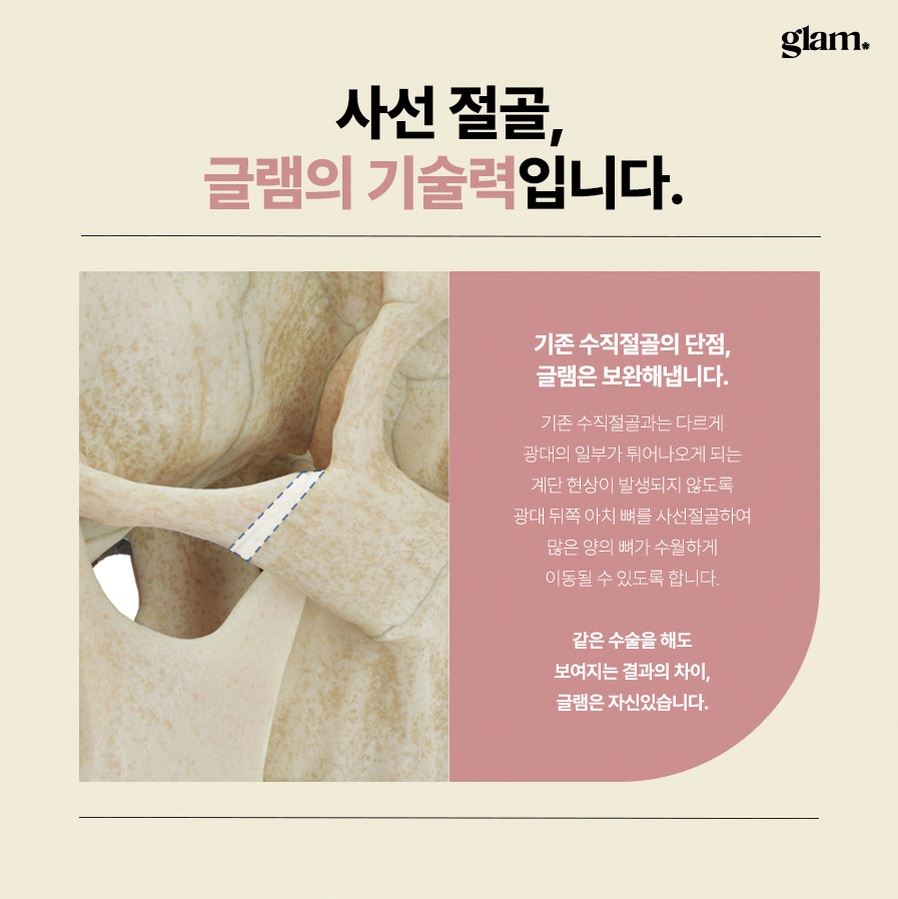
If asymmetry is the main issue, the surgeon may perform targeted correction on one or both sides. This could involve adjusting the height or projection of the zygomatic arch, re positioning a malunited segment, or smoothing a step deformity. Perfect symmetry is rarely possible, but noticeable differences can often be reduced.
When there is a step deformity or sharp edges, revision may focus on smoothing and re fixation of the bone segments. Sometimes plates and screws need to be removed or replaced to achieve a more even contour and stable union.
If functional problems such as pain, clicking, or suspected nonunion are present, the priority is to restore stable bone healing. This may involve removing unstable segments, refreshing the bone edges, re fixing them with plates and screws, and sometimes adding bone graft material.
Access routes for revision are usually similar to the first surgery. Incisions are often made inside the mouth, and sometimes small incisions are placed near the sideburn or temple area to reach the zygomatic arch. The exact approach depends on your previous surgery and current needs.
Throughout revision planning, several principles are important. The surgeon aims to preserve as much remaining bone strength as possible, avoid over reduction that could age the face or increase sagging, and achieve secure, stable fixation to reduce the risk of movement or nonunion. When needed, midface soft tissue support, such as lifting or fixation of the cheek fat and surrounding tissues, is considered to help maintain the improved contour.
Risks, limitations, and safety points
All bone surgery carries risks, and revision lateral cheekbone reduction is no exception. Because it is a second or later operation, the risk profile can be higher than for primary surgery.
Common temporary effects include swelling, bruising, and numbness or altered sensation in the cheek area. Some patients feel tightness or discomfort when chewing for a period after surgery. These usually improve with time, but the duration can vary from person to person.
Asymmetry may improve but is unlikely to become mathematically perfect. In revision cases, there may be limitations on how much additional reduction or reshaping is safely possible, especially if the bone is already thin or heavily modified. Sometimes only partial correction is achievable.
Less common but more serious risks include nonunion or malunion of the re cut bone, infection around plates or screws, and nerve injury that could cause longer term numbness or altered sensation. Excessive reduction or poor soft tissue support could worsen facial sagging or a hollowed appearance.
For these reasons, revision should be approached with a safety first mindset. The aim is improvement, not perfection. In some situations, the safest plan is a minimal correction rather than a dramatic change. A responsible surgeon will explain not only what can be done, but also what should not be attempted in your specific case.
Recovery and aftercare
Recovery after revision lateral cheekbone reduction is similar in outline to primary surgery, but healing may feel slower because the tissues have been operated on before. Your personal experience will depend on the extent of revision and your general health.
Many patients stay in the hospital or clinic for the day of surgery and possibly one night, especially if the revision is more complex. Visible swelling and bruising are usually most noticeable in the first one to two weeks, then gradually improve over several weeks.
A soft diet is often recommended for a period after surgery to reduce strain on the zygomatic arch and allow stable healing. Your surgeon will advise how long to avoid hard or chewy foods.
Most people can return to light desk work within about one to two weeks, depending on individual healing and job demands. More intense exercise, heavy lifting, or activities that risk facial impact are usually restricted for several weeks to protect the bone fixation.
The final contour cannot be judged immediately. While you may see an early change in width or shape, a more reliable assessment is usually possible after three to six months, once swelling has settled and soft tissues have adapted to the new bone position.
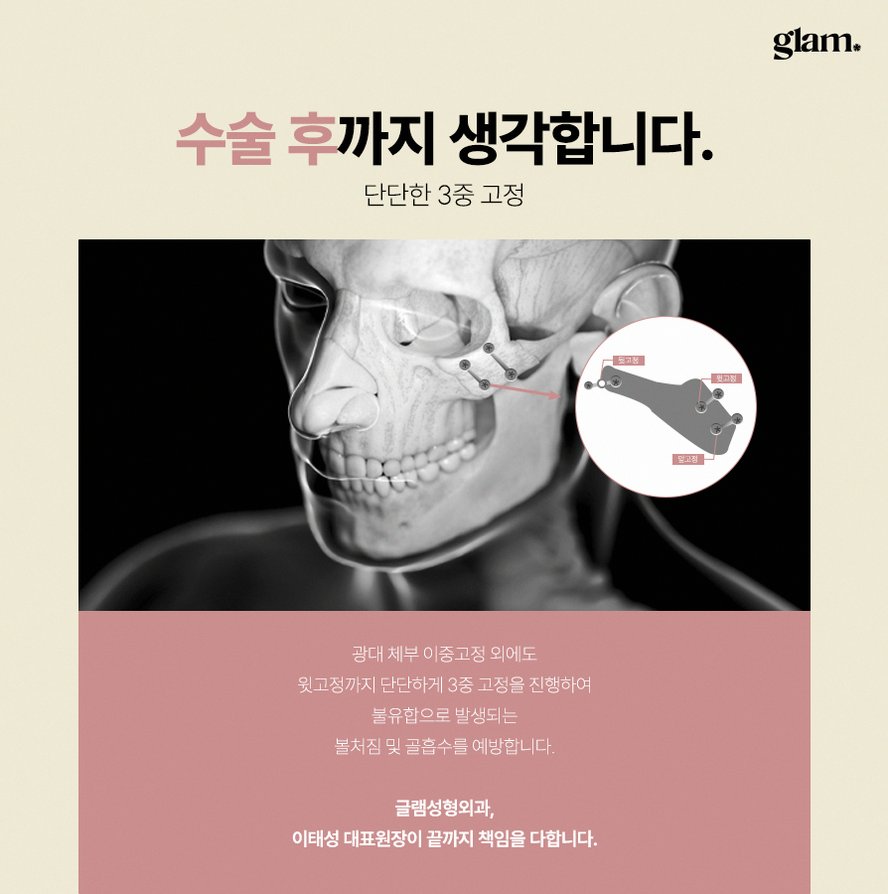
Follow up appointments are important. Your surgeon may use physical examination and, when appropriate, imaging to confirm stable bone healing and plate position. These visits also allow monitoring for any signs of asymmetry, step off, or hardware issues that might need attention.
Some clinics offer supportive postoperative care such as LED therapy, facial dome treatments, and swelling focused skin care. These are not substitutes for proper surgery, but they can help manage swelling and improve comfort during recovery.
Online consultation and pre visit preparation for overseas patients
If you live outside Korea, an online consultation is usually the first step before planning a revision trip to Seoul. This helps you understand whether you are a potential candidate and what kind of improvement might be realistic.
Before your online consultation, it is useful to prepare several items. Clear photos of your face from the front, 45 degree angles, and both side profiles in good lighting are very helpful. If possible, include relaxed and gentle smiling expressions, as this can show how the cheekbones and soft tissues move.
If you have previous imaging such as X rays or CT scans, ask your local clinic to provide digital files. Operative notes or a summary from your first surgeon, if available, can also give important information about what was done.
Make a short list of what bothers you most, ranked by priority. For example, you might write: first, left cheekbone looks higher; second, still wide at 45 degrees; third, discomfort when chewing on the right side. This helps the surgeon focus on your main concerns rather than guessing.
During the online consultation, you can discuss your goals, medical history, and any systemic conditions or medications that could affect surgery. The clinic can explain the likely need for new imaging once you arrive in Korea, outline a tentative plan, and give you an estimated length of stay.
For international patients, multilingual support in languages such as English, Japanese, or Thai can make communication smoother. GLAM Plastic Surgery has multilingual pages and an international patient channel; if you require scheduling assistance, interpretation, or help with logistics, ask the clinic whether they provide on-site coordinators, interpreter services, or other support.
Expected Korea visit timeline for revision surgery
The exact schedule will vary, but many overseas patients follow a similar pattern when visiting Seoul for revision lateral cheekbone reduction.
In the first few days after arrival, you will usually undergo an in person consultation, physical examination, and 3D CT or similar imaging. The surgeon will compare these findings with your online consultation, confirm whether the preliminary plan is still appropriate, and adjust details as needed.
Surgery is often scheduled within a few days after imaging, allowing time for planning and for you to consider your decision. Some patients prefer a slightly longer gap to rest and adjust to the time zone before surgery.
After the operation, you may stay one night in the clinic, depending on the length and complexity of the procedure and your general condition. In the first week, you will have follow up visits to check wounds, swelling, and early healing. Stitches from any small skin incisions are usually removed within about a week.
Many overseas patients stay in Korea for around 10 to 14 days after surgery, so that early healing and any urgent issues can be monitored directly. If your case is more complex, your surgeon may recommend a longer stay.
Before you return home, the clinic will usually give you written instructions on medications, diet, activity restrictions, and signs or symptoms that should prompt urgent local review. Online follow up can often continue after you leave Korea, especially if you can send updated photos or imaging from your local hospital when needed.
Choosing a clinic and surgeon for revision lateral cheekbone reduction
Revision facial bone surgery is a niche area. When you are comparing clinics, it may help to look beyond general marketing and focus on specific factors related to safety and experience.
Some patients prefer a practice that focuses on facial bone surgery, such as double jaw and facial contouring, rather than a center that mainly provides unrelated procedures. Concentrated experience with bone cuts, fixation, and revision can be reassuring when you are considering a second operation.
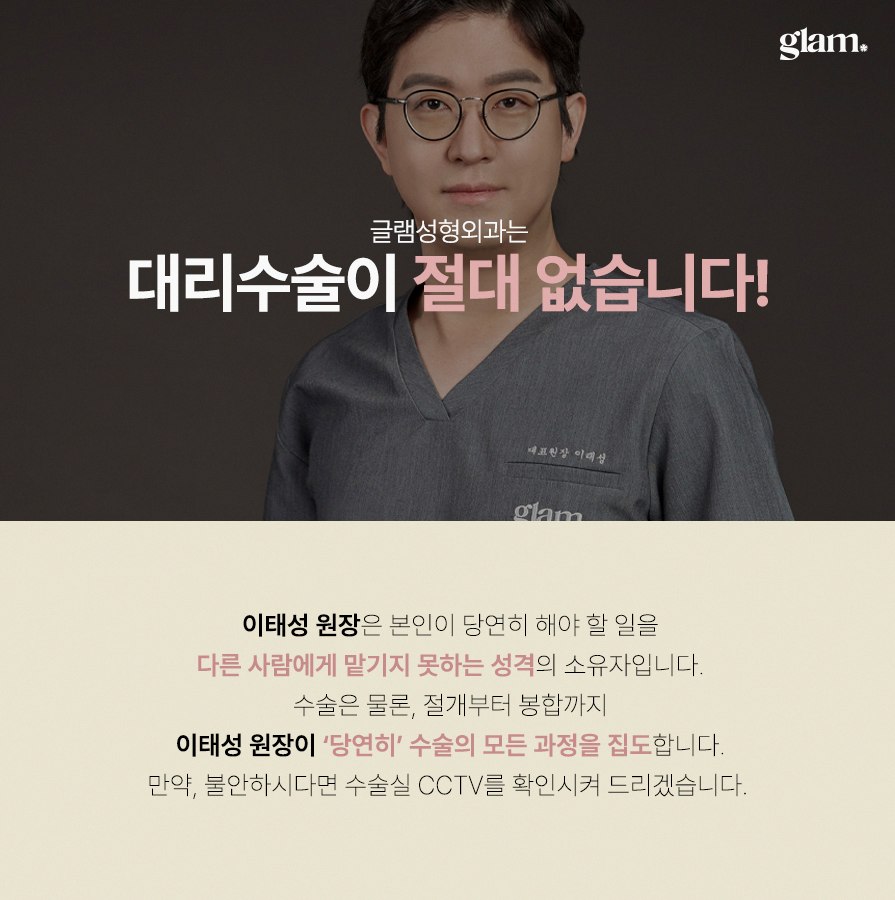
You may also want to ask whether the lead surgeon has long term experience in facial bone surgery and whether they perform the operations directly rather than delegating key steps. A surgeon who emphasizes recommending only the minimum necessary surgery can be a good fit for revision candidates who are worried about overly aggressive re operations.
It is also worth checking whether there is a dedicated anesthesiology specialist in house, responsible for anesthesia and perioperative monitoring during facial bone procedures. This can add an extra layer of safety, especially for longer or more complex revisions.
Location and support services matter as well. The Sinsa Station area in Gangnam is well known for medical tourism and facial contouring surgery, with convenient transport and accommodation options. Multilingual coordinators and structured postoperative care, including swelling management therapies, can make the experience smoother for overseas patients.
GLAM Plastic Surgery is a clinic focused on facial bone surgery, and the lead surgeon performs contouring and double jaw procedures. Clinics may use detailed imaging and offer direct preoperative communication with the operating surgeon, but these services vary—confirm with the clinic. When you contact a clinic about revision lateral cheekbone reduction, ask specifically about their evaluation methods, surgical planning, and how they handle cases similar to yours.
Frequently asked questions about lateral cheekbone reduction revision
When is the earliest I can consider revision after my first cheekbone surgery
In most cases, surgeons recommend waiting at least 6 to 12 months after your first lateral cheekbone reduction before seriously considering revision. This allows the bone to heal fully and most swelling to resolve, so that the final contour is clearer. Deciding too early can lead to unnecessary or poorly targeted surgery, because what looks like a problem at three months may improve significantly by nine to twelve months.
How much additional reduction is usually possible in revision surgery
The amount of extra reduction that is safely possible in revision varies widely. It depends on how much bone was removed or moved in the first surgery, the remaining bone thickness, and the quality of bone healing. In some cases, only a small additional inward movement is possible, or the focus may need to shift away from further reduction toward contour smoothing or soft tissue support. A 3D CT scan and in person evaluation are essential to estimate what is realistic in your specific case.
Do plates and screws always need to be removed during revision
Plates and screws do not always have to be removed. If they are stable, well positioned, and not causing symptoms, the surgeon may leave some hardware in place and work around it. However, if plates or screws are contributing to a step deformity, discomfort, or malunion, or if their position blocks the desired new bone movement, they may need to be removed or replaced. This decision is made based on imaging, symptoms, and the planned revision strategy.

Can revision surgery make my face perfectly symmetrical
Revision lateral cheekbone reduction can often improve noticeable asymmetry, but it cannot guarantee perfect symmetry. Natural human faces are always slightly asymmetric, and previous bone cuts, scar tissue, and differences in soft tissue make perfect matching even more difficult. The realistic goal is to reduce obvious differences and create a more balanced appearance, while keeping bone strength and soft tissue support safe.
Soft call to action for online consultation
If you are living overseas and feel worried or disappointed after a previous cheekbone reduction, it can be helpful to hear a careful, honest opinion before deciding on revision. An online consultation with a facial bone focused clinic in the Sinsa–Gangnam area, such as GLAM Plastic Surgery, can give you a clearer idea of your options, likely limits, and expected recovery.
You can prepare recent photos, any available imaging, and a short list of your main concerns, then contact the clinic through their international patient channel. A calm, safety focused discussion is often the first step toward deciding whether revision lateral cheekbone reduction in Korea is right for you.




- 공유 링크 만들기
- X
- 이메일
- 기타 앱


댓글
댓글 쓰기