Revision Cheekbone — Pain, Swelling, Symmetry
- 공유 링크 만들기
- X
- 이메일
- 기타 앱

Direct answer summary
If you are searching for quick zygoma reduction reviews, most people want to know three things: whether revision surgery can improve issues from a previous cheekbone operation, how natural the face will look from the front, and how long pain and swelling will last. Revision quick zygoma reduction focuses on reshaping cheekbones that have already been operated on, usually to address asymmetry, persistent width, step deformities, or a flat midface. Recovery is often slower and more unpredictable than first-time surgery, and results are better judged over several months rather than just a few weeks of photos. For overseas patients visiting Korea, careful online consultation, realistic expectations, and choosing a surgeon who regularly handles revision facial contouring are far more important than how “quick” the procedure sounds.
What is quick zygoma reduction and what does revision mean
Zygoma reduction, often called cheekbone reduction, is a facial contouring surgery that reshapes the zygomatic bone to make the face look slimmer or softer, especially in the front and 45-degree views. Surgeons usually cut and reposition the cheekbone and zygomatic arch to reduce the width and prominence of the midface.
When people talk about a “quick” zygoma reduction, they usually mean a technique with a relatively shorter operation time, smaller or fewer incisions, or a simplified fixation method compared with more extensive contouring. For example, some quick methods aim to minimize dissection and use limited access points to reposition the bone, which can sometimes mean less initial swelling and shorter time under anesthesia.
Revision facial contouring in this context means a second operation on cheekbones that were already reduced in the past. Patients consider revision quick zygoma reduction when they are not satisfied with the outcome of their first surgery or when new problems appear over time. Because the bone has already been cut and fixed once, revision is usually more complex than primary surgery.
Common reasons people seek revision quick zygoma reduction
Typical issues after primary zygoma reduction that may lead someone to search for revision reviews include:
Persistent wide cheekbones: From the front, the face still looks broad or square, especially around the midface, even after surgery.
Flat or sunken midface: Too much bone was removed or moved inward, creating a hollow, tired, or aged look under the eyes and along the cheeks.
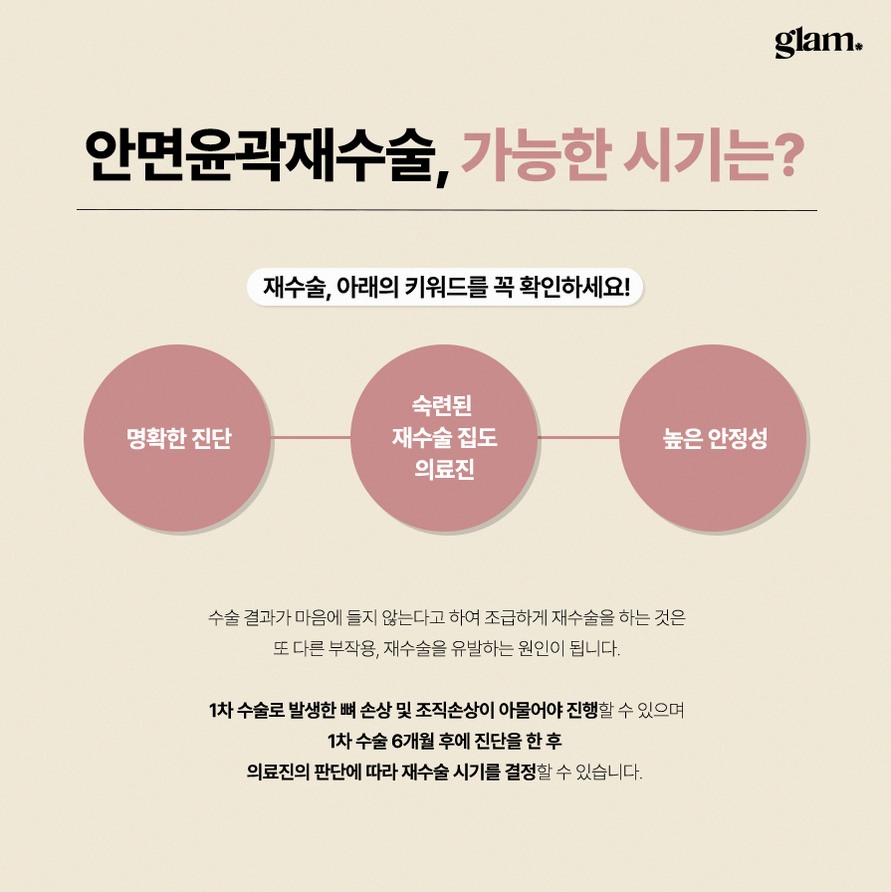
Asymmetry: One side looks higher, wider, or more projected than the other, especially noticeable in selfies and 45-degree photos.
Step deformity at the zygomatic arch: A visible or palpable “step” or bump along the side of the face where the arch was cut and rejoined.
Palpable plate or screw: Patients can feel the fixation hardware under the skin, or it is visible when smiling or under certain lighting.
Functional issues: Pain, clicking sensations, or discomfort around the cheekbone area, especially when chewing or opening the mouth wide.
In revision surgery, the surgeon must deal with scar tissue, altered bone shape, and existing plates or screws. This makes the operation more delicate than a first-time quick zygoma reduction, and it can affect both the surgical plan and the recovery pattern.
What people are really looking for in quick zygoma reduction reviews
When patients search for quick zygoma reduction reviews, especially for revision, they are usually trying to understand everyday, practical points rather than technical details.
The most common concerns include:
Pain level: How strong the pain is after revision compared with the first surgery, and how many days painkillers are usually needed.
Swelling duration: How puffy the face looks in the first week, how long it takes to look “normal enough” for work or social activities, and when subtle swelling finally disappears.
Downtime: When they can return to the office, attend meetings, or meet friends without feeling self-conscious.
Changes in facial width: How much narrower the face looks from the front and 45-degree angles, and whether the cheekbones still look wide in photos.
Natural look: Whether the face looks soft and harmonious rather than surgically altered, both in photos and in real life.
However, many online reviews focus on the early recovery period, usually the first 1–4 weeks. This is important but incomplete, especially for revision. Soft tissues and scarred areas need several months to remodel. Swelling can hide or exaggerate contour changes, and nerves may still be healing.
When reading reviews, it is better to look beyond dramatic before-and-after photos. Pay attention to details such as symmetry between left and right, how the cheeks look when smiling, the smoothness of the side-view contour, and whether the reviewer says the face now matches their personality and age. Comments like “I look more like myself, just softer” are often more meaningful than comments about being extremely slim.
Who may consider revision quick zygoma reduction
Not every patient with a previous cheekbone surgery needs or benefits from revision. In general, people who may be candidates include those with:
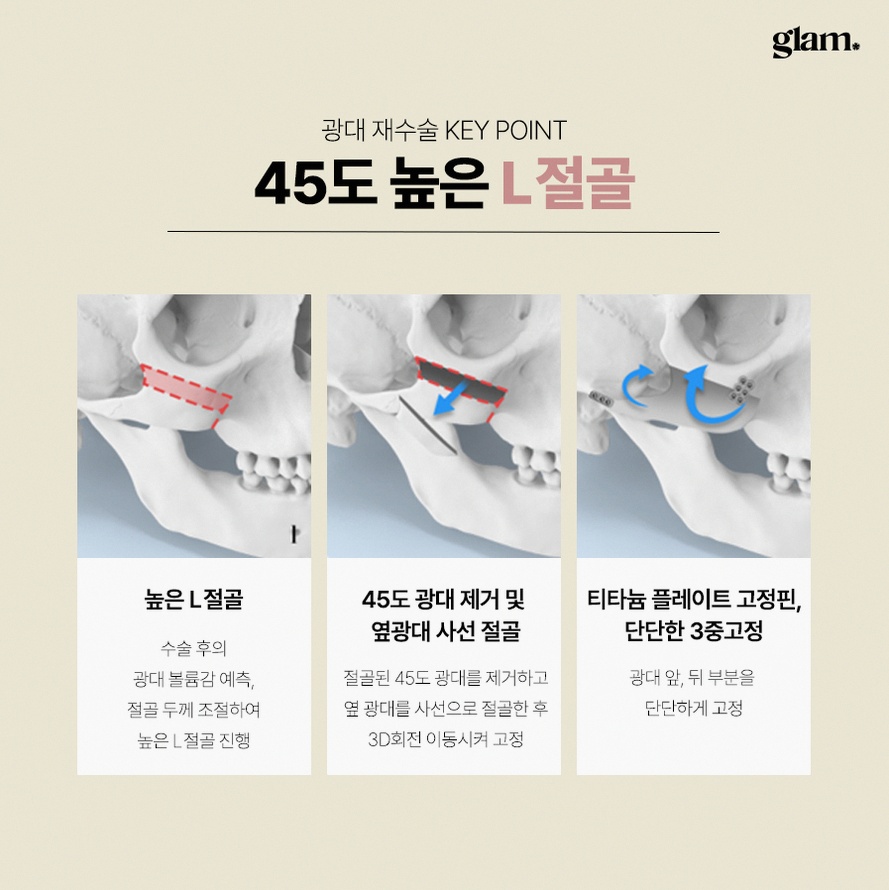
Persistent width: The cheekbones still look broad from the front, or the 45-degree angle remains prominent despite prior reduction.
Obvious asymmetry: One cheekbone sits higher, is more projected, or has a different curve than the other, noticeable in photos or in the mirror.
Step-like contour: A visible or palpable step or indentation along the zygomatic arch that disrupts the smooth line of the side face.
Too-flat midface: The area under the eyes and upper cheeks looks sunken, giving a tired or older impression that was not present before surgery.
Discomfort or clicking: Strange sensations, pain, or mechanical feelings around the cheekbone area.
However, not everyone is suitable for a “quick” style revision. In some cases, the previous bone cuts and fixation make it necessary to perform more extensive osteotomies, reposition segments, or reconstruct volume. The exact approach can only be decided after detailed imaging and consultation.
It is also essential to maintain realistic expectations. Revision surgery can often improve contour, balance, and symmetry, but it cannot always completely erase all traces of the first operation. Small irregularities or subtle asymmetry may remain, and the goal is usually a natural, balanced face rather than a perfectly “ideal” shape.
How revision cheekbone contouring is typically planned and performed
Preoperative evaluation
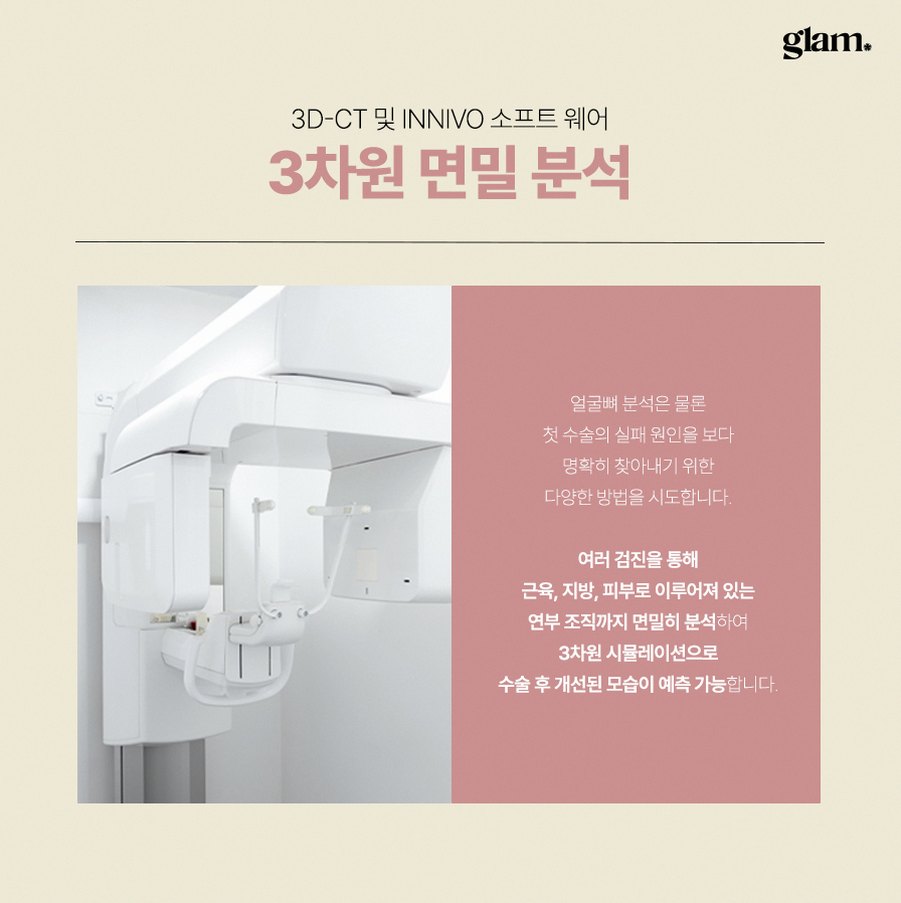
For revision facial contouring, thorough evaluation is critical. Most clinics will recommend 3D CT or similar imaging to:
Identify the current position and shape of the cheekbones and zygomatic arches.
Locate previous osteotomy lines, plates, and screws.
Assess asymmetry, step deformities, and any areas of over- or under-resection.
Evaluate the relationship between bone and soft tissue, including possible sagging or hollowing.
During consultation, patients are usually asked about their priorities:
How much facial width reduction they still want.
Whether they care more about the front view, 45-degree view, or side view.
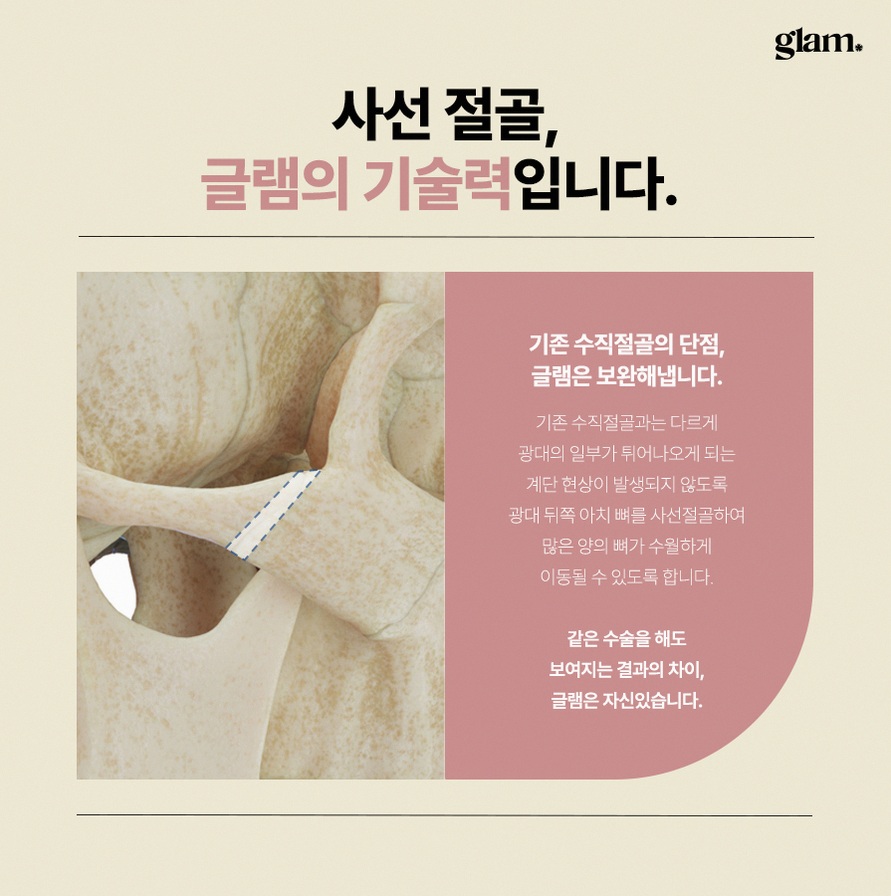
Concerns about sagging cheeks or hollow under-eye areas.
Tolerance for downtime, swelling, and possible temporary numbness.
General surgical approach for revision
While techniques differ among surgeons, revision zygoma reduction often includes steps such as:
Careful dissection through scarred tissue to reach the bone safely.
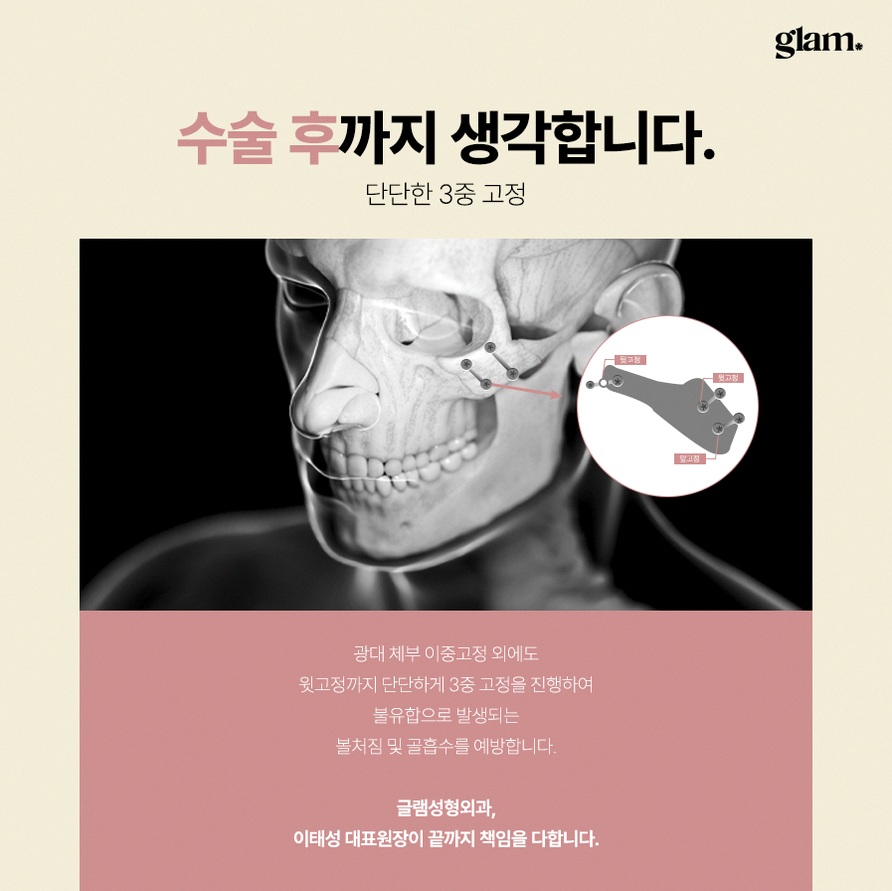
Removal or adjustment of existing plates and screws if they interfere with the new plan.
Re-cutting or reshaping the cheekbone segments if necessary to correct width, projection, or step deformities.
Repositioning the bone to a more balanced and natural position.
Stabilizing the new position with appropriate fixation.
Because of scar tissue and altered anatomy, revision surgery may take longer than the original quick procedure, even if the external incisions look similar. This extra time is often needed for safe dissection and precise contour correction.
Postoperative care usually includes swelling control measures, instructions on diet (often softer foods in the early period), guidance on sleeping posture (often with the head elevated and avoiding pressure on the cheeks), and follow-up imaging if needed to confirm bone position.
Recovery, pain, and swelling in revision quick zygoma reduction
Typical recovery milestones for revision cheekbone surgery can be summarized as follows, though individual experiences vary:
First 3–7 days: This is usually the peak period for swelling and discomfort. The cheeks may look very round or puffy, and bruising can appear around the lower eyelids or along the side of the face. Pain is often manageable with prescribed medication, but tightness and pressure are common.
2–4 weeks: Major swelling and bruising tend to improve. Many patients feel comfortable returning to light daily activities and, depending on their job, may go back to work. However, subtle swelling and stiffness are usually still present, especially in the morning or after long days.
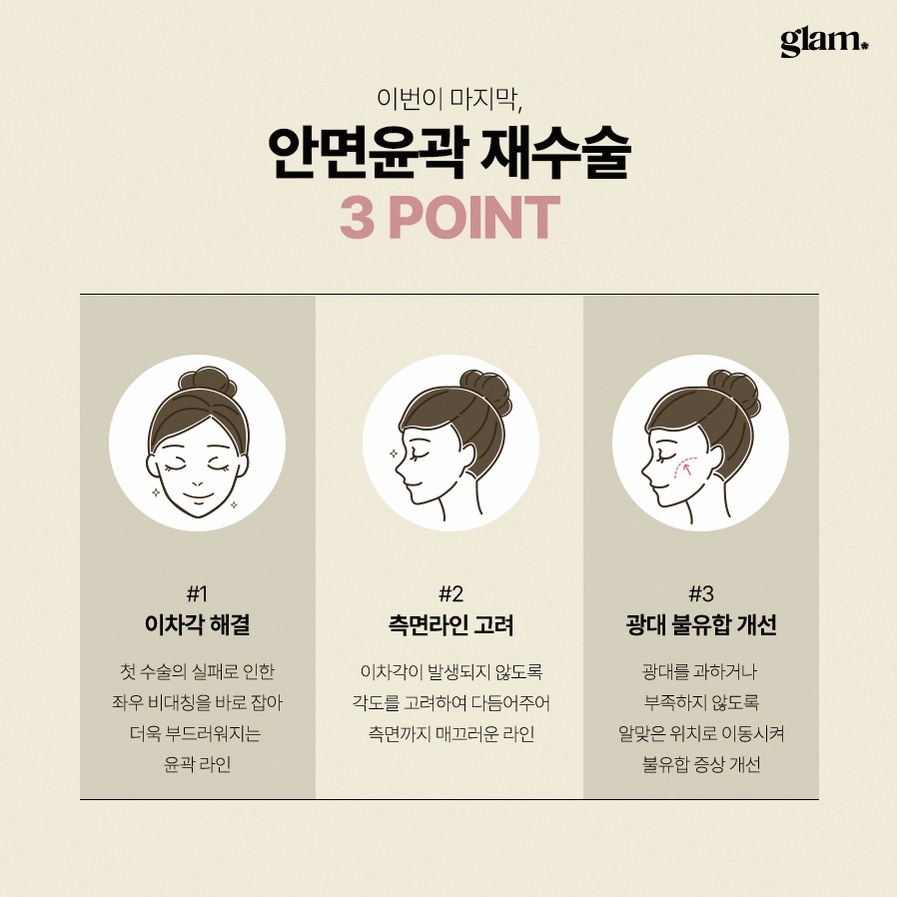
3–6 months: The final contour and symmetry become clearer as residual swelling subsides and soft tissues adapt to the new bone position. Numbness often improves gradually over this period, although some areas may take longer.
Compared with primary zygoma reduction, revision may involve slightly longer or more unpredictable swelling because tissues have already been disturbed once. Reviews often mention:
Chewing ability: Some patients report difficulty chewing hard foods in the early weeks and gradually return to a normal diet.
Stiffness: A feeling of tightness or stiffness around the cheeks, especially when smiling or laughing.
Temporary numbness: Altered sensation over the cheek or upper lip area, which often improves over time but can take months.
Social comfort: How quickly they felt ready to go out without a mask, scarf, or heavy makeup.
When reading recovery-related reviews, remember that early photos can look either too swollen or, sometimes, too sharp due to temporary tissue tension. Long-term satisfaction is better judged from comments and photos taken after at least three to six months.
How to read and fact-check online quick zygoma reduction reviews
Because revision facial contouring is complex, it is important to read online reviews with a critical and balanced mindset.
First, distinguish between immediate postoperative impressions and long-term satisfaction. A review written one week after surgery may focus on pain and swelling, while a review written six months later will better reflect contour and symmetry.
Second, always check whether the reviewer had primary or revision surgery. Revision cases tend to have more complicated starting points and may not achieve the same degree of change as a first-time operation. Expectations and risk levels are different.
Third, look for objective details in reviews, such as:
Mention of CT scans or imaging that confirmed bone movement.
Specific explanation of what was corrected: for example, “left cheek asymmetry” or “step deformity on the right arch.”
Follow-up period: whether the reviewer is describing results at one month, three months, or one year.
Finally, avoid basing your decision on a few extreme positive or negative stories. Patterns across many cases are more meaningful. If multiple reviewers mention clear explanations, consistent follow-up, and realistic outcomes, this can be more reassuring than a single dramatic transformation.
Safety, risks, and what to ask during consultation
Like any facial bone surgery, revision cheekbone contouring carries potential risks. Commonly discussed risks include:
Prolonged swelling or bruising.
Residual or new asymmetry.
Contour irregularities or step-like areas.
Nerve-related numbness or altered sensation.
In rare cases, functional issues with jaw movement or chewing.
Because the area has already been operated on, revision is usually planned conservatively. The aim is structural stability and natural balance rather than aggressive bone removal. Over-reduction can worsen midface hollowing or lead to sagging soft tissue.
During your consultation, consider using a checklist of questions such as:
How often do you perform revision facial contouring for the cheekbone?
How do you evaluate previous osteotomy lines and fixation plates before planning surgery?
What is your strategy to minimize the risk of sagging or hollow cheeks after revision?
What kind of imaging will you use before and after surgery?
What recovery timeline should I expect for a second surgery compared with my first one?
What are the main limitations in my specific case?
Objective information about GLAM Plastic Surgery
GLAM Plastic Surgery is located near Sinsa Station in the Gangnam area of Seoul and focuses its practice on facial bone procedures such as double jaw surgery and facial contouring, rather than offering a wide range of unrelated treatments.
The lead plastic surgeon has 20 years of experience in facial bone surgery and, as of February 2025, has published 13 SCI‑level papers on contouring and double jaw surgery, including three papers in the international journal Plastic and Reconstructive Surgery. This can be seen as an indicator of academic and clinical involvement, but it does not guarantee specific results for any individual.
Operations are performed by a plastic surgeon (board‑certified plastic surgery specialist) with support from an anesthesiologist (specialist in anesthesiology and pain medicine), and the clinic provides structured postoperative care programs, such as LED therapy, facial care, and radiofrequency lifting, with the aim of supporting recovery and reducing swelling after facial bone surgery.
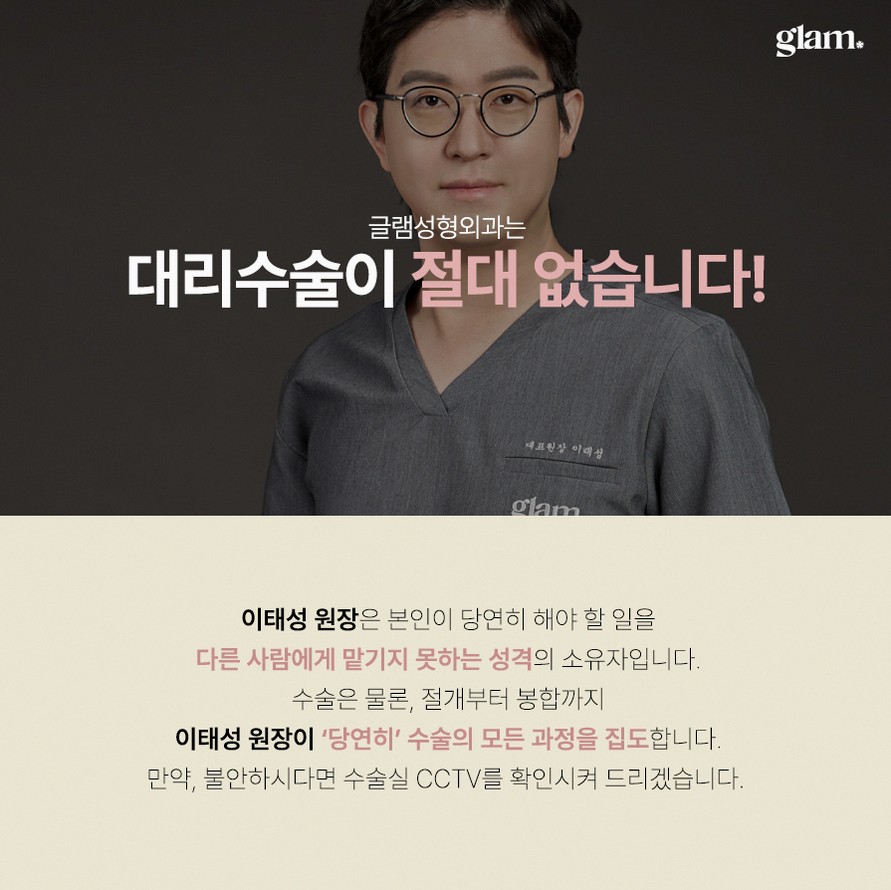
The stated philosophy is to recommend only the minimum necessary surgery and to have the lead surgeon operate directly. This approach may appeal especially to revision candidates who are worried about overly aggressive procedures or unnecessary additional operations.
Online consultation and pre-visit preparation for overseas patients
If you are considering traveling to Korea for revision quick zygoma reduction, good preparation can make your visit smoother and more comfortable.
Before your trip, it is helpful to arrange an online consultation. Most clinics will ask you to provide:
Clear front, 45-degree, and side-view photos with neutral expression.
Photos while smiling, if asymmetry or step deformity is more visible in motion.
Any previous medical records related to your first cheekbone surgery.
Pre- and postoperative imaging (CT scans, X-rays) from your original operation, if available.
A short, honest description of what you dislike about your current contour and what you hope to change.
During the online consultation, ask specifically whether the clinic frequently handles revision cases, what they see as the main challenges in your situation, and whether they believe a “quick” style revision is appropriate or if a more extensive approach is needed.
Expected Korea visit timeline for revision quick zygoma reduction
The exact schedule varies by clinic and by how far you are traveling, but a common plan for overseas patients might look like this:
Day 1–2: In-person consultation, physical examination, and imaging (3D CT or similar). Detailed discussion of the surgical plan, risks, and expected outcome. Preoperative tests if needed.
Day 3–4: Surgery day, followed by monitoring in the clinic or recovery room. You may stay nearby with instructions for emergency contact.
First week: Several short follow-up visits for dressing changes, swelling checks, and early postoperative care. Many patients prefer to stay in Korea at least 7–10 days after surgery to manage early recovery under medical supervision.
Second week: If stitches need to be removed, this often happens around 7–10 days. Some patients feel comfortable flying home after this point, depending on their condition and the surgeon’s advice.
3–6 weeks: Once you are back home, you may have online follow-up consultations using updated photos. Residual swelling is common, but you should gradually return to normal daily life.
Because revision can involve more unpredictable swelling, some patients choose to stay a little longer in Korea than they did for their first surgery. Discuss this in advance so you can plan flights and accommodation realistically.
Aftercare and long-term follow-up
After revision quick zygoma reduction, following the clinic’s aftercare instructions is essential. Typical advice includes:
Keeping the head elevated, especially in the first week, to help reduce swelling.
Avoiding pressure on the cheeks while sleeping.
Starting with soft foods and gradually returning to a normal diet as chewing becomes comfortable.
Avoiding smoking and heavy alcohol consumption during early healing.
Attending scheduled follow-up visits or online check-ins.
Some clinics, including GLAM Plastic Surgery, offer postoperative care programs such as LED therapy, facial care, or radiofrequency lifting sessions. These are designed to support circulation, swelling reduction, and skin condition during recovery, although individual responses differ.
You should also monitor for any warning signs, such as a sudden increase in pain, significant asymmetry that appears after initial stabilization, or functional problems with jaw movement. In such cases, contact your surgeon promptly.
FAQ
Is revision quick zygoma reduction more painful than the first surgery?
Pain experience varies by person, but many patients report that revision is not dramatically more painful than their first cheekbone surgery, especially with proper pain control. However, they may notice more stiffness or tightness due to scar tissue. Discuss pain management plans with your surgeon in advance so you know what to expect and which medications will be provided.

How long should I wait after my first zygoma reduction before considering revision?
Most surgeons recommend waiting at least 6–12 months after the first surgery before planning revision. This allows swelling to fully settle and soft tissues to adapt, so you can see the true final result. In some cases, minor asymmetry or irregularities improve over time without additional surgery. An early consultation can still be helpful, but the actual operation is often scheduled later.
Can revision quick zygoma reduction improve a flat or sunken midface?
Revision can sometimes improve a flat or sunken midface by adjusting bone position or correcting over-reduction, but options depend on how much bone remains and how it was previously cut. In some cases, additional procedures such as fat grafting or implants may be discussed to restore volume. It is important to talk openly with your surgeon about realistic goals and the limitations of bone-only correction.
How important is it that the surgery is “quick” compared with other factors?
For revision cases, the term “quick” should not be your main selection criterion. While shorter surgery time and smaller incisions can sound attractive, safety, the surgeon’s experience with revision facial contouring, and careful planning are much more important. A slightly longer, well-planned operation is often safer and more effective than a rushed procedure focused only on speed.
Soft call to action for online consultation
If you are considering revision quick zygoma reduction in Korea and want more than just short online reviews, arranging a detailed consultation can help you understand your real options. Preparing your previous records, imaging, and clear photos will allow the surgeon to evaluate your case more accurately and explain what is realistically achievable.
GLAM Plastic Surgery offers facial bone-focused care near Sinsa Station in Gangnam, with structured pre- and postoperative support for international patients. If you are unsure whether your situation is suitable for a quick-style revision or requires a different approach, an online consultation can be a practical first step toward an informed and cautious decision.




- 공유 링크 만들기
- X
- 이메일
- 기타 앱


댓글
댓글 쓰기