Quick Cheekbone Reduction Review: Revision Surgery, Recovery Time, and Asymmetry Solutions
- 공유 링크 만들기
- X
- 이메일
- 기타 앱
Direct answer summary
If you are searching for a quick cheekbone reduction review in the context of revision facial contouring, the key points are these: revision cheekbone surgery can refine remaining width and asymmetry, but it is more complex than first-time surgery. Recovery is usually manageable but a little slower, swelling can be uneven for several weeks, and results continue to settle for several months. A “quick” technique in revision cases does not mean rushed; careful analysis, conservative bone movement, and structured aftercare matter more than speed.
This guide explains what quick cheekbone reduction usually means in Korea, how revision cases are evaluated, what the surgery and recovery feel like, and how an overseas patient might plan a visit to a facial-bone–focused clinic in the Sinsa Station area of Gangnam, Seoul.
What quick cheekbone reduction revision really means
In Korea, quick cheekbone reduction usually refers to a cheekbone (zygomatic) reduction method designed to shorten operation time and reduce visible incisions, while still addressing protruding cheekbones and wide midface from the 45-degree angle.
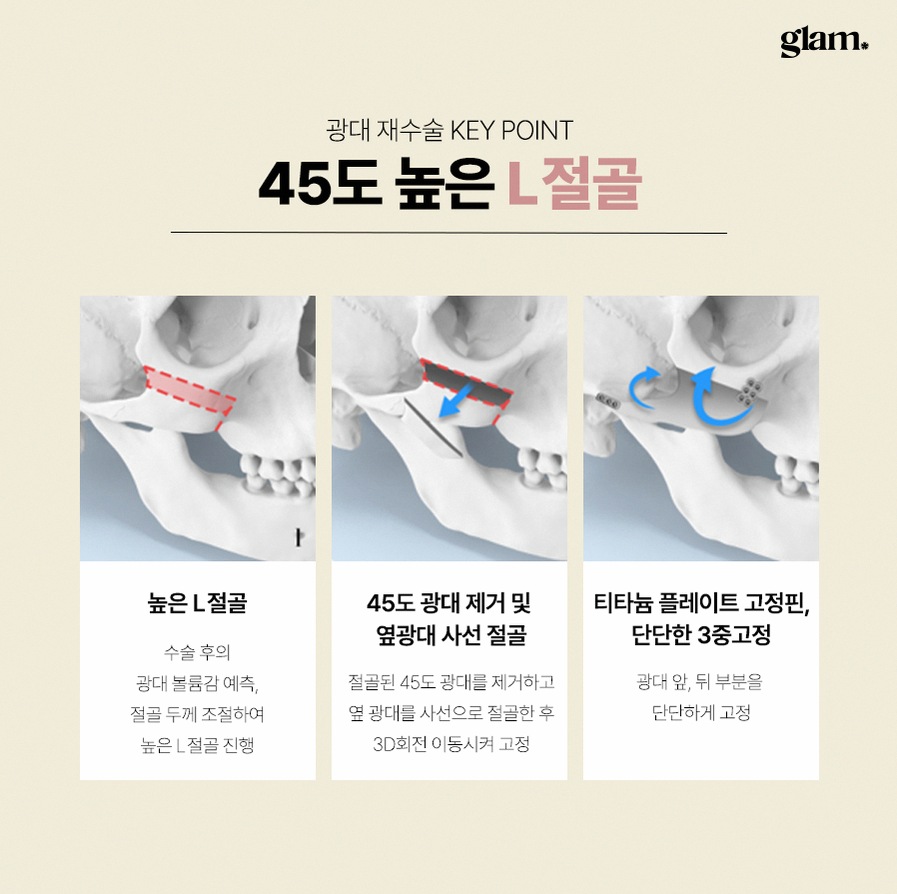
For first-time cases, this can often be done through limited incisions inside the mouth and sometimes near the sideburn, with controlled cutting and repositioning of the zygomatic body and arch. The goal is to narrow the side width and soften the 45-degree angle without making the front cheek look flat or sunken.
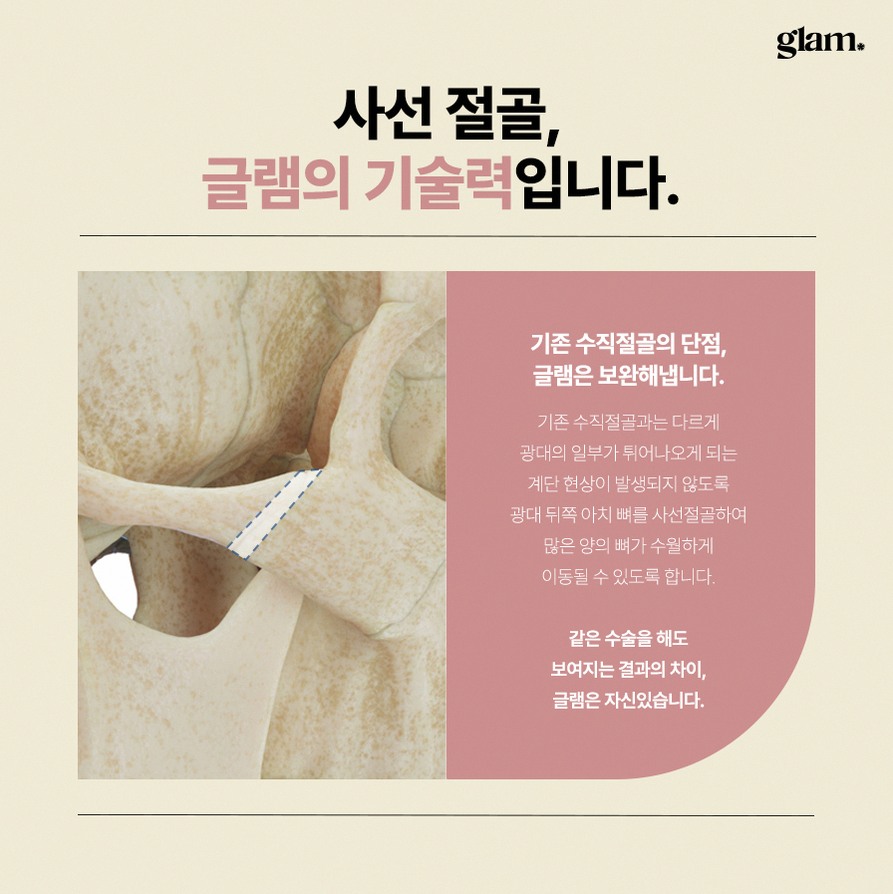
In revision cases, however, “quick” should never be the main priority. The surgeon must first consider bone stability, previous cutting lines, existing plates or screws, nerve position, and soft tissue condition. Because the anatomy has already been changed once, the revision version of a quick cheekbone reduction is usually more detailed and may actually take longer in the operating room.
Why someone considers quick cheekbone reduction revision
Many people who look up quick cheekbone reduction reviews are not having cheekbone surgery for the first time. Common reasons for considering revision include:
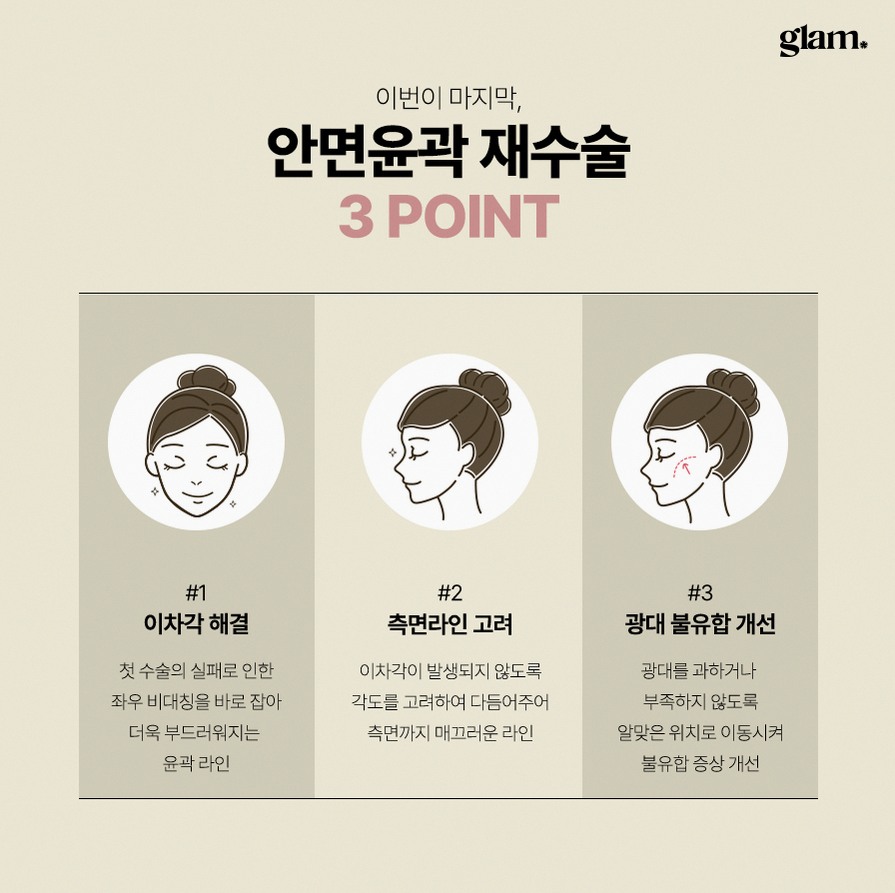
Remaining width at 45 degrees: From the diagonal angle, the face still looks wide or square, even after the first cheekbone reduction.
Flat or sunken front cheek: The front cheek may look too flat, making the midface appear tired or aged, while the side still feels wide.
Asymmetry: One side may look higher, wider, or more projected than the other, especially in photos.
Unnatural shadow lines: Harsh shadows from the temple to the cheek can create a bony or “cut” look under certain lighting.
On the emotional side, people often feel a mix of regret about the first surgery and fear of changing their face again. There is also anxiety about whether the bone is still strong enough, whether nerves might be damaged, or whether another surgery will cause sagging.
Revision candidates usually have scar tissue around the cheekbone, changed bone shape, and often plates or screws from the first operation. All of this makes planning more complex and is why a clinic that focuses only on facial bone surgery, such as GLAM Plastic Surgery, will first carefully check whether revision is truly necessary. In some cases, non-surgical options or minor contour adjustments may be suggested instead of full bone recutting.
Pre-op evaluation for revision cheekbone reduction
For revision facial contouring, the pre-operative evaluation tends to be more detailed than for a first-time case. Typical steps include:
3D CT or similar imaging: This allows the surgeon to see previous osteotomy lines, plate and screw positions, bone thickness, and any irregular healing.
Facial photos from multiple angles: Front, 45-degree, side, and sometimes from below and above, to understand how the bone and soft tissue interact in real life.
Bite and jaw relationship check: Even though cheekbone reduction focuses on the midface, the surgeon needs to understand how the upper jaw and cheekbone area relate to the rest of the facial skeleton.
Palpation of the zygoma area: Gently feeling the cheekbone and surrounding soft tissue helps identify step-offs, irregularities, and areas of tenderness.
Based on these findings, the surgeon decides whether a quick cheekbone reduction style approach is safe, or whether a more traditional revision method is needed. In revision, the clinic’s philosophy often becomes very important. A conservative approach that focuses on the minimum necessary bone movement is usually safer, especially when the bone has already been cut once.
During consultation, it is important to explain your goals very clearly:
Do you mainly want to narrow the midface from the front view, or soften the 45-degree angle?
Is your main concern asymmetry, or overall width?
Are you worried about looking too flat or aged if more bone is removed?
A realistic plan will aim to improve width and symmetry while avoiding a hollow or overly sharp look.
How quick cheekbone reduction revision is typically performed
While details differ between clinics and surgeons, a typical quick cheekbone reduction involves limited incisions, controlled cutting of the zygomatic body and arch, and repositioning and fixation of the bone to create a smoother, narrower contour.
In revision cases, there are extra steps:
Handling existing plates and screws: The surgeon may need to remove or work around previous fixation hardware. This requires careful dissection to avoid nerve and soft tissue damage.
Dealing with scar tissue: Scar tissue can make it harder to separate layers and see important structures. This is one reason why a revision “quick” surgery can actually take longer.
Assessing bone quality: After the first surgery, some parts of the bone may be thinner, irregular, or less stable. The surgeon must judge how much additional movement is safe.
Even though the technique is called quick, in revision cases the operation time is often longer and more meticulous. A dedicated anesthesiologist plays an important role here, monitoring your condition throughout the procedure and managing pain and anesthesia depth, which becomes even more important in longer or more complex revision operations.
Who may consider revision quick cheekbone reduction
You might be a candidate for this type of revision if:
You had cheekbone reduction or other facial contouring in the past.
You still feel your midface is too wide from the 45-degree angle.
You notice visible asymmetry between left and right cheekbones.
You have unnatural shadow lines or a “cut” look around the cheek area.
You have realistic expectations and understand that revision aims for improvement, not perfection.
On the other hand, you may not be a good candidate if:
Your bone is already very thin or unstable on imaging.
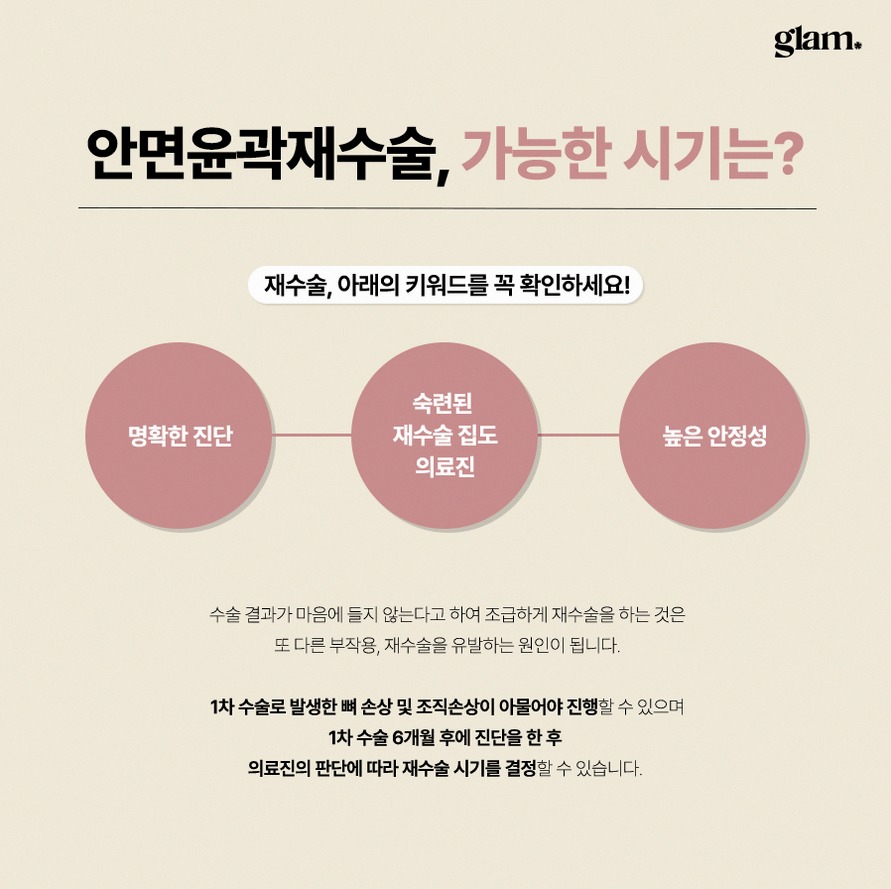
The first surgery was recent and swelling has not fully settled.
Your concerns are mainly related to soft tissue volume or skin laxity, which might be better addressed with non-bony treatments.
In all cases, individual assessment with an experienced facial bone surgeon is essential. Personal anatomy, healing pattern, and previous surgical methods all influence whether revision is advisable.
Immediate post-op review: pain, swelling, first week
Pain after revision cheekbone reduction is usually described as discomfort and tightness rather than sharp pain. Many patients manage well with prescribed oral pain medication, but compared to first-time surgery, some people feel slightly more soreness due to scar tissue and longer operating time.
Swelling typically follows this pattern:
Days 1–3: Swelling increases and often peaks around day 2 or 3. The face can look quite round or puffy, especially around the cheeks and under the eyes.
Days 4–7: Swelling gradually starts to decrease, but the face still looks swollen in photos.
In revision cases, swelling may last a little longer and can be more uneven from side to side.
Common early symptoms include:
Tightness when opening the mouth or chewing.
Mild bruising around the cheeks and sometimes under the eyes.
Temporary numbness or altered sensation in the cheek or upper lip area.
Some clinics provide postoperative care programs such as LED therapy, facial dome care, total skin reset care, or radiofrequency lifting. These are designed to help reduce swelling and support skin condition. They can be helpful, but they are supportive measures rather than the main factor in bone healing.
Practical early-care tips often include:
Sleeping with your head elevated on extra pillows.
Using cold compresses in the first days if recommended by the clinic.
Following a soft diet to avoid excessive chewing.
Avoiding pressure on the cheek area, such as tight masks or sleeping on your side.
One to three months after: shape changes and satisfaction
From a review-style perspective, the face usually changes as follows:
Around 2 weeks: Swelling has reduced but is still clearly visible. You may feel firm areas or mild lumps where the bone and soft tissue are healing.
Around 1 month: The face looks more natural from the front, but can still look a little wide or uneven in certain angles or photos. The cheeks may feel firm to the touch.
Around 3 months: The contour is much closer to the intended shape. Most daily social interactions feel comfortable, and people who do not know you well may not notice you had surgery.
Common concerns during this period include:
Feeling that one side is more swollen or looks different.
Worry that the face is now too narrow or still too wide.
Fear that asymmetry will remain permanently.
Mild asymmetry in swelling is very common and usually improves with time. True bone asymmetry is evaluated with follow-up imaging and physical examination. Surgeons often recommend waiting at least several months before judging the final result, as soft tissue adaptation continues even after the bone has healed.
A balanced satisfaction review for revision quick cheekbone reduction often sounds like this: the 45-degree angle is softer, the midface width is reduced, and the overall facial balance feels more natural, but the result is still limited by the original bone structure and the changes made in the first surgery. Revision is usually about refinement and balance, not about creating a completely new face.
Risks and precautions in revision cheekbone reduction
All surgery carries risk, and revision cheekbone reduction has specific points to understand. Possible risks include:
Prolonged numbness or altered sensation due to nerve irritation.
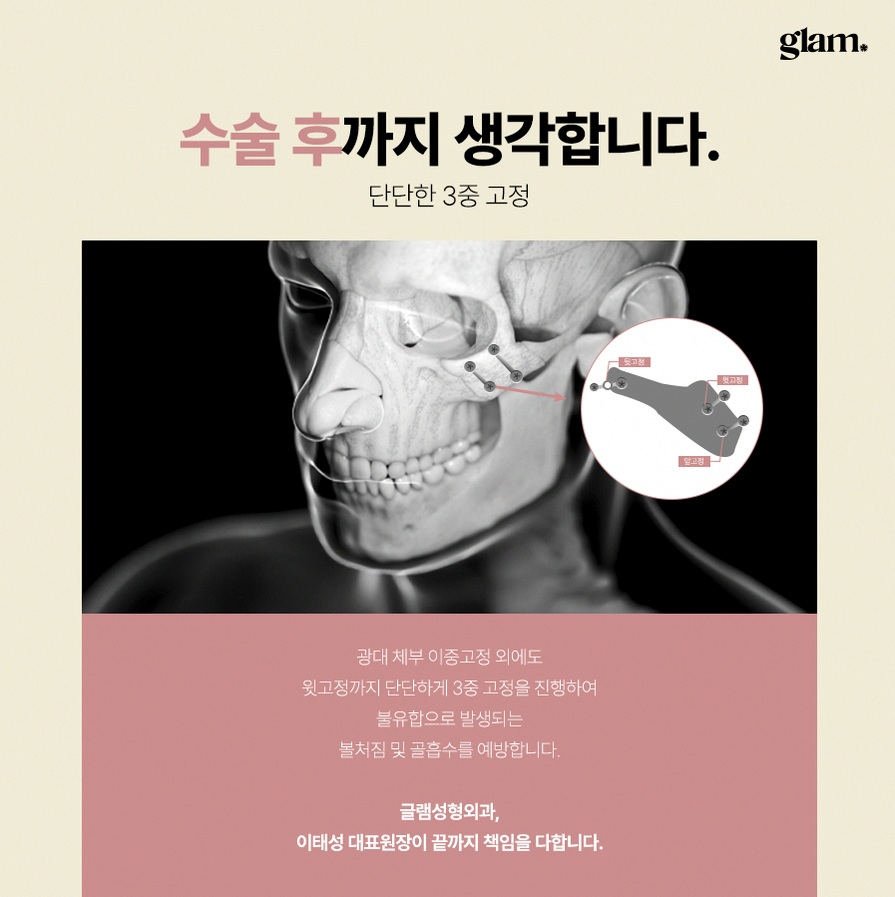
Nonunion or malunion of the bone, where the bone does not heal as expected.
Infection around the bone or fixation hardware.
Persistent asymmetry or contour irregularity.
Soft tissue sagging or changes in cheek volume.
Revision carries higher risk than primary surgery because the anatomy has been altered, scar tissue is present, and previous fixation hardware may need to be removed. This is why choosing a surgeon who regularly performs facial bone surgery and is comfortable with complex revision cases is important.
A responsible clinic may sometimes advise against further bone cutting if the potential benefit is small compared to the risk. This fits with a “minimum necessary surgery” approach, where safety and function are prioritized over aggressive change.
Online consultation and pre-visit preparation for overseas patients
If you are an international patient considering quick cheekbone reduction revision in Seoul, it is wise to start with an online consultation. Many facial-bone–focused clinics, including GLAM Plastic Surgery, provide multilingual channels in English, Japanese, or Thai and use platforms such as Instagram, YouTube, and messaging apps for initial contact.
To prepare, you can gather:
Clear facial photos from front, 45-degree, and side views, taken in natural light.
Any previous CT scans or X-rays, if available, along with operation records from your first surgery.
A short written summary of your concerns: what you dislike now, and what you hope to change.
A list of questions about risks, expected improvement, and recovery timeline.
Before you book a flight, it is helpful to have at least one detailed video or in-person consultation where the surgeon reviews your imaging, explains what kind of revision is possible, and outlines realistic expectations.
Expected Korea visit timeline for revision cheekbone reduction
Every case is different, but a common timeline for overseas patients might look like this:
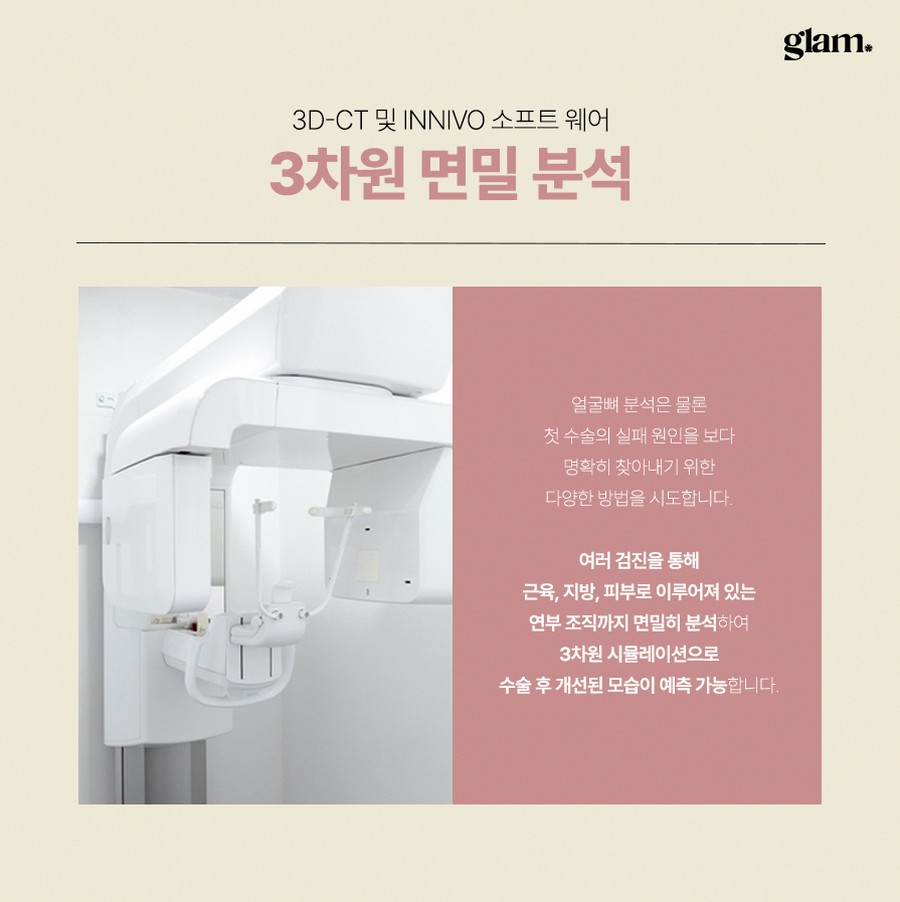
Day 1–2: In-person consultation, 3D CT imaging, detailed examination, final surgical planning. You may have blood tests and pre-anesthesia checks on the same day.
Day 3–4: Surgery day. After surgery, you rest in the clinic recovery area and then at your accommodation with guidance from the medical team.
First week: Follow-up visits for dressing checks, swelling assessment, and basic aftercare. Some clinics start LED or other supportive care sessions during this period.
Second week: Additional follow-up to check healing, remove any external sutures if present, and adjust care instructions. Many overseas patients can travel home around 10–14 days after surgery, depending on their condition and the surgeon’s advice.
If possible, planning a follow-up visit a few months later is ideal, but when that is not realistic, detailed online follow-up with photos and, if needed, local imaging in your home country can be arranged.
Aftercare and long-term care
After you return home, continuing proper care supports healing and final results:
Follow the clinic’s instructions on diet, activity, and sleeping posture.
Avoid strong impact or pressure on the cheek area for the period recommended by your surgeon.
Maintain good oral hygiene if you had intraoral incisions.
Watch for signs of infection such as increasing pain, redness, fever, or unusual discharge, and contact the clinic immediately if they occur.
Over the long term, remember that soft tissue and skin continue to adapt to the new bone structure. Maintaining a stable weight and healthy lifestyle can help your face age more naturally around the new contour.
How to choose a clinic for quick cheekbone reduction revision in Seoul
When comparing clinics in the Sinsa Station and Gangnam area, you can use this simple checklist:
Does the clinic specialize in facial bone surgery such as double jaw and facial contouring, rather than offering every type of cosmetic procedure?
Who will actually perform the surgery, and how often do they handle cheekbone and revision contouring cases?
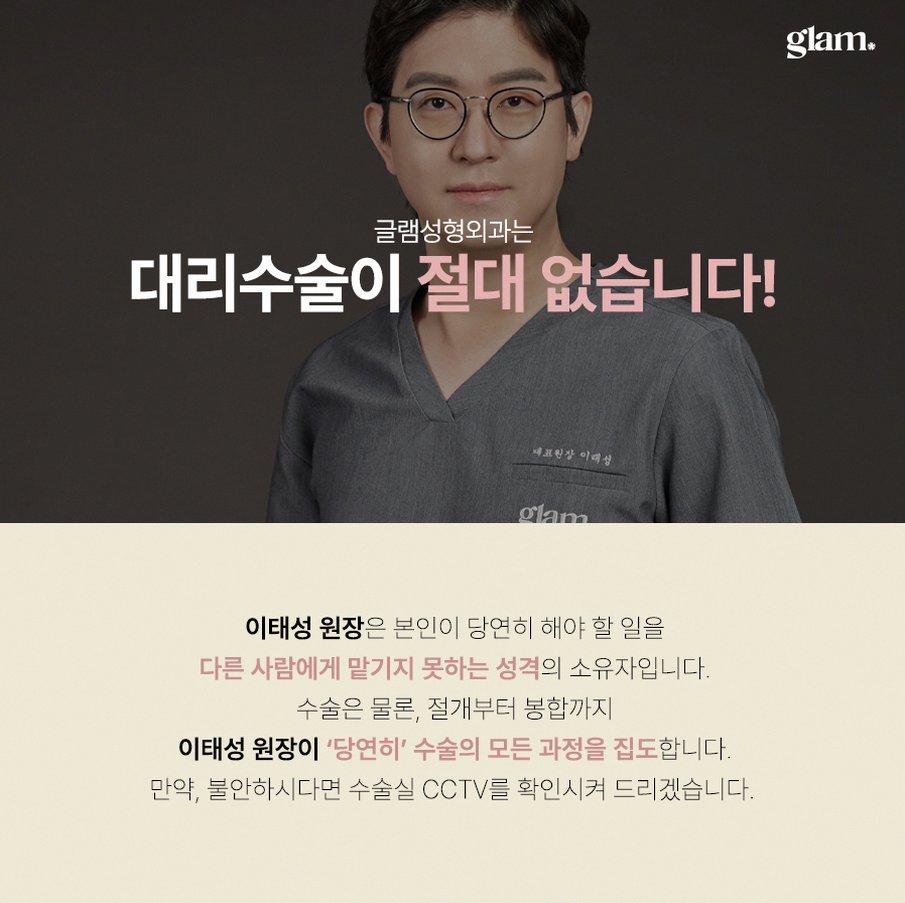
Is there a board-certified anesthesiologist dedicated to anesthesia and monitoring during surgery?
Will the surgeon review your CT images with you and explain what can and cannot be improved?
Are risks, limitations, and recovery timelines explained clearly, without overpromising?
Is multilingual support available so you can fully understand instructions and ask questions?
A clinic that focuses its lineup on facial bone surgery and emphasizes minimum necessary surgery, along with structured postoperative care like LED therapy and lifting-based treatments, can be a good fit for patients who value safety and realistic planning.
FAQ: quick cheekbone reduction revision
Is revision quick cheekbone reduction always possible after a previous cheekbone surgery?
No, revision is not always possible or advisable. It depends on your current bone thickness, the way your first surgery was done, how the bone healed, and your soft tissue condition. 3D imaging is essential to judge whether additional cutting and movement are safe. Sometimes the surgeon may recommend non-bony options or very limited adjustment instead of full revision.
How long should I wait after my first cheekbone reduction before considering revision?
In general, you should wait until swelling has fully settled and the bone has completely healed, which often means at least 6 to 12 months after the first surgery. This allows the surgeon to see your true contour and reduces the risk of operating on bone that is still remodeling. The exact timing should be decided together with your surgeon based on your healing progress and imaging.
Will revision make my face look too flat or aged?
It does not have to. A careful revision plan aims to reduce width and correct asymmetry while preserving enough front cheek volume for a healthy, youthful look. The risk of looking too flat is higher if too much bone is removed or moved inward without considering soft tissue. This is why detailed pre-op planning and conservative bone movement are especially important in revision cases.

How long does numbness usually last after revision cheekbone reduction?
Temporary numbness or altered sensation around the cheeks or upper lip is common after both primary and revision cheekbone surgery. It often improves gradually over weeks to months. In some cases, mild changes in sensation can last longer. Your surgeon can explain the typical pattern and what to watch for, but it is important to understand that exact recovery of sensation varies from person to person.
When can I return to work or social activities after a quick cheekbone reduction style revision?
Many people feel able to return to light, non-physical work about 1 to 2 weeks after surgery, depending on their swelling and comfort level. Visible swelling may still be present, especially in photos, for several weeks. Social activities where you expect to be photographed or closely observed might feel more comfortable after 3 to 4 weeks, and the face continues to refine for several months.
What signs after surgery should make me contact the clinic immediately?
You should contact the clinic right away if you experience rapidly increasing pain, sudden worsening swelling on one side, fever, redness or warmth around the cheeks, unusual discharge, difficulty breathing, or sudden changes in vision. These can be signs of complications that need prompt evaluation. It is better to ask early than to wait and worry.
Soft call to action for online consultation
If you are an overseas patient considering revision quick cheekbone reduction in the Sinsa Station area of Gangnam, an online consultation can be a safe first step. Clinics such as GLAM Plastic Surgery, which focus on double jaw and facial contouring and provide multilingual support, can review your photos and imaging, discuss whether revision is appropriate, and outline a realistic treatment and travel plan.
Use your consultation to ask detailed questions, compare options, and make sure you understand both the potential benefits and the limitations. With careful planning and realistic expectations, revision cheekbone reduction can help refine facial balance in a safer, more predictable way.




- 공유 링크 만들기
- X
- 이메일
- 기타 앱


댓글
댓글 쓰기