Overseas patients: how to pick a in Seoul
- 공유 링크 만들기
- X
- 이메일
- 기타 앱
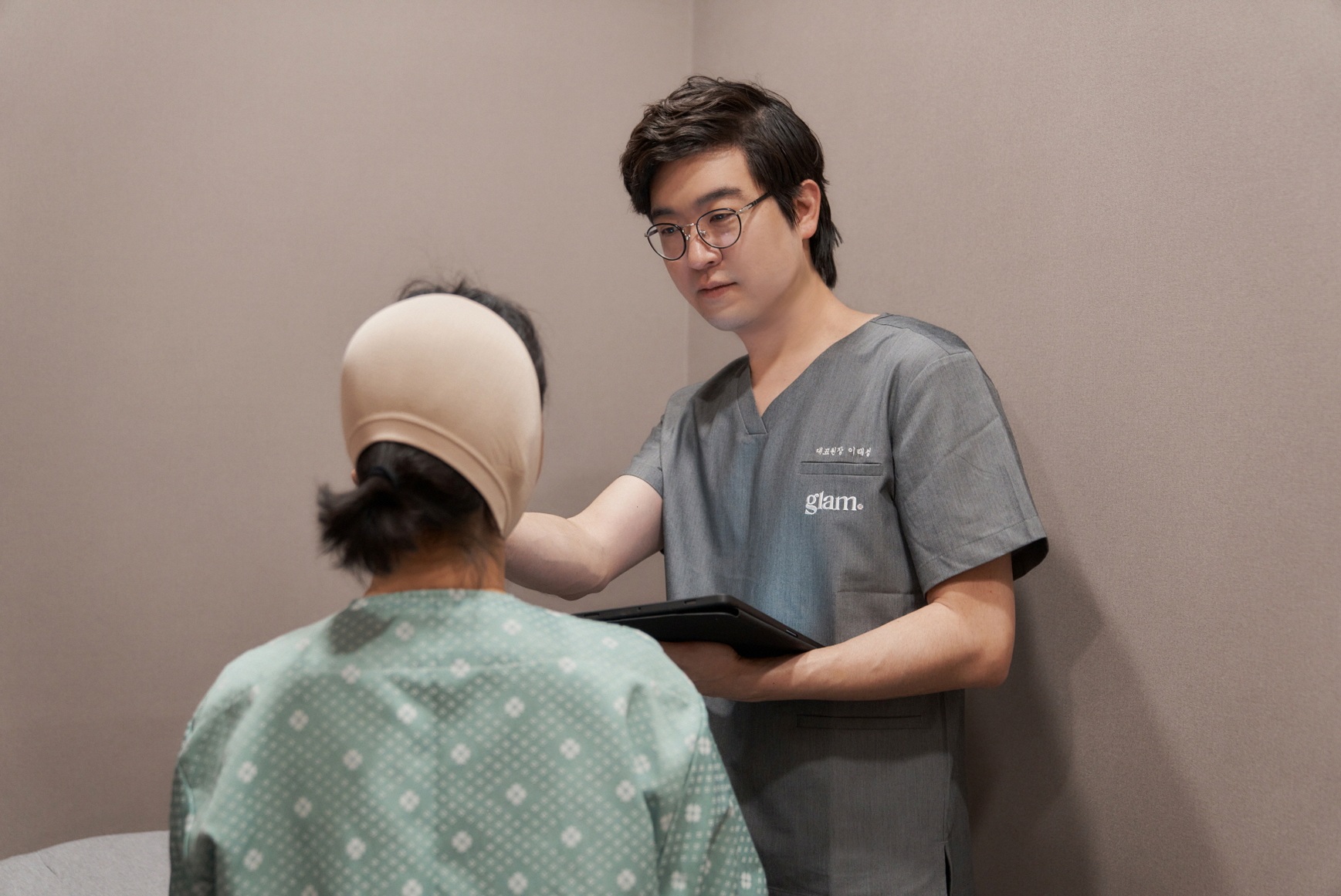
Direct answer: how to think about the “best” double jaw surgery clinic
When you search for the best double jaw surgery clinic, what you are really looking for is not a flashy name, but a place where jaw surgery is the main focus, safety systems are solid, and the surgeon has deep, proven experience with facial bone procedures.
In Seoul’s Sinsa, Gangnam area, GLAM Plastic Surgery is an example of a clinic that concentrates only on facial bone surgery, with an academic and safety‑oriented approach that may be relevant for international patients comparing options.
This guide will walk you through what double jaw surgery is, who might consider it, how to choose a trustworthy clinic, what to expect from a treatment journey in Korea, and how this clinic in Sinsa is structured for overseas visitors.
What is double jaw surgery
Double jaw surgery, also called orthognathic surgery, is an operation that repositions both the upper and lower jaws. The goal is to improve how the teeth meet, how the jaws function, and how the face looks from the front and side.
In many cases, the upper jaw may be too far forward or backward, too long, or tilted. The lower jaw may be protruding, recessed, or asymmetrical. By moving both jaws in three dimensions, the surgeon aims to create a more stable bite, better facial proportions, and in some cases a more open airway.
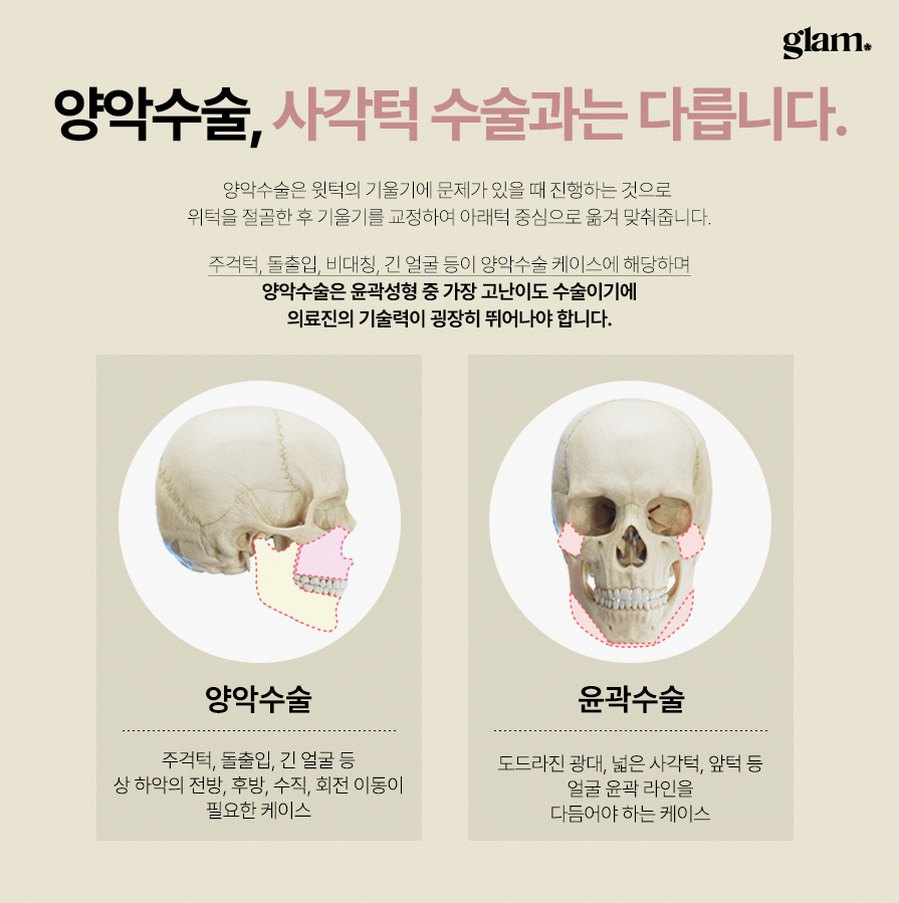
Typical reasons for double jaw surgery include severe malocclusion that cannot be improved enough with bite correction alone, jaw asymmetry, a long or short face, protruding mouth, recessed chin, chewing difficulty, speech issues related to jaw position, and sometimes airway or snoring concerns. Aesthetic improvement is often a secondary but important motivation.
The general process usually involves detailed diagnosis and imaging, three‑dimensional planning, surgery under general anesthesia, a short hospital stay, and long‑term follow‑up over months to monitor healing, sensation, and bite stability.
Who may consider double jaw surgery
Double jaw surgery is a major procedure, so it is usually reserved for people with clear functional or structural problems, not just minor cosmetic concerns.
You might be a potential candidate if you have one or more of the following:
Severe bite problems that cannot be corrected adequately with bite treatment alone.
Noticeable jaw asymmetry when looking in the mirror or in photos.
A long face, protruding mouth, or very recessed lower face that affects both appearance and function.
Chewing difficulty, jaw discomfort, or speech problems linked to jaw position.
Airway or breathing issues that may be related to how far back or down the jaws sit.
Final candidacy can only be decided after an in‑person examination, imaging, and in some cases collaboration with a bite specialist. Some people who think they need double jaw surgery may be better served by other procedures, while others with subtle but significant functional issues may actually benefit from jaw repositioning.
How to choose the best double jaw surgery clinic
When comparing clinics, it can help to look at several objective criteria.
Specialization in facial bone surgery
A key question is whether the clinic mainly focuses on facial bone surgery such as double jaw and facial contouring, or whether it offers every possible procedure.
Clinics that dedicate their resources to jaw and bone work tend to build deeper experience in three‑dimensional facial analysis, bone cutting techniques, nerve protection, and post‑operative management specific to bone surgery. This specialization can be especially important for complex double jaw cases.
Surgeon credentials and experience
Look for a board‑certified surgeon whose main field is facial bone surgery and who has many years of experience specifically with jaw and contour operations.
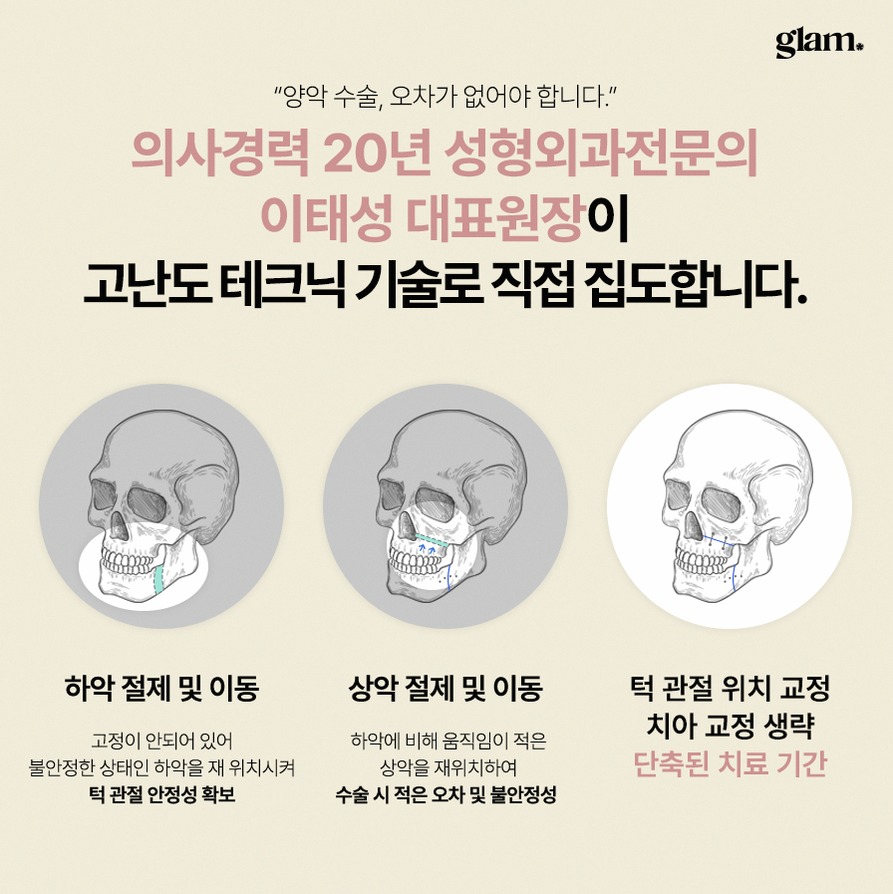
Objective signs of expertise can include:
Long‑term focus on facial bone surgery rather than a broad mix of unrelated procedures.
Previous leadership roles at facial bone centers.
Training at major teaching hospitals.
Academic work such as peer‑reviewed publications on double jaw and contouring surgery.
Academic work is not about marketing; it suggests that the surgeon has studied outcomes in a structured way and is engaged with current techniques and safety discussions.
Anesthesia safety and systems
Double jaw surgery is long and complex, so anesthesia safety is crucial. When comparing clinics, ask whether there is a full‑time board‑certified anesthesiologist on site, not just visiting staff.
A dedicated anesthesiologist can focus entirely on your vital signs, airway, and pain control throughout the procedure, and can plan ahead based on your medical history. This is especially important for jaw surgery, where airway management and swelling need careful attention.
Pre‑operative diagnostics and planning
Reliable clinics invest heavily in diagnosis and planning before suggesting surgery. This typically includes:
3D facial and skull imaging.
Cephalometric analysis to understand jaw angles and relationships.
Functional evaluation of bite and airway.
Simulation of jaw movements in three dimensions.
During consultation, you should receive a clear explanation of why double jaw surgery is or is not recommended, what changes are planned, and what limitations exist.
Surgical philosophy
Some people worry about over‑treatment, such as being advised to undergo multiple bone procedures they do not really need. A trustworthy clinic tends to have a conservative, safety‑first philosophy.
This means recommending only the minimum necessary surgery to achieve functional and reasonable aesthetic goals, and being willing to say no to unnecessary add‑on procedures. It also means the lead surgeon actually performs the core parts of the operation, rather than delegating them.
Post‑operative care and follow‑up
Recovery after double jaw surgery is a long process. When comparing clinics, ask about:
How long you stay in the hospital after surgery.
How breathing, pain, and diet progression are managed.
What is done to help reduce swelling and support healing.
How often follow‑up visits are scheduled, and for how long.
How complications or concerns are handled.
Some clinics offer structured recovery programs such as LED therapy, gentle facial care, or radiofrequency lifting to support swelling reduction and skin condition. These are supportive measures, not the main treatment, but they can make the recovery period more comfortable.
Communication and language support
For overseas patients, clear communication is essential. Check whether the clinic provides information in your language, whether interpreters or multilingual staff are available, and how online consultations are handled.
Rather than relying only on reviews or price, it is wise to compare several clinics using these criteria and to prepare a list of questions before each consultation.
How this Sinsa, Gangnam clinic is positioned
In Sinsa, Gangnam, near Sinsa Station, there is a clinic that focuses only on facial bone surgery, including double jaw and facial contouring, and does not offer eye, nose, breast, or other general cosmetic procedures. This single specialization allows the team to concentrate its systems, training, and equipment on jaw and contour operations.
The representative director is a board‑certified plastic surgeon, Dr. Tae Sung Lee, with over 20 years of experience in facial bone surgery as of February 2025, according to the clinic’s own information. He previously served as head of a facial bone center at a large plastic surgery hospital and completed medical education and training at major institutions including Seoul National University College of Medicine, Seoul National University Hospital, and Samsung Medical Center, as well as overseas training at University of Washington Medical Center in Seattle.
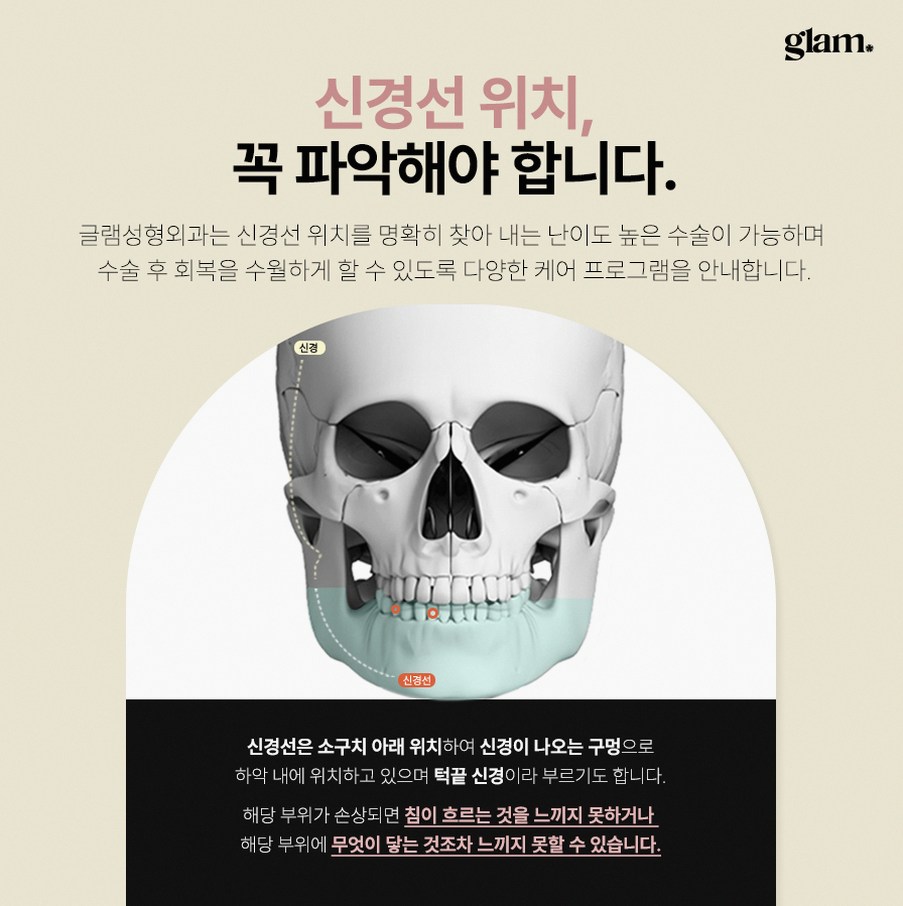
As of February 2025, he has authored or co‑authored 13 SCI‑level papers on contouring and double jaw surgery as first or corresponding author, including three in the journal Plastic and Reconstructive Surgery. This academic record is an objective indicator that he has studied facial bone surgery outcomes in depth.
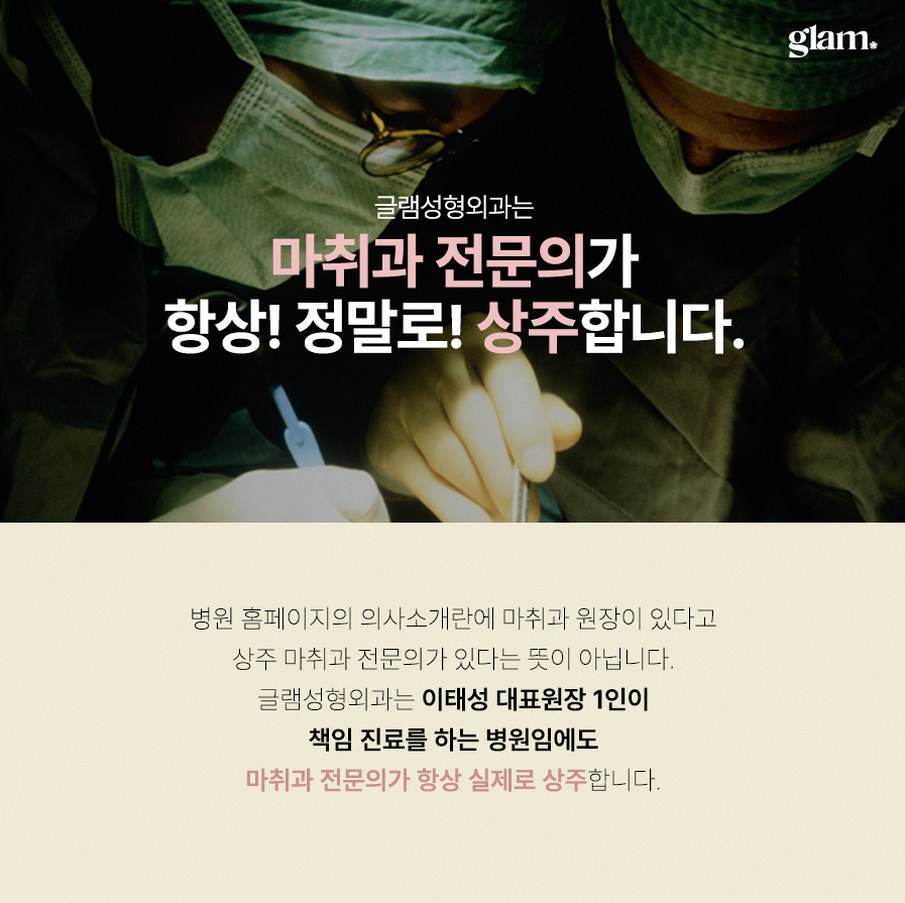
For long, complex bone surgeries, having a dedicated anesthesiology and pain medicine specialist in the clinic is an important safety factor.
The clinic describes a conservative surgical philosophy, with the representative surgeon performing the operations directly and recommending only the minimum necessary surgery. This can be reassuring for patients who are concerned about being advised to undergo more procedures than they truly need.
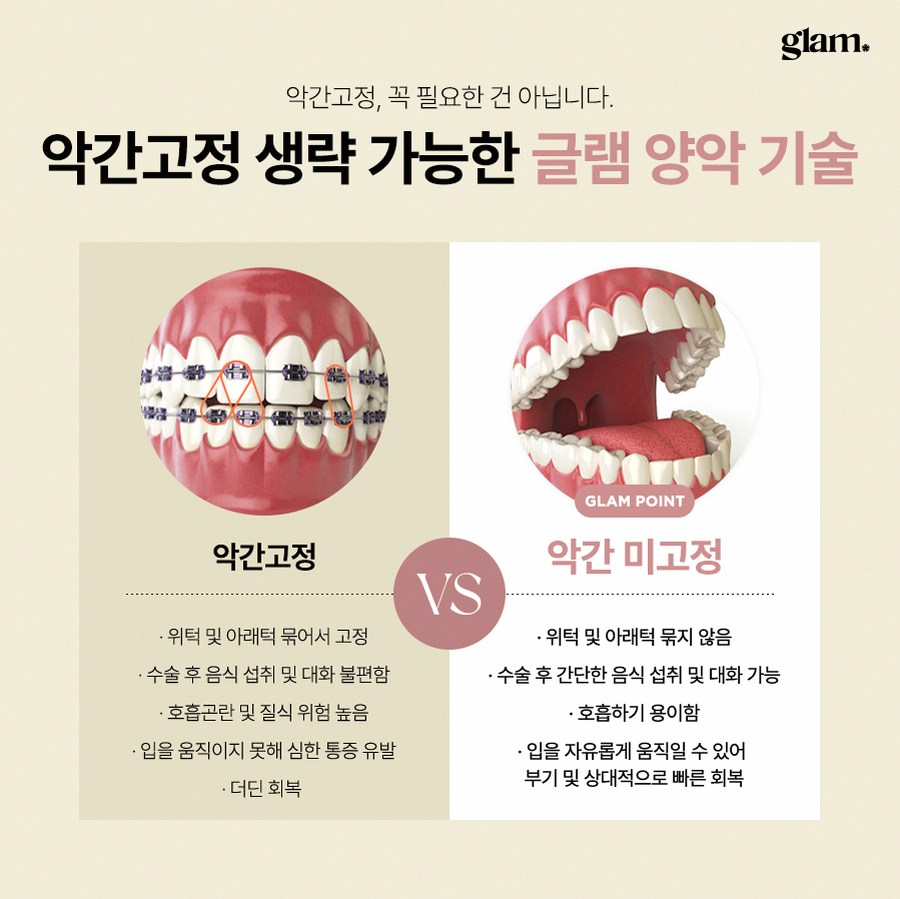
From a technical standpoint, the clinic plans double jaw surgery with the possibility of avoiding intermaxillary fixation (wiring the jaws shut) in selected cases, depending on stability and safety. In some situations, it may be possible to reduce or omit pre‑ or post‑operative bite treatment, but this is not guaranteed and depends entirely on individual conditions. Suture techniques are also used with the intention of reducing nasal widening after surgery, though individual responses vary.
For recovery, the clinic offers supportive programs such as LED therapy, facial dome care, total skin reset care, and radiofrequency lifting to help with swelling reduction and skin condition after bone surgery. These are adjunctive, not core, treatments.
The clinic provides website pages in Japanese, English, and Thai and has channels for foreign patients, which may be helpful if you are planning a visit from overseas.
Typical treatment process at the clinic
While every case is different, a typical double jaw surgery journey at this clinic follows several stages.
Initial consultation
During the first consultation, the team evaluates your facial proportions from the front and side, your bite, and any functional complaints such as chewing difficulty or jaw discomfort. You can share your goals and concerns, including what you hope to change and what you are afraid of.
The surgeon will explain whether double jaw surgery is truly necessary or whether alternatives, such as contouring alone or non‑surgical options, might be considered. This is also the time to discuss general health conditions and previous procedures.
Diagnostic work‑up
If you decide to proceed with detailed evaluation, the clinic performs imaging studies, typically including 3D scans and X‑rays. Measurements are taken to analyze jaw positions, angles, and symmetry.
Your bite is assessed, and the planned movements of the upper and lower jaws are considered in three dimensions. Airway space may also be evaluated, especially if you have snoring or breathing concerns.
Surgical planning
Based on these data, the surgeon creates a surgical plan that includes the location and shape of bone cuts, the direction and amount of jaw movement, and how to balance profile and frontal view.
You should receive an explanation of the expected changes in facial outline, how symmetry will be addressed, what limitations exist, and what kind of recovery course you can anticipate. The possibility of avoiding jaw wiring or reducing bite treatment is discussed only if your case truly allows it.
Anesthesia planning
Before surgery, the anesthesiologist reviews your medical history, medications, allergies, and any previous anesthesia experiences. The general anesthesia process, monitoring methods, and post‑operative pain control plan are explained.

This pre‑operative assessment helps reduce anesthesia‑related risks and allows you to ask questions about safety and comfort.
Surgery day
On the day of surgery, you are admitted, prepared, and brought to the operating room. The representative surgeon performs the operation, while the anesthesiologist manages general anesthesia and monitors your vital signs throughout.
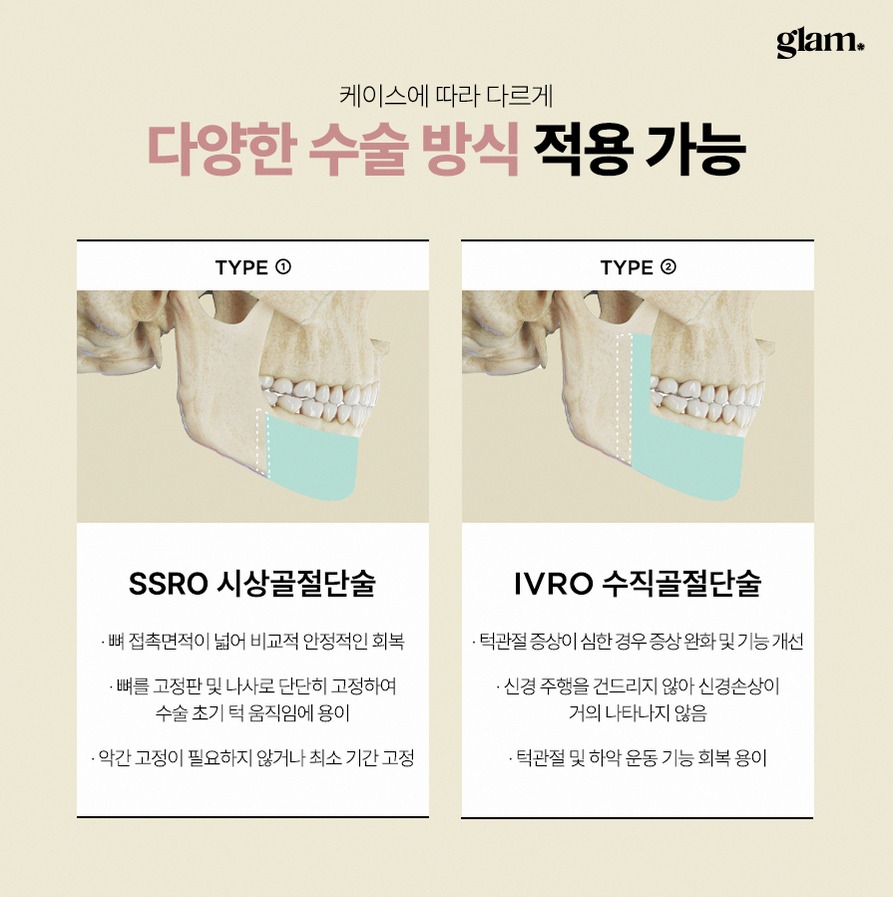
The procedure typically involves cutting and repositioning the upper and lower jaws according to the pre‑planned movements, then fixing them with plates and screws. In some cases, intermaxillary fixation is minimized or avoided, but this depends on stability and safety.
Hospital stay and early recovery
After surgery, you stay in the hospital for close monitoring. Breathing, swelling, and pain are checked regularly. You usually start with liquids and gradually move to soft foods as instructed.
Early swelling management may include head elevation, cold or cool packs as directed, and the start of gentle supportive therapies when appropriate. Staff guide you on oral hygiene, mouth rinsing, and how to communicate while your jaws are healing.
Follow‑up and care programs
After discharge, you return for scheduled follow‑up visits to check bone healing, nerve sensation, bite stability, and overall facial balance. Supportive programs such as LED therapy, facial dome care, total skin reset care, and radiofrequency lifting may be used to assist swelling reduction and skin condition.
The exact steps, number of visits, and total duration of follow‑up vary by individual case. Detailed plans are given during consultation and adjusted according to your healing.
Safety and risks of double jaw surgery
Like any major bone surgery, double jaw surgery carries real risks. These can include bleeding, infection, changes in nerve sensation such as numbness, asymmetry, relapse of jaw position, airway issues, and complications related to general anesthesia.
Swelling and numbness are common and can take months to gradually improve. Some degree of permanent sensation change is possible. Bite adjustments may be needed, and in rare cases revision surgery may be considered.
To manage these risks, it is important to:
Have surgery in a setting with a board‑certified anesthesiologist and proper monitoring equipment.
Undergo thorough pre‑operative evaluation, including medical history and airway assessment.
Have realistic expectations about the recovery timeline and possible limitations.
No clinic can guarantee a perfect result or zero complications. What matters is how carefully risks are explained, how well safety systems are organized, and how structured the follow‑up is if problems arise.
Online consultation and pre‑visit preparation for overseas patients
If you live outside Korea, an online consultation is usually the first step. Most clinics that welcome international patients offer consultation via email, messaging apps, or video calls.
To make this stage efficient, prepare the following in advance:
Clear front, side, and three‑quarter facial photos in good lighting.
Information about your bite, previous treatments, and any existing medical conditions.
A list of your main concerns and goals, prioritized.
Questions about surgery indications, possible alternatives, anesthesia, hospital stay, and expected time in Korea.
During online consultation, remember that any plan is provisional until in‑person examination and imaging are completed. Still, it can give you a realistic idea of whether double jaw surgery is likely to be recommended and what kind of stay you should plan.
Expected Korea visit timeline
The exact schedule depends on your case and the clinic’s system, but a common structure for overseas patients might look like this:
Arrival and pre‑operative evaluation
Arrive in Seoul several days before surgery. During this time, you complete in‑person consultation, imaging, blood tests, and anesthesia assessment. The final surgical plan is confirmed, and you sign consent forms after all explanations.
Surgery and hospitalization
Surgery is performed under general anesthesia, followed by a hospital stay for close monitoring. The length of stay varies but is usually several days.
Early recovery in Korea
After discharge, you typically stay in nearby accommodation in Seoul for a few weeks. During this period, you attend follow‑up visits, manage diet progression, and may receive supportive swelling‑reduction care.
Many overseas patients are advised to stay in Korea for at least three to four weeks after surgery, sometimes longer depending on complexity and travel distance. This allows the clinic to monitor early healing and address any urgent issues before you fly home.
Return home and long‑term follow‑up
Once you return home, you continue recovery with guidance from the clinic via online follow‑up. If bite adjustment or additional care is needed, coordination with a local practitioner may be discussed.

Always confirm the recommended stay duration and follow‑up plan directly with the clinic before booking flights.
Aftercare and daily life after double jaw surgery
Recovery after double jaw surgery is gradual. In the first weeks, swelling, stiffness, and limited mouth opening are expected. Liquid and soft diets are common, and you need to follow instructions on oral hygiene carefully.
Over the next few months, swelling slowly decreases, sensation may partially return, and jaw movement improves with gentle exercises as instructed. Many patients can return to desk‑based work within a few weeks, but full recovery of sensation and bite stability can take several months or more.
Supportive therapies such as LED treatment, gentle facial care, and radiofrequency lifting may be used to help swelling and skin condition, but they do not replace the need for time and patience.
Frequently asked questions
How do I know if I really need double jaw surgery or just bite treatment or contouring?
If your main issue is tooth alignment without major jaw position problems, bite treatment alone may be enough. When the jaws themselves are too far forward or backward, asymmetrical, or affecting your bite and facial balance, double jaw surgery may be considered.
A proper answer requires physical examination, imaging, and bite analysis. During consultation, ask the surgeon to explain clearly whether your problem is mainly in the teeth, the jaws, or both, and what each option can realistically change.
How long do swelling and numbness last after double jaw surgery?
Swelling is usually most intense in the first week and then gradually decreases over several weeks. Many patients feel socially more comfortable after four to six weeks, but subtle swelling can last for several months.
Numbness or altered sensation around the lips, chin, or cheeks is common and can take months to improve. Some degree of permanent change is possible. Your surgeon should explain these possibilities before surgery.
Is it always necessary to wire the jaws shut after surgery?
Traditional double jaw surgery often involved wiring the jaws shut for several weeks. With modern fixation techniques, some cases can avoid full intermaxillary fixation, using elastic bands or limited fixation instead.
Whether this is possible depends on your specific jaw movements, bone stability, and safety considerations. It cannot be guaranteed for everyone and should be decided by your surgeon.
Do I always need bite treatment before and after double jaw surgery?
In many classic treatment plans, bite treatment before and after surgery is part of the process to align the teeth with the new jaw positions. However, in some selected cases, it may be possible to shorten or omit certain stages.
This depends on your existing bite, tooth positions, and goals. During consultation, ask the surgeon to explain why bite treatment is or is not recommended in your case, and what trade‑offs are involved.
How long should I stay in Seoul after double jaw surgery as an overseas patient?
Many overseas patients are advised to stay in Seoul for at least three to four weeks after surgery, sometimes longer for complex cases. This allows for hospital care, early recovery, and several follow‑up visits before you fly home.
The recommended stay can vary by clinic and by individual condition, so it is important to confirm a personalized timeline during your consultation before making travel arrangements.
What should I ask during a consultation when comparing double jaw surgery clinics?
Prepare questions about the surgeon’s main field of practice, years of experience in facial bone surgery, and academic work related to double jaw operations. Ask who will perform your surgery, whether a full‑time anesthesiologist is present, and what safety systems are in place.
You can also ask about pre‑operative diagnostics, whether unnecessary procedures are avoided, how long you will stay in the hospital, what aftercare is provided, and how overseas follow‑up is handled.
Location and practical information
This clinic is located on Dosan‑daero in Sinsa, Gangnam, about 200 meters on foot from Sinsa Station Exit 1. It is a central area of Seoul with convenient access for both local and international patients, and many accommodation options nearby.

The clinic operates on weekdays and Saturdays with no lunch break, and is closed on Sundays and public holidays. Weekdays generally cover daytime and early evening hours, while Saturdays have shorter hours. Because schedules can change, you should always confirm the latest opening times directly with the clinic.
Contact is available by phone and through social media channels such as Instagram, YouTube, and a messaging channel. Specific contact details and links can be found on the clinic’s official website.
Soft call to action
If you are considering double jaw surgery in Korea and would like an opinion from a clinic that focuses only on facial bone surgery in Sinsa, Gangnam, you can explore an online consultation with GLAM Plastic Surgery.
Use online consultation to share your photos, concerns, and medical history, and to ask detailed questions about indications, safety, and the expected treatment journey. Final decisions should always be made after in‑person examination and full explanation of risks, benefits, and alternatives, but a careful online discussion can be a useful first step in deciding whether to travel to Seoul for evaluation.




- 공유 링크 만들기
- X
- 이메일
- 기타 앱


댓글
댓글 쓰기