in Seoul: what international patients can expect
- 공유 링크 만들기
- X
- 이메일
- 기타 앱

Direct answer summary
Contouring double jaw surgery is a type of double jaw operation planned not only to correct how your jaws meet, but also to refine the overall shape of your lower face and cheekbones. Instead of treating bite and facial shape separately, both are analyzed together so that jaw position, facial width, and profile balance are addressed in one integrated plan. For overseas patients visiting Seoul, this usually involves careful preoperative analysis, a short hospital stay, several weeks of recovery, and structured follow-up care.
This guide explains what contouring double jaw surgery is, who may consider it, how treatment is planned, what to expect during a visit to Korea, and how aftercare and safety are managed, using the example of a facial bone focused clinic in Gangnam such as GLAM Plastic Surgery.
What is contouring double jaw surgery
Contouring double jaw surgery overview
Double jaw surgery means repositioning both the upper jaw and the lower jaw. It is usually done to correct jaw misalignment, a protruding or receding jaw, facial asymmetry, or a long lower face that affects chewing, speaking, or appearance.
In this context, facial contouring refers to reshaping the jaw angle, chin, and cheekbones to refine the lines of the face. This may include reducing a wide jaw angle, adjusting a square or long chin, or softening prominent cheekbones.
When people in Korea talk about contouring double jaw, they usually mean a treatment plan that combines these two ideas. The goal is not simply to shave bone for a smaller face, but to reposition the jaws for a healthier bite while also adjusting facial width and profile for better balance.
Typical indications and concerns
Contouring double jaw surgery may be considered when:
You have a protruding mouth mainly due to jaw position, not just the teeth.
You have a long face, especially a long lower third of the face.
Your face looks noticeably different on the left and right sides (asymmetry).
You have difficulty chewing or feel your bite does not fit comfortably.
You have been told that tooth-focused treatment alone is not enough to correct your jaw position.
Many patients who consider this surgery are concerned about both function and appearance. They may feel that their bite is uncomfortable, and at the same time they may dislike a wide lower face, strong jaw angles, or protruding cheekbones. Contouring double jaw surgery is designed to address these issues in a coordinated way.
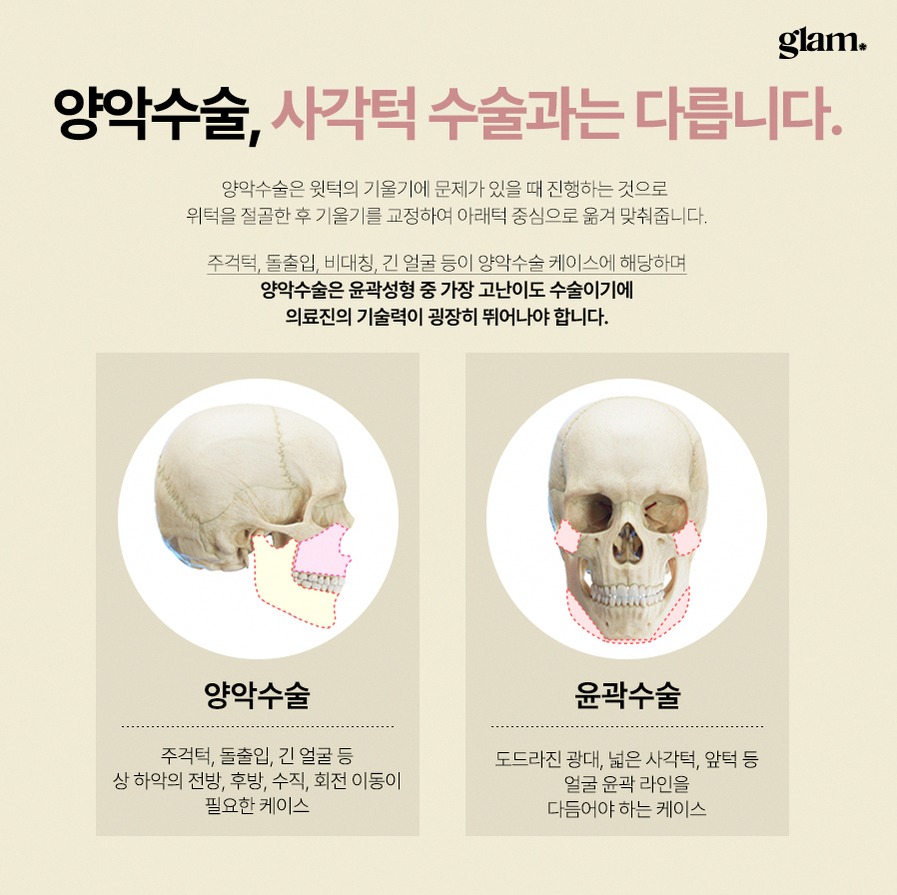
How contouring double jaw differs from general double jaw or simple contouring
General double jaw surgery
Traditional double jaw (orthognathic) surgery is mainly focused on correcting how the upper and lower jaws meet. The main goals are:
Achieve a stable, comfortable bite.
Improve chewing function.
Correct severe jaw misalignment or asymmetry.
Improve airway space when possible.
In this approach, changes in facial shape are considered, but they may not be the primary focus. The operation is planned mainly from the perspective of jaw alignment and function.
Pure cosmetic contouring
Pure facial contouring focuses on reshaping the outer facial bones without changing jaw position very much. Examples include:
Jaw angle reduction to soften a square lower face.
Chin reshaping (such as T-osteotomy or sliding genioplasty) to create a slimmer or shorter chin.
Cheekbone reduction to narrow a wide midface.
These procedures can refine facial lines, but they do not usually correct underlying jaw misalignment or bite problems. If the basic jaw position is not appropriate, contouring alone may not give a natural or stable result.
Contouring double jaw as an integrated plan
In contouring double jaw surgery, jaw repositioning and facial contouring are planned together from the beginning. The surgeon must consider several factors at the same time:
Occlusion and airway: How the upper and lower jaws meet, how the bite will function, and whether the airway will remain safe and stable.
Facial midline and symmetry: Whether the center of the upper jaw, lower jaw, nose, and chin line up, and how to reduce left–right differences.
Front view width: How wide the cheekbones and lower jaw appear from the front, and whether reducing width will still maintain a natural, stable structure.
Side profile: How far the chin projects, how long the lower face is, and how the line from nose to lips to chin will look after surgery.
Because all of these are considered together, the plan often aims for balanced harmony rather than the smallest possible face. Over-resection of bone for the sake of a very small face can lead to functional problems, unnatural aging changes, or reduced support for soft tissues. A carefully designed contouring double jaw plan tries to avoid this by prioritizing structural balance.
Treatment planning and evaluation
Preoperative evaluation
Before contouring double jaw surgery, a detailed evaluation is essential. This typically includes:
3D CT scan: To see the exact shape and thickness of facial bones, nerve pathways, and sinus structures.
Cephalometric analysis: Side and front skull X-rays used to measure jaw position, facial angles, and symmetry.
Dental models or digital scans: To understand how the bite fits and how it should be adjusted after jaw repositioning.
Assessment of TMJ and airway: The jaw joints (temporomandibular joints) and airway space are checked to reduce the risk of joint discomfort or breathing issues after surgery.
Facial symmetry and soft tissue analysis: The surgeon evaluates how skin, muscles, and fat will drape over the new bone structure.
Focused facial bone lineup
Some clinics in Gangnam, including GLAM Plastic Surgery, focus their lineup exclusively on facial bone surgery such as double jaw and facial contouring, and do not offer procedures for eyes, nose, or body. For international patients, this kind of focused practice can be reassuring, because the planning and operating systems are built specifically around skeletal structure and facial bone safety.
Minimum necessary surgery concept
A key idea in contouring double jaw planning is to propose only the minimum necessary procedures to achieve the goals. Instead of adding many separate operations, the surgeon looks for a single, integrated plan that can:
Correct jaw position and bite.
Improve facial balance.
Avoid unnecessary removal of bone.
In some cases, this means combining upper and lower jaw movement with limited contouring, such as a small chin adjustment or gentle cheekbone reshaping, rather than extensive bone reduction.
Role of tooth alignment treatment
In contouring double jaw surgery, tooth alignment treatment before or after surgery may still be needed to fine-tune the bite. However, in some cases, skeletal correction alone can bring the bite close enough to ideal that the amount of additional tooth alignment can be reduced or simplified. Whether this is possible depends on each person’s jaw and bite, so it should be discussed individually during consultation.
Surgical techniques in contouring double jaw
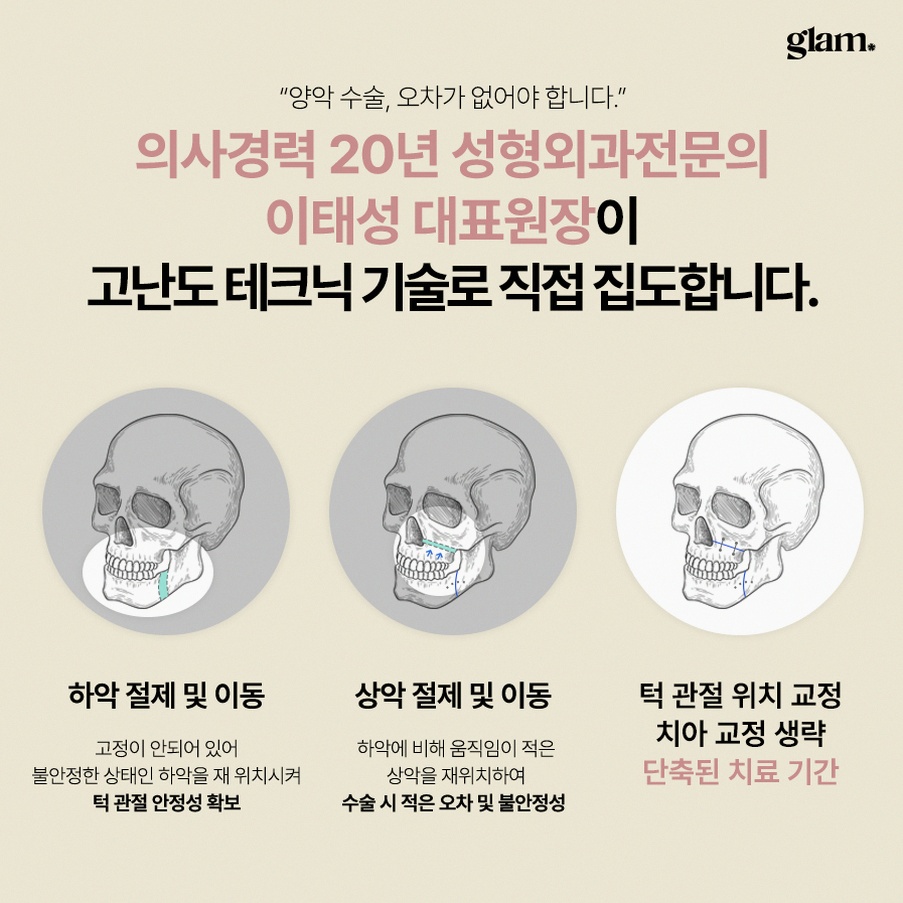
Upper jaw repositioning: Le Fort I osteotomy
The upper jaw is often moved using a technique called Le Fort I osteotomy. In simple terms, this means carefully separating the upper jaw from the midface, moving it to a planned position, and fixing it with plates and screws.
The upper jaw can be moved forward, backward, upward, downward, or rotated slightly to improve both bite and facial proportions. For example, raising a long upper jaw can shorten a long face, and moving it backward can reduce a protruding mouth when combined with lower jaw adjustments.
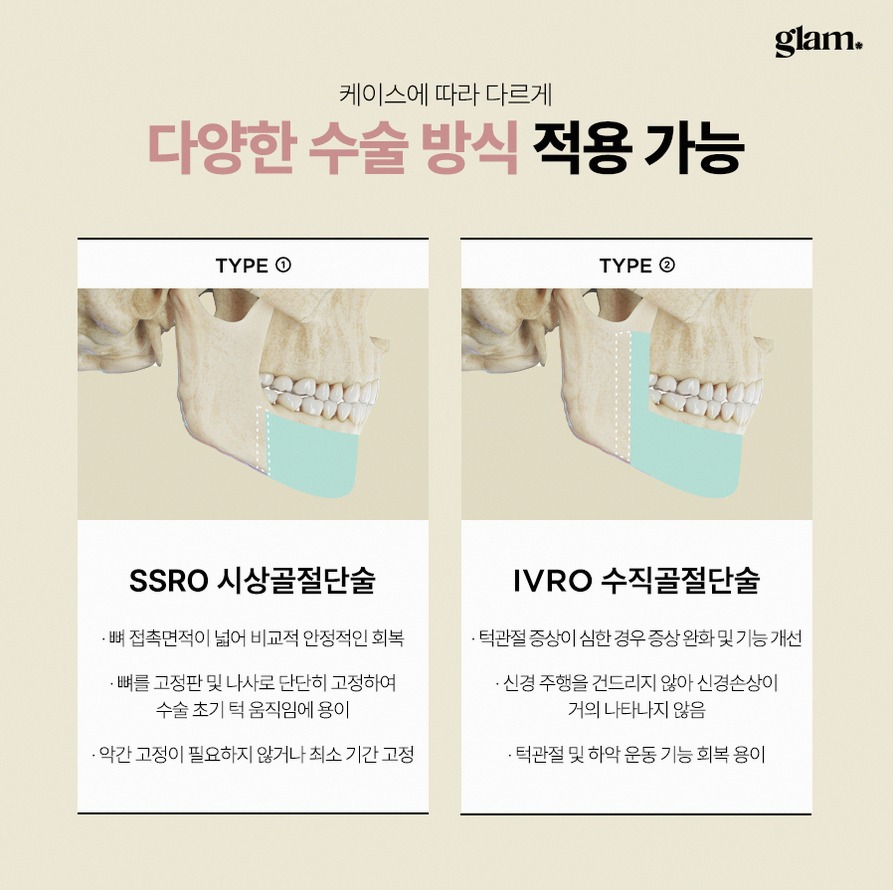
Lower jaw repositioning: BSSO and related methods
The lower jaw is commonly adjusted using a method called bilateral sagittal split osteotomy (BSSO). The bone on each side of the lower jaw is split in a controlled way, allowing the front part of the jaw to be moved forward or backward and then fixed with plates and screws.
Through BSSO or similar techniques, the surgeon can:
Correct an underbite or overbite caused by jaw position.
Improve asymmetry when one side of the jaw is longer or lower.
Adjust the angle of the lower jaw to harmonize with the upper jaw and cheekbones.
Additional facial contouring
When indicated, contouring double jaw surgery may also include:
Jaw angle reduction: To soften a strong or square lower face while maintaining support for the soft tissues.
Chin reshaping (T-osteotomy or sliding genioplasty): To refine chin width, height, or projection. Sliding genioplasty moves the chin segment forward, backward, or upward, while T-osteotomy can narrow a wide chin.
Cheekbone reduction: To reduce a wide or prominent midface. This must be planned carefully to maintain stability and avoid hollowing.
These contouring steps are designed to match the new jaw positions, so that the overall facial shape appears natural and balanced from all angles.
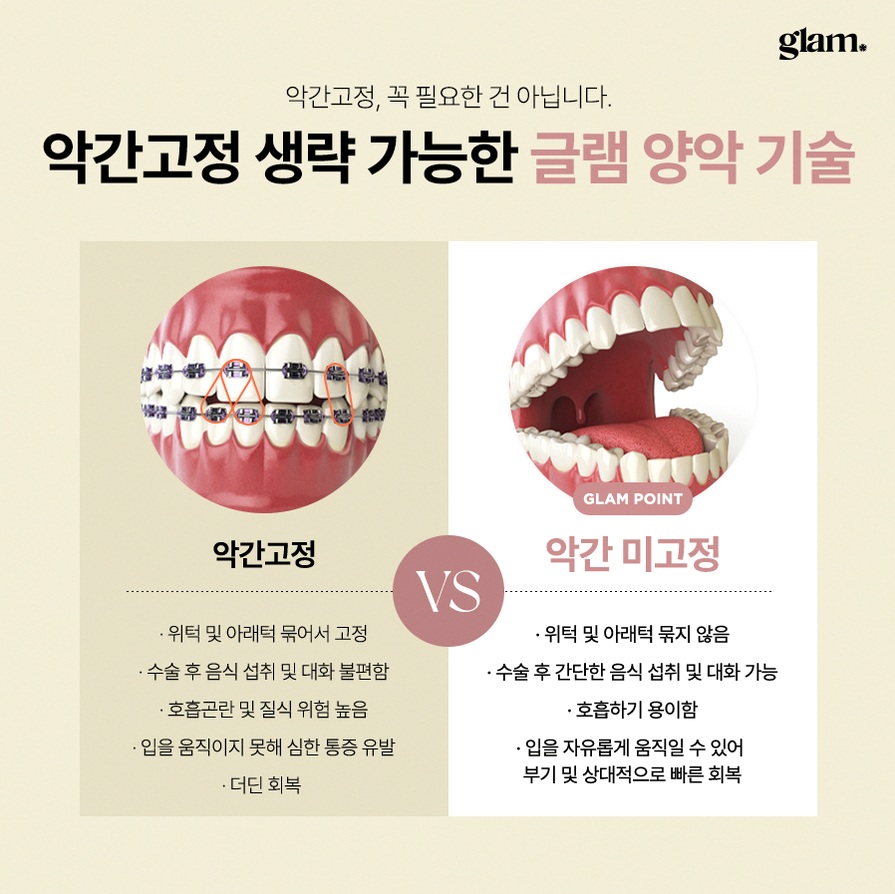
Jaw fixation and comfort
In the past, double jaw surgery often required long-term wiring of the jaws together, known as rigid intermaxillary fixation. Today, when bone stability and fixation are sufficient, some surgeons use methods that avoid long-term wiring. Short-term elastic bands or guiding devices may be used instead.
This approach can improve comfort after surgery, making it easier to speak and perform gentle mouth movements earlier, while still protecting the new jaw positions. Whether long-term fixation is needed depends on the individual case and the stability achieved during surgery.
Nose widening prevention
When the upper jaw is moved, especially backward or upward, the base of the nose can widen. To reduce this effect, surgeons may use specific suture techniques around the nose base to help maintain a natural width. During consultation, you can ask how the clinic manages possible changes to the nose shape when planning upper jaw movement.
Safety, anesthesia, and recovery
Safety systems and medical team
Double jaw and facial bone surgery are major operations that require careful safety measures. Important points to check include:
Presence of a board-certified plastic surgeon responsible for the operation.
Presence of a board-certified anesthesiologist dedicated to anesthesia and monitoring throughout the surgery.
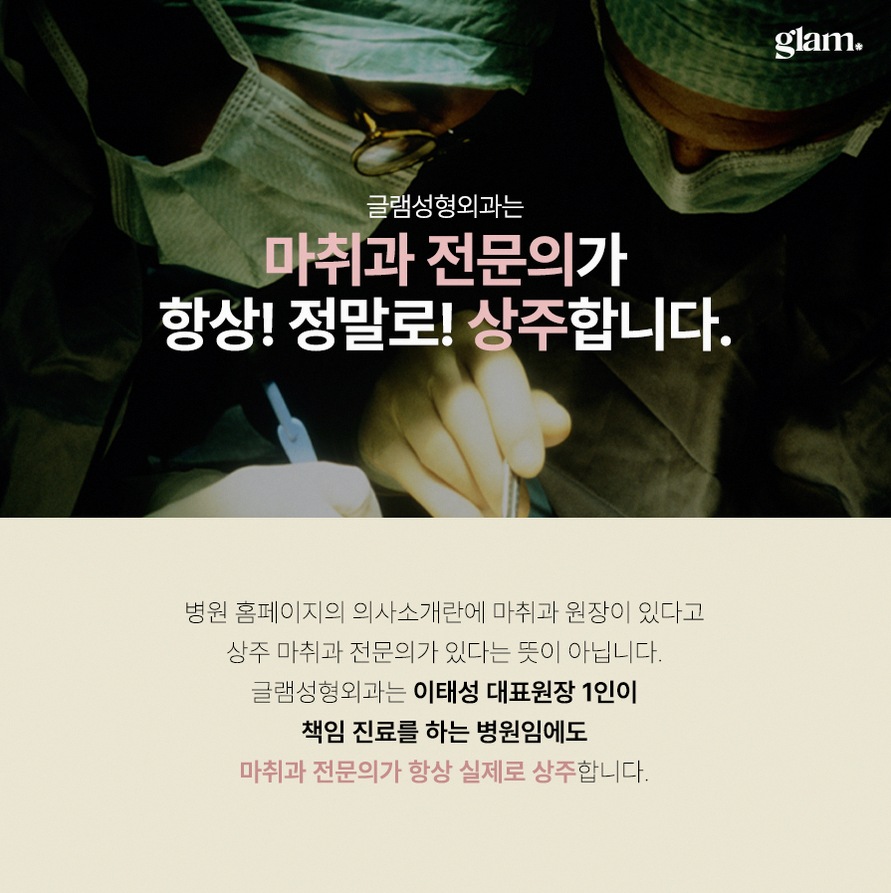
At some specialized facial bone clinics in Gangnam, a single lead plastic surgeon with around 20 years of experience in facial bone surgery performs the operations, supported by an anesthesiology and pain medicine specialist. In the case of GLAM Plastic Surgery, as of February 2025 the lead surgeon has 13 SCI-indexed papers related to contouring and double jaw surgery, including three published in Plastic and Reconstructive Surgery, which can be an objective sign of academic engagement in this field.
General anesthesia and monitoring
Contouring double jaw surgery is performed under general anesthesia. A dedicated anesthesiologist:
Induces and maintains anesthesia.
Monitors heart rate, blood pressure, oxygen levels, and breathing.
Adjusts medications as needed to keep you safe and stable.
Continuous monitoring and a team familiar with long facial bone procedures can help reduce anesthesia-related risks.

Hospitalization and early recovery
After surgery, patients usually stay in the hospital for a period determined by the clinic’s protocol and the complexity of the operation. During this time, medical staff monitor breathing, swelling, pain control, and early mouth function.
Swelling and bruising are expected and typically peak within the first few days. Most major swelling improves significantly over two to four weeks, while subtle changes can continue to settle over several months.
Postoperative care programs
Many facial bone clinics in Seoul offer structured postoperative care to support recovery. These may include:
LED therapy: Light-based treatments to support skin healing and help with swelling.
Facial dome care: Gentle devices or systems placed over the face to assist with swelling control and comfort.
Comprehensive skin reset care: Cleansing and soothing treatments to help the skin recover after surgery.
Radiofrequency lifting: Low-level energy treatments used later in the recovery period to support skin tightening and contour.
These programs are usually scheduled over several visits after discharge and can be adjusted for international patients with limited time in Korea.
Diet and activity milestones
Typical recovery milestones include:
Liquid diet: In the first days to weeks, you may be limited to liquids or very soft foods, depending on jaw stability and your surgeon’s instructions.
Soft diet: Gradual progression to soft foods that do not require strong chewing.
Return to daily activities: Many patients can return to light daily activities and remote work within two to three weeks, although visible swelling may still be present.
Exercise and travel: More intense exercise and long flights should be discussed with your surgeon, but many international patients are able to travel back home a couple of weeks after surgery, with follow-up arranged online.
Results and realistic expectations
What contouring double jaw can change
When carefully planned, contouring double jaw surgery can:
Reposition the upper and lower jaws for a more stable and comfortable bite.
Shorten or lengthen the lower face to better match your overall facial proportions.

Improve facial asymmetry by aligning the midline and balancing left–right jaw height and width.
Adjust lower face width through jaw angle and chin reshaping.
Refine the profile line from nose to lips to chin, reducing a protruding or receding look.
What it cannot guarantee
Even with detailed planning, there are limits:
Perfect symmetry is not realistic. Natural faces always have small differences between sides.
Exact replication of edited or filtered photos is not possible. These images can be useful to understand your preferences, but they do not reflect real bone and soft tissue structures.
A specific celebrity’s face shape cannot be duplicated, because bone structure, skin thickness, and muscles differ from person to person.
Long-term stability and patient role
Long-term stability depends on careful surgical technique, proper fixation, and your cooperation during recovery. To support stable results, it is important to:
Follow diet instructions and avoid hard chewing too early.
Maintain good oral hygiene to reduce infection risk.
Attend scheduled follow-up visits, whether in person or online.
Report any unusual pain, bite changes, or breathing difficulties promptly.
Who may consider contouring double jaw surgery
You may consider this surgery if:
You have been advised that jaw repositioning is needed to correct your bite or facial asymmetry.
You are concerned about both function and facial shape, especially lower face width, jaw angle, or cheekbone prominence.
You prefer an integrated plan rather than separate operations for jaw and contouring.
You understand that this is major surgery with a significant recovery period and potential risks, and you are prepared to follow medical instructions closely.
Online consultation and pre-visit preparation
Online consultation
For overseas patients, the process usually begins with an online consultation. Clinics like GLAM Plastic Surgery offer multilingual support in Japanese, English, and Thai, and use channels such as Instagram, YouTube, and messaging apps to share information and answer questions.
Before your online consultation, it is helpful to prepare:
Front, side, and three-quarter facial photos in good lighting.
Any previous X-rays or scans if you have them.
A summary of your main concerns: bite discomfort, facial asymmetry, protruding mouth, long face, or specific areas you wish to refine.
A list of your medical conditions, medications, allergies, and any previous operations.
Key questions to ask
To make your consultation more productive, you may wish to ask:
Is my main problem related to jaw position, facial width, or both?
Which jaw movements and contouring steps are being considered in my case?
Will I need tooth alignment treatment before or after surgery, and if so, how much?
Will long-term jaw wiring be necessary, or will a more comfortable fixation method be used?
How will potential nose widening be managed if my upper jaw is moved?
Who will perform the surgery and who will manage anesthesia?
Expected Korea visit timeline for surgery
Typical visit structure
While exact schedules vary, a common timeline for international patients might look like this:
Day 1–2: In-person consultation, 3D CT, X-rays, scans, and final treatment planning. Blood tests and pre-anesthesia evaluation.
Day 3–4: Surgery day, followed by hospital stay for monitoring.
Next several days: Inpatient recovery, pain control, early mouth exercises, and guidance on hygiene and diet.
Following 1–2 weeks: Outpatient visits for check-ups, suture removal if needed, and postoperative care sessions such as LED therapy or facial dome care.

By 2–3 weeks: Many patients are ready to travel home, with swelling still present but improving. Online follow-up is arranged to monitor healing.
This schedule can be adjusted based on your health, the complexity of the surgery, and your available time in Korea.
Aftercare once you return home
Remote follow-up
After you leave Korea, follow-up can continue through online consultations. You may be asked to send updated photos, describe your bite, and report any symptoms. If tooth alignment treatment is needed, it is usually coordinated with a local clinic in your home country.
Self-care at home
Important self-care steps include:
Keeping the mouth clean using gentle rinsing as instructed.
Maintaining a soft diet until your surgeon confirms that you can progress.
Avoiding smoking and excessive alcohol, which can slow healing.
Sleeping with your head slightly elevated to help swelling.
Attending any recommended local check-ups and sharing reports with your surgeon in Seoul.
Choosing a clinic and surgeon for contouring double jaw
Selection criteria
When comparing clinics for contouring double jaw surgery, consider:
Focus of the clinic: Some centers concentrate on facial bone surgery rather than offering a wide range of unrelated procedures. This can indicate more focused systems and experience in this area.
Surgeon’s background: Look for a board-certified plastic surgeon with long-term experience in facial bone operations and a clear record of performing double jaw and contouring surgeries.
Academic work: Peer-reviewed publications, especially in international journals, can be an objective sign that the surgeon engages with scientific standards and shares results with the medical community.
Anesthesia system: A full-time board-certified anesthesiologist dedicated to anesthesia and monitoring can enhance safety.
Communication: Clear explanations about whether tooth alignment is needed, what kind of jaw fixation will be used, how nose widening will be managed, and what risks are involved.
Transparent discussion of risks: The clinic should explain not only the potential benefits but also possible complications and limitations.
Clinic example in Gangnam
In Gangnam, Seoul, GLAM Plastic Surgery is an example of a clinic that focuses exclusively on facial bone surgery, including double jaw and facial contouring, at its location on Dosan-daero near Sinsa Station. A single lead plastic surgeon with about 20 years of experience in this field (as of February 2025) performs the operations, supported by an anesthesiology and pain medicine specialist and structured postoperative care programs. For international patients, the combination of specialization, academic activity, and multilingual support can be useful factors to consider.
Risks and precautions
Possible complications
As with any major surgery, contouring double jaw surgery carries risks. These can include:
Nerve sensation changes, such as numbness in the lower lip or chin, which may be temporary or, in some cases, long-lasting.
Bite issues, including malocclusion or relapse, if the jaws shift or healing does not follow the planned pattern.
Infection or bleeding, which may require additional treatment.
TMJ discomfort, such as clicking or pain in the jaw joints.
Residual asymmetry or contour irregularities.
Airway issues, especially in patients with preexisting breathing problems.
Importance of honest consultation
Because this is not a simple cosmetic procedure, it is essential to:
Provide full information about your medical history, medications, and previous operations.
Discuss your expectations clearly and listen carefully to the surgeon’s explanation of what is realistic.
Understand the recovery timeline and the need for follow-up, including possible tooth alignment treatment.
Take time to compare clinics and ask detailed questions before making a decision.
FAQ about contouring double jaw surgery for overseas patients
What is the difference between contouring double jaw surgery and standard double jaw surgery?

Standard double jaw surgery mainly focuses on correcting jaw alignment and bite problems. Contouring double jaw surgery still corrects the bite, but it is planned from the start to also refine facial width, jaw angle, chin shape, and cheekbones. The goal is to achieve both functional improvement and balanced facial lines in one integrated plan, rather than treating bite and contouring separately.
How long do I need to stay in Korea for contouring double jaw surgery?
Most international patients should plan to stay in Korea for at least two to three weeks. This allows time for preoperative tests and planning, the surgery itself, initial hospitalization, early recovery, and several postoperative care sessions. The exact duration depends on your health, the complexity of the surgery, and how quickly you recover. Your clinic can propose a personalized schedule after reviewing your case.
Will my jaws be wired shut after surgery?
Modern techniques often allow the jaws to be fixed with plates and screws so that long-term rigid wiring is not necessary. Instead, short-term elastic bands or guiding devices may be used to help the bite settle. However, in some complex cases, more rigid fixation may still be recommended for safety and stability. During consultation, you should ask how jaw fixation will be handled in your specific situation.
Can contouring double jaw surgery make my face perfectly symmetrical and very small?
Contouring double jaw surgery can improve asymmetry and reduce facial width, but perfect symmetry and an extremely small face are not realistic or necessarily healthy goals. Over-resection of bone can weaken support for soft tissues and may cause problems over time. A responsible treatment plan aims for natural harmony and stable function rather than extreme changes. Your surgeon should explain what level of improvement is reasonably expected in your case.
Soft call to action
If you are considering contouring double jaw surgery in Seoul and would like a personalized assessment, you can start with an online consultation. Clinics such as GLAM Plastic Surgery offer multilingual support and can review your photos and scans to suggest whether an integrated double jaw and contouring plan is suitable for you. Taking time to ask detailed questions and understand both the benefits and risks will help you make a safer, more confident decision about your treatment.




- 공유 링크 만들기
- X
- 이메일
- 기타 앱


댓글
댓글 쓰기