in Seoul: What Happens During Double Jaw Surgery
- 공유 링크 만들기
- X
- 이메일
- 기타 앱
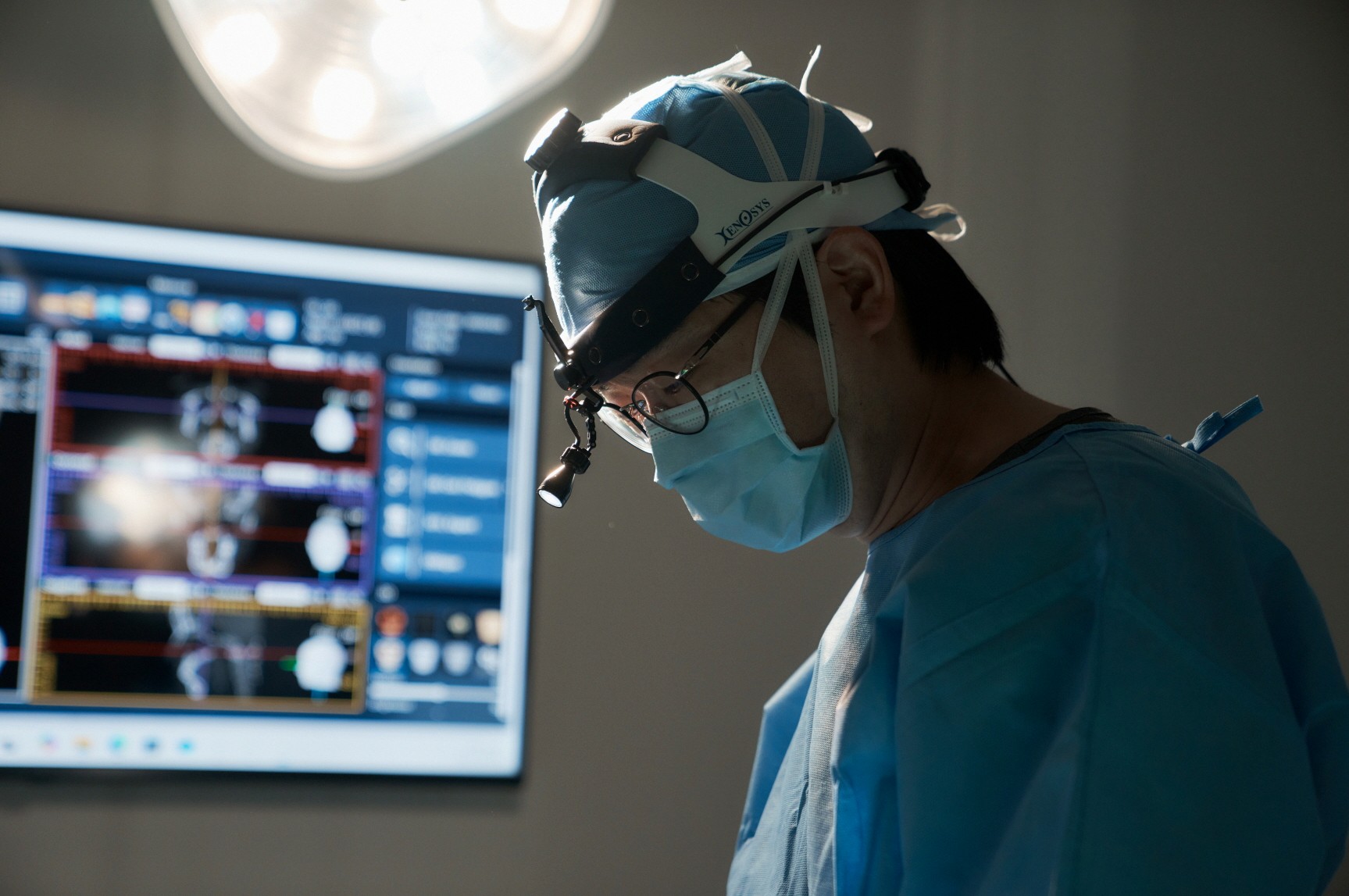
Direct answer: Celebrity-style double jaw surgery is a major orthognathic operation done to correct functional jaw problems and to achieve significant skeletal aesthetic changes. It requires a full diagnostic work-up (imaging and dental assessment), experienced surgical and anesthesia teams, and several weeks to months of recovery and follow-up.
When people talk about “celebrity double jaw surgery” in Korea, they are usually referring to orthognathic surgery that moves both the upper and lower jaws to correct the bite and rebalance the whole face. It can create dramatic changes similar to K‑celebrity transformations, but it is first and foremost a medical jaw operation that must be planned around function, safety, and long‑term stability. It is not a quick cosmetic tweak or a way to copy one specific star’s face.
This guide explains what actually happens in double jaw surgery, who may consider it, how a facial bone–focused clinic in Gangnam typically plans these cases, and what international patients can expect before, during, and after a trip to Seoul.
What people mean by “celebrity double jaw surgery”
The term became popular as more Korean celebrities and influencers appeared with shorter, smaller faces, smoother jawlines, and improved profiles. Many viewers assume they had “celebrity double jaw surgery.”
Medically, this is orthognathic surgery that repositions both the upper jaw (maxilla) and lower jaw (mandible). It was originally developed to fix serious jaw misalignment and bite problems, not just to make the face smaller. However, because the jaws are the foundation of the lower face, changing their position can dramatically change appearance.

In the K‑celebrity context, double jaw surgery is often combined with other procedures such as facial contouring or nose surgery, but the jaw operation itself is the main driver of the big change in profile, smile, and lower face shape.
What double jaw surgery actually does and why celebrities choose it
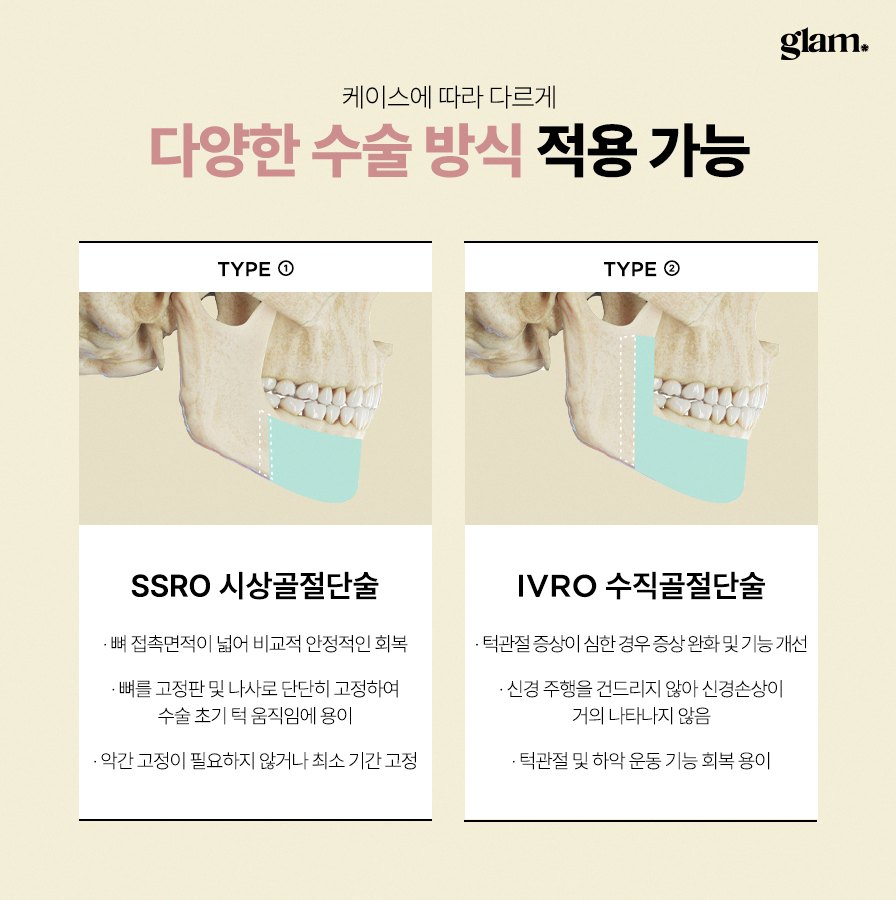
Double jaw surgery involves carefully cutting the upper and lower jaw bones, moving them into a new position, and fixing them in place with small plates and screws. The bone heals in the new position over time.
Functional reasons for double jaw surgery can include:
Severe malocclusion, where the upper and lower teeth do not meet properly
Open bite, where the front teeth do not touch even when the back teeth are together
Protruding mouth or very recessed jaw that affects lip closure and speech
Long face pattern or excessive gum show when smiling
Noticeable facial asymmetry, where one side of the jaw is lower or more protruded
Jaw joint–related issues that are linked to skeletal imbalance
At the same time, the aesthetic effects are what many people notice on celebrities:
A shorter, less elongated face
A smoother, more defined jawline without a heavy lower face
A more balanced profile, with better harmony between nose, lips, and chin
A more attractive smile line with less gum show in some cases
Improved facial symmetry from the front view
Many celebrity cases are done for both function and appearance. Some may start with medical reasons such as difficulty chewing or jaw pain, and then take the opportunity to refine facial balance at the same time.
Who may consider celebrity‑style double jaw surgery
Not everyone who wants a smaller face is a good candidate for double jaw surgery. It is a major bone operation, so it is usually considered for people with structural jaw problems such as:
Severe jaw misalignment that cannot be corrected with simple bite adjustment alone
A long midface with a gummy smile that shows a lot of upper gum when smiling
Very protruded or very recessed jaws that affect lip closure, speech, or breathing
Significant facial asymmetry where one side of the jaw is longer, lower, or more forward
Open bite or crossbite that causes chewing difficulty or uneven wear
Simply wanting to look like a particular celebrity is not a medical indication. Over‑aggressive bone movement or reduction just to copy a face can lead to problems with chewing, speech, jaw joints, or even airway.
Because of this, a proper diagnostic work‑up is essential before deciding on surgery. This usually includes:
Clinical examination of your face and jaw movement
Standardized facial photographs from multiple angles
Cephalometric X‑rays to analyze jaw positions and angles
3D CT scans to understand bone thickness and nerve pathways
Models or scans of your bite to see how your teeth fit together
In some cases, airway evaluation and jaw joint assessment
Only after this kind of analysis can a surgeon advise whether double jaw surgery is appropriate, or whether a different approach would be safer and more suitable.
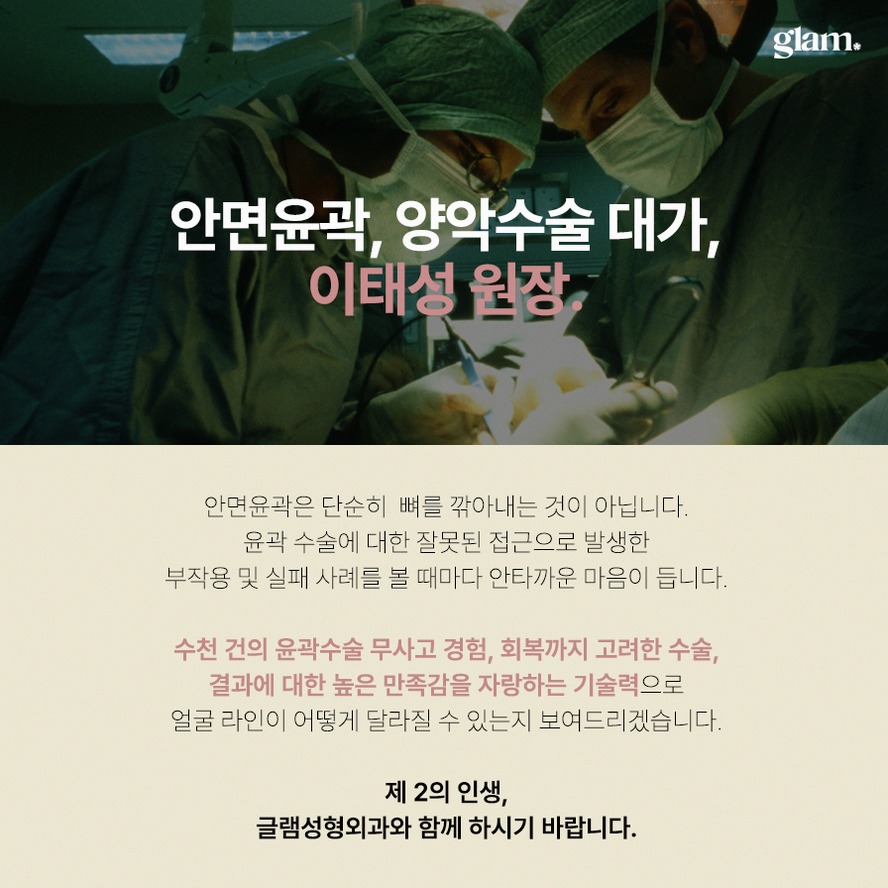
In Sinsa, Gangnam, Seoul, some clinics specialize exclusively in facial bone surgery — procedures such as double jaw (orthognathic) surgery and facial contouring. GLAM Plastic Surgery is one example: it concentrates on facial bone procedures rather than offering a broad menu of unrelated treatments, allowing the team and equipment to focus on complex bone operations.
In Sinsa, Gangnam, Seoul, there are clinics that focus their practice on facial bone surgery, including double jaw surgery and facial contouring. GLAM Plastic Surgery is an example of a clinic that concentrates on these bone procedures rather than offering a wide range of unrelated treatments.
A focused practice can matter for patients considering a complex operation like double jaw surgery. When a clinic mainly treats jaw and contour cases, it can build experience with different facial types, develop detailed protocols for swelling control and nerve care, and organize the operating room and recovery systems around longer bone surgeries.
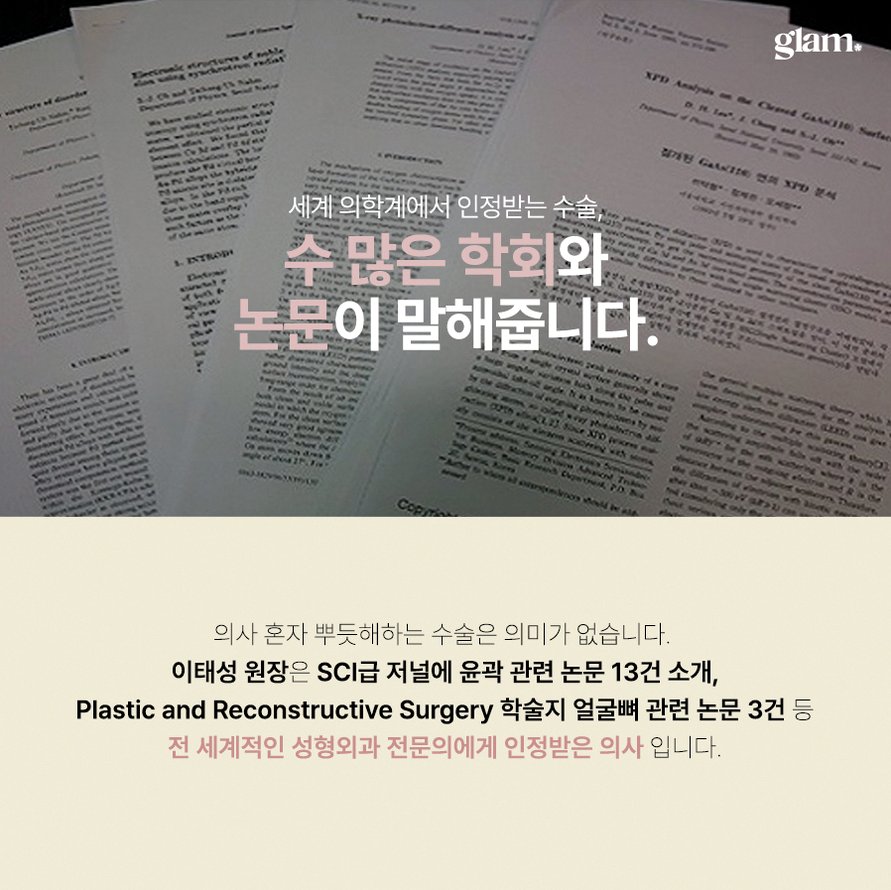
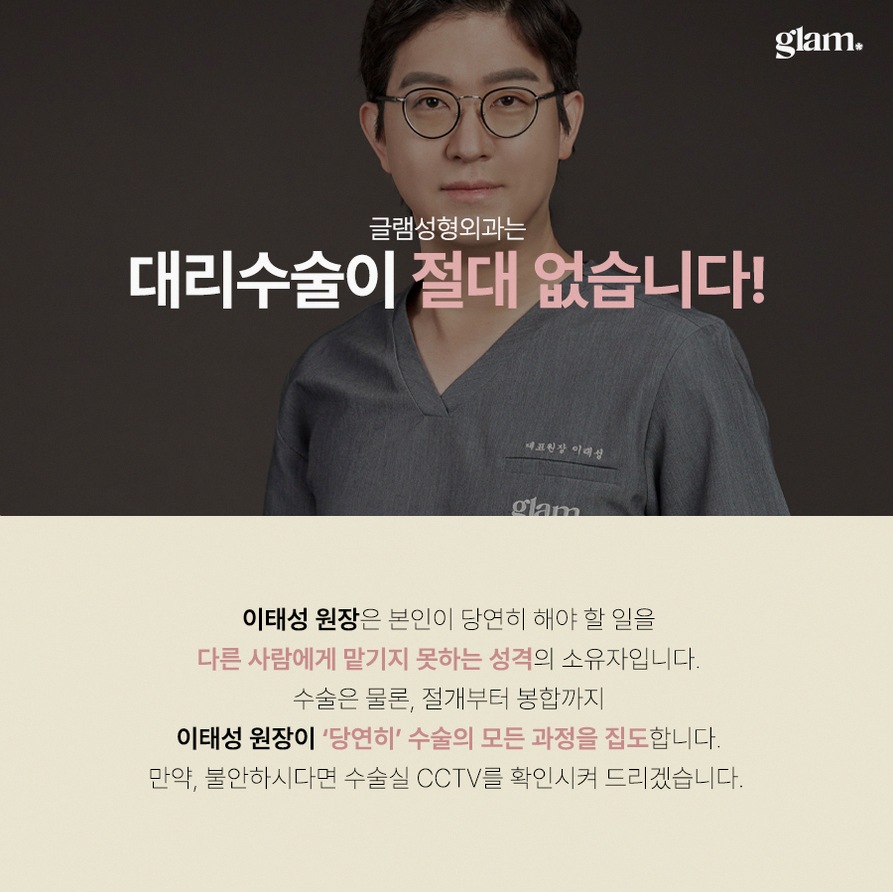
At such clinics, the same lead surgeon typically performs the full operation from start to finish, rather than dividing key steps among multiple doctors. Some surgeons in this field have long experience in facial bone surgery and have published multiple scientific papers in international journals on topics like double jaw surgery and facial contouring. This kind of academic work can be one sign that the surgeon is engaged with evidence‑based techniques and long‑term outcomes, though it is not the only factor to consider.
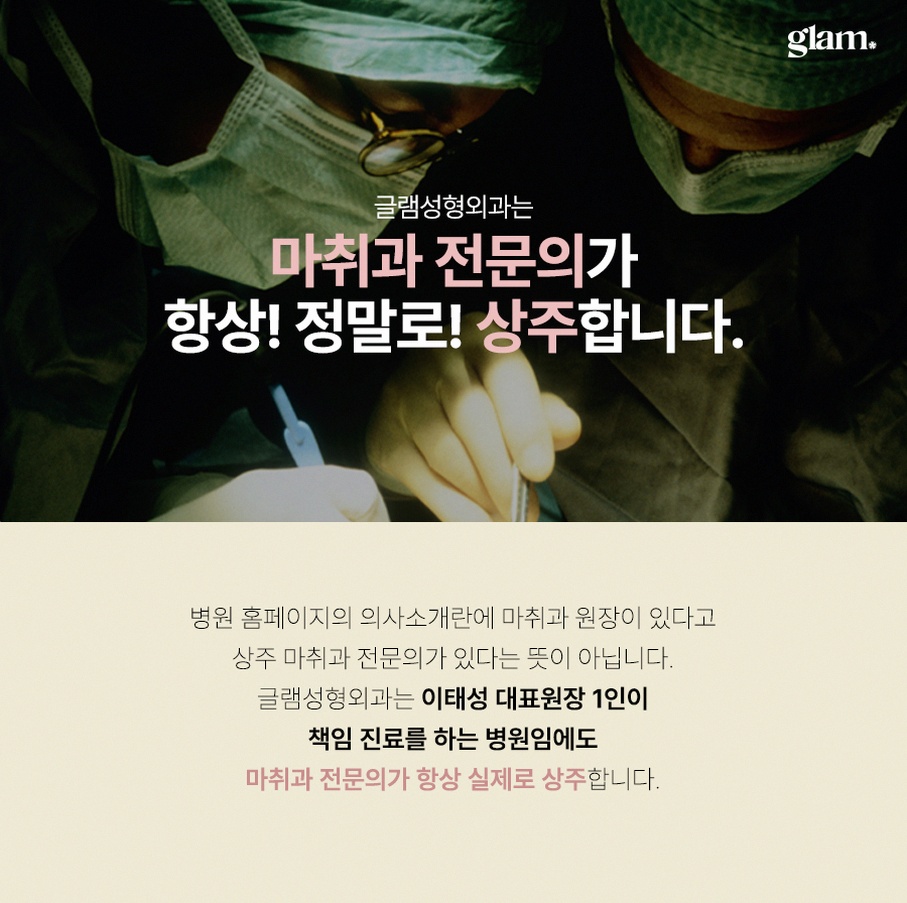
For long operations under general anesthesia, having an anesthesiology and pain medicine specialist present is important. This clinician monitors heart rate, breathing, and blood pressure throughout surgery and manages patient safety and comfort while you are asleep.
Many facial bone–focused clinics also emphasize recommending only the procedures that are necessary to achieve your functional and aesthetic goals, rather than stacking many add‑on surgeries in one session just for marketing appeal.
Key technical points international patients often ask about
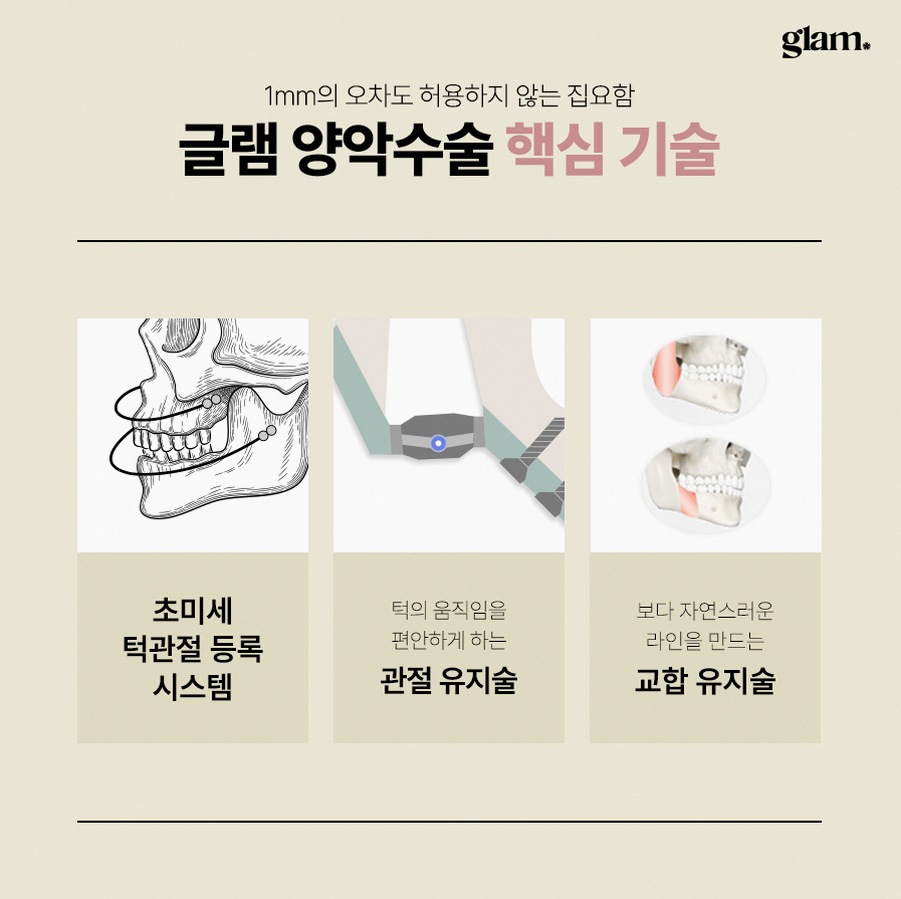
Jaw wiring and intermaxillary fixation
Older methods of double jaw surgery often required the jaws to be wired shut for several weeks after surgery. This is called intermaxillary fixation. It makes eating and speaking very difficult during that period.
With modern techniques and more stable bone fixation, some patients can avoid long‑term rigid wiring. Instead, they may use guiding elastics between the upper and lower teeth to help the bite settle, while still allowing some limited movement. Whether this is possible depends on your specific case and the surgeon’s plan.
Relationship with bite correction
Double jaw surgery changes the position of the jaw bones, but the way the teeth meet still needs to be fine‑tuned. In many cases, patients use bite alignment appliances before surgery to align the teeth in preparation for the new jaw position, and again after surgery for fine adjustment.

In some adult cases, if the main problem is skeletal and the teeth are already relatively well aligned, the surgeon may design the operation to minimize or shorten the need for further bite correction. This is highly individual and can only be decided after a full examination.
Nose and smile changes
Because the upper jaw is connected to the base of the nose, moving it can change the nose and upper lip. Some patients notice that the nose becomes slightly wider or the tip position changes after surgery.
Surgeons can use specific suturing techniques and soft‑tissue handling to reduce unwanted nose widening or drooping. Still, some change in the nose and smile is common because the underlying bone support is different. This is one reason why careful pre‑operative planning and simulation are important.
Customized bone movement, not a celebrity template
There is no standard “celebrity cut line.” The exact way the bones are cut, rotated, advanced, or set back is customized to each patient’s facial proportions, bite, jaw joint condition, and airway. Copying a celebrity’s X‑ray or angle is not safe or realistic.
Instead, the surgeon analyzes how much to move the upper jaw up, down, forward, or backward, and how to rotate and reposition the lower jaw to achieve both a stable bite and a balanced face. This planning often uses 3D imaging and simulation.
Step‑by‑step process and typical Korea visit timeline
Initial online consultation and planning
For international patients, the first step is usually an online consultation. You may be asked to send:
Front, 45‑degree, and side photos of your face in good lighting
Photos of your smile and your bite from different angles
Any previous X‑rays or scans if you have them
Medical history, including any jaw pain, breathing issues, or previous operations
Based on this, the clinic can give a preliminary opinion on whether double jaw surgery might be appropriate, what evaluations you will need in Seoul, and a rough outline of the expected treatment plan and stay.
Pre‑visit preparation
Before you fly, it is helpful to:
Collect your medical records, including any previous jaw or facial imaging
Prepare a list of your main concerns: chewing, appearance, pain, breathing, or speech
Write down medications and supplements you take
Plan enough time in Korea for pre‑op tests, surgery, and initial recovery
Arrange accommodation close to Sinsa or the clinic area for easier follow‑up visits
Typical in‑Korea timeline
While every case is different, a common structure for a double jaw surgery trip might look like this:
First 3–5 days: In‑person consultation, full imaging (X‑rays, CT, bite analysis), 3D planning, medical clearance, and pre‑operative instructions.
Surgery day: General anesthesia, double jaw surgery, and immediate monitoring afterward. Some patients stay in the clinic or hospital overnight.
First week after surgery: Frequent check‑ups, swelling management, pain control, and guidance on hygiene and diet. Swelling usually peaks around days 3–5.
Weeks 2–3: Gradual reduction of swelling, change from liquid to soft diet as allowed, removal of some stitches or elastic adjustments, and monitoring of healing.
Weeks 3–4 and beyond: Many international patients can fly home after 3–4 weeks if recovery is stable and the surgeon agrees. Ongoing follow‑up continues online, and any further bite adjustment can be coordinated with a local provider if needed.
Your clinic will advise you on the minimum recommended stay based on your case and travel distance.
What recovery really feels like
Early recovery
During the first week, you can expect:
Significant facial swelling, especially around the cheeks and jaw
Bruising that may spread down the neck
Difficulty speaking clearly because of swelling and elastics
Liquid or very soft diet, taken slowly and carefully
Sleep disruption due to discomfort and new jaw position
Pain is usually controlled with medication, but the feeling of pressure and tightness can be strong. Good oral hygiene with special rinses and gentle tools is important to reduce infection risk.
Mid‑term recovery
Over the next 1–3 months:
Swelling gradually decreases; most people look more presentable after 3–4 weeks, though subtle swelling can last longer.
You slowly move from soft foods back toward a more normal diet as approved by your surgeon.
Numbness or tingling in the lips, chin, or cheeks usually improves, though it can take months.
Your bite is checked and adjusted as needed.
Some clinics offer structured post‑operative care programs to support recovery. These may include LED therapy, facial dome treatments, gentle skin reset care, and radiofrequency lifting devices to help with swelling and skin tightening around the new bone structure. These sessions are usually spaced over the first few weeks.
Long‑term changes
It can take 6–12 months for the final result to settle as bone, soft tissue, and nerves adapt. Many “after” photos you see of celebrities are taken months after surgery, with professional makeup, styling, and lighting. It is important not to compare your early recovery phase to those polished images.
Risks, safety, and how to choose a clinic in Seoul
Major risks of double jaw surgery can include:
Infection or delayed bone healing
Bleeding or hematoma
Nerve injury leading to temporary or, less commonly, lasting numbness
Asymmetry or relapse of jaw position over time
Bite problems that require further adjustment or, rarely, revision surgery
Jaw joint discomfort or changes in function
Airway changes that may affect breathing in some cases
Because of these possibilities, it is important to choose a clinic with:
A surgeon who is fully trained in jaw and facial bone surgery, with specific experience in double jaw cases
An in‑house anesthesiologist for safe general anesthesia
Access to full imaging and planning tools, including cephalometric analysis and 3D CT
Clear explanations of both functional and aesthetic goals, not only appearance
Academic output, such as peer‑reviewed papers in recognized journals, can be one objective sign that the surgeon follows evidence‑based methods and tracks outcomes. However, you should also look at case examples of patients with similar facial types, and ask detailed questions about risks, alternatives, and recovery.
Be cautious of clinics that promise a specific celebrity’s face, guarantee no swelling, or describe double jaw surgery as a light cosmetic procedure. This is a serious operation and should be treated as such.
Why many patients travel to Gangnam, Seoul
Gangnam, and especially neighborhoods like Sinsa, has become a hub for facial bone surgery. Local and international patients are drawn by the high volume of jaw and contour cases and the availability of clinics that focus on these procedures.
For overseas patients, practical support is important. Some clinics in this area offer multilingual assistance in English, Japanese, Thai, and other languages, as well as active social media channels on platforms like Instagram and YouTube. These channels can help you understand procedures, see educational content, and communicate more easily with coordinators.
However, medical tourism does not remove the need for proper evaluation and realistic expectations. You still need enough time in Korea for tests, surgery, and early recovery, and you should plan for how follow‑up will be handled once you return home.
How to prepare for an online consultation
Before you contact a clinic for celebrity‑style double jaw surgery, it helps to prepare:
A short summary of your main concerns: function (chewing, breathing, pain) and appearance (profile, symmetry, smile)
Clear photos from front, side, and 45‑degree angles, with hair pulled back and neutral expression
Photos of your bite from the front and sides
Information about any previous jaw, face, or bite treatment
Questions you want to ask about the procedure, recovery time, and possible alternatives
During the consultation, notice whether the clinic:
Asks about your functional symptoms, not only appearance
Explains the medical side of double jaw surgery and possible risks
Avoids promising a certain celebrity’s face or guaranteed results
Gives a realistic estimate of how long you should stay in Korea
Frequently asked questions about celebrity double jaw surgery
Is celebrity double jaw surgery only for stars and influencers?
No. The same type of double jaw surgery used by celebrities is also used for ordinary patients with jaw misalignment, open bite, facial asymmetry, or long face patterns. The difference is that celebrities’ results are highly visible and often combined with styling and other procedures, which makes the change more dramatic on screen.
How different is double jaw surgery from simple facial contouring?
Double jaw surgery moves the upper and lower jaw bones to change the bite and the foundation of the face. Facial contouring usually reshapes the outer parts of the jaw or cheekbone without changing the bite. If your main problem is skeletal misalignment or open bite, contouring alone will not correct it. In some cases, double jaw surgery and contouring are combined, but they serve different purposes.
Can I get double jaw surgery just to make my face smaller?
It is important to have a real structural reason for such a major operation. If your bite is stable and your jaw position is within a normal range, a surgeon may recommend less invasive options instead of double jaw surgery. Trying to make the face as small as possible by moving the jaws too far can lead to functional problems, so responsible clinics will focus on overall balance and health rather than extreme reduction.
How long until I look presentable in public after double jaw surgery?
Most patients experience peak swelling in the first week. By around 3–4 weeks, much of the visible swelling has improved, and many people feel comfortable going out with light makeup and a mask if desired. However, subtle swelling and numbness can last for several months, and the final facial line continues to refine over 6–12 months.
Will my nose or smile change after double jaw surgery?
Some change in the nose and smile is common, especially when the upper jaw is moved. The base of the nose can widen slightly, and the way the upper lip rests on the teeth can change. Surgeons can use techniques to reduce unwanted nose spreading, but it is important to understand that the whole midface area is interconnected. Your surgeon should explain likely changes based on your specific plan.
Can double jaw surgery be done without jaw wiring?
In many modern cases, long‑term rigid wiring is not used. Instead, the bones are fixed with plates and screws, and guiding elastics help the bite settle. However, in some situations, short‑term fixation may still be necessary. The exact method depends on your jaw condition and the surgeon’s judgment.
What should I check before choosing a clinic in Gangnam for double jaw surgery?
Check the surgeon’s training and specific experience with double jaw cases, ask who will actually perform your surgery, and confirm that an anesthesiologist will be present throughout. Look for clinics that provide full imaging and clear explanations of your diagnosis, not just a quick quote. It is also wise to ask how many days they recommend you stay in Korea, what aftercare they provide, and how they handle complications or revisions if needed.

A practical next step
Celebrity double jaw surgery can be life‑changing when it is done for the right reasons, with careful planning around both function and appearance. The goal is not to become a copy of someone else, but to achieve a healthier bite and a more harmonious facial balance that suits your own features.
If you are considering traveling to Seoul for double jaw surgery, arranging an online consultation with a facial bone–focused clinic in Sinsa, Gangnam, such as GLAM Plastic Surgery, can help you understand whether this operation is appropriate for you, what your personalized plan might look like, and how to organize your stay in Korea.
Use this guide as a starting point, prepare your questions in advance, and take time to compare clinics carefully. A thoughtful decision now can support safer surgery and more satisfying long‑term results.




- 공유 링크 만들기
- X
- 이메일
- 기타 앱


댓글
댓글 쓰기