in Seoul: Timing, CT Planning & Gangnam Clinic Tips
- 공유 링크 만들기
- X
- 이메일
- 기타 앱
Revisional cheekbone reduction surgery, also called revisional zygoma contouring, is a second operation to correct problems after a previous cheekbone reduction. It may help if your face still looks wide, your cheeks look too flat or hollow, your cheekbones are uneven, you can feel sharp steps in the bone, or you developed sagging or discomfort after your first surgery.
Careful CT-based planning, realistic expectations, and choosing a facial bone–focused team in Seoul’s Gangnam area are essential, especially for international patients.
Overview of revisional cheekbone reduction
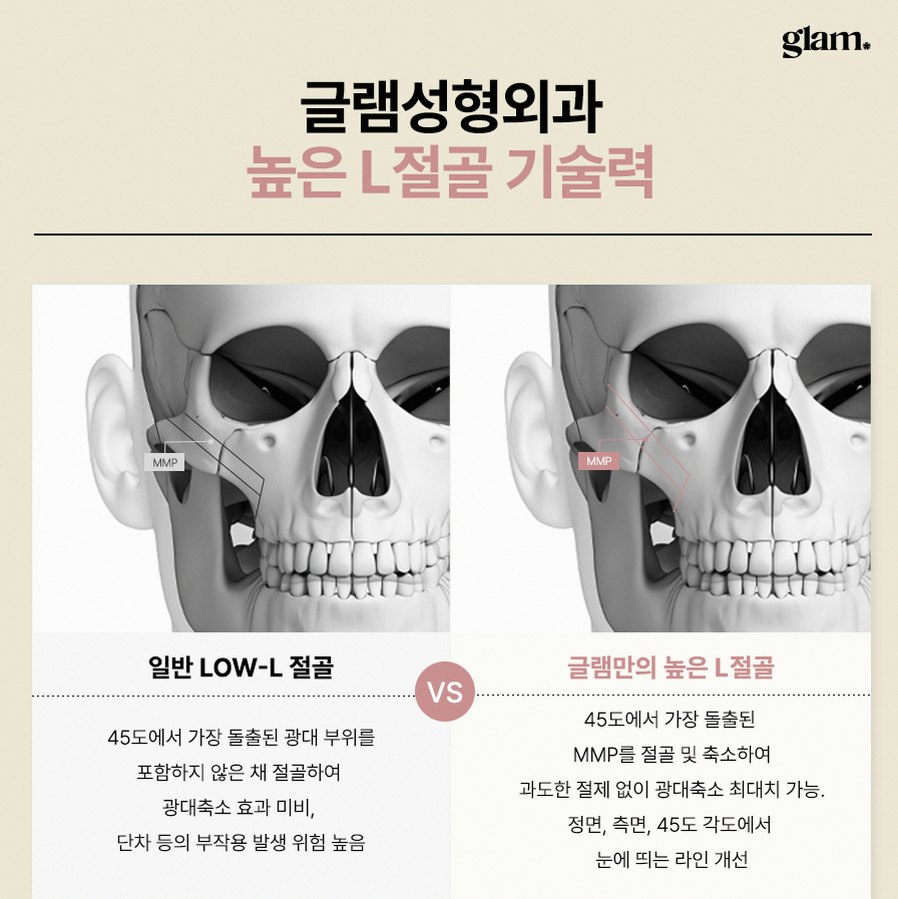
Standard cheekbone reduction surgery aims to narrow a wide midface, soften prominent cheekbones, and improve facial balance from the front and 45-degree angles. Surgeons usually cut and move part of the zygomatic bone and arch, then fix them with plates and screws.
Revisional cheekbone reduction is performed when the first operation leaves you unhappy with the appearance or causes functional issues. Instead of simply “cutting more bone,” revision often involves:
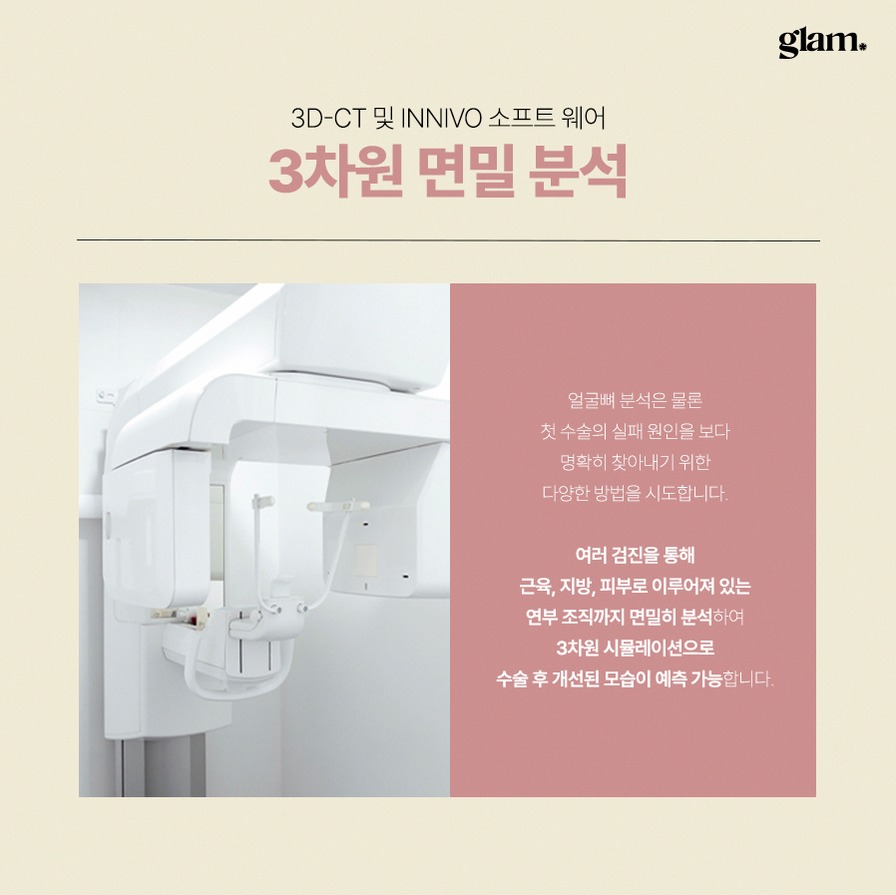
Re-opening or adjusting previous bone cuts when needed.
Smoothing irregular or stepped areas.
Repositioning one or both cheekbones for better symmetry.
Adding support with grafts or implants in selected cases.
Combining bone work with lifting or volume restoration for sagging or hollow cheeks.
Because the bone has already been cut and healed once, revision must be more conservative and precisely planned to avoid worsening sagging, asymmetry, or instability.
Who may consider revisional cheekbone reduction
Typical reasons people seek cheekbone revision after a previous zygoma reduction include:
The face still looks wide from the front or at 45 degrees, as if little changed.
One cheekbone looks higher, wider, or more projected than the other.
The midface appears unnaturally flat, hollow, or aged due to over-reduction.
You can feel or see a step-off deformity, ridge, or sharp edge along the cheekbone.
Cheeks have sagged downward, with deeper nasolabial folds or jowls than before.
There is chronic discomfort, such as pain, tightness, or a feeling that something is not sitting right.
In some cases, problems are structural, such as poor bone healing (nonunion or malunion), unstable fixation, or plates in an uncomfortable position. In others, the main issue is soft tissue: sagging, volume loss, or skin laxity rather than the exact bone position.
Revision may be considered if:
At least 6 to 12 months have passed since your first surgery and swelling has fully settled.
Photos and 3D CT imaging confirm asymmetry, malposition, or irregularities.
Non-surgical options like fillers or simple lifting alone cannot reasonably address the problem.
Urgent revision earlier than 6 months is usually reserved for serious complications such as infection, severe malposition, or hardware problems.
Why timing matters for revision
Bone and soft tissue need time to heal and stabilize after cheekbone reduction. Swelling, scar maturation, and subtle changes in soft tissue can continue for many months. If you rush into revision too early:
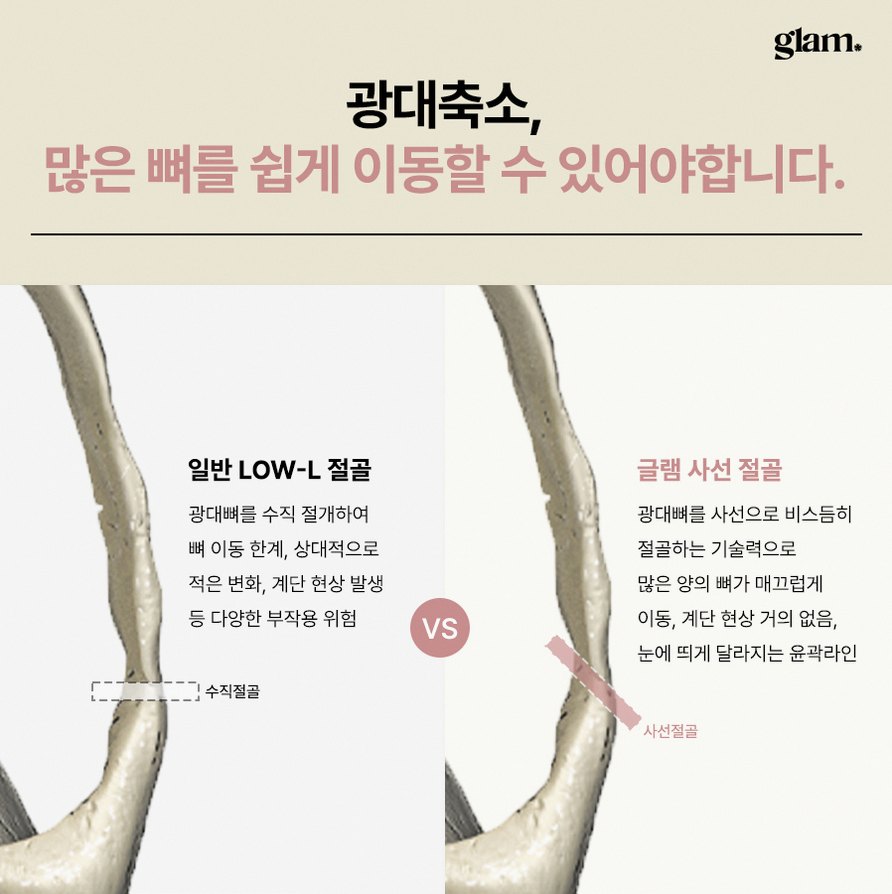
The final shape from the first surgery may not yet be visible, so you risk correcting something that would have improved on its own.
Scar tissue is immature, which can increase bleeding, swelling, and difficulty of dissection.
The bone may not be fully healed, making it harder to re-cut and fix securely.
For most patients, surgeons recommend waiting at least 6 to 12 months after the initial operation before planning revision, unless there is an obvious urgent issue. During this waiting period, careful monitoring, photos, and sometimes non-surgical support (such as temporary fillers or skin tightening treatments) can help you and your surgeon understand what truly needs to be changed.
Preoperative evaluation for cheekbone revision
Revisional cheekbone surgery requires more detailed assessment than a first-time procedure. A thorough evaluation typically includes:
Detailed consultation
You and the surgeon discuss exactly what bothers you: how your face looks from the front, side, and 45-degree angles; how it looks when you smile; what you feel when you touch the area; and whether you experience pain, tightness, or numbness.
Review of previous surgery
If possible, bring any records from your first operation: operative notes, before-and-after photos, CT scans, and information about the type of osteotomy and fixation used. This helps the surgeon understand where the bone was cut, how much was moved, and where plates and screws are likely located.
Imaging and facial analysis
A 3D CT scan is very important in revision. It allows the surgeon to:
Check the exact shape and position of the zygomatic body and arch.
See previous bone cuts, healing status, and any nonunion or malunion.
Locate existing plates and screws.
Evaluate the maxillary sinus and surrounding structures.
Compare left and right sides for symmetry.
In addition, facial proportion analysis looks at how your cheekbones relate to your jawline, chin, forehead, and nose. Sometimes the cheekbones themselves are acceptable, but imbalance with the jaw or chin creates a disharmonious impression.
Soft-tissue evaluation
Your surgeon will also assess:
Degree of cheek sagging (ptosis) and jowling.
Volume loss in the midface and under-eye area.
Skin elasticity and thickness.
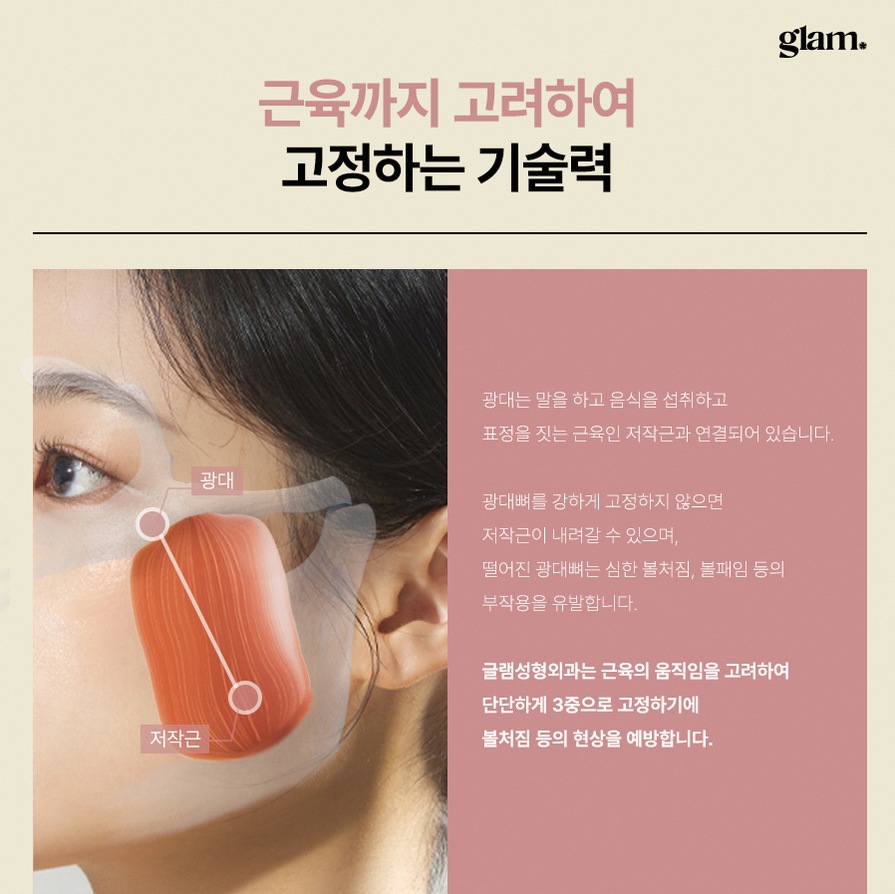
In some patients, the main problem is not the bone, but the soft tissue sliding downward after the cheekbone was reduced. In such cases, aggressive re-cutting of bone may not be the best answer. A more appropriate plan might combine minimal bone work (if needed) with lifting procedures, fat grafting, or other soft-tissue support.
Main revision strategies and techniques
The exact surgical plan depends on what went wrong in the first surgery and what your current priorities are. In general, revision strategies can be grouped as follows.
Correcting under-correction (still wide cheekbones)
If your midface still looks broad, the surgeon may consider a new osteotomy of the zygomatic body and arch, provided the bone quality and previous cuts allow safe re-cutting. The goal is to move the cheekbone inward and sometimes slightly backward, but in a controlled way that preserves midface support.
Because the soft tissue has already adapted once, the surgeon must be careful not to remove too much support. Often, the focus is on fine-tuning rather than dramatic narrowing.
Correcting over-reduction or hollowed cheeks
If too much bone was removed or moved inward, your face may look flat or sunken. In this situation, further reduction is usually not appropriate. Instead, options may include:
Smoothing sharp edges or irregularities with a burr.
Adding bone grafts or specially designed implants to restore volume and projection.
Combining with fat grafting or other soft-tissue augmentation to soften hollows and improve contour.
The aim is to rebuild a natural cheek curve and support the overlying soft tissue, not to chase extreme slimness.
Fixing asymmetry and step deformities
When one side is higher, wider, or more projected than the other, or when you can feel a step-off between bone segments, revision may involve:
Releasing and repositioning one side of the zygoma.
Adjusting the angle or rotation of the bone segment.
Smoothing step-offs and irregular edges with burring.
Re-fixation with plates and screws in a more symmetric position.
Perfect symmetry is rarely possible, but meaningful improvement in balance and smoothness is often a realistic goal.
Addressing sagging cheeks after cheekbone reduction
Significant lateral cheekbone reduction can decrease the bony support that holds the cheek soft tissue up. Over time, this may lead to sagging cheeks, deeper nasolabial folds, and an older appearance.
In revision cases with noticeable sagging, the plan may include:
Limited bone work, only if necessary for shape or stability.
Soft-tissue lifting or suspension to reposition descended tissue.
Volume restoration in areas that look hollow.
The surgeon’s priority is to restore support and contour rather than simply making the bones smaller.
Risks and limitations of revisional cheekbone surgery
Revision surgery always carries higher risks than primary surgery. Important reasons include:
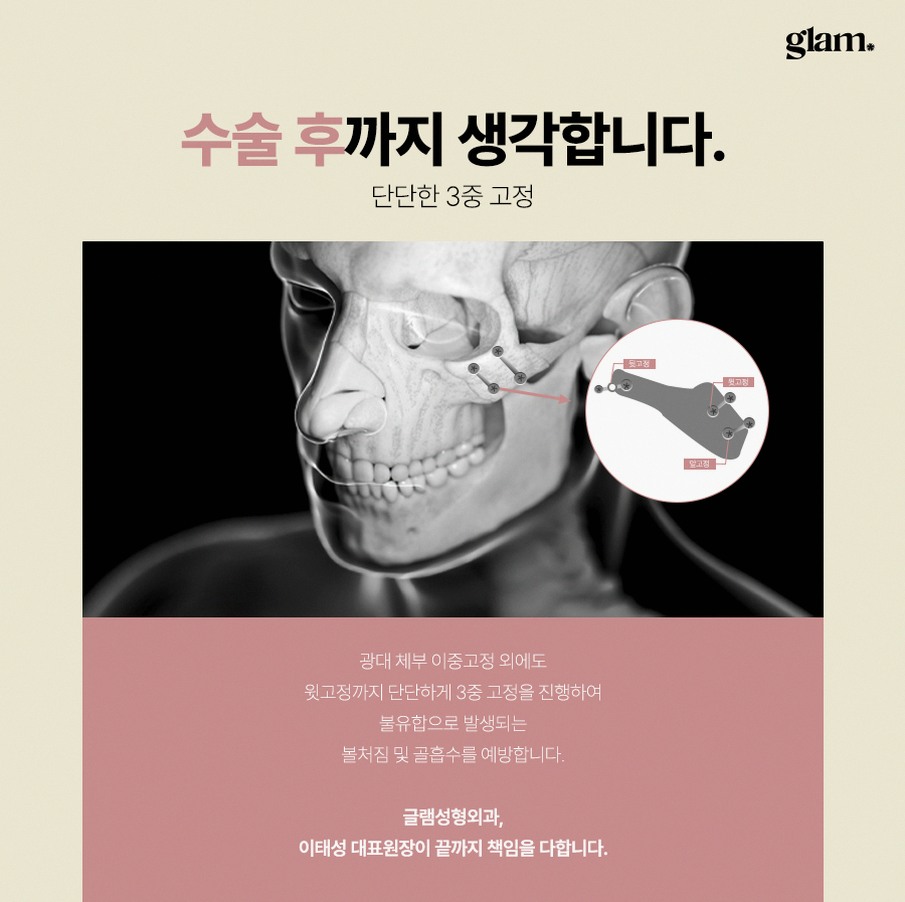
The anatomy has been altered by previous cuts and fixation.
Scar tissue makes dissection more difficult and can affect blood supply.
There may already be areas of numbness or nerve sensitivity.
Potential risks to be aware of are:
Incomplete correction: perfect symmetry and a perfectly ideal shape cannot be guaranteed.
Worsening of sagging or hollowing if too much bone is removed again.
Prolonged numbness or altered sensation due to nerve irritation or injury.
Problems with bone healing or fixation in previously operated areas.
Infection around existing or new plates and screws.
Because of these factors, a conservative, safety-first approach is usually recommended. The aim is to achieve reasonable improvement with the minimum necessary intervention, rather than chasing perfection with multiple aggressive operations.
How to choose a clinic and surgeon in Seoul
For facial contouring revision, especially if you are traveling from overseas, the choice of clinic is critical. Points you may wish to check include:
Whether the clinic focuses specifically on facial bone surgery, such as double jaw and contouring procedures, rather than offering every possible cosmetic treatment.
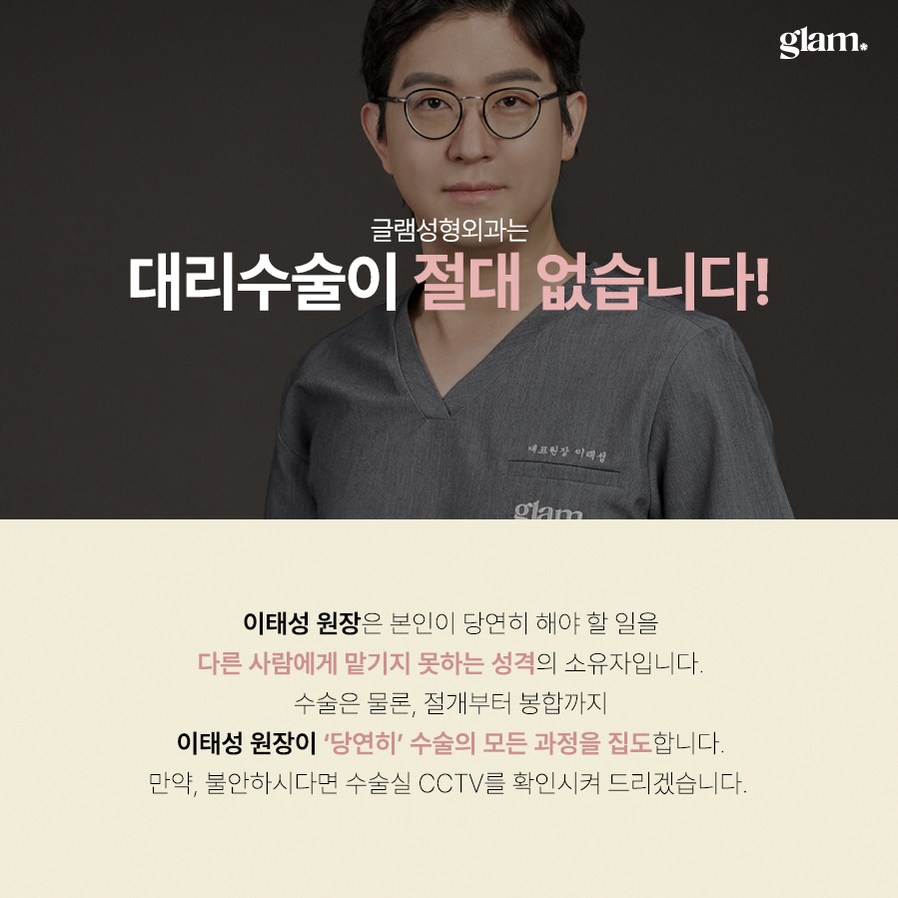
Whether the operating surgeon is a plastic surgeon with substantial experience in facial bone and revision cases.
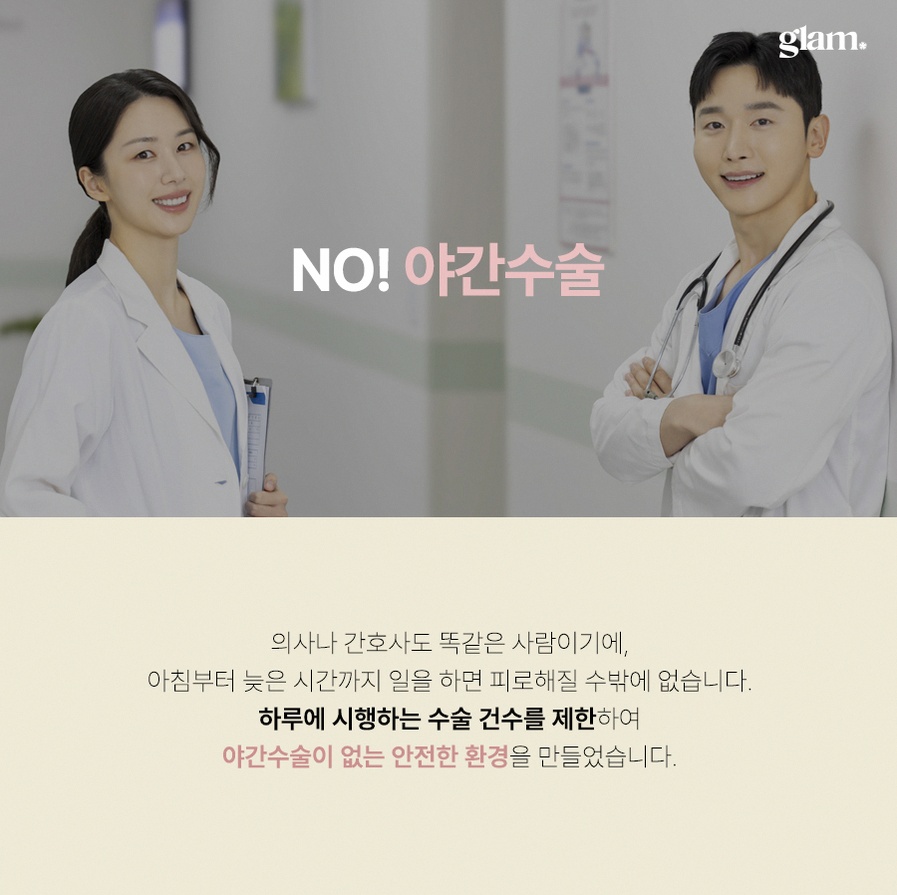
Whether a dedicated anesthesiologist is present throughout surgery for continuous monitoring.
Whether 3D CT and systematic preoperative evaluations are routinely used for planning.
How the clinic decides when not to operate, and whether they are willing to recommend non-surgical or minimal options when those are safer.
GLAM Plastic Surgery in Gangnam operates as a facial bone–focused clinic, with an emphasis on double jaw and facial contouring. Surgery is performed directly by the lead plastic surgeon, and anesthesia is managed by a specialist in anesthesiology and pain medicine who serves as the clinic's anesthesiology lead, which can be an important safety factor for complex revision cases.
Anesthesia, operation time, and recovery
Anesthesia
Revisional cheekbone reduction is usually performed under general anesthesia. This allows the surgeon to work precisely on the bone without movement or discomfort and to manage longer operation times safely. For revision, continuous monitoring by an anesthesiology specialist is especially important because the surgery can be more technically demanding.
Operation time
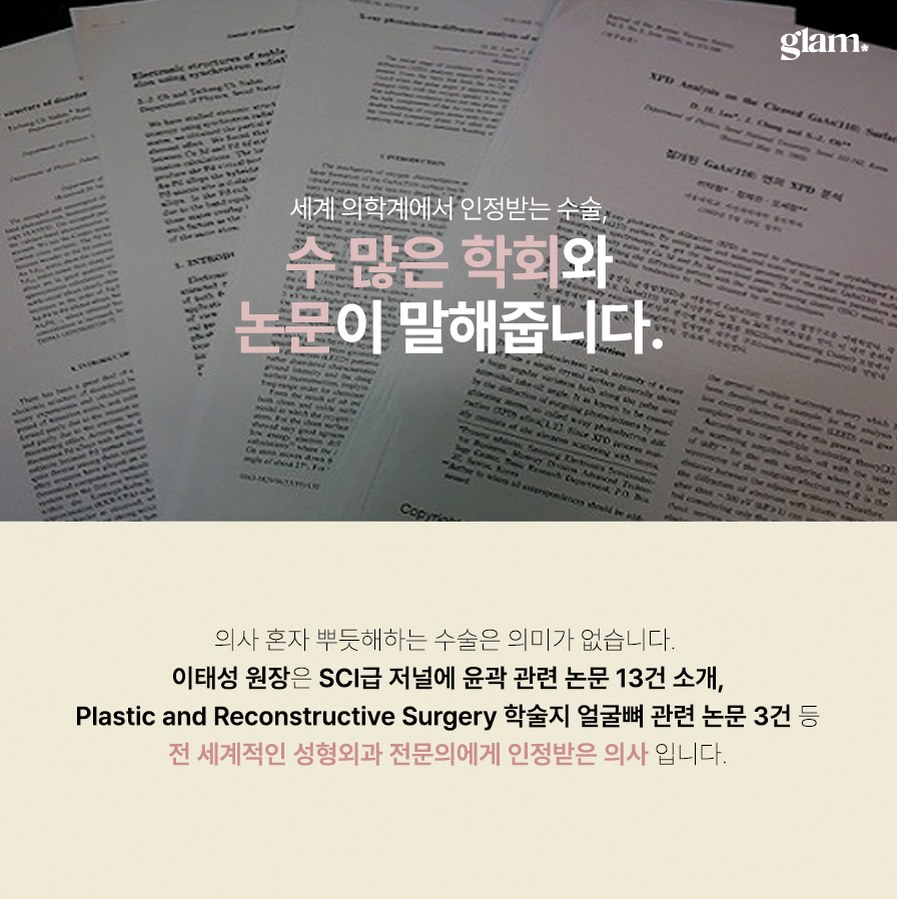
Revision procedures often take longer than first-time cheekbone reduction. The surgeon may need to carefully release scar tissue, remove or adjust existing plates and screws, and work around altered anatomy. The exact duration depends on the complexity of your case and whether additional procedures such as lifting or fat grafting are combined.
Recovery timeline
Swelling after revision can be more pronounced and longer-lasting than after the first surgery. A general outline is:
First 1 to 2 weeks: noticeable swelling and bruising, gradually improving. You may need to sleep with your head elevated and avoid strenuous activity.
First 1 to 2 months: major swelling subsides, and your face starts to look more natural in daily life. Some tightness, stiffness, or mild asymmetry may still be visible.
Several months: the final contour continues to refine as residual swelling resolves and tissues settle. Numbness or altered sensation may slowly improve over this period.
Your surgeon will provide specific instructions about activity restrictions, sleeping position, and when you can return to work or travel.
Postoperative care and follow-up
Aftercare is especially important in revision cases. Typical elements include:
Regular follow-up visits to check wounds, swelling, and overall healing.
Imaging, such as X-rays or CT, when needed to confirm bone position and fixation.
If intraoral incisions are used, guidance on oral hygiene, including gentle mouth rinsing and a soft diet during the early healing period.
Avoiding trauma or pressure to the cheek area, such as strong facial massage or contact sports, until the bone is stable.
Use of supportive recovery programs, such as gentle facial care, LED therapy, or radiofrequency-based treatments, if recommended by your surgeon, to help manage swelling and support skin quality. These are supportive measures and cannot replace proper surgery.
Because changes in bone and soft tissue can continue for months, long-term follow-up is recommended to monitor for any late changes or concerns.
Online consultation and pre-visit preparation for overseas patients
If you live outside Korea and are considering revisional cheekbone reduction in Seoul, online consultation is usually the first step. To make this process efficient and informative, prepare the following:
Clear photos of your face from the front, both 45-degree angles, both sides, and slightly from below. Include neutral and smiling expressions if possible.
Any pre- and post-operative photos from your first surgery.
Previous CT scans or X-rays, ideally with reports, if you can obtain them.
Basic medical history, including any chronic illnesses, medications, allergies, and smoking or vaping habits.
A written list of what specifically bothers you, ranked by priority (for example, “1. Asymmetry, 2. Sagging, 3. Step-off I can feel on the right side”).
During online consultation, you can ask about:
Whether your goals seem realistic based on the provided images.
What kind of imaging and tests will be done in Korea.
How long you should stay in Seoul for surgery and follow-up.
What to expect in terms of swelling, activity restrictions, and return to work or travel.
Expected Korea visit timeline for revision
While exact schedules vary, many overseas patients follow a similar timeline:
Before arrival
Complete online consultation and share all available records.
Receive a provisional plan and estimated length of stay.
Arrange travel, accommodation near Gangnam or Sinsa Station, and any necessary visa.
Day 1 to 2 in Seoul
In-person consultation, examination, and 3D CT imaging.
Finalization of the surgical plan and consent after detailed discussion.
Preoperative tests such as blood work and general health checks.
Surgery day
Hospital admission, meeting with the surgeon and anesthesiologist.
Revisional cheekbone reduction (and any planned combined procedures) under general anesthesia.
Post-anesthesia monitoring and early recovery in the clinic or hospital.
First week after surgery
Regular checks for swelling, wound condition, and pain control.
Instructions for oral care, diet, and activity.
Possible use of gentle recovery treatments if recommended.
Second week and beyond
Suture removal if applicable.
Final in-person review before you return home.
Discussion of long-term care, what to watch for, and timing of remote follow-ups.
Overseas patients' required visit length varies with the complexity of the case and individual circumstances; the clinic will advise a recommended stay after consultation.
Emotional aspects and setting healthy expectations
It is common for revision patients to feel regret, anxiety, or distrust after a disappointing first surgery. These feelings are understandable and should be acknowledged during consultation.
Before deciding on another operation, it may help to:
Have an open discussion with your surgeon about what can and cannot be improved.
Clarify your priorities: for example, is your main goal to reduce asymmetry, to soften hollowness, or to improve sagging?
Accept that no surgery can create a perfectly symmetrical or flawless face.
Be cautious about repeated revisions driven by perfectionism or online images that may be edited or unrealistic.
A responsible surgeon will sometimes advise against further bone surgery if the risks outweigh the likely benefits and may instead suggest non-surgical or limited options. Choosing a team that is willing to say no to unsafe or unnecessary revision is an important part of protecting your long-term health and appearance.
Frequently asked questions
Is revisional cheekbone reduction more dangerous than first-time surgery?
Revision generally involves higher risk than primary cheekbone reduction because the anatomy has already been altered, scar tissue is present, and nerves or blood supply may be more vulnerable. This does not mean it is always unsafe, but it does require more careful planning, conservative decision-making, and an experienced facial bone team. A detailed CT-based evaluation and clear discussion of risks and benefits are essential before you proceed.
How long should I wait before considering cheekbone revision?
In most cases, surgeons recommend waiting at least 6 to 12 months after your first cheekbone reduction. This allows swelling to fully resolve and soft tissue to settle, so you can see the true result. It also gives the bone time to heal and become stable enough for safe re-cutting if needed. Earlier revision is usually reserved for serious complications such as infection, severe malposition, or hardware problems.
Can cheek sagging after cheekbone reduction be fixed without another bone surgery?
Sometimes, yes. If the main problem is soft-tissue descent rather than bone position, options like lifting procedures, soft-tissue suspension, or fat grafting may help improve sagging and hollowness without re-cutting the bone. However, if the cheekbone was over-reduced or poorly positioned, a combination of limited bone revision and soft-tissue procedures may be recommended. A proper evaluation is needed to decide the safest and most effective approach.

Will revisional cheekbone surgery make my face perfectly symmetrical?
No surgeon can guarantee perfect symmetry, especially in revision cases. The goal is usually to reduce noticeable differences between the left and right sides and to smooth obvious irregularities or step deformities. Natural faces always have some degree of asymmetry. Setting realistic expectations and focusing on meaningful improvement rather than perfection can help you feel more satisfied with the outcome.
Soft call to action
If you are an overseas patient unhappy with a previous cheekbone reduction and are considering revisional cheekbone surgery in Seoul, an online consultation can be a safe first step. By sharing your photos, past records, and concerns in detail, you can receive a more individualized assessment and understand whether revision, soft-tissue procedures, or non-surgical options might be appropriate for you.
GLAM Plastic Surgery, located near Sinsa Station in Gangnam, provides facial bone–focused care and multilingual support in English, Japanese, and Thai for international patients. If you are exploring your options, you may wish to contact the clinic for a structured online consultation and guidance on planning a visit to Korea.




- 공유 링크 만들기
- X
- 이메일
- 기타 앱


댓글
댓글 쓰기